
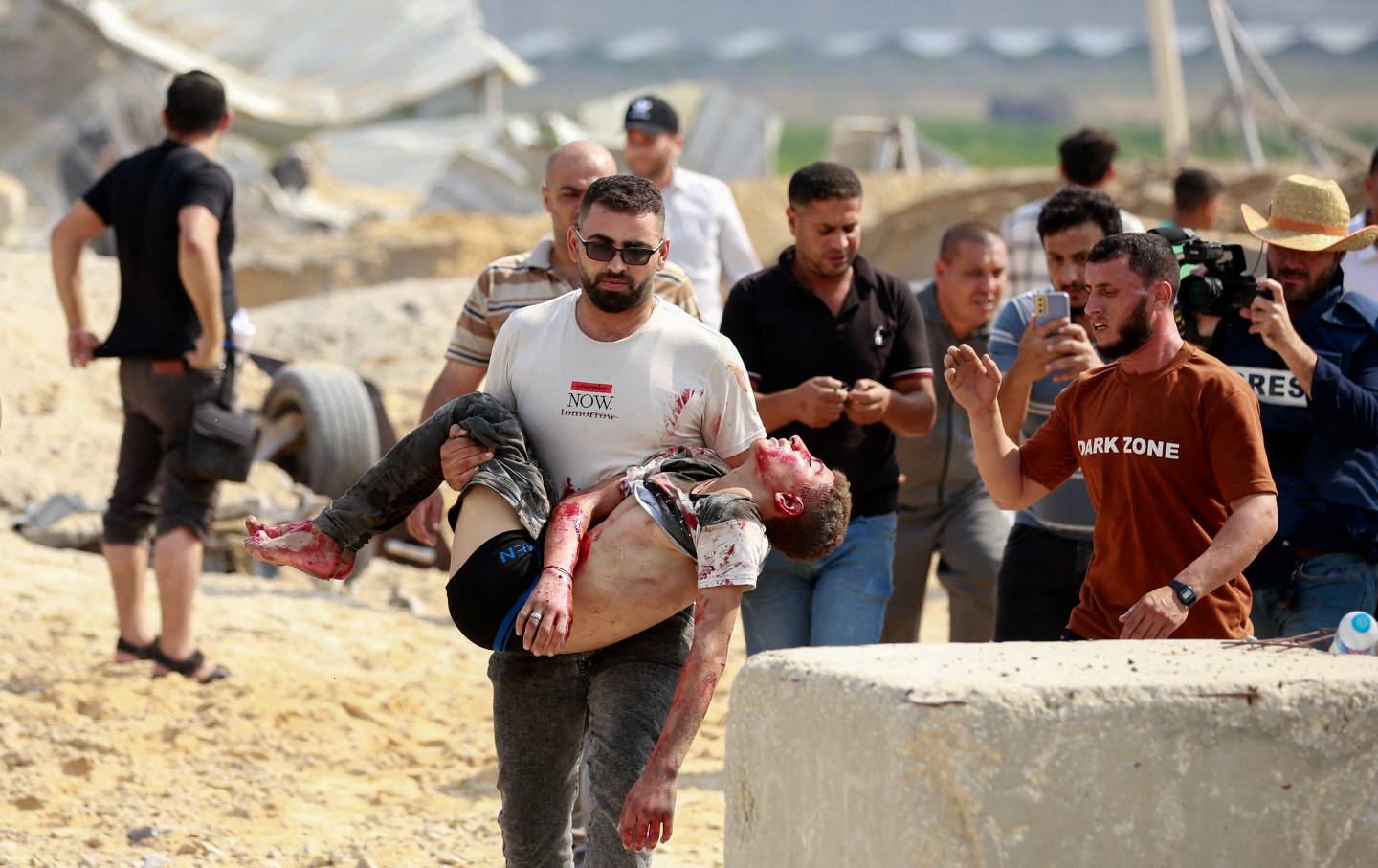
A man carries away a Palestinian killed in an Israeli airstrike at the Erez crossing between Israel and the northern Gaza Strip, on October 7, 2023.
(Bashar Taleb / AFP via Getty Images)The world remembers Gaza again this week. Had Palestinians wanted remembrance after each date we experienced atrocity, a full, long year wouldn’t have enough days. We have been faithful victims, though, haven’t we? Since 2023, the world has applauded the resilience of our bare chests standing up to the tanks grinding us dead. Our blood must’ve shed beautifully. The women and children mourning everything and everyone they had ever known have cried in perfect tears for protests and, indeed, outraged slogans. Our homes, no longer recognizable, could have been spared if they had not borne witness to lifetimes of destruction. And if only our screams hadn’t been too loud. Three years in, forgive us for not making as many stories about our sons and daughters as the world can give standing ovations. I wish my late journalist colleagues were a bit more courageous to commit a crime and call it out. They would have been worthy of support. Probably they would’ve been deserving of protection.
My life has become a tale of a thousand anniversaries. So I dare ask: Does remembering the date of a tragedy make it easier to name? To live with? How is recalling our trauma—and dedicating an anniversary for it—going to help erase it? How is the mere reflection on something still happening and painful beyond any human’s language will bring it to an end? The notion of marking an anniversary that kicked off a rather inhumane and unimaginable memory in a long history of erasure points to the fact that the world has already moved on. It supposes that all we ever asked for was empathy. And that, frankly, is why we’re more at peace with a senseless world than we are with our tragedies. If the moral urge behind holding an anniversary is to hold space for the grief that the past few years have inflicted, by no means should this say that we’re past the grieving. If it was to end this grief, then we’re not even in any way close to doing so.
And although I’ve written constantly and with abundant detail about all the personal and collective agony I have endured over the last three years, I still haven’t been able to put into words the true feeling of realizing that with each anniversary of death we become one year closer to life. But here is what I am able to say.
A day on which entire bloodlines were erased from the civil registry should not be an anniversary.
A day our mothers were crushed beneath the concrete of their own kitchens should not be an anniversary.
A day newborns suffocated in dark, unpowered incubators should not be an anniversary.
A day flour sacks were soaked in the blood of men standing in line for bread should not be an anniversary.
A day children had their limbs amputated without anesthesia on blood-slicked hospital floors should not be an anniversary.
A day thousands of tons of explosives flattened every school, university, hospital, and library should not be an anniversary.
A day our grandparents were forced to relive their displacement under relentless bombardment should not be an anniversary.
A day white shroud shortages forced us to bury three generations in a single shallow trench should not be an anniversary.
A day parents carried what remained of their children in plastic bags should not be an anniversary.
A day entire cities were turned into a blinding wasteland of pulverized stone and bone should not be an anniversary.
A day refugee tents were set ablaze while families slept on the sand should not be an anniversary.
A day doctors, poets, teachers, civil defense crews, and journalists were targeted for bearing witness should not be an anniversary.
A day mothers dug through scorching rubble with bare hands until their fingernails ripped away should not be an anniversary.
A day drop-delivered aid crushed the starving people it was meant to feed should not be an anniversary.
Popular
“swipe left below to view more authors”Swipe →A day human beings were hunted through ruined alleyways by silent quadcopters should not be an anniversary.
A day ancient olive groves, centuries-old mosques and churches, and family photo albums were bulldozed into dirt should not be an anniversary.
A day an entire generation was orphaned, maimed, and stripped of a future should not be an anniversary.
A day hundreds of infants starved to death while their mothers did not have enough formula to feed them should not be an anniversary.
A day the sky turned into a screaming engine of death overhead should not be an anniversary.
A day our memories, our songs, and our homes were buried under mountains of gray ash should not be an anniversary.
A day the global audience watched a live-streamed genocide and called it defense should not be an anniversary.
Do not attempt to mark a date on a calendar that is not yours. If you do, keep your prayers—or celebrations—and let us keep what remains of your dignity.
More from The Nation
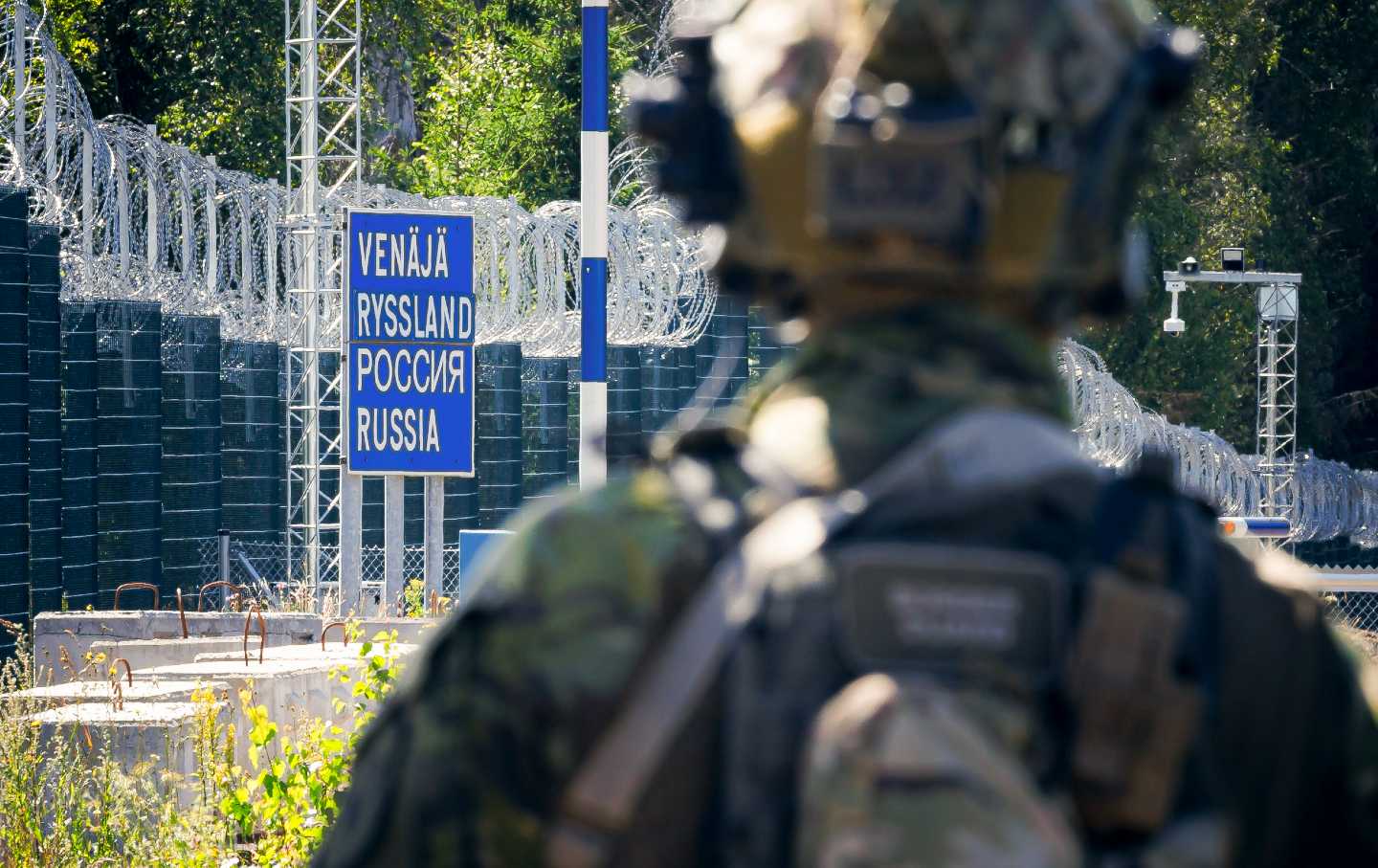
Are Europe and Russia Slow-Walking to World War III? Are Europe and Russia Slow-Walking to World War III?
Dangerous rhetoric has been escalating on both sides for some time now.
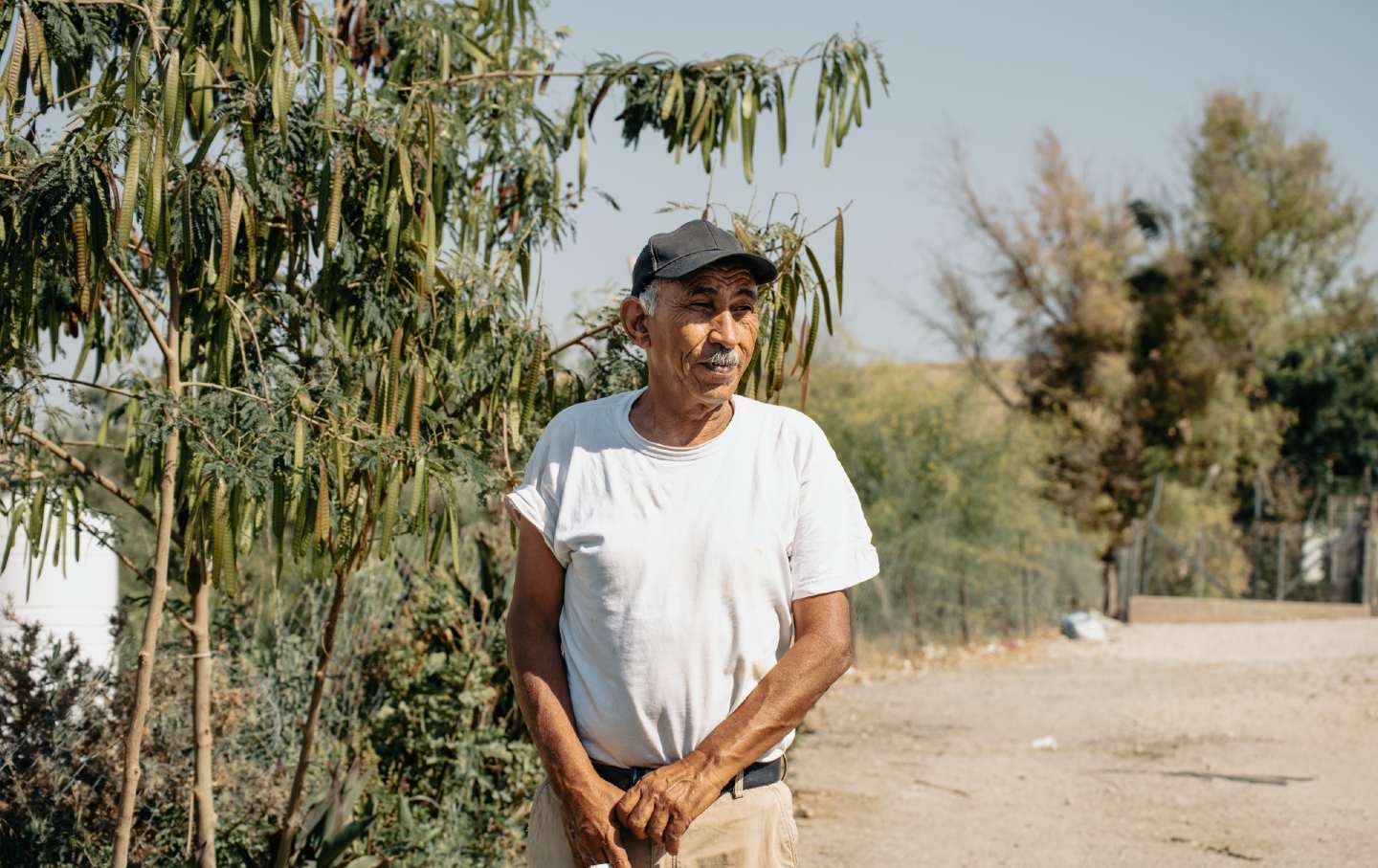
This Village Has Been Fighting Israel’s Demolition Orders for Years. It May Be on Its Last Stand. This Village Has Been Fighting Israel’s Demolition Orders for Years. It May Be on Its Last Stand.
A new order for Khan al-Ahmar’s destruction failed to attract the international attention that had protected it in the past, and residents fear they can no longer stop the bulldoz...

The Year I Taught in a Former Coal Mining Town The Year I Taught in a Former Coal Mining Town
Teaching in the South of France, I learned that equality was just a story teachers told about themselves.
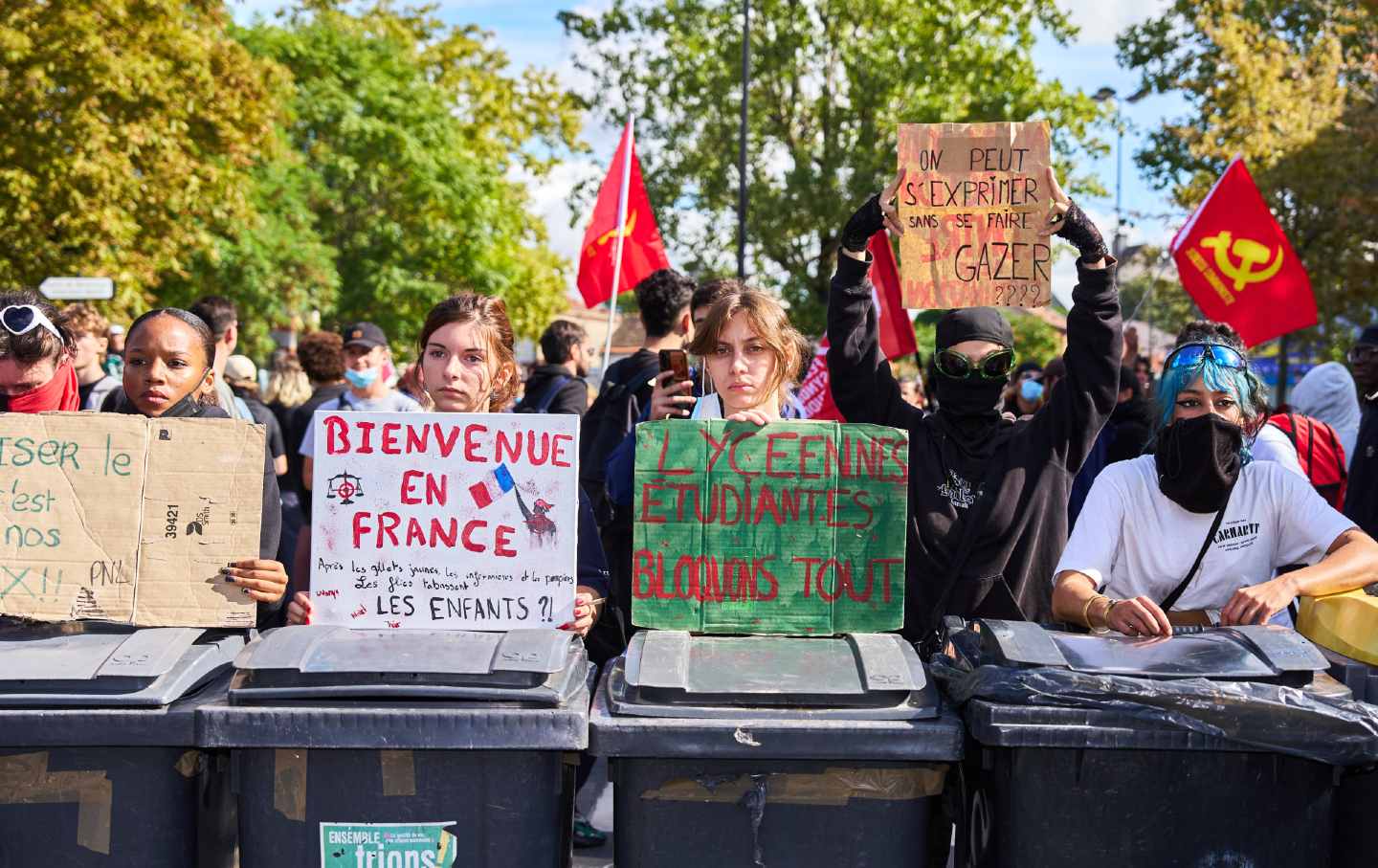
Why French Students Are Revolting Why French Students Are Revolting
France’s education system is stretched to its limits, as student anger kicks off a hot fall protest season.
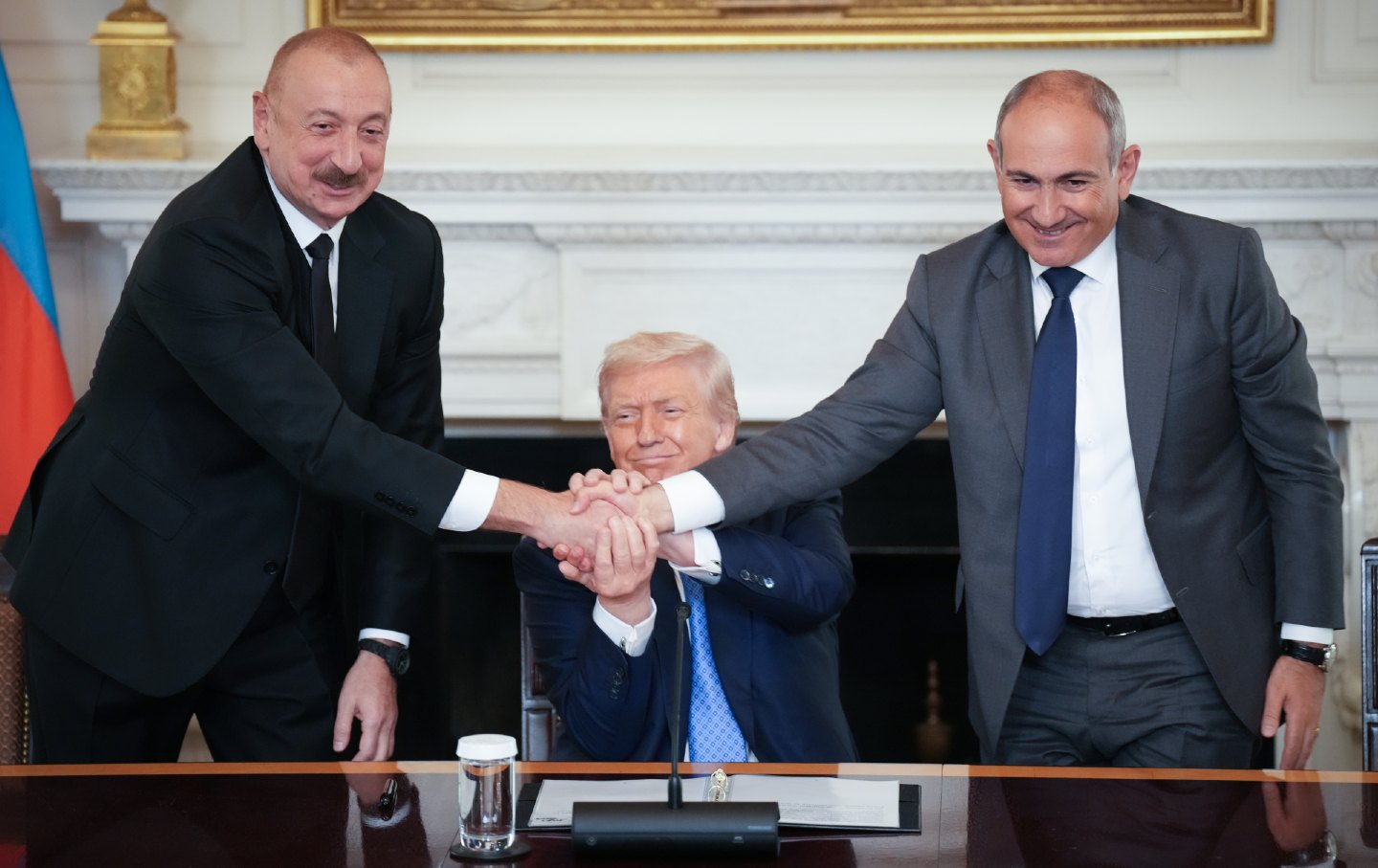
Revolution or No Revolution Revolution or No Revolution
Eight years after Armenia’s “Velvet Revolution,” Nikol Pashinyan’s government has deepened the country’s neoliberal trajectory while reorienting Armenia toward the West.
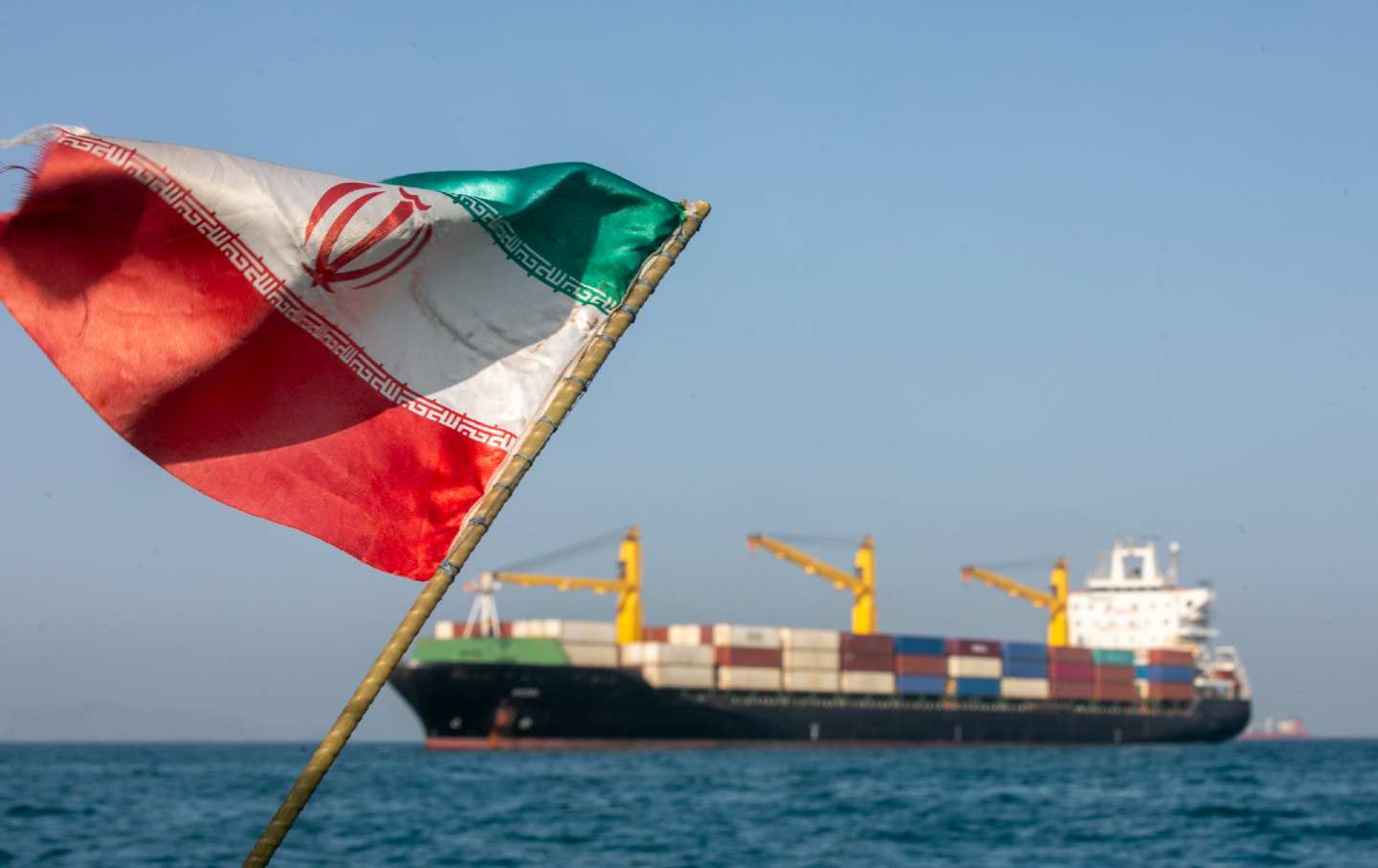
The GOP Sells the Mirage of a Hormuz Victory The GOP Sells the Mirage of a Hormuz Victory
The American action in the contested strait isn’t sustainable—and won’t alter the economic and political fallout from its closure.

