
Bernie Sanders: A Foreign Policy for the Many
From military spending to climate change, the senator makes the case for a foreign policy rooted in democracy and our common humanity.
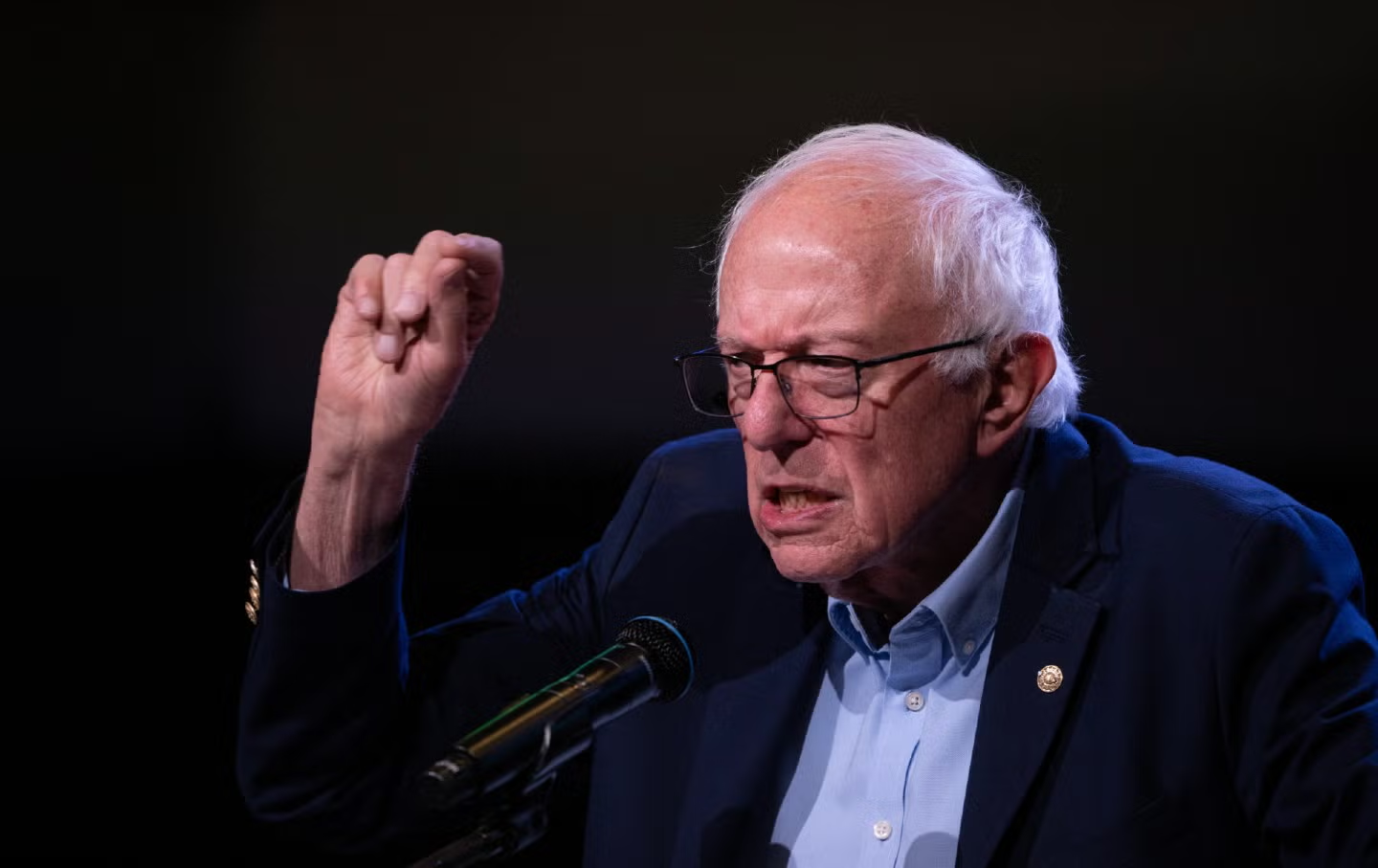
US Senator Bernie Sanders (I-VT) speaks during an event on the “Fighting Oligarchy Tour” at Wheeler Avenue Baptist Church in Houston, Texas on October 20, 2026.
(Ronaldo Schmeidt / AFP via Getty Images)
In A World for All: New Visions of US Foreign Policy, a new collection edited by Matthew Duss and co-published by OR Books and The Nation, progressive thinkers offer a vision of a foreign policy rooted in democracy, cooperation, and the needs of working people. In the foreword, Senator Bernie Sanders makes the case for confronting oligarchy at home and abroad. Order the book here.
For too long, US foreign policy has been shaped by a narrow consensus that serves the powerful few rather than the democratic many. That old consensus—plagued by militarism, corporate power, and the selective application of international law—has now collapsed, its foundations rotted away by corruption and hypocrisy.
This book asks what progressives should offer as a replacement. It begins from a simple premise: that the United States should be promoting peace, not endless war. It explains how, to achieve that goal, we must confront the concentration of wealth and power that has warped both our domestic politics and our role in the world. And it offers an alternative approach, rooted in enlightened self-interest and genuine partnership, that recognizes our common humanity.
Underpinning this book is the central question of who will govern, the many or the few—democracy or oligarchy. This contest will determine whether we meet the climate crisis or succumb to it; whether technology like AI is regulated in the public interest or used as a tool of control; whether democracies deliver for ordinary people or continue ceding power to billionaires and multinational corporations. This struggle is playing out around the world, from Washington to Brussels, Brasília to Budapest, and New Delhi to Riyadh.
The challenge is daunting. Today, almost 3.6 billion people live in poverty while the richest 1 percent own nearly half of all global wealth. In the United States, three people own more wealth than the bottom half of society. Despite enormous gains in productivity, people across the industrialized world are working longer hours for lower wages. Pensions have been cut, social safety nets shredded, and public services hollowed out. People increasingly fear that their children will have a lower standard of living than they do.
Meanwhile, as governments fail to meet the needs of working families, the billionaire class has siphoned an estimated $21 to $32 trillion into offshore tax havens. This money is never taxed or even spent; it simply ensures the superrich get even richer. These oligarchs spend freely to protect their wealth and power, buying influence and elections to ensure that governments serve them rather than ordinary citizens. The present scale of corruption and kleptocracy is staggering, now supercharged by the embrace of cryptocurrency.
It is therefore no surprise that so many people feel abandoned by their governments. Some turn away from politics altogether, while others embrace authoritarian demagogues who channel people’s fear and economic insecurity into resentment. These demagogues blame immigrants or minorities to distract from the real causes of widening inequality: multinational corporations and the billionaire class who capture an ever-larger share of global wealth for themselves. Both outcomes—apathy and authoritarianism—erode the foundations of democracy and threaten the universal human rights that should anchor any just foreign policy.
The United States’ own descent into oligarchy has been particularly damaging. Moneyed interests have distorted US policy on issue after issue to disastrous effect. Fossil fuel companies have blocked meaningful climate leadership. Pharmaceutical giants defend monopoly profits instead of expanding access to lifesaving medicines. Elon Musk spends $270 million to elect Donald Trump, then is allowed to destroy U.S. foreign assistance, leading to hundreds of thousands of preventable deaths. Hugely profitable defense contractors take more than half of the $1 trillion annual military budget, returning tens of billions to shareholders and millions more to the politicians who authorize that spending. Washington rightly condemns Russia for bombing civilians in Ukraine yet says little as Israel—backed by tens of billions in US taxpayer dollars—kills more than 20,000 children in Gaza. How much of that silence stems from politicians’ fear of super PACs?
This corruption and hypocrisy have not gone unnoticed. At home, Americans are sick of being told there is “no money” for health care, housing, or education, even as vast resources flow to defense contractors or Netanyahu’s genocidal government. And abroad, the United States loses credibility when it selectively applies international law and when foreign governments see our system is captured by private interests. The great challenges of our century—climate change, pandemics, tech regulation, and sustainable development—require deep multilateral cooperation. But cooperation depends on trust, and trust cannot survive the corruption and double standards that so obviously plague our system.
A progressive foreign policy must therefore begin with moral clarity. We cannot champion human rights abroad while violating them at home. We cannot condemn Russia’s bombing of civilians while funding Israel’s atrocities. We cannot lecture others about democracy while billionaires buy our elections and policymakers serve their donors rather than their constituents. Authoritarian rivals are exploiting our hypocrisy, making consistency not only a moral obligation but a strategic necessity.
But clarity is not enough. We must also articulate an affirmative vision: a foreign policy that confronts global oligarchy, strengthens democratic institutions, and builds genuine partnerships. This means focusing on collective action rather than dominance. It means making anticorruption a central pillar of our foreign policy. It means supporting democracy not through military intervention but by helping societies meet the needs of their people. It means recognizing that true security comes not from trillion-dollar arsenals but from addressing the root causes of instability: inequality, injustice, and environmental catastrophe. And it requires humility—an understanding that US leadership must be earned, not assumed.
At its core, this vision rests on a simple truth: every person shares a common humanity. We all want our children to grow up healthy, have a good education, find meaningful work, breathe clean air and drink clean water, and live in peace. A foreign policy for the many recognizes these universal aspirations and rejects the politics of division used by authoritarians and oligarchs.
The struggle between oligarchy and democracy, between authoritarianism and justice, will define our era. This book offers a blueprint for how the United States can win that struggle and help build a more just and peaceful world. The choices before us are clear. Let us choose a foreign policy worthy of our democratic ideals and the generations to come.
More from The Nation
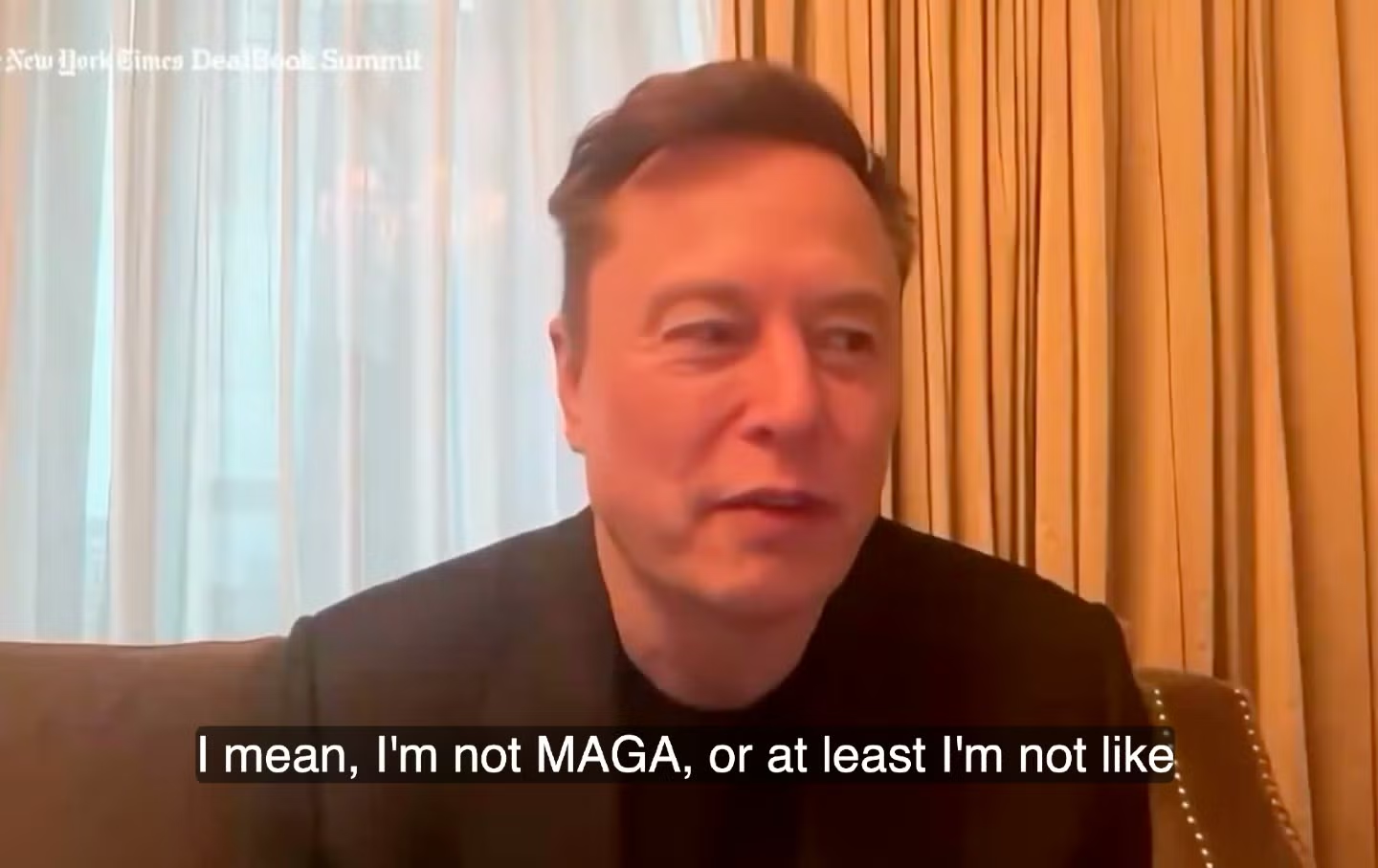
Don't Be Fooled by Elon Musk's Big Pivot Don't Be Fooled by Elon Musk's Big Pivot
Musk and James Murdoch are touting their moderation. That's because they want to make sure they can own the Democratic Party.


Why the Midterms Were So Painful for Trans People Why the Midterms Were So Painful for Trans People
We watched politician after politician sell us out. Then we were demonized for getting mad about it.
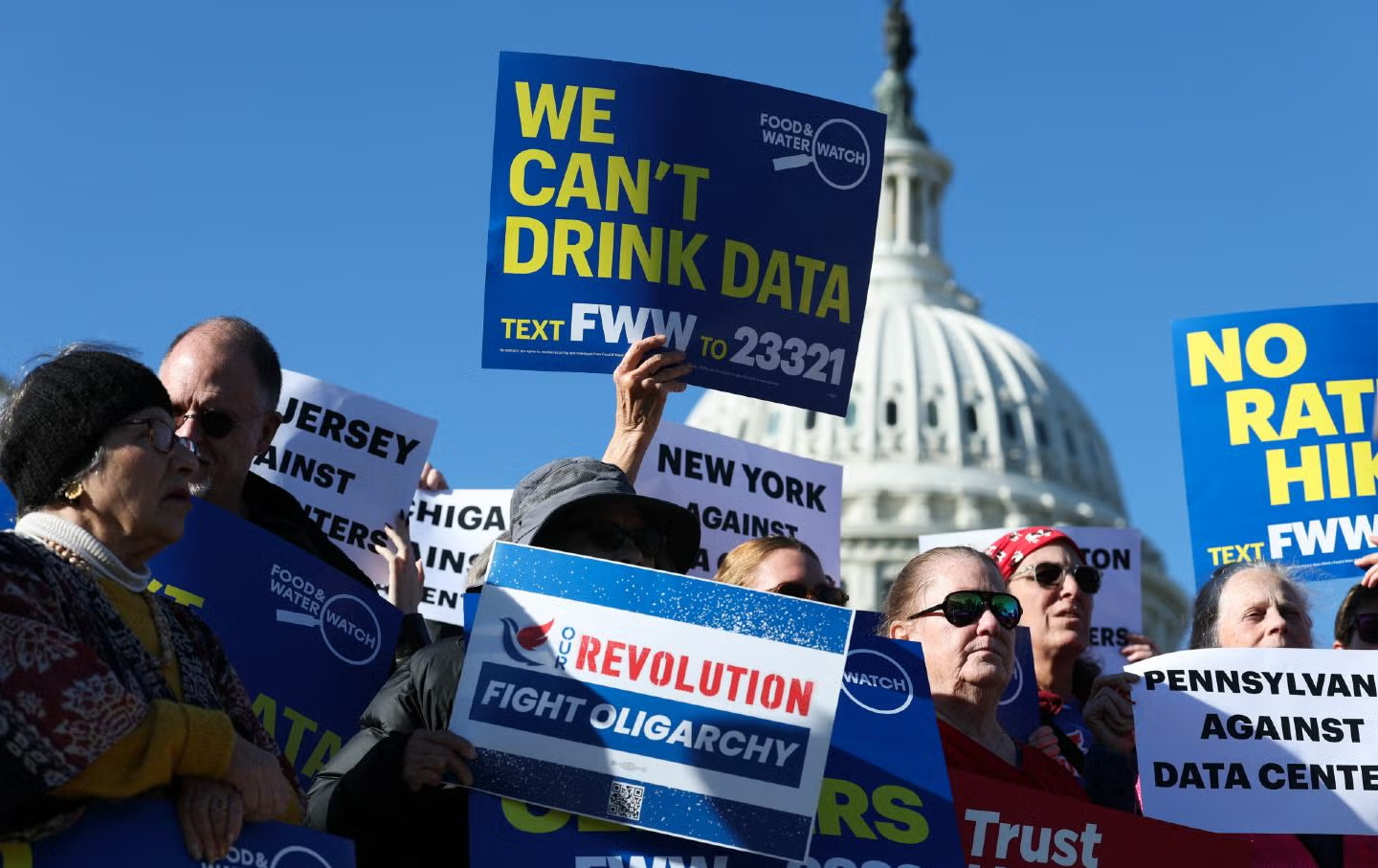
Voters Just Rejected Data Centers and Big Tech. Congress Is Moving Fast to Undermine Them. Voters Just Rejected Data Centers and Big Tech. Congress Is Moving Fast to Undermine Them.
A look at the forces driving the rush for “permitting reform” before a new Congress starts its term.
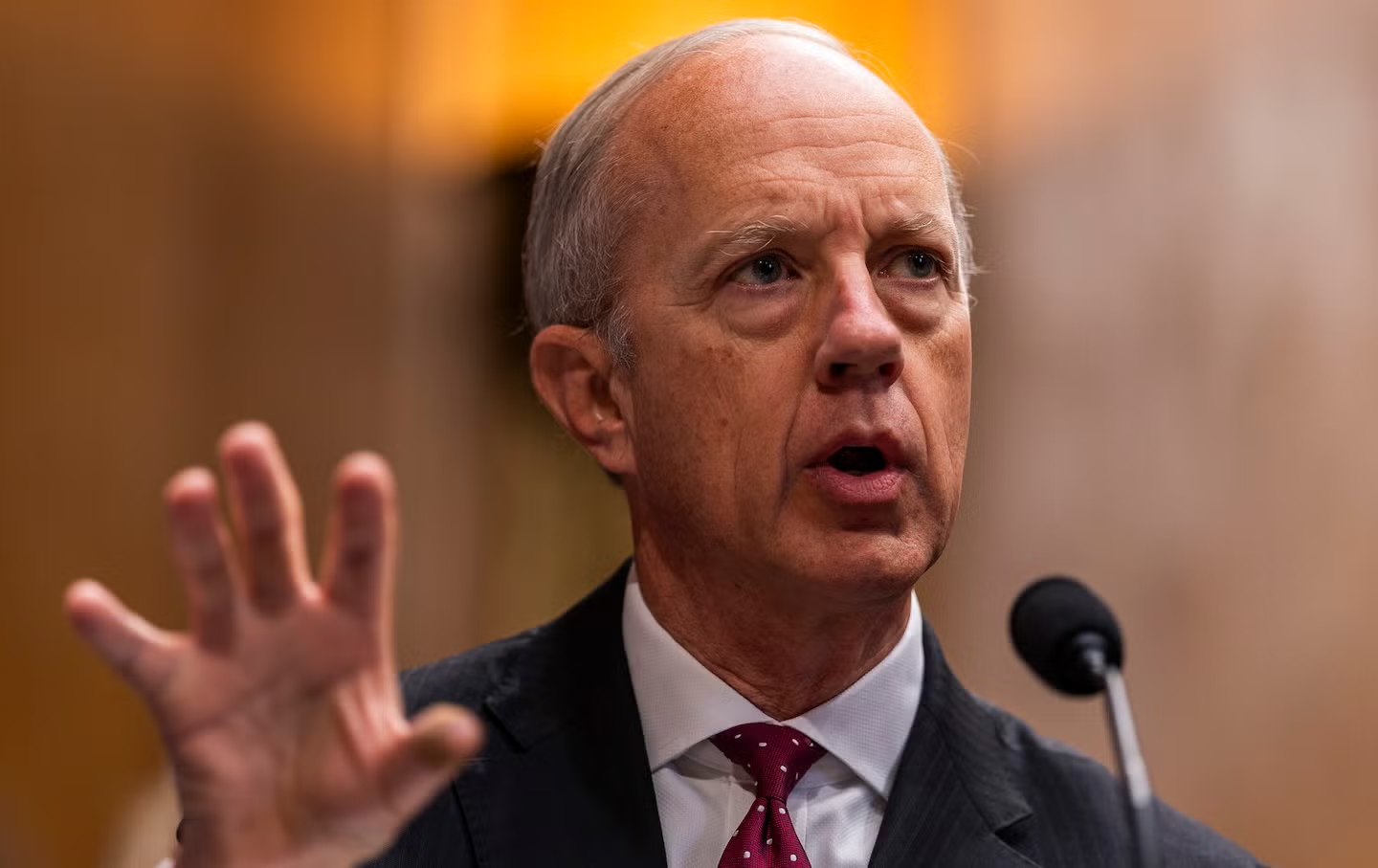
Trump’s Man on the Inside Trump’s Man on the Inside
Before the balance of power shifts in Congress, the president hopes to ram through the appointment of a MAGA crony to federal office.

Jamaal Bowman’s Memoir Is Revealing About the Cost of Conviction Jamaal Bowman’s Memoir Is Revealing About the Cost of Conviction
Why we still need to rebuild the infrastructure of care.

