
What We Can Learn From Lula’s Seismic Win
The Brazilian president looked headed for defeat. The Brazilian people had other ideas.
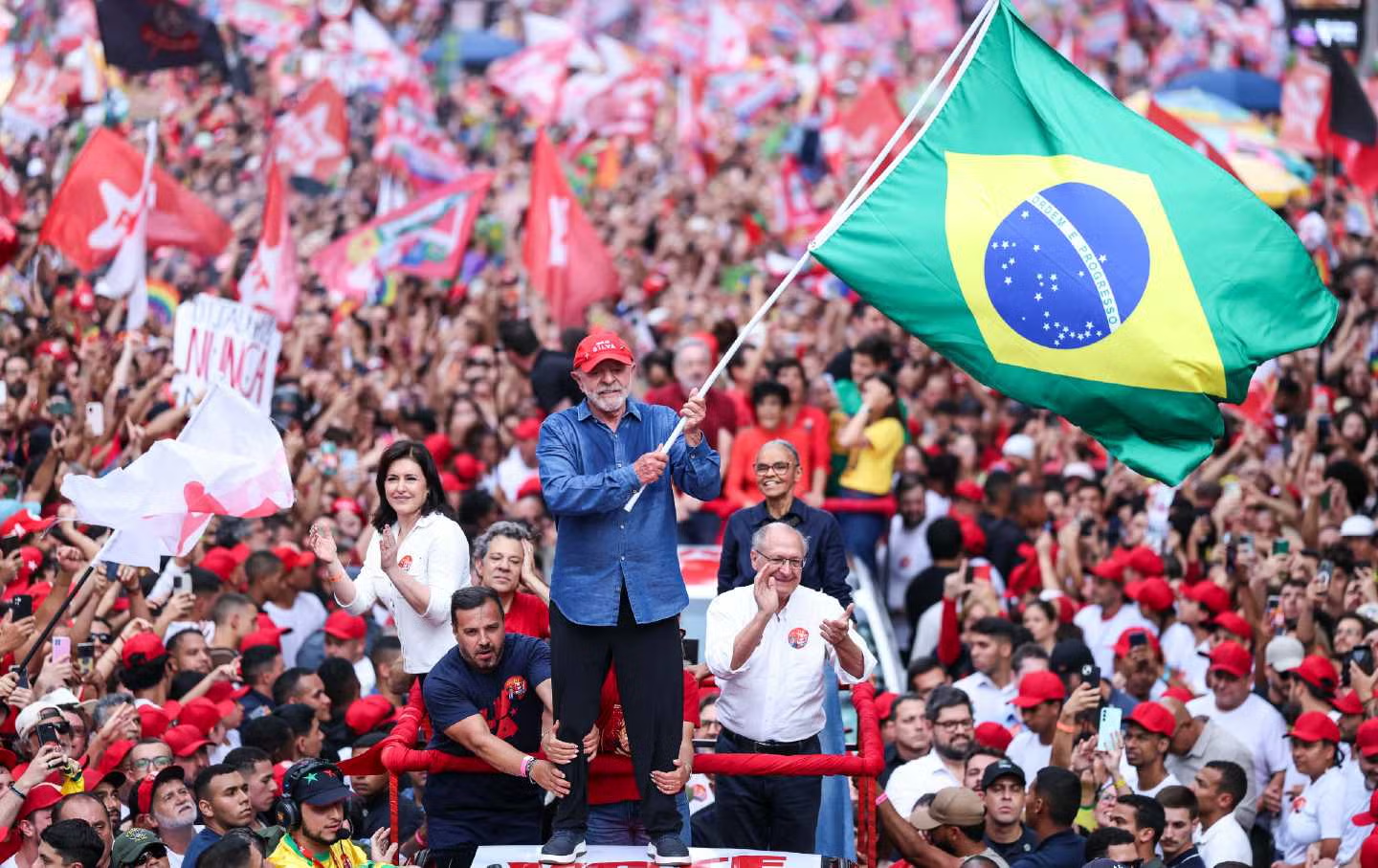
On Saturday, October 24, the Avenida Paulista in central São Paulo became a vast red sea of hats, flags, and crimson shirts declaring support for President Luiz Inácio Lula da Silva’s Workers’ Party. Joyful activists sang movement songs, raised banners supporting Lula, and cried out against right-wing favorite Flávio Bolsonaro’s illicit campaign to capture the country’s presidency. The mobilization was reported to be the largest in Brazilian history, and it would prove to be critical to the stunning come-from-behind victory the following day for Lula’s bid to stop the march of the right in Latin America.
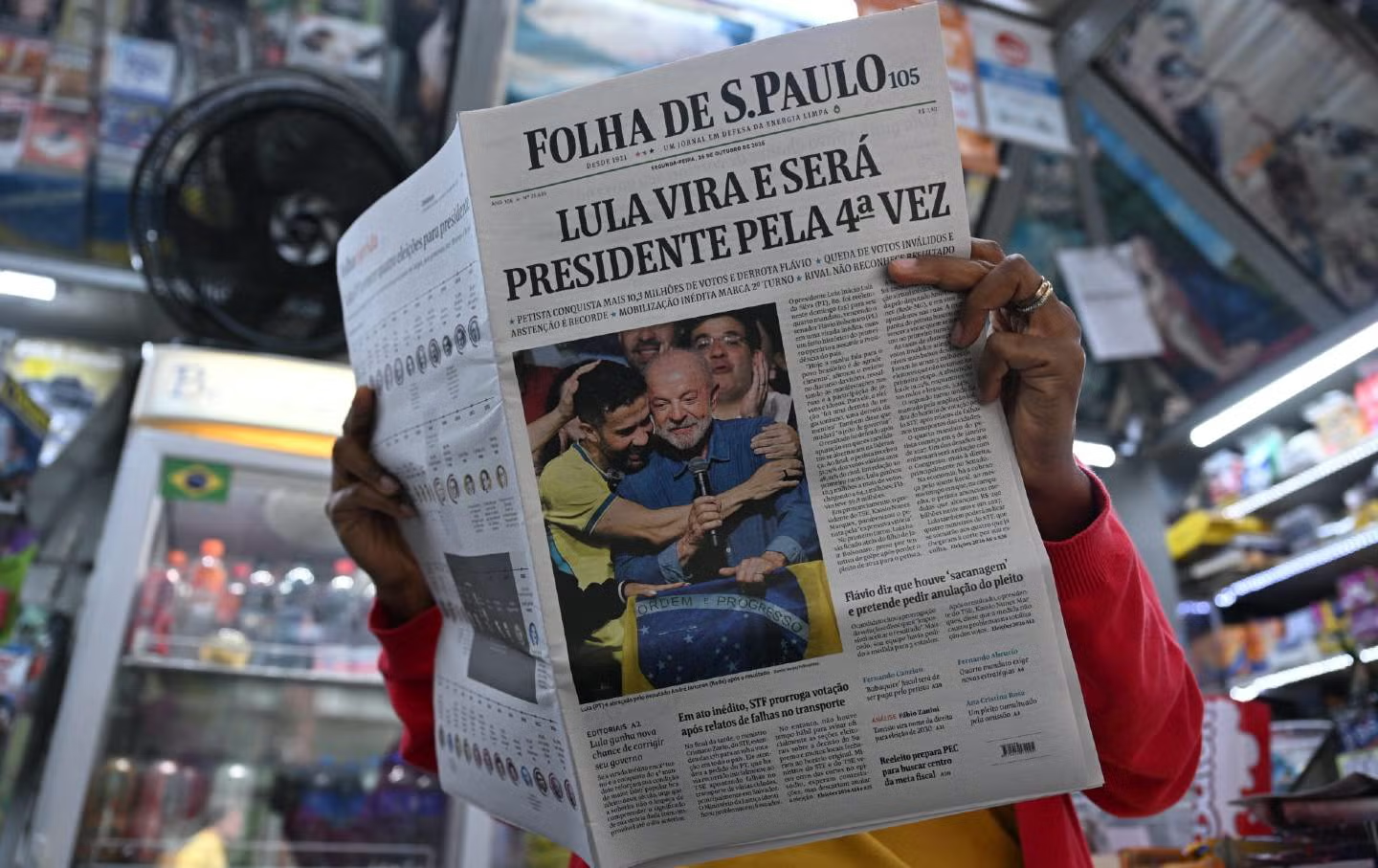
Yet such a mobilization would have been unthinkable just a few weeks earlier. Throughout the campaign, we had watched Brazil’s far-right forces rise and rise so far and so fast that their return to the country’s presidential Palácio do Planalto at times felt all but inevitable. Bolsonaro’s party had crushed its conservative adversaries to dominate both the Chamber of Deputies and the Senate in the country’s legislative elections. And the son of the jailed former president Jair Bolsonaro had finished ahead of Lula in the election’s first round.
Going into the runoff, the cards were stacked against Lula—and Brazilian democracy. President Trump hit Brazilian goods with 50 percent tariffs last year as punishment for the prosecution of Jair Bolsonaro, and then he piled on another round this past summer. On top of the economic warfare came technological attacks, with widespread reports that Meta was suppressing pro-Lula content on its platforms in a flagrant effort to help Flávio Bolsonaro’s campaign. Brazilians battled back on social media: A supportive congressman built a WhatsApp channel called Lula’s Army that attracted over 10 million followers.
Many commentators will tell you that this digital campaigning made all the difference, on the theory that the left finally learned to master the algorithm. We can, the new narrative goes, simply defend democracy by posting, sharing, liking, and subscribing.
But that’s the wrong lesson to take away from Brazil. Sure, social media can capture lightning in a bottle. It can put a message in front of millions of faces in a single afternoon, and that matters enormously in the final days of a campaign. But it is simply too weak an instrument for the kind of sustained social mobilization that will be necessary to restrain the far right, let alone vanquish it.
Far more important to the fate of Brazilian democracy, I would argue, is the fact that students, workers, and families filled the streets of every major city in this country, over and over, with joy and love and an unflinching spirit of resistance to the fascists arrayed against them.
On that same Saturday before the election, Lula marched with crowds on the beachfront at Copacabana before flying to join us in São Paulo. People felt the energy, and they responded. Between the two rounds of voting, abstentions fell by some 3 million votes—and given that abstention rates are generally highest among the poorest voters, those who had cast blank ballots on October 4 likely broke overwhelmingly for Lula.
I have worked on elections in countless countries, and I have never seen a people rally like this. Brazilians came to understand fascism not as an abstract concept but as something concrete and close at hand: a threat to their wages, their families, and the basic texture of their daily lives.
This mobilization against the right and for the promise of a better future made all the difference in the election. And it must continue. Lula will return to power facing a National Congress in which right-wing parties control 276 of the 513 seats in the Chamber of Deputies and 49 of the 81 seats in the Senate.
Against this daunting congressional arithmetic and threats from the opposition, people power will be the critical instrument for driving Lula’s popular agenda forward. No politician in Brasília should be able to sleep at night without knowing that their constituents expect them to respect their rights as workers, as women, and as citizens of this great democracy—and that millions are prepared to take to the streets to defend those rights.
That brings us back to social media. It is great that people can join WhatsApp groups or watch videos on TikTok. But we cannot win back the world without rebuilding the community that’s been shredded by these same technologies. The Bolsonaro project has always depended on hyper-individualism: the idea that each of us is alone, competing against everyone else, with nothing to rely on but ourselves. Lula countered with a movement that made people feel less alone, reminding them that they belong to a society and to one another.
The people responded by giving Lula a victory that upended the political calculus for a country that had been told for months that its future was already decided. His victory proves that there is nothing inevitable about the rise of the reactionary right. It is a cliché to say that the people united will never be defeated, but it is impossible to walk away from Brazil now without believing it.
More from The Nation
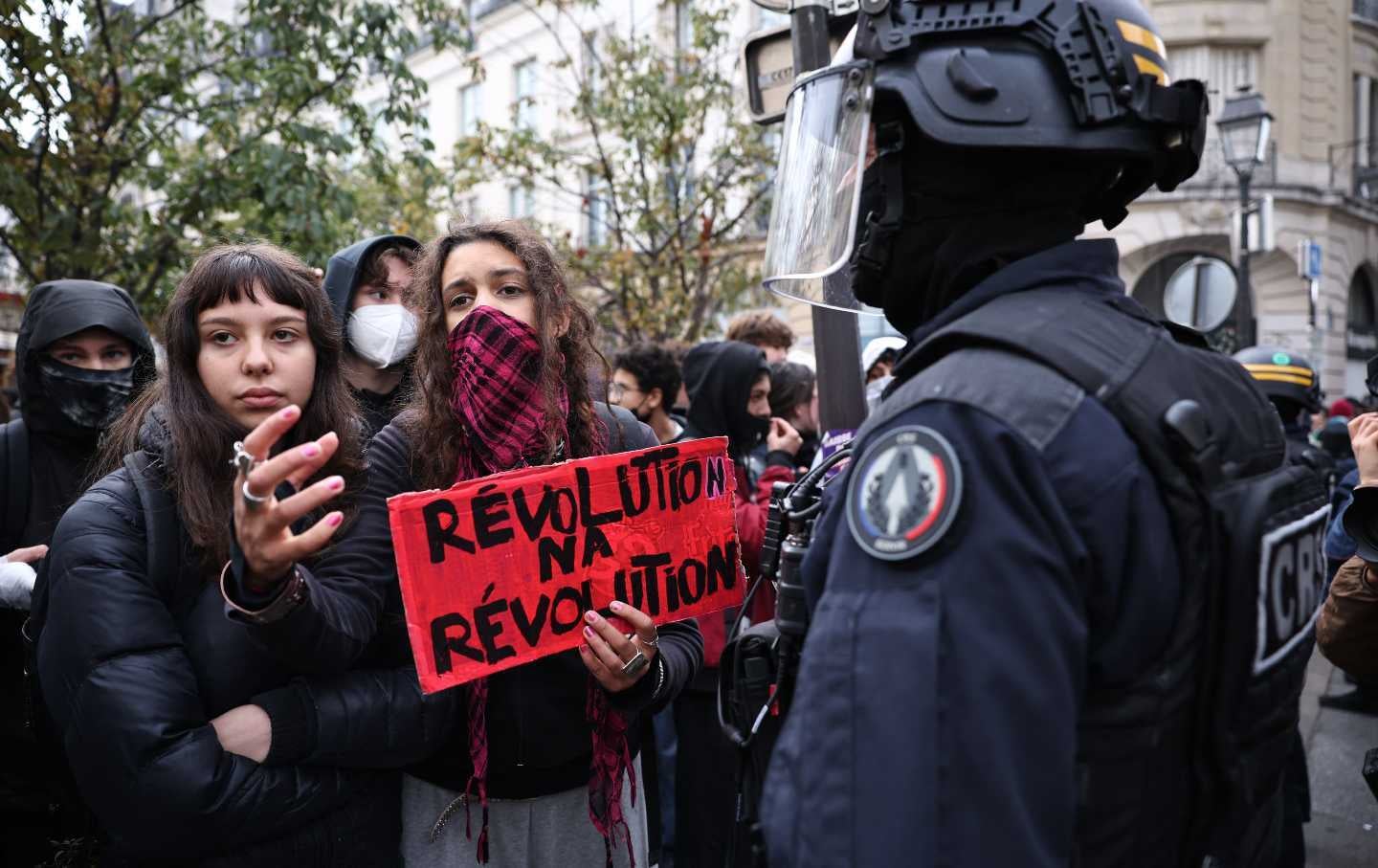
Inside France’s Biggest Uprising Since 1968 Inside France’s Biggest Uprising Since 1968
Despite harsh reprisal from the government, students show no sign of stopping.
Lula’s Victory! Bolsonaro’s Defeat! What’s Next for Brazil? Lula’s Victory! Bolsonaro’s Defeat! What’s Next for Brazil?
A leading Brazil scholar predicts that Trump will continue to meddle in Brazilian politics.
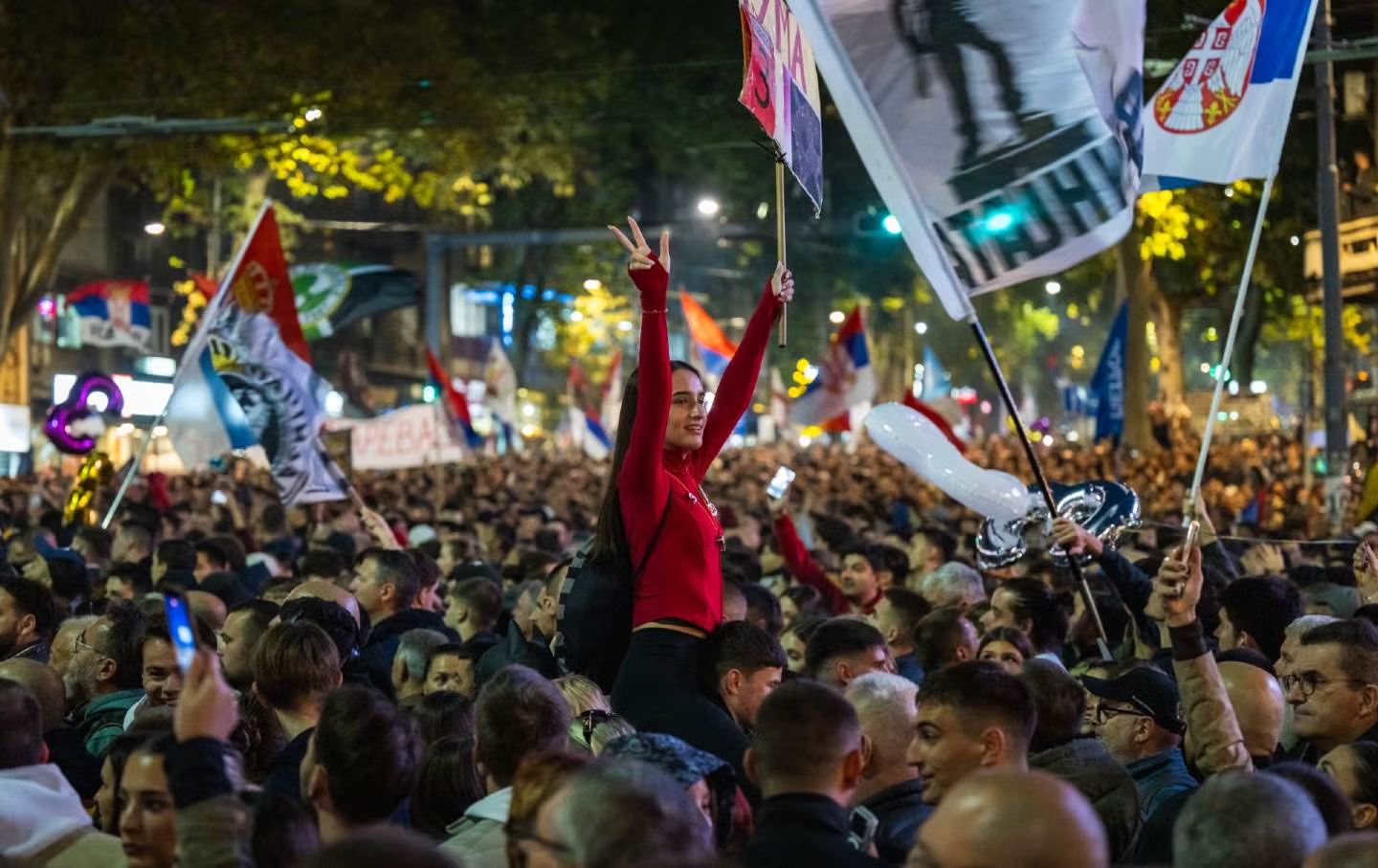
How the Serbian Student Movement Is a Victory for Organizing Power How the Serbian Student Movement Is a Victory for Organizing Power
In Serbia, the students may have discovered a formula for rescuing democracy through nonviolence and commitment to collectivism. Students everywhere should take note.
Dispatch From Post-Election Israel Dispatch From Post-Election Israel
The real story in this election is the extraordinary and uplifting strength of the vote of Arab citizens in Israel.
Ukraine: Time to End the War Ukraine: Time to End the War
For both Russia and Ukraine, the war has taken a staggering toll and poses an ever-greater danger of spreading.
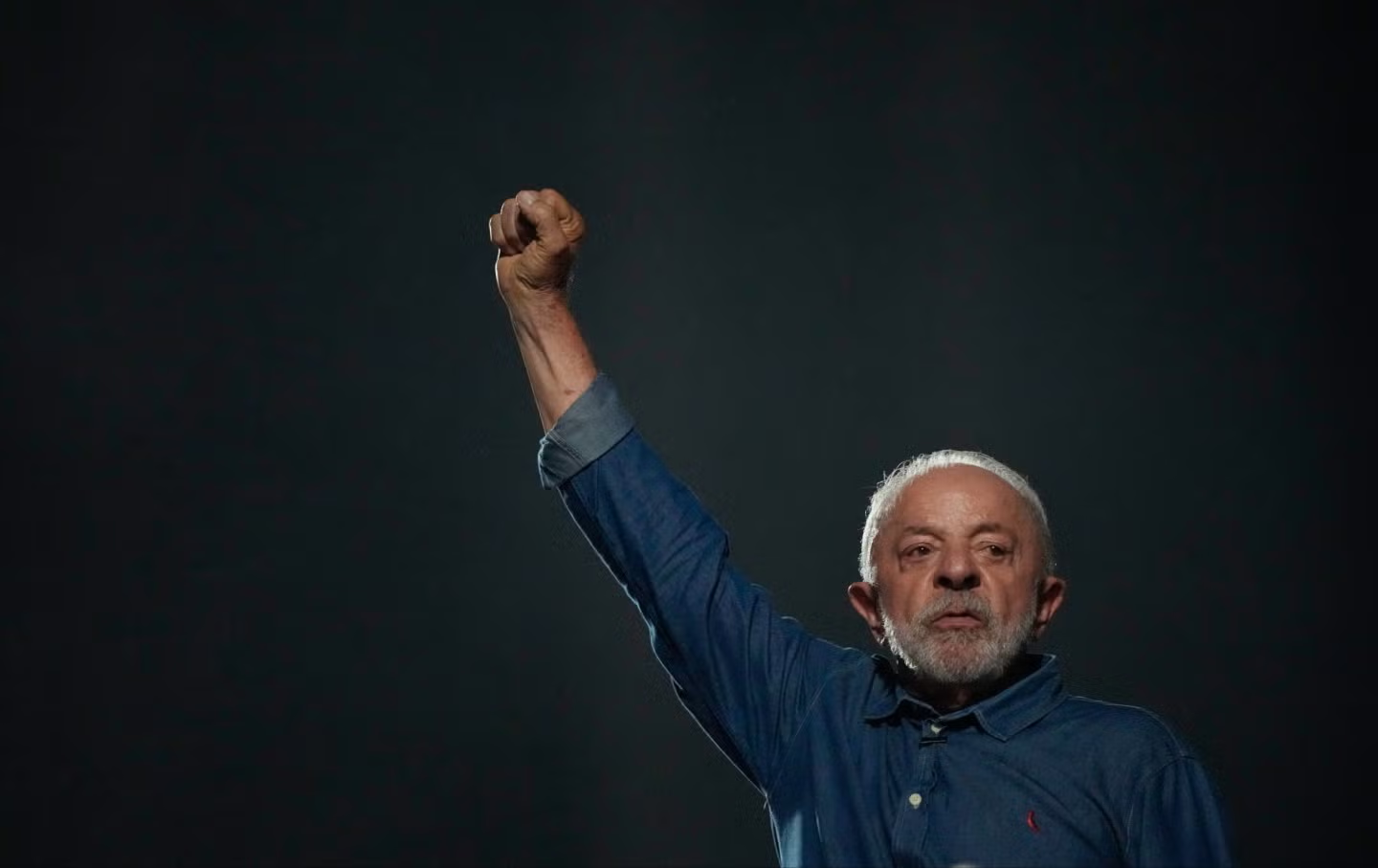
“This Election Was a Defeat for Lies”: Read Lula’s Inspiring Victory Speech “This Election Was a Defeat for Lies”: Read Lula’s Inspiring Victory Speech
“I doubt that Russia, China, or the United States has an army as victorious as the army of democracy of this country,” the president told his supporters.

