The Deportation Influencers
A growing group of US deportees is documenting their new, post-deportation lives on social media, revealing the human cost of our Kafkaesque immigration system.
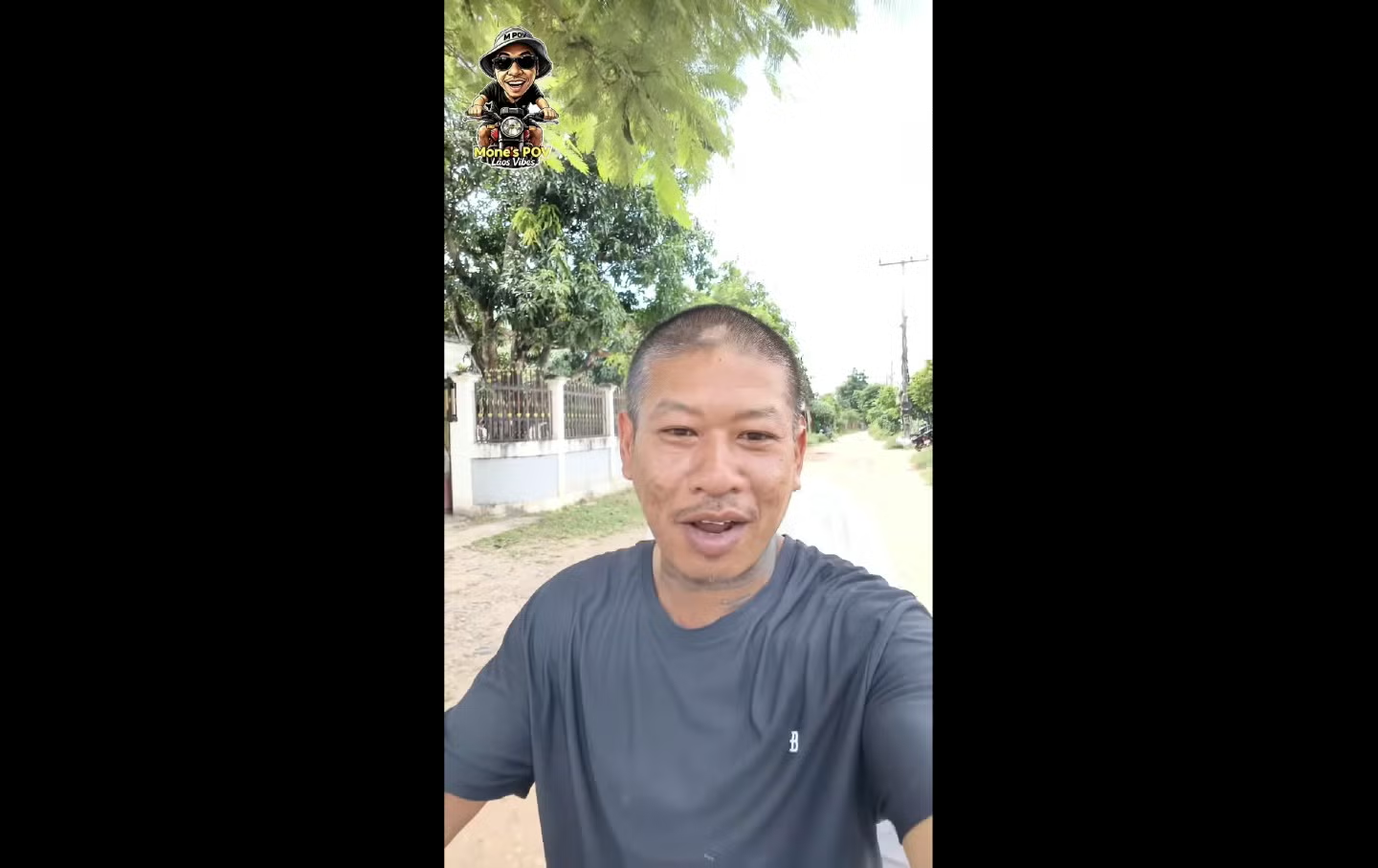
A screenshot of one of Laymone Khambounleung’s videos from Laos.
(Instagram)Laymone Khambounleung pulls up on a scooter along a gravel road and flips his camera into selfie mode. “I’m out here in Laos, man, I don’t know what village I’m at,” he says, in a thick, unmistakable Louisiana accent.
He turns his camera on an albino buffalo. A tropical landscape surrounds them.
“Look. This is the type of thing you see here.”
This video could pass for a travel vlog. Khambounleung, who goes by Mones, is, after all, exploring an unfamiliar place. But he didn’t come to Laos by choice. After spending nearly his entire life in the United States, he was deported at the beginning of Donald Trump’s second presidency.
“I don’t know how to read or write or speak the language. It’s still a shock to me,” Mones told me in a WhatsApp call. “When I started posting, I was getting a lot of support. It helps [my followers] to see how we’re doing after deportation.”
Mones is one of a growing group of US deportees who are documenting their new, post-deportation lives on social media. Their videos run the gamut from travel vlogs to food challenges. But they also reveal the human cost of a Kafkaesque immigration system that deposits thousands of people in unfamiliar countries—whether a country they left as infants or a “third country” they’ve never known. The videos offer a glimpse of the lives often flattened by political agendas and a media landscape that either temporarily thrusts them into the spotlight or forgets about them completely.
Mones left Laos when he was a baby. His family fled to refugee camps in Thailand during the Lao communist takeover in the 1980s that led to civil unrest. But he doesn’t remember any of this. He can only place his life in Louisiana, where he calls home. His family had refugee status in the United States, but he never thought to apply for US citizenship amid spending his adult years in and out of jail for a string of nonviolent crimes.
In 2025, the Trump administration pressured Laos to accept deportees after its long reluctance to repatriate them. Mones never thought that would happen. By the summer, Mones was among thousands sent back to countries they aren’t even citizens of anymore. While he lives with his extended family who embraced him and gets financial support from back home, his day-to-day struggles are mostly absent from his social-media videos. It’s also not the point.
“I’m showing them, like, we’re not all bad people,” he told me. “All they see is that they’re ‘bad.’ But they don’t know; they’re not the same as they were 20, 30, 40 years ago, and people can change.”
On any given day, what Mones finds interesting enough to post isn’t too different from what a travel vlogger would. Sometimes, he devours a popular Lao meal like grilled dried squid or kapoon, a spicy noodle soup. He can be exploring a new restaurant, a backroad region he traveled by scooter, or a beautiful waterfall draping the mountains. He’s almost always making jokes about the mundane and idiosyncratic sides of Laotian culture, like his cousin climbing up a coconut tree or waking up in the middle of a monsoon.
Humor is Mones’s intention. “The more I post, the more my family gets to see me, and they know that I’m doing good,” he said. His commenters are mostly supportive, often asking questions about Lao life and his deportation experience, which he enjoys answering.
“It’s a lot of smiles and laughs and everything. But there is also the sad part too,” Mones told me
Along with Mones, I spoke to four other deportees making similar kinds of content. All five told me they wanted to challenge the “dangerous immigrant” stereotype that eclipses their stories. That’s important, said Sarah Tosh, a sociologist focusing on immigration enforcement who teaches at Rutgers, because we usually know very little about what happens to people after they’re removed from the US.
“The United States doesn’t do anything to keep records of people post-deportation. There is no overarching picture of the deportee experience,” Tosh said.
The US government keeps records of removals, but not what happens after. We don’t know how many deportees find work or housing, reconnect with family, or safely remain in their destination country. Tosh said that researchers have tried to study what happens to specific communities. But the expansion of deportation, particularly following sharp increases in enforcement in the 1990s and the creation of the Department of Homeland Security after September 11, has outpaced efforts to understand its long-term effects.
This information gap has consequences. It can shape immigration court cases, where attorneys and researchers rely on limited studies for expert testimony to explain why someone faces persecution upon removal. It can also influence public opinion.
“People are like, ‘Oh, like, yeah, it’s a crime. Deport them,’” Tosh said. “But it’s like they don’t know what these cases look like.” (In 2025, public support among people who said some immigrants should be deported was near-universal at 97 percent for deporting individuals with violent criminal records, though much more divided when it comes to nonviolent offenders and individuals with no criminal record.) For a start, Tosh said, the public generally doesn’t understand that many deportees already served their sentences. “People have an opportunity to connect and see these people that in so many ways are just like us, and they shouldn’t have to be in order to be humanized,” she said.
Chris Edwards’s videos offer a lens into what deported life looks like 15 years later. Edwards is a dark-skinned man of Tamil descent with face tattoos, a set of gold teeth, and a Prince George’s County, Maryland, dialect. On a Zoom call, he explained to me his life in India since 2011, when he was caught up in the wave of Obama-era deportations.
“They still think I’m Black,” he laughed, talking about his life in Bengaluru, India, “But I learned a couple of words here and there so I can get by. I figured out the ins and outs, even though they get surprised.”
He gradually built a new life there, growing his streetwear business and his music, which sometimes blends southern “Tollywood” music with rap. He also told me he had a daughter who was born there. He calls the country home and now sees it through her eyes.
Similar to Mones, Edwards shows different facets of Indian life from street food to women milking donkeys on the side of the road, under the account name indian777_perico.
He told me he started talking about his deportee experience more last year. “I think now there is more of an interest because of the amount of people getting deported. They are curious about what’s going on with people,” he said. Like Mones, he hasn’t gotten a payout for any of his videos yet, but he’s hoping it can happen with the increase in interest.
The algorithm has the ultimate say in who sees these stories. To reach an audience, people often need to package their lives into recognizable formats. And in the case of the genocide in Gaza, we’ve seen how platforms can seemingly suppress content, such as with shadow banning.
But people have used the algorithm to their advantage to call attention to a crisis. Tosh said that, with anti-immigration AI videos surging online, these deportee videos offer an opportunity to shift the balance of immigration content. “For people to put back real narratives from real people going through these systems in these same forums in subversive ways…and if people do watch these videos and repost them…that’s so powerful.”
One account demonstrates the potential impact of deportee content. I spoke to Yasmany Moreno de Armas, a Cuban national, on a Zoom call while he was in a detention center in the Central African Republic. He told me that he got there in July and can leave for only two hours a day, sleeping on a floor mattress and eating barely edible food.
Popular
“swipe left below to view more authors”Swipe →Moreno de Armas is among a group of detainees, many with no criminal record, who have been sent to “third countries”—in other words, countries they have no ties to—under the Trump administration. These include Ecuador, Honduras, Russia, and Vietnam. Moreno de Armas was apprehended in Florida and stayed in a detention center for years. Then he was placed on a flight in shackles and told he was going back home. Five hours into the flight, he learned he was going to Africa, not Cuba.
“I didn’t believe any of it until I saw the plane landing in an airport in Senegal, where you could see colorful lands and disorderly houses. That moment changed me,” he told me. “Seeing Africa in a movie is the same as seeing it in person.”
Ever since that flight, Moreno de Armas has documented his life on Instagram and TikTok channels (his handle is yasmany255) like a citizen-journalist. He has almost 40,000 followers on Instagram, where he shows the living conditions in detention and, when he’s allowed to see it, the world outside. He urges viewers to support his videos to raise awareness of what life looks like after deportation and the more than 25,000 people sent to over 30 so-called ‘third countries’ in the past year.”
“This has helped me a lot in my immigration process, to allow the world to see what is going on,” Moreno de Armas said.
He told me he also received donations from Instagram and money from news channels that publish his videos to buy food and supplies for him and other deportees.
“I think there is just this natural instinct towards people wanting to tell their story,” Tosh told me when I asked her how deportees shared their experiences before social media.
Deportees sharing their life stories is nothing new. But before social media, most had to turn to journalists and academics to tell their stories. While the storyteller’s role is changing to vlogger, food challenger, or citizen-journalist, the audience’s role is also morphing. We can be the casual viewer, the patron, the amplifier, or the commenter. For those watching, the question is not only what these videos reveal about life after deportation but also what we choose to do with this knowledge.
More from The Nation
The Second Life of Gaza’s Rubble The Second Life of Gaza’s Rubble
The Strip is buried under 61 million tons of rubble. Some people are finding creative ways to use it as a resource.
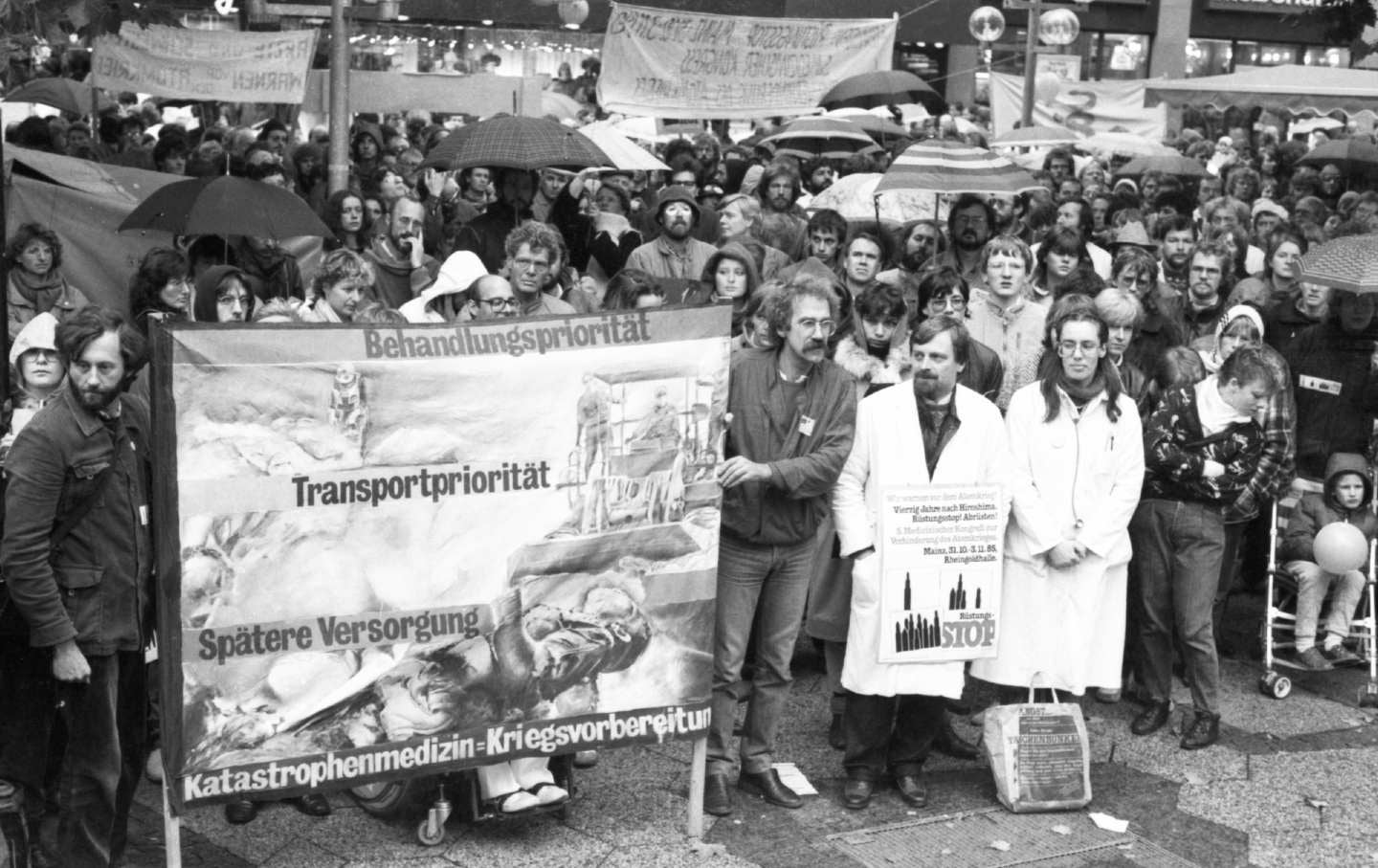
Critical Condition: What Are We Doing About Nuclear War? Critical Condition: What Are We Doing About Nuclear War?
Doctors are calling for verifiable, deadline-driven agreement to eliminate all nuclear weapons. The flourishing—and even the survival—of the human species is at stake.
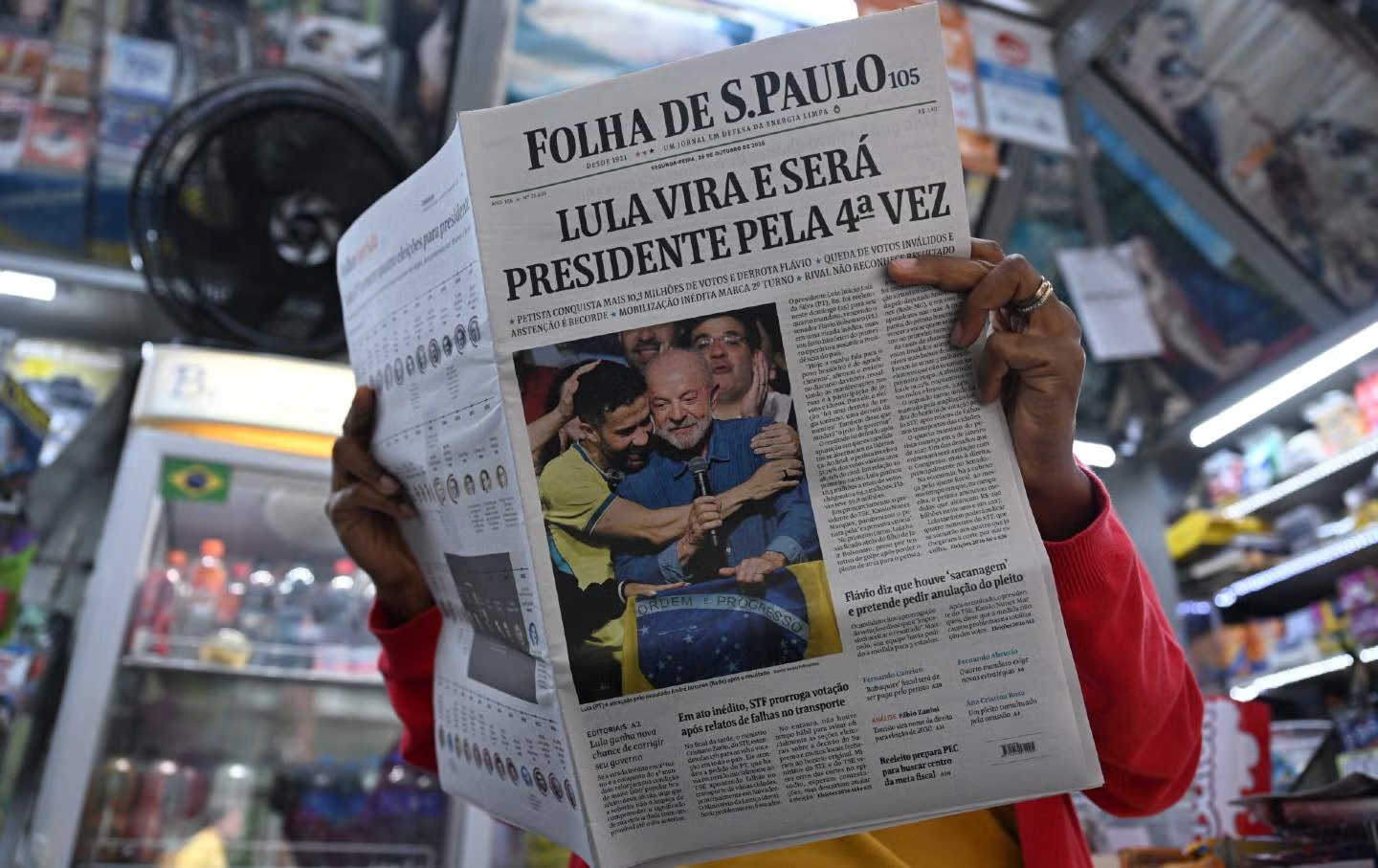
What We Can Learn From Lula’s Seismic Win What We Can Learn From Lula’s Seismic Win
The Brazilian president looked headed for defeat. The Brazilian people had other ideas.
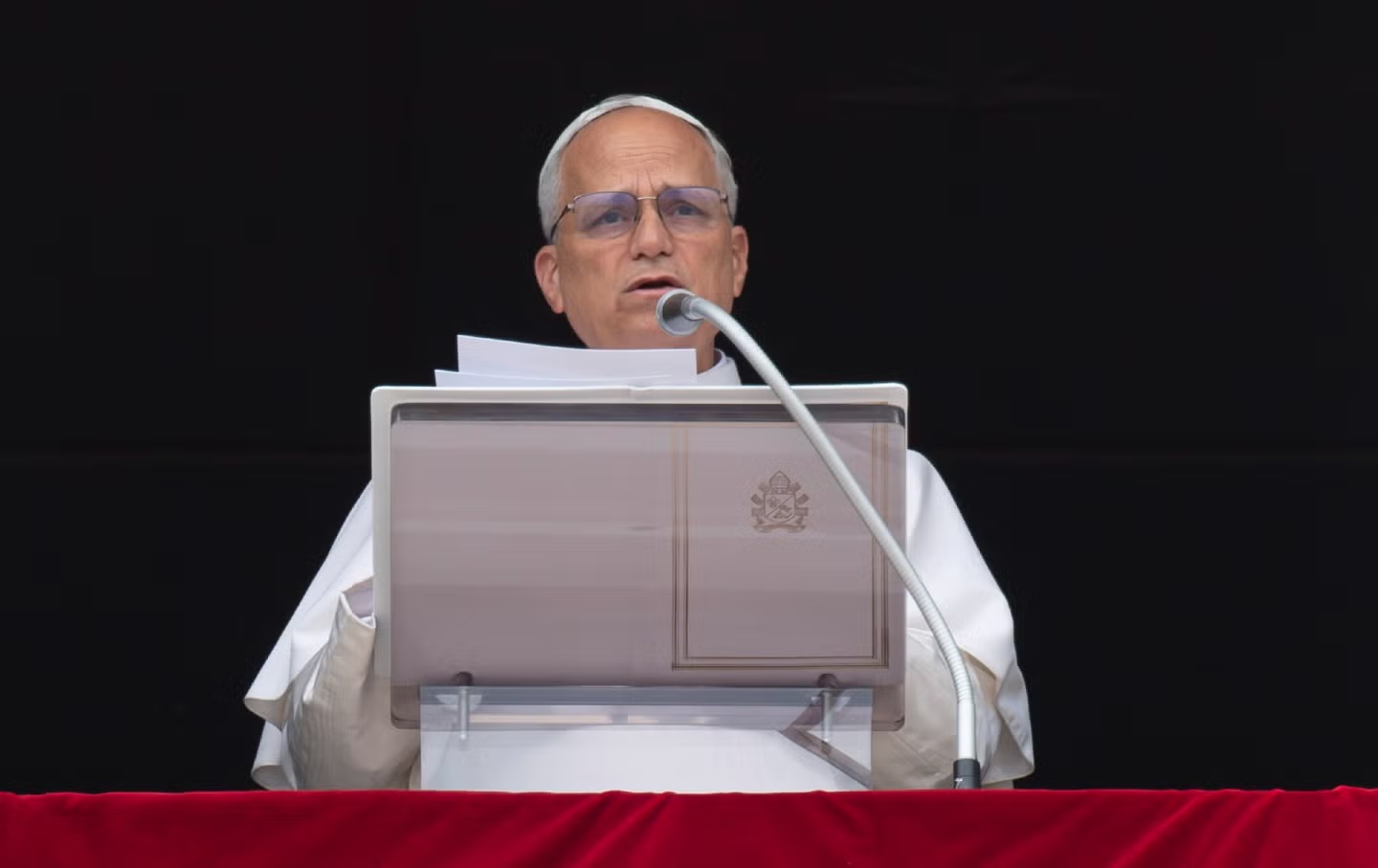
Pope Leo Goes to War—Against the Department of War Pope Leo Goes to War—Against the Department of War
The growing divide between Rome and Washington.
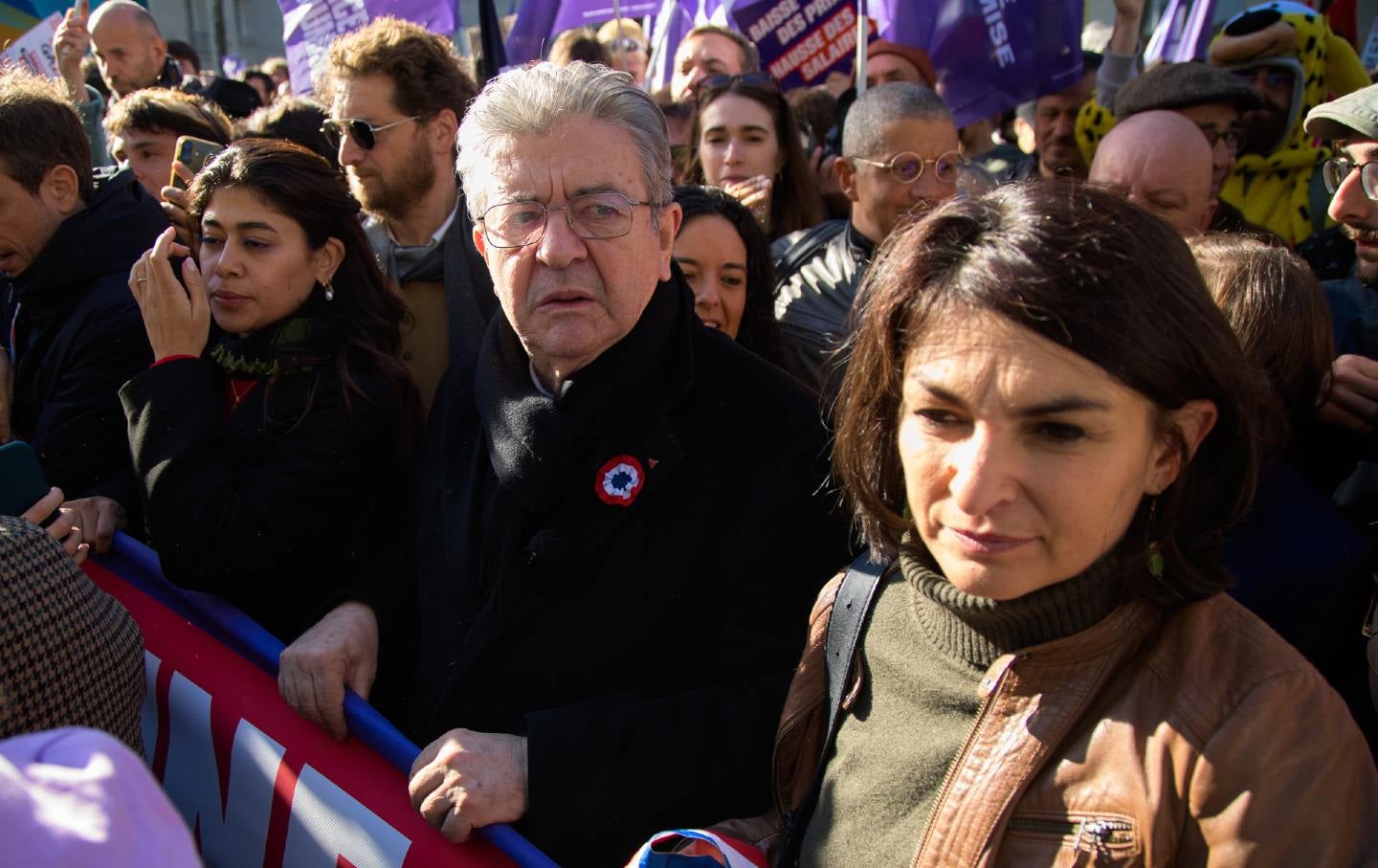
France’s Left, Divided at the Worst Possible Time France’s Left, Divided at the Worst Possible Time
Years of progressive infighting weigh on Jean-Luc Mélenchon’s presidential ambitions.
The Fugitive From Brazil The Fugitive From Brazil
The implications of Trump’s red-carpet rollout for Flávio Bolsonaro.