The Death and Life of Great American Media
The crisis of the news business is far from over, but we’re still doing what we’ve been doing for over 159 years.
Given Hollywood’s insatiable appetite for reboots, it’s surprising that we still haven’t seen Four Funerals and a Merger, or indeed any cinematic attempt to explore the dramatic potential posed by the ongoing decline of the news business. It’s true that in the contemporary version of His Girl Friday, editor Cary Grant would have taken a buyout or been put out to pasture well before crack reporter Rosalind Russell returned to the newsroom for one last scoop. (The hotshot reporter in a modern-day rendition of The Front Page—the 1931 version with two male leads—might well have followed through on his plan to give up journalism for the joys of married life and a career in advertising.) Even Marty Baron—the hero editor of Spotlight—ended his career as a bad-tempered apologist for Jeff Bezos.
Because whatever its other rewards, journalism no longer offers anything like job security. With an average of 2.5 newspapers closing every week in 2023—up from two a week the previous year—the United States has lost one-third of its newspapers, and two-thirds of its newspaper journalists, since 2005. The result, according to Northwestern Medill’s “State of Local News 2023” report, is that more than 200 counties in the country are “news deserts,” places where the workings of local government, the excesses of local law enforcement, and the conduct of local businesses and national corporations face no media scrutiny, and therefore little public accountability at all. As John Nichols recently noted, some of these deserts have swallowed up major cities.
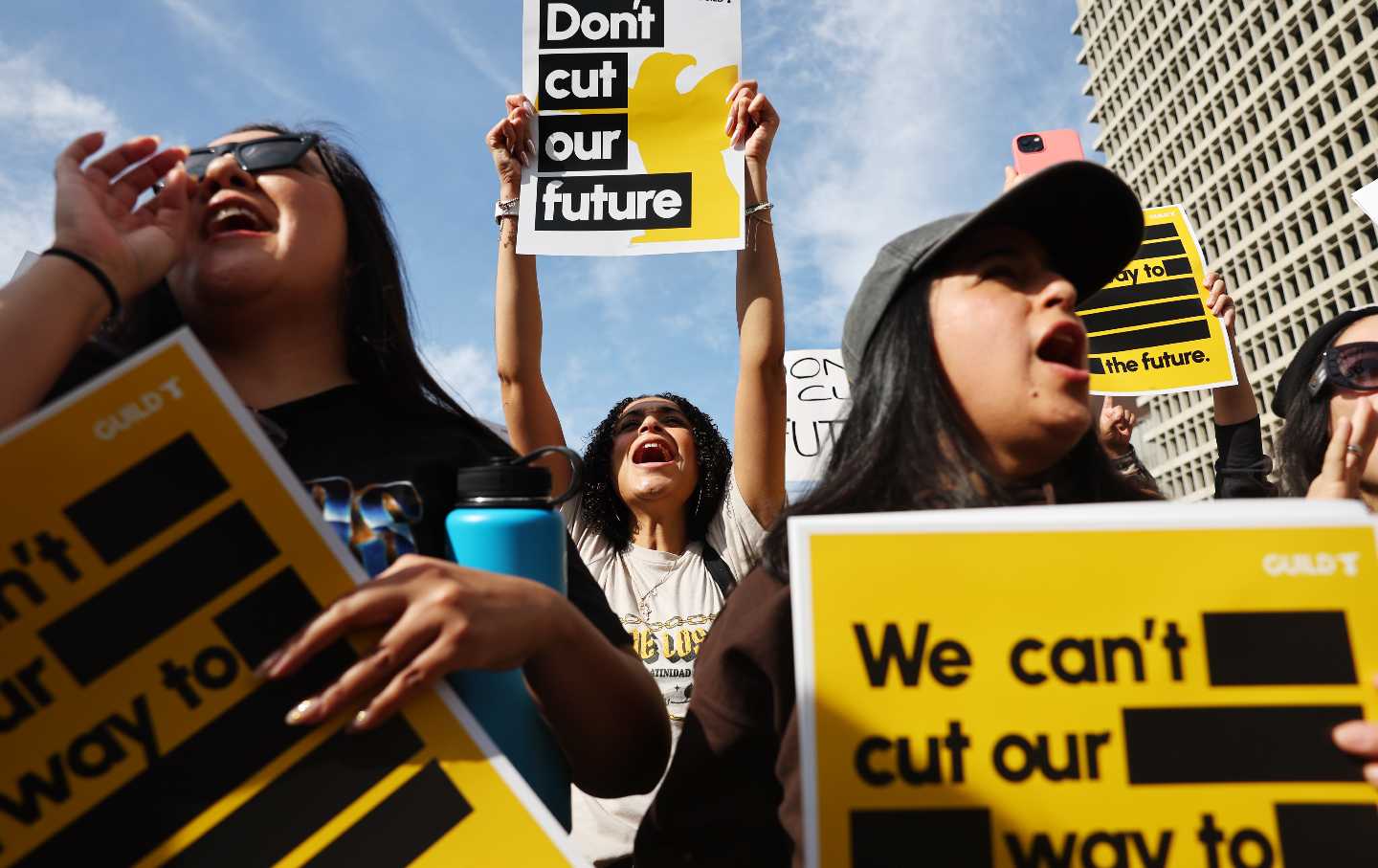
And in the current winner-take-all news economy, The New York Times gets to enjoy the dominance that comes with 10 million digital subscribers while its former competitors are left to fight over scraps. This has led to mass layoffs at the Los Angeles Times, buyouts at The Washington Post, and the continuing collapse of major local papers from Tampa to Tucson. Those papers that have managed to survive have significantly cut back on their coverage of national politics.
Nor has digital media provided anything like an adequate replacement. With Vice and BuzzFeed—both once touted as the future of journalism—now consigned to the dustbin of history, X/Twitter a lingering blight on public discourse, The Messenger newly dispatched, and The Intercept, Time, and Business Insider all reeling from layoffs, a forecast of doom followed by gloom seems unavoidable.
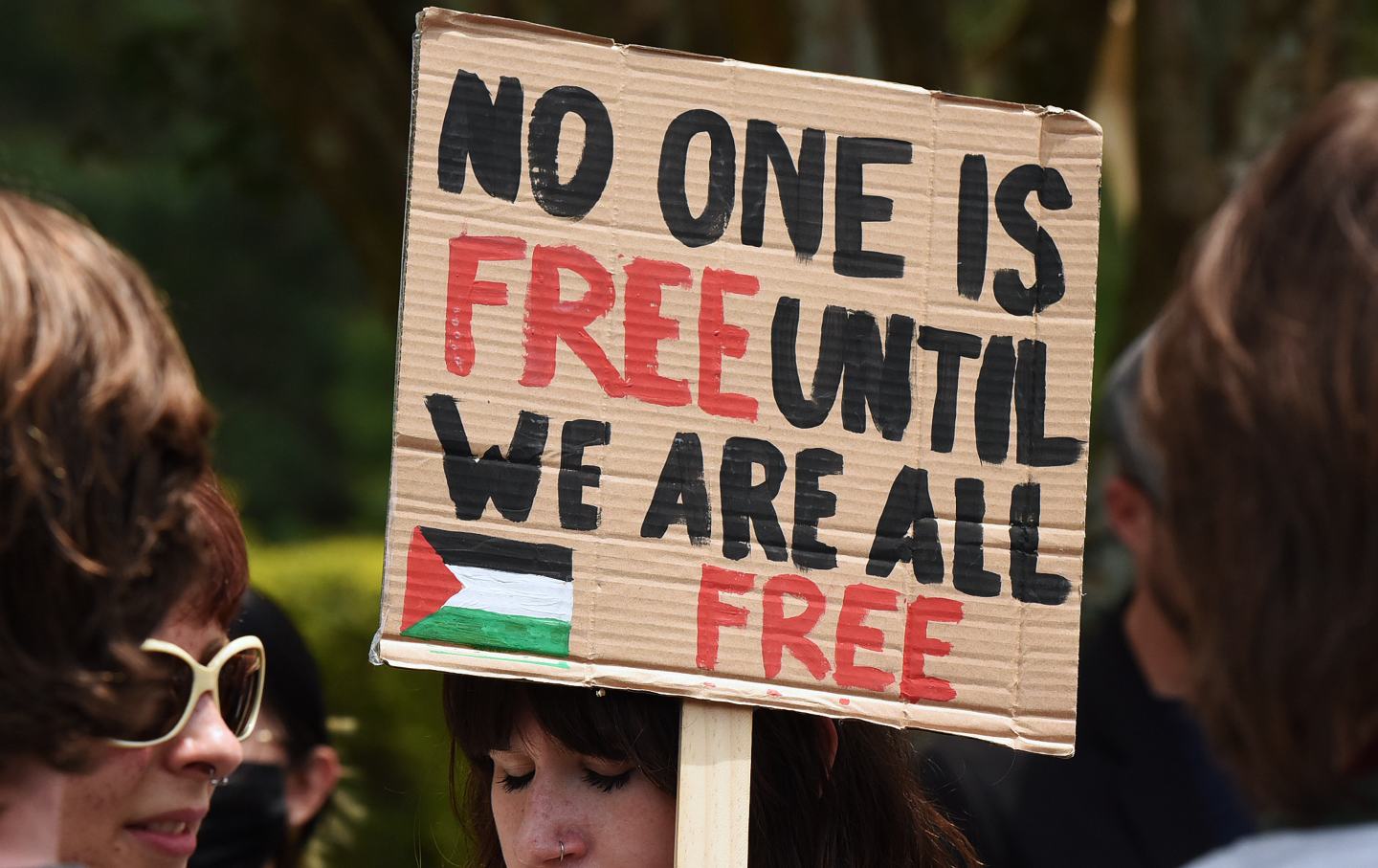
Yet here we are, very much alive and publishing. In print this month, The Nation brings you Mari Uyehara’s portrait of the novelist and activist Viet Thanh Nguyen; Eric Orner’s graphic argument for the importance of public housing; Mohammed El-Kurd’s moving introduction to photographs of Palestine before the Nakba; and Lizzy Ratner’s powerful and surprising cover story about how, in searching for the identity of “Special Case–Baby 1,” who was long thought to be the first baby in New York City to die of AIDS, she uncovered an entire hidden world of incredible courage and resilience.
Not to mention Stephanie Burt on Lucy Sante’s late-in-life transition; Osita Nwanevu on Bidenism and its discontents; Kate Wagner on the stultifying standardization of the 21st-century city; Jorge Cotte on the big chills in the latest season of True Detective; and an exclusive interview with UAW president Shawn Fain.
Plus Amanda Moore’s account of how she was banned from CPAC; Robert L. Borosage on what the Heritage Foundation’s Project 2025 reveals about the agenda of a second Trump administration; Spencer Ackerman on how the president who pulled out of Afghanistan came to pile on in Gaza; Jeet Heer on America’s ruling gerontocracy; and Adolph Reed Jr. on the relationship between social movements and electoral politics.
That last topic has been an enduring theme at The Nation. But then, over 159 years, you’d expect us to have some recurring preoccupations. Indeed, I would argue that taking the long view is part of what has allowed us to survive, even as flashier, and more fashionable, publications have come and gone. None of that, however, would be possible without the support of our subscribers and donors. If this is your first issue, please consider joining their ranks. And welcome to the fight.
D.D. Guttenplan
Editor