
US Mayors for Peace Call for Dialogue in a Time of Nuclear Danger
“If you don’t think nuclear weapons are a local issue, just ask the mayors of Hiroshima and Nagasaki.”
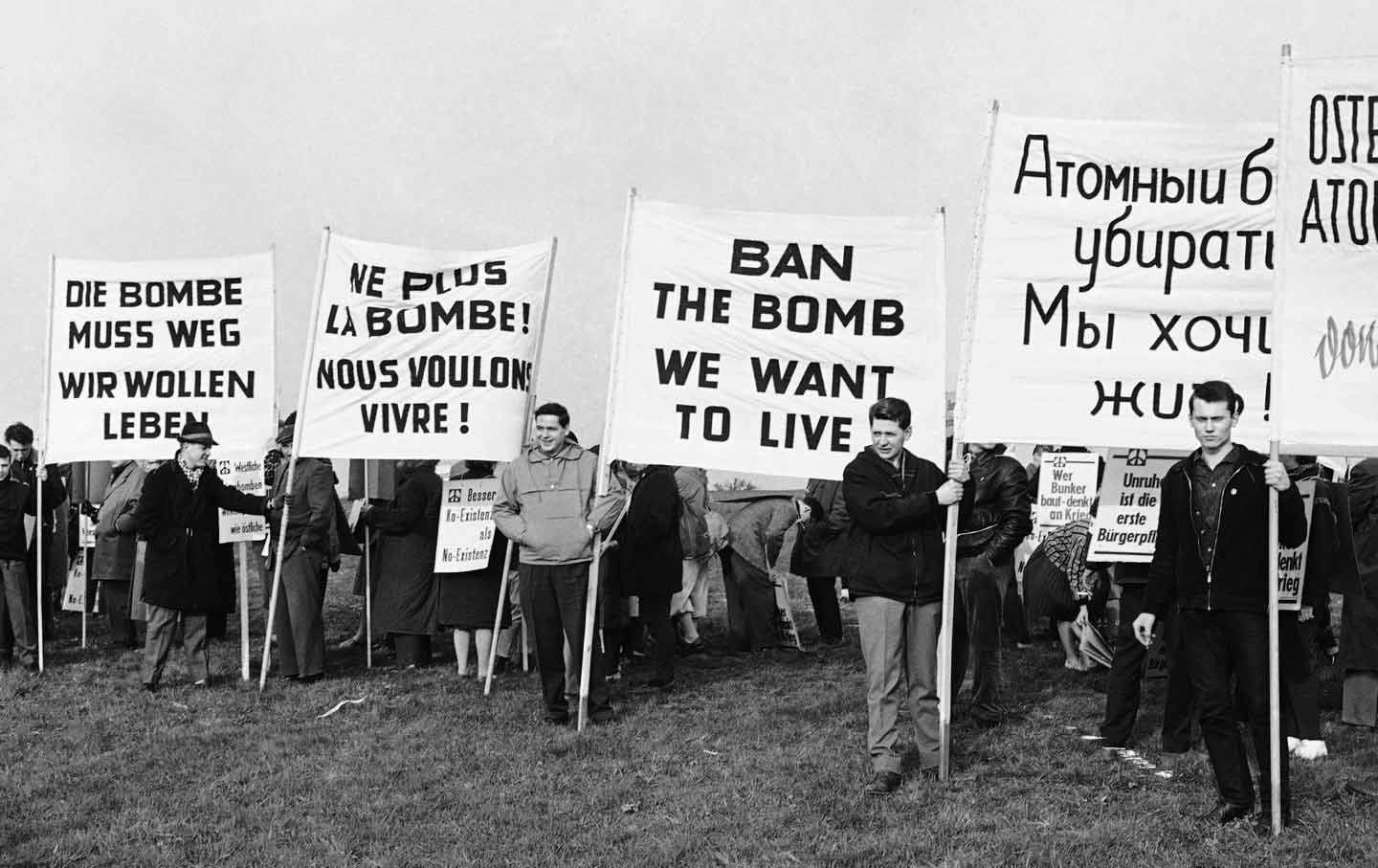
The 79th anniversaries of the US atomic bombings of Hiroshima and Nagasaki are coming up in August. Rather than commemorating those somber anniversaries as a grim reminder of the past, this year they serve as a foreboding warning of what may be to come.
The Russian war on Ukraine, with its attendant nuclear threats, and an intensifying array of antagonisms among nuclear-armed governments in Northeast Asia, the South China Sea, South Asia, and the Middle East have brought into sharp focus the increasing risks of nuclear war by accident, miscalculation, or crisis escalation, making new efforts to restart disarmament diplomacy an imperative.
Instead, we are seeing progress toward nuclear disarmament slide into reverse. The last remaining US-Russia arms control treaty is set to expire in 2026. The United States is planning to spend $2 trillion over the next 30 years to maintain and modernize its nuclear warheads and delivery systems, and a new multipolar arms race is underway, as all nuclear-armed states are qualitatively and, in some cases, quantitatively upgrading their nuclear arsenals.
Reflecting the urgency of this moment, at the close of its 92nd annual meeting in Kansas City, Missouri, on June 23, the United States Conference of Mayors (USCM) adopted a new resolution, titled,“The Imperative of Dialogue in a Time of Acute Nuclear Dangers.” This is the 19th consecutive year that the USCM has adopted a resolution submitted on behalf of US members of Mayors for Peace.
By adopting this resolution, the USCM, the official nonpartisan association of more than 1,400 American cities with populations over 30,000, has once again charted a responsible path. It “condemns Russia’s illegal war of aggression on Ukraine and its repeated nuclear threats and calls on the Russian government to withdraw all forces from Ukraine.” Importantly, it also calls on the President and Congress “to maximize diplomatic efforts to end the war in Ukraine as soon as possible.”
The resolution welcomes national security advisor Jake Sullivan’s June 2023 invitation to Russia to manage nuclear risks and develop a post-2026 arms control framework, and his signal of US readiness to engage China to ensure that competition does not veer into conflict. It further “encourages our government to pursue any offer made in good faith to negotiate a treaty among nuclear powers barring any country from being the first to use nuclear weapons against one another.”
In an important provision, the resolution “calls on the government of the United States to make good faith efforts to reduce tensions with the government of the People’s Republic of China, seeking opportunities for cooperation on such global issues as the environment, public health, and equitable development, and new approaches for the control of nuclear arms.”
And the resolution welcomes the September 10, 2023, Declaration of the G20 Leaders meeting in Delhi—including leaders or foreign ministers of China, France, India, Russia, the United Kingdom, and the United States—that the “threat of use or use of nuclear weapons is inadmissible.”
Looking to the future, the USCM “calls on the Administration and Congress to reconsider further investments in nuclear weapons and find ways that our finite federal resources can better meet human needs, support safe and resilient cities, and increase investment in international diplomacy, humanitarian assistance and development, and international cooperation to address the climate crisis.”
As an elected official and original sponsor of this resolution, I understand just how precious human life is. It is our responsibility as leaders to ensure we leave this earth in a better place than we inherited it. It’s imperative that we look at the ways we utilize nuclear weapons and the threat thereof, and that we promote meaningful global dialogue to avoid nuclear war and create a culture of peace. I am proud to stand shoulder to shoulder with mayors across the globe as a member of the Mayors for Peace initiative that has led the way.
Mayors for Peace was founded in 1982 and is headed by the mayors of Hiroshima and Nagasaki. Its 8,397 members cities in 166 countries and territories are working for a world without nuclear weapons, safe and resilient cities, and a culture of peace.
Our resolution calls on USCM member cities to take action at the municipal level, to raise public awareness of the growing dangers of wars among nuclear-armed states, the humanitarian and financial impacts of nuclear weapons, and the urgent need for good faith US leadership in negotiating the global elimination of nuclear weapons. Mayors for Peace has a wide range of resources available for mayors: for example, planting seedlings of A-bombed trees, hosting A-bomb poster exhibitions, and the annual Mayors for Peace Children’s Art Competition, “Peaceful Towns.”
Popular
“swipe left below to view more authors”Swipe →Mayors are the elected representatives who are closest to the people. As my good friend, Frank Cownie, the former mayor of Des Moines, has remarked, “If you don’t think nuclear weapons are a local issue, just ask the Mayors of Hiroshima and Nagasaki.” It’s past time for the federal government to heed the advice of the nation’s mayors.
“The Imperative of Dialogue in a Time of Acute Nuclear Dangers” was sponsored by Mayor Quentin Hart of Waterloo, Iowa, and cosponsored by Mayor Jesse Arreguin of Berkeley, California; Mayor Lacey Beaty of Beaverton, Oregon; Mayor Brad Cavanagh of Dubuque, Iowa; Mayor Martha Guerrero of West Sacramento, California; Mayor Chris Hoy of Salem, Oregon; Mayor Elizabeth Kautz of Burnsville, Minnesota; Mayor Daniel Laudick of Cedar Falls, Iowa; Mayor Satya Rhodes-Conway of Madison, Wisconsin; Mayor Andy Schor of Lansing, Michigan; Mayor Matt Tuerk of Allentown, Pennsylvania; and Mayor Victoria Woodards of Tacoma, Washington.
More from The Nation
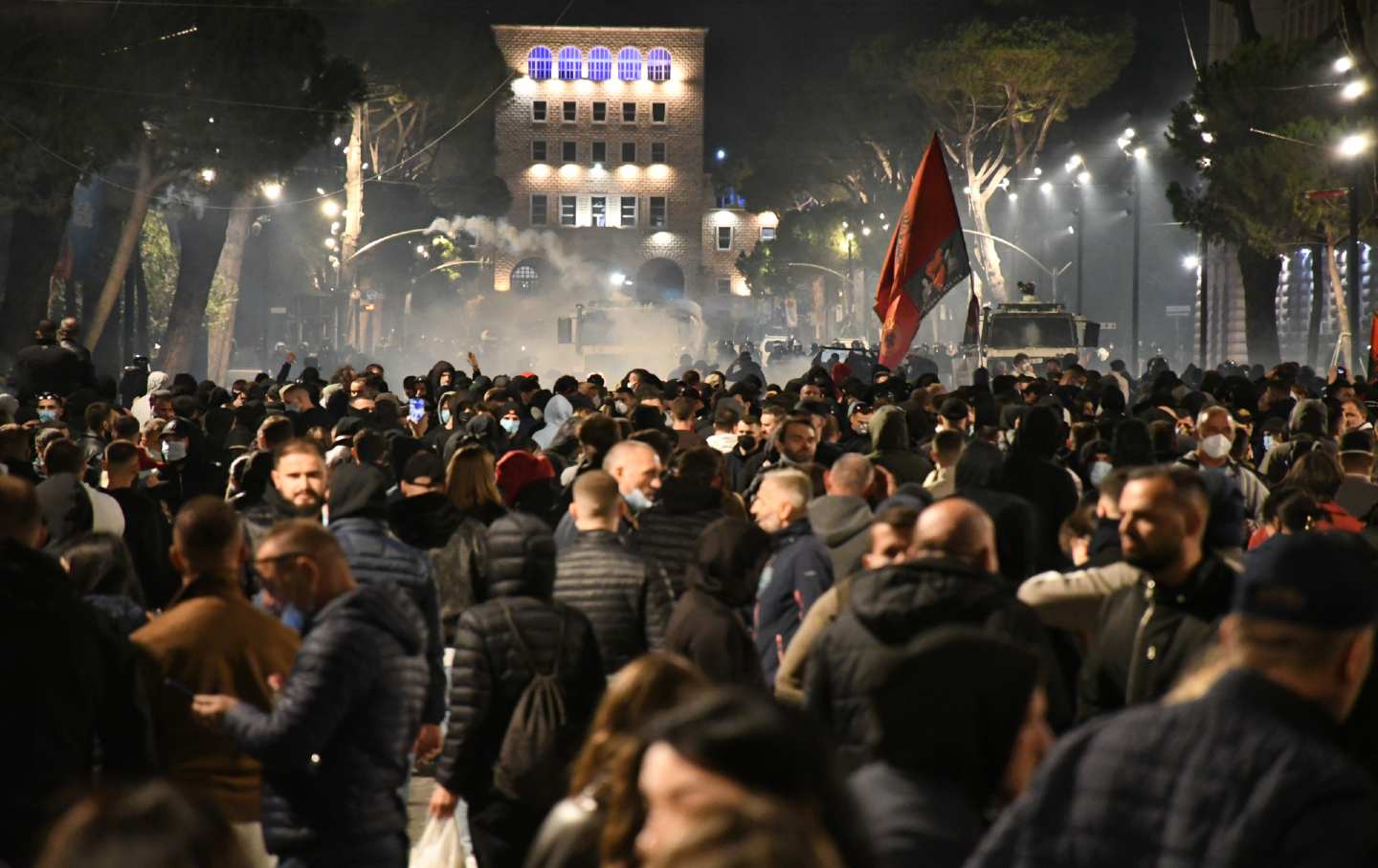
Albanian Student Strikes Spur a Political Crisis Albanian Student Strikes Spur a Political Crisis
A new round of protests against the ruling party’s corruption has Prime Minister Edi Rama giving cops bonuses to crack down on dissent.
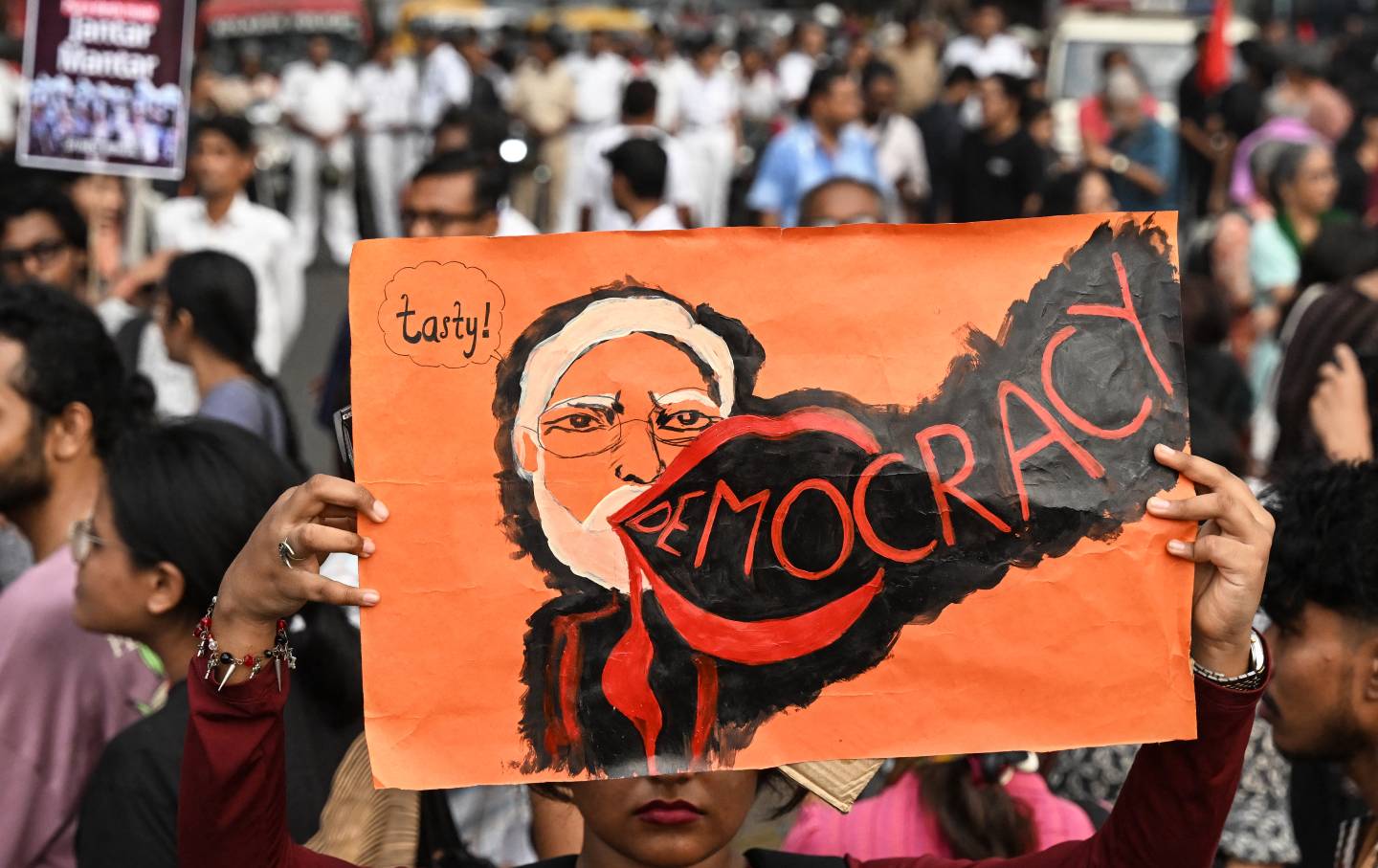
Inside India’s Gen Z Cockroach Janta Movement Inside India’s Gen Z Cockroach Janta Movement
Young Indians are challenging the purge of voter rolls by Modi’s right-wing government. Shrishti Khanna, who was detained by Delhi police while covering the protests, explains.
The Clarion Call of “NAZA” The Clarion Call of “NAZA”
Yuval Abraham and Rachel Szor’s new film not only documents the horrors of the present but give us a glimpse of a possible future too.
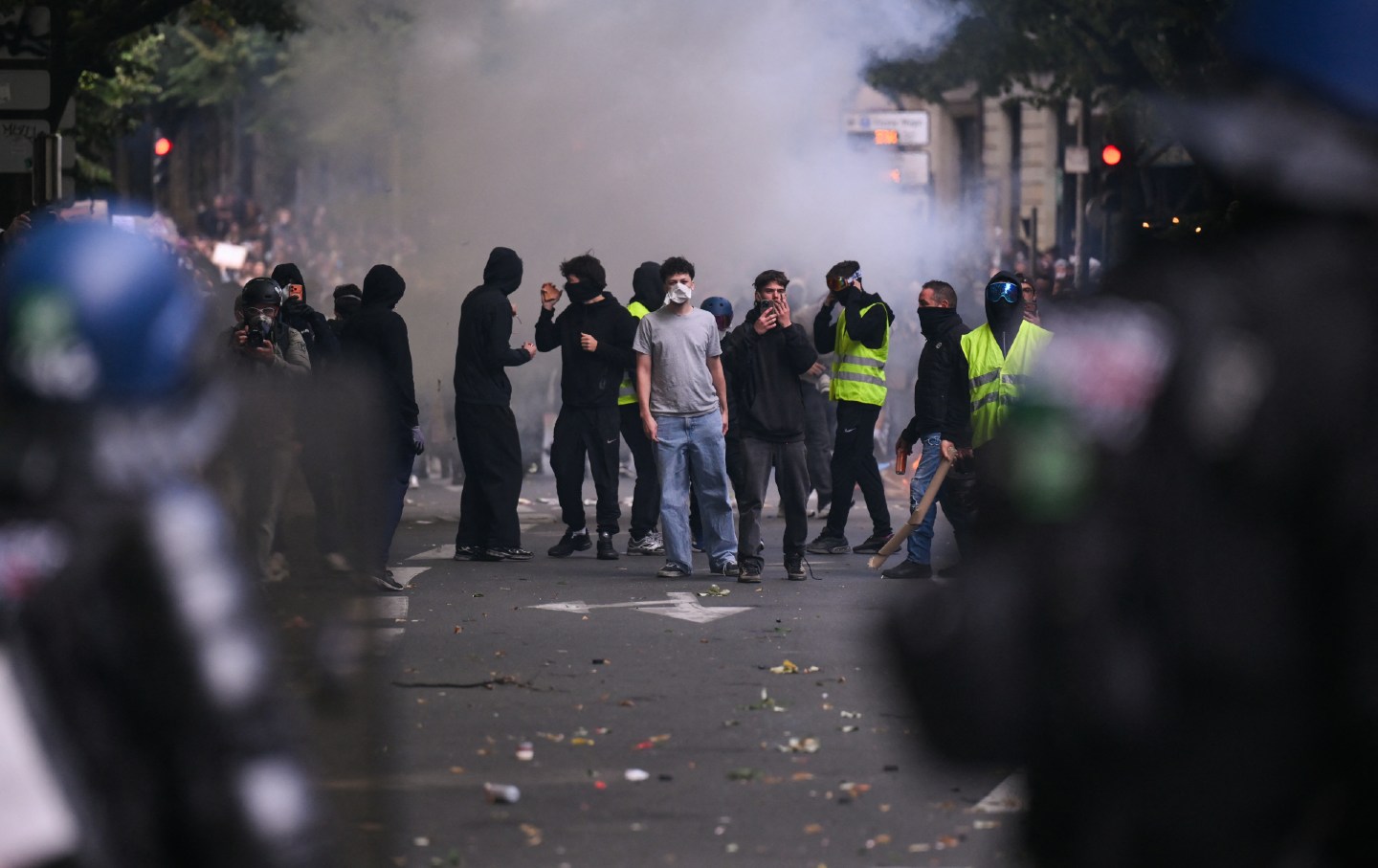
The Specter of Lepenism Looms Over France’s Social Crisis The Specter of Lepenism Looms Over France’s Social Crisis
Joining forces with the “yellow vests,” youth demonstrators are raising the alarm in a country falling to the far right.
Progressives Are Backing Puerto Rican Independence. It’s About Time. Progressives Are Backing Puerto Rican Independence. It’s About Time.
More and more leftists are concluding that statehood for the island is not enough.
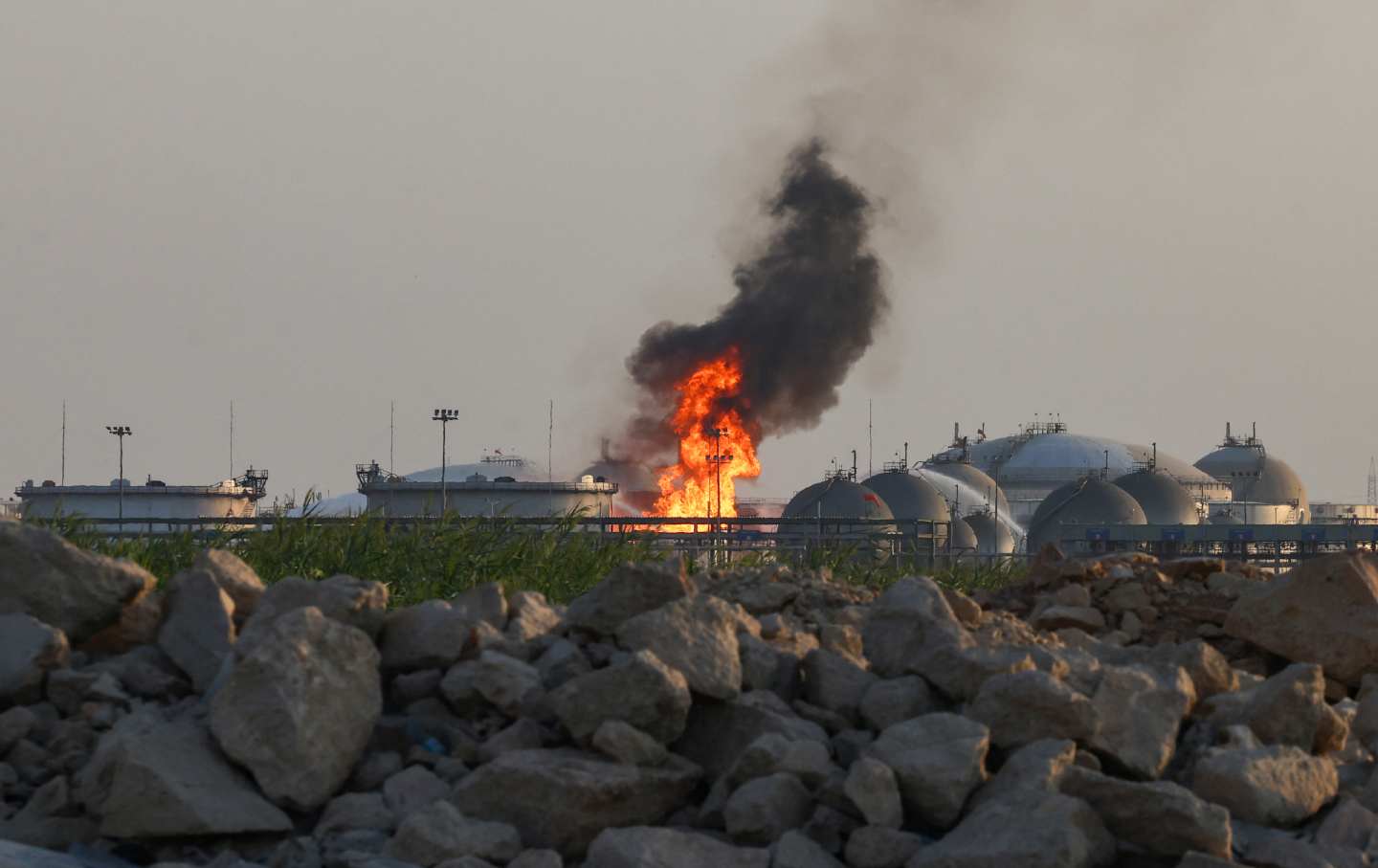
The Saudi Phase of the Iran War Signals More Chaos to Come The Saudi Phase of the Iran War Signals More Chaos to Come
The conflict that Donald Trump has repeatedly proclaimed an unequivocal American victory keeps spiraling out of control.

