Can Trump’s War Be Prevented?
A congressional war powers resolution could bring pressure and is the best hope for averting another disastrous war.

“I think we’re just going to kill people that are bringing drugs into our country, OK?” President Trump told reporters at a press conference last week. “We’re going to kill them, you know? They’re going to be, like, dead.”
Trump had gotten his message across, that he can kill whomever he wants, without any legal process. Judge, jury, and executioner. As he has been doing, since early September when he had the military blow up a boat in the Caribbean, killing 11 people.
The day after Trump proclaimed that “we’re just going to kill people,” the Pentagon announced that the world’s largest aircraft carrier, the USS Gerald R. Ford, would be heading to the Caribbean from Europe. It left Croatia for this journey on October 26.
The carrier is equipped with about 90 aircraft, including helicopters, early-warning planes and F/A-18 Super Hornets, fighter planes capable of attacking ground targets. The Ford Carrier Strike Group, which includes five guided-missile destroyers, will join five other Navy warships and a submarine in the region, in addition to amphibious warships with Marines onboard.
This has made it appear that the Trump administration is planning a much bigger war, with Venezuela as the target. This could end very horribly, as other US-led “regime change” wars—e.g. in Iraq and Libya—have ended.
Can this war be stopped? It is not clear that Trump has made up his mind about a military operation to try and bring about regime change in Venezuela.
Trump goes out of his way to send the message that he does not care about what anyone who disagrees with him thinks.
But he can be pressured. In 2019, for example, both houses of Congress passed an historic War Powers Resolution that required the United States military to end its support for the Saudi-led war in Yemen, which had taken the lives of hundreds of thousands of civilians since 2015. This was based on the War Powers Resolution of 1973, which requires that the Congress must vote if lawmakers seek to terminate US military forces’ introduction in hostilities without prior authorization from Congress.
Trump vetoed the resolution, but he stopped the US mid-air refueling of Saudi planes that were bombing Yemen. This was one of the most important parts of this legislation and ended up saving many lives, along with other de-escalation that followed from the pressure generated by this legislation.
Trump is running into the same kind of pressure from Congress right now. On October 8, a War Powers Resolution that would have required an end to unauthorized US military operations in the Caribbean was introduced by Senators Adam Schiff and Tim Kaine. It was blocked by a vote of 51-48.
But now there is another one, introduced in the Senate on October 16, to block the US military from engaging in a war in Venezuela. Republican Senator Rand Paul joined Kaine and Schiff on this War Powers Resolution.
There is also pressure from within the military, which also gets noticed. On October 16th, Admiral Alvin Holsey, the Commander of SOUTHCOM, announced that he would retire in two months. He oversees US military operations in Central and South America (and the Caribbean).
Popular
“swipe left below to view more authors”Swipe →He had two more years left in his position, and it is unprecedented for someone with his current responsibilities to quit in the middle of an operation like the one that is currently taking place in the hemisphere.
This is a pretty big deal. It indicates that there is some division in the military about this potential war.
CNN reported that “SOUTHCOM was concerned about the operations [against the alleged drug traffickers in the Caribbean] not being lawful,” and that there were tensions between Defense Secretary Pete Hegseth and Holsey; and that Holsey offered an immediate resignation on October 6, which ended up being postponed until October 16th.
All of this can be important because it increases the political stakes for Trump and his Party if a regime-change war goes badly for them. The majority of Americans are already against US military involvement in Venezuela.
Trump’s claim that this is about a war on drugs is even less believable—and much less believed—than the fictional “weapons of mass destruction” that President George W. Bush invoked to justify the Iraq War. Very few illegal drugs that are consumed in the United States come from Venezuela. This is especially true for the fentanyl that Trump points to, when he talks about saving tens of thousands of lives in the US by killing people in boats in the Caribbean.
His efforts to redefine war, to classify the people that the US military is killing as enemy combatants, have even less credibility. The Trump administration does not even bother to provide evidence that the people they are killing are drug traffickers.
Trump’s lesson from this first term was that he needed to appoint people whose only allegiance is to him, in the most important positions of the “national security state.” But it is not so easy to establish complete control of the State Department, the Pentagon, the 18 intelligence agencies, the National Security Council.
And then there is the Congress, which is the least unaccountable branch of our government. That is where we have our best hope of preventing yet another disastrous war.
More from The Nation
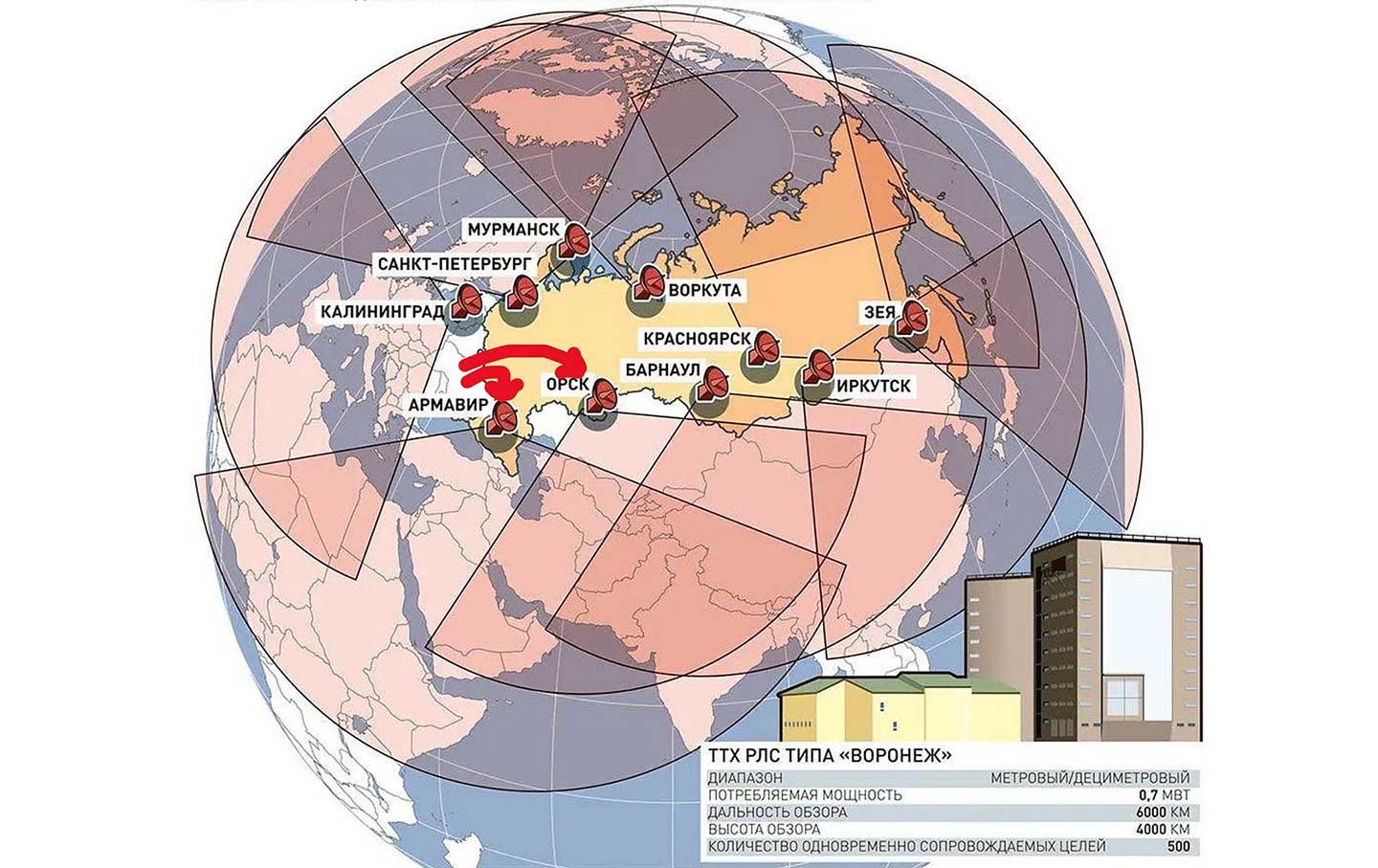
Ukraine and Our Wildly Reckless Flirtation With a Nuclear War Ukraine and Our Wildly Reckless Flirtation With a Nuclear War
For the first time in the lifetime of most of us, there are no remaining US-Russian arms control agreements.
“A Decent Respect to the Opinions of Mankind” Mandates a Search for Peace in Ukraine “A Decent Respect to the Opinions of Mankind” Mandates a Search for Peace in Ukraine
Why the new American left should take up the quest for peace if the Democratic Party wins control of Congress this November, and of the presidency in 2028.
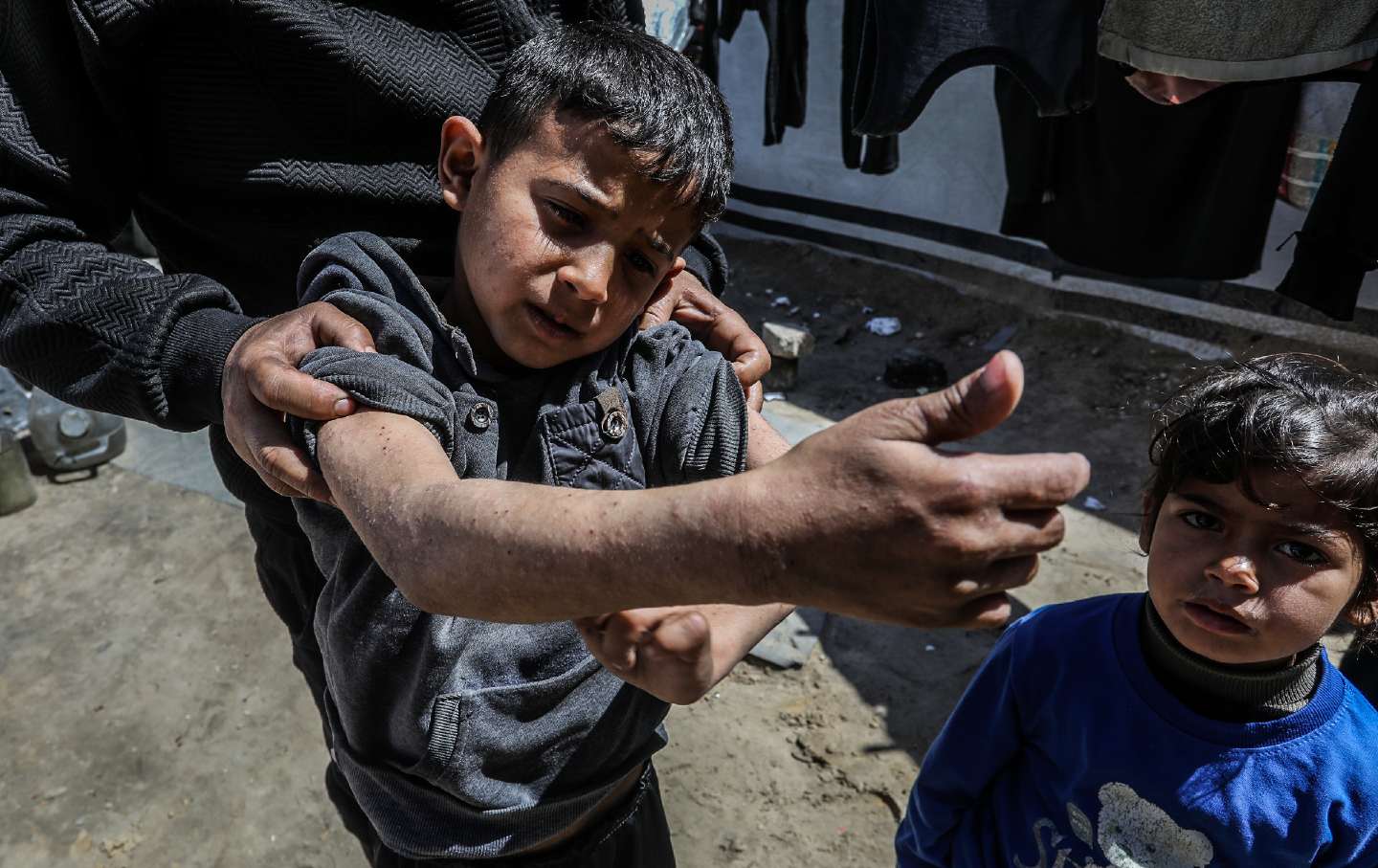
The Rats Terrorizing Everyone in Gaza The Rats Terrorizing Everyone in Gaza
This is what humanitarian collapse looks like: vermin moving freely through garbage, ruined buildings, and tents—and attacking people wherever they go.
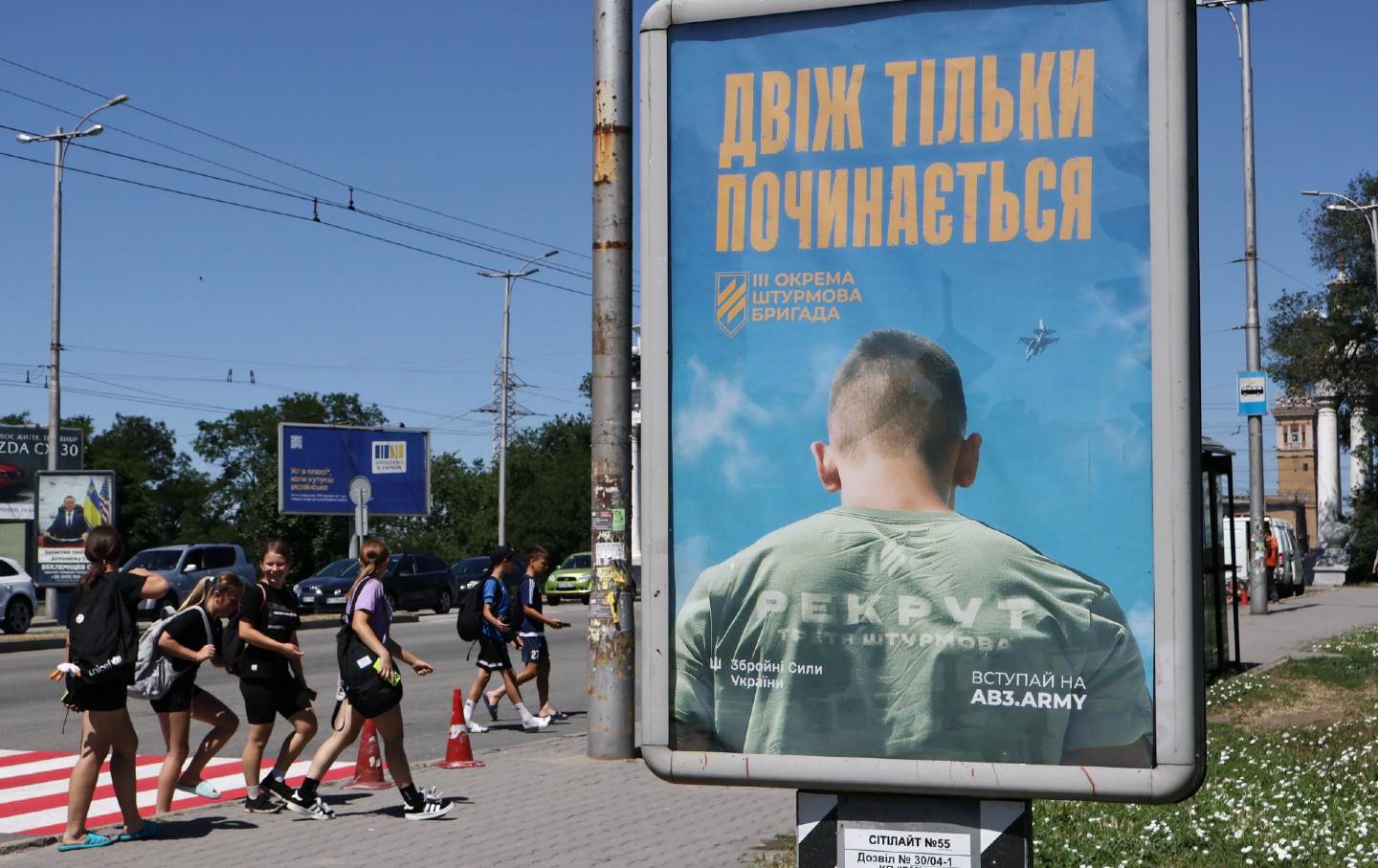
Millions of Ukrainian Men Are Fleeing a Cruel Conscription System Millions of Ukrainian Men Are Fleeing a Cruel Conscription System
They are being written out of the narrative.

India’s Cockroaches Were Never Radical Enough India’s Cockroaches Were Never Radical Enough
The Cockroach Janta Party protests won a great victory. What will be their legacy?
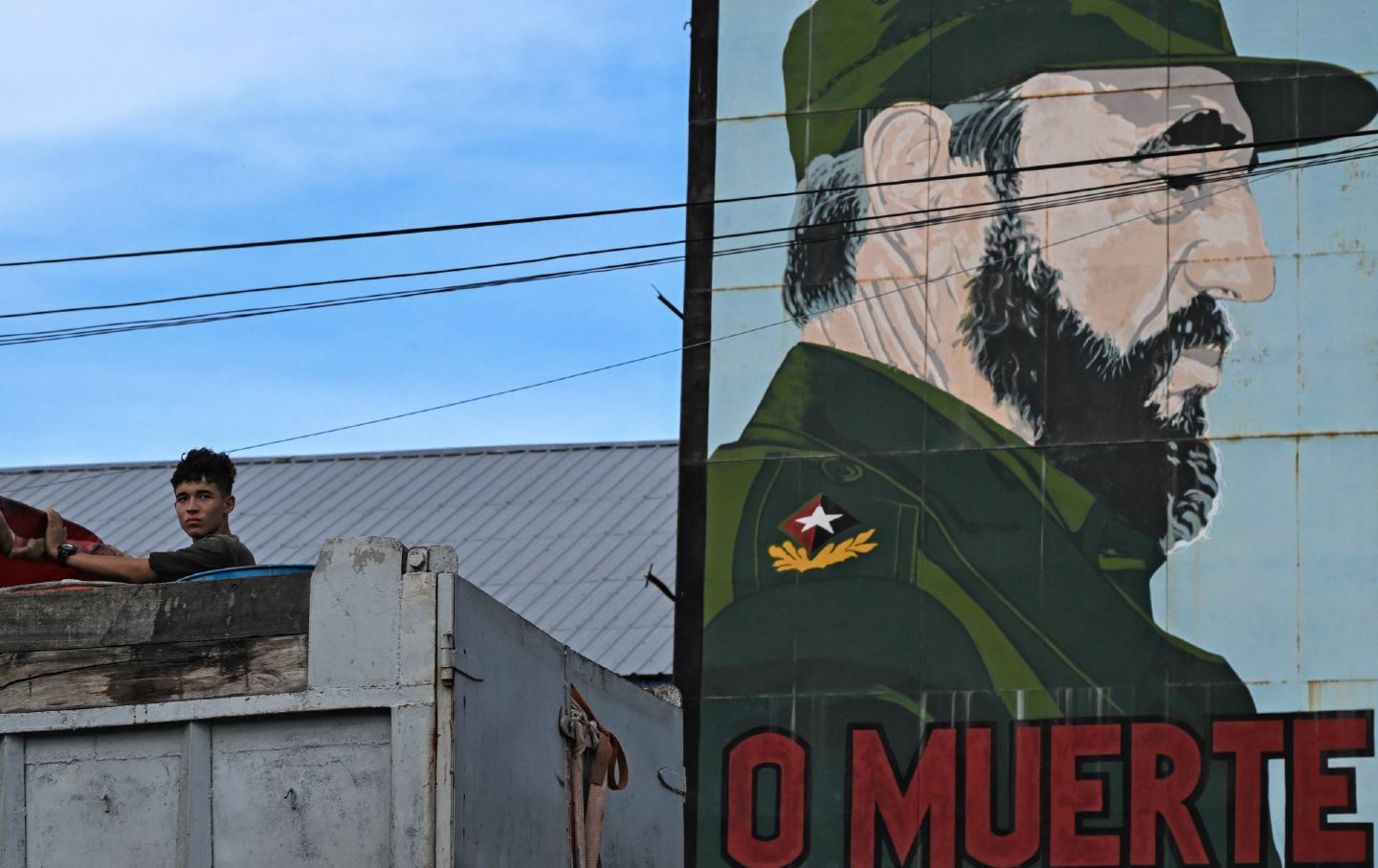
The CIA Targets Cuba… Again The CIA Targets Cuba… Again
Covert operations add to Trump’s ruthless regime change efforts.

