
Stalemate or Escalation in Ukraine
With the war in Ukraine grinding into stalemate, the danger is no longer breakthrough but escalation beyond anyone’s control.
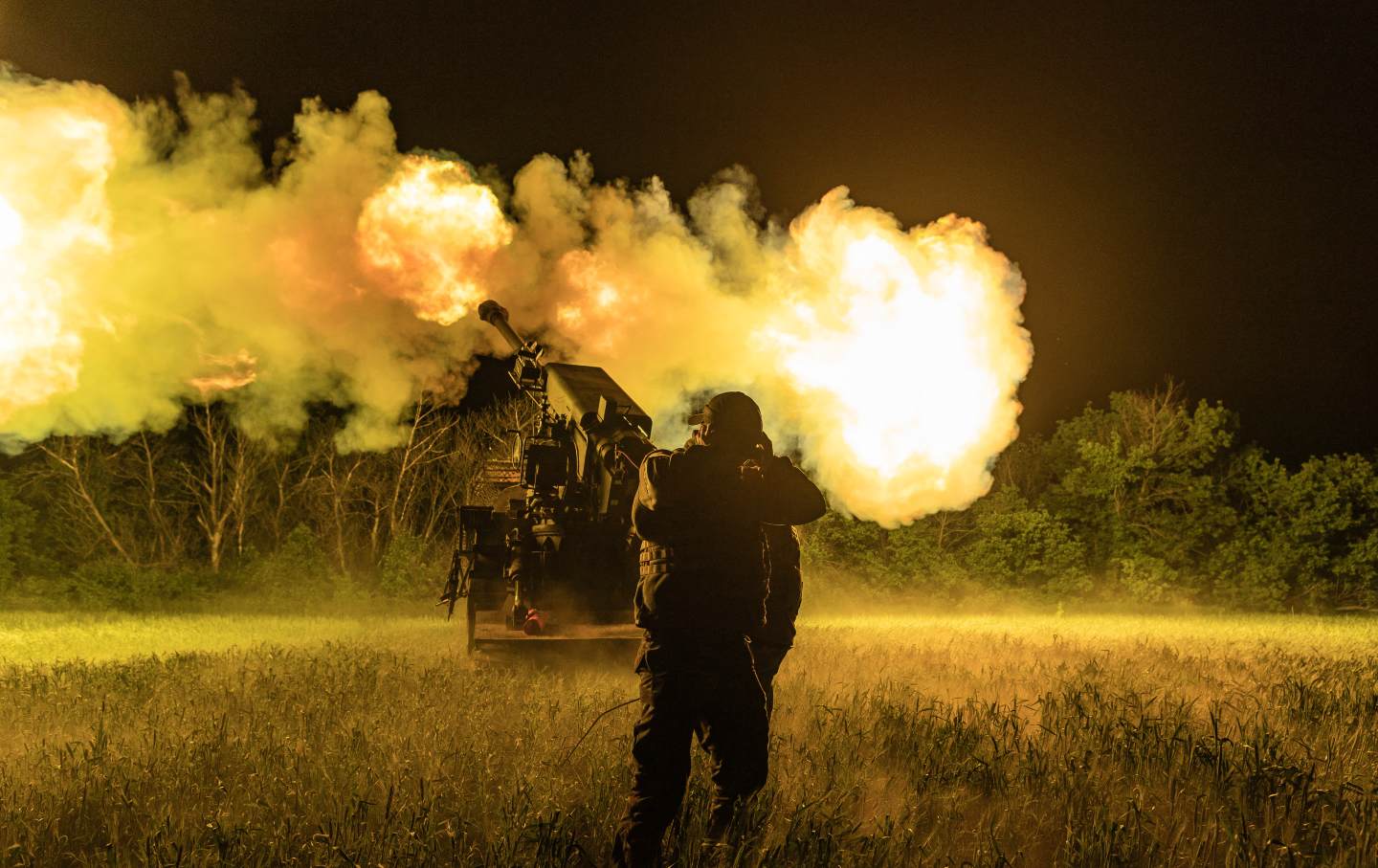
As the Ukraine war on the ground becomes bogged down in a seemingly unbreakable stalemate, and public discontent in both Russia and Ukraine grows, the governments in Moscow and Kyiv are escalating the conflict in the air in an effort to change the situation to their advantage. This will lead to increased civilian casualties on both sides. It also increases the risk of clashes that will draw NATO and Russia into direct conflict—though it is also quite possible that the war will end in an inconclusive ceasefire and a frozen conflict.
Two developments in May emphasized the danger of escalation. In response to Ukrainian drones flying over the Baltic States to attack targets in Russia, Moscow accused the Baltic governments of complicity and threatened an attack on Latvia. NATO claimed (implausibly, and with no evidence) that the drones had been redirected over the Baltic states by Russian jamming; but it seems at least equally likely that Ukraine was using Baltic airspace, protected by NATO, to get as close as possible to its targets near St. Petersburg before encountering Russian air defenses.
And in response to increasingly damaging Ukrainian drone and missile attacks on Moscow and Russian energy infrastructure (which Russia believes are aimed with the help of Western intelligence), the Russian government warned that it would start attacking Ukrainian headquarters in Kyiv, and warned Western officials and citizens to leave the city. This was widely taken as an indication that Russia is going to attack these targets with Oreshnik ballistic missiles—something that it has refrained from doing so far, presumably out of fear that casualties among NATO advisers would lead to drastic escalation by the West.
For the moment, both sides have stepped back from the brink. NATO has begun to shoot down Ukrainian drones over the Baltic states; and while Russia has increased its attacks on Kyiv, it has not yet made good on its threat to launch strikes that would cause Western casualties.
The danger however remains extremely serious. The Ukrainian air campaign against Russia is beginning to do serious damage (and of course the Ukrainians feel entirely justified, since their infrastructure has been under Russian attack for the past three years). As a result of this and tiny Ukrainian advances on the ground in the Donbas, Western official and unofficial figures are beginning to declare again that Ukraine can “win.”
If by this they mean that Ukraine could fight Russia to a standstill and bring about a compromise peace, they are almost certainly correct. Indeed, Ukraine, with Western help, has already demonstrated its ability to do this. If, however, these supposed friends of Ukraine mean that Ukraine can defeat Russia and bring about the fall of the Putin administration and system, they are being profoundly foolish. Recent Ukrainian advances on the ground in the Donbas have been just as small as Russian advances in the opposite direction. Indeed, this is hardly a matter of “advances” at all. The omnipresence of drones has created a “killing zone” more than a dozen miles wide in which only tiny groups of soldiers can operate, occasionally occupying an individual building or ruined hamlet, and often then having to scuttle quickly back to their own lines.
It is equally foolish to believe that limited aerial bombardment will lead to a revolt against Putin. Much heavier Russian bombardment of Ukraine over a much longer period has not broken the will of the Ukrainian people to resist. In fact, relying purely on aerial bombardment of civilian targets as a strategy has never worked, whether employed by the Luftwaffe, the RAF Bomber Command, or the USAAF.
It is true that war weariness is growing in both Ukraine and Russia, and this is leading to increased calls on both sides for a compromise peace. The problem is that among hardliners on both sides this is leading instead to increased pressure to break the stalemate by drastic escalation.
Pressure on the Ukrainian and Russian governments is increased by their increasing shortages of soldiers. Casualties on both sides have been enormous—higher for the Russians in terms of numbers, but higher for the Ukrainians in proportion to their much smaller population. In Ukraine, this is leading to demands both from the West and from the Ukrainian army finally to start conscripting men from the age of 18; in Russia, to pressure to abandon reliance on paid volunteers and launch mass conscription. Both moves would be bitterly unpopular with their respective populations.
The risk is that faced with this impasse, hawks on both sides will enter into a de facto collusion to try to break the stalemate by dragging NATO into the war. Ukrainian hard-liners may believe that only direct NATO involvement can compel a Russian surrender. Russian hard-liners may believe that a direct confrontation with the West will both bring the Trump administration back into a peace process that it is walking away from and terrify the Europeans into agreeing to peace on Russian terms.
Both beliefs cannot be true; but put together, both can add greatly to the dangers of this war. The Ukrainians can provide one opportunity, by attacking government targets in Moscow, stepping up the assassination of Russian officials, or trying to attack Russia via NATO territory. European governments can provide another, by seizing Russian ships on the high seas; and the Russian hawks would be delighted to seize these opportunities.
Faced with this danger, the US and European governments have—or should have—a strong motive to break the impasse through diplomacy. The Trump administration should reengage in the peace process with a concrete, detailed peace plan to which it would require Russia to agree or face permanent and increased US aid to Ukraine; and if the Russians agreed, then the Ukrainians and Europeans should be faced with a requirement also to agree, or face the immediate and comprehensive end to that aid. The Europeans, who hitherto have demanded a place at the negotiating table without bringing forward any proposals of their own, should offer Russia economic and political incentives to abandon its demand for full control of the fraction of the Donbas that remains in Ukrainian hands.
But the Trump administration is hopelessly distracted by the war with Iran, with Steve Witkoff and Jared Kushner—insanely—responsible for both sets of negotiations. It would also seem that the administration is too dysfunctional and unprofessional to engage at the level of detail required. Its distrust of State Department officials may be justified, given the hostility of many US diplomats to the peace process; but the administration has not reached out to those few but distinguished experts outside government who do in fact support peace. As for the Europeans, they seem entirely content that the Ukraine conflict settle into a version of the Cold War, a confrontation without end; but this time, with the proxy war being waged not in Asia or Africa but on the borders of Europe itself.
Become a Sustaining Donor This September
Between the reemergence of right-wing red-baiting and Donald Trump’s use of the chilling National Security Presidential Memorandum–7 to criminalize left political organizing, we’re seeing McCarthyism reborn before our eyes.
This assault on democracy cannot be ignored or wished away. Resisting it requires bravery in the face of threats and repression, a steadfast commitment to the truth, and the unwavering belief that we can—and will—overcome this darkness.
We must have an independent media that sets the record straight, unearths corruption and abuses of power, and advances a politics of justice and dignity for all if we’re to win this fight.
That’s why I’m writing to you today. This September, The Nation needs to add 100 monthly donors to sustain our progressive journalism. Your contribution makes the next investigative report, the next truth-speaking column, and the next pathbreaking essay all possible.
I hope you’ll support our work with a recurring donation today. If you donate $10 or more a month, we’ll send you a brand new “Hands Off the Free Press!” sticker to recognise your commitment to our cause. Please, donate today.
Onward,
Katrina vanden Heuvel
Editor and Publisher, The Nation
More from The Nation
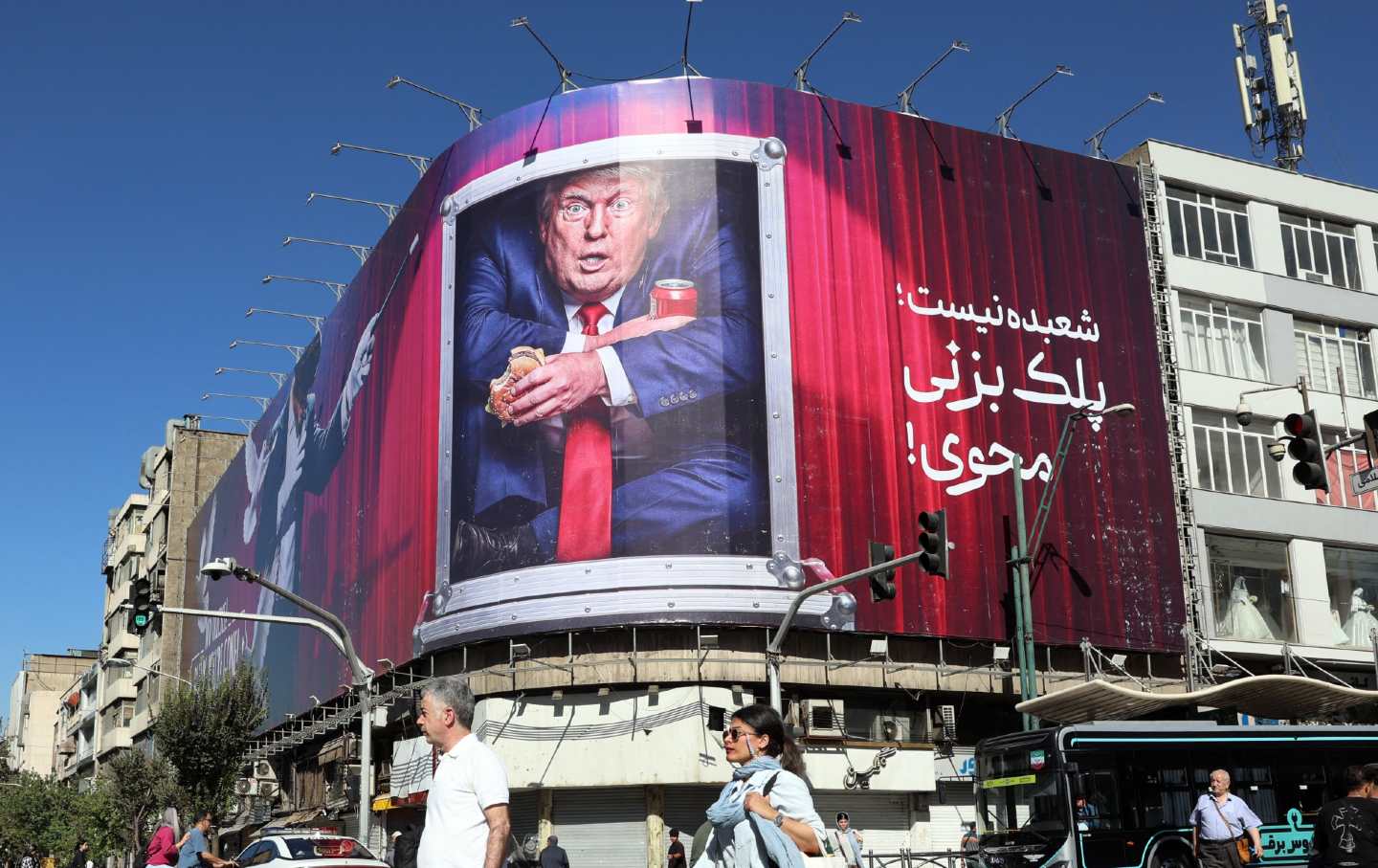
The Decades-Old Roots of Trump’s War on Iran The Decades-Old Roots of Trump’s War on Iran
An interview with historian Behrooz Ghamari-Tabrizi about the generations of US presidents who have tried to destroy the Iranian regime.
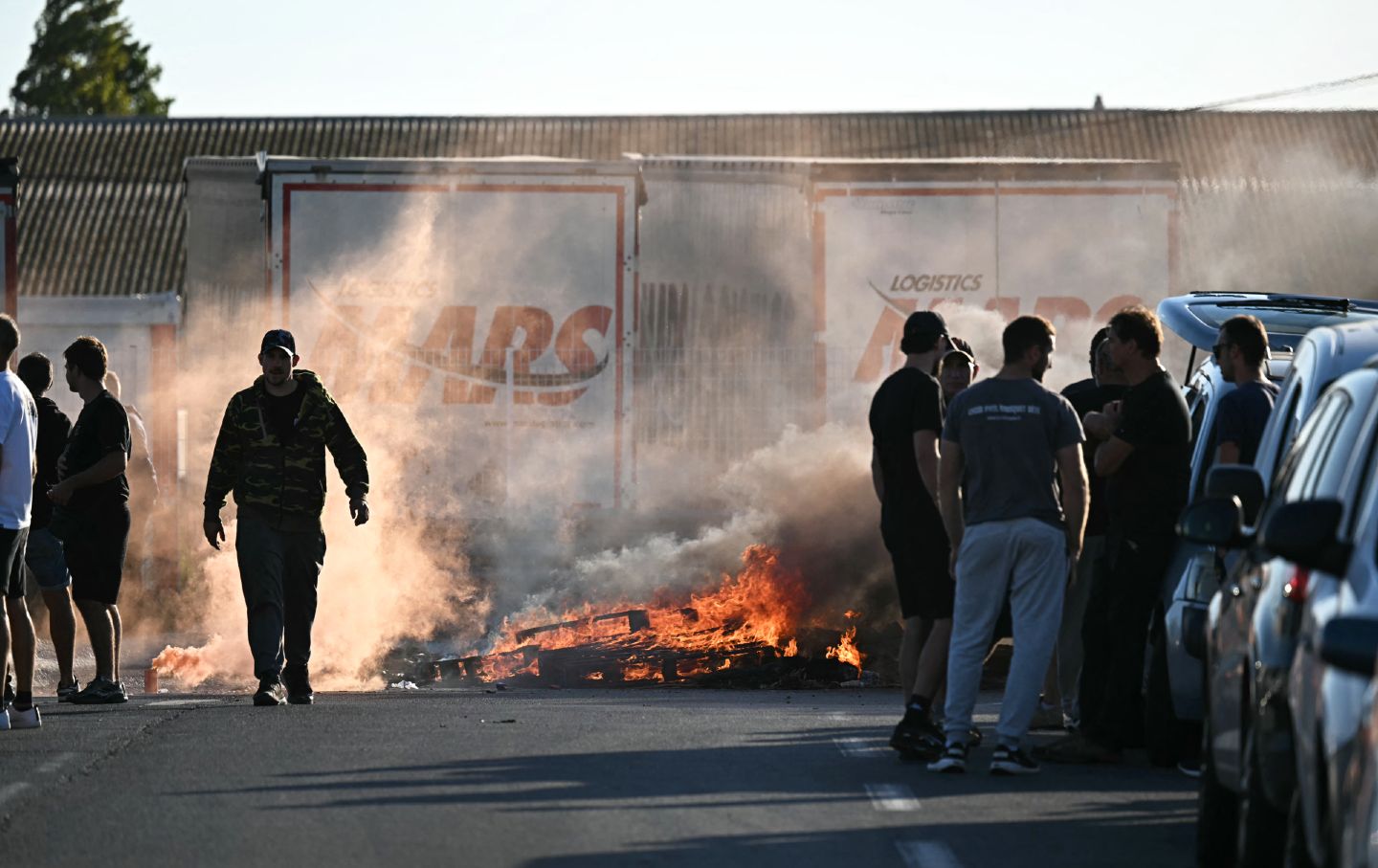
Emmanuel Macron’s Turbulent Exit Emmanuel Macron’s Turbulent Exit
Between a budget crisis and a cost-of-living squeeze, Macron is leaving a country feeling more insecure than ever—and ready to take to the streets.
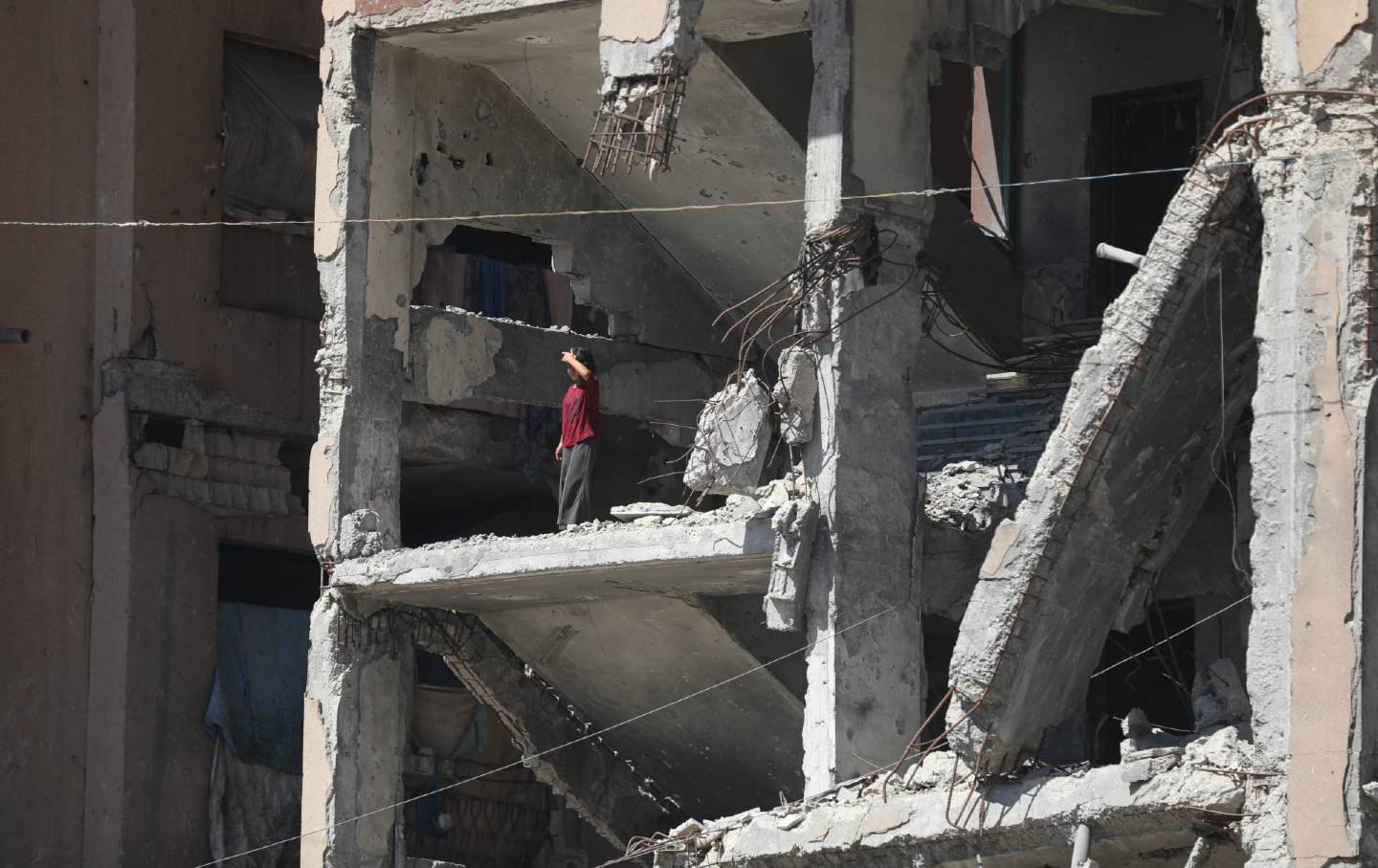
Israel’s Election Can’t Fix What Netanyahu Broke Israel’s Election Can’t Fix What Netanyahu Broke
The fundamental problem is not the name of the prime minister, but rather the actions of the Israeli government and the urgent issues that need to be addressed.
The AfD’s Rise Isn’t Just About East Germany The AfD’s Rise Isn’t Just About East Germany
The Alternative für Deutschland has a stable national poll lead, including in the former West Germany. Its rise owes to much more than Eastern grievances.
Chinese Development Is the Betrayal Washington Cannot Forgive Chinese Development Is the Betrayal Washington Cannot Forgive
The prospects for Xi Jinping’s visit are dim because American leaders are blaming China for the failures of globalization.
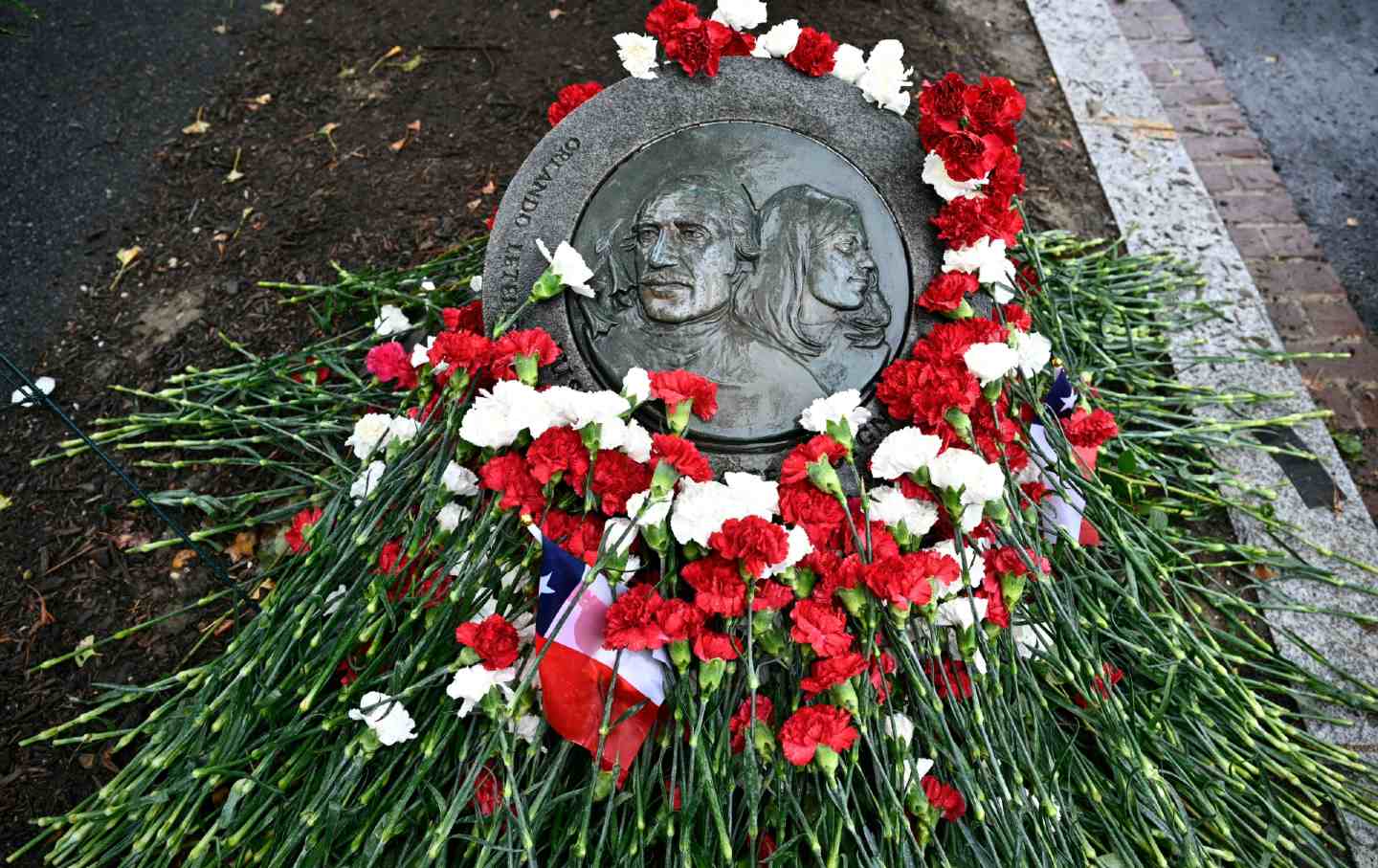
Pinochet: The Verdict of History in the Letelier-Moffitt Case Pinochet: The Verdict of History in the Letelier-Moffitt Case
An act of international terrorism on the streets of Washington, DC, still reverberates 50 years later.

