
“The Israeli Army Martyred My Father”: What Gaza’s Journalists Have Endured
Three Palestinian journalists describe what it is like to report from the middle of a genocide.
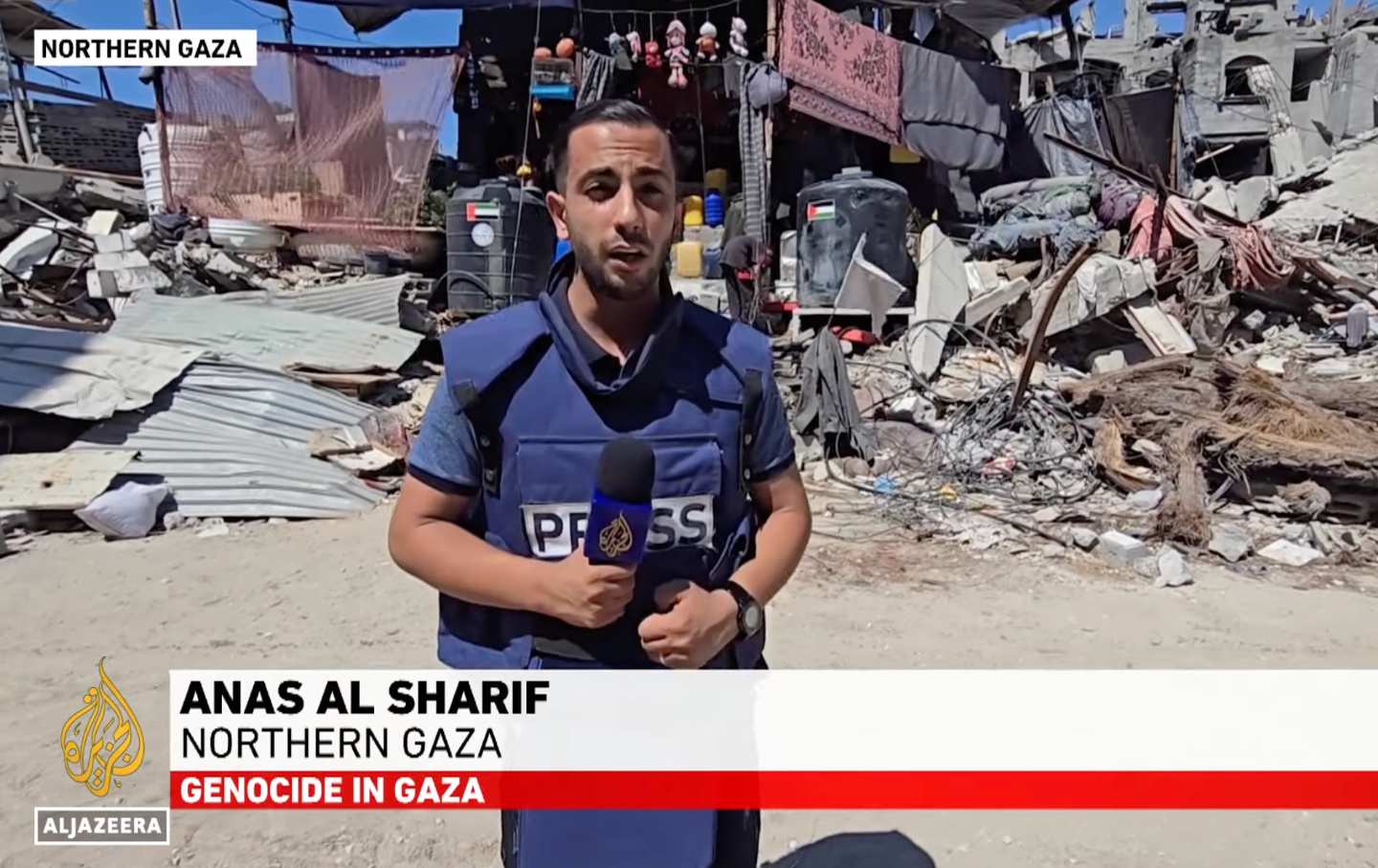
Al Jazeera correspondent Anas Al-Sharif.
(Al Jazeera)For the past year, there have been few more dangerous things to be in Gaza than a journalist. Israel has targeted reporters over and over again, in what the Committee to Protect Journalists calls an “unprecedented and horrific” campaign. At least 130 journalists have been killed during the war and dozens more have either been forced to stop reporting by injuries or have fled the Strip altogether. But every day, the journalists who remain are continuing their work. Here is what three of them told me about their experience over the last year.
Al Jazeera correspondent Anas Jamal Al-Sharif, 29, from Jabalia camp in the northern Gaza Strip
Covering this war is completely different from all previous wars in the Gaza Strip. There is no safe place. Hospitals, schools, shelters, populated homes, streets, and other places have been targeted. As Palestinian journalists, we are directly targeted during our work by the Israeli army. We have experienced many challenges and difficulties that have never been seen before, such as the interruption of the Internet, communication, and electricity, and direct threats against journalists, their locations, and their vehicles. We were able to overcome these risks in order for the coverage to continue.
The Israeli army has prevented the foreign press from entering the Gaza Strip, so the responsibility was great on us as journalists in Gaza to convey the truth with complete credibility. We had two options: either stop the coverage to protect ourselves and our families from being targeted or continue the coverage. We chose to continue.
Before the war, I worked as a freelance photojournalist for many media outlets, but during this war, I became a TV reporter through the request of my colleague Tamer Al-Mashaal, who encouraged me to work for Al Jazeera.
I faced a big challenge to prove myself and continue working. I was subjected to a lot of harassment and threats from Israeli officers to move from the north to the south and stop working. However, I did not leave the north with my family. So the Israeli army targeted my house and martyred my father. He had refused to leave me.
The famine that northern Gaza went through was difficult and harsh. I went through long months of famine and I would transmit my work while I was hungry. I saw many families suffering from hunger and dying during that period. My mother and my pregnant wife needed food and medicine. Days would pass without us eating anything. We ate animal feed and grasses. I saw my daughter crying for food and my mother falling into a coma due to malnutrition. I was helpless in the face of all of this, unfortunately.
What hurt me most in my work as a journalist was the martyrdom of my colleague and companion Ismail Al-Ghoul, the Al Jazeera correspondent in Gaza. The days before his martyrdom are completely different for me from the days after. I was left unconscious when I covered the event of his assassination, as he was buried without his head. His head was separated from his body as a result of this bombing.
The Israeli army treats the residents of Gaza as if they are all targets. It does not differentiate. It does not want our suffering to be revealed to the world. That is why it targets journalists and their families. The aim is to silence our words and our images. There is no protection for journalists internationally or locally. I was forced to sleep in schools, streets, and hospitals, and sometimes we would sleep inside cars in order to continue coverage.
I had many dreams before the war, and this war changed them. I had a goal of traveling abroad to develop my journalistic skills, but this war stopped all my dreams and goals. But I am certain that the day will come when we will achieve our dreams inside or outside the Gaza Strip. My only wish is to document the scene in which the war ends, the siege on the Gaza Strip is lifted, the displaced return from the south to the north, and stability and security return to us.
Nour Swerki, a correspondent for Al Sharq Channel and a mother of two
This war has greatly changed my life. Before the war, I had a stable family with my children in my home, but now I have lost my home and my city. My children went to Egypt with my family for safety, and my husband and I stayed in the Gaza Strip for our journalistic work.
We lost [our fellow] journalist Nidal Al-Wahidi at the beginning of the war. He was a friend of our family and close to all of us. This is the most painful thing, in addition to our colleagues who we lost during the war.
Journalists are targeted like anyone else in Gaza, because we are Palestinians from Gaza. I am very worried about being arrested at any moment and I am worried about being targeted. Then there is the difficulty of my repeated displacement from one area to another, and in meeting people and listening to their stories and their pain. Nothing can be excluded. It is difficult to be a journalist and a mother, and this forced me to encourage [my family to] travel to Egypt for their safety. Now that the Rafah crossing has been closed, I have been away from them for five months. They are worried about their father and me because of our work.
The experience of displacement is the worst because every time we leave a place we give up a part of ourselves. I was displaced more than four times, and every time I needed to establish a new place for work and life. We are forced to live with it in order to preserve our energy and the integrity of our mental abilities to complete our professional mission in journalism.
I had a goal of educating my children and then buying a piece of land and farming it, but unfortunately Gaza needs to be rebuilt again. All of our plans have changed. My wish is for this war to end and for me to be reunited with my children and family—to build my house, open the door of the house, and find my family inside it.
Popular
“swipe left below to view more authors”Swipe →Osama Al-Kahlout, 40 years old, a correspondent for Al-Arabiya and Al-Hadath channels
Whoever works as a journalist in Gaza is risking death. It is difficult to move and travel because the targeting is everywhere. So many of my fellow journalists have been martyred. I was forced to participate in appeals for some of their sons who were injured and needed to travel for treatment.
The Israeli army treats the citizen, the fighter, and the journalist equally. It bombs the citizens as if they are fighters and also the journalists as well. There is no protective equipment for journalists, and there are no institutions to protect us from this bombing and continuous targeting.
The bombing and continuous violence are everywhere. I see the remains of my fellow citizens every day.
I had a dream of traveling abroad for entertainment, and I started thinking that they would travel away from death forever. When you are a father and a journalist, you work very hard because of the great responsibilities that we bear. My wish is for the war to stop because its continuation means that there is a possibility of our death at any moment.
More from The Nation

Opposing Trump’s Cruel Assault on the Cuban People Opposing Trump’s Cruel Assault on the Cuban People
An interview with Representative Jim McGovern.
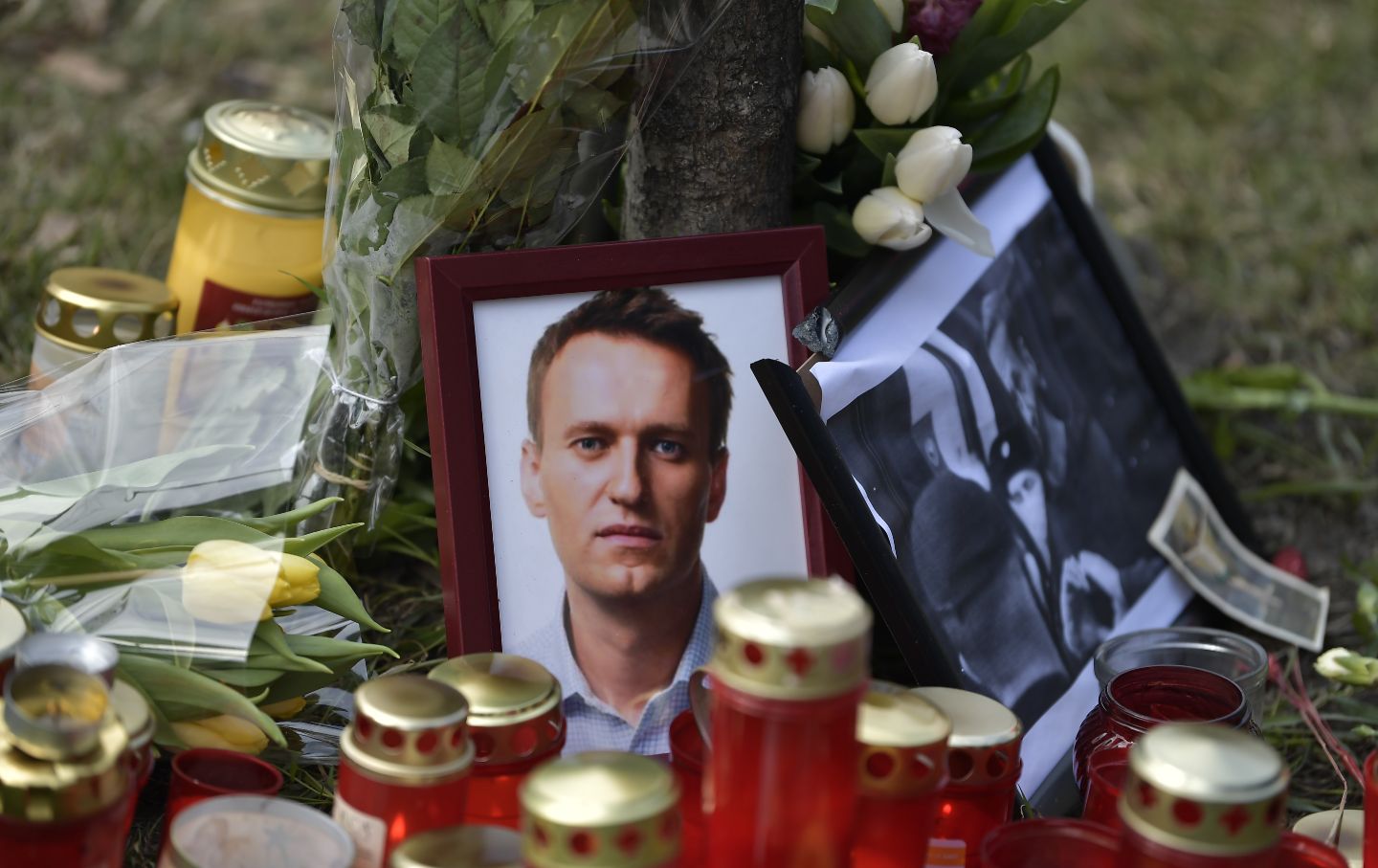
A New Report on Alexey Navalny’s Death A New Report on Alexey Navalny’s Death
Boris Kagarlitsky and hundreds of unknown political prisoners remain in Russia’s prisons.

Rubio, Rodeo, and Tall Tales of Empire Rubio, Rodeo, and Tall Tales of Empire
The secretary of state has provoked the ire of Britain’s first black woman lawmaker and put the spotlight once again on how the US has historically treated people of his own herit...
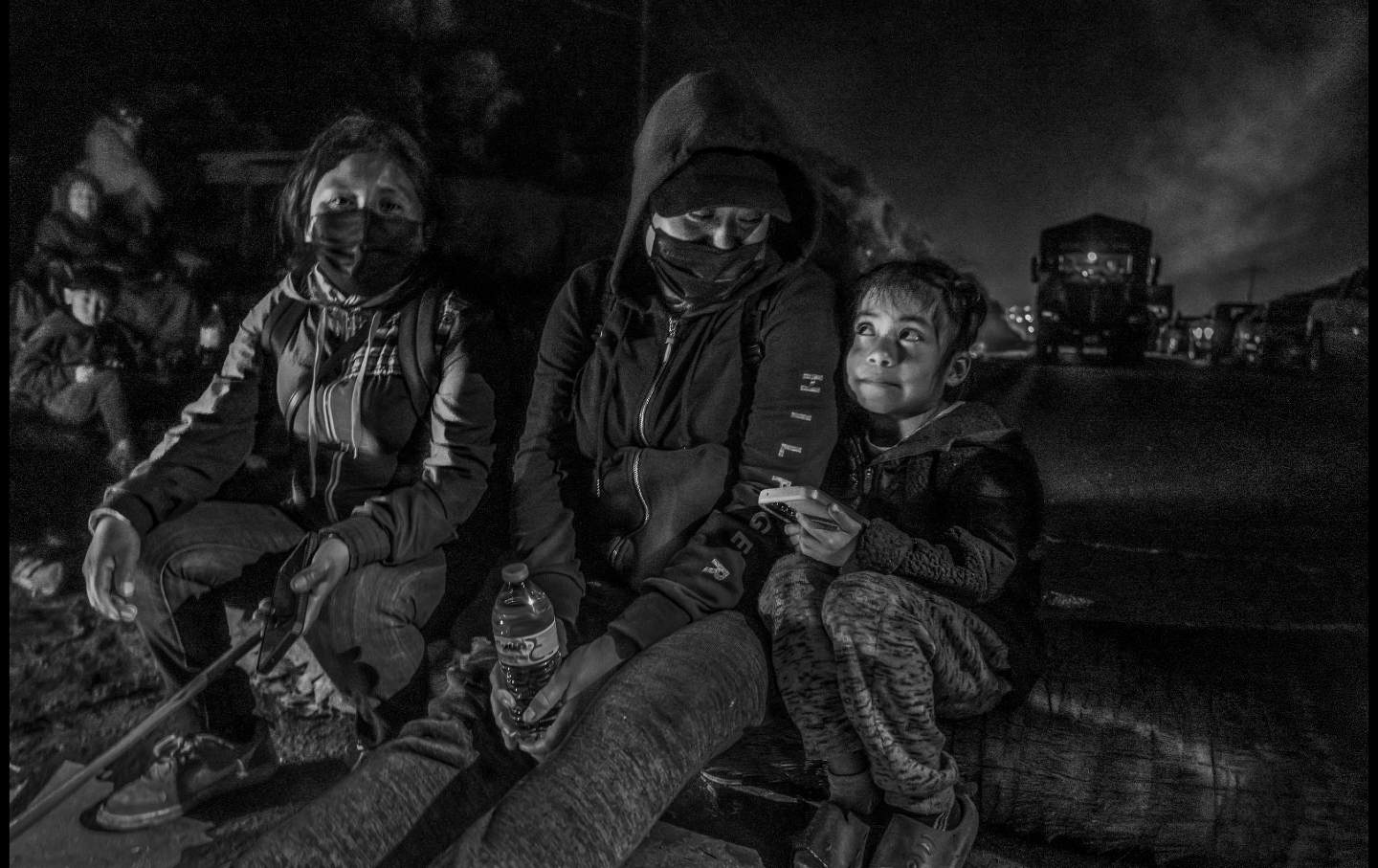
Mexican President Claudia Sheinbaum and the San Quintín Justice Plan Mexican President Claudia Sheinbaum and the San Quintín Justice Plan
Field workers’ highway blockades send a warning to Mexico’s president.
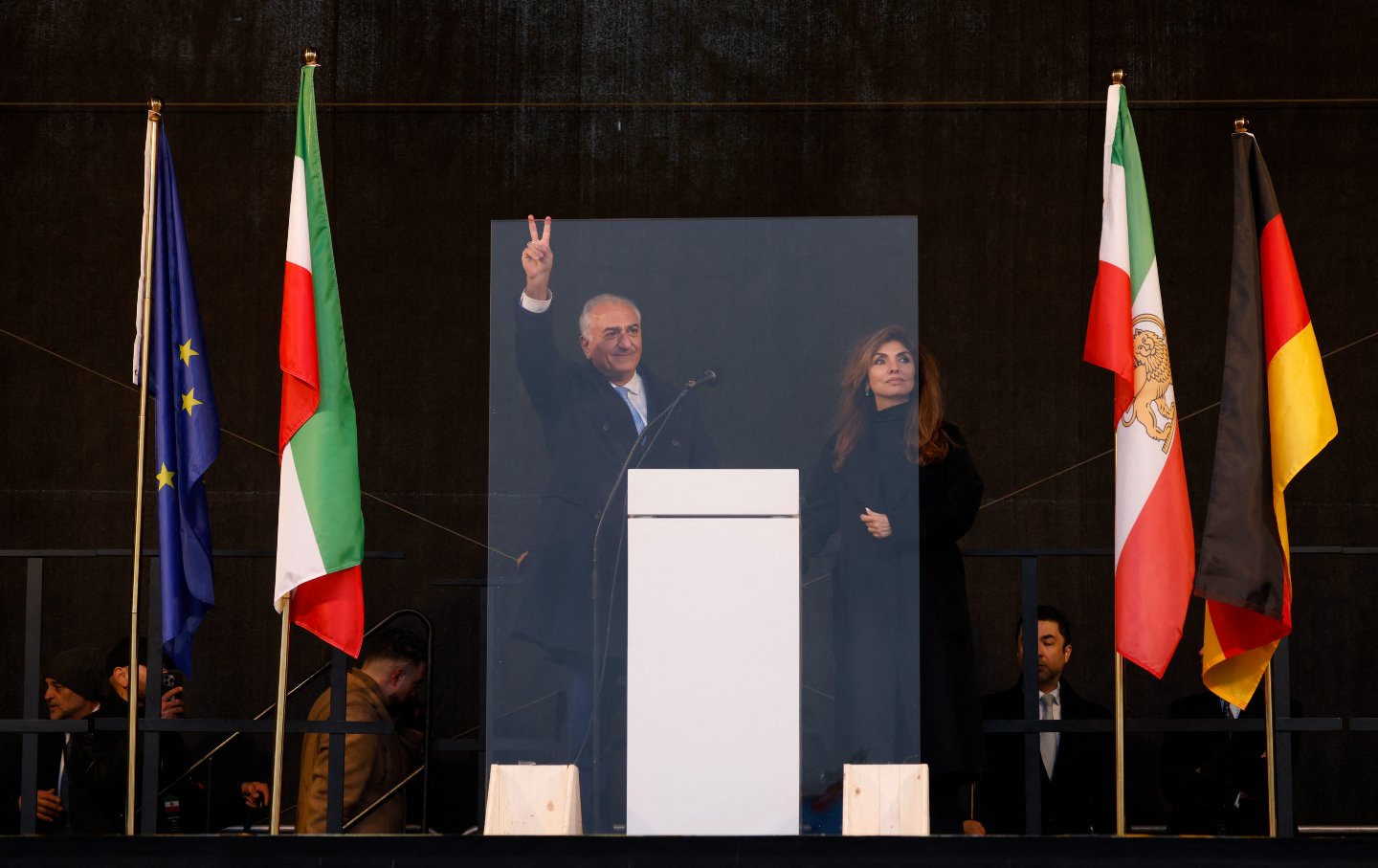
Inside the Iran War Industry Inside the Iran War Industry
Using an old playbook with powerful new tools, it may be closer than ever to turning a US–Iran war into reality.
The Cost of US Withdrawal From 66 International Organizations, Conventions, and Treaties The Cost of US Withdrawal From 66 International Organizations, Conventions, and Treaties
How going it alone reduces our own sovereignty.

