The Anniversaries of Hiroshima and Nagasaki Have Special Meaning in a World Out of Control
As the last US-Russia nuclear arms control treaty expires, the anniversaries of Hiroshima and Nagasaki carry renewed urgency for a world edging toward a new arms race.
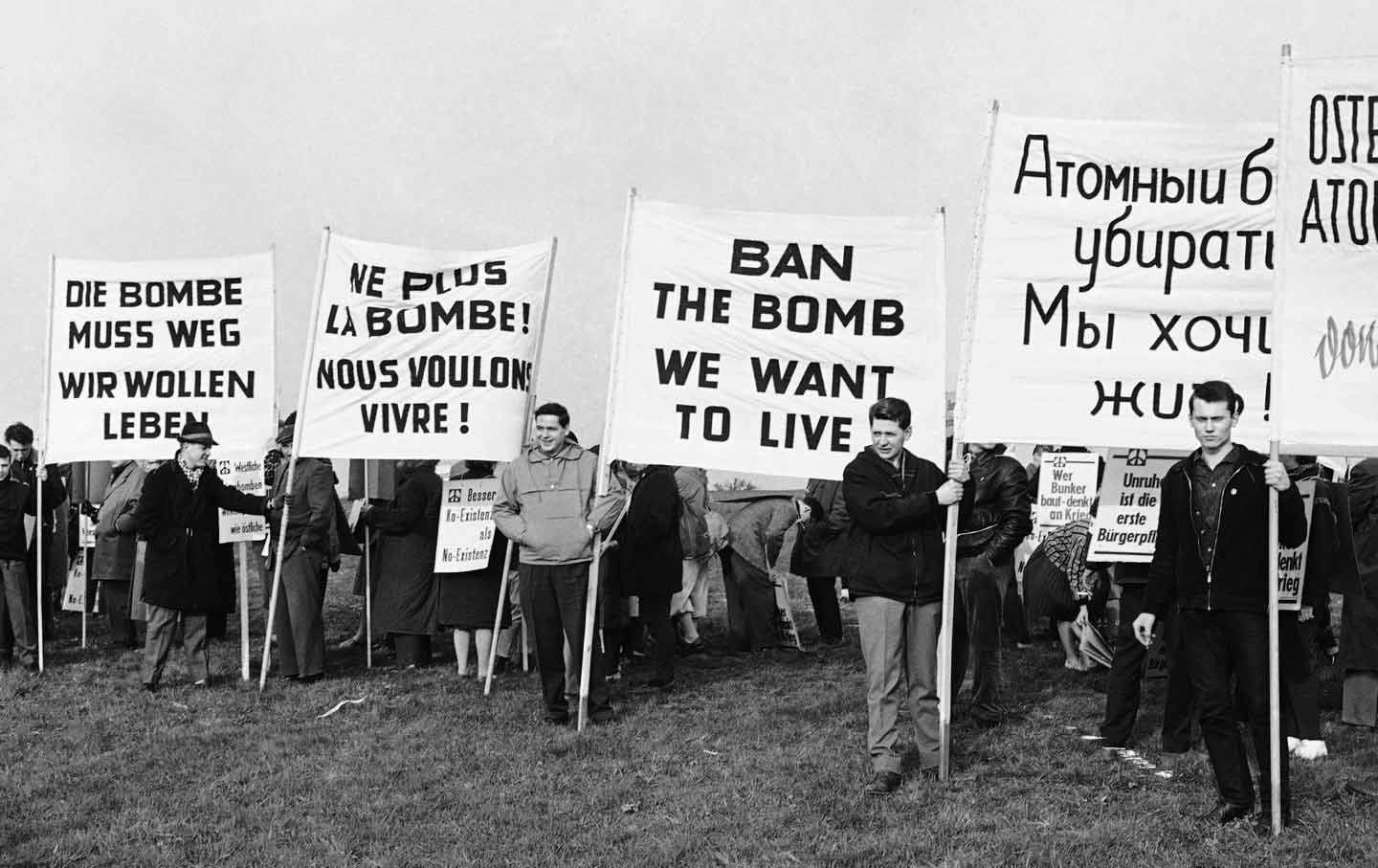
This August marks yet another anniversary of Hiroshima and Nagasaki, but 2026 carries a special weight—for the first time since the Cold War, the United States has no active nuclear arms control treaty with Russia, following the expiration of the New START nuclear arms reduction agreement.
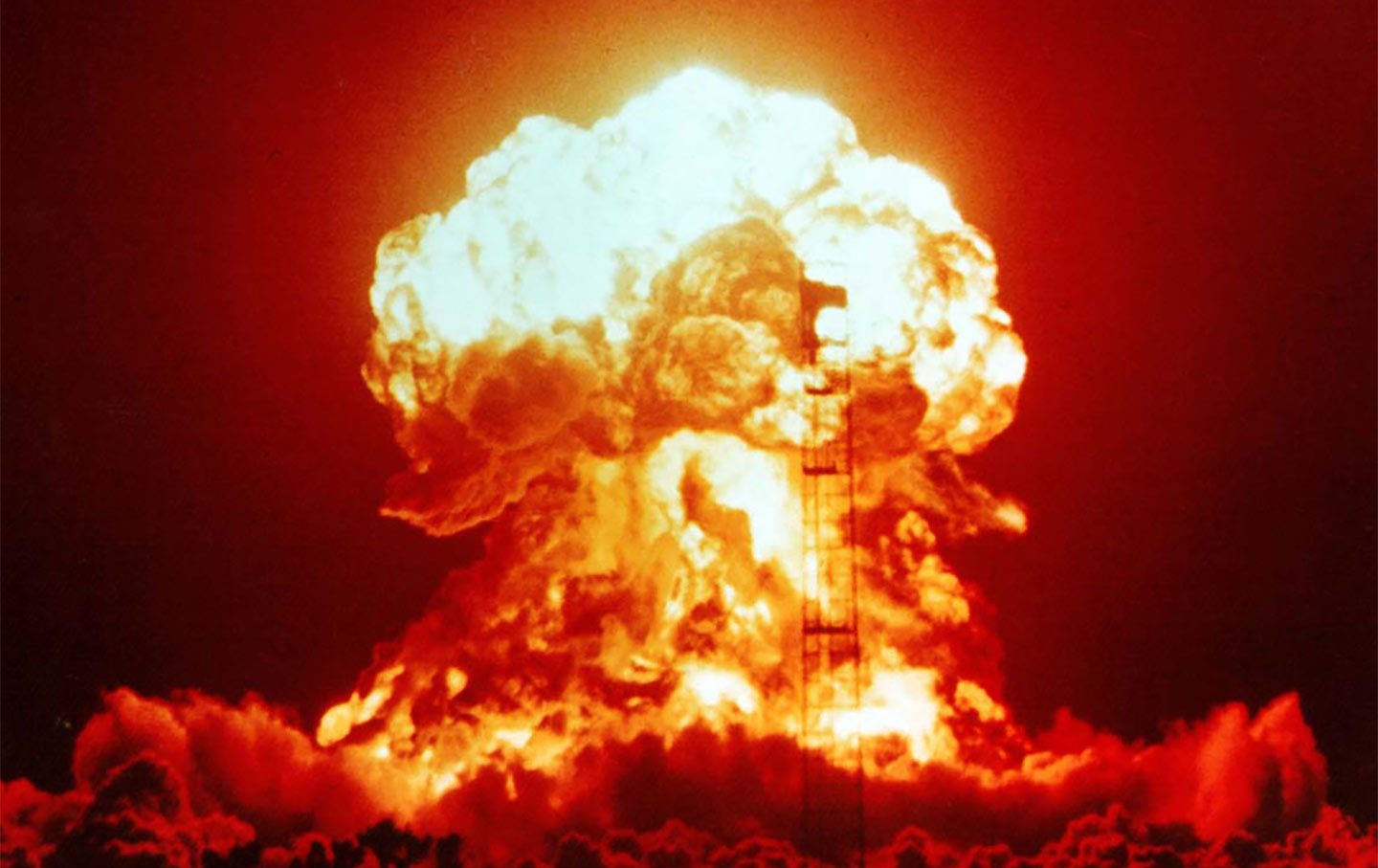
Over 80 years ago, the United States dropped two atomic bombs on Hiroshima and Nagasaki. The uranium bomb detonated over Hiroshima on August 6 destroyed an estimated 70 percent of the city’s buildings and roughly 140,000 lost their lives. Less than five days later, a plutonium bomb was dropped on the nearby city of Nagasaki, killing an additional 74,000 people, triggering radioactive rain, and driving ground temperatures above 4,000°C. In the years and decades that followed, the few survivors who lived faced immense health complications including leukemia, cancer, deformities, and other devastating health impacts from radiation—impacts those communities are still living with today.
New START itself can be traced back to the Soviet era, when the United States and Russia first launched the SALT negotiations that eventually produced the Treaty on Measures for the Further Reduction and Limitation of Strategic Offensive Arms: a heralded treaty, that went through multiple iterations, that many subsequently considered the last bastion constraining a renewed global nuclear arms race. That treaty expired on February 5, 2026.
In addition to the dangerous dismantling of the modest controls on nuclear escalation that had existed for decades, there has been a systematic effort to erase the devastation of the communities that have been hurt most by the development, production, and testing of nuclear weapons from our memories, and our history books. The combination of an absence of guardrails and an attempt to induce historical amnesia about the true human costs of developing and maintaining vast nuclear arsenals is a volatile mix that increases the risks that nuclear weapons might be used again, despite the lessons of Hiroshima and Nagasaki.
The story of nuclear weapons is more than just the story of scientists working away in secrecy at Los Alamos, or leaders wielding nuclear threats—and, in the case of the Cuban missile crisis, bringing the world to the brink of nuclear war. It is the story of devastation, disease, and death caused by the development and deployment of those weapons, even if they are never used again in warfare. The deadly consequences of nuclear development have fallen most heavily on communities of color, from the dire health consequences of mining uranium in the Congo and the American Southwest, to the generational cancers in communities downwind from nuclear tests, from the Marshall Islands to the American West; communities of color have been disproportionately affected by nuclear testing and warfare.
These consequences did not start with the bombings in Hiroshima or Nagasaki. The testing caused a reckoning that also reached into the scientific community itself, made famous by Robert Oppenheimer’s words after the Trinity test, when he said the world would not be the same, and later invoked the line “I am become Death, the destroyer of worlds.” Historians still debate the racialized dimensions of why the bomb was used on Japan; questions of who counts as human, who is deemed worthy of safety, and how ideas of supremacy shape militarization remain unresolved eight decades later. That choice—its weight—also strained the diplomatic relationship between the United States and Japan, raising a question that still lingers: How does a nation set norms it did not itself follow?
The stories of the civilian victims of nuclear arms racing are increasingly at risk of being rewritten, sanitized, or erased from official histories altogether. The risks posed by the lack of arms control measures and the concerted effort to whitewash the dangers of possessing nuclear weapons, as well as the catastrophe that would come from using them, make nuclear use at some future date more likely. With no treaty framework in place, active global conflicts like the runaway wars in the Middle East and the ongoing war in Ukraine, and coordinated efforts to erase the history of nuclear dangers, we need to treat this anniversary as more than a commemoration or an expression of regret. We need to treat it as a turning point for humanity.
We need not just a moment of mourning but a call to chart a new path forward that recognizes the dreadful toll nuclear weapons have imposed, and takes fundamental steps toward reducing nuclear dangers once and for all. As the US has reached its 250th birthday, it is long past time for some truth-telling about communities harmed by the bombings of Hiroshima and Nagasaki, and about countries all over the world harmed by nuclear weapons.
Become a Sustaining Donor This September
Between the reemergence of right-wing red-baiting and Donald Trump’s use of the chilling National Security Presidential Memorandum–7 to criminalize left political organizing, we’re seeing McCarthyism reborn before our eyes.
This assault on democracy cannot be ignored or wished away. Resisting it requires bravery in the face of threats and repression, a steadfast commitment to the truth, and the unwavering belief that we can—and will—overcome this darkness.
We must have an independent media that sets the record straight, unearths corruption and abuses of power, and advances a politics of justice and dignity for all if we’re to win this fight.
That’s why I’m writing to you today. This September, The Nation needs to add 100 monthly donors to sustain our progressive journalism. Your contribution makes the next investigative report, the next truth-speaking column, and the next pathbreaking essay all possible.
I hope you’ll support our work with a recurring donation today. If you donate $10 or more a month, we’ll send you a brand new “Hands Off the Free Press!” sticker to recognise your commitment to our cause. Please, donate today.
Onward,
Katrina vanden Heuvel
Editor and Publisher, The Nation