How the Serbian Student Movement Is a Victory for Organizing Power
In Serbia, the students may have discovered a formula for rescuing democracy through nonviolence and commitment to collectivism. Students everywhere should take note.
When I first came to the United States, as a foreign exchange student from former Yugoslavia in 1994, I didn’t come only because I dreamed of studying science at some of the world’s best universities. To my 17-year-old self, being in the US meant arriving in the birthplace of democracy, a place where human rights and individual freedoms were sacrosanct. At the time, the country I had grown up in was not just falling apart but doing so violently. Combined with the earlier repressive decades of Tito’s Communist government, however gentler they may have been relative to what went on in the Soviet bloc, made coming to America about more than a hope of a better education or personal life.
The irony was not lost on me when I learned that the Serbian student movement, which had challenged the rule of Aleksandar Vučić, a strongman who ruled the country for 14 years, won a parliamentary snap election outright. Standing on the corner of Broadway and 72nd Street in New York City and reading the news with tears in my eyes, I absorbed that democracy had won in my homeland, just as my adopted country is struggling to hold on to its own hard-won democratic experiment, 250 years in the making. But perhaps the Serbian example, novel in a number of ways, can give hope not only to the people of Serbia, who have collectively suffered long enough, but to all who have watched in fear as democratic standards and ideals erode across the globe.
The first time Serbia had multiparty elections in December of 1990, still as part of the Federal Socialist Republic of Yugoslavia, my mother took me along to the polling station at my school, just across the street from our apartment building. Inside the voting booth, she handed me the pen (I was 14!), knowing how much I cared about the historic turn towards democracy.
That election was a huge leap for democracy in Serbia, although one that followed the playbook of existing democracies. What the Serbian student movement has just accomplished is arguably more significant. Students began protesting in November of 2024, following a tragic accident in Novi Sad, the second-largest city in the country, where the awning of a newly renovated train station collapsed, killing 14 people instantly and injuring three more, two of whom died in the coming weeks and months. The protesters saw the disaster as a symbol of overwhelming corruption at multiple levels, both in the way in which funds for infrastructure projects had been distributed, and in how accountability for the tragedy was sought. Their demands for justice and responsibility quickly turned into an indictment of Vučić’s one-man rule.
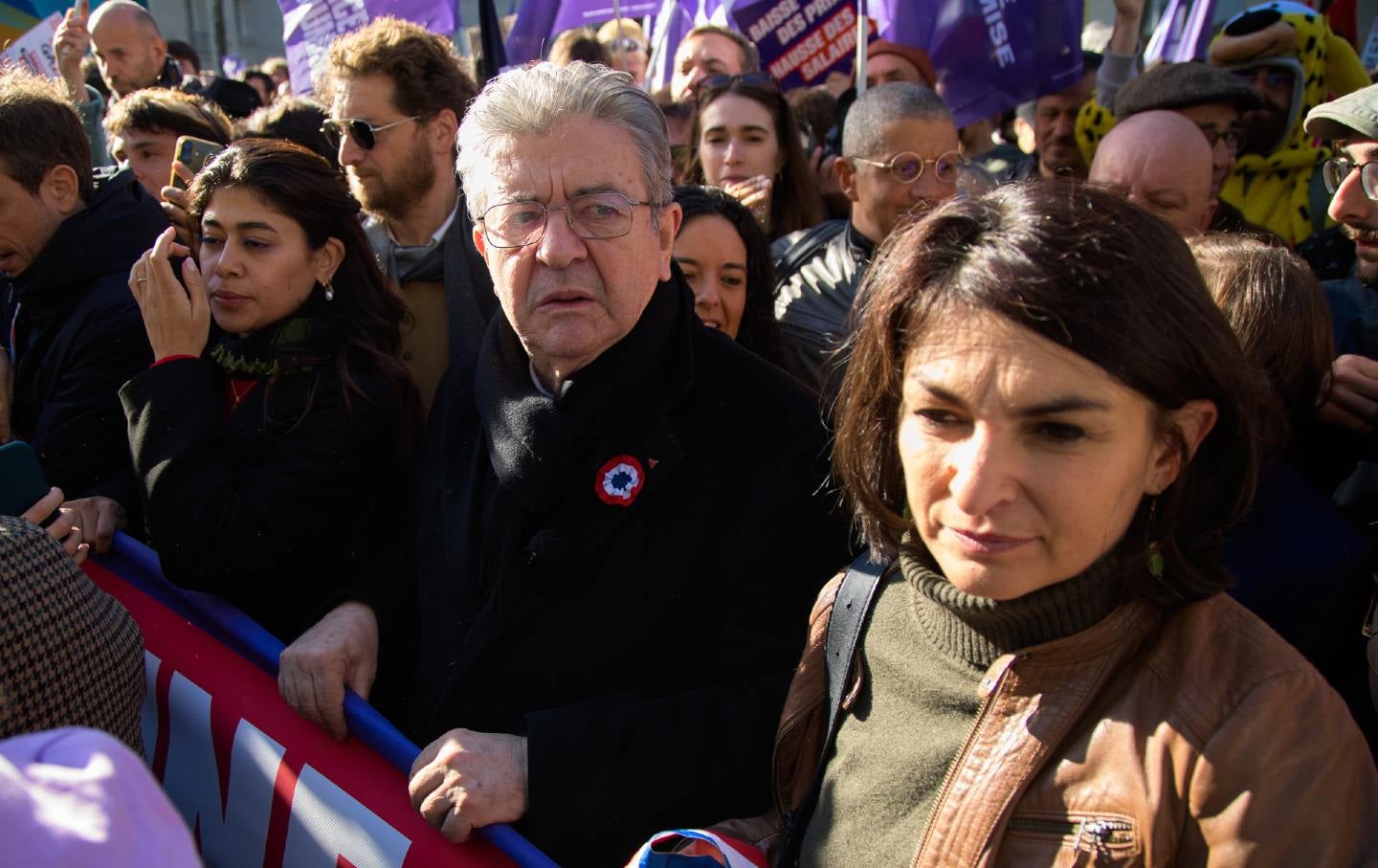
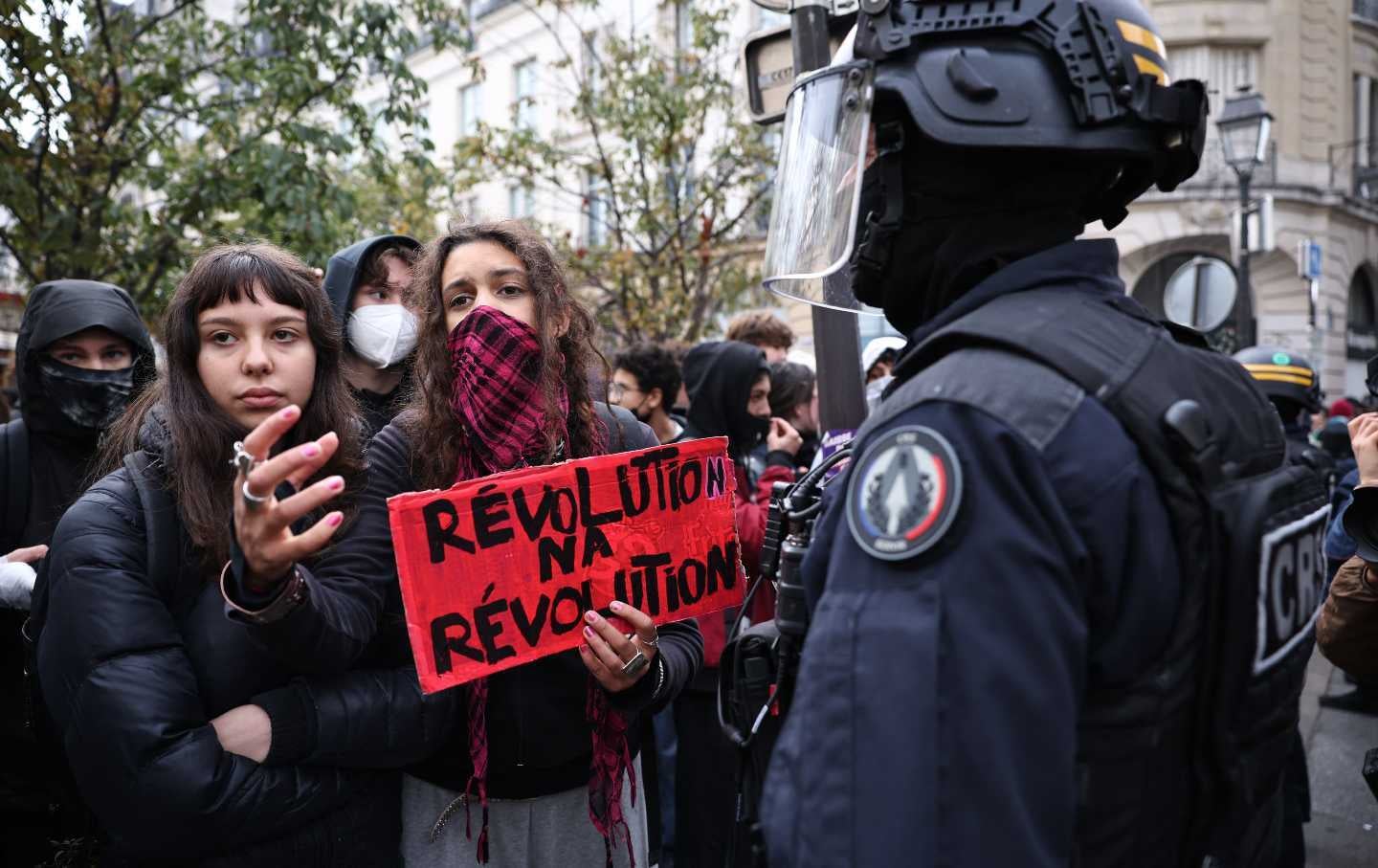
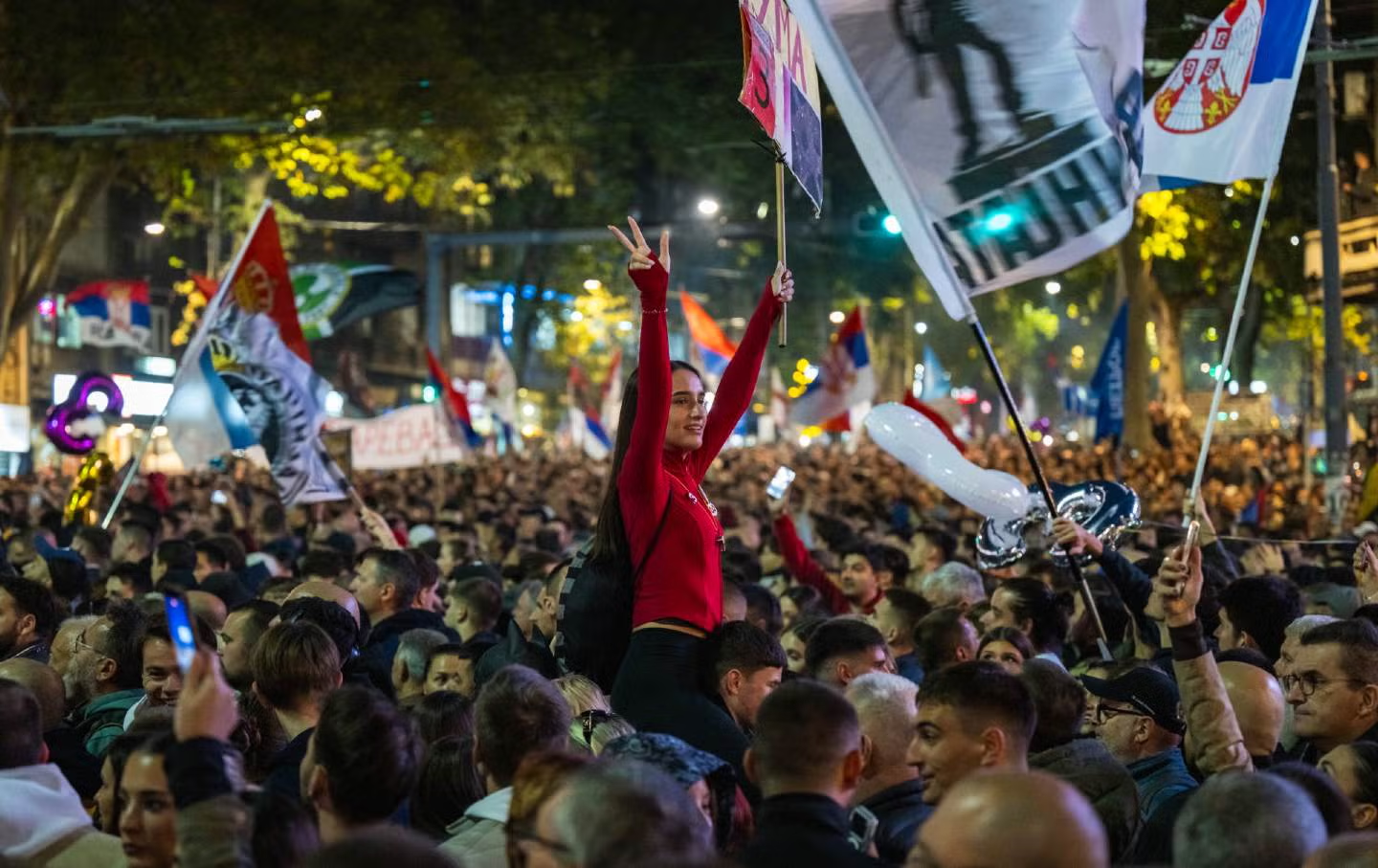
What happened over the next two years was extraordinary. Students set up blockades of universities across the country, which eventually led to the suspension of the entire educational system, including K-12, for many months. Peaceful protests took place in Belgrade and across the country, with students frequently walking tens and even hundreds of kilometers from different towns to attend such protests. Once they reached a city, they would be welcomed with open arms by citizens of all stripes. Videos and images of these arrivals were powerful not the least because they were reminiscent of the spirit of “liberation,” that came with the partisan army kicking the German occupying forces out of Serbian towns in the fall of 1944.
Three essential features of the student movement emerged over time. Although this was at times very challenging, the students kept the protests peaceful. Nonviolence was essential to garnering and maintaining the support of the population, which began backing the students in larger and larger numbers. Secondly, the movement from the very beginning had no leaders, among the students themselves or the existing opposition politicians. They understood that in an authoritarian system, individuals were uniquely vulnerable to intimidation, legal action, and personal attacks. By maintaining a level of anonymity for those calling the shots, as well as truly running a grassroots movement, the students ensured continuity of their efforts. Finally, when it came time to form the parliamentary list of 250 candidates, they didn’t nominate themselves or existing opposition politicians but rather people from all walks of life, including professors, engineers, journalists, economists, and even a former NBA basketball player, Dejan Bodiroga. The number of candidates on the student parliamentary list with a PhD is a staggering 160 out of the total 250. The candidates were selected through student assemblies (known as plenums), followed by broad consultations and collective decision-making.
Contrary to what some Western media outlets and politicians are saying, the student movement and the government it has selected are not choosing sides in the geopolitical sphere. Their platform clearly states that the new government will not issue sanctions on Russia (which wouldn’t impact anyone but Serbia itself), putting the questions of joining the European Union (EU) in the background, in the great tradition of Yugoslavia’s role in founding the Non-Aligned Movement. In fact, the party that explicitly called for aligning with the EU and NATO won just 3 percent of the vote. Significantly, the new government is also committing to banning all arms exports to nations in military conflicts, including Israel, Russia, and Ukraine. Such an anti-war stance is much needed in today’s conflict-mired world.
Student movements should be seen as the purest expression of our democratic ideals. One should not have to agree with whatever students may be protesting for to think that young people coming together to pursue something bigger than themselves ought to be viewed as positive. The future after all, is theirs.
In Serbia, the students may have discovered a formula not only for finding their own voice but for rescuing democracy through nonviolence, persistence, and commitment to collectivism. Students everywhere should take note.