
Inside France’s Biggest Uprising Since 1968
Despite harsh reprisal from the government, students show no sign of stopping.
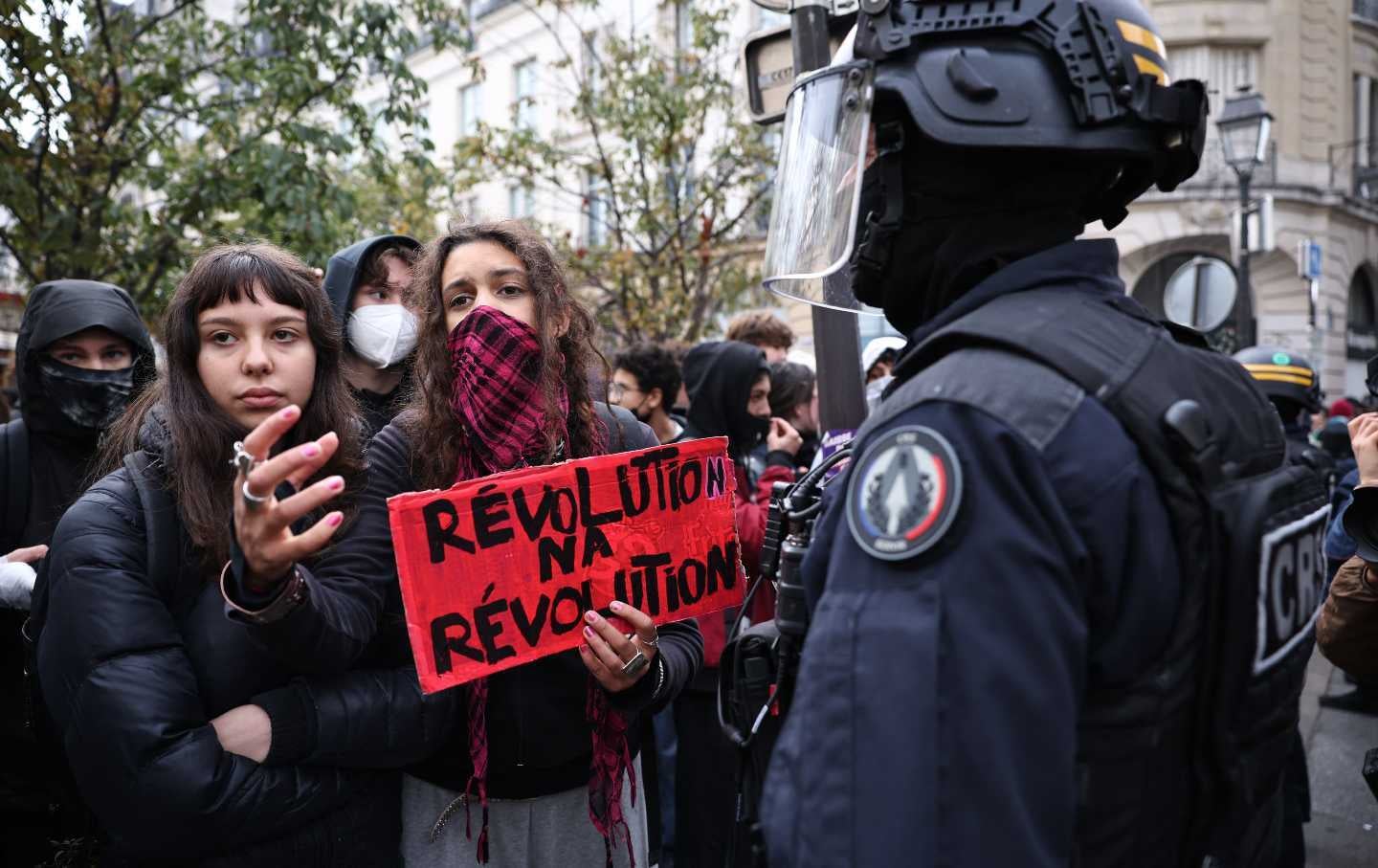
In the middle of September, blockades set up by high-school students protesting the abysmal educational and sanitary conditions in their schools swept France. Galvanized by a wave of actions in the Paris suburbs, the movement quickly spread across the country. At its peak in the beginning of October, more than 1,000 schools were blockaded, and the government was scrambling.
The national police responded with a spasm of extreme repression, arresting around 7,000 minors—a third of whom were detained on the nebulous charge of participating in an “unauthorized assembly.” Law enforcement deployed shocking violence; social-media feeds and TV screens overflowed with videos of students as young as 14 being strangled, beaten, and tear-gassed. By the middle of October, the police had fired 145 crowd-control grenades at children and injured 215 middle- and high-schoolers. Two teenagers were partially blinded, seemingly after being hit by crowd-control weapons. A 15-year-old had his hand torn off by a grenade, and another grenade broke a 14-year-old’s jaw and shattered his teeth.
There were also widespread reports of children being mistreated in police custody. One 16-year-old arrested in the Paris suburb of Saint-Denis told the online news journal Mediapart that police officers dragged him by the hair into a police car and pulled his arm so hard he thought it would break. Like many others, he was detained for 48 hours and served a single meal each day. In another case, a lawyer told a reporter from the independent newsroom Off Investigation about a severely diabetic teenager who was arrested and held without being medically evaluated properly. The teenager suffered a hypoglycemic attack, then slipped into a diabetic coma that required hospitalization.
“The goal of this strategy was to scare the students and their parents into stopping the uprising as soon as possible,” one police commissioner told the weekly paper Le Canard enchaîné.
Instead, this harsh repression prompted popular anger, which drew more segments of French society into the movement. One poll at the end of the first week of October found that over 80 percent of the country believed the police violence against the high-schoolers was unjustified. In the second and third weeks of October, hundreds of thousands of people across the country joined large demonstrations against the high cost of living and soaring fuel prices.
On October 17, over 100,000 people marched in Paris alone. The demonstration had been planned for weeks. In Paris, the police were well aware of the expected turnout, as well as the fact that there was a threat of large-scale looting from some groups. During the day, marches full of righteous anger bloomed as half a million people protested across the country. Most places where the riot police didn’t intervene stayed calm; in others, the police used tear gas early and indiscriminately, diverting the orderly processions into cramped side streets and sowing chaos.
The Interior Ministry later admitted that it had lost control of the streets at night, a situation likely exacerbated by the heavy-handed response during the day. The ministry has not yet explained why it deployed only 42 riot-police units and left 14 units inactive. In the Southern Marseille region, where hundreds of businesses were looted, only three units were deployed, while seven were left inactive. And in Le Touquet and Amiens, special riot police were mobilized to protect the artisanal-chocolate shops owned by the family of President Emmanuel Macron’s wife.
After fiery images from the night’s riots spread across the world, the international far right, including the president of the United States, joined France’s home-grown racists in Islamophobic attacks blaming French Arabs and Africans. Those with no answers for popular demands also blamed immigrants and outside agitators for the October 24 riots following housing protests in Barcelona, Spain, and high-school demonstrations in Belgium, both partially inspired by the French blockades.
President Macron told citizens not to march at all, as the Senate accelerated legislation introducing harsh penalties for protesters who are merely present near acts of violence and looting, and the government has drafted plans to cut off access to social media at the discretion of Prime Minister Sébastien Lecornu. The government has also blamed the left, including Jean-Luc Mélenchon, the presidential candidate of the left-wing party La France Insoumise, whom Lecornu reportedly explored prosecuting for “inciting rebellion.” Similar charges were being considered for the LFI mayor of Saint-Denis, Bally Bagayoko.
On October 24, when protesters defied the government’s warning and came out in nearly the same numbers as they had the week before, I talked with Ozana, a 20-year-old who was marching in the rain with a friend and was angry about the government’s response. “We’re in France—we have the right to make demands, we have the right to protest!” she said. On October 26, the Education Ministry announced that some of the high-schoolers’ demands would be met. Student unions and organizations responded with calls to increase the pressure on the government and to continue the protests during the coming weeks.
“We got crumbs compared to what we are asking for,” one student organization’s representative, Clément Vieillot, told BFMTV, a major news channel.
Ozana vowed to me that they would continue to come out to protest for as long as they needed to. “Even in the rain?” I asked.
“Even in the snow!” she replied.
More from The Nation
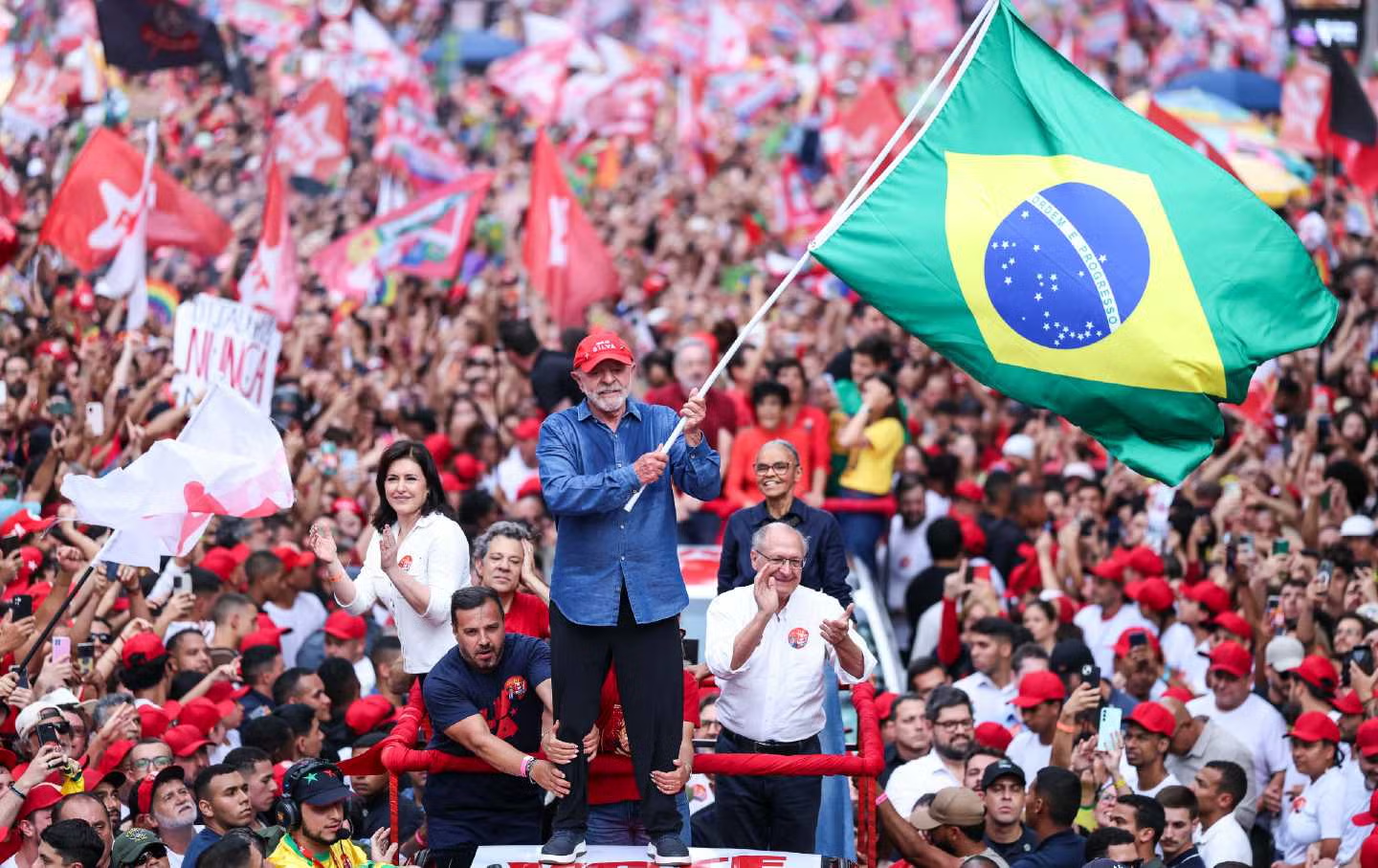
Lula’s Victory! Bolsonaro’s Defeat! What’s Next for Brazil? Lula’s Victory! Bolsonaro’s Defeat! What’s Next for Brazil?
A leading Brazil scholar predicts that Trump will continue to meddle in Brazilian politics.
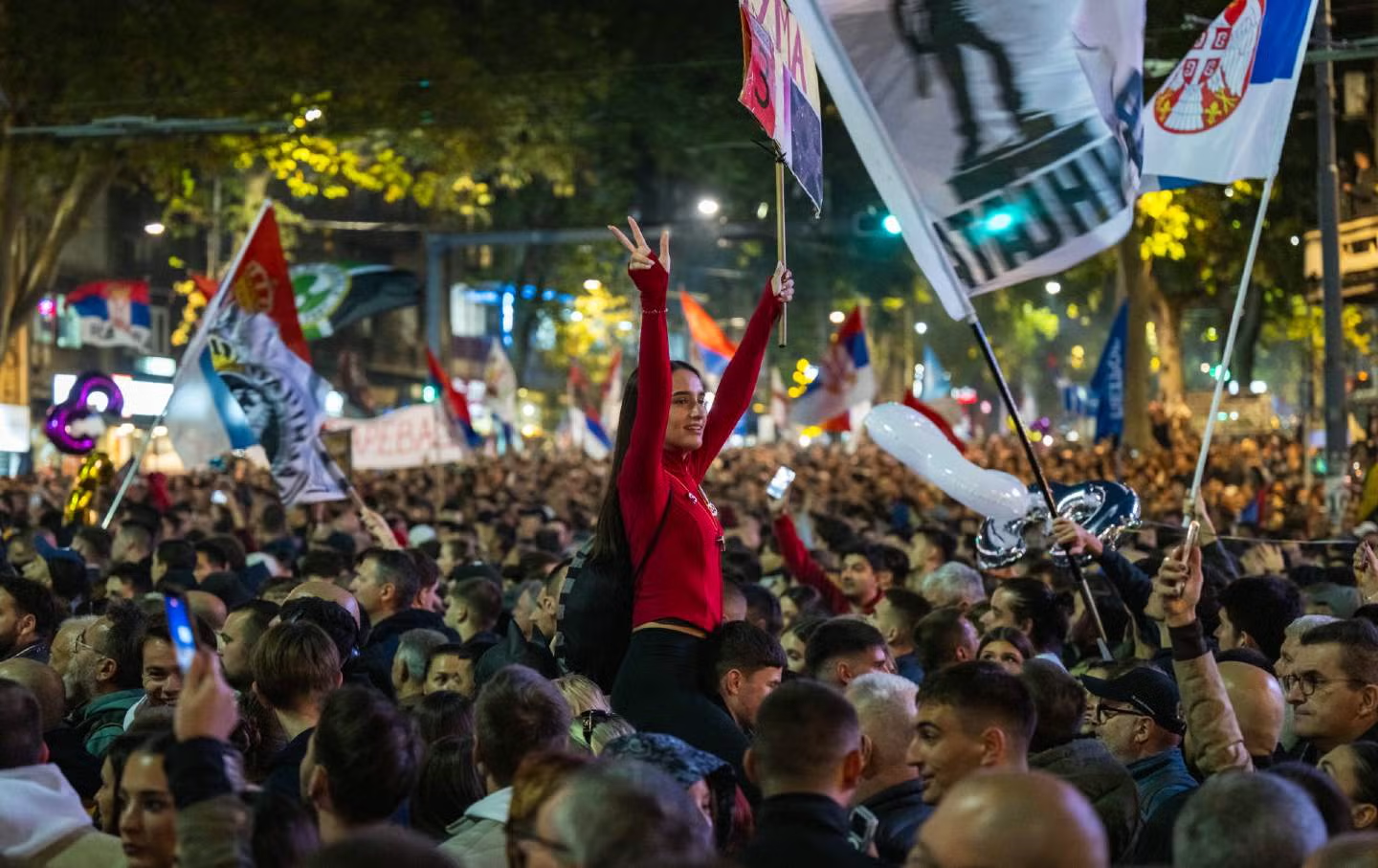
How the Serbian Student Movement Is a Victory for Organizing Power How the Serbian Student Movement Is a Victory for Organizing Power
In Serbia, the students may have discovered a formula for rescuing democracy through nonviolence and commitment to collectivism. Students everywhere should take note.
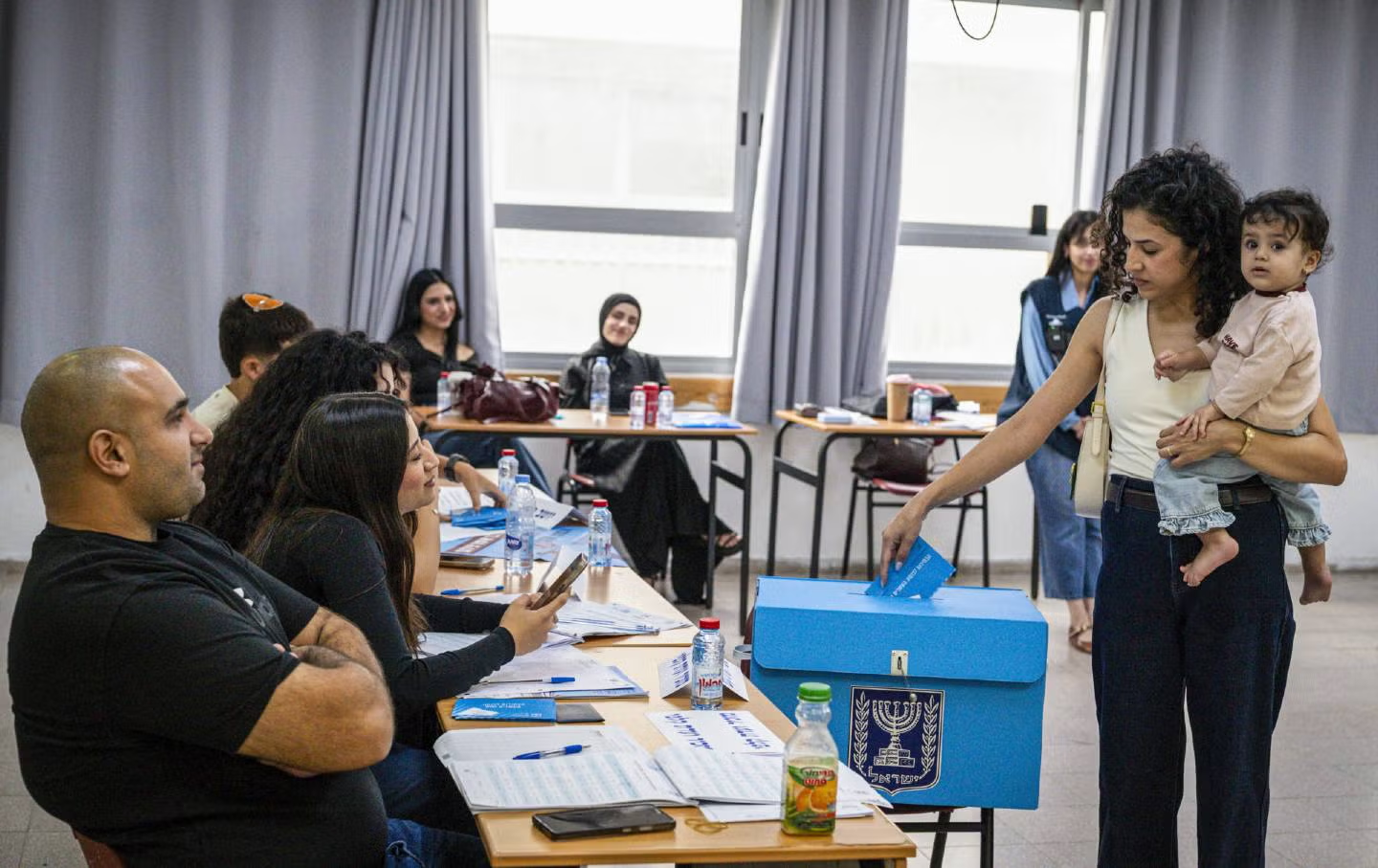
Dispatch From Post-Election Israel Dispatch From Post-Election Israel
The real story in this election is the extraordinary and uplifting strength of the vote of Arab citizens in Israel.
Ukraine: Time to End the War Ukraine: Time to End the War
For both Russia and Ukraine, the war has taken a staggering toll and poses an ever-greater danger of spreading.
“This Election Was a Defeat for Lies”: Read Lula’s Inspiring Victory Speech “This Election Was a Defeat for Lies”: Read Lula’s Inspiring Victory Speech
“I doubt that Russia, China, or the United States has an army as victorious as the army of democracy of this country,” the president told his supporters.
Lessons From Lula’s Historic Victory Lessons From Lula’s Historic Victory
The Brazilian left has stopped the right-wing wave in Latin America. Now it has four years to work out a succession plan.

