We’re Caught in Another Cycle of Racial Progress and Retrenchment
The racial justice uprisings in 2020 led to some minor achievements—and a major backlash.
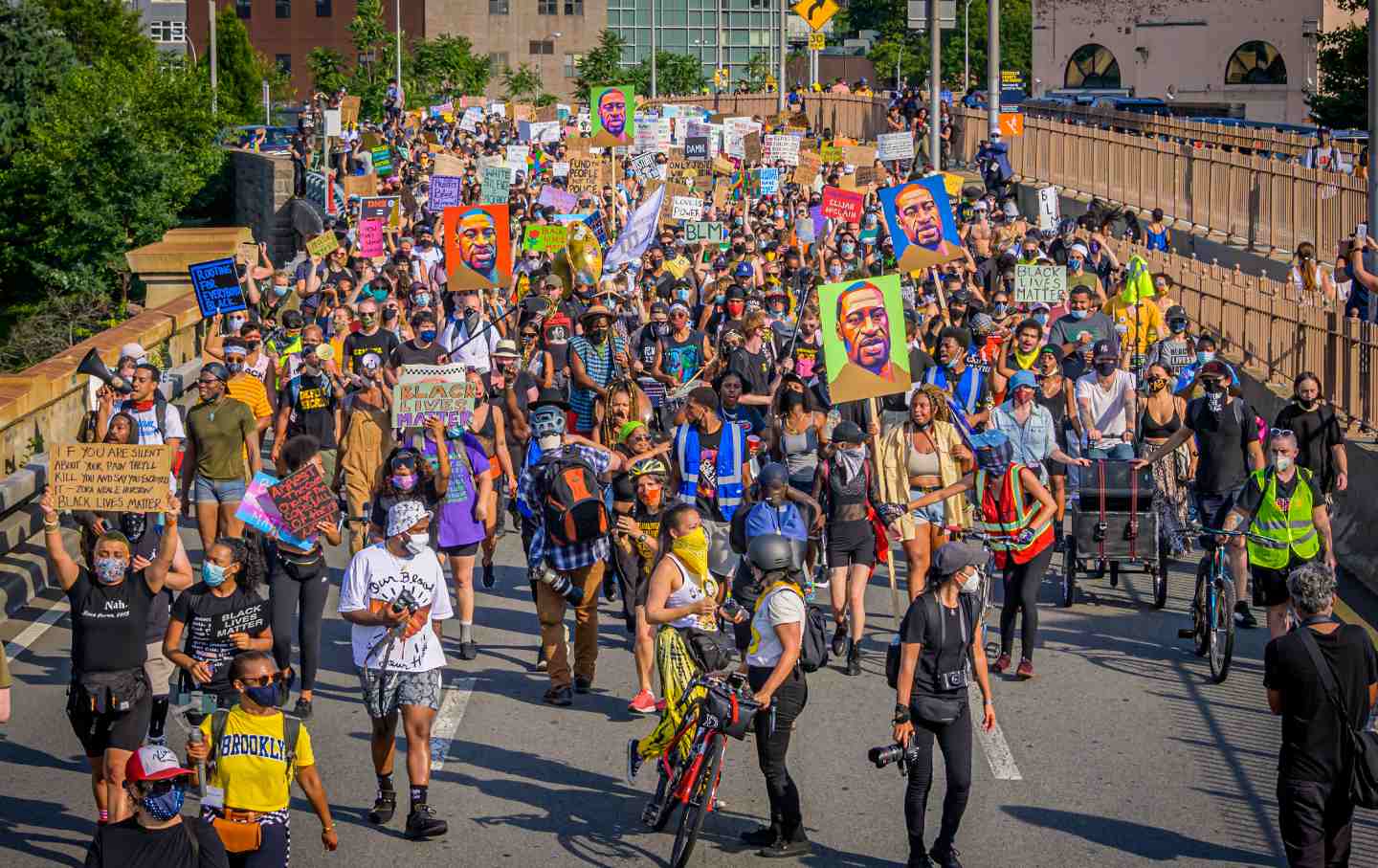
Two months ago, the all-white school board of Shenandoah County, Virginia, voted to reinstate the names of Confederate generals Robert E. Lee, Stonewall Jackson, and Turner Ashby for two of its local schools. Amid a groundswell of anti-racist protests four years ago, more than 60 schools around the country retired their Confederate names.
Shenandoah County’s board did so after a June 2020 resolution “affirming the division’s commitment to an inclusive school environment for all.” But the appetite for such change, in certain communities, seems to have been short-lived. The Shenandoah County board’s restoration of the Confederate names may be the country’s first, but as the Virginia Mercury reports, the move “could be a regressive blueprint for other localities.”
In another sign of the times, a federal appeals court in June ruled that the venture capital firm Fearless Fund, which was founded by women of color, must indefinitely halt a program that provided grants to Black women business owners. According to the panel’s two-judge majority—both Trump appointees—the grant “is substantially likely to violate” Section 1981 of the 1866 Civil Rights Act, a provision originally intended to ensure that recently emancipated Black people had the same rights to make and enforce contracts “as is enjoyed by white citizens.” In 2021, Black women entrepreneurs received less than 1 percent of all venture capital funding. Before 2020, this sort of bootstrapping Black self-reliance was what conservatives pretended to champion.
Related Article
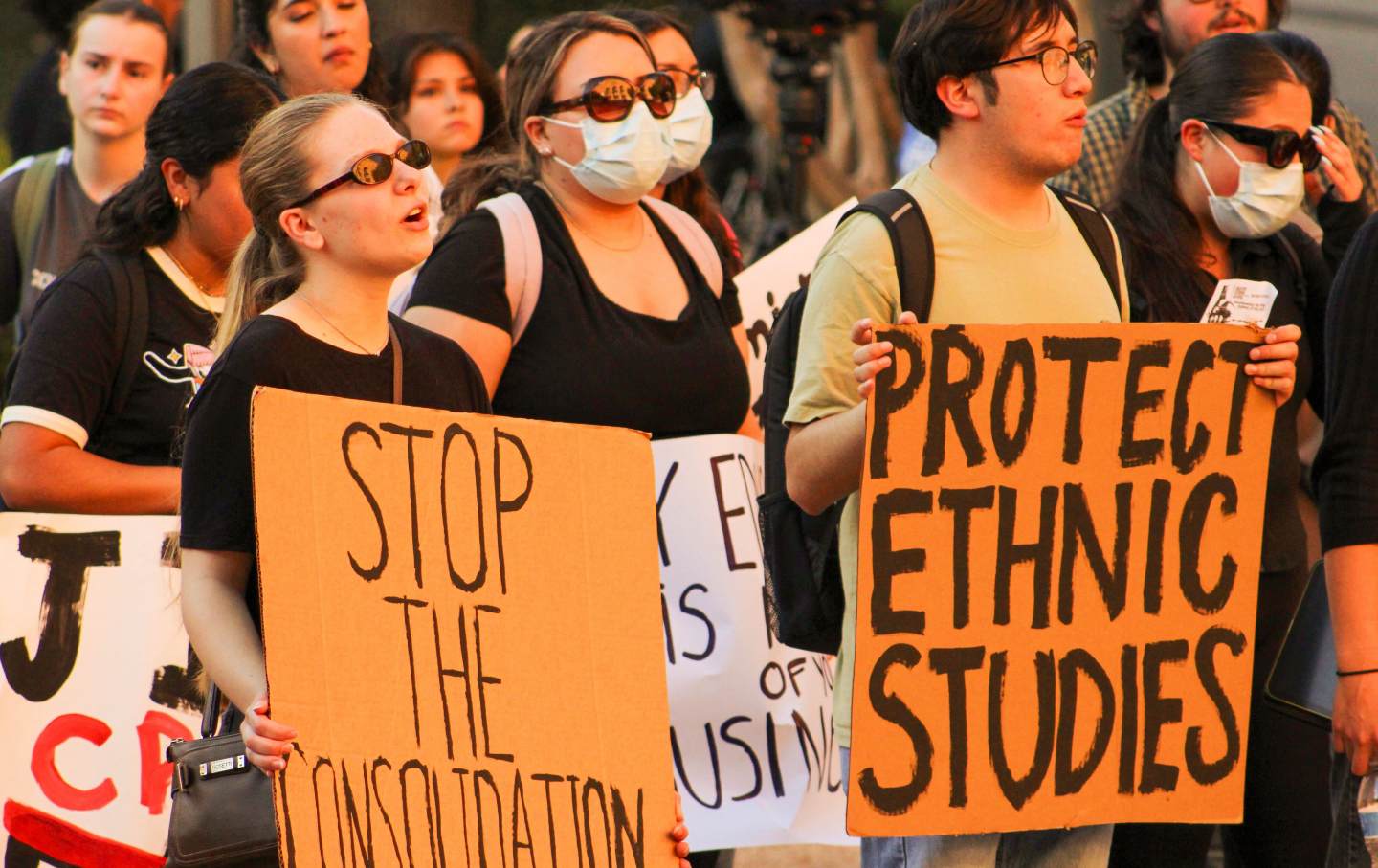
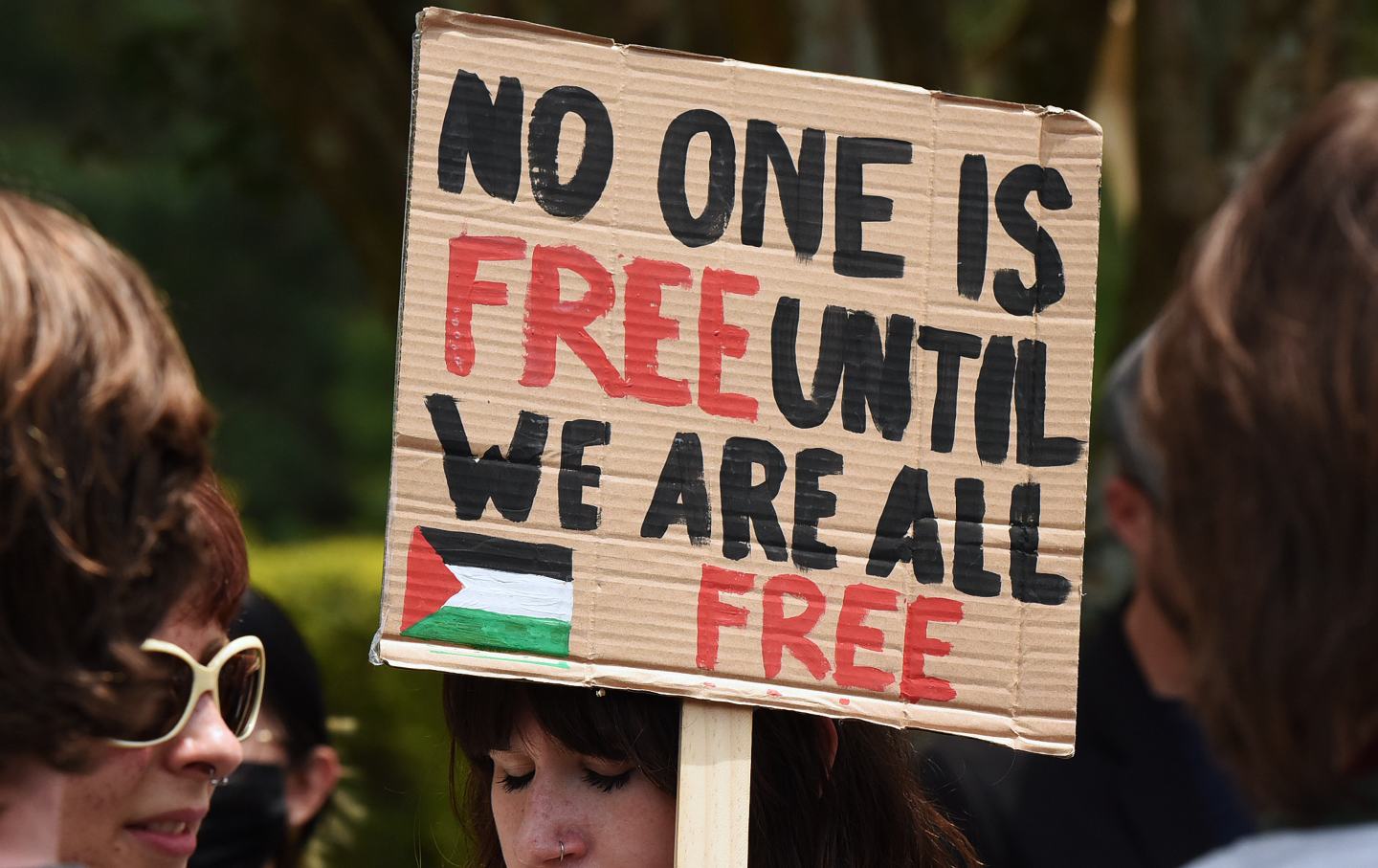
In assessing the current state of our union, a good place to start is with these two recent events, which perfectly encapsulate the ongoing backlash to the prematurely declared “racial reckoning” after the murder of George Floyd in May 2020. For a fleeting moment that year, an unprecedented number of people—estimates at the time ranged from 15 million to 26 million—joined protests against racist policing and racial inequality. A majority of white Americans told pollsters that they finally believed anti-Black racism exists. Even Donald Trump, neither social justice warrior nor decent human being, called Floyd’s killing “very sad and tragic” and claimed, “Justice will be served.” For the first time, national news outlets, corporate leaders, and prominent activists all seemed to believe that finally, things might be different. That lasted roughly two months. And then the backlash, insistent and angry, began.
To be fair, the uprisings led to some minor achievements. There was the removal of more than 200 Confederate tributes, according to the Southern Poverty Law Center. A Washington Post investigation found that more than 30 of the country’s 65 biggest law enforcement departments had banned or restricted neck restraints. Minneapolis police officer Derek Chauvin was convicted of murdering Floyd. In a country where even a nine-minute snuff video can’t guarantee a cop will be fired, I suppose that’s something.
But four years later, the George Floyd Justice in Policing Act remains stalled in the Senate. Police departments around the country were not defunded—in fact, their budgets have generally increased. And the backlash yielded 807 anti–“critical race theory” measures, 209 anti-protest bills, and attempts to ban thousands of books. At least 14 bills have passed that restrict DEI programs in education. Edward Blum, the tireless campaigner against Black civil rights (who was responsible for the lawsuit against the Black-women-headed Fearless Fund), led the right’s decades-long campaign to overturn race-conscious college admissions to victory. Eventually, right-wing reactionism would rescind abortion rights and fire shots at marriage equality and contraception. Conservatives even created a revisionist history of Floyd’s murder, with right-wing conspiracists declaring that he’d caused his own death.
Bestseller lists are clogged with books from right-wing propagandists, “heterodox” thinkers, and white supremacists who have surveyed our national landscape and concluded that it is plagued by systemic wokeness. It helps, of course, that bad-faith actors on the right exploit this paranoia, as when the Claremont Institute’s Center for the American Way of Life reported that companies gave or pledged “$82.9 billion to the [Black Lives Matter] movement and related causes” to support what Claremont calls BLM’s long-term efforts to “undermine capitalism, the nation state, and Western civilization.” (The groups it defined as BLM’s “related causes” included the ACLU, the Mexican-American Legal Defense Fund, the American Heart Association, Big Brothers Big Sisters, and the National Coalition for Asian Pacific American Community Development, to name just a few.) But conservatives have apparently conflated the ubiquitous virtue signaling of brands and corporations with the actual upending of the status quo.
In truth, while companies made lots of squishy pledges to fix racial injustice—estimates vary from $49.5 billion to $300 billion—a follow-up investigation suggests that more than 90 percent of those dollars took the form of loans and other means of profiteering, while just a fraction of the rest promised was ever donated. Meanwhile, companies shed DEI workers in 2022, with Applebee’s, Nike, Wayfair, Intel, AT&T, and Comcast losing the most, according to Revelio Labs. A recent survey found that a lot of corporations are scared to even use the words “diversity” and “inclusion.” Turns out woke capitalism is still just capitalism.
As I noted just months after the 2020 uprisings, the wages of racial progress will always be a white backlash that itself necessitates correction. In the endless loop of American history, no secured right is ever guaranteed—hence the ongoing fight for rights that our grandparents already won. Maybe after the next wholly preventable tragedy, the protests that follow will move the needle just a little further. Before we brace for what comes next.