
Keep Talking About President Biden’s Age
Why he should exploit, for political purposes, his wisdom and experience.
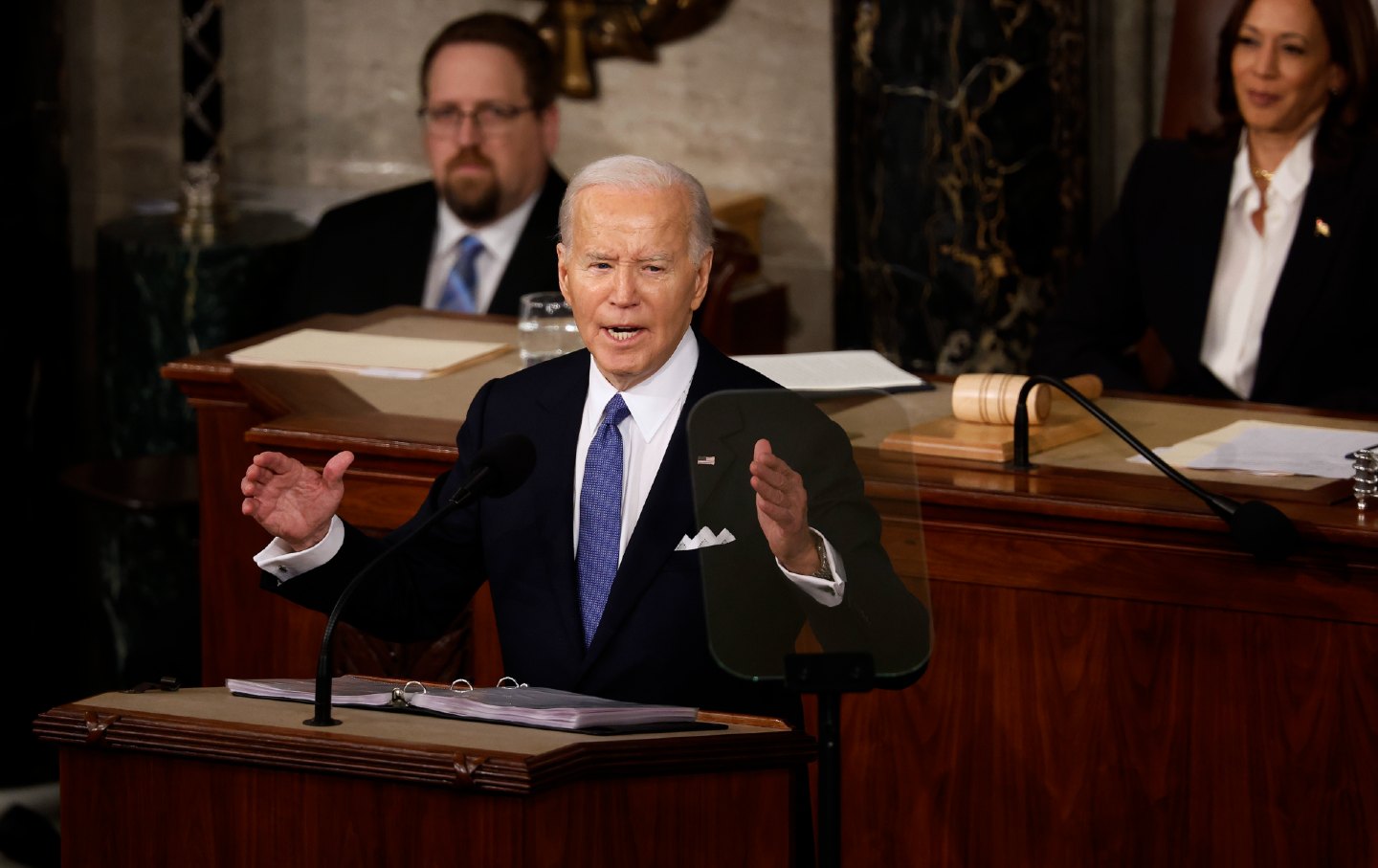
In his State of the Union address last week, President Biden pushed for a plan to curb sky-high executive compensation, announced more humanitarian aid for Gaza, and mentioned artificial intelligence for the first time ever in the annual speech. But the substance of Biden’s address wasn’t what got people’s attention. It was the fact that he was able to successfully deliver it, despite persistent concerns over his age.
Of course, his advocates were pleased with his energetic performance. As Representative Jerry Nadler said to the president immediately afterward, “Nobody’s gonna talk about cognitive impairment now!” (Biden’s response—“I kinda wish sometimes I was cognitively impaired”—was quick enough to underscore Nadler’s point.)
Perhaps even more telling was the response from the right. Unable to justify another round of “Sleepy Joe” accusations, President Trump accused Biden of being hopped up on drugs. Fox News went for the same line of attack.
You don’t claim your opponent is juicing if you’re winning.
This all comes after months—years, even—of increasingly vocal concerns about Biden’s fitness for the job. As of early March, 73 percent of voters thought Biden was “just too old” to be effective—including 61 percent of people who supported him in 2020. And while Biden may have benefited from the soft bigotry of low expectations—“Can you believe the president spoke for an hour straight?”—his invigorated remarks still constituted a desperately-needed win.
Now that Biden has proven himself, some will say we should stop talking about his age. But rather than cease the conversation entirely, we finally have the opportunity to change it.
The reductive discourse about whether Biden is too old dismisses the valuable leadership qualities that can come from age: wisdom, experience, and perspective. And it diminishes the invaluable contributions that Americans over 80 are making—to politics, to culture, and to public life.
We have a stereotypical view of our presidents, and our leaders in general, as spry and strong, Kennedy-in-Camelot types. But the qualities that are actually best suited to leadership are subtler—and often present themselves more frequently in the elderly.
For one, older people panic less: Because the nerve cells that cause our “fight-or-flight” reactions fade over time, later-in-life leaders tend to be less emotionally volatile. And in a study that compared older leaders to their younger counterparts, the elder ones were rated better at building trust, nurturing their teammates, and bringing clarity to complicated situations.
These qualities ring true for Biden. Yes, he’s old. Anyone can see that. He’s tripped up over words and names, stairs and sandbags. But he also has empathy for Americans’ struggles, developed over a lifetime of hardship. And while his administration’s foreign policy may reflect an outdated Washington consensus, his domestic policy agenda is (mostly) compassionate and wise. He pushes the wealthy to pay their fair share in order to grow the middle class. He vocally supports organized labor, and became the first president in history to walk a picket line.
This is the message Democrats can send on Biden’s age. Not that he isn’t aging, but that his age is working in his favor. To amend the famous Ronald Reagan quip, Biden should exploit, for political purposes, his wisdom and experience.
After all, Americans embrace many elderly leaders—and we’re better off for it. Gloria Steinem, who turns 90 this month, continues to organize for women’s rights—and her endorsement means more than ever. Bernie Sanders, 82, speaks with a cogency and moral clarity that surpasses the vast majority of his younger congressional colleagues. Howard Hiatt, who passed away last week at the age of 98, transformed health policy well into his 80s. At 94, former president Jimmy Carter offered to conduct a diplomatic visit to North Korea on behalf of the Trump administration. Former secretary of defense William J. Perry, one of the world’s most knowledgeable experts on nuclear weapons, continues to sound the alarm at 96.
Then there are the artists who offer their most inspirational works in the final acts of their lives. Toni Morrison published beautiful, political books and essays throughout her 80s. Eighty-two-year-old Bob Dylan launched a world tour in 2021—and not only is he still going, he’s teaming up with 90-year-old Willie Nelson for 25 shows this summer. Martin Scorsese, 81, just became the most-nominated living director at the Academy Awards for a film that presented all kinds of challenges to his creative sensibilities and his physical endurance.
Popular
“swipe left below to view more authors”Swipe →So no, it’s not that age is just a number. It’s that great leaders—and great Americans of all stripes—use their age to their advantage.
To be sure, it can be uncomfortable to watch a leader struggle through a speech, or stumble over a step. But this is a socialized reaction, and not an inherently useful one. Our leaders should be all kinds of people, with all kinds of abilities. Older people may not fit our traditional vision of what a leader should be—and maybe, just maybe, that’s a good thing.
Support independent journalism that does not fall in line
Even before February 28, the reasons for Donald Trump’s imploding approval rating were abundantly clear: untrammeled corruption and personal enrichment to the tune of billions of dollars during an affordability crisis, a foreign policy guided only by his own derelict sense of morality, and the deployment of a murderous campaign of occupation, detention, and deportation on American streets.
Now an undeclared, unauthorized, unpopular, and unconstitutional war of aggression against Iran has spread like wildfire through the region and into Europe. A new “forever war”—with an ever-increasing likelihood of American troops on the ground—may very well be upon us.
As we’ve seen over and over, this administration uses lies, misdirection, and attempts to flood the zone to justify its abuses of power at home and abroad. Just as Trump, Marco Rubio, and Pete Hegseth offer erratic and contradictory rationales for the attacks on Iran, the administration is also spreading the lie that the upcoming midterm elections are under threat from noncitizens on voter rolls. When these lies go unchecked, they become the basis for further authoritarian encroachment and war.
In these dark times, independent journalism is uniquely able to uncover the falsehoods that threaten our republic—and civilians around the world—and shine a bright light on the truth.
The Nation’s experienced team of writers, editors, and fact-checkers understands the scale of what we’re up against and the urgency with which we have to act. That’s why we’re publishing critical reporting and analysis of the war on Iran, ICE violence at home, new forms of voter suppression emerging in the courts, and much more.
But this journalism is possible only with your support.
This March, The Nation needs to raise $50,000 to ensure that we have the resources for reporting and analysis that sets the record straight and empowers people of conscience to organize. Will you donate today?
More from The Nation

An Argument Against Voting for the “Electable” Guy An Argument Against Voting for the “Electable” Guy
In this week’s Elie v. US, The Nation’s justice correspondent shares his thoughts on the Texas primaries. Plus, a terrible Supreme Court decision and a bad play by Major League Ba...
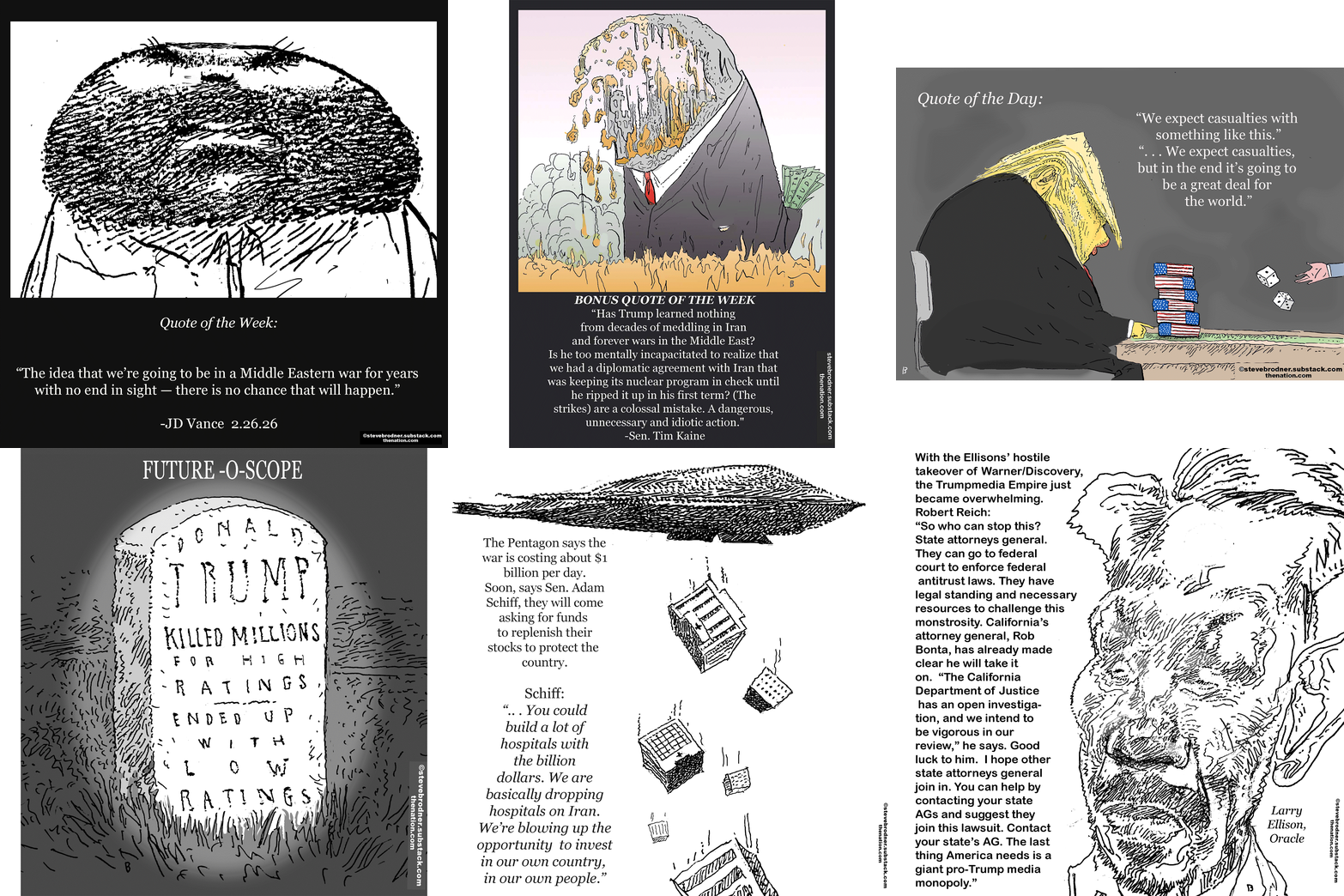

A Conflict Without Reason Has Become a Dangerous Holy War A Conflict Without Reason Has Become a Dangerous Holy War
Lacking a clear rationale for the attack on Iran, Trumpists are increasingly talking like crusaders.
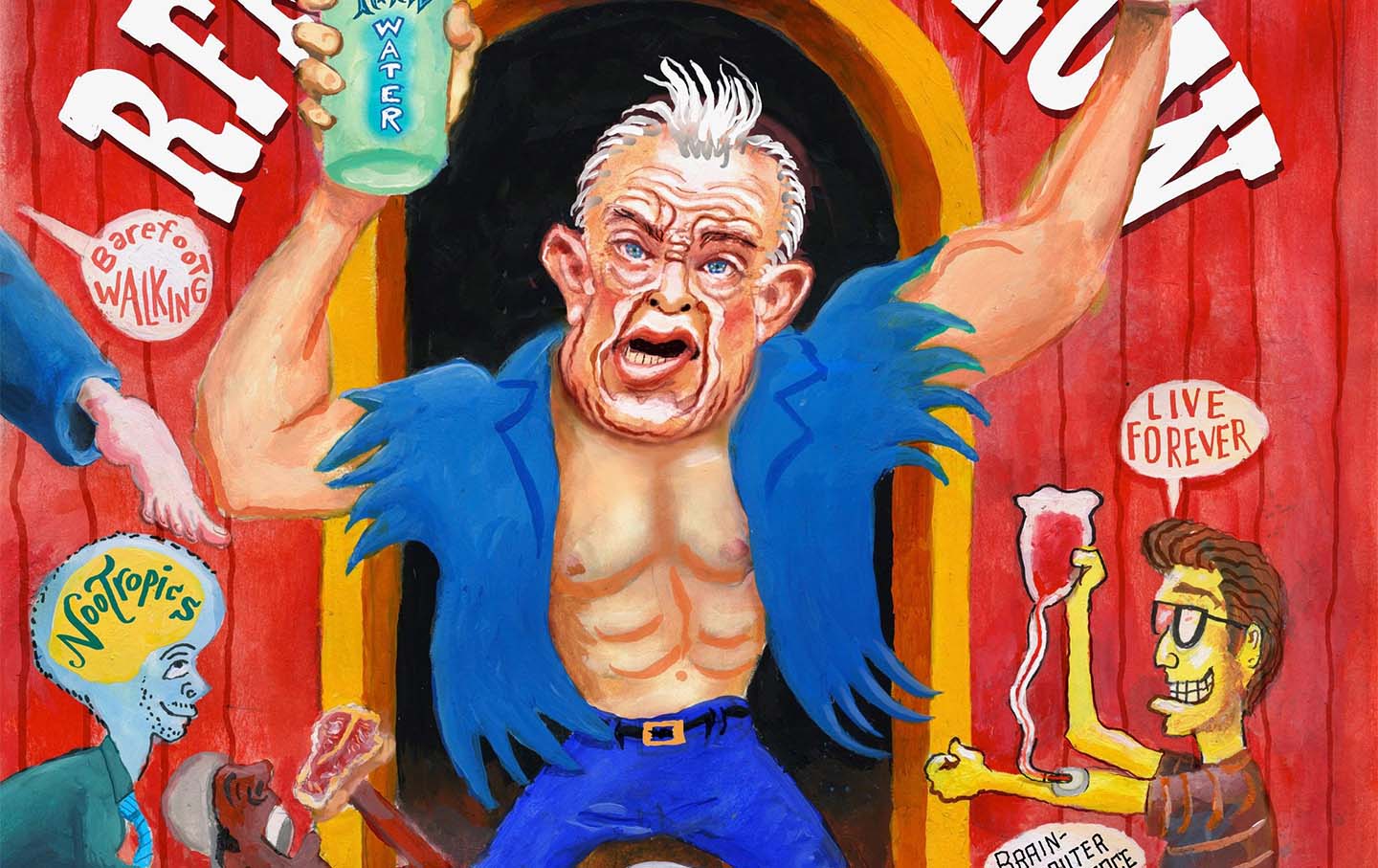
RFK Jr.: America’s Snake Oil Salesman RFK Jr.: America’s Snake Oil Salesman
Raw truth: MAHA is NUTS.
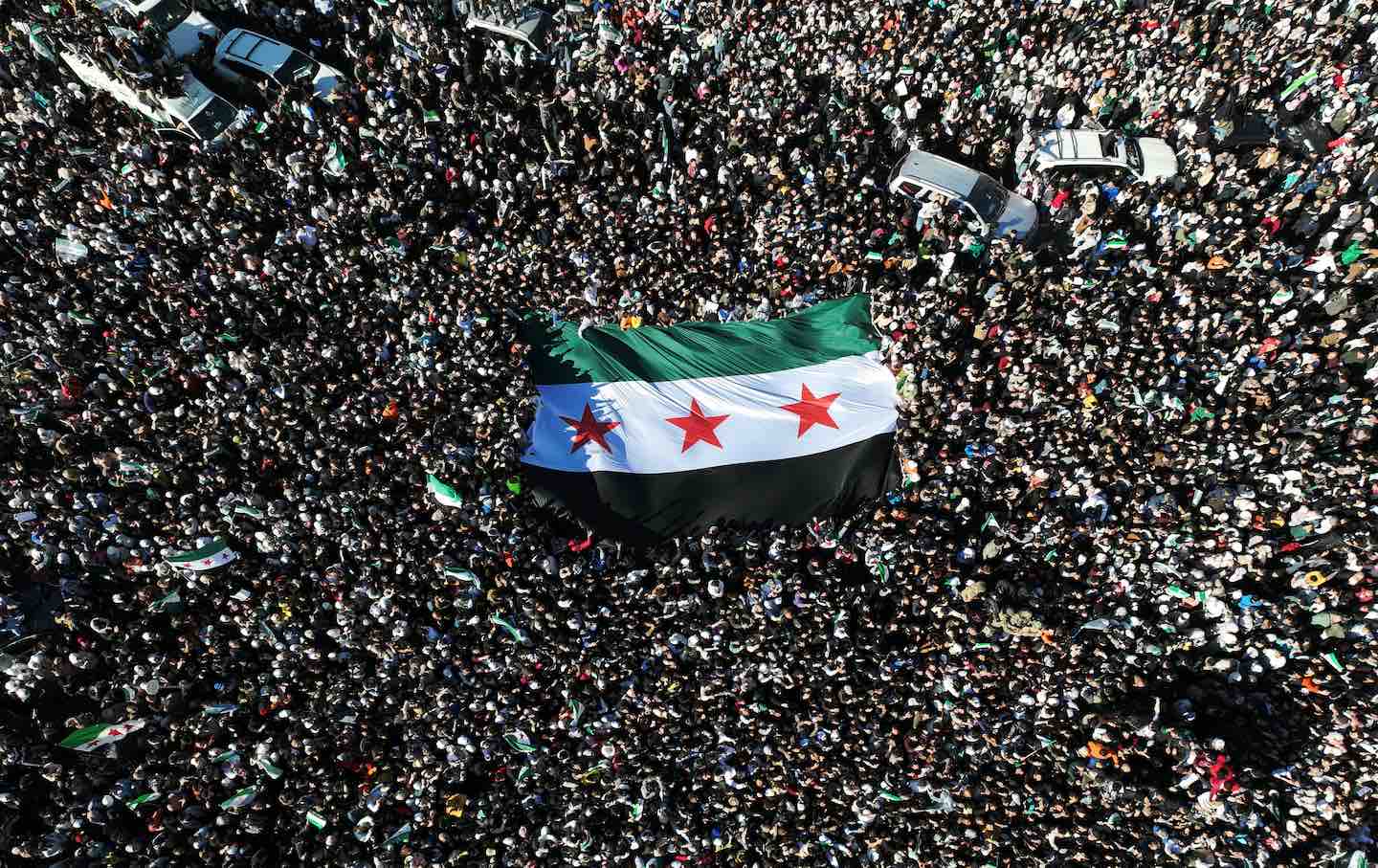
The Unfathomable Toll of the Syrian Civil War The Unfathomable Toll of the Syrian Civil War
How to make sense of the 13-year conflict?
Celebrate Kristi Noem’s Firing. But Keep Protesting ICE. Celebrate Kristi Noem’s Firing. But Keep Protesting ICE.
Finally, someone in the administration is paying for their cruelty and incompetence.

