
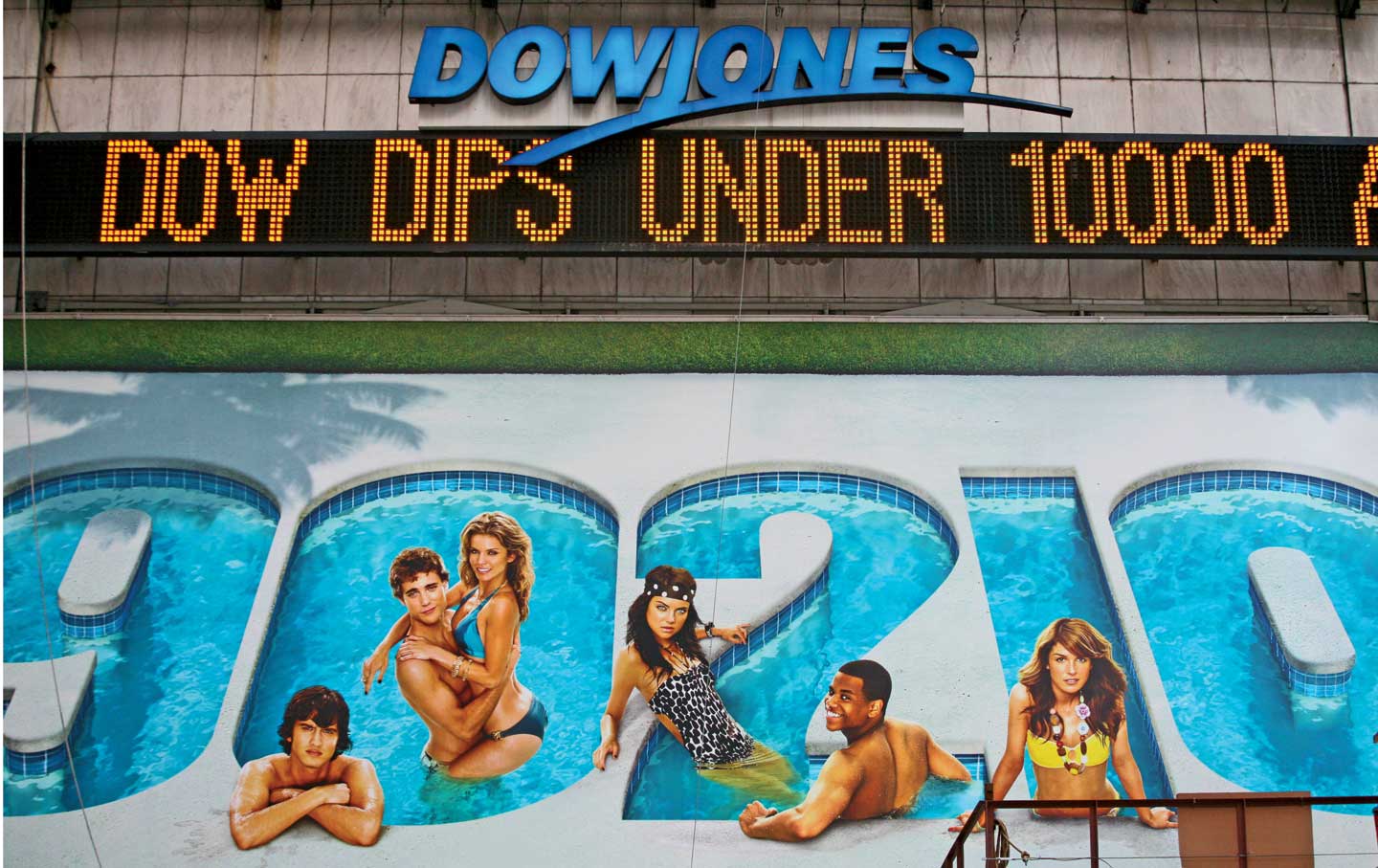
Financial Pop Financial Pop
Money is sitting around in its sweatpants listlessly spooning peanut butter out of a jar.
May 6, 2015 / Books & the Arts / Joshua Clover
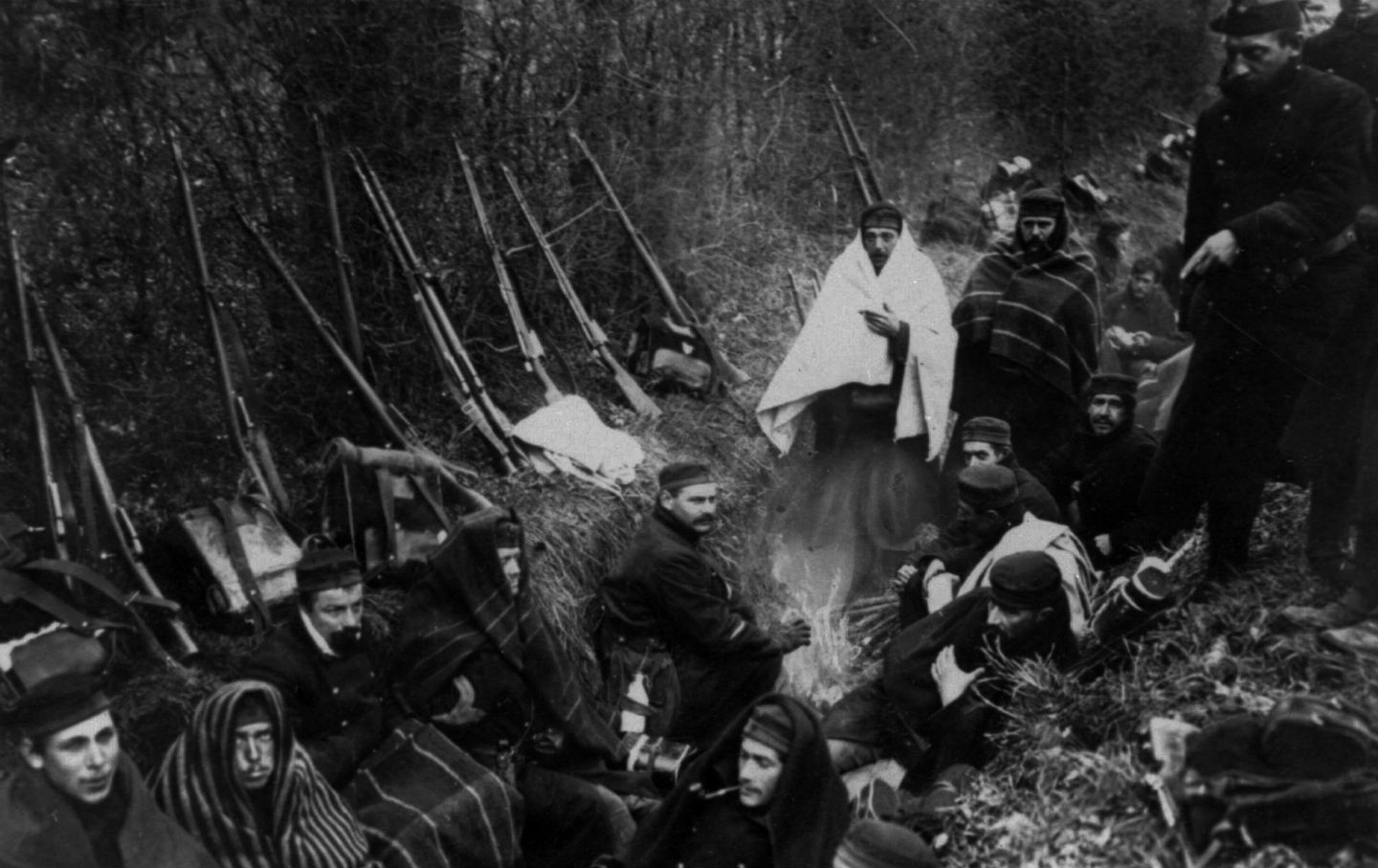
How the Horrors of World War II Lived On How the Horrors of World War II Lived On
Tens of millions were murdered or expelled from their homes in a whirlwind of ethnic cleansing.
May 5, 2015 / David Nasaw

How Long Can Genius Last? How Long Can Genius Last?
In this week’s Altercation Eric honors artists and writers whose careers have stood the test of time.
May 5, 2015 / Eric Alterman

The Bold Experimentation of Gwendolyn Brooks The Bold Experimentation of Gwendolyn Brooks
“Where the subject is the Negro people, or the Negro person, Miss Brooks has gone considerably beyond…quaint and for-tourists-only self-consciousness.”
May 5, 2015 / Richard Kreitner

What Are ‘Nation’ Interns Reading the Week of 5/4/15? What Are ‘Nation’ Interns Reading the Week of 5/4/15?
What Are ‘Nation’ Interns Reading the Week of 5/4/15?
May 4, 2015 / StudentNation / StudentNation
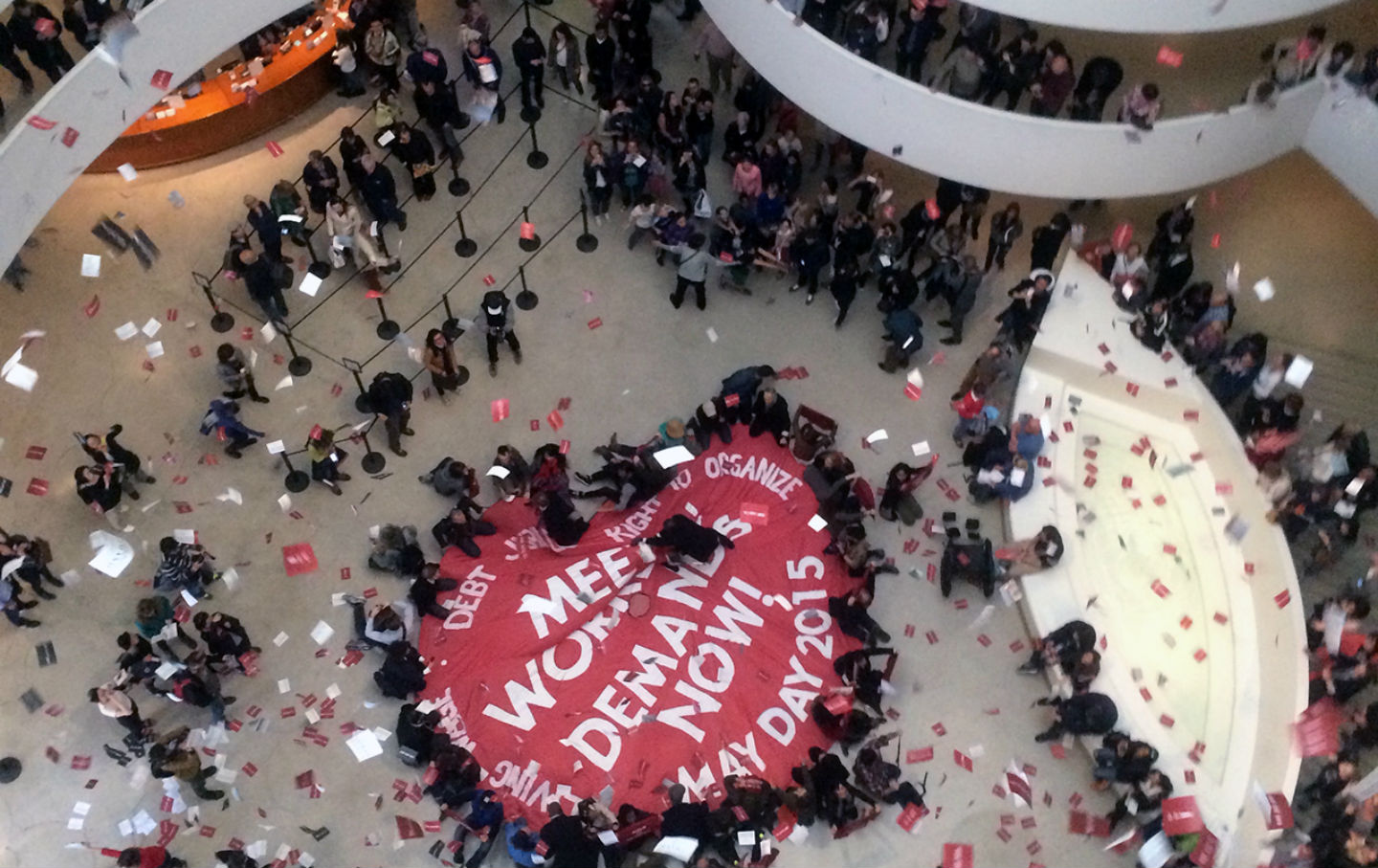
Why Did These Activists Shut Down the Guggenheim? Why Did These Activists Shut Down the Guggenheim?
The May Day occupation is part of an escalating campaign to get the Guggenheim to end the exploitation of migrant workers at the museum's Abu Dhabi site.
May 4, 2015 / Michelle Chen
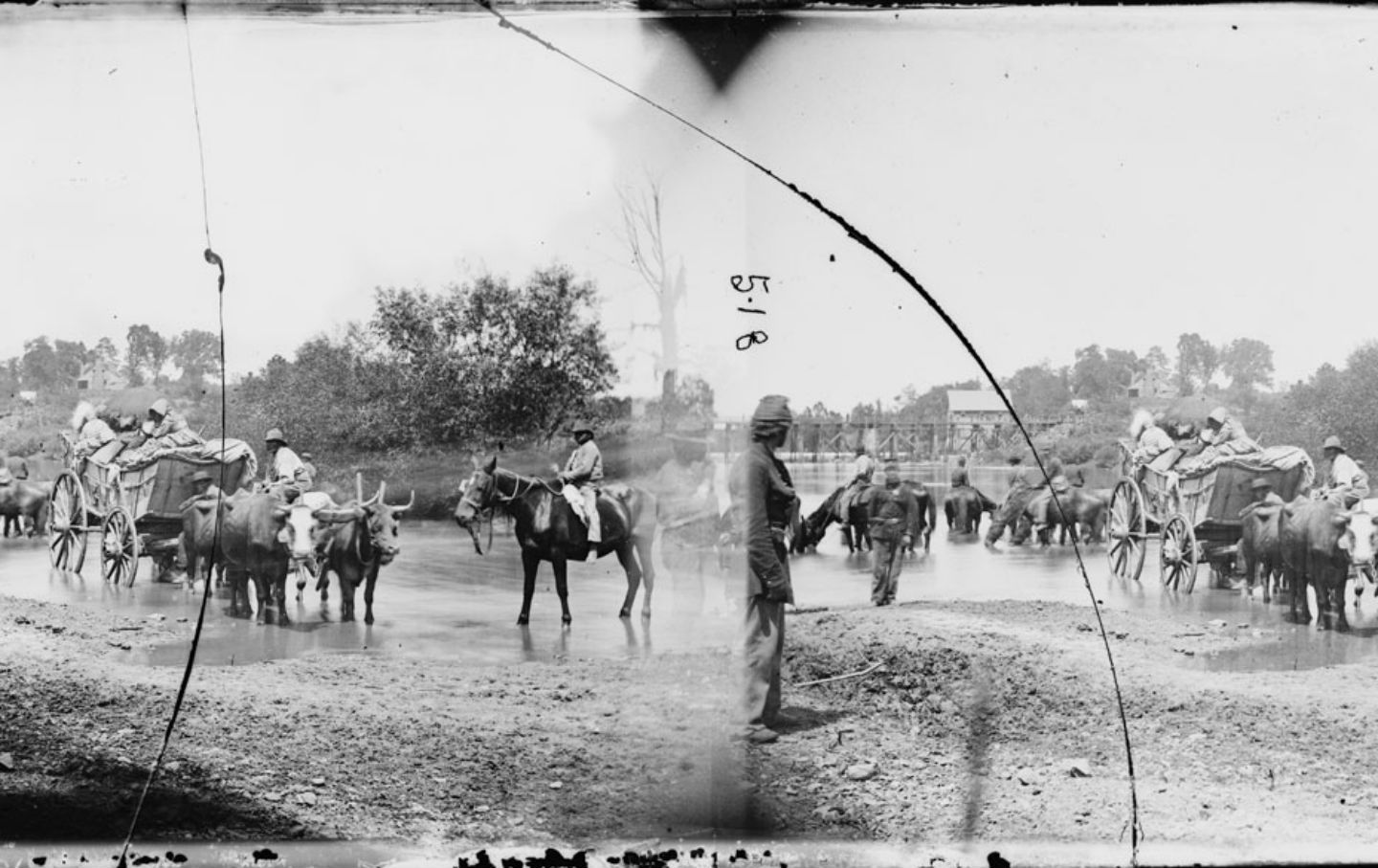
Capitalism and Slavery Capitalism and Slavery
Each generation seems condemned to have to prove the obvious anew: slavery created the modern world, and the modern world’s divisions are the product of slavery.
May 1, 2015 / Greg Grandin

A Flute in Palestine: Making Art in an Apartheid State A Flute in Palestine: Making Art in an Apartheid State
In this increasingly confined land, art is a vital escape—if you can get the instruments past the checkpoint.
Apr 30, 2015 / Sandy Tolan
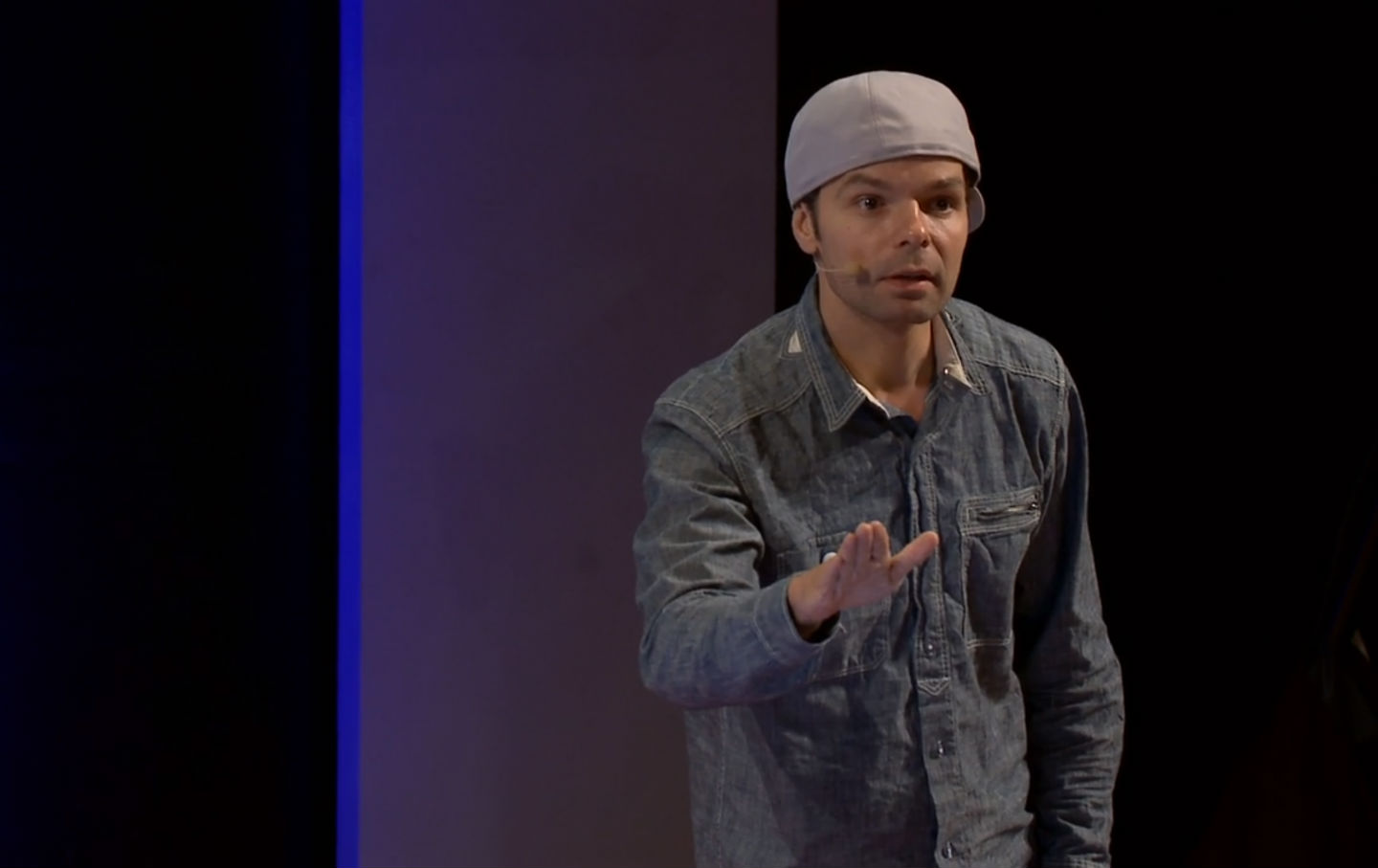
‘Now Political Prisoners Are Dead Black Kids’: Playwright Lemon Andersen Connects the Dots Between Attica and Police Violence ‘Now Political Prisoners Are Dead Black Kids’: Playwright Lemon Andersen Connects the Dots Between Attica and Police Violence
Andersen first heard about the Attica uprising during a stint on Rikers Island. His new play brings the rebellion to life at the Public Theater.
Apr 29, 2015 / Steve Colman
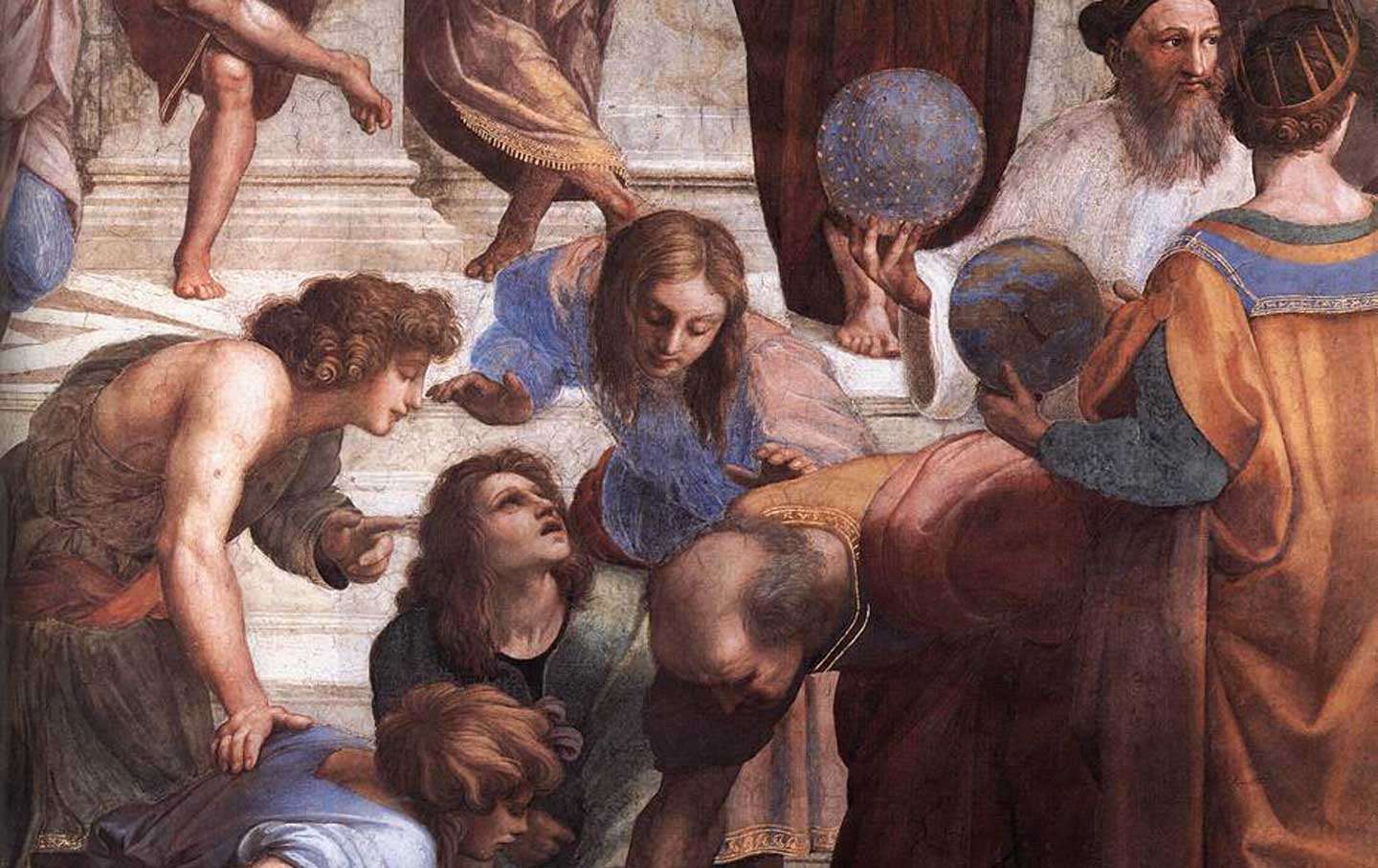
Power and Piety Power and Piety
Is the promotion of violence inherent to any religion?
Apr 29, 2015 / Books & the Arts / David Nirenberg