The United States’ Long War Against Iran
The Nation was among the first publications to report the CIA’s role in the 1953 overthrow of Iran’s democratically elected prime minister, Mohammed Mossadegh.
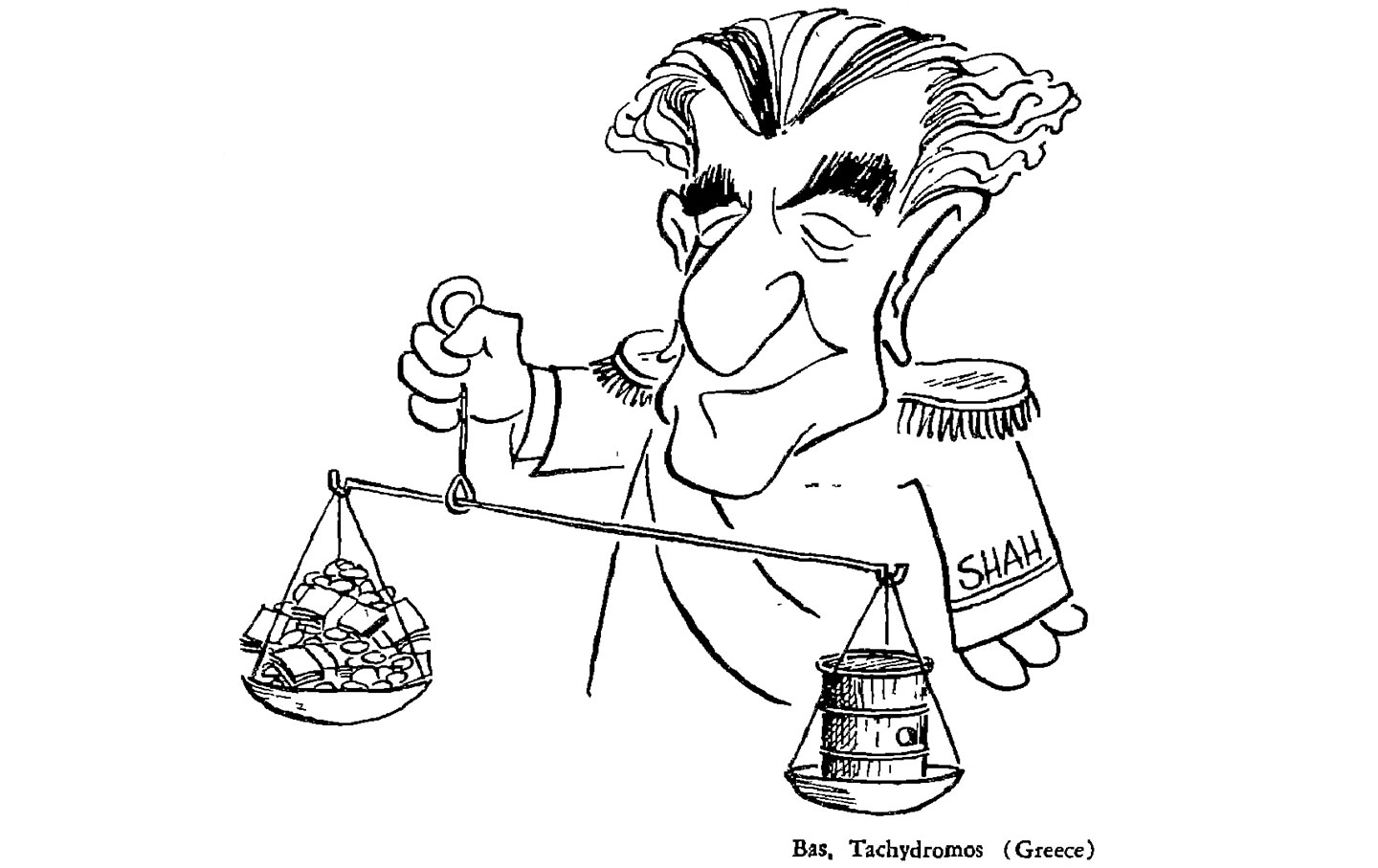
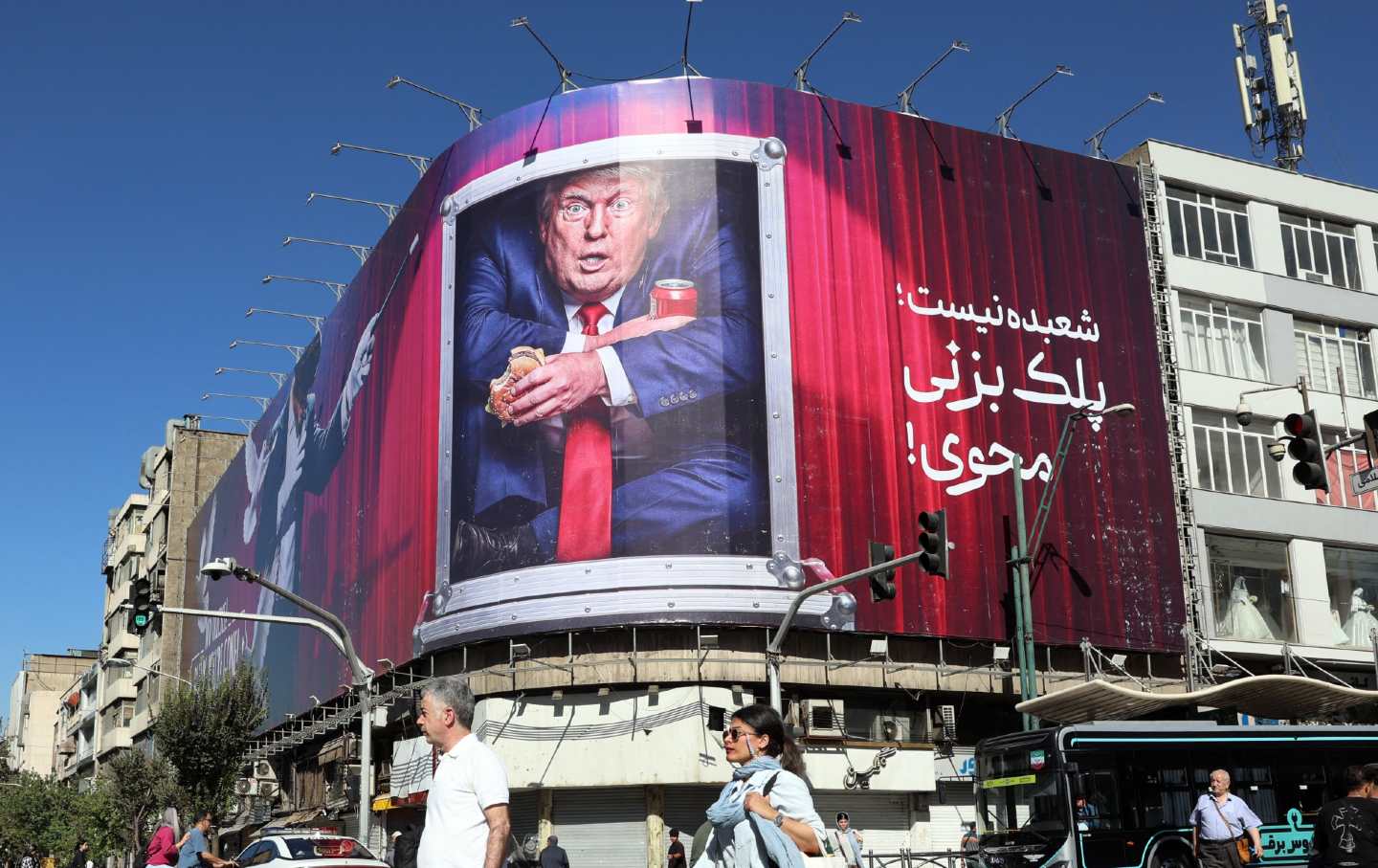
Earlier this year, when Donald Trump framed the US-Israeli attack on Iran as an effort to topple its regime, there was little talk about our own responsibility for the rise of that regime. By supporting the corrupt and wildly unpopular Shah Mohammad Reza Pahlavi with arms sales, corporate investment, and assistance in building a repressive security apparatus, the US sowed the seeds of the resentment that exploded in Iran’s 1979 revolution.
The Nation was among the first publications to report the CIA’s role in the 1953 overthrow of Iran’s democratically elected prime minister, Mohammed Mossadegh, whose opposition to foreign oil interests won him the support of the people and the enmity of the petroleum industry. Fred Cook, in a 1961 exposé published in these pages, chronicled the results of the coup: Iran remained woefully undeveloped, its monarch detested, and the people ripe for revolution.
Yet the US bolstered the shah at every turn. In 1977, Reza Baraheni observed that 31,000 Americans were “working in Iran for the Shah or his American allies. They train the Shah’s army, police and SAVAK (the horrendous secret police).” Baraheni had once been arrested by SAVAK and held in solitary confinement. In his exile in the US, he was sad to see this country’s ideals abandoned with so little concern: “Why are Americans fighting on the side of tyrants and dictators? No nation in history has suffered…the collective split personality that Americans display today…. In the year of [its] Bicentennial celebrations,” the US had “handed billions of dollars’ worth of weaponry to a King incalculably more tyrannical than George III.”
This year, America’s own aspiring tyrant threatened “a whole civilization” with annihilation because he’d launched a war against Iran that he could not win. “The contemporary American seems quite a different species,” Baraheni lamented in 1977. “He has lost his sense of identity with all progressive movements, American or otherwise. He seems ready to go to the next Vietnam under another name.”
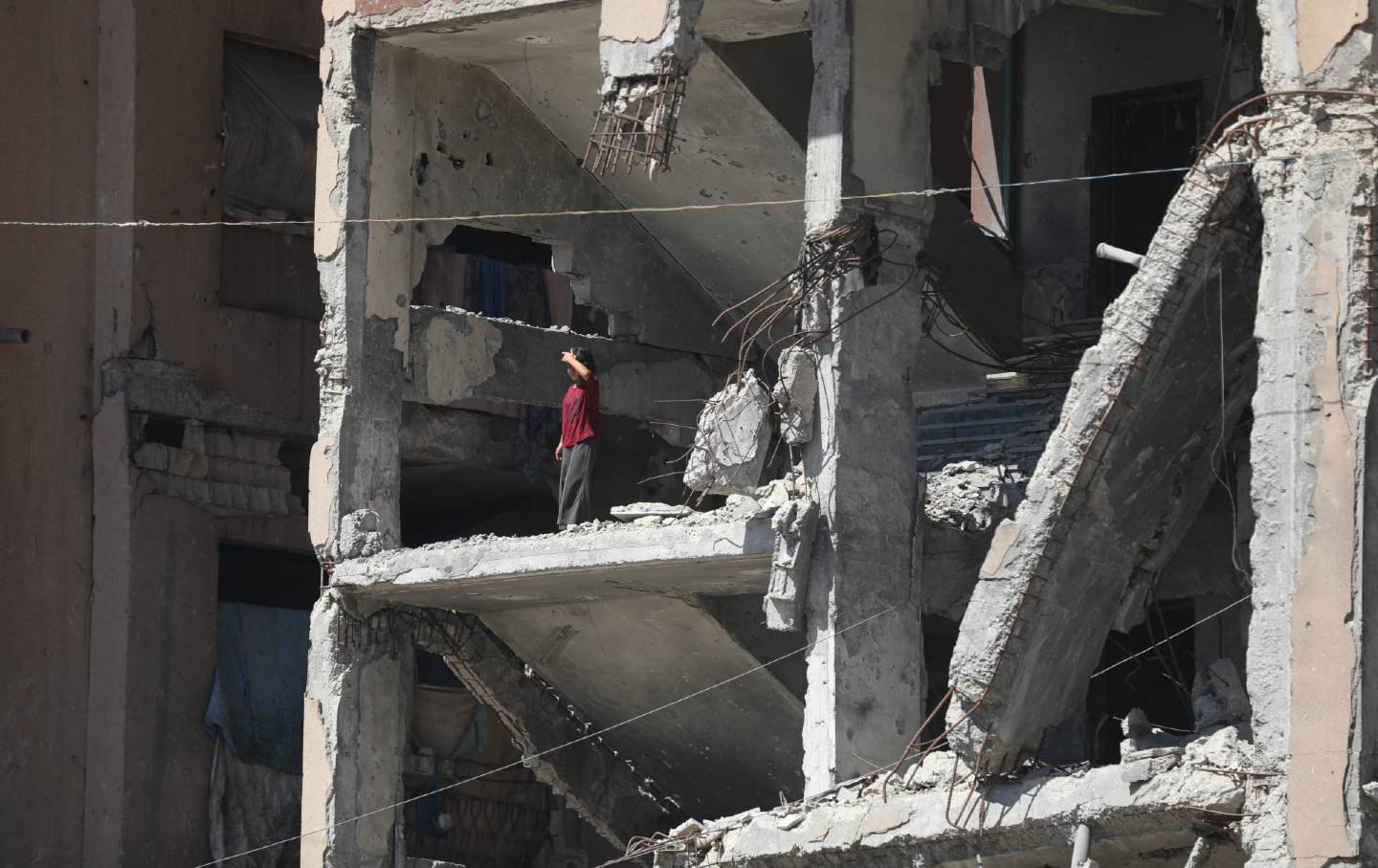
One year later, the protests against the shah had spread across Iran and “coalesced into a massive resistance movement encompassing virtually every sector of the society,” as Linda Heiden wrote in The Nation. “One does not have to dig very deeply to find the roots of the dissent,” she continued. “The Shah’s economic development programs, designed and executed with considerable U.S. Government and corporate assistance, have been disastrous for Iran’s workers and peasants.” So too has been our latest needless, lawless, and disastrous war, which is likely to turn out no better than the coup that overthrew Mossadegh.
Become a Sustaining Donor This September
Between the reemergence of right-wing red-baiting and Donald Trump’s use of the chilling National Security Presidential Memorandum–7 to criminalize left political organizing, we’re seeing McCarthyism reborn before our eyes.
This assault on democracy cannot be ignored or wished away. Resisting it requires bravery in the face of threats and repression, a steadfast commitment to the truth, and the unwavering belief that we can—and will—overcome this darkness.
We must have an independent media that sets the record straight, unearths corruption and abuses of power, and advances a politics of justice and dignity for all if we’re to win this fight.
That’s why I’m writing to you today. This September, The Nation needs to add 100 monthly donors to sustain our progressive journalism. Your contribution makes the next investigative report, the next truth-speaking column, and the next pathbreaking essay all possible.
I hope you’ll support our work with a recurring donation today. If you donate $10 or more a month, we’ll send you a brand new “Hands Off the Free Press!” sticker to recognise your commitment to our cause. Please, donate today.
Onward,
Katrina vanden Heuvel
Editor and Publisher, The Nation