Gaza Is the Front Line in the Fight for Press Freedom
The global press corps must stop looking at Gaza as someone else’s crisis—and start demanding justice.
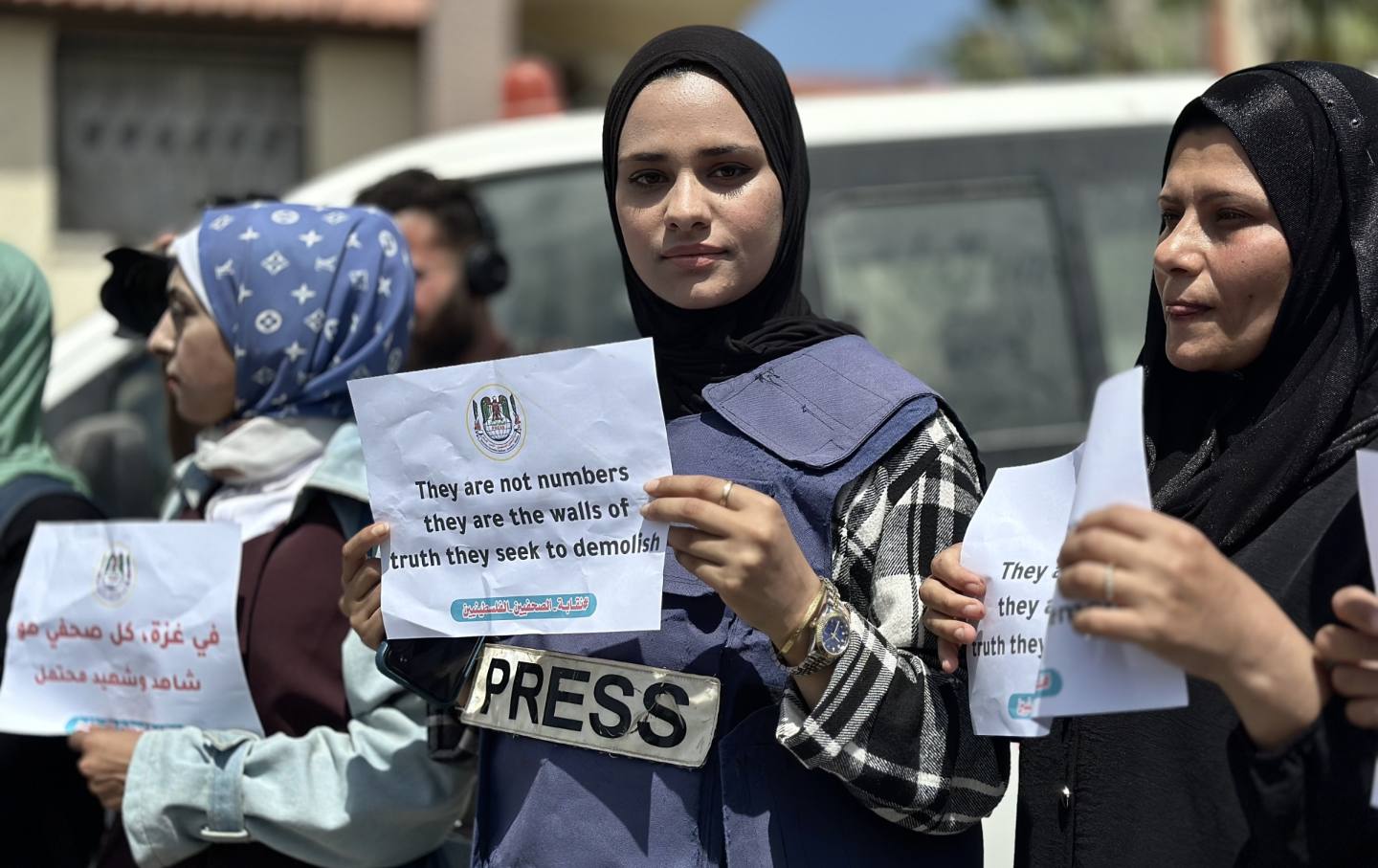
When I learned I’d been selected for a journalism award earlier this year, I felt humbled and honored. But I also felt hollow. It’s not that I’m ungrateful—far from it. But while I am recognized in exile, my colleagues who are still in Gaza remain caged in a death trap, targeted simply for the crime of reporting their own destruction. Recognition alone won’t stop the bombs. It won’t bring back the dead.
World Press Freedom Day, which was marked on May 3, is a time when we deliver speeches, pledge solidarity, and commemorate journalism’s role in holding power to account. But in Gaza, the most basic freedom—the freedom to live, let alone to report—is denied at every turn. Since October 2023, more than 210 Palestinian journalists and media workers have been killed, according to the latest figures from the Palestinian Journalists Syndicate—a toll unmatched in any conflict in modern memory. More remain missing or are presumed dead beneath the rubble.
Most of the dead have been denied even the dignity of recognition. Their names—like Al Jazeera’s Hossam Shabat and Palestine Today’s Mohammed Mansour, both killed by Israeli air strikes in March—briefly surface in headlines and then vanish, as if their lives were as disposable as the rubble they documented.
Since Israel’s assault resumed on March 18 after a brief and faltering ceasefire, Gaza’s journalists have been pushed to the very brink. With equipment destroyed, press jackets offering no protection, and nowhere left to shelter, they keep reporting anyway—because if they don’t, no one will. Like everyone else in Gaza, most journalists are hungry, displaced, and without shelter. But they also carry the crushing weight of their duty: to keep documenting, even as their own lives are being systematically dismantled.
What the world often forgets is that Gaza’s journalists are not just filing stories but also engineering miracles. With the electricity and cell phone service cut off for days or weeks at a time, reporters race to charging points powered by car batteries and climb to the higher floors of ruined buildings hoping to catch a sliver of a cell signal. When cameras are destroyed, they borrow or pool whatever gear survives, patching together broken tripods and cracked lenses. Fact-checking is done in real time amid air raids; entire reports are dictated by voice note when typing becomes impossible. There are no safety nets, no press-freedom hotlines, no emergency extractions. Their only network is each other—and it’s this fragile, fiercely loyal chain of colleagues that keeps the truth alive when everything else is being destroyed.
And let’s be clear: This targeting of Palestinian journalists is not incidental. It is deliberate. Press vehicles, clearly marked, have been shelled. Homes where journalists were sheltering have been bombed. Reporters have received death threats from Israeli officials. To report from Gaza is to know you are in someone’s crosshairs.
I covered the first months of this war from inside Gaza before evacuating with my family for safety. Now I carry the unbearable guilt of knowing my colleagues stayed behind. Our community of journalists is small, close-knit. I wake up to news of more dead and missing, and it feels personal every time, because it is.
I remember crouching in the corner of a half-destroyed room, clutching my press vest as though it might shield me from the next strike. I filmed funerals where the dead outnumbered the mourners, interviewed survivors whose stories I barely had time to record before the next round of shelling began. Each dispatch felt urgent yet inadequate, as I tried to capture the full weight of grief, the relentless fear, the sense of being hunted simply for doing your job.
I don’t write this from a place of survivor’s pride but survivor’s shame. While I am alive and safe, my colleagues are not only risking their lives; they are doing so under conditions that defy imagination. Their bravery inspires me daily. And it leaves me asking: What does freedom of the press mean when it is met with a missile?
As I write this, new ceasefire talks are underway again. But in Gaza, even “peace” has become a kind of theater—a brief pause to bury the dead before the next round of killing begins. The toll keeps rising. The destruction deepens. And through it all, Gaza’s journalists continue to report.
It is no longer enough for international newsrooms to issue statements of support or post solemn tributes when a Palestinian journalist is killed—if they even do that. The targeting of media workers is a war crime under international law. Where are the urgent calls from mainstream organizations for independent investigations into the deliberate targeting of media workers? Where is the coordinated push for enforceable protections and legal redress?
Palestinian journalists are bearing the brunt of a war on truth—and every reporter who believes in press freedom should see their struggle as our own. The global press corps must stop looking at Gaza as someone else’s crisis and start treating it as the front line in the fight for journalism itself. Applause for Palestinian journalists isn’t enough. Protection, accountability, and justice—that is the debt we owe.
Disobey authoritarians, support The Nation
Over the past year you’ve read Nation writers like Elie Mystal, Kaveh Akbar, John Nichols, Joan Walsh, Bryce Covert, Dave Zirin, Jeet Heer, Michael T. Klare, Katha Pollitt, Amy Littlefield, Gregg Gonsalves, and Sasha Abramsky take on the Trump family’s corruption, set the record straight about Robert F. Kennedy Jr.’s catastrophic Make America Healthy Again movement, survey the fallout and human cost of the DOGE wrecking ball, anticipate the Supreme Court’s dangerous antidemocratic rulings, and amplify successful tactics of resistance on the streets and in Congress.
We publish these stories because when members of our communities are being abducted, household debt is climbing, and AI data centers are causing water and electricity shortages, we have a duty as journalists to do all we can to inform the public.
In 2026, our aim is to do more than ever before—but we need your support to make that happen.
Through December 31, a generous donor will match all donations up to $75,000. That means that your contribution will be doubled, dollar for dollar. If we hit the full match, we’ll be starting 2026 with $150,000 to invest in the stories that impact real people’s lives—the kinds of stories that billionaire-owned, corporate-backed outlets aren’t covering.
With your support, our team will publish major stories that the president and his allies won’t want you to read. We’ll cover the emerging military-tech industrial complex and matters of war, peace, and surveillance, as well as the affordability crisis, hunger, housing, healthcare, the environment, attacks on reproductive rights, and much more. At the same time, we’ll imagine alternatives to Trumpian rule and uplift efforts to create a better world, here and now.
While your gift has twice the impact, I’m asking you to support The Nation with a donation today. You’ll empower the journalists, editors, and fact-checkers best equipped to hold this authoritarian administration to account.
I hope you won’t miss this moment—donate to The Nation today.
Onward,
Katrina vanden Heuvel
Editor and publisher, The Nation
More from The Nation
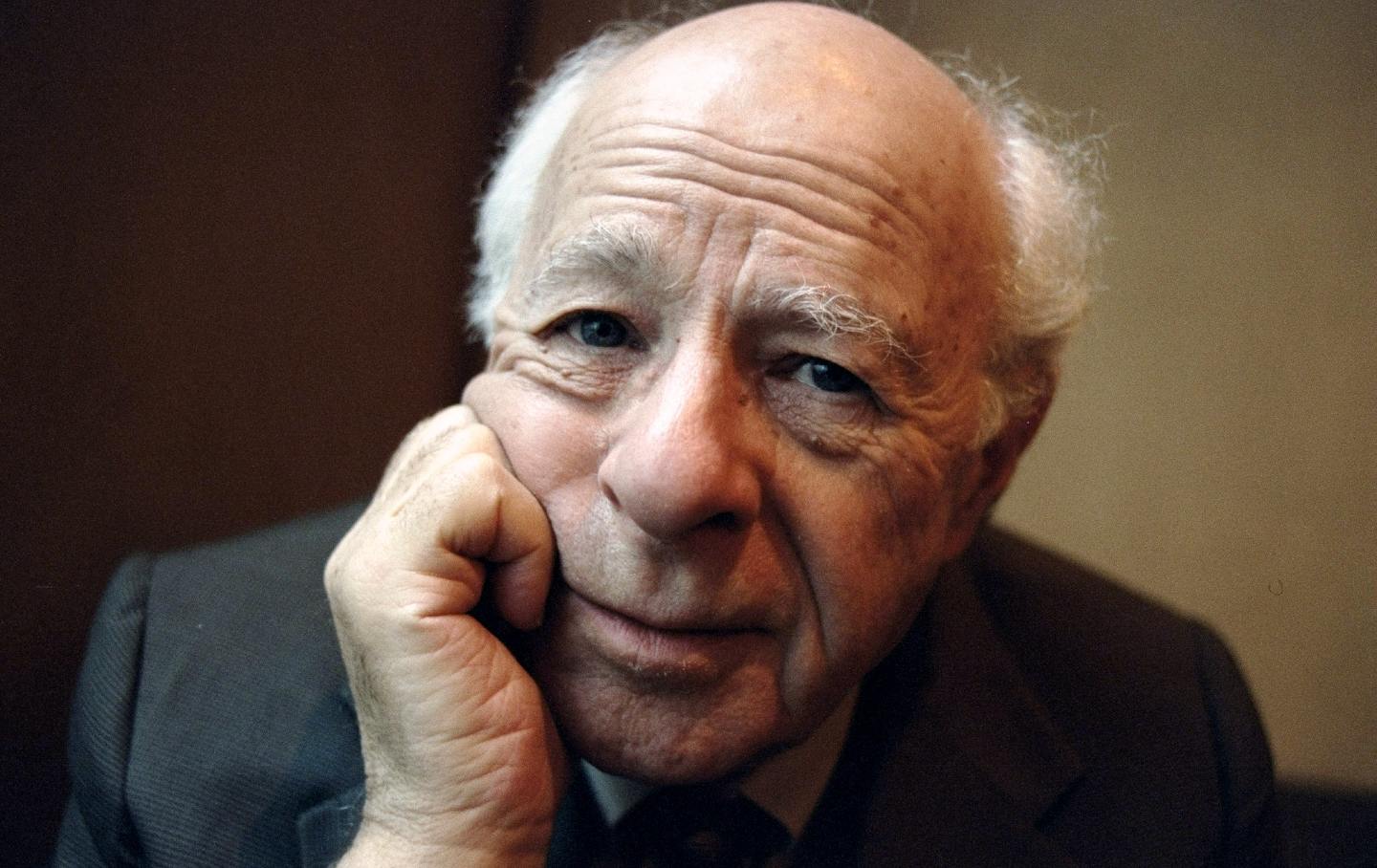
The Longest Journey Is Over The Longest Journey Is Over
With the death of Norman Podhoretz at 95, the transition from New York’s intellectual golden age to the age of grievance and provocation is complete.
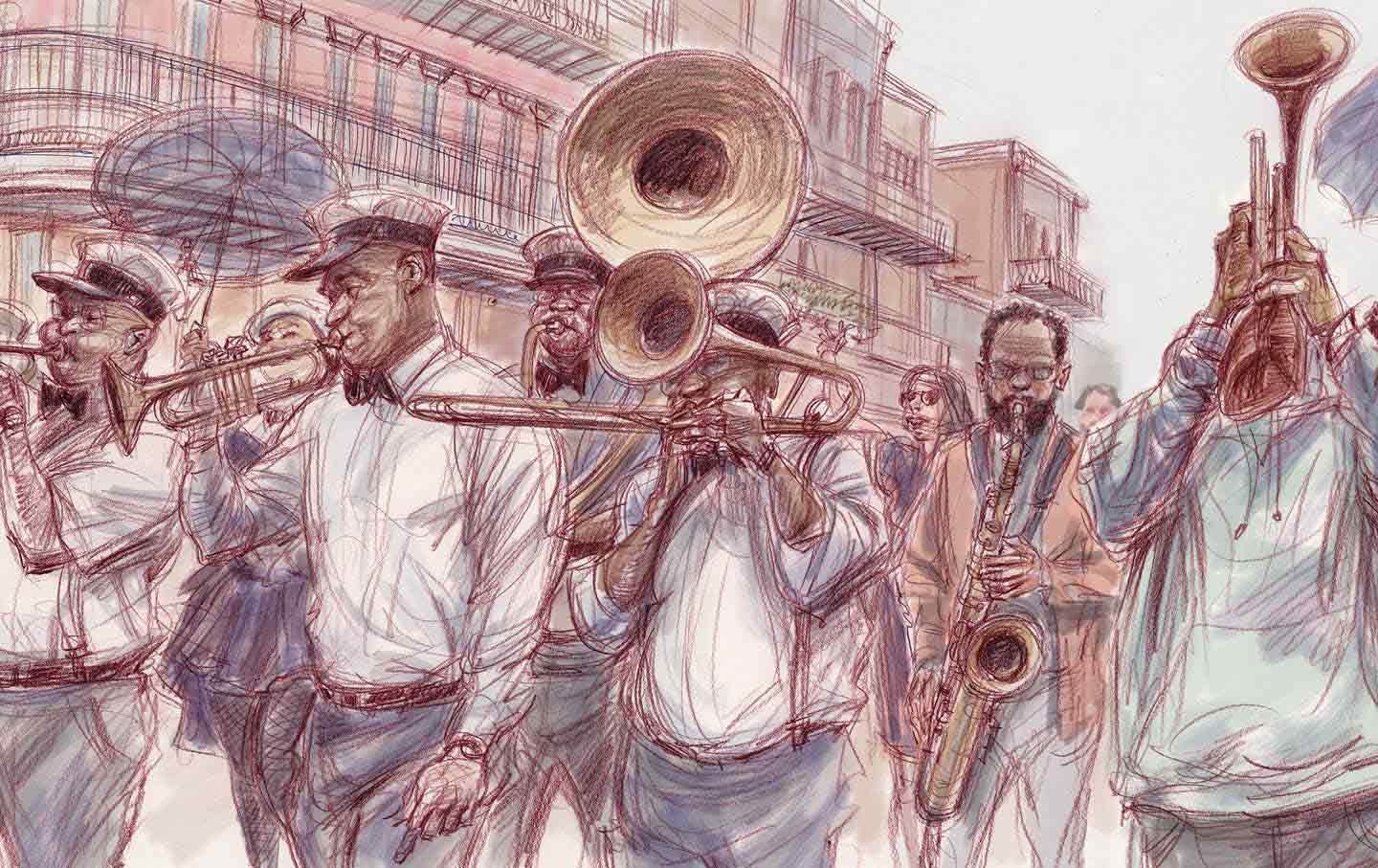
The Fight to Keep New Orleans From Becoming “Everywhere Else” The Fight to Keep New Orleans From Becoming “Everywhere Else”
Twenty years after Katrina, the cultural workers who kept New Orleans alive are demanding not to be pushed aside.

Breaking the LAPD’s Choke Hold Breaking the LAPD’s Choke Hold
How the late-20th-century battles over race and policing in Los Angeles foreshadowed the Trump era.
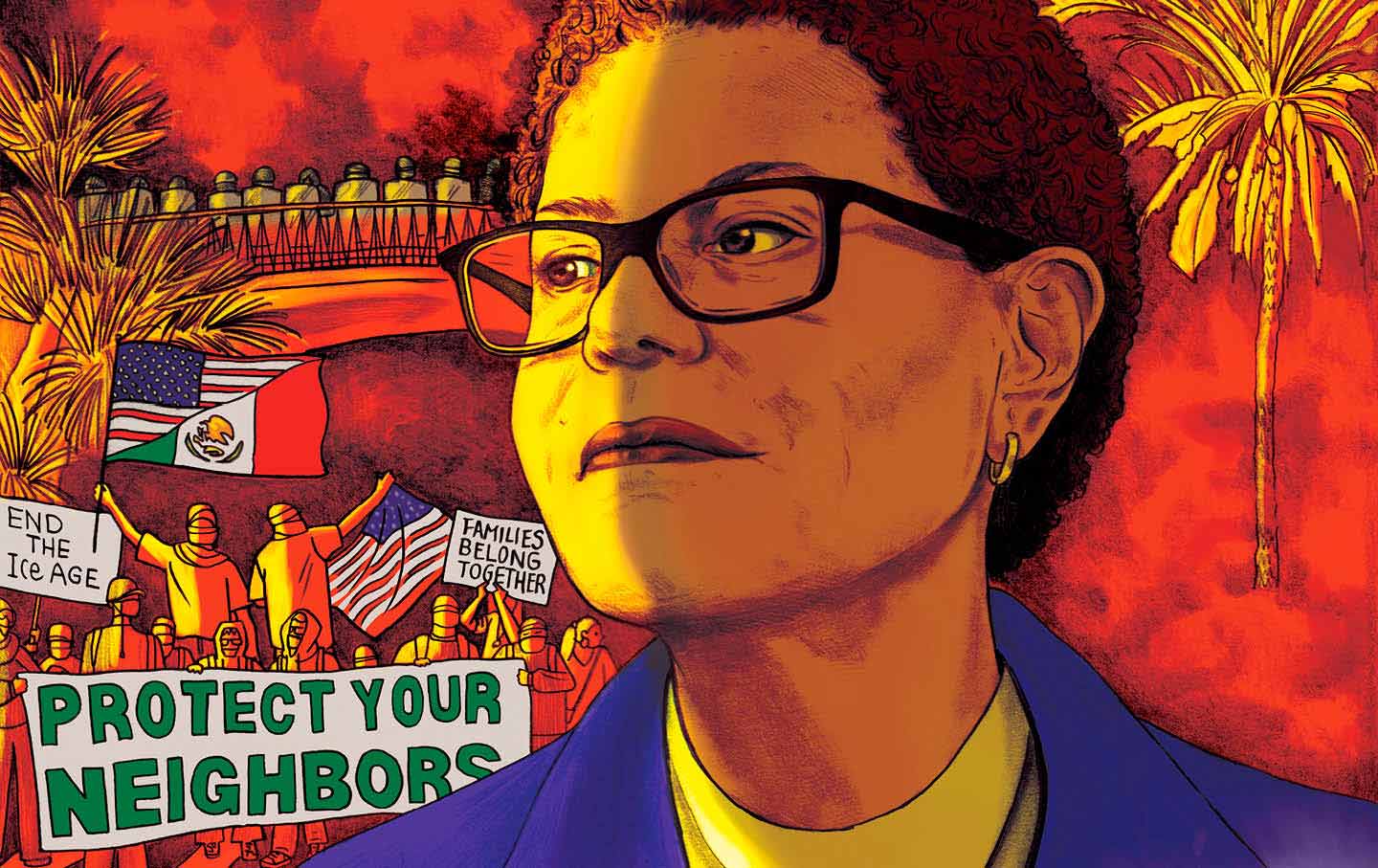
Mayor of LA to America: “Beware!” Mayor of LA to America: “Beware!”
Trump has made Los Angeles a testing ground for military intervention on our streets. Mayor Karen Bass says her city has become an example for how to fight back.
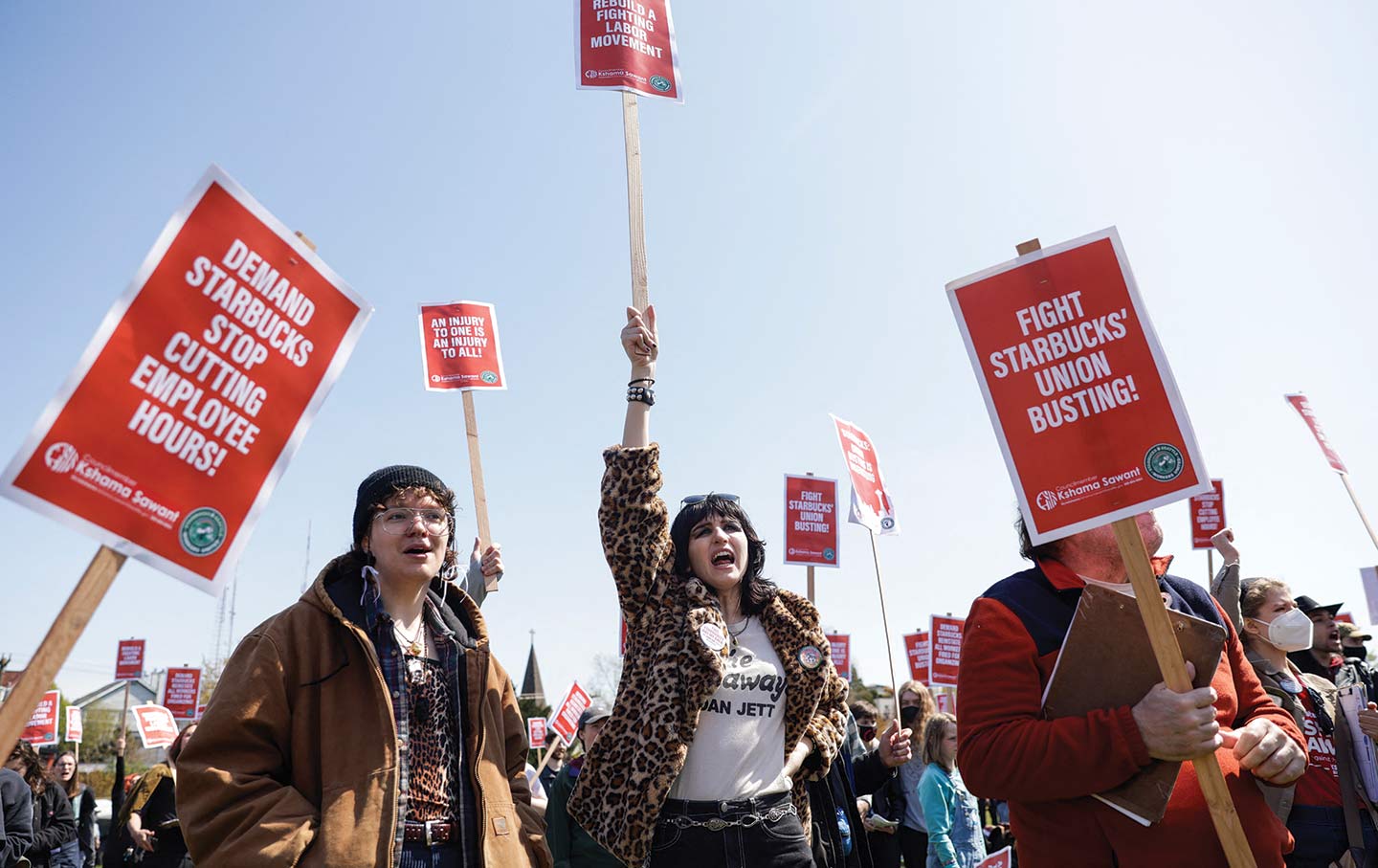
Organized Labor at a Crossroads Organized Labor at a Crossroads
How can unions adapt to a new landscape of work?
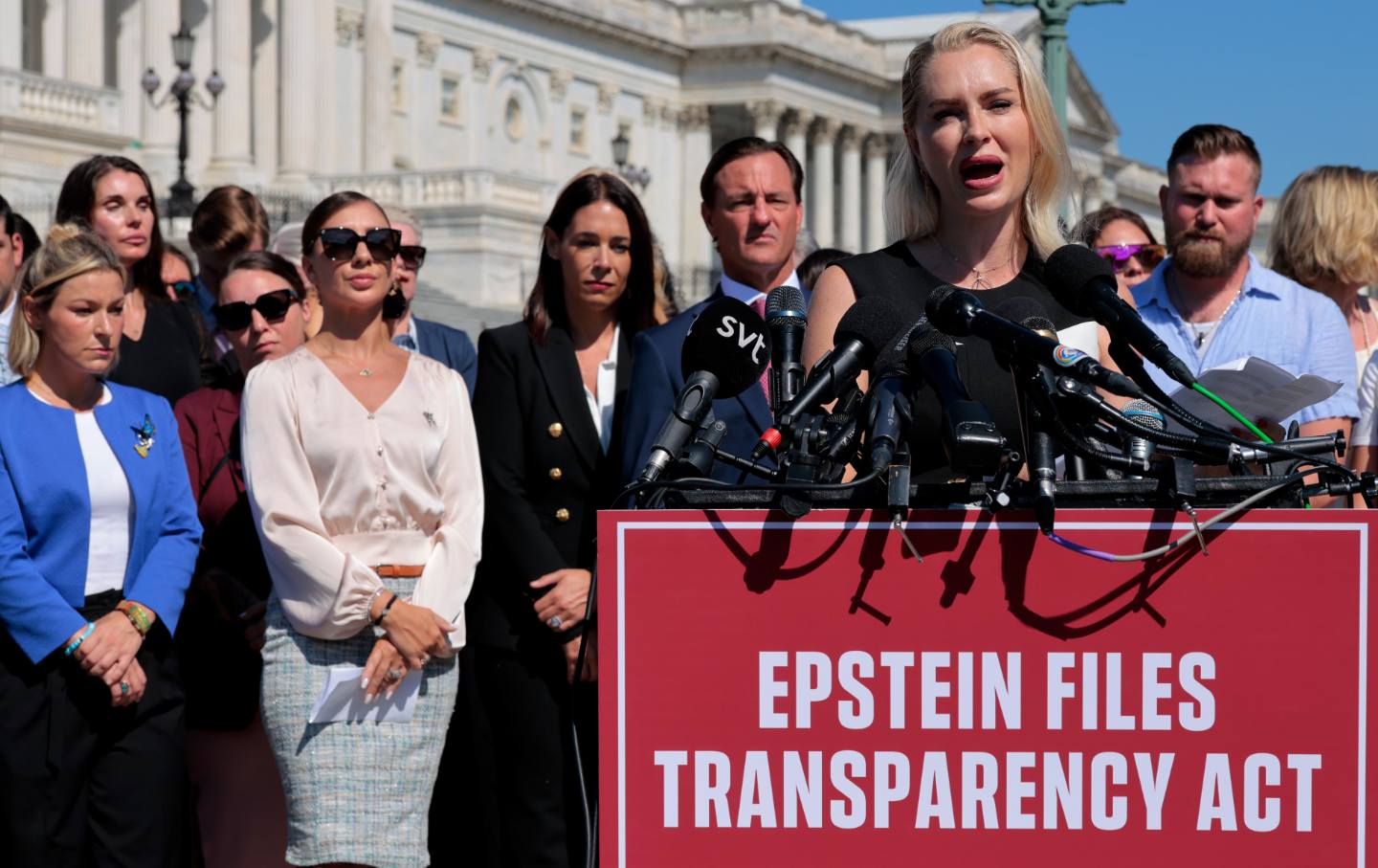
The Epstein Survivors Are Demanding Accountability Now The Epstein Survivors Are Demanding Accountability Now
The passage of the Epstein Files Transparency Act is a big step—but its champions are keeping the pressure on.

