Books & the Arts / February 28, 2025

The Oscars Are Upon Us

Who will win big at the biggest night in movies?
The Nation

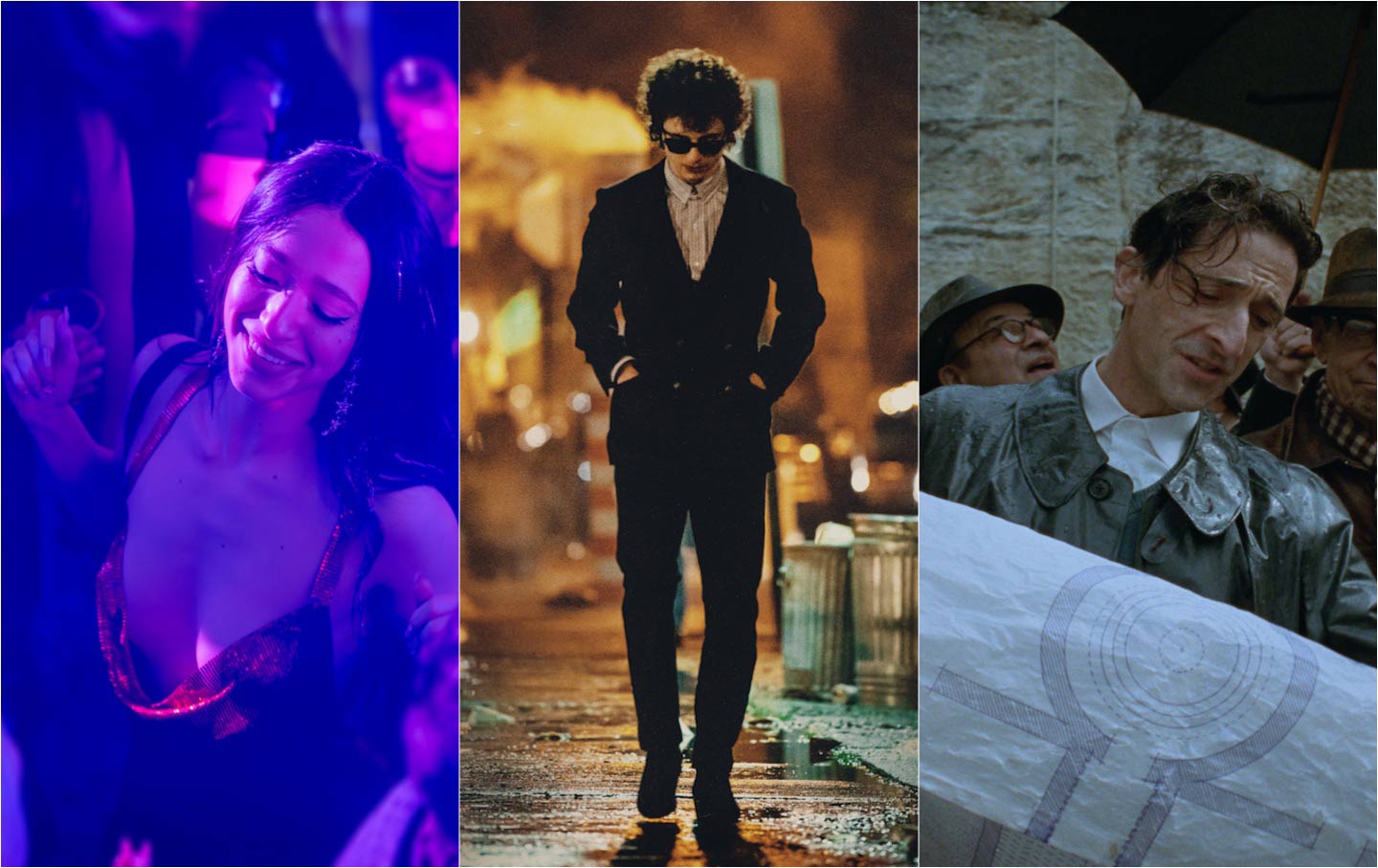
This weekend, after another year of movies, the Oscars have arrived. At The Nation, we’ve reviewed a lot of the award contenders and while your guess is as good as ours on the night’s winners, we think our critics—Beatrice Loayza, Kate Wagner, Sam Adler-Bell, Jorge Cotte, Stephen Kearse, Andre Pagliarini, David Klion, Ahmed Moor, and Kelli Weston—will help you better understand the last year in film. Here are a list of some of our favorites.


The Brutalist
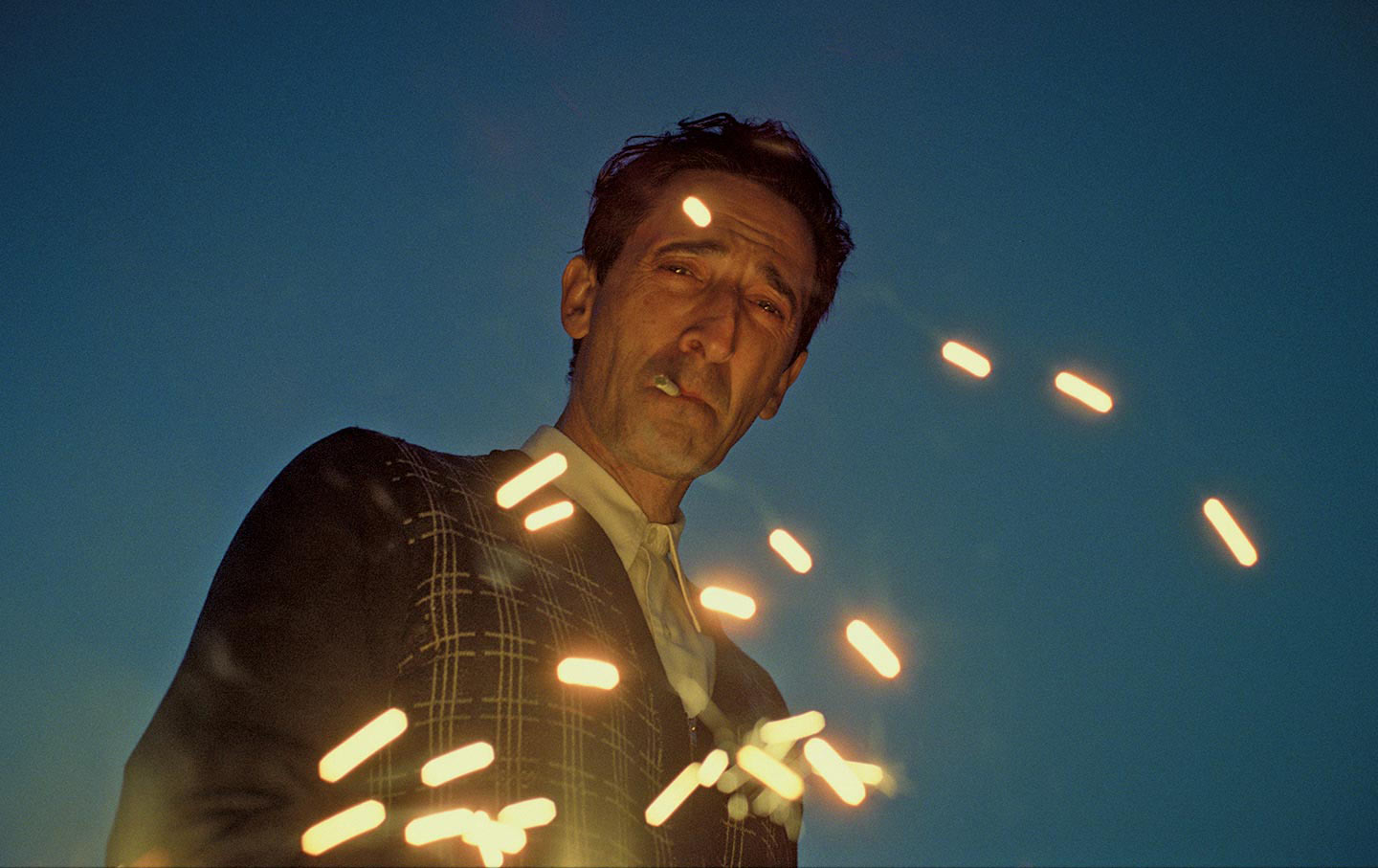
Kate Wagner: The Brutalist provides its audience with a window onto a side of architecture that is always lurking in the shadows: who makes it, and for whom.”


Anora
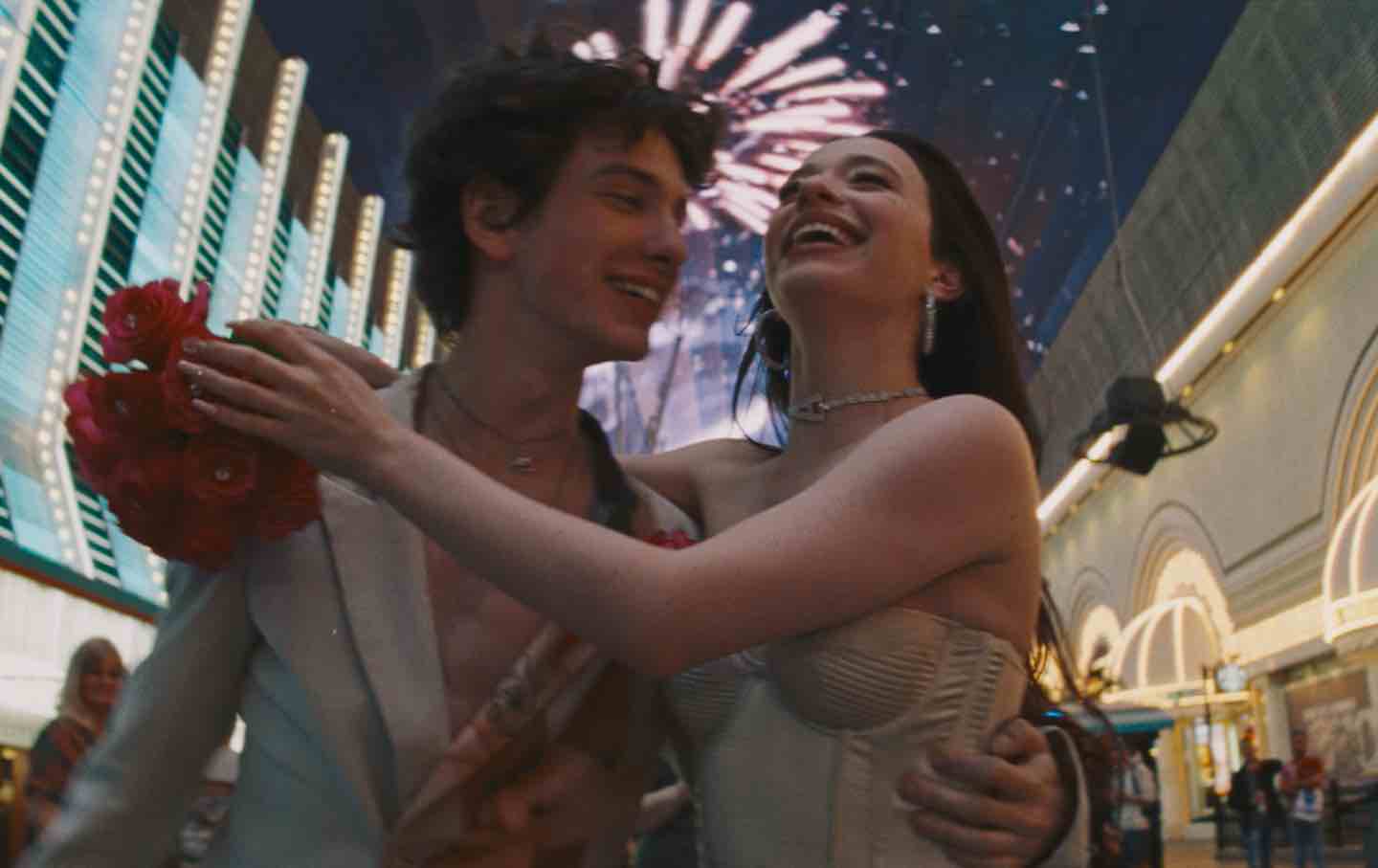
Beatrice Loayza: “[Sean] Baker’s characters may be condemned to their contexts, yet they are also treated like mythic heroes, simultaneously realistic and larger-than-life.”


A Complete Unknown
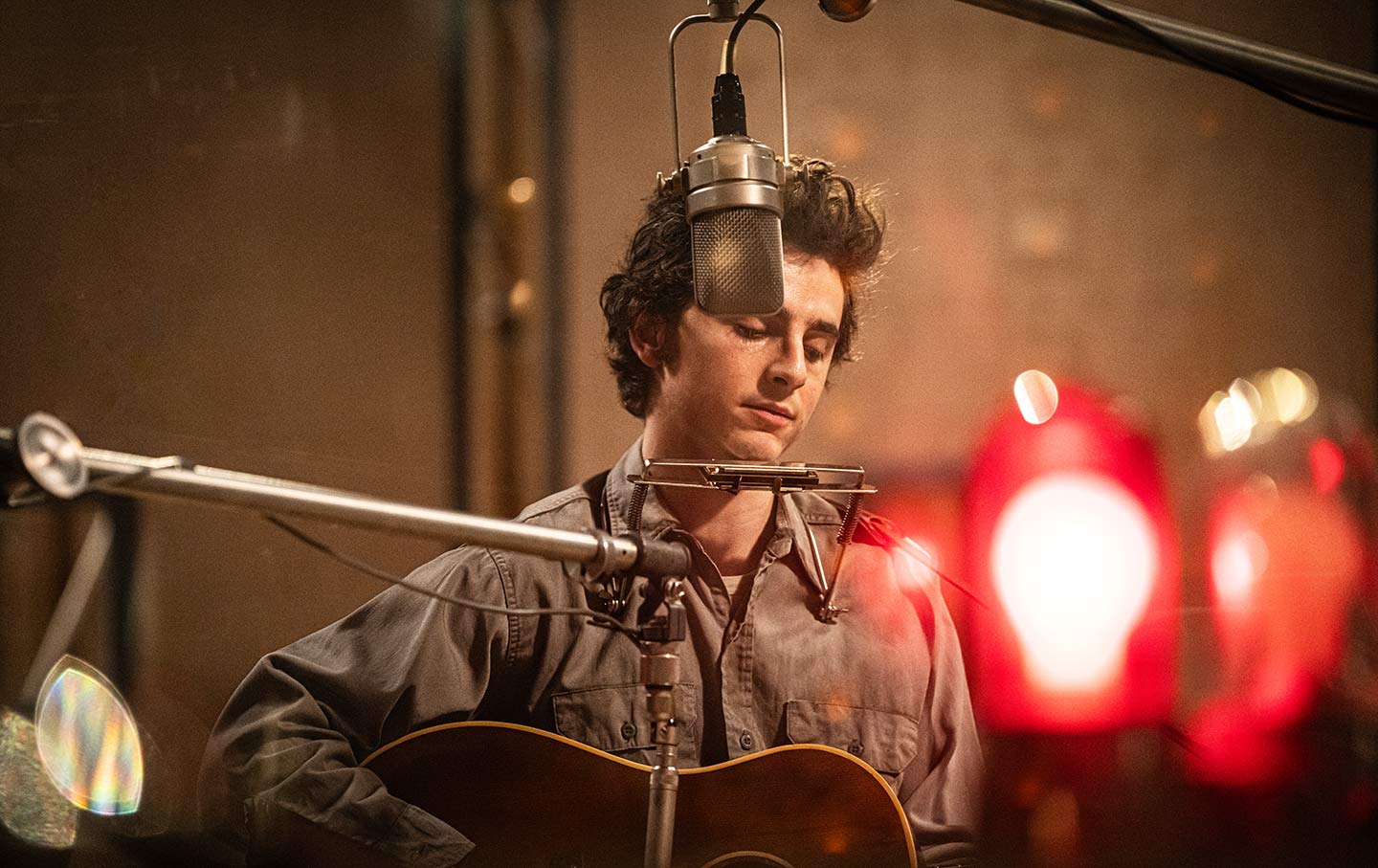
Sam Adler-Bell: “The film, which stars Hollywood wonder waif Timothée Chalamet, is suffused with unspecific nostalgia. It reminds you of everything, and yet its ingredients are still a bit of puzzle.”


Dune: Part Two 
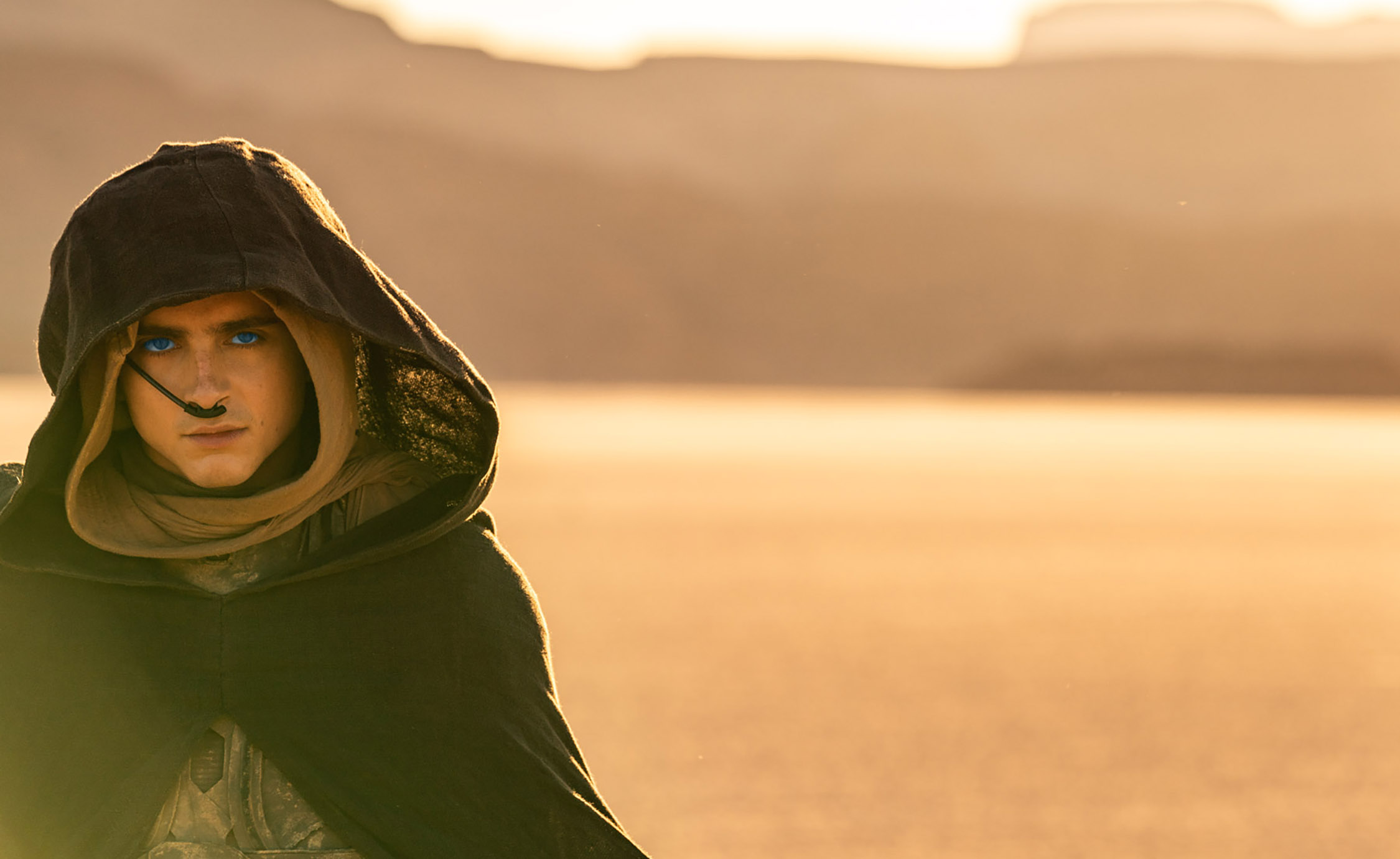
(Courtesy of Warner Brothers)

Jorge Cotte: “[Denis] Villeneuve streamlines the vast scope of Herbert’s story into a series of sweeping set pieces, more plentiful in this installment and meticulously executed.”


Nickel Boys
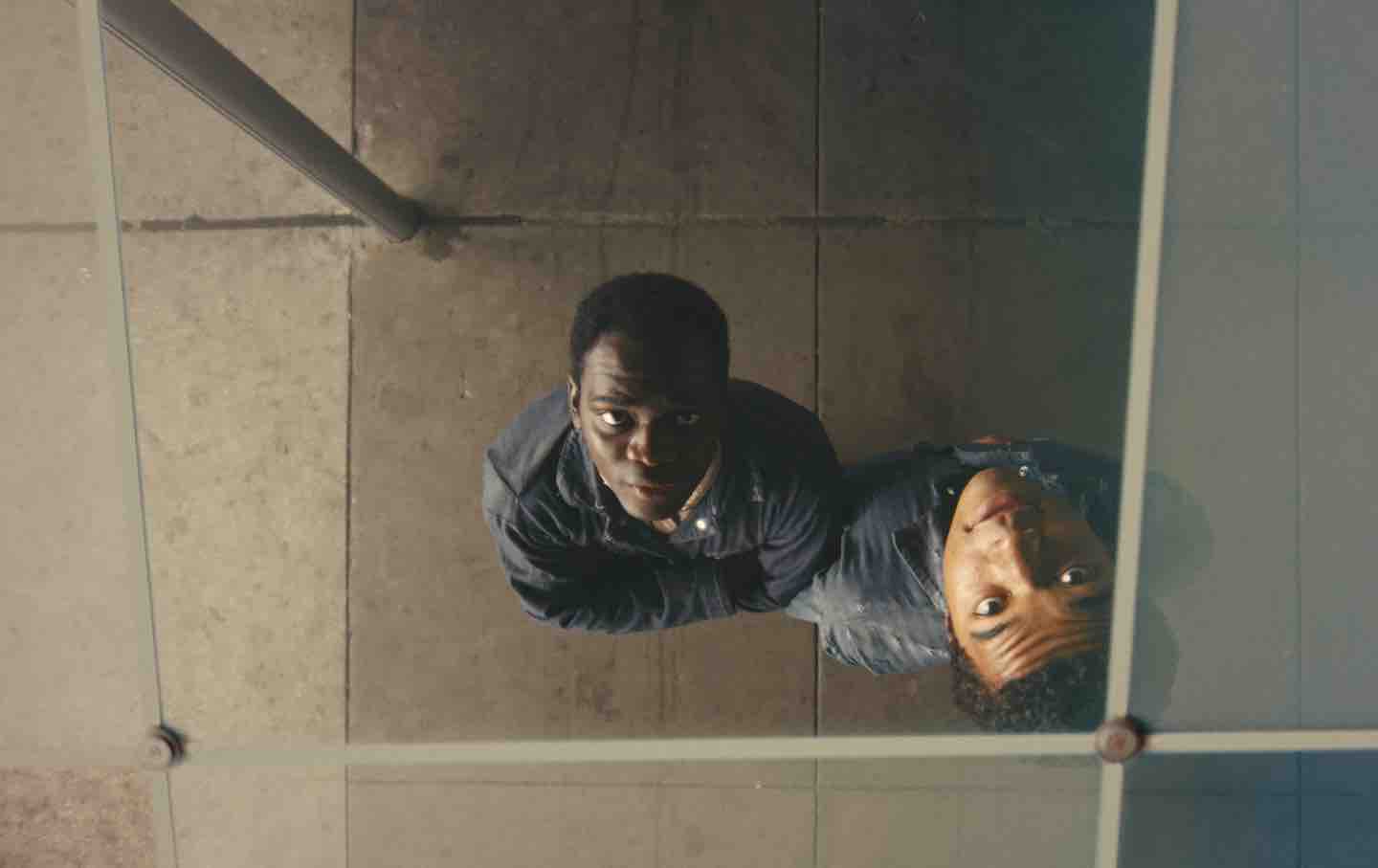
Ethan Herisse as Elwood and Brandon Wilson as Turner in “Nickel Boys.”
(Courtesy of Orion Pictures)

Stephen Kearse: “The contradiction of [RaMell] Ross’s approach is that these deep investments in subjectivity don’t actually yield much interiority.”


I’m Still Here
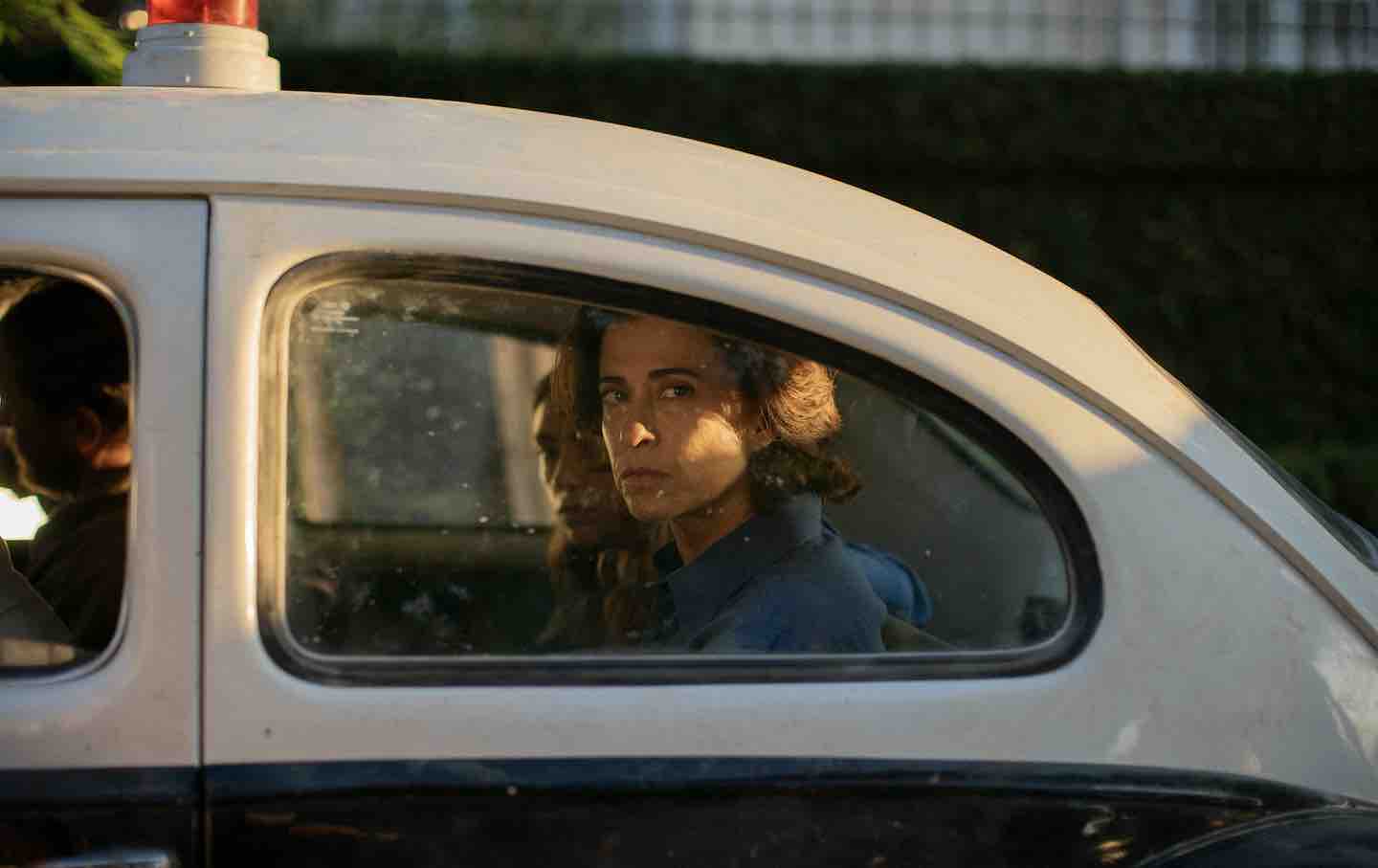
Andre Pagliarini: “Through the dire experience of one privileged, well-connected family, [Walter] Salles presents a chilling portrait of what happens when a government declares war on its citizens.”


The Apprentice
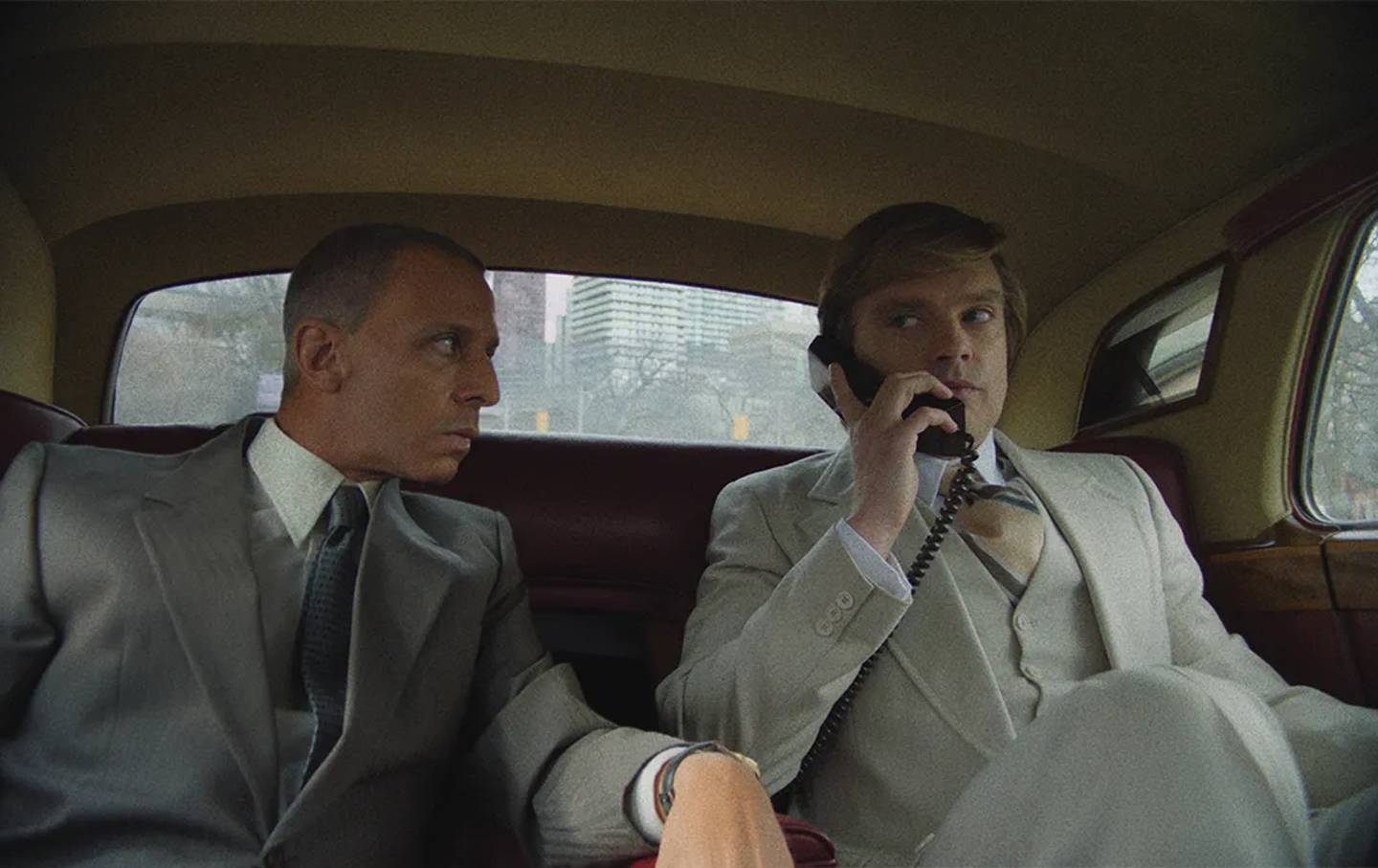
David Klion: “The filmmakers, and especially the cast, have managed to take seriously a fundamentally unserious man and to draw a portrait that is all the more unsettling for being fair-minded.”


No Other Land 
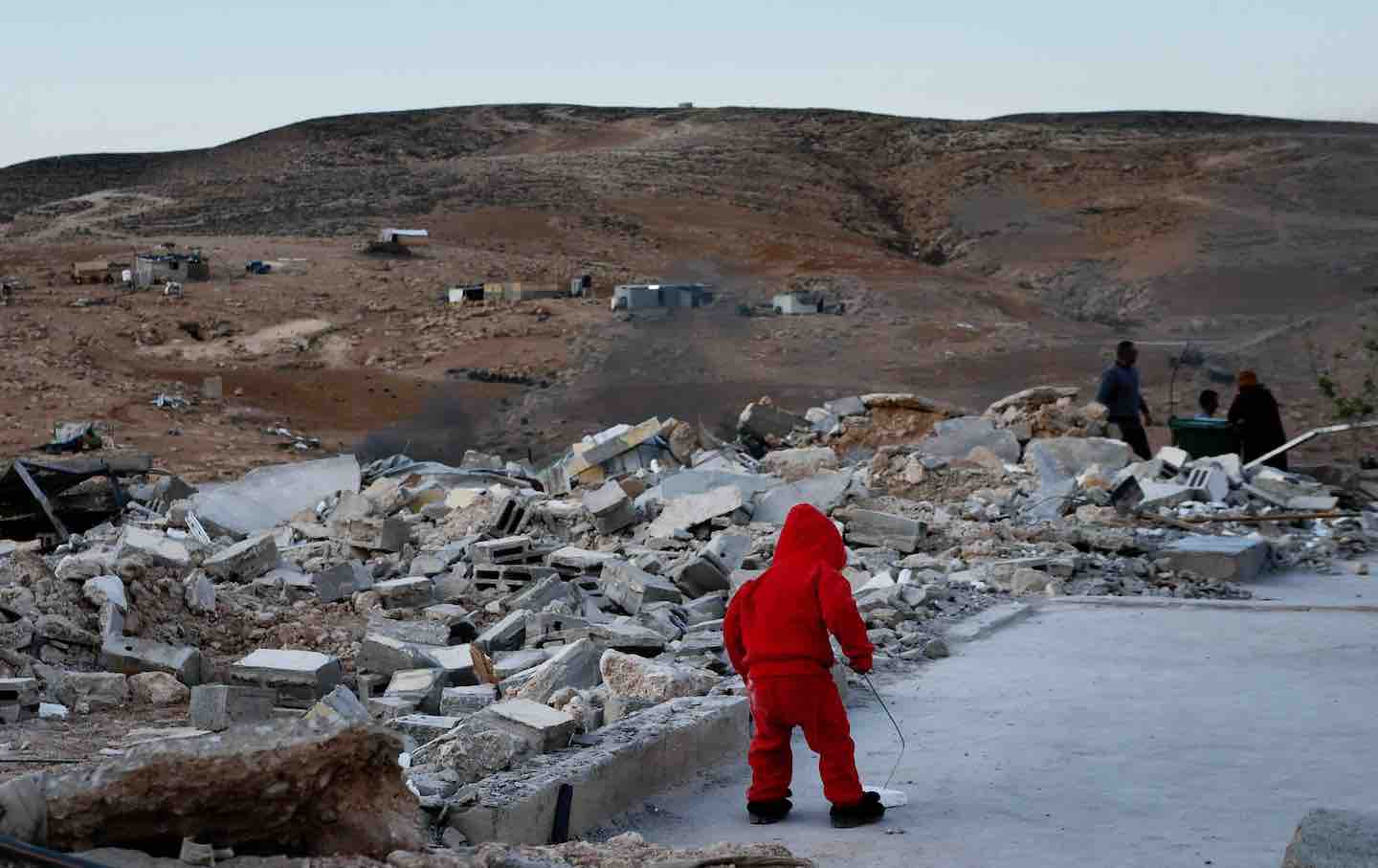
(Courtesy of Anipode Films)

Ahmed Moor: “The Nakba continues; No Other Land makes this very clear.”


Nosferatu
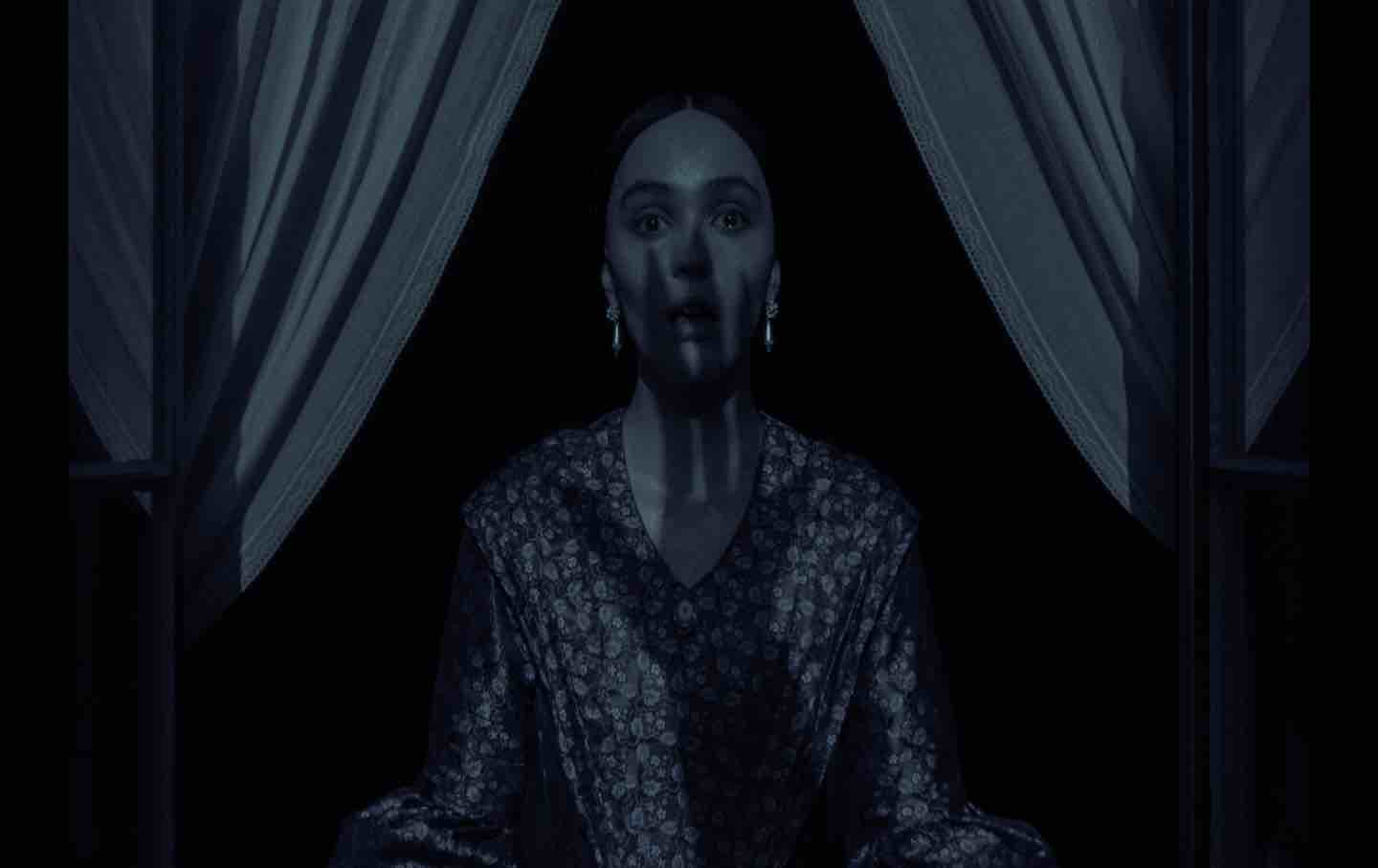
Lily-Rose Depp as Ellen Hutter in director Robert Eggers’s “Nosferatu.”
(Aidan Monaghan / Focus Features)

Kelli Weston: “Perhaps no contemporary filmmaker is better suited for this lofty revival than [Robert] Eggers, already inclined to trace the lineage of the Gothic project and, invariably, the ongoing anxieties this mode is uniquely disposed to express.”

Support independent journalism that does not fall in line

Even before February 28, the reasons for Donald Trump’s imploding approval rating were abundantly clear: untrammeled corruption and personal enrichment to the tune of billions of dollars during an affordability crisis, a foreign policy guided only by his own derelict sense of morality, and the deployment of a murderous campaign of occupation, detention, and deportation on American streets. 

Now an undeclared, unauthorized, unpopular, and unconstitutional war of aggression against Iran has spread like wildfire through the region and into Europe. A new “forever war”—with an ever-increasing likelihood of American troops on the ground—may very well be upon us.  

As we’ve seen over and over, this administration uses lies, misdirection, and attempts to flood the zone to justify its abuses of power at home and abroad. Just as Trump, Marco Rubio, and Pete Hegseth offer erratic and contradictory rationales for the attacks on Iran, the administration is also spreading the lie that the upcoming midterm elections are under threat from noncitizens on voter rolls. When these lies go unchecked, they become the basis for further authoritarian encroachment and war. 

In these dark times, independent journalism is uniquely able to uncover the falsehoods that threaten our republic—and civilians around the world—and shine a bright light on the truth. 

The Nation’s experienced team of writers, editors, and fact-checkers understands the scale of what we’re up against and the urgency with which we have to act. That’s why we’re publishing critical reporting and analysis of the war on Iran, ICE violence at home, new forms of voter suppression emerging in the courts, and much more. 

But this journalism is possible only with your support.

This March, The Nation needs to raise $50,000 to ensure that we have the resources for reporting and analysis that sets the record straight and empowers people of conscience to organize. Will you donate today?

The Nation

Founded by abolitionists in 1865, The Nation has chronicled the breadth and depth of political and cultural life, from the debut of the telegraph to the rise of Twitter, serving as a critical, independent, and progressive voice in American journalism.

More from The Nation

Robert A.M. Stern gives a construction tour of the George W. Bush Presidential Center.

The Neoliberalism of Robert A.M. Stern The Neoliberalism of Robert A.M. Stern

The passing of postmodern architecture’s last living holdout marks the end of an era—and reminds us that we’re in a new, worse one.

Kate Wagner

The Cinema of Societal Collapse

The Cinema of Societal Collapse The Cinema of Societal Collapse

This year’s Oscar-nominated international feature films—especially The Secret Agent and Sirāt—tackle what it means to live and die under tyranny.

Books & the Arts / Vikram Murthi

A page taken from the Merriam-Webster's Desktop Dictionary, 2016.

Can the Dictionary Keep Up? Can the Dictionary Keep Up?

In Stefan Fatsis’s capacious, and at times score-settling, personal history of the reference book, he reveals what the dictionary can still tell us about language in modern life

Books & the Arts / Lora Kelley

An internet cafe in Beijing, 2007.

Why We Misunderstand the Chinese Internet Why We Misunderstand the Chinese Internet

Journalist Yi-Ling Liu’s The Wall Dancers traces how the Internet affected daily life in China, showing how similar this corner of the Web is to the one experienced in the West.

Books & the Arts / Rebecca Liu

The Bad Vibes of “Wuthering Heights”

The Bad Vibes of “Wuthering Heights” The Bad Vibes of “Wuthering Heights”

Keeping its distance from the novel, Emerald Fennell’s film ends up offering us a mirror of our own times.

Books & the Arts / Sarah Chihaya

A fast-food restaurant in France, 1982.

Has Contemporary Fiction Ignored the Working Class? Has Contemporary Fiction Ignored the Working Class?

Claire Baglin’s bracing On the Clock gives its readers a close look at work behind the fry station, and in the process asks what experiences are missing from mainstream letters.

Books & the Arts / Rachel Vorona Cote