The Oscars Are Upon Us
Who will win big at the biggest night in movies?
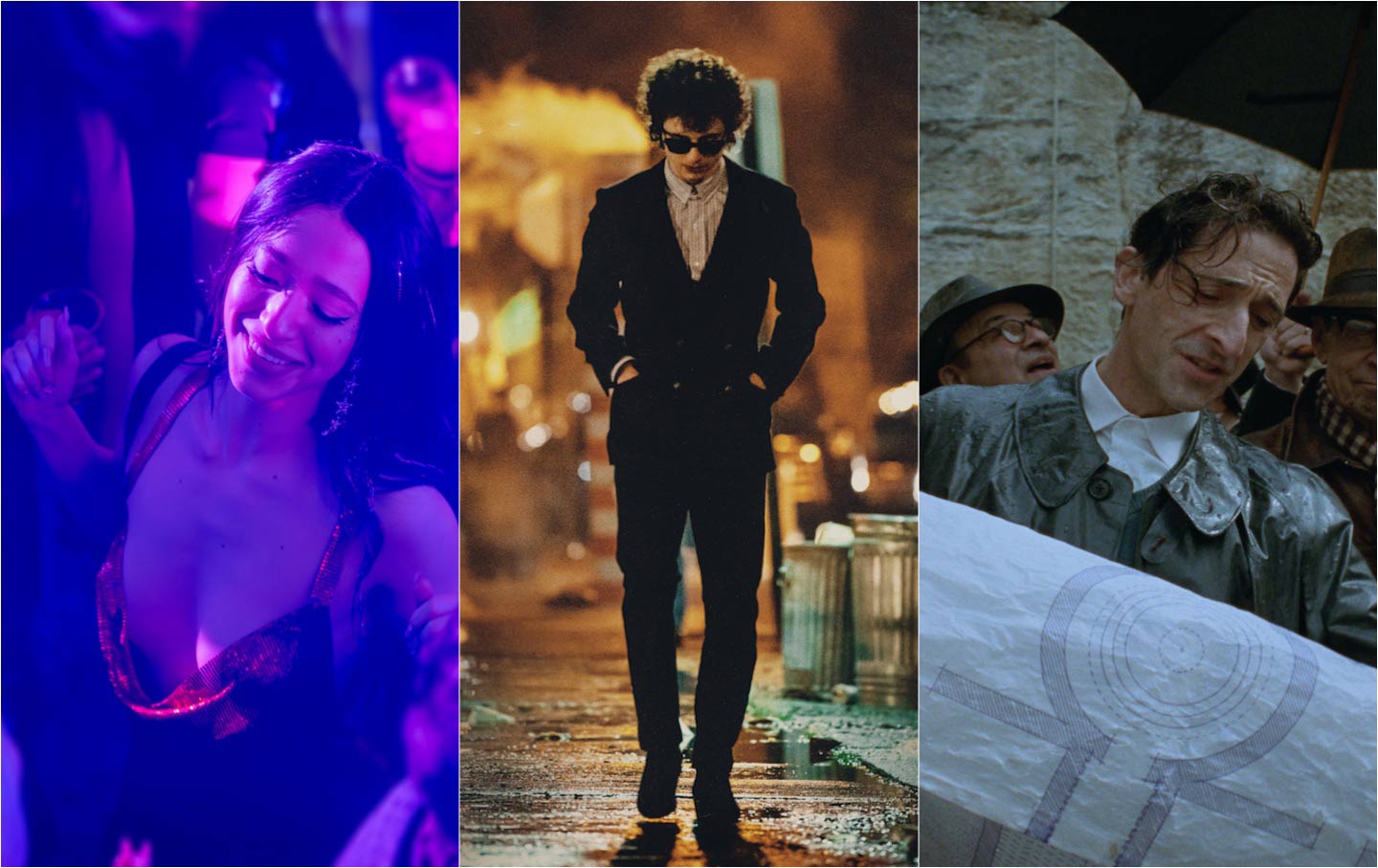
This weekend, after another year of movies, the Oscars have arrived. At The Nation, we’ve reviewed a lot of the award contenders and while your guess is as good as ours on the night’s winners, we think our critics—Beatrice Loayza, Kate Wagner, Sam Adler-Bell, Jorge Cotte, Stephen Kearse, Andre Pagliarini, David Klion, Ahmed Moor, and Kelli Weston—will help you better understand the last year in film. Here are a list of some of our favorites.
The Brutalist
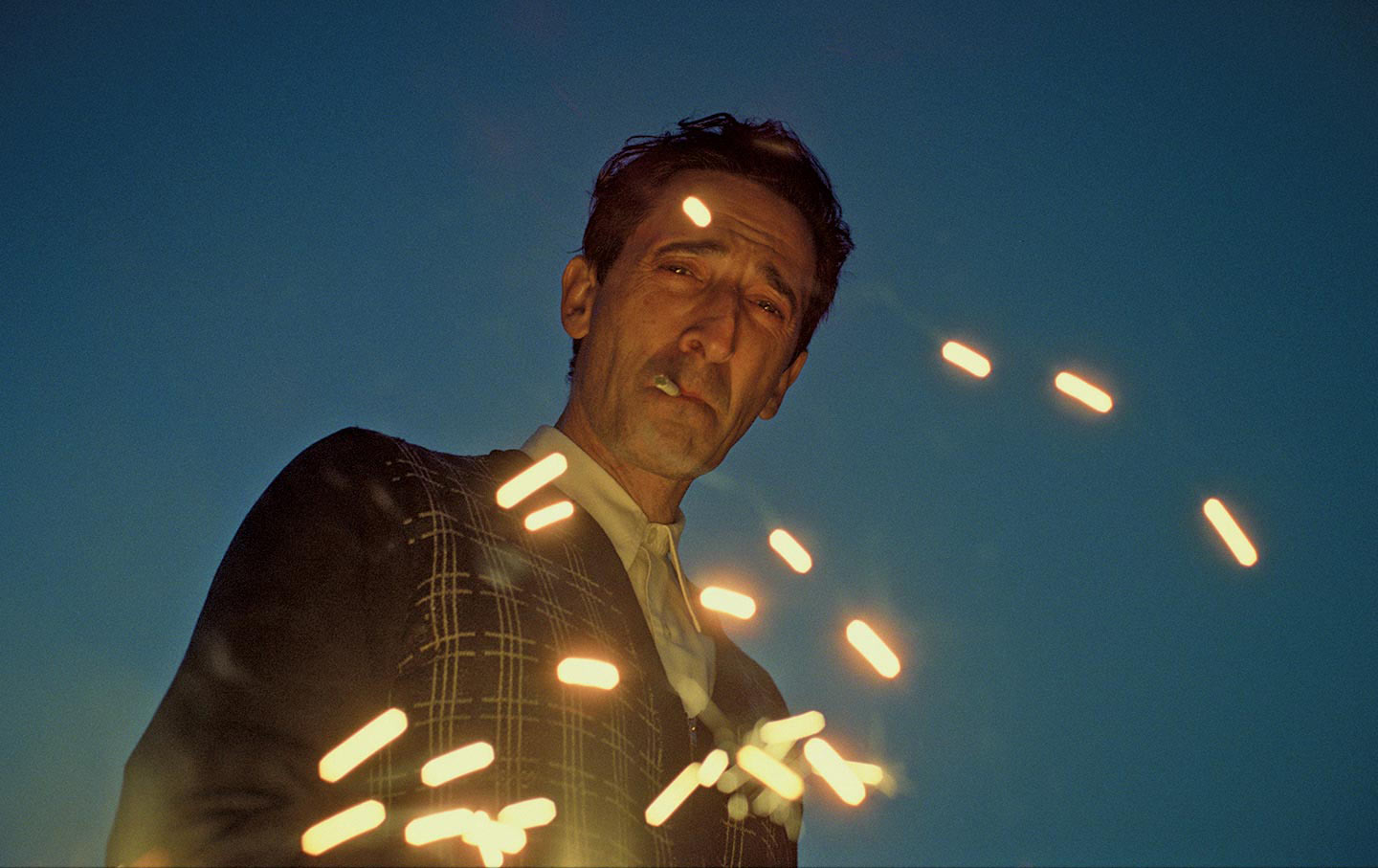
Kate Wagner: “The Brutalist provides its audience with a window onto a side of architecture that is always lurking in the shadows: who makes it, and for whom.”
Anora
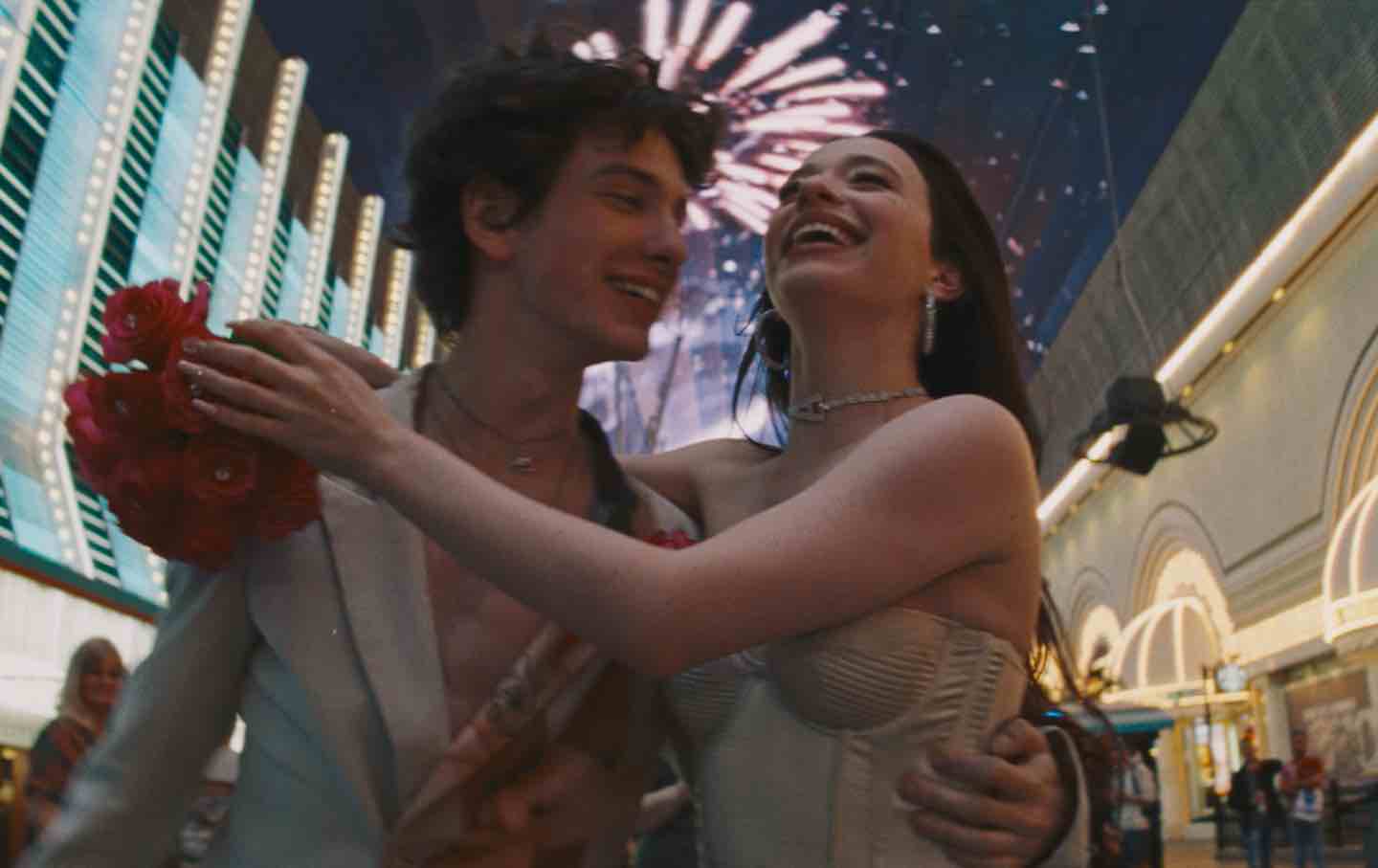
Beatrice Loayza: “[Sean] Baker’s characters may be condemned to their contexts, yet they are also treated like mythic heroes, simultaneously realistic and larger-than-life.”
A Complete Unknown
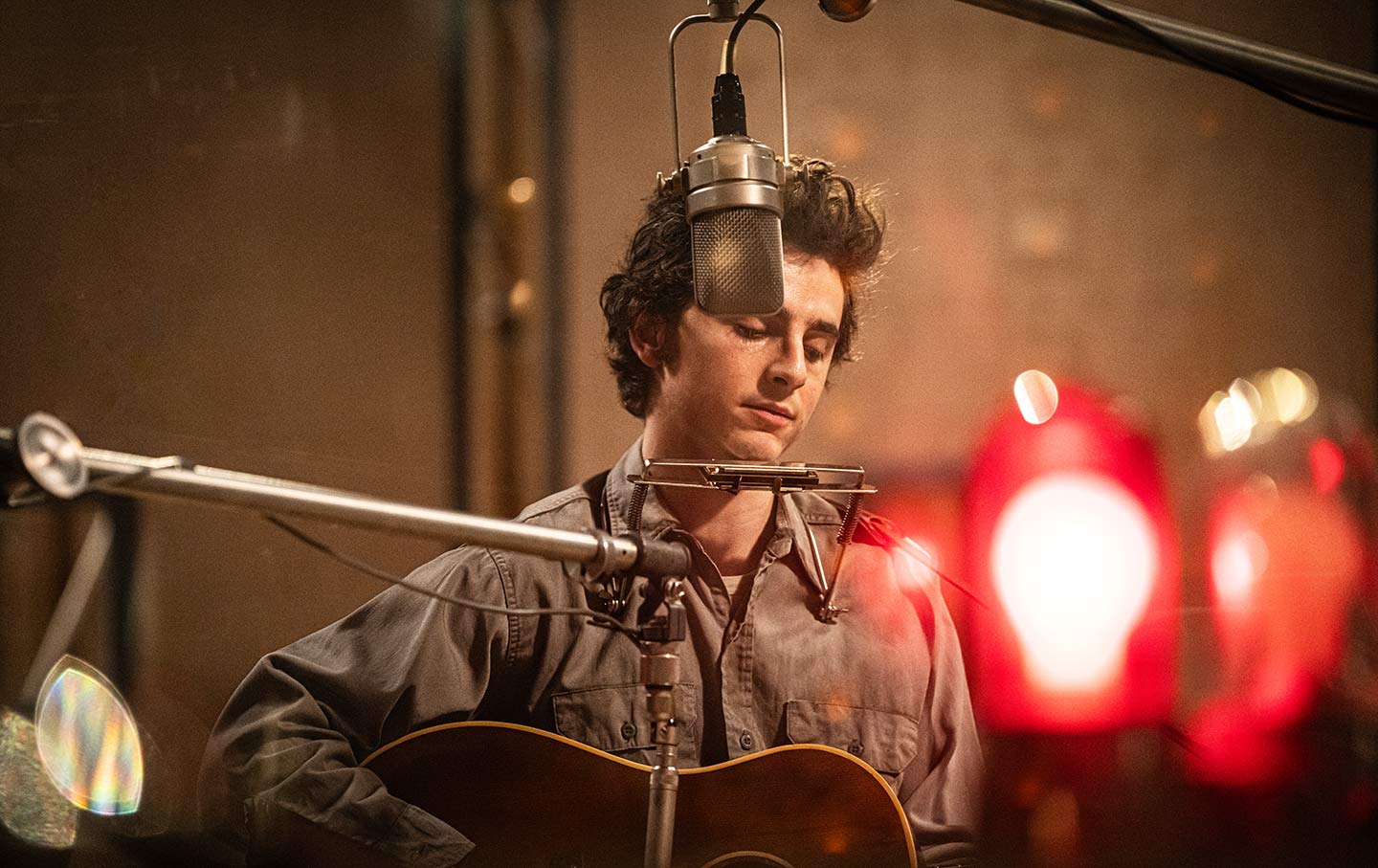
Sam Adler-Bell: “The film, which stars Hollywood wonder waif Timothée Chalamet, is suffused with unspecific nostalgia. It reminds you of everything, and yet its ingredients are still a bit of puzzle.”
Dune: Part Two

Jorge Cotte: “[Denis] Villeneuve streamlines the vast scope of Herbert’s story into a series of sweeping set pieces, more plentiful in this installment and meticulously executed.”
Nickel Boys
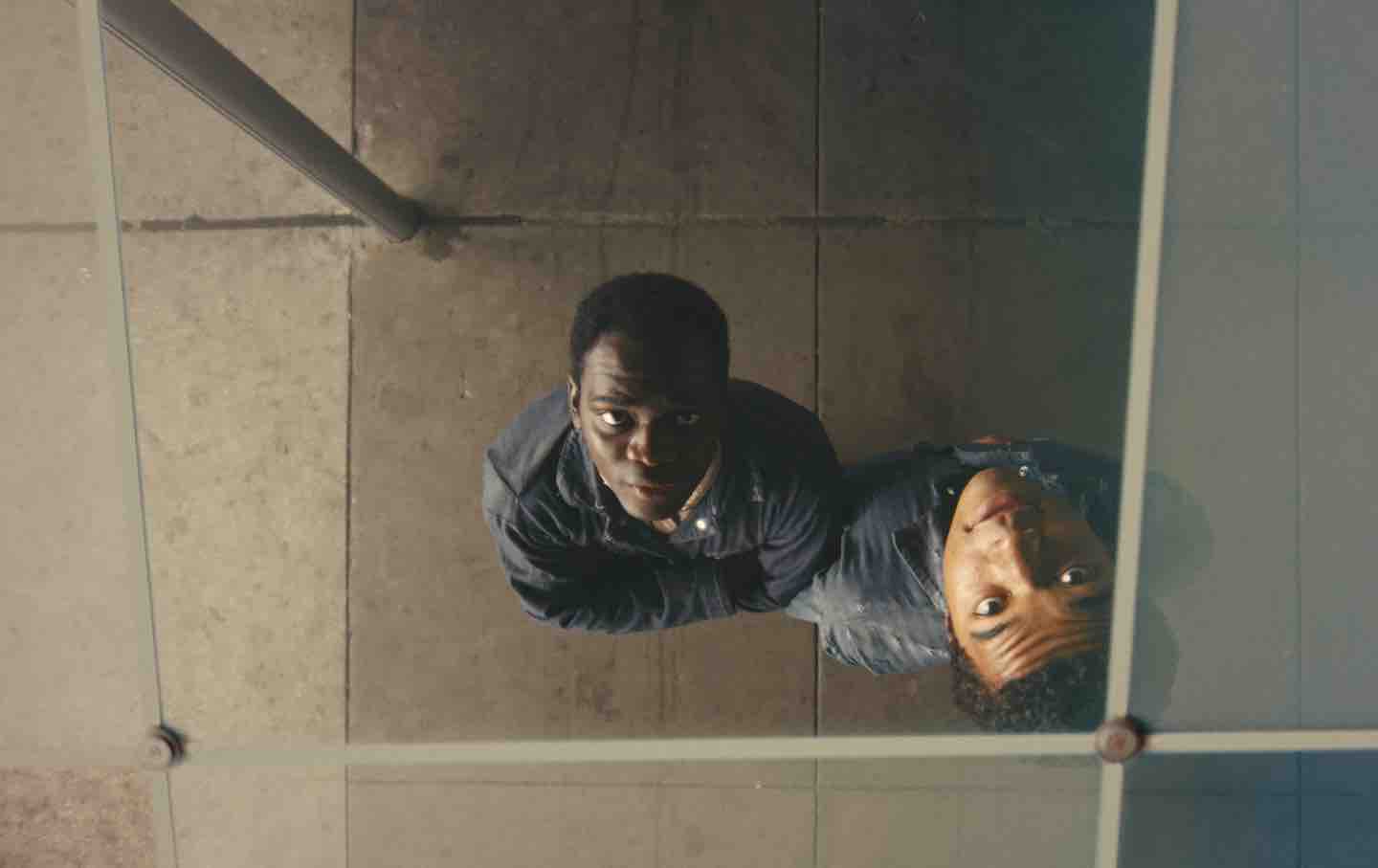
Stephen Kearse: “The contradiction of [RaMell] Ross’s approach is that these deep investments in subjectivity don’t actually yield much interiority.”
I’m Still Here
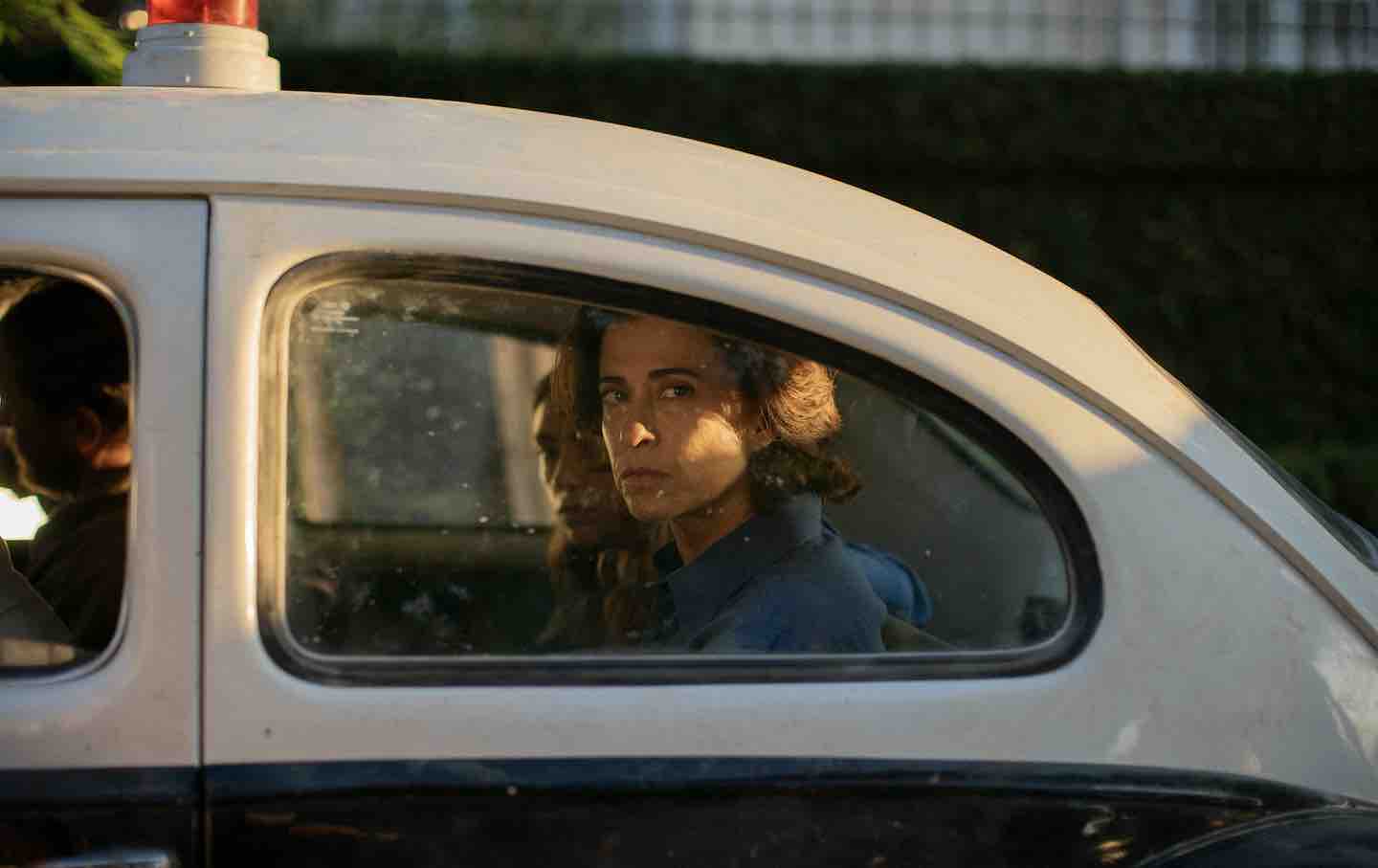
Andre Pagliarini: “Through the dire experience of one privileged, well-connected family, [Walter] Salles presents a chilling portrait of what happens when a government declares war on its citizens.”
The Apprentice
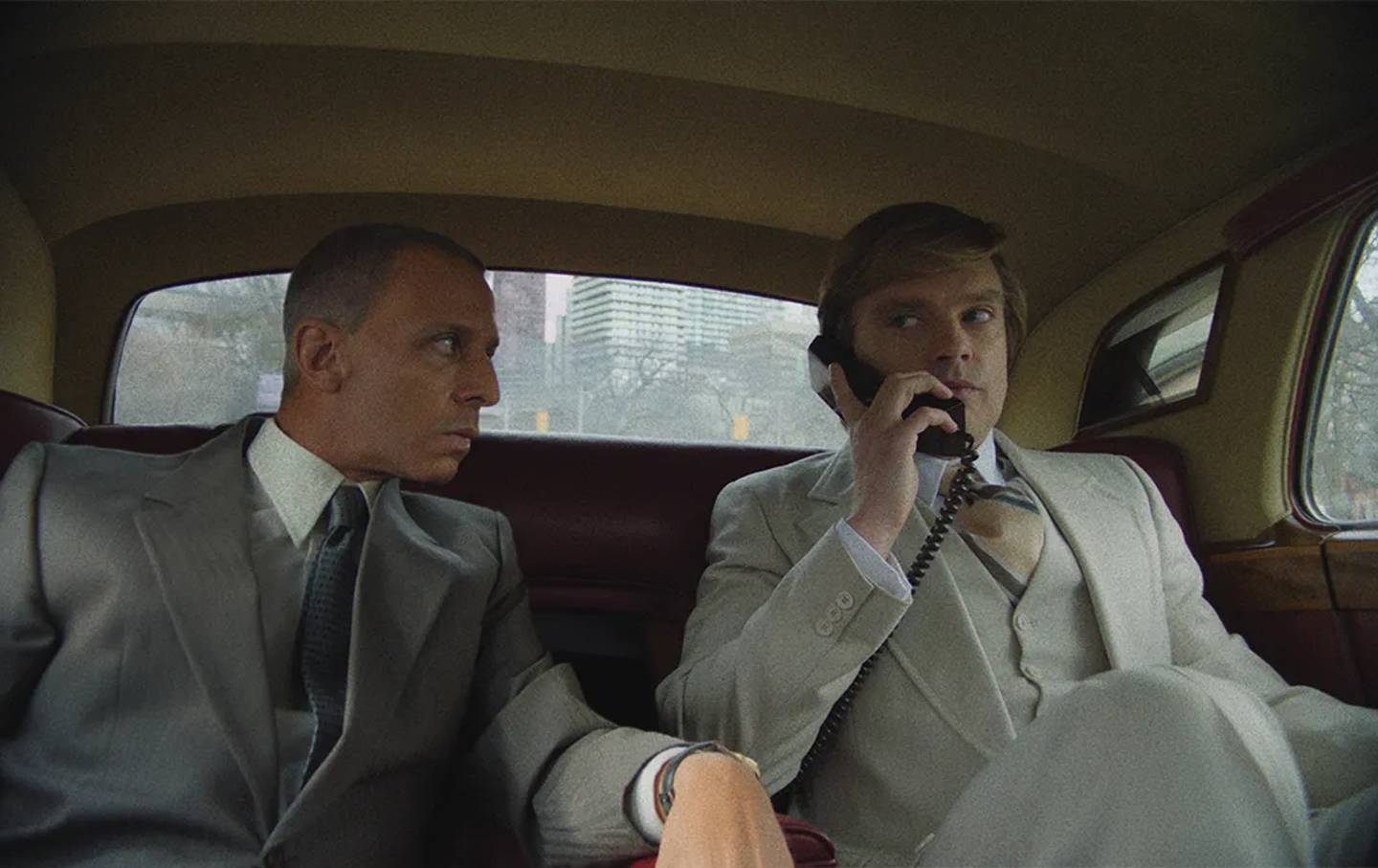
David Klion: “The filmmakers, and especially the cast, have managed to take seriously a fundamentally unserious man and to draw a portrait that is all the more unsettling for being fair-minded.”
No Other Land

Ahmed Moor: “The Nakba continues; No Other Land makes this very clear.”
Nosferatu
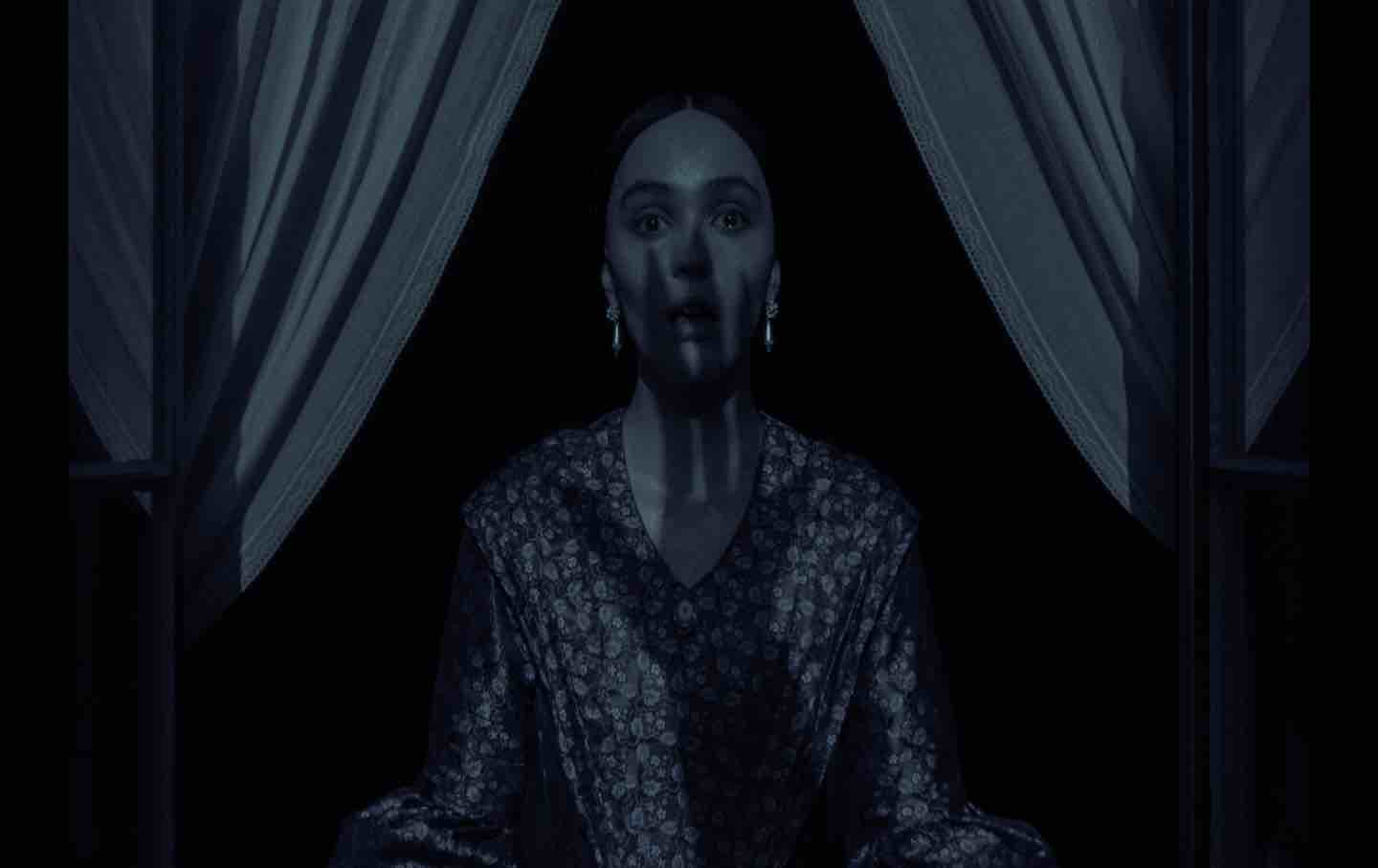
Kelli Weston: “Perhaps no contemporary filmmaker is better suited for this lofty revival than [Robert] Eggers, already inclined to trace the lineage of the Gothic project and, invariably, the ongoing anxieties this mode is uniquely disposed to express.”