
Biden’s Mindless Escalation Is a Final Betrayal of Ukraine
Instead of preparing for inevitable negotiations, the outgoing president adds fuel to the fire.

In the twilight of his failed presidency, Joe Biden is making clear that his core identity is as a foreign policy hawk. Although Biden logged some impressive domestic achievements under the aegis of Build Back Better, he followed the tragic pathway of an earlier Democratic president, Lyndon Baines Johnson, in being willing to sacrifice popular domestic programs on behalf of interminable wars. Biden didn’t just support Ukraine and Israel with vast funds and weapons supplies; his administration repeatedly resisted calls for negotiations and ceasefires.
There’s an instructive contrast between Biden and the man who made Biden his running mate in 2008. When Hillary Clinton lost to Donald Trump in 2016, Barack Obama spent considerable energy shoring up progressive gains through executive actions. Among other actions, Obama restricted Arctic drilling, pushed for more enrollments in Obamacare, closed a Bush era registry on Muslim and Arab men, and instituted a robust pardon or commutation review for many victims of injustice, including whistleblower Chelsea Manning.
Biden, by contrast, has been focused mainly on foreign affairs, with the exception of pushing through a few more judicial nominees. Biden continues to be adamant in sending military aid to Israel, even getting political allies such as Senate majority leader Chuck Schumer to lobby against Senator Bernie Sanders’s efforts to block sales of weapons to Israel. The Biden administration also vetoed a UN resolution calling for a ceasefire—again a marked contrast to Obama, who in December 2016 refused to veto a UN resolution critical of Israel settlements. Biden has shown that he won’t lift even the smallest finger to oppose the oppression and ethnic cleansing of Palestinians.
On Ukraine as well, Biden continues to be an ultra-hawk. On Wednesday, Ken Klippenstein reported on his Substack:
The Biden administration today announced its decision to allow Ukraine to use American anti-personnel mines. The move contradicts not just Biden’s past opposition to the use of such weapons, but also his vow to ensure a “peaceful and orderly transition” for president-elect Donald Trump.
Coming on top of the administration’s decision to permit Ukraine to fire U.S.-supplied ATACMS missiles into Russia and its declaration that it is rushing as much U.S. aid and arms to Kyiv as possible, the Biden administration is breaking the long-standing custom between administrations to not make situations worse between the election and the inaugural.
Biden’s escalation in Ukraine comes at a strange time. The war is going badly for Ukraine, with war weariness among the population evidenced both in public opinion polls and intensifying resistance to conscription. On Tuesday, Gallup released a new poll, summarizing, “After more than two years of grinding conflict, Ukrainians are increasingly weary of the war with Russia. In Gallup’s latest surveys of Ukraine, conducted in August and October 2024, an average of 52% of Ukrainians would like to see their country negotiate an end to the war as soon as possible.”
Further, many American foreign policy analysts who had previously advocated robustly arming Ukrainian resistance to Russian aggression are now acknowledging that the time to negotiate has come.
Writing in Foreign Policy, Matthew Duss (executive vice president at the Center for International Policy) and Robert Farley (a professor of international relations at the University of Kentucky), note that “the military situation appears quite desperate and increasingly serious for Ukraine.” Given this reality, “Ukraine will need to make extremely difficult decisions about what, precisely, it values. There is little serious debate that Ukraine will need to exchange territory for peace. The important question is what else Ukraine will need to concede.”
Duss and Farley argue that the proper course is to push the incoming Trump administration to negotiate a settlement that genuinely secures Ukrainian sovereignty, even if it means giving up some of the “maximalist” goals that pro-Ukrainian advocates have previously had.
A similar note of sober realism appeared in a recent New York Times audio essay by Megan Stack, a former foreign correspondent and writer for the opinion section. According to Stack, “Ukraine is losing the war,” which means now is the time “to look to save lives and perhaps speed up what is an inevitable ending.”
Reflecting on the larger tragedy of Ukraine, Stack makes the devastating point that the United States has given the Central European nation enough arms to fight but not enough to win, which is the worst of both worlds. This has led Ukraine to massive loss of life for no clear purpose.
Stack says that “we have supported Ukraine enough to keep the war going, but we have not supported Ukraine enough to win the war.”
She adds,
I think that this war, it is, in many ways, an extension of this dynamic that I’ve seen for many years in covering Ukraine, covering Russia, which is that the US involves itself in a way that makes places like Ukraine vulnerable to Russian attack. We say to Ukraine that we are going to support them no matter what, only to, in the end, back away. And we’re not willing to give that protection to the degree that it would be needed when a real crisis hits.
Since the end of the Cold War, American foreign policy toward Ukraine has been feckless. The United States has dangled the false promise of NATO membership, which has antagonized Russia without offering Ukraine real security. Biden is not alone in his irresponsibility, which was shared also by his predecessors going back to Bill Clinton. But Biden followed this irresponsible foreign policy to a particularly deadly conclusion.
Negotiations now would indeed be welcome, but it is worth noting that the best time for Ukraine to negotiate was the spring of 2022, when the Russian army was on the ropes and the best possible deal could have been secured. By some reports, the United States and its NATO allies scuttled that negotiation.
Popular
“swipe left below to view more authors”Swipe →Why is Biden escalating now, when it is too late? Perhaps he hopes to trap the incoming Trump administration into a quagmire. It’s also possible that, like Richard Nixon and Henry Kissinger during the Vietnam War, Biden is using aggression to fend off the end of the war and create a “decent interval” between the time he leaves office and the ultimate collapse of the American effort. Both of these scenarios are deeply shameful.
Foreign policy was Joe Biden’s great weakness as a president, even though it was something he wrongly took great pride in. As Biden leaves office, the Democrats have to come to terms with his failure—and craft a new foreign policy that eschews great-power hubris and practices the art of diplomacy.
More from The Nation

Progressives Are Backing Puerto Rican Independence. It’s About Time. Progressives Are Backing Puerto Rican Independence. It’s About Time.
More and more leftists are concluding that statehood for the island is not enough.
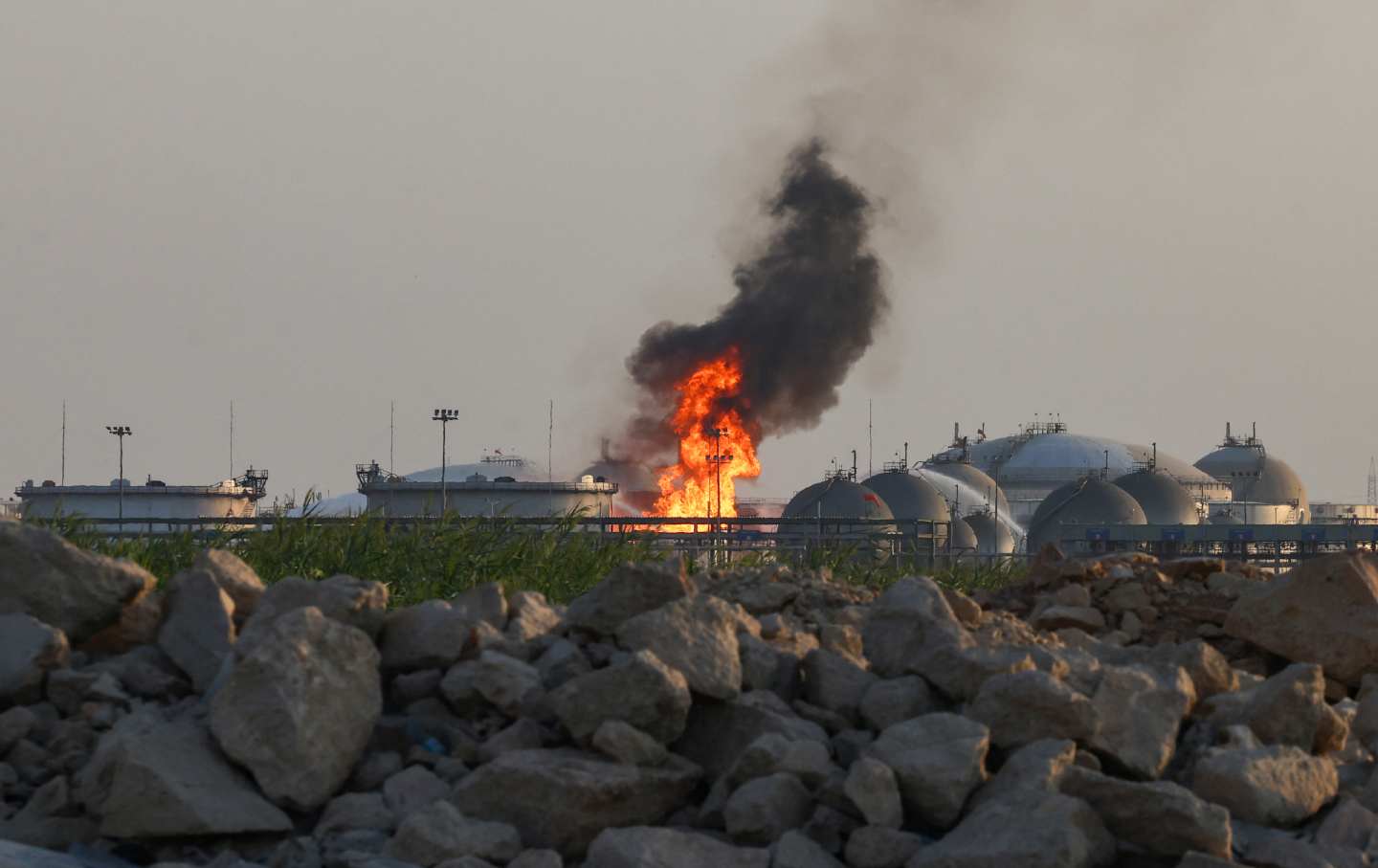
The Saudi Phase of the Iran War Signals More Chaos to Come The Saudi Phase of the Iran War Signals More Chaos to Come
The conflict that Donald Trump has repeatedly proclaimed an unequivocal American victory keeps spiraling out of control.
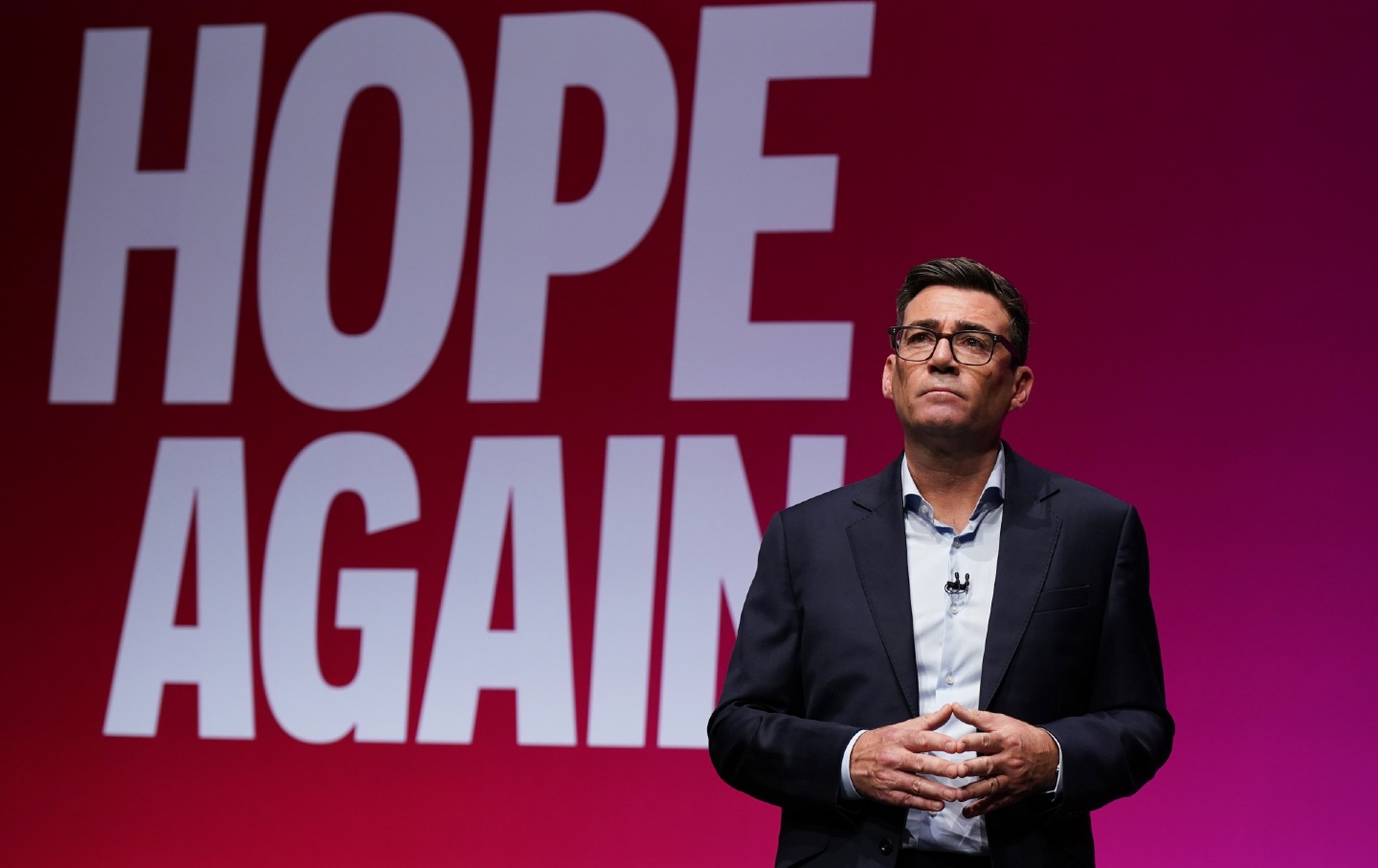
Andy Burnham’s Speech to the Labour Party Conference Could Be the Start of a Positive Social-Democratic Politics Andy Burnham’s Speech to the Labour Party Conference Could Be the Start of a Positive Social-Democratic Politics
But the autumn budget to be released at the end of October will offer needed details.

Why Navi Pillay’s Receiving the Nobel Peace Prize Is So Important Why Navi Pillay’s Receiving the Nobel Peace Prize Is So Important
She believes that human rights and international law are universal principles that must be enforced regardless of violator’s ideology, ethnicity, or geostrategic alignment.
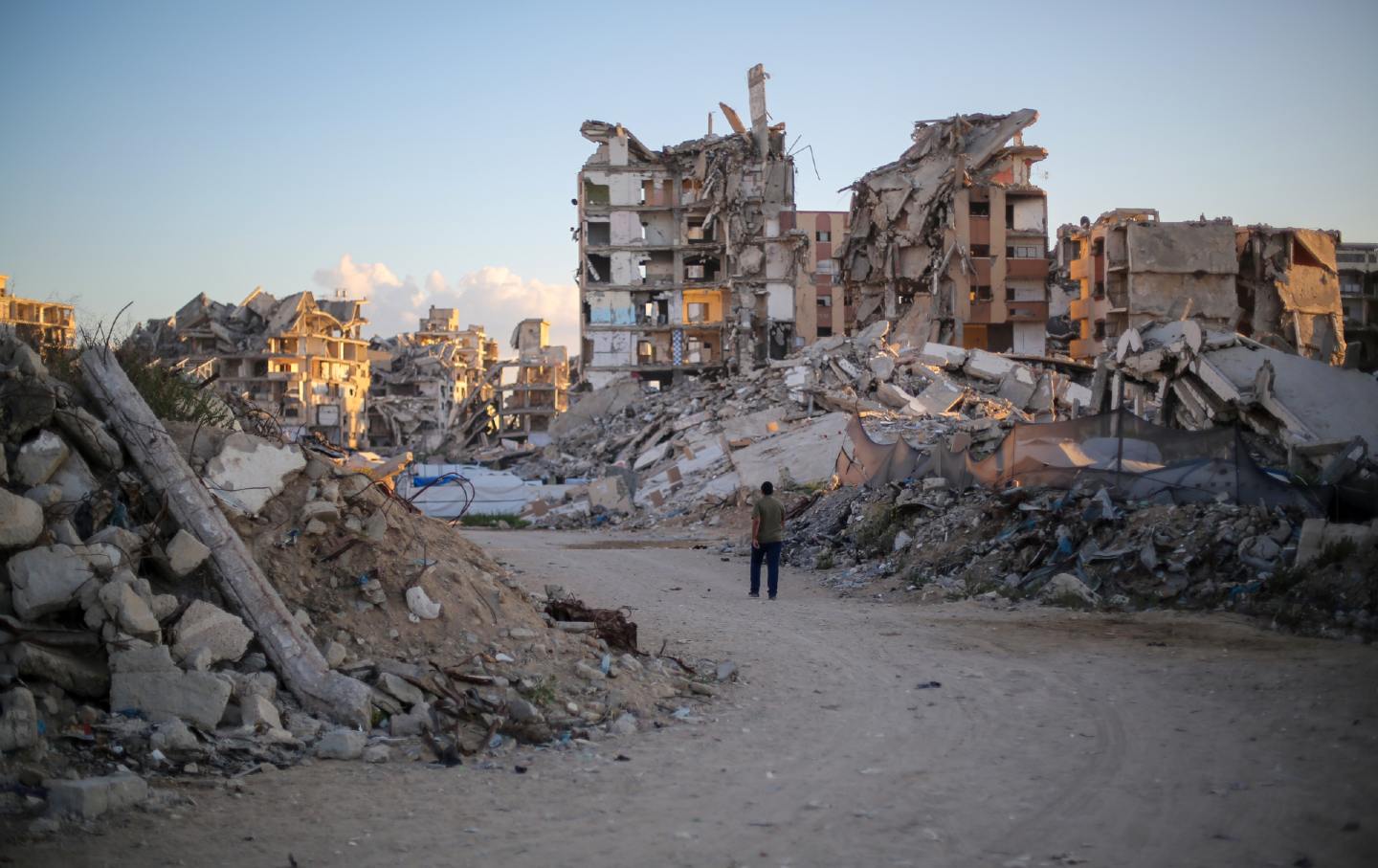
Writing About War as Bombs Fall Writing About War as Bombs Fall
While the Israeli government launched a well-orchestrated offensive of disinformation and hyperbole that would make the illegal permissible in the war on Gaza.

