
Report From Gaza: “The Hospital Yard Is Filled With Corpses”
Israel’s bombardment has pushed Gaza’s largest hospital, Al-Shifa, beyond its capacity, with electricity and water cuts endangering the lives of patients.
Dr. Mohammad Abu Salmiya, the director general of Dar Al-Shifa (House of Healing) Hospital and the chairman of the Emergency Committee in the Gaza Strip, has said that if the world does not intervene to stop Israel’s bombardment and intensified siege of the Gaza Strip, “We will be in a catastrophic health situation, and the health system at Al-Shifa Hospital will collapse within hours.”
Abu Salmiya spoke to me on Thursday afternoon from the hospital, trying to juggle his responsibilities to staff and patients with his determination to keep journalists informed about the crisis at the medical center. He was clearly exhausted and overwhelmed by the chaos.
“The scene is tragic. We are witnessing unprecedented numbers almost every hour, reaching 100 wounded and 20 martyrs every hour. We have never witnessed these numbers before.”
The capacity of Al-Shifa Hospital, one of the largest hospitals in the Gaza Strip, has reached its limit, he said. Doctors have been forced to place the wounded in corridors, pathways, and on the floor to perform urgent treatment on them.
The intensive care unit can no longer accommodate more wounded, as all beds are occupied and the operation departments are working around the clock. Across Gaza, medical supplies and fuel have almost run out.
According to Abu Salmiya, this extraordinary strain on the hospital has exhausted the medical staff, who have been working continuously for six days with almost no rest. The most difficult moments—which have happened all too frequently—have been those when “staff members received news of the martyrdom of a family member or relative, or that their homes were targeted,” Abu Salmiya said. ”But the staff still did not leave their positions and continued providing medical service.”
Abu Salmiya said that there is currently only enough fuel to last three more days. Some batteries have been provided to replace the fuel in the lighting, but they only work partially and cannot be a sufficient substitute. “These are only temporary solutions,” he warned.
Abu Salmiya added that 120 patients in the intensive care unit need continuous oxygen, as do nursery and premature birth departments, operation rooms, and dialysis units. They also need constant electricity, or their systems will cease and collapse completely, which could mean the loss of the lives of everyone being treated in them.
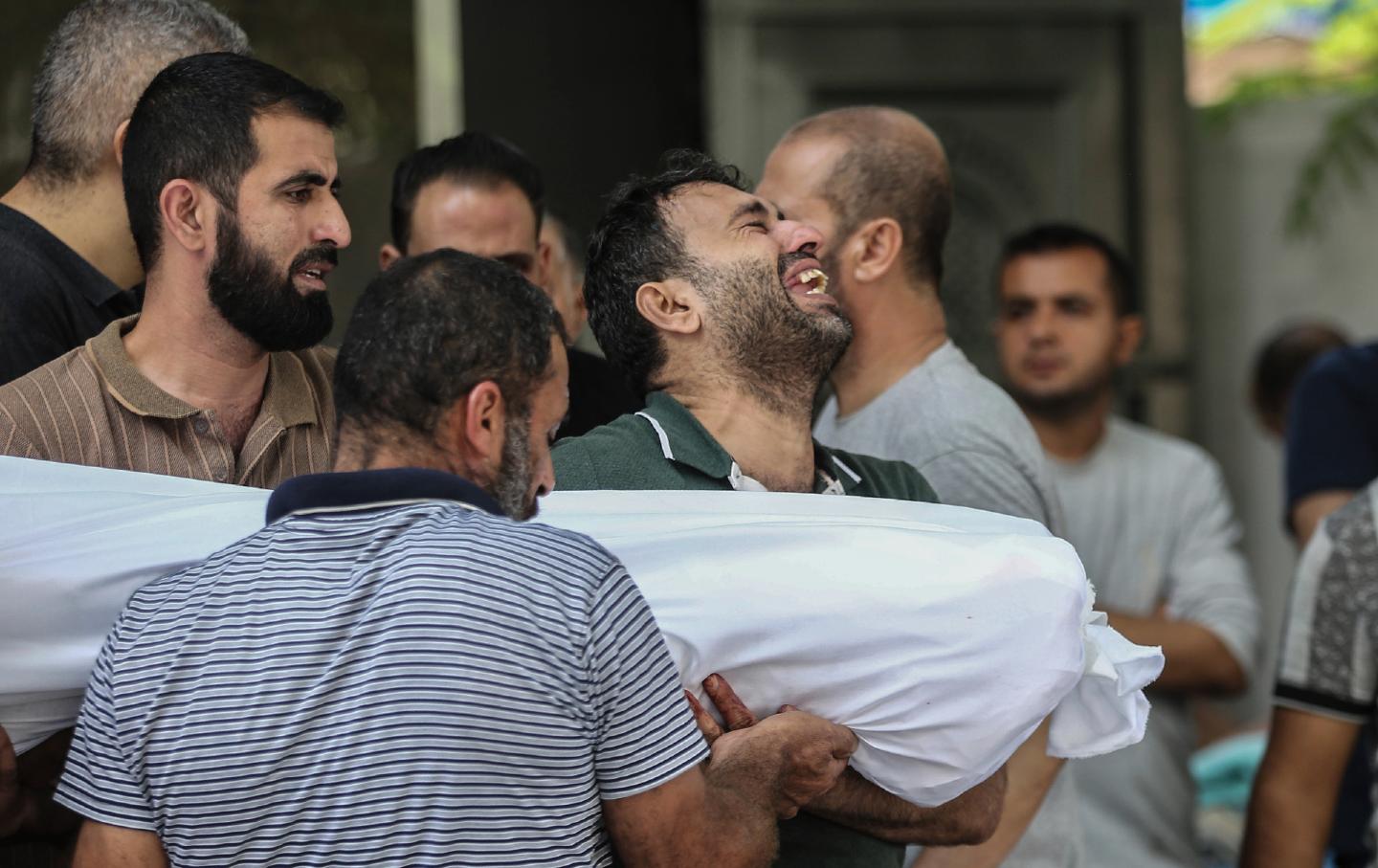
Even the hospital’s services for the dead had to be shuttered. “We decided not to receive the bodies of martyrs in the mortuary refrigerators anymore, because they simply cannot accommodate the huge number of corpses. The hospital yard is now filled with martyrs for families to give a quick farewell, before being taken out of the yard and buried.”
Despite all these challenges, the hospital administration at Al-Shifa is currently seeking to set up tents in the yard to receive some of the wounded, as well as patients who have been discharged, or cannot return to their destroyed homes, or need their conditions monitored. But there are still not enough basic provisions to meet even those services, and there are no alternatives.
As such, Abu Salmiya called on international organizations and the Red Cross to intervene immediately to bring medical supplies and fuel to Gaza, and demanded that foreign governments find serious solutions to the worsening situation.
“It seems that the international community has unanimously agreed on the extermination of the people in Gaza by letting Israel cut off electricity and water and collapsing the entire health system—the most important system in times of wars,” he said.
More from The Nation
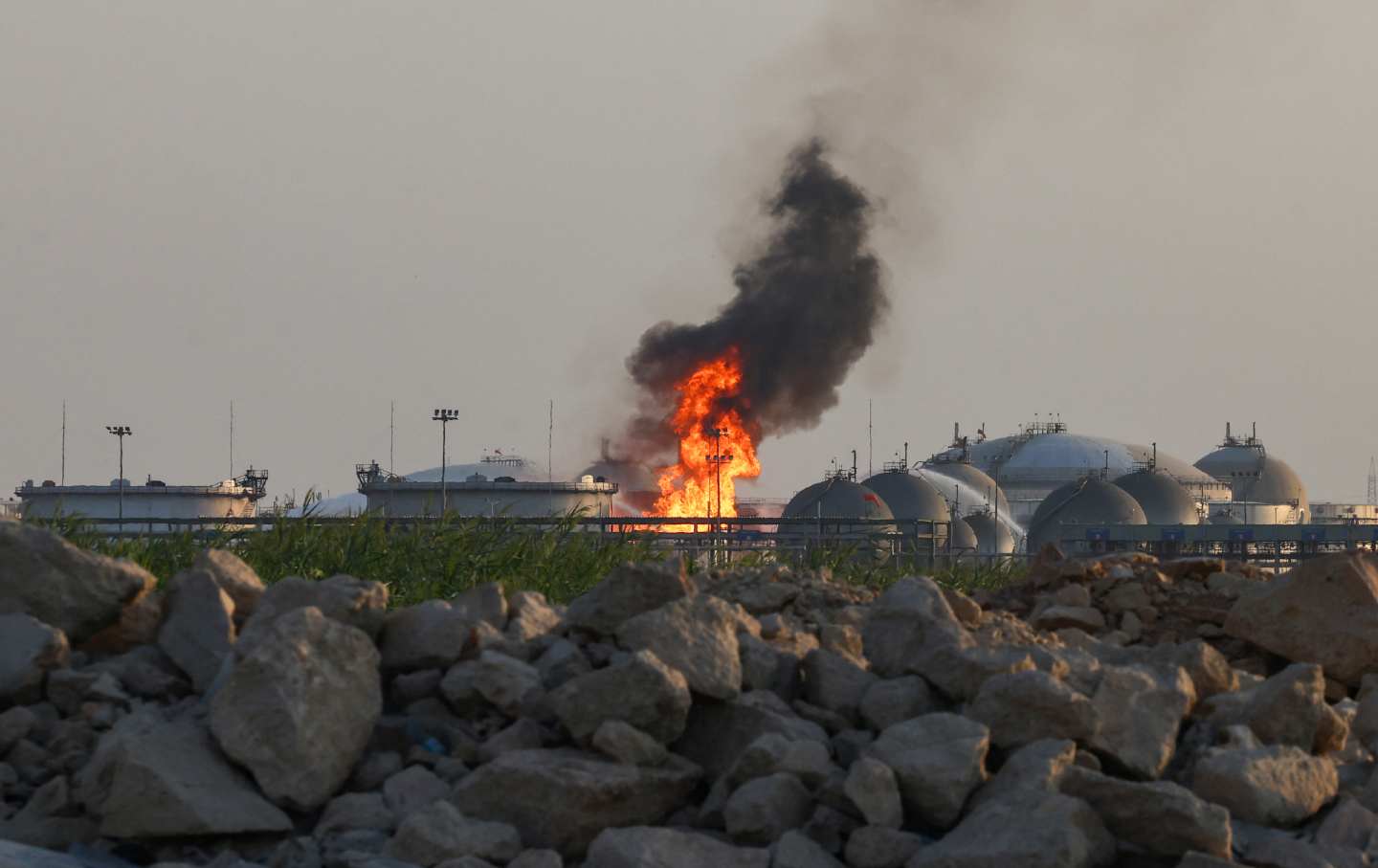
The Saudi Phase of the Iran War Signals More Chaos to Come The Saudi Phase of the Iran War Signals More Chaos to Come
The conflict that Donald Trump has repeatedly proclaimed an unequivocal American victory keeps spiraling out of control.
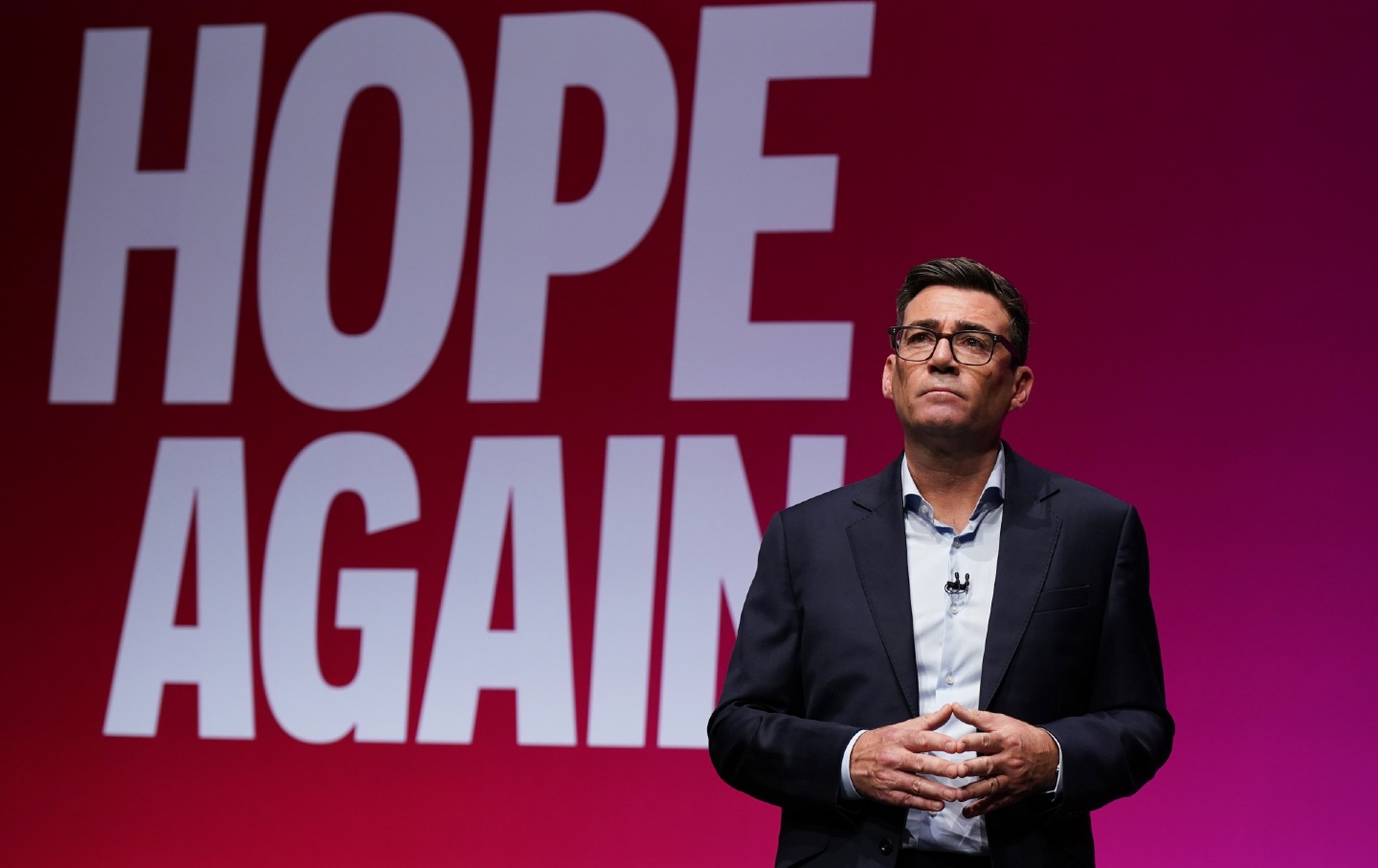
Andy Burnham’s Speech to the Labour Party Conference Could Be the Start of a Positive Social-Democratic Politics Andy Burnham’s Speech to the Labour Party Conference Could Be the Start of a Positive Social-Democratic Politics
But the autumn budget to be released at the end of October will offer needed details.
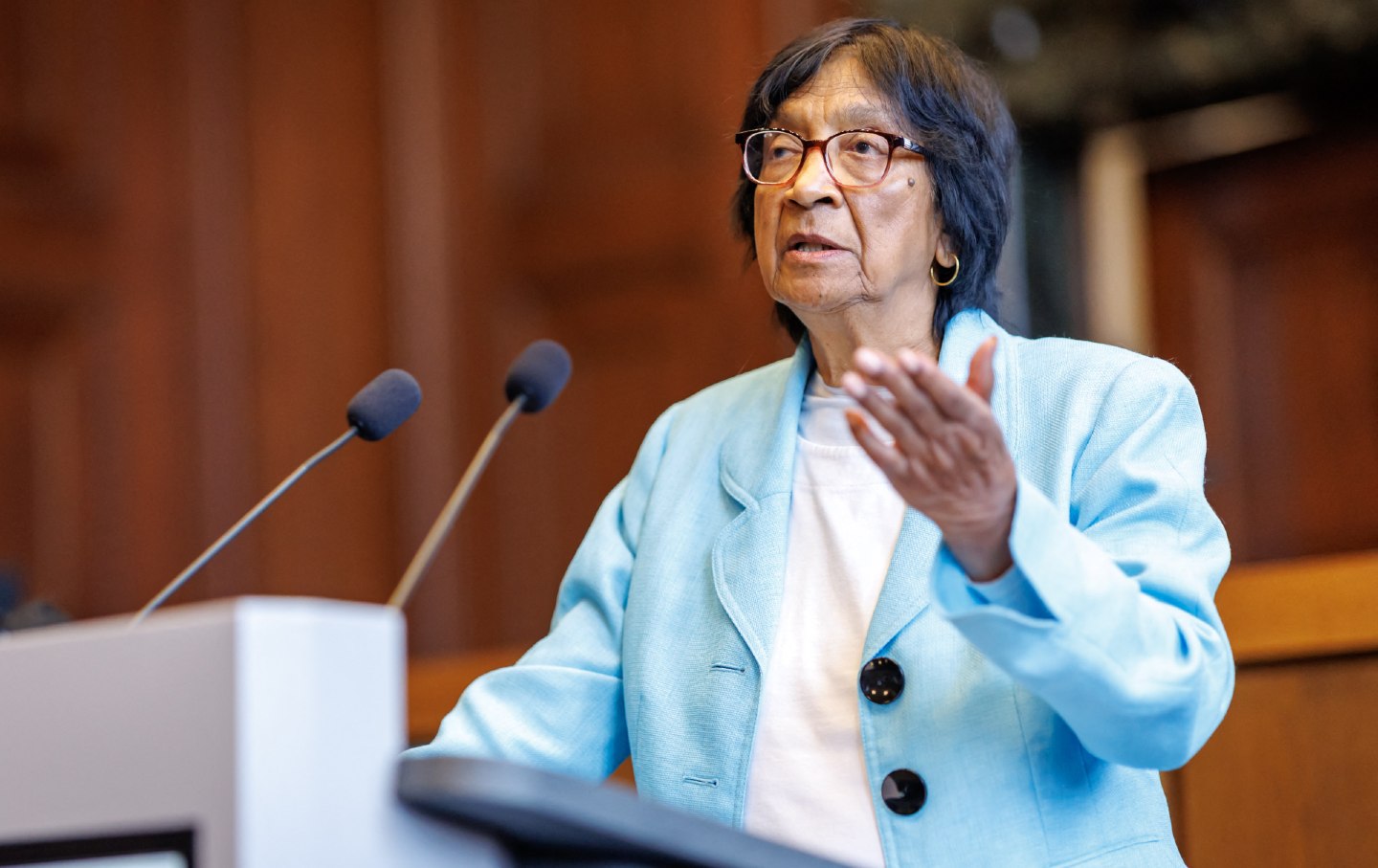
Why Navi Pillay’s Receiving the Nobel Peace Prize Is So Important Why Navi Pillay’s Receiving the Nobel Peace Prize Is So Important
She believes that human rights and international law are universal principles that must be enforced regardless of violator’s ideology, ethnicity, or geostrategic alignment.
Writing About War as Bombs Fall Writing About War as Bombs Fall
While the Israeli government launched a well-orchestrated offensive of disinformation and hyperbole that would make the illegal permissible in the war on Gaza.
Turkey Is Brutally Oppressing Queer People. Here’s What You Need to Know. Turkey Is Brutally Oppressing Queer People. Here’s What You Need to Know.
The government’s sweeping crackdown on the LGBTQ community is an escalation of a decades-long pattern.

