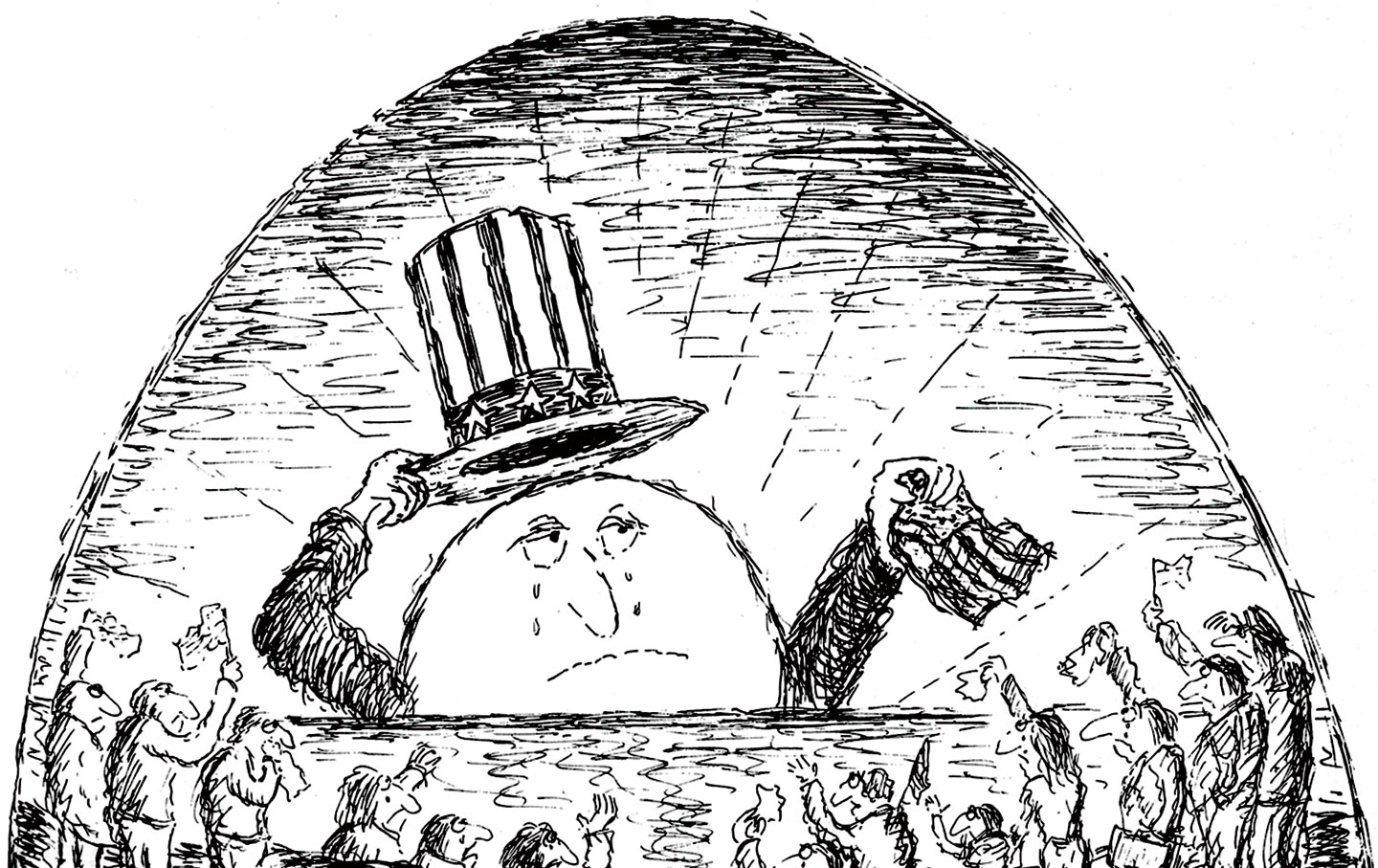
Is America Possible Without Empire? Is America Possible Without Empire?
Rather than sizzle or suffocate, let us get on with imagining a new America.
Mar 23, 2015 / Books & the Arts / William Appleman Williams and Greg Grandin

Freedom’s Song Freedom’s Song
Over The Nation’s 150-year history, each new generation of radicals and reformers has contested the promise—and the meaning—of freedom.
Mar 23, 2015 / Books & the Arts / Eric Foner
Dream Song Dream Song
January 25, 1965 The surly cop lookt out at me in sleep insect-like. Guess, who was the insect. I’d asked him in my robe & hospital gown in the elevator politely why someone saw so many police around, and without speaking he looked. A meathead, and of course he was armed, to creep across my nervous system some time ago wrecked. I saw the point of Loeb at last, to give oneself over to crime wholly, baffle, torment, roar laughter, or without sound attend while he is cooked until with trembling hands hoist I my true & legal ax, to get at the brains. I never liked brains— it’s the texture & the thought— but I will like them now, spooning at you, my guardian, slowly, until at length the rains lose heart and the sun flames out. This article is part of The Nation’s 150th Anniversary Special Issue. Download a free PDF of the issue, with articles by James Baldwin, Barbara Ehrenreich, Toni Morrison, Howard Zinn and many more, here. John Berryman (1914–1972) wrote five essays and eight poems for The Nation between 1935 and 1970. One month after the last poem was published, he sent a letter to the editor noting the “unremitting hostility” of an unfriendly review by “this bastard,” Hayden Carruth.
Mar 23, 2015 / Books & the Arts / John Berryman
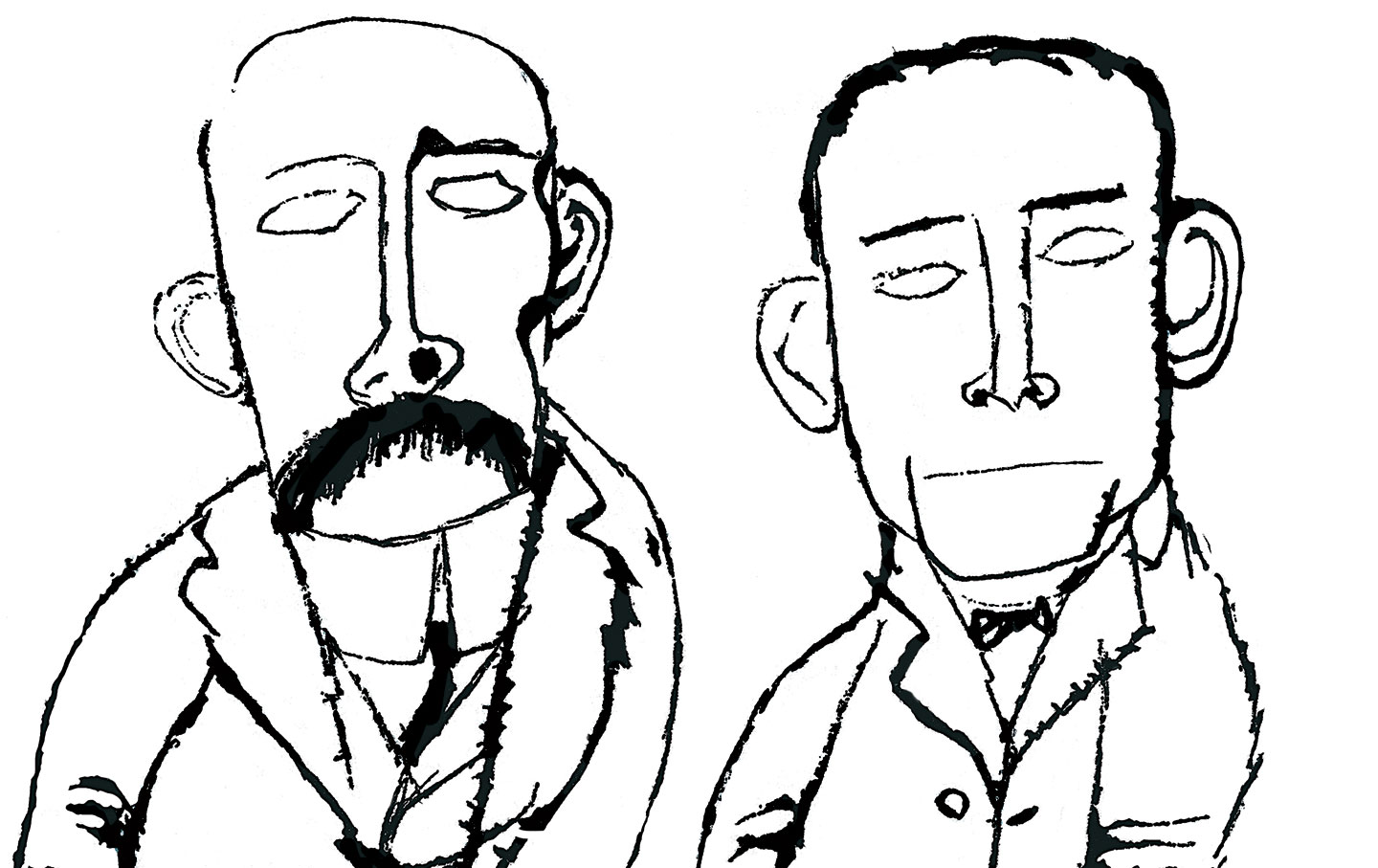
1925–1935: Is Art Possible in the United States? 1925–1935: Is Art Possible in the United States?
There is no best country to write in. There is only the old world and the new.
Mar 23, 2015 / Feature / The Nation

A Message From President Barack Obama A Message From President Barack Obama
The Nation is more than a magazine—it's a crucible of ideas.
Mar 23, 2015 / President Barack Obama
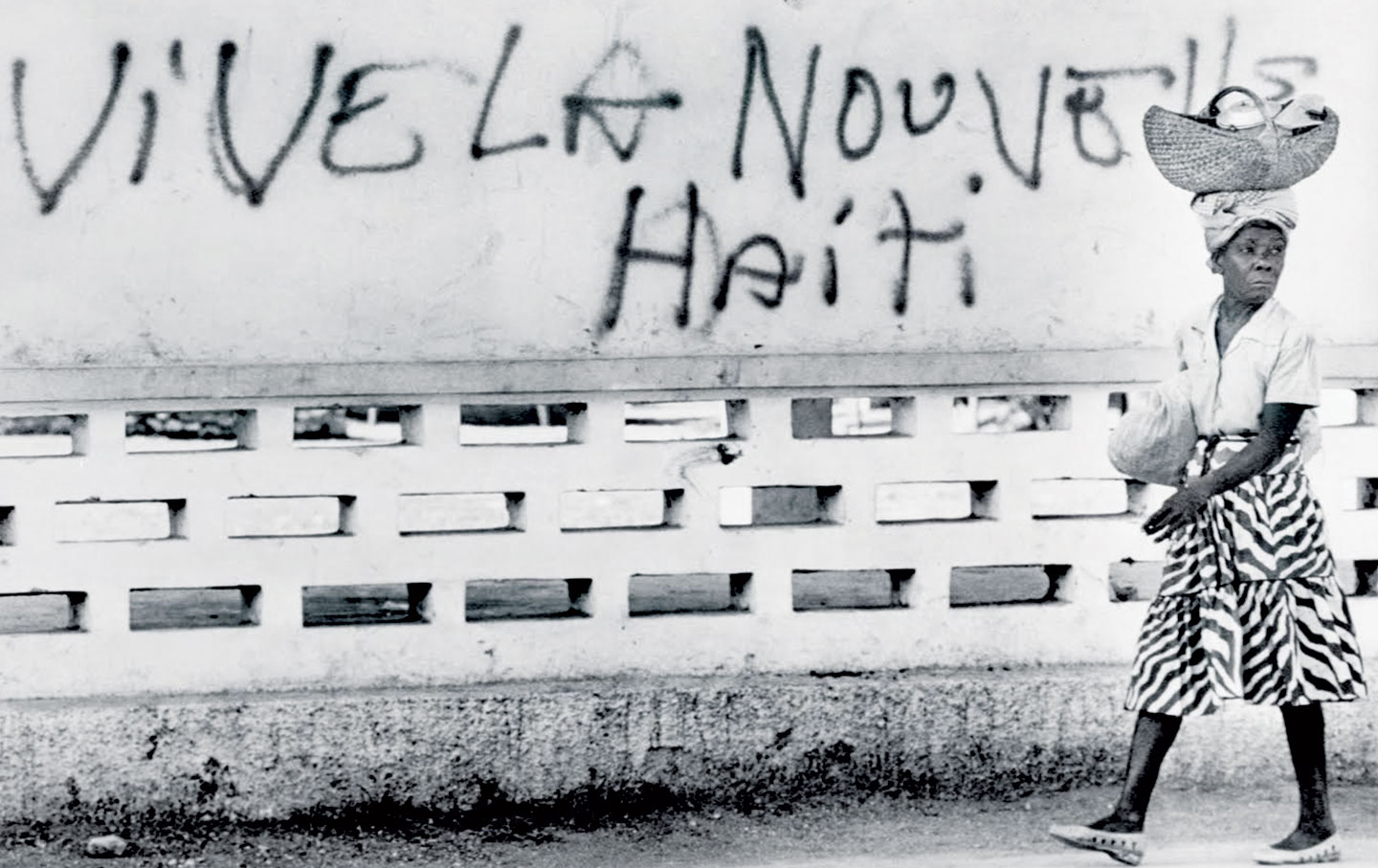
The Future of a Failed State The Future of a Failed State
Nations like Haiti don’t “fail” because of their people, but because they’ve been relentlessly exploited by the more “developed” world.
Mar 23, 2015 / Books & the Arts / Amy Wilentz

Can Women and Men Live Together Again? Can Women and Men Live Together Again?
I hope we might meet as rebels together—not against one another, but against a social order that condemns so many of us to meaningless or degrading work in return for a glimp...
Mar 23, 2015 / Books & the Arts / Barbara Ehrenreich

Cuba Libre Cuba Libre
Covering the island has been a central concern for The Nation since the beginning—producing scoops, aiding diplomacy, and pushing for a change in policy.
Mar 23, 2015 / Books & the Arts / Peter Kornbluh
Varick Street Varick Street
March 15, 1947 At night the factories struggle awake, wretched uneasy buildings veined with pipes attempt their work. Trying to breathe the elongated nostrils haired with spikes give off such stenches, too. And I shall sell you sell you sell you of course, my dear, and you’ll sell me. On certain floors certain wonders. Pale dirty light, some captured iceberg being prevented from melting. See the mechanical moons, sick, being made to wax and wane at somebody’s instigation. And I shall sell you sell you sell you of course, my dear, and you’ll sell me. Lights music of love work on. The presses print calendars I suppose, the moons make medicine or confectionary. Our bed shrinks from the soot and the hapless odors hold us close. And I shall sell you sell you sell you of course, my dear, and you’ll sell me. This article is part of The Nation’s 150th Anniversary Special Issue. Download a free PDF of the issue, with articles by James Baldwin, Barbara Ehrenreich, Toni Morrison, Howard Zinn and many more, here. Elizabeth Bishop (1911–1979), the poet laureate of the United States from 1949 to 1950, published two poems in The Nation between 1945 and 1947, when Randall Jarrell was interim literary editor. She was a longtime friend of the more frequent Nation contributor Marianne Moore, who in a 1946 review in these pages described Bishop as “spectacular in being unspectacular.”
Mar 23, 2015 / Books & the Arts / Elizabeth Bishop
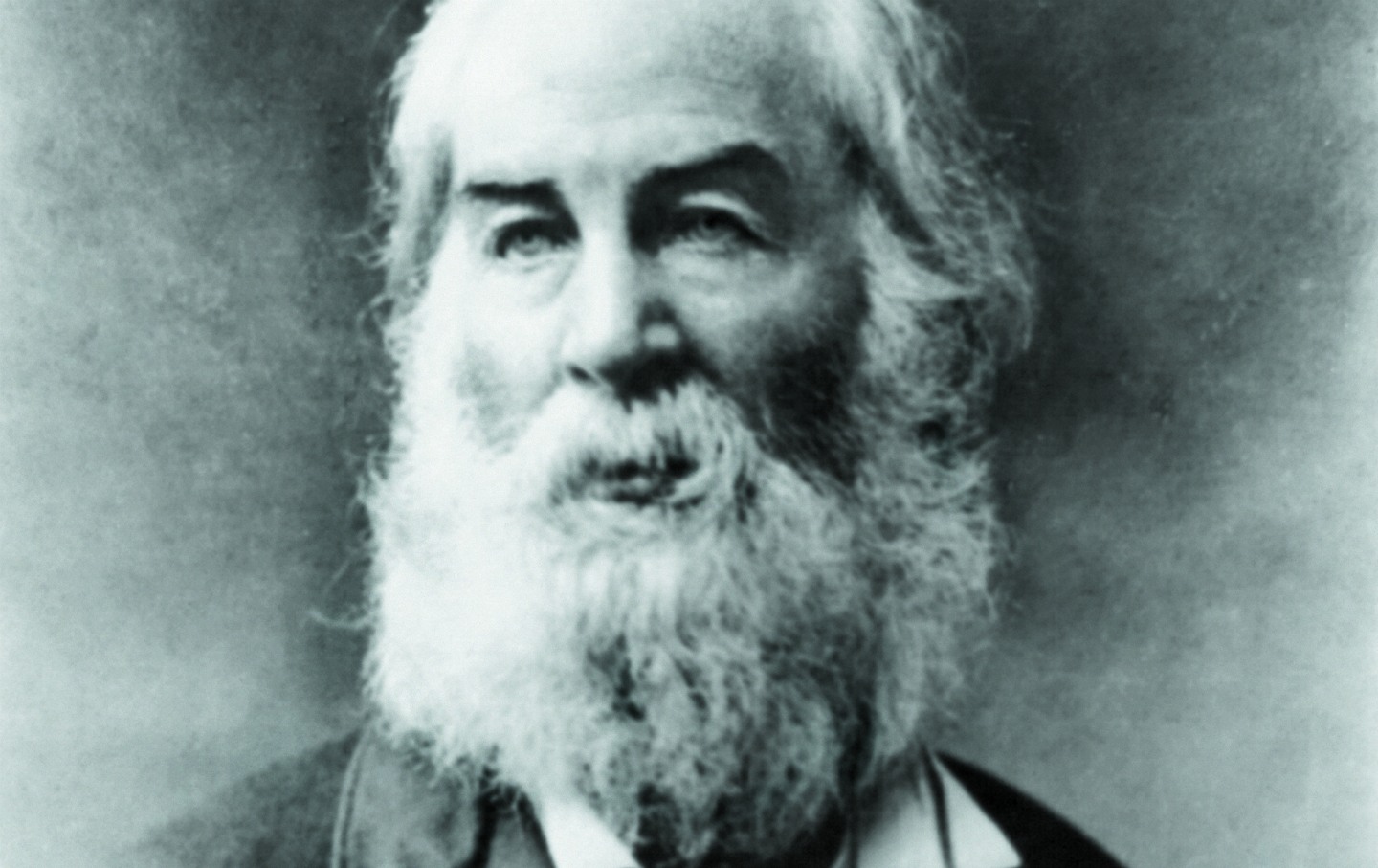
Walt Whitman Is An Insult To Art, Says 22-Year Old Henry James Walt Whitman Is An Insult To Art, Says 22-Year Old Henry James
Drum-Taps is the effort of an essentially prosaic mind to lift itself, by a prolonged muscular strain, into poetry.
Mar 23, 2015 / Books & the Arts / Henry James