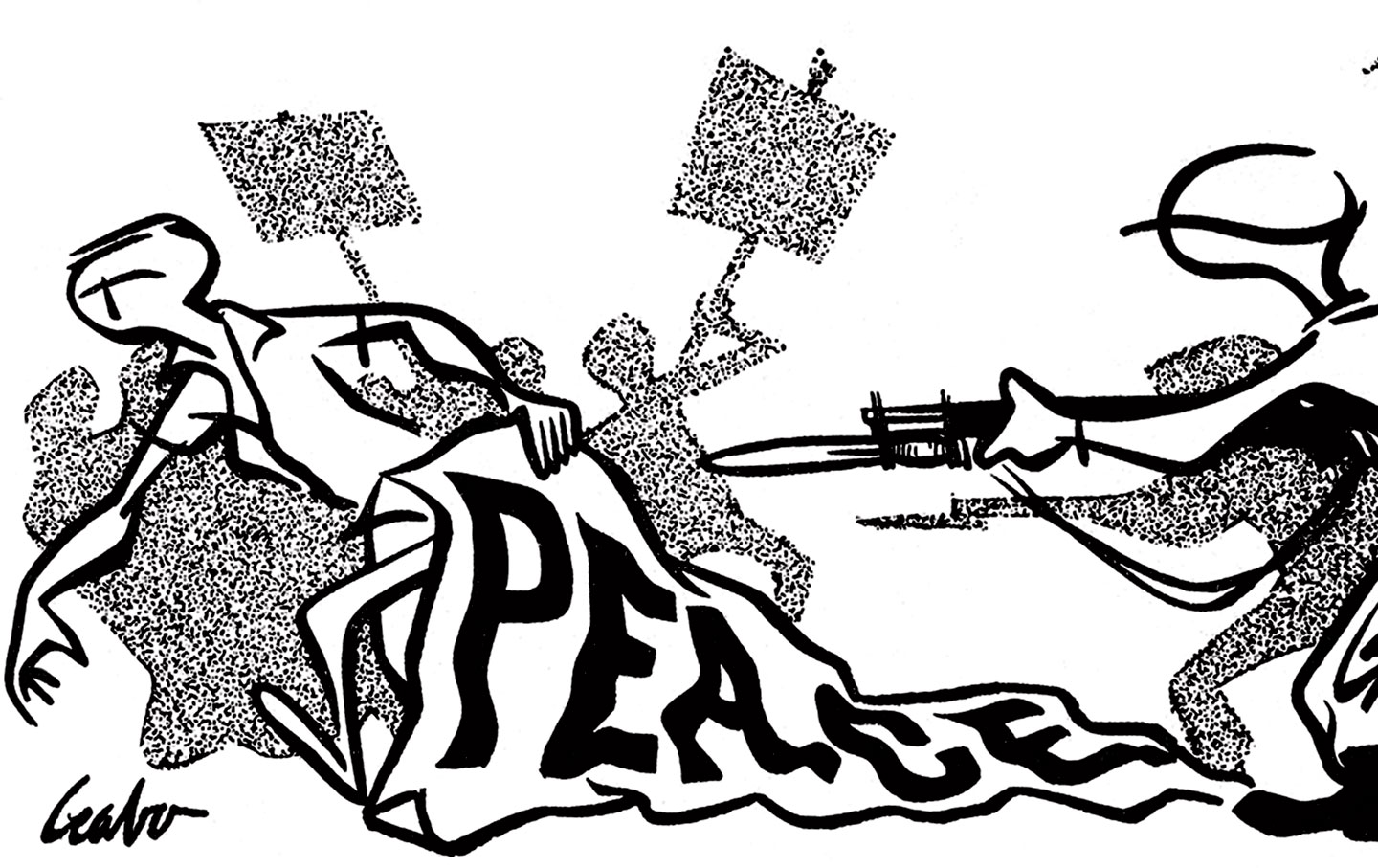
The Indignant Generation The Indignant Generation
The current crop of students has gone far to shake the label of apathy and conformity that had stuck through the 1950s.
Mar 23, 2015 / Books & the Arts / Jessica Mitford
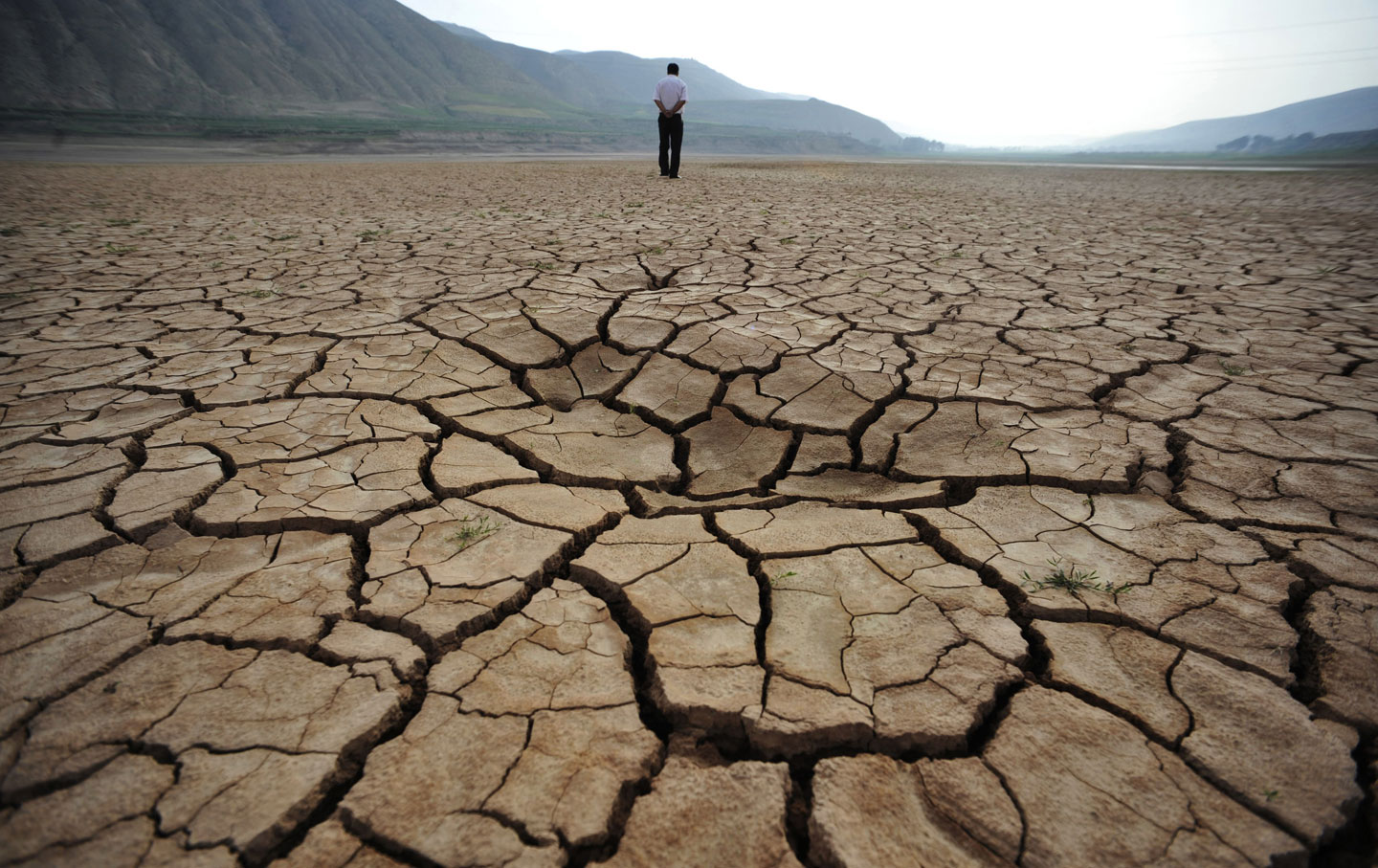
How Saving the Environment Could Fix the Economy How Saving the Environment Could Fix the Economy
Why not revive New Deal policies but apply them in a green and global fashion?
Mar 23, 2015 / Books & the Arts / Mark Hertsgaard
Present Present
December 28, 1964 The stranded gulch below Grand Central the gentle purr of cab tires in snow and hidden stars tears on the windshield torn inexorably away in whining motion and the dark thoughts which surround neon in Union Square I see you for a moment red green yellow searchlights cutting through falling flakes, head bent to the wind wet and frowning, melancholy, trying I know perfectly well where you walk to and that we’ll meet in even greater darkness later and will be warm so our cross of paths will not be just muddy footprints in the morning not like celestial bodies’ yearly passes, nothing pushes us away from each other even now I can lean forward across the square and see your surprised grey look become greener as I wipe the city’s moisture from your face and you shake the snow off onto my shoulder, light as a breath where the quarrels and vices of estranged companions weighed so bitterly and accidentally before, I saw you on the floor of my life walking slowly that time in summer rain stranger and nearer to become a way of feeling that is not painful casual or diffuse and seems to explore some peculiar insight of the heavens for its favorite bodies in the mixed-up air This article is part of The Nation’s 150th Anniversary Special Issue. Download a free PDF of the issue, with articles by James Baldwin, Barbara Ehrenreich, Toni Morrison, Howard Zinn and many more, here. This poem by Frank O’Hara (1926–1966) was published the same year his collection Lunch Poems brought him to fame.
Mar 23, 2015 / Books & the Arts / Frank O’Hara
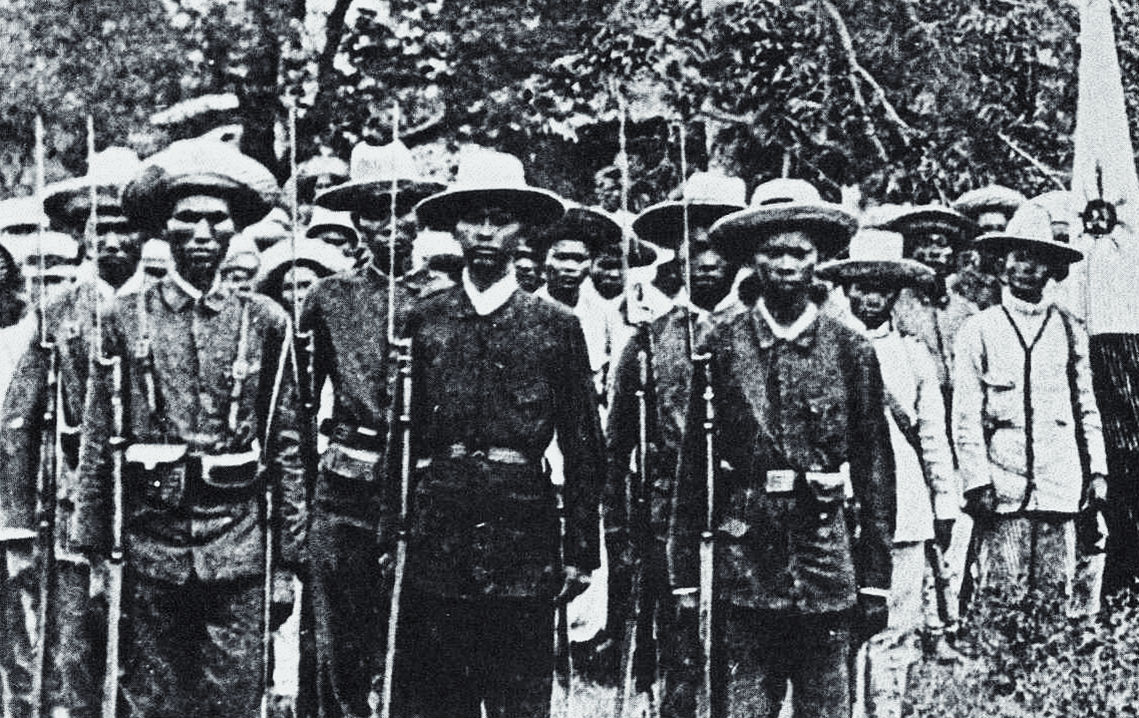
1895–1905: When the American Empire Was Born 1895–1905: When the American Empire Was Born
Whenever a small force of Americans undertakes an expedition, the woods and hills become alive with enemies.
Mar 23, 2015 / Feature / The Nation
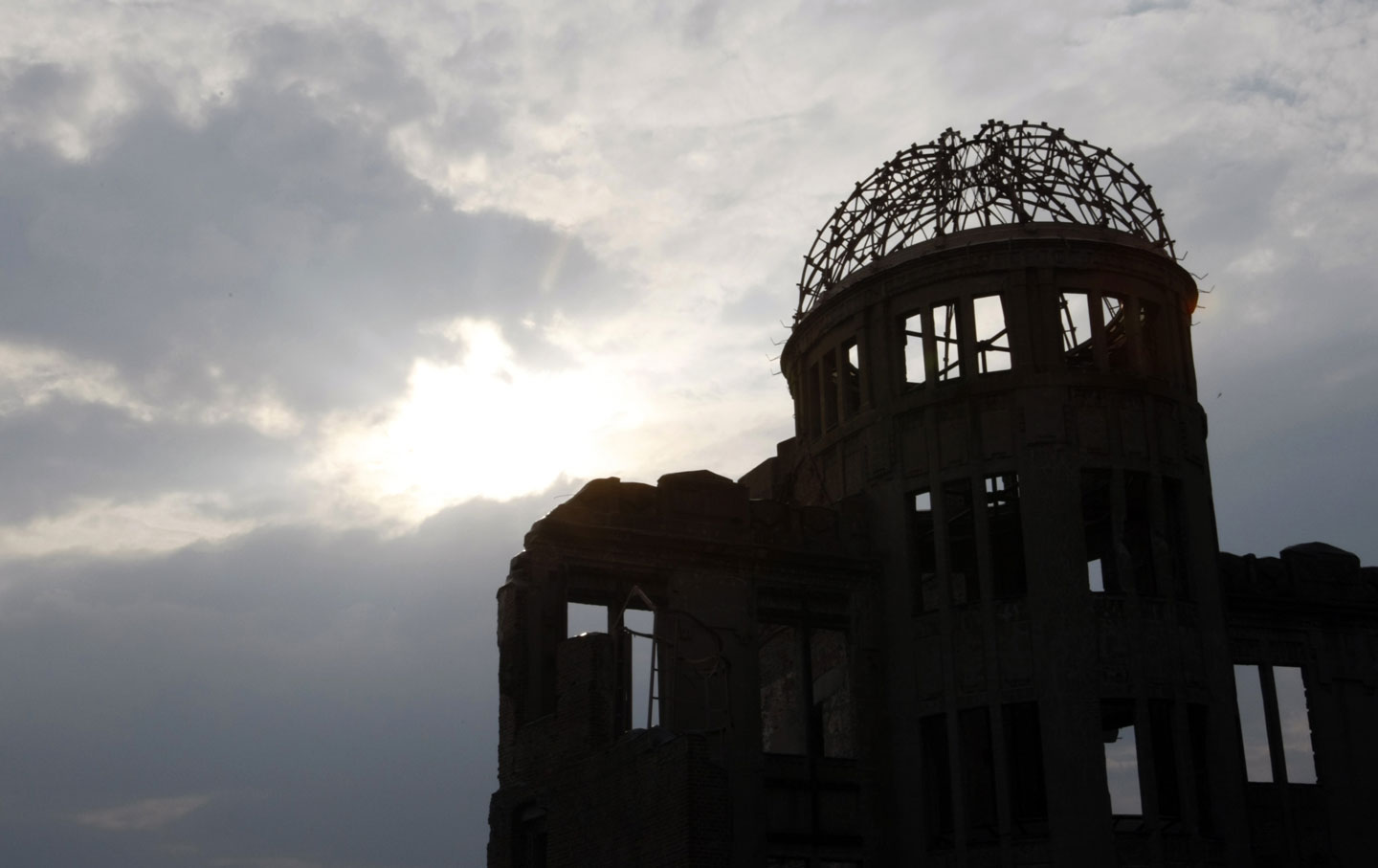
1945–1955: We Face a Choice Between One World or None 1945–1955: We Face a Choice Between One World or None
The atomic bomb represents a revolution in science. It calls for a comparable revolution in our thinking.
Mar 23, 2015 / Feature / The Nation
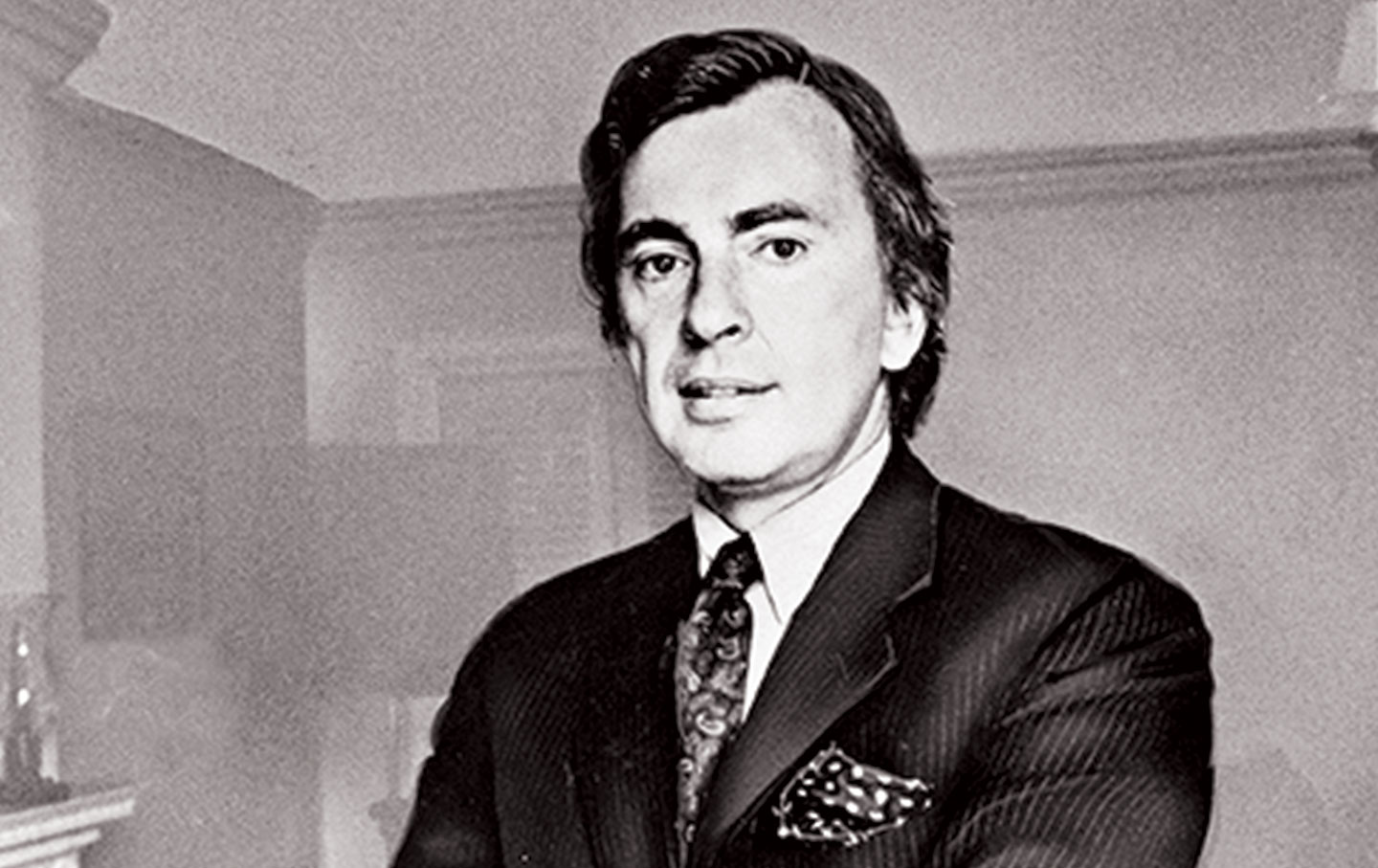
When ‘Commentary’ Parroted ‘The Protocols of the Elders of Zion’ When ‘Commentary’ Parroted ‘The Protocols of the Elders of Zion’
Like it or not, Jews and homosexualists are in the same fragile boat, and one would have to be pretty obtuse not to see the common danger.
Mar 23, 2015 / Feature / Gore Vidal

Weird Bedfellows Weird Bedfellows
In their defense of “tradition” against the liberating potential of architecture, Prince Charles and Xi Jinping find unlikely common ground.
Mar 23, 2015 / Books & the Arts / Michael Sorkin
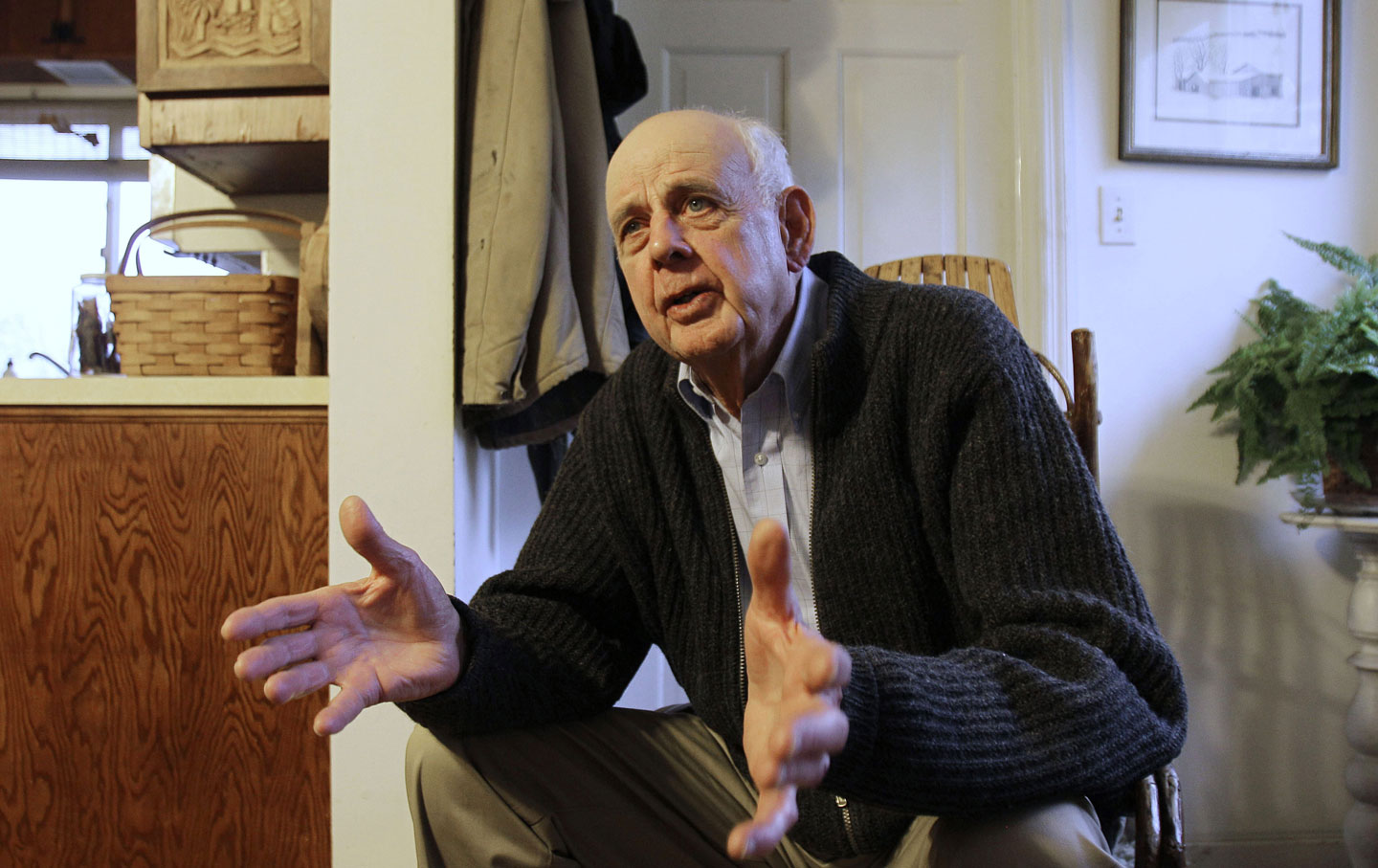
The Gospel According to Wendell Berry The Gospel According to Wendell Berry
To destroy a forest is an act of greater seriousness than we have yet grasped. But to destroy the earth itself is to destroy the possibility of recovery.
Mar 23, 2015 / Feature / Wendell Berry and Wen Stephenson
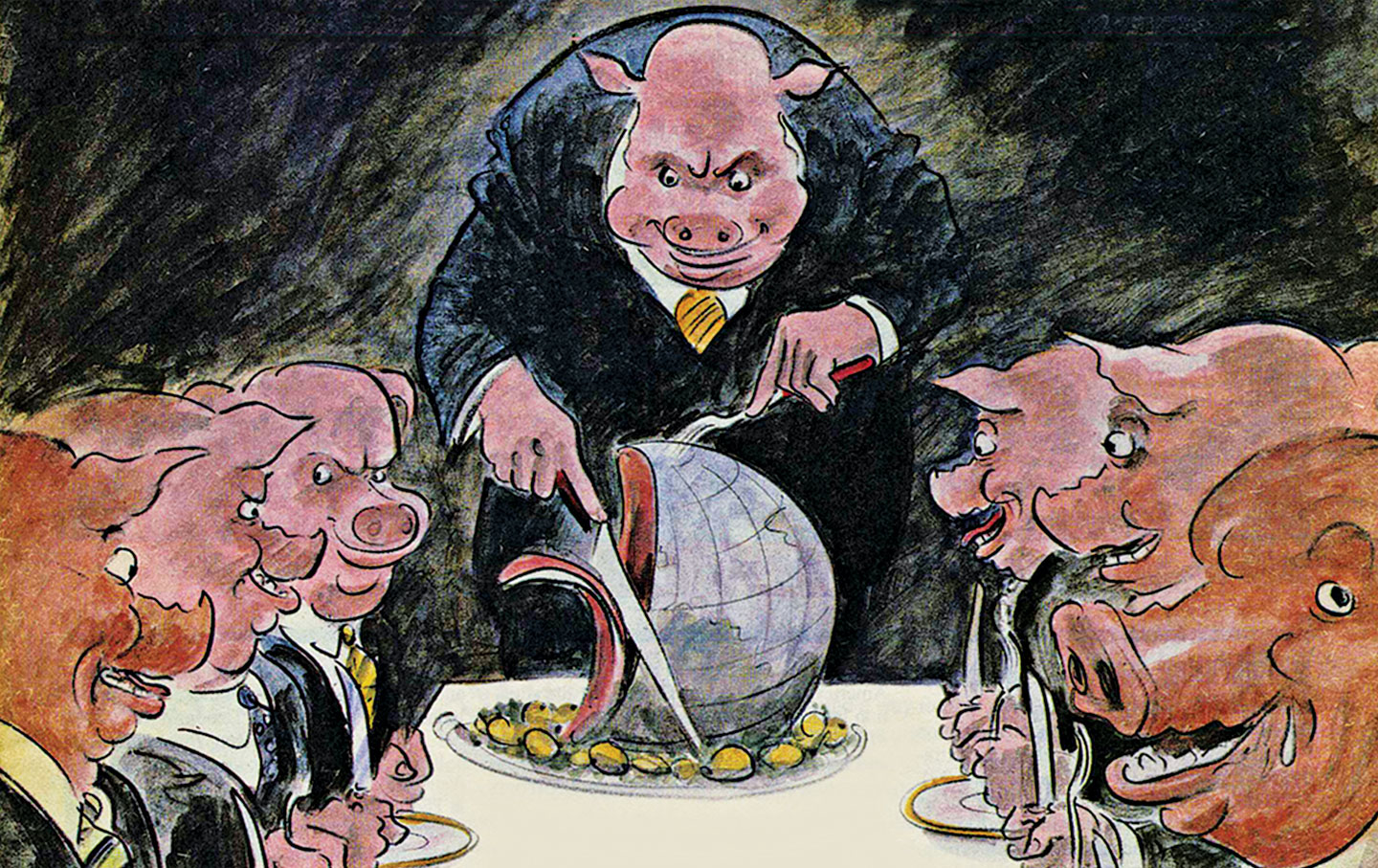
1995–2005: Our Enemies Cannot Defeat Us—Only We Can 1995–2005: Our Enemies Cannot Defeat Us—Only We Can
Nation writers on sensationalist art, financial deregulation, September 11, The Sopranos, Texas, the Iraq war and reactionary conservatism.
Mar 23, 2015 / Books & the Arts / The Nation
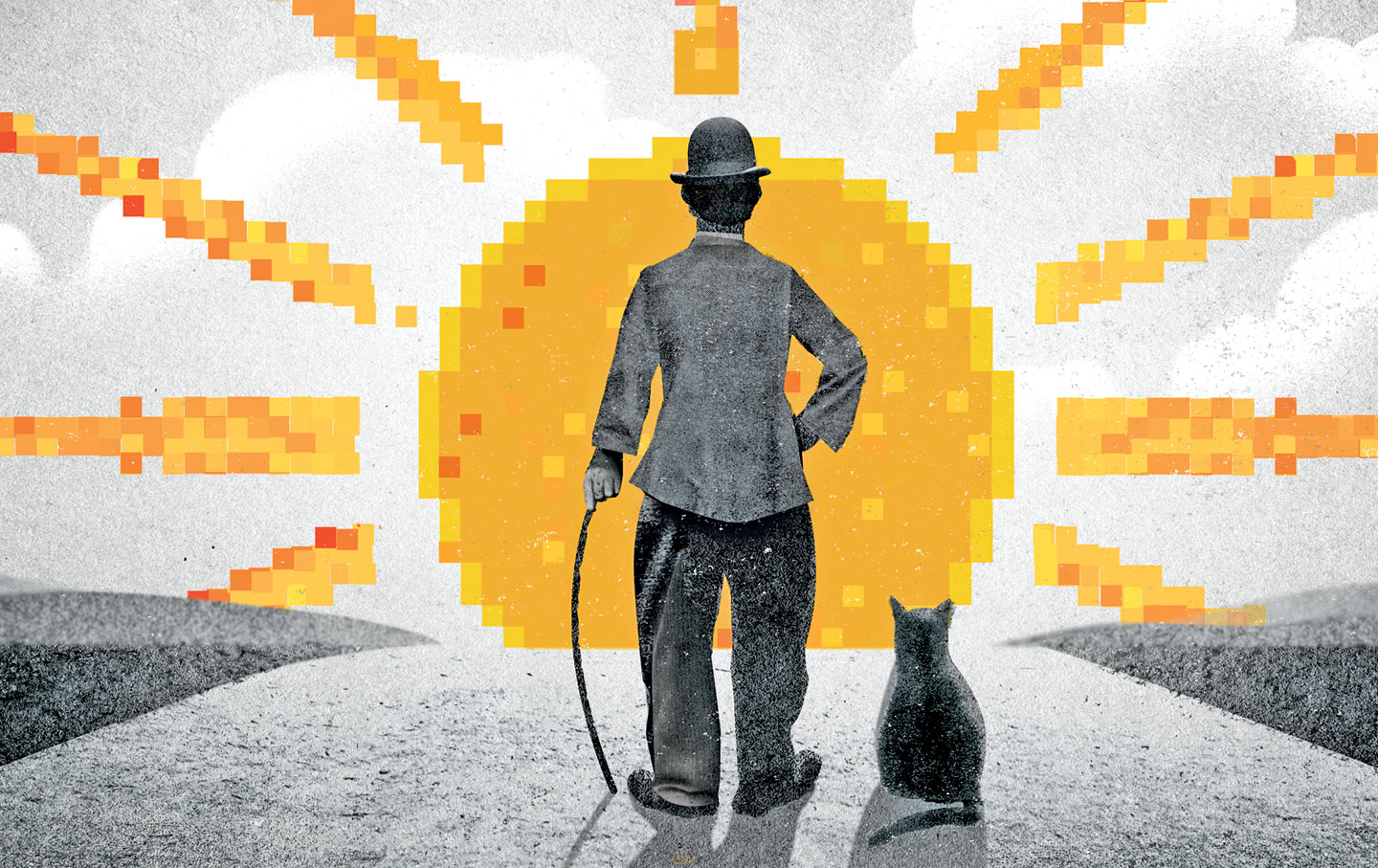
The Radical Future of Film The Radical Future of Film
A more convivial, expansive and life-affirming future is with us now—and the movies can help take us there.
Mar 23, 2015 / Books & the Arts / Stuart Klawans