

Can Men and Women Be Friends? Can Men and Women Be Friends?
Feminism has opened up far more space than could have been imagined in the 1920s.
Mar 23, 2015 / Feature / Floyd Dell and Michelle Goldberg

Adolph Reed Destroys ‘The Bell Curve’ Adolph Reed Destroys ‘The Bell Curve’
Despite their concern to insulate themselves from the appearance of racism, Herrnstein and Murray display a perspective worthy of an Alabama filling station.
Mar 23, 2015 / Books & the Arts / Adolph Reed Jr.
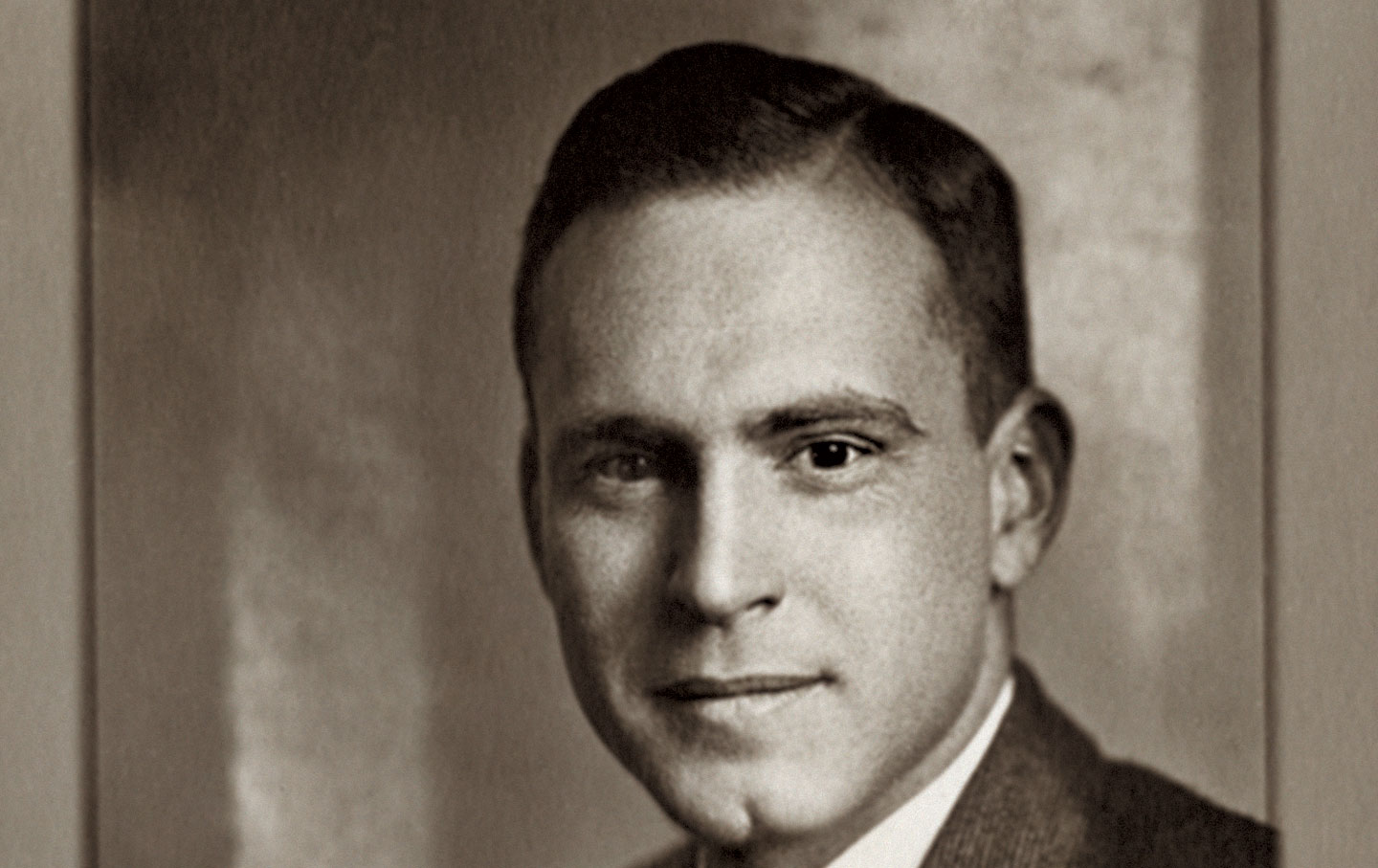
1915–1925: Radicals in a Time of Hysteria 1915–1925: Radicals in a Time of Hysteria
Looking forward to a social order without any external restraints upon the individual.
Mar 23, 2015 / Feature / The Nation
The Fall of Rome The Fall of Rome
June 14, 1947 The piers are pummeled by the waves; In a lonely field the rain Lashes an abandoned train; Outlaws fill the mountain caves. Fantastic grow the evening gowns; Agents of the Fisc pursue Absconding tax-defaulters through The sewers of provincial towns. Private rites of magic send The temple prostitutes to sleep; All the literati keep An imaginary friend. Cerebrotonic Cato may Extol the Ancient Disciplines, But the muscle-bound Marines Mutiny for food and pay. Caesar’s double-bed is warm As an unimportant clerk Writes I DO NOT LIKE MY WORK On a pink official form. Unendowed with wealth or pity, Little birds with scarlet legs, Sitting on their speckled eggs, Eye each flu-infected city. Altogether elsewhere, vast Herds of reindeer move across Miles and miles of golden moss, Silently and very fast. This article is part of The Nation’s 150th Anniversary Special Issue. Download a free PDF of the issue, with articles by James Baldwin, Barbara Ehrenreich, Toni Morrison, Howard Zinn and many more, here. W.H. Auden (1907–1973) contributed many poems and critical essays to The Nation between 1938 and 1951.
Mar 23, 2015 / Books & the Arts / W.H. Auden
And We Love Life And We Love Life
And we love life if we find a way to it. We dance in between martyrs and raise a minaret for violet or palm trees. We love life if we find a way to it. And we steal from the silkworm a thread to build a sky and fence in this departure. We open the garden gate for the jasmine to step out on the streets as a beautiful day. We love life if we find a way to it. And we plant, where we settle, some fast growing plants, and harvest the dead. We play the flute like the color of the faraway, sketch over the dirt corridor a neigh. We write our names one stone at a time, O lightning brighten the night. We love life if we find a way to it… (translated from the Arabic by Fady Joudah) This article is part of The Nation’s 150th Anniversary Special Issue. Download a free PDF of the issue, with articles by James Baldwin, Barbara Ehrenreich, Toni Morrison, Howard Zinn and many more, here. Born in a Galilee village later destroyed by the Israeli army, Mahmoud Darwish lived for years in exile in Beirut and Paris before returning to Palestine in 1996. The most widely translated modern Arab poet, Darwish died in 2008.
Mar 23, 2015 / Books & the Arts / Mahmoud Darwish
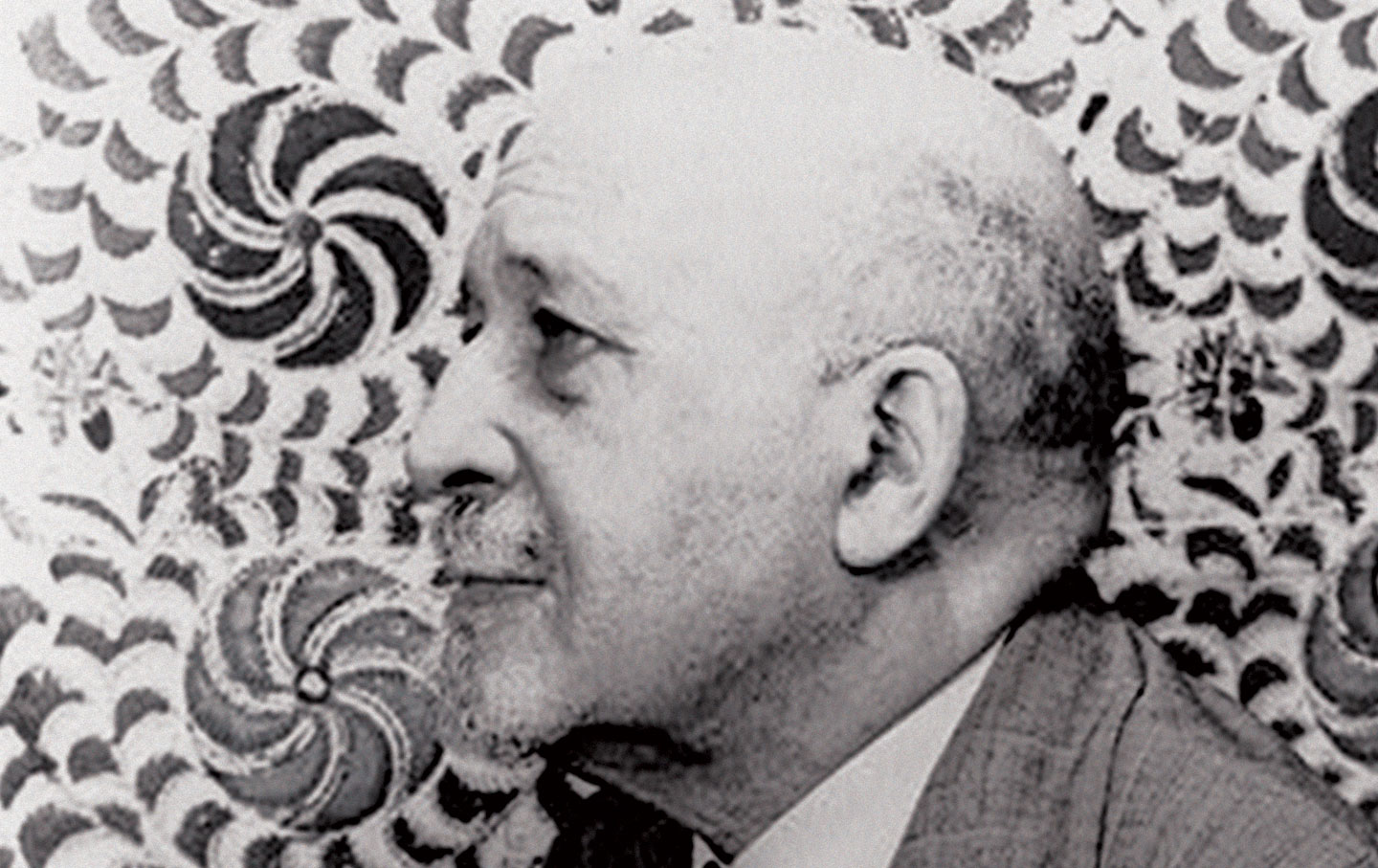
Voting Does Not Make a Difference Voting Does Not Make a Difference
Democracy is dead in the United States. Yet there is still nothing to replace real democracy.
Mar 23, 2015 / Books & the Arts / W.E.B. Du Bois
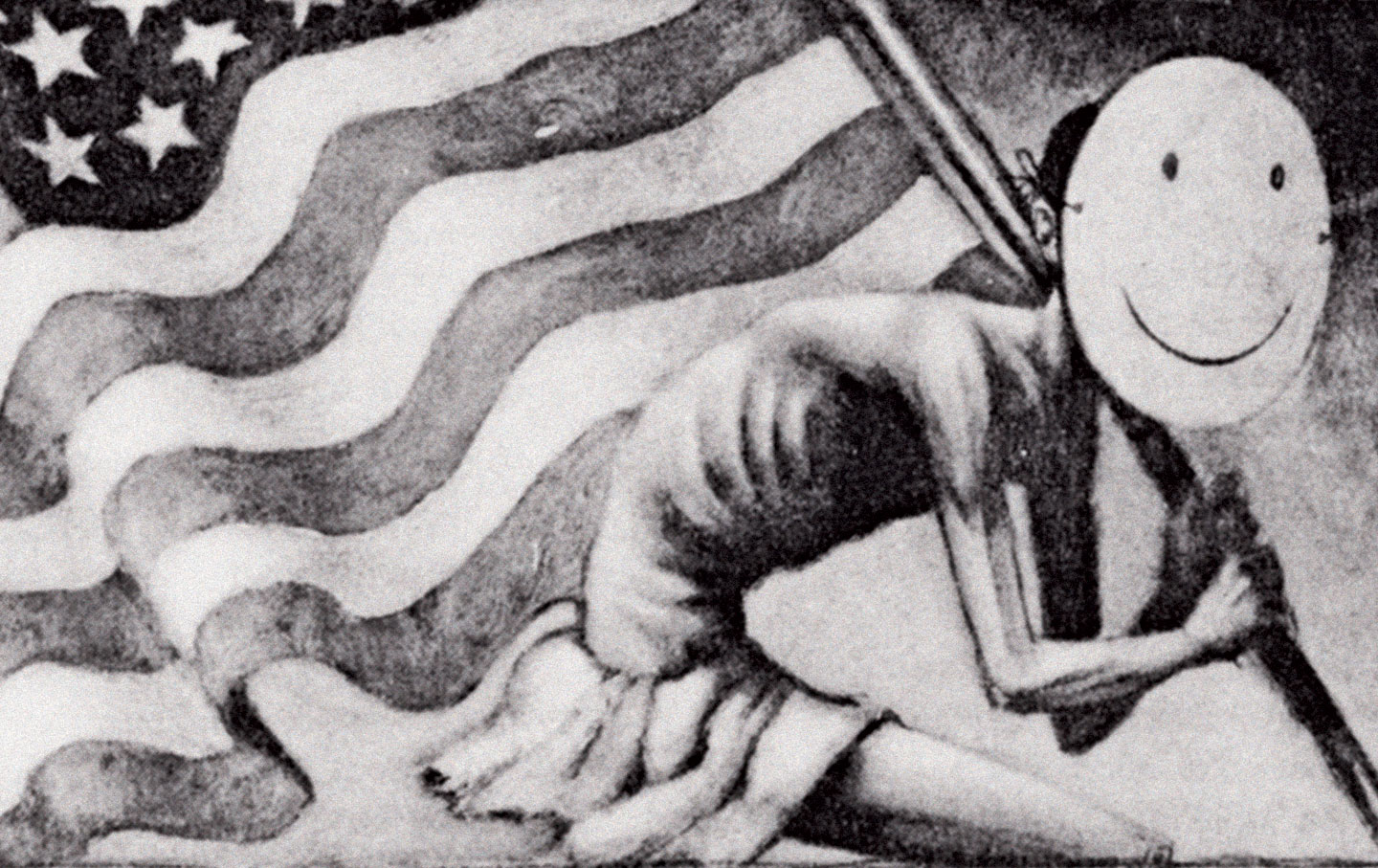
1985–1995: American Politics and Culture is Being Radically Reformed 1985–1995: American Politics and Culture is Being Radically Reformed
Nation writers on late 1980s New York, Jesse Jackson's presidential campaign, gay rights, Rupert Murdoch's ambitions and the case for federal funding of the arts.
Mar 23, 2015 / Books & the Arts / The Nation
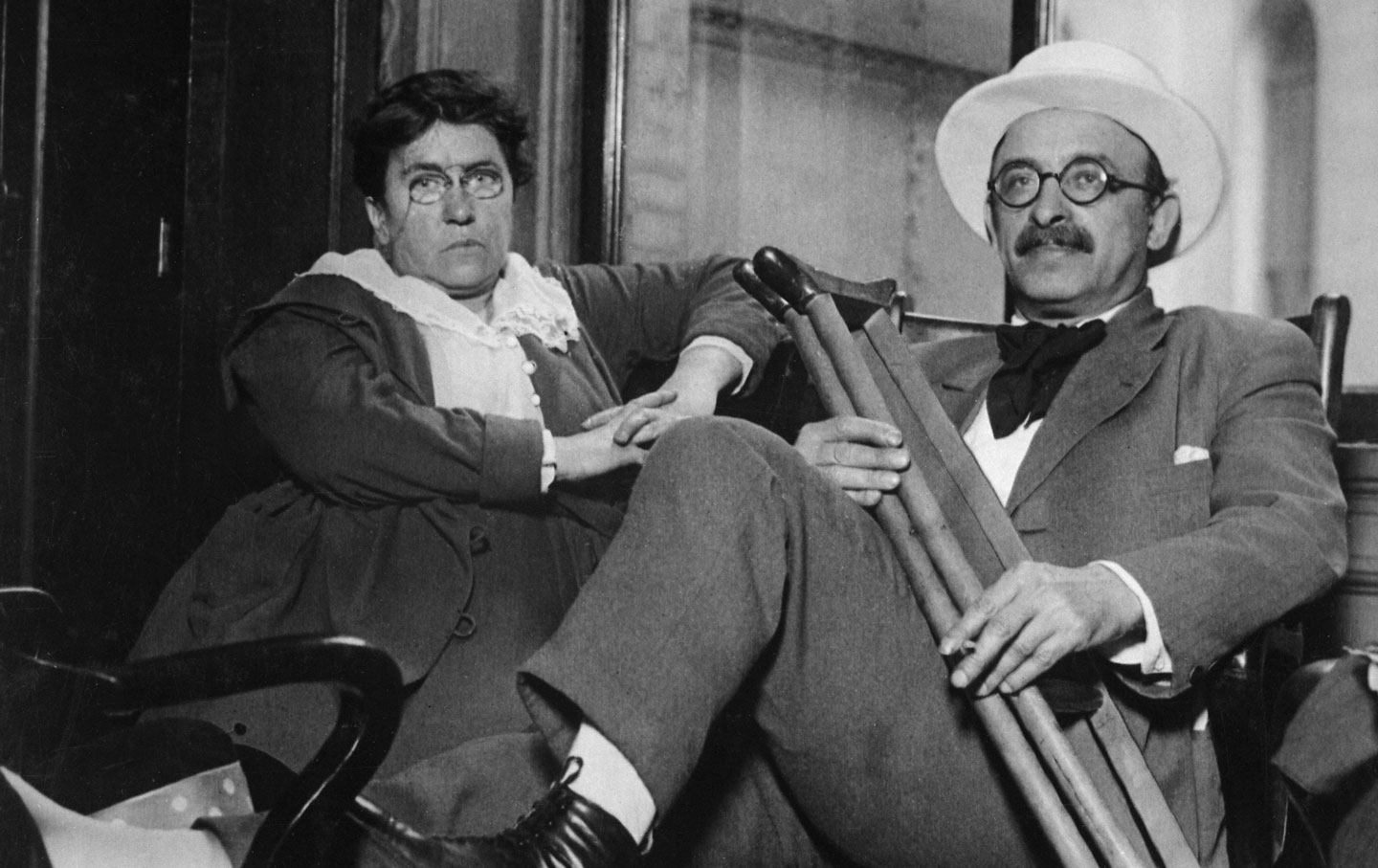
When the World Became a Huge Penitentiary When the World Became a Huge Penitentiary
An eloquent portrait of underground life among the undocumented and the damned of the earth.
Mar 23, 2015 / Feature / Emma Goldman and Vivian Gornick
Hound Voice Hound Voice
December 10, 1938 Because we love bare hills and stunted trees And were the last to choose the settled ground, Its boredom of the desk or of the spade, because So many years companioned by a hound, Our voices carry; and though slumber bound, Some few half wake and half renew their choice, Give tongue, proclaim their hidden name—“hound voice.” The women that I picked spoke sweet and low And yet gave tongue. “Hound Voices” were they all. We picked each other from afar and knew What hour of terror comes to test the soul, And in that terror’s name obeyed the call, And understood, what none have understood, Those images that waken in the blood. Some day we shall get up before the dawn And find our ancient hounds before the door, And wide awake know that the hunt is on; Stumbling upon the blood-dark track once more, That stumbling to the kill beside the shore; Then cleaning out and bandaging of wounds, And chants of victory amid the encircling hounds. This article is part of The Nation’s 150th Anniversary Special Issue. Download a free PDF of the issue, with articles by James Baldwin, Barbara Ehrenreich, Toni Morrison, Howard Zinn and many more, here. William Butler Yeats (1865–1939) published his first poem in The Nation in 1933; his last appeared three months after his death.
Mar 23, 2015 / Books & the Arts / William Butler Yeats
The Mind Is an Enchanting Thing The Mind Is an Enchanting Thing
December 18, 1943 is an enchanted thing like the glaze on a katydid-wing subdivided by sun till the nettings are legion. Like Gieseking playing Scarlatti; like the apteryx-awl as a beak, or the kiwi’s rain-shawl of haired feathers, the mind feeling its way as though blind, walks along with its eyes on the ground. It has memory’s ear that can hear without having to hear. Like the gyroscope’s fall, truly unequivocal because trued by regnant certainty, it is a power of strong enchantment. It is like the dove- neck animated by sun; it is memory’s eye; it’s conscientious inconsistency. It tears off the veil, tears the temptation, the mist the heart wears, from its eyes—if the heart has a face; it takes apart dejection. It’s fire in the dove-neck’s iridescence; in the inconsistencies of Scarlatti. Unconfusion submits its confusion to proof; it’s not a Herod’s oath that cannot change. This article is part of The Nation’s 150th Anniversary Special Issue. Download a free PDF of the issue, with articles by James Baldwin, Barbara Ehrenreich, Toni Morrison, Howard Zinn and many more, here. Marianne Moore (1887–1972) wrote eleven essays and seven poems for The Nation between 1936 and 1952. Moore’s biographer, Linda Leavell, indicates that she stopped contributing out of solidarity with her friend, ousted literary editor Margaret Marshall, but also because she disliked The Nation’s criticism of Eisenhower’s “honest, auspicious, genuinely devoted speeches.”
Mar 23, 2015 / Books & the Arts / Marianne Moore