
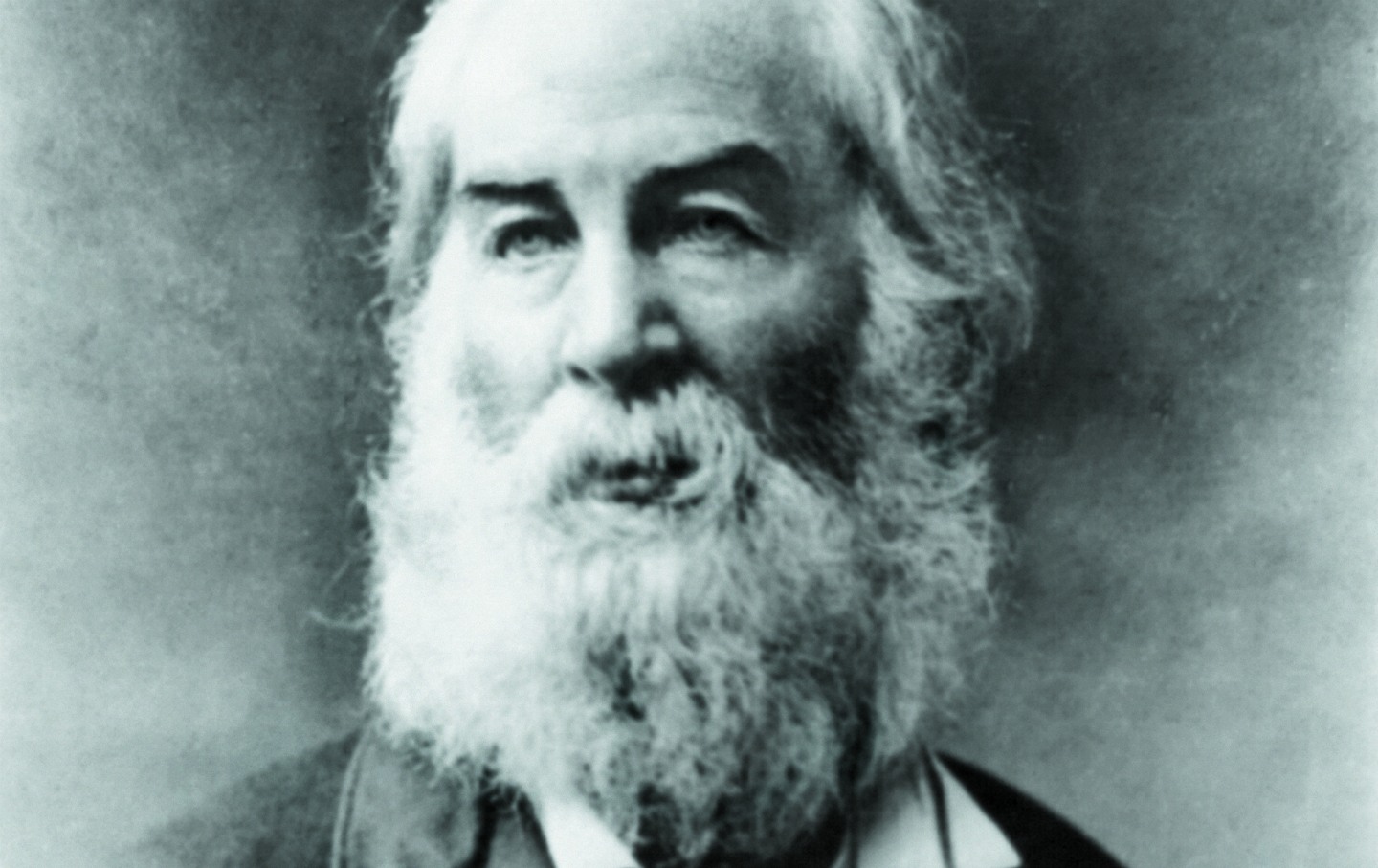
Walt Whitman Is An Insult To Art, Says 22-Year Old Henry James Walt Whitman Is An Insult To Art, Says 22-Year Old Henry James
Drum-Taps is the effort of an essentially prosaic mind to lift itself, by a prolonged muscular strain, into poetry.
Mar 23, 2015 / Books & the Arts / Henry James

What Would Lincoln Think of Race Relations on His 100th Birthday? What Would Lincoln Think of Race Relations on His 100th Birthday?
The Nation’s publisher writes about “the negro problem” during the very week he helped found the NAACP.
Mar 23, 2015 / Feature / Oswald Garrison Villard
Present Present
December 28, 1964 The stranded gulch below Grand Central the gentle purr of cab tires in snow and hidden stars tears on the windshield torn inexorably away in whining motion and the dark thoughts which surround neon in Union Square I see you for a moment red green yellow searchlights cutting through falling flakes, head bent to the wind wet and frowning, melancholy, trying I know perfectly well where you walk to and that we’ll meet in even greater darkness later and will be warm so our cross of paths will not be just muddy footprints in the morning not like celestial bodies’ yearly passes, nothing pushes us away from each other even now I can lean forward across the square and see your surprised grey look become greener as I wipe the city’s moisture from your face and you shake the snow off onto my shoulder, light as a breath where the quarrels and vices of estranged companions weighed so bitterly and accidentally before, I saw you on the floor of my life walking slowly that time in summer rain stranger and nearer to become a way of feeling that is not painful casual or diffuse and seems to explore some peculiar insight of the heavens for its favorite bodies in the mixed-up air This article is part of The Nation’s 150th Anniversary Special Issue. Download a free PDF of the issue, with articles by James Baldwin, Barbara Ehrenreich, Toni Morrison, Howard Zinn and many more, here. This poem by Frank O’Hara (1926–1966) was published the same year his collection Lunch Poems brought him to fame.
Mar 23, 2015 / Books & the Arts / Frank O’Hara

How to Lose Friends and Influence People How to Lose Friends and Influence People
…and other tales from the “back of the book.”
Mar 23, 2015 / Books & the Arts / Elizabeth Pochoda

Michael Moore for President Michael Moore for President
If nominated, I will run. If elected, I will serve.
Mar 23, 2015 / Books & the Arts / Michael Moore

American Imperialism: This Is When It All Began American Imperialism: This Is When It All Began
Accustomed to trampling democracy at home, jingoists cannot be expected to see its virtues abroad.
Mar 23, 2015 / Books & the Arts / Horace White and Elinor Langer

Is the UK Labor Party Too Moderate to Be in Power? Is the UK Labor Party Too Moderate to Be in Power?
Its leaders speak the language of social concern, yet their strategy is marked by extreme caution, an avoidance of any appearance of radicalism.
Mar 23, 2015 / Books & the Arts / Edward Miliband
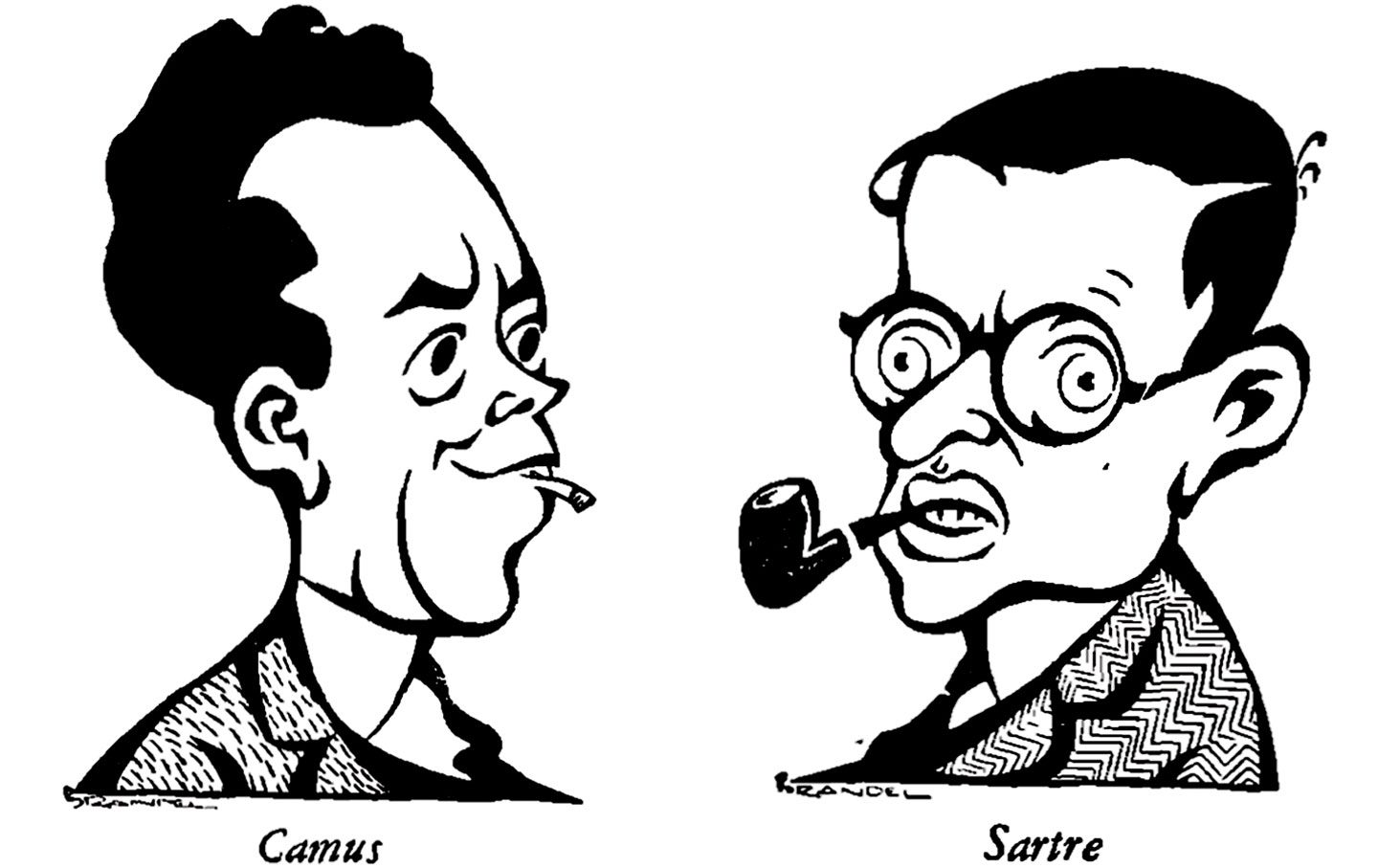
What Is This New Philosophy They Call ‘Existentialism’? What Is This New Philosophy They Call ‘Existentialism’?
It would be a cheap error to mistake this new trend in philosophy and literature for just another fashion of the day.
Mar 23, 2015 / Feature / Hannah Arendt

1905–1915: Henry James’s Obscurities 1905–1915: Henry James’s Obscurities
To get the story you must pay the price.
Mar 23, 2015 / Feature / The Nation
Two Views of a Cadaver Room Two Views of a Cadaver Room
January 30, 1960 I The day she visited the dissecting room They had four men laid out, black as burnt turkey, Already half unstrung. A vinegary fume Of the death vats clung to them; The white-smocked boys started working. The head of his cadaver had caved in, And she could scarcely make out anything In that rubble of skull plates and old leather. A sallow piece of string held it together. In their jars the snail-nosed babies moon and glow. He hands her the cut-out heart like a cracked heirloom. II In Brueghel’s panorama of smoke and slaughter Two people only are blind to the carrion army: He, afloat in the sea of her blue satin Skirts, sings in the direction Of her bare shoulder, while she bends, Fingering a leaflet of music, over him, Both of them deaf to the fiddle in the hands Of the death’s-head shadowing their song. These Flemish lovers flourish; not for long. Yet desolation, stalled in paint, spares the little country Foolish, delicate, in the lower right hand corner. This article is part of The Nation’s 150th Anniversary Special Issue. Download a free PDF of the issue, with articles by James Baldwin, Barbara Ehrenreich, Toni Morrison, Howard Zinn and many more, here. Sylvia Plath (1932–1963) published four poems in The Nation between 1955 and 1960.
Mar 23, 2015 / Books & the Arts / Sylvia Plath