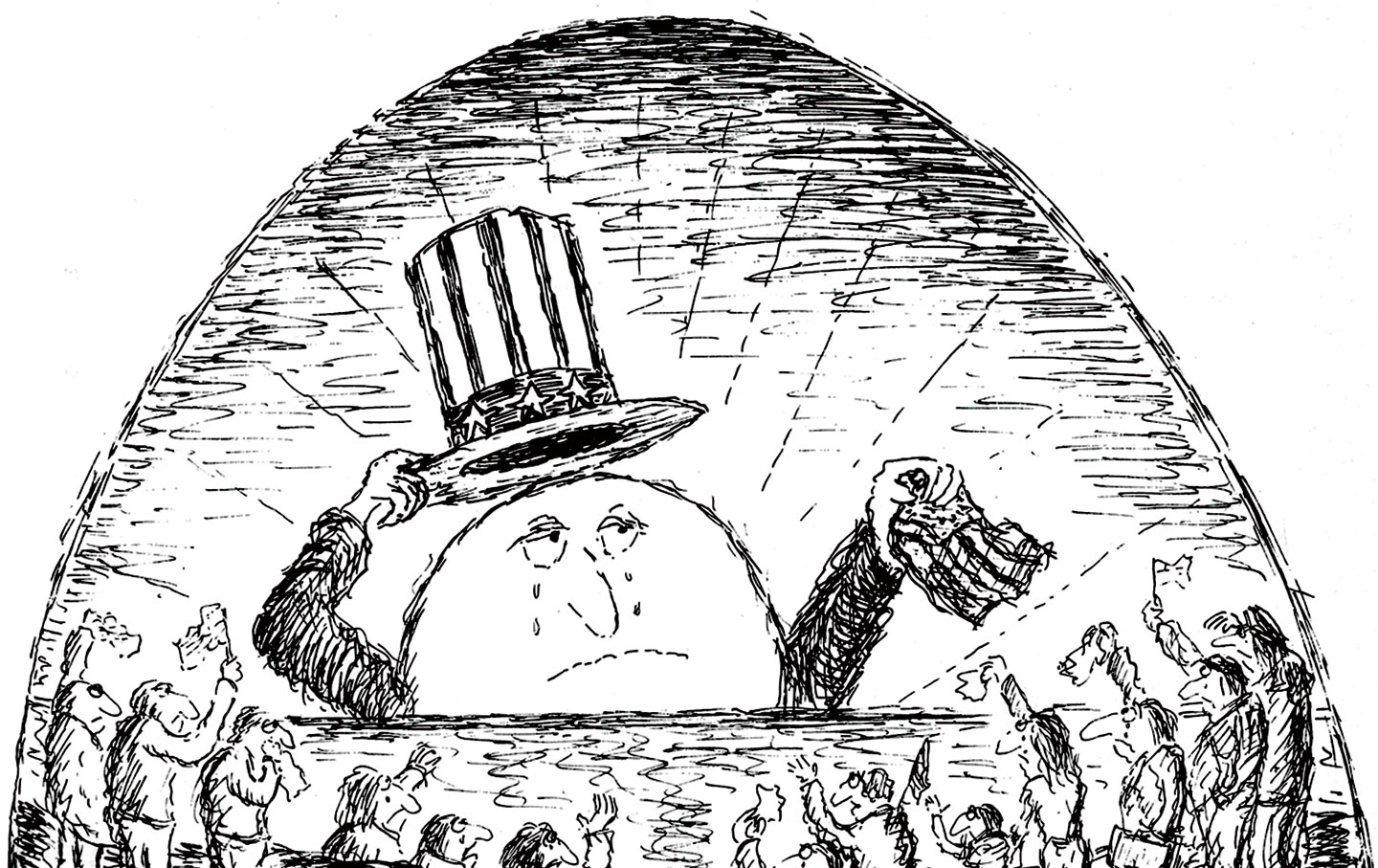
Is America Possible Without Empire? Is America Possible Without Empire?
Rather than sizzle or suffocate, let us get on with imagining a new America.
Mar 23, 2015 / Books & the Arts / William Appleman Williams and Greg Grandin
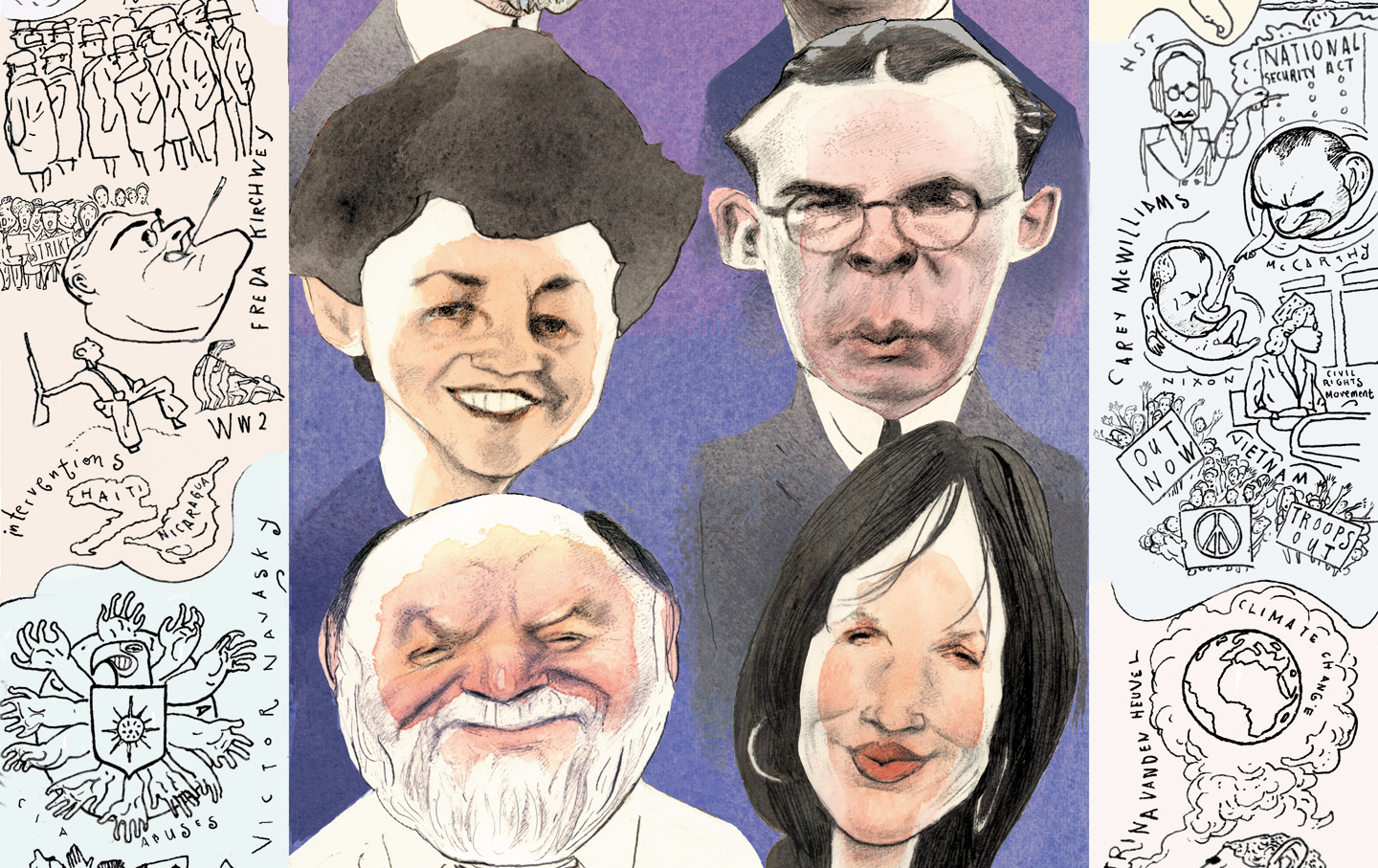
Freedom’s Song Freedom’s Song
Over The Nation’s 150-year history, each new generation of radicals and reformers has contested the promise—and the meaning—of freedom.
Mar 23, 2015 / Books & the Arts / Eric Foner
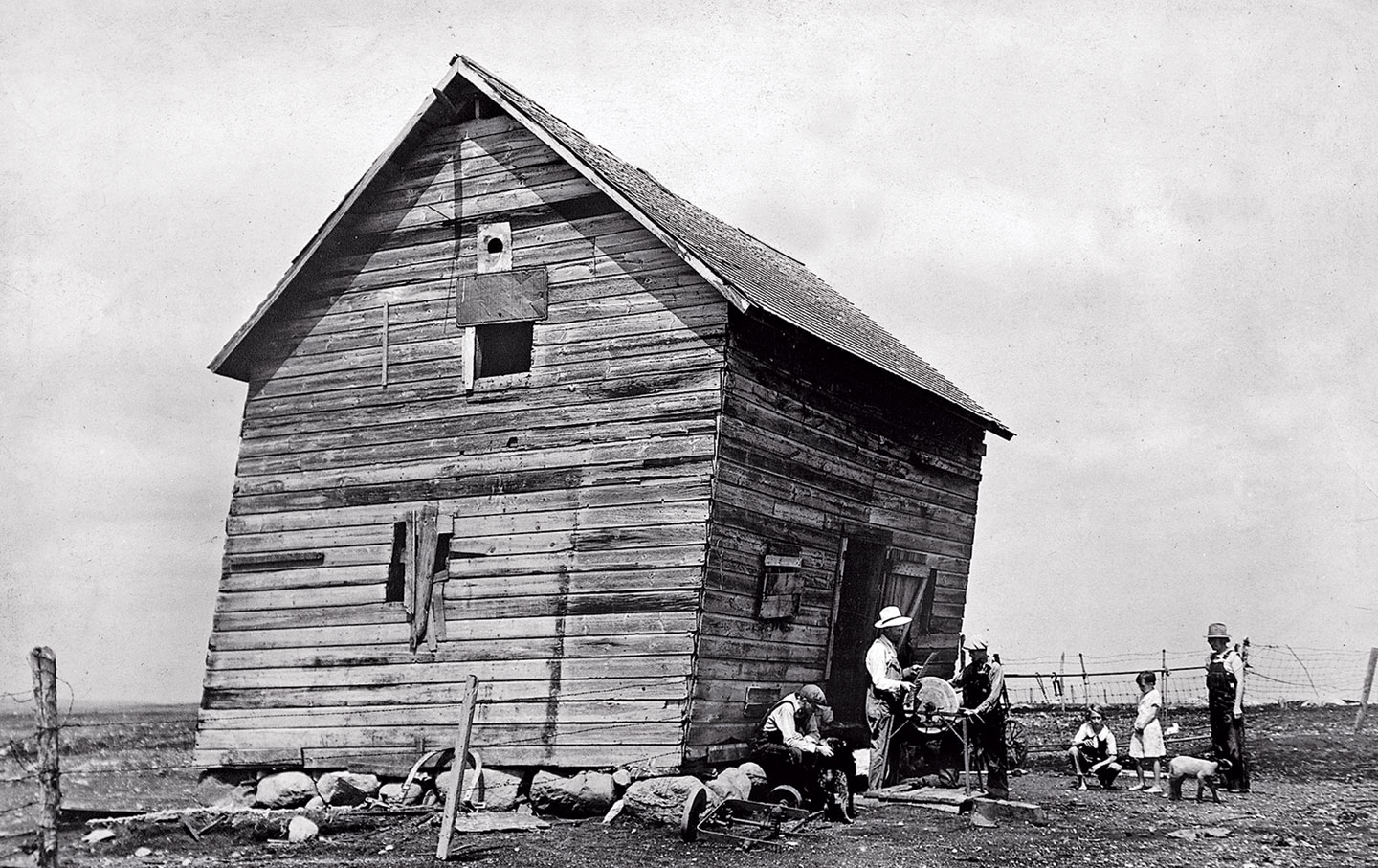
1935–1945: The Establishment of a Warless World Must Be Our Goal 1935–1945: The Establishment of a Warless World Must Be Our Goal
Communists are intolerant and ruthless, often unscrupulous, but they are also zealous, brave, and willing to put up with hardship and abuse.
Mar 23, 2015 / Feature / The Nation
The Plain Sense of Things The Plain Sense of Things
December 6, 1952 After the leaves have fallen, we return To a plain sense of things. It is as if We had come to an end of the imagination, Inanimate in an inert savoir. It is difficult even to choose the adjective For this blank cold, this sadness without cause. The great structure has become a minor house. No turban walks across the lessened floors. The greenhouse never so badly needed paint. The chimney is fifty years old and slants to one side. A fantastic effort has failed, a repetition In a repetitiousness of men and flies. Yet the absence of the imagination had Itself to be imagined. The great pond, The plain sense of it, without reflections, leaves, Mud, water like dirty glass, expressing silence Of a sort, silence of a rat come out to see, The great pond and its waste of the lilies, all this Had to be imagined as an inevitable knowledge, Required, as a necessity requires. This article is part of The Nation’s 150th Anniversary Special Issue. Download a free PDF of the issue, with articles by James Baldwin, Barbara Ehrenreich, Toni Morrison, Howard Zinn and many more, here. Wallace Stevens (1879–1955) published ten poems in The Nation between 1936 and 1952.
Mar 23, 2015 / Books & the Arts / Wallace Stevens

A Q&A With Marilynne Robinson A Q&A With Marilynne Robinson
The novelist discusses religion, history, language and the importance of moral scrutiny.
Mar 23, 2015 / Books & the Arts
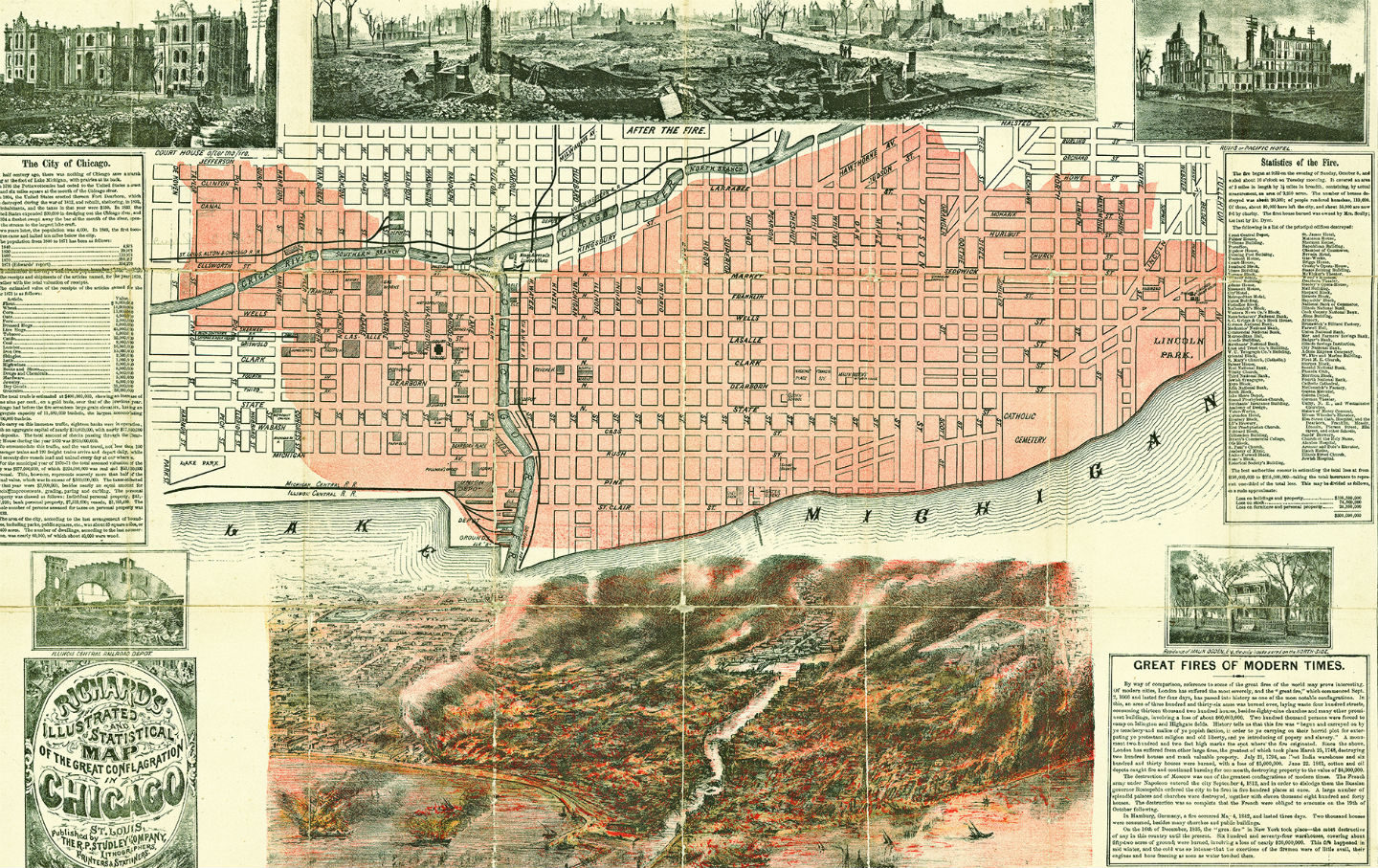
Frederick Law Olmsted Surveys a City Burned to the Ground Frederick Law Olmsted Surveys a City Burned to the Ground
Chicago's struggle to recover from the Great Fire is engaging the study of its best and most conservative minds.
Mar 23, 2015 / Books & the Arts / Frederick Law Olmsted
Can Women and Men Live Together Again? Can Women and Men Live Together Again?
I hope we might meet as rebels together—not against one another, but against a social order that condemns so many of us to meaningless or degrading work in return for a glimp...
Mar 23, 2015 / Books & the Arts / Barbara Ehrenreich
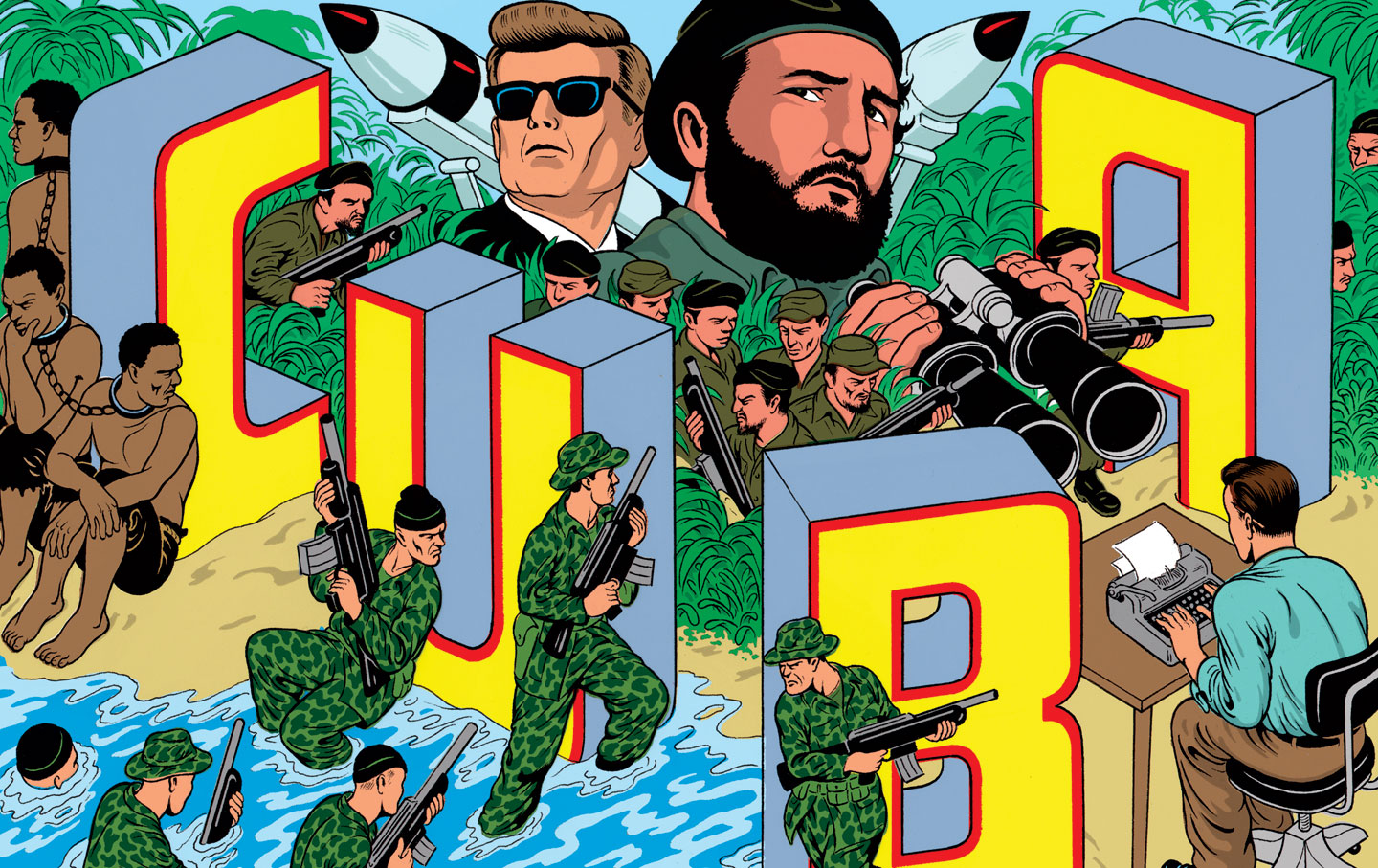
Cuba Libre Cuba Libre
Covering the island has been a central concern for The Nation since the beginning—producing scoops, aiding diplomacy, and pushing for a change in policy.
Mar 23, 2015 / Books & the Arts / Peter Kornbluh
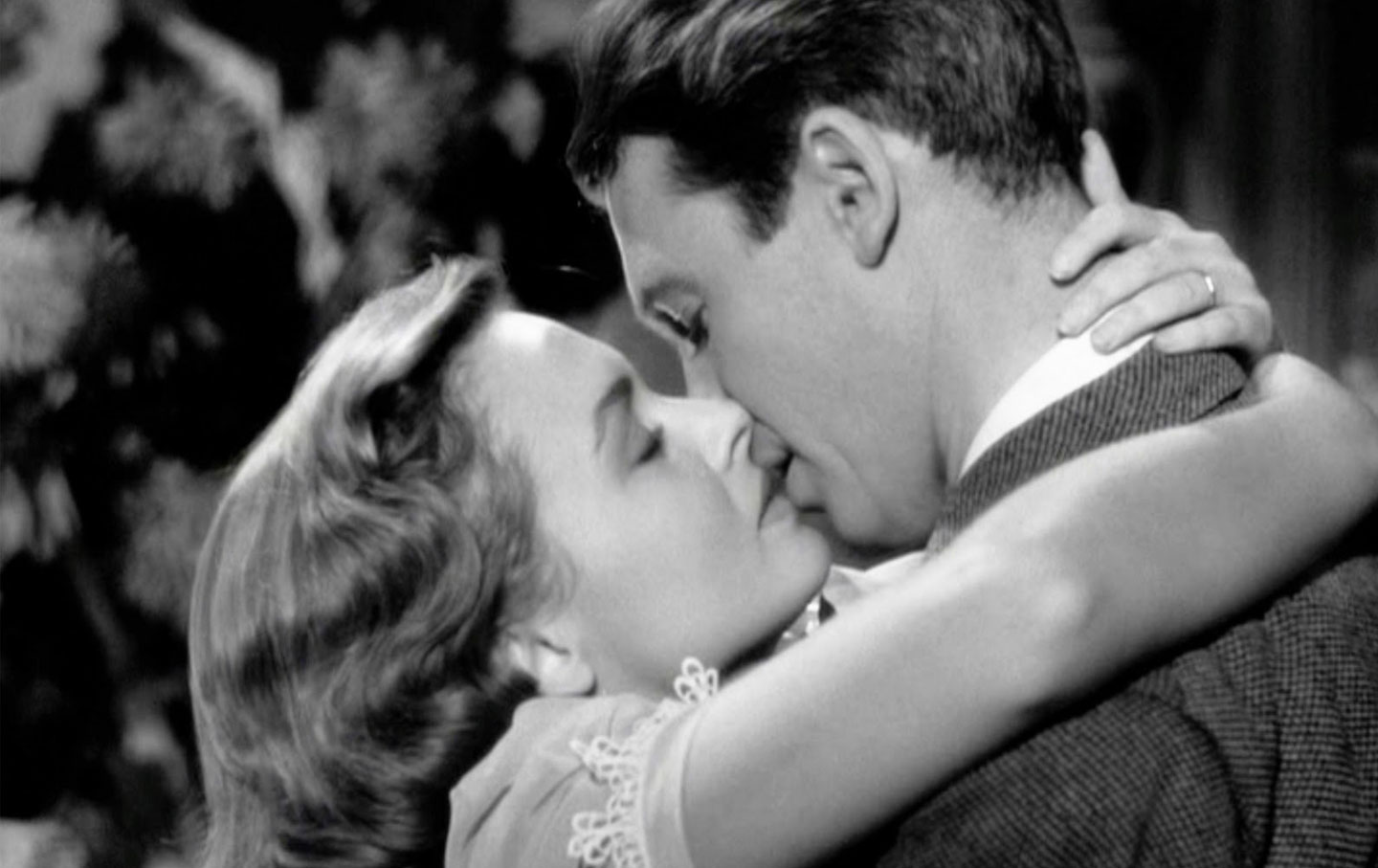
The Unconvincing Semi-Socialism of ‘It’s a Wonderful Life’ The Unconvincing Semi-Socialism of ‘It’s a Wonderful Life’
Many small towns are “backward” in a likable way, but I have never seen one so Norman-Rockwellish.
Mar 23, 2015 / Feature / James Agee
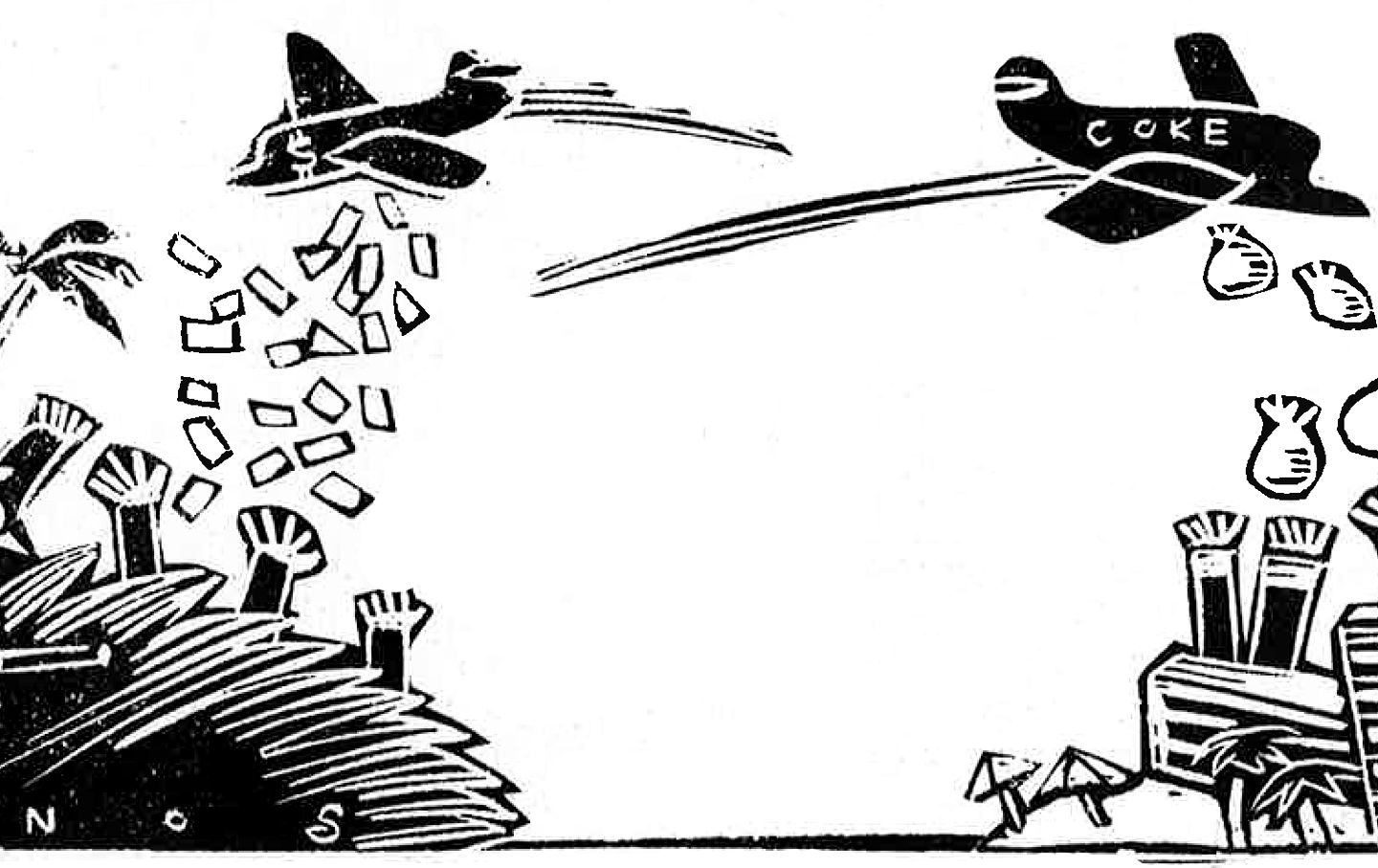
How I Got That Story How I Got That Story
“Stay to the end…and read everything”: Reporting the Iran/Contra scandal taught me everything I needed to know about covering Washington.
Mar 23, 2015 / Feature / David Corn