
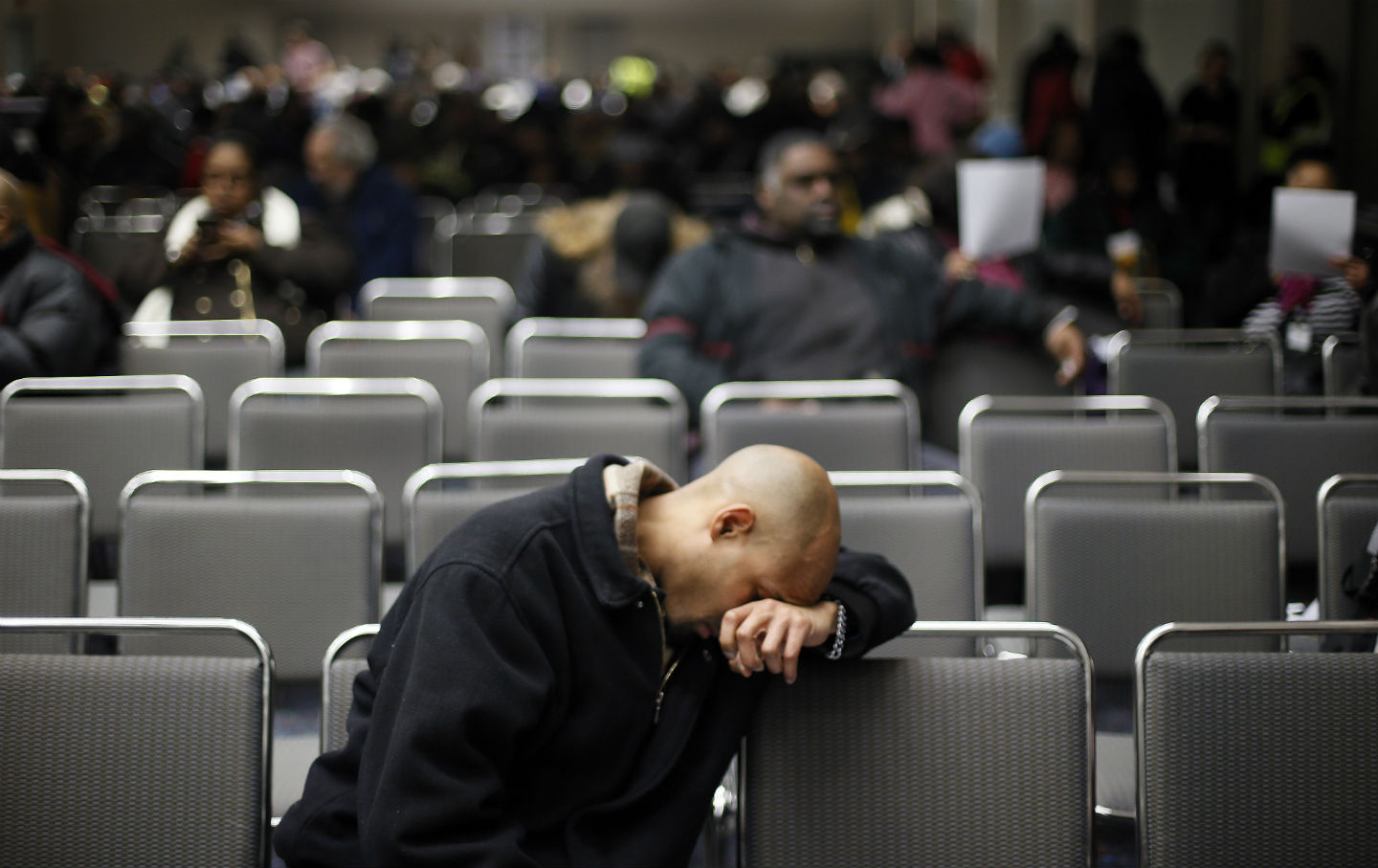
What Are ‘Nation’ Interns Reading the Week of 4/26/15? What Are ‘Nation’ Interns Reading the Week of 4/26/15?
What Are ‘Nation’ Interns Reading the Week of 4/26/15?
Apr 24, 2015 / StudentNation / StudentNation
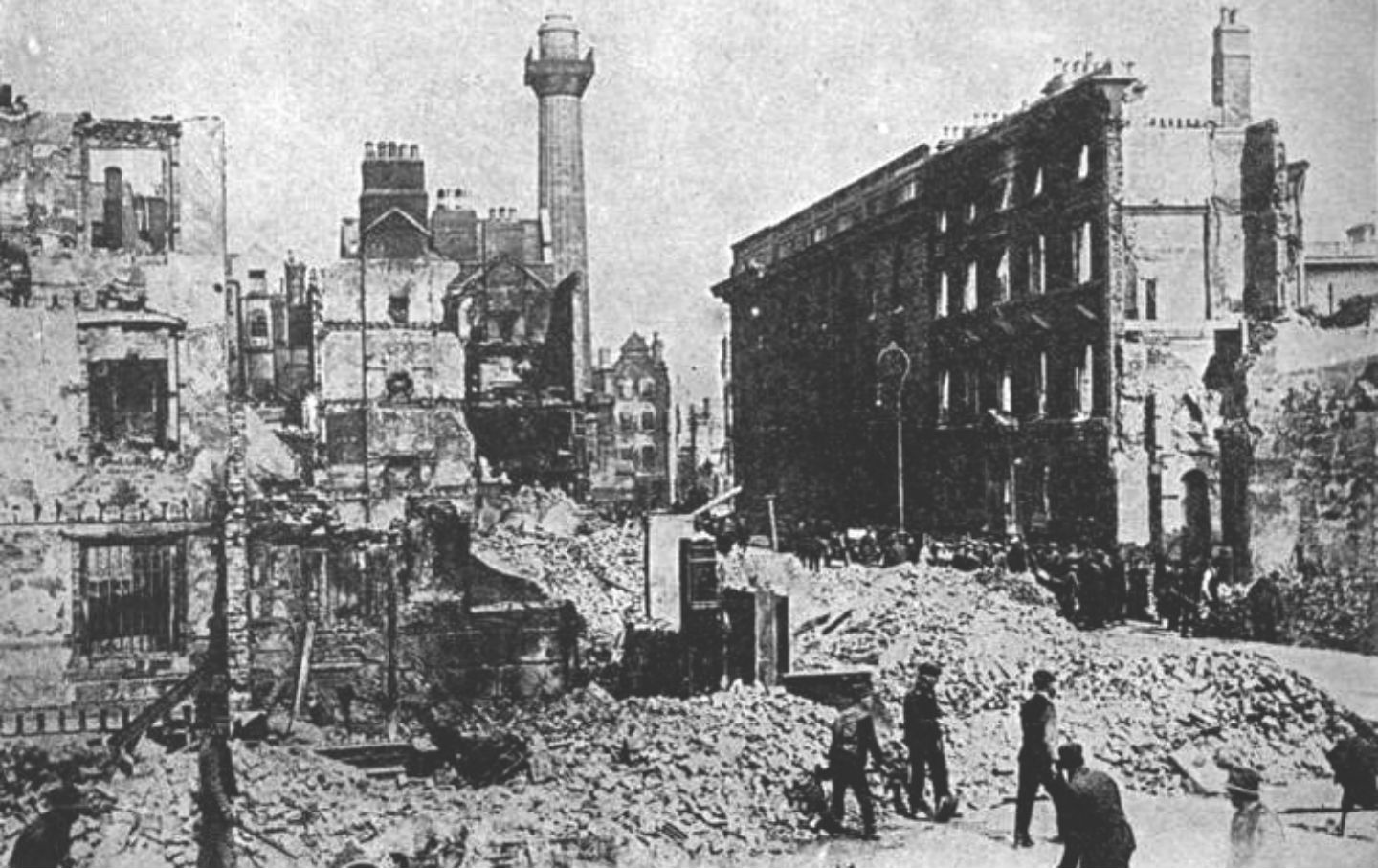
April 24, 1916: The Easter Rebellion Begins in Ireland April 24, 1916: The Easter Rebellion Begins in Ireland
“That the recent outbreak was so inept as to be almost idiotic must be evident to the minds of all but the Irishmen who took part in it.”
Apr 24, 2015 / Richard Kreitner and The Almanac
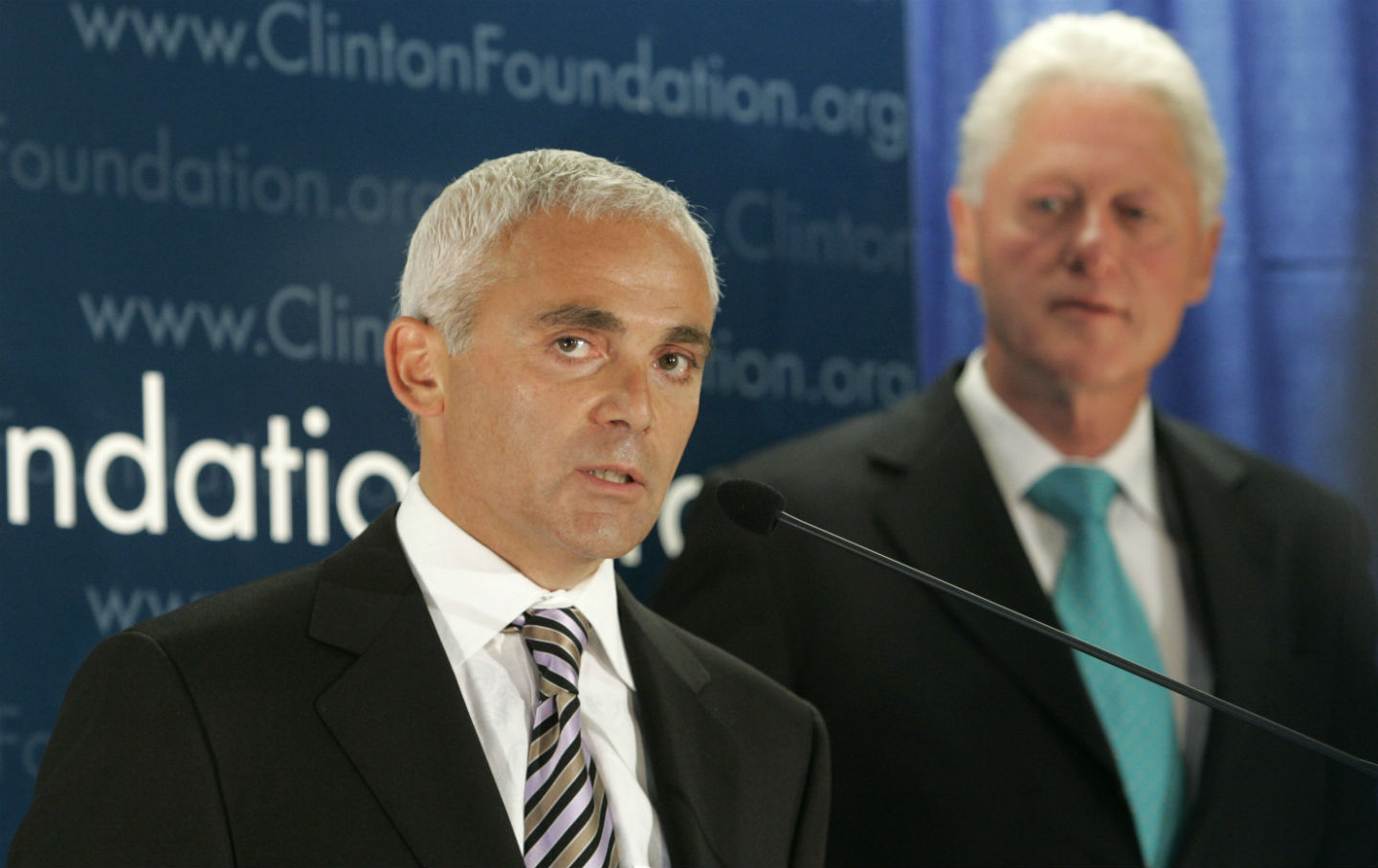
The Clinton Scandal Rabbit Hole The Clinton Scandal Rabbit Hole
How can we judge the latest Clinton scandal when the reporting around it is so murky?
Apr 23, 2015 / Michelle Goldberg
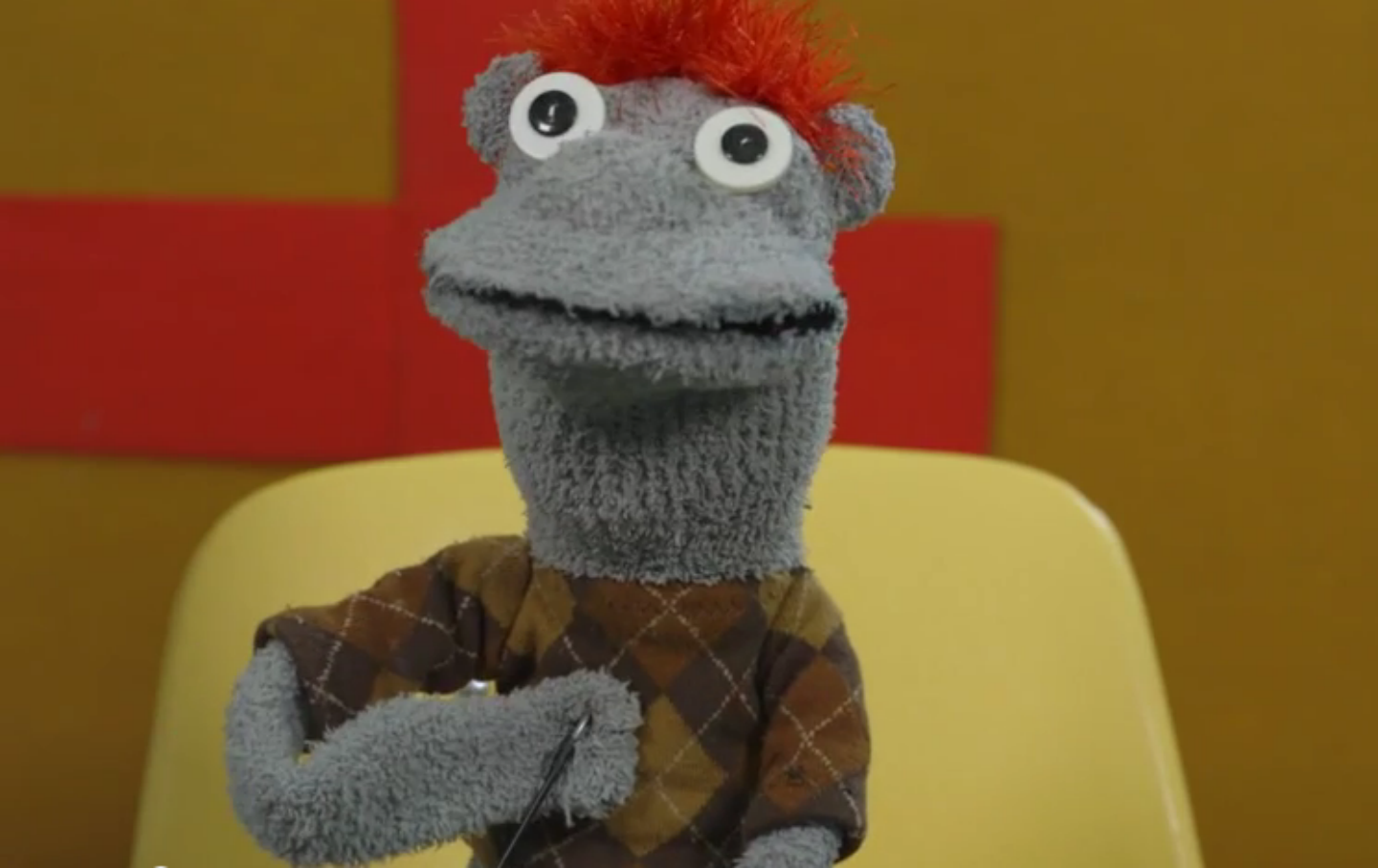
I’m Your Puppet I’m Your Puppet
This week's Altercation includes reviews of the Jazz at Lincoln Center Orchestra's tributes to music icons and the darkly comedic Broadway hit Hand To God.
Apr 23, 2015 / Eric Alterman
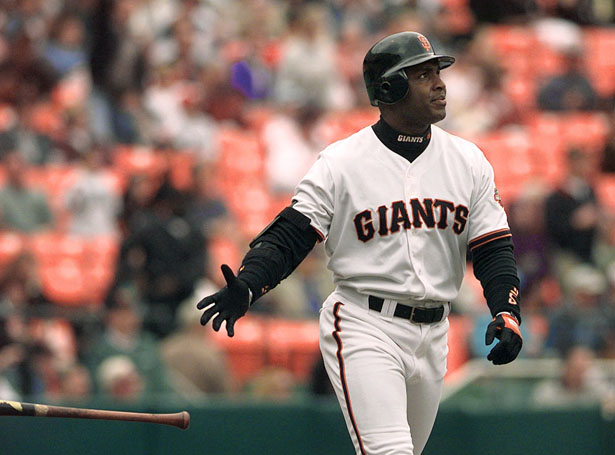
Now That the Justice Department Has Struck Out, It’s Time to Put Barry Bonds in the Hall of Fame Now That the Justice Department Has Struck Out, It’s Time to Put Barry Bonds in the Hall of Fame
The Justice Department’s quest to prosecute Barry Bonds is a shameful stain in their history. Now put him in the Hall of Fame.
Apr 23, 2015 / Dave Zirin
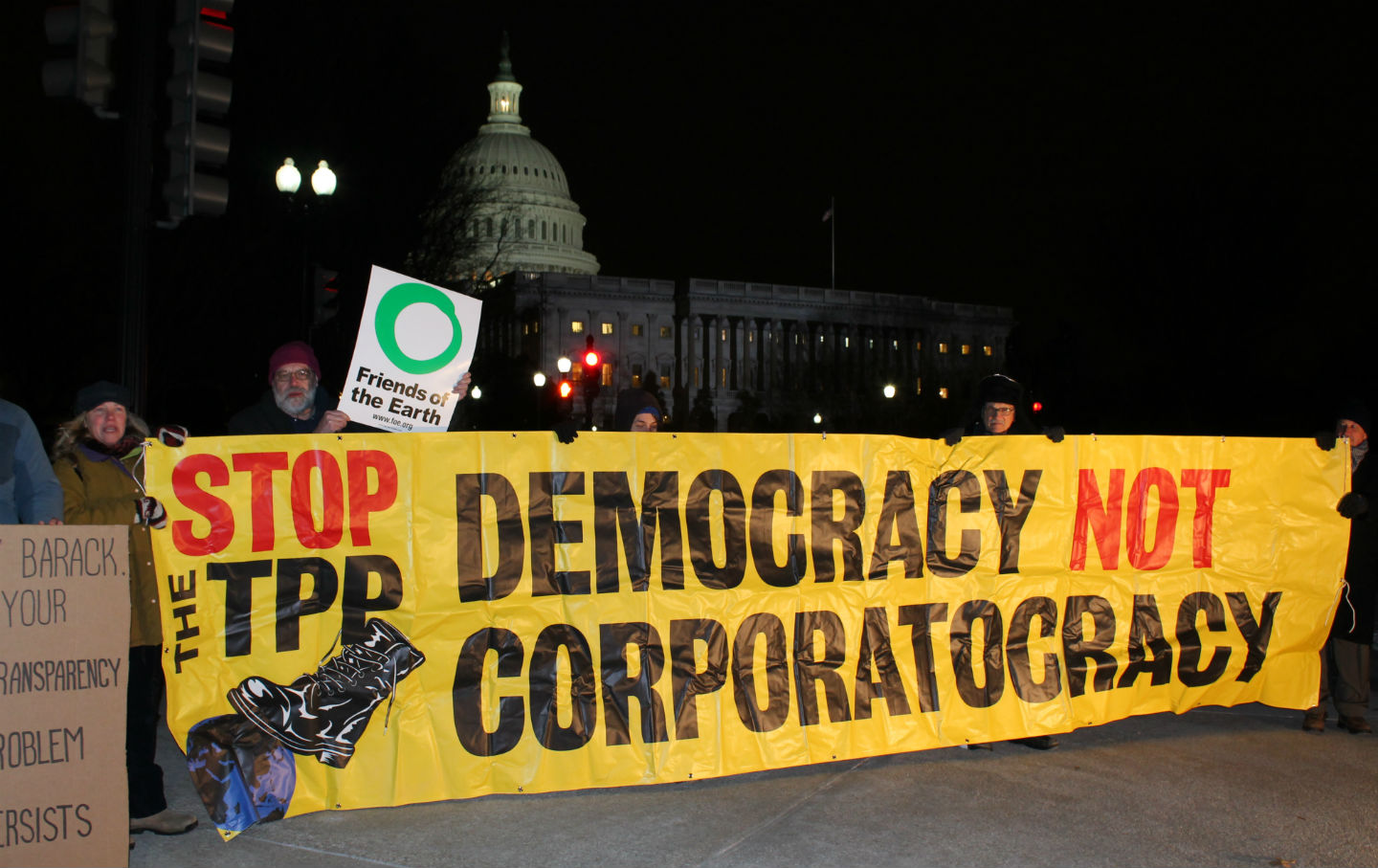
Democrats Prepare for Battle as Fast Track Nears the Senate Floor Democrats Prepare for Battle as Fast Track Nears the Senate Floor
Two leading Senate Democrats blasted the Obama administration for arm-twisting on TPP.
Apr 23, 2015 / George Zornick
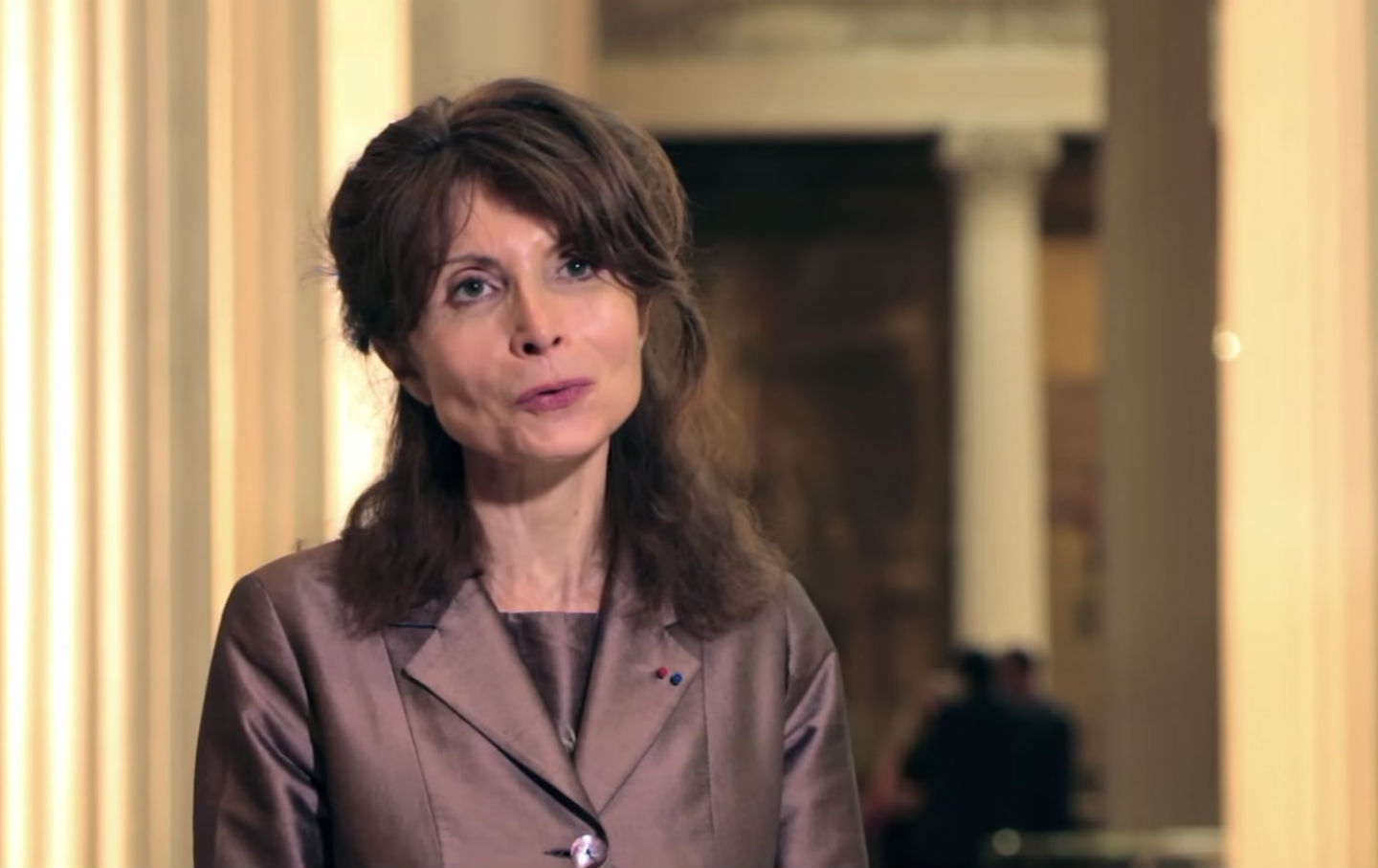
Why Is a Notorious Free-Speech Censor Being Given a Platform at a Major Academic Gathering? Why Is a Notorious Free-Speech Censor Being Given a Platform at a Major Academic Gathering?
Leading intellectuals are outraged that Monique Canto-Sperber, who famously quashed two events sponsored by Israel critics, is being given the stage to discuss “freedom of sp...
Apr 23, 2015 / David Palumbo-Liu
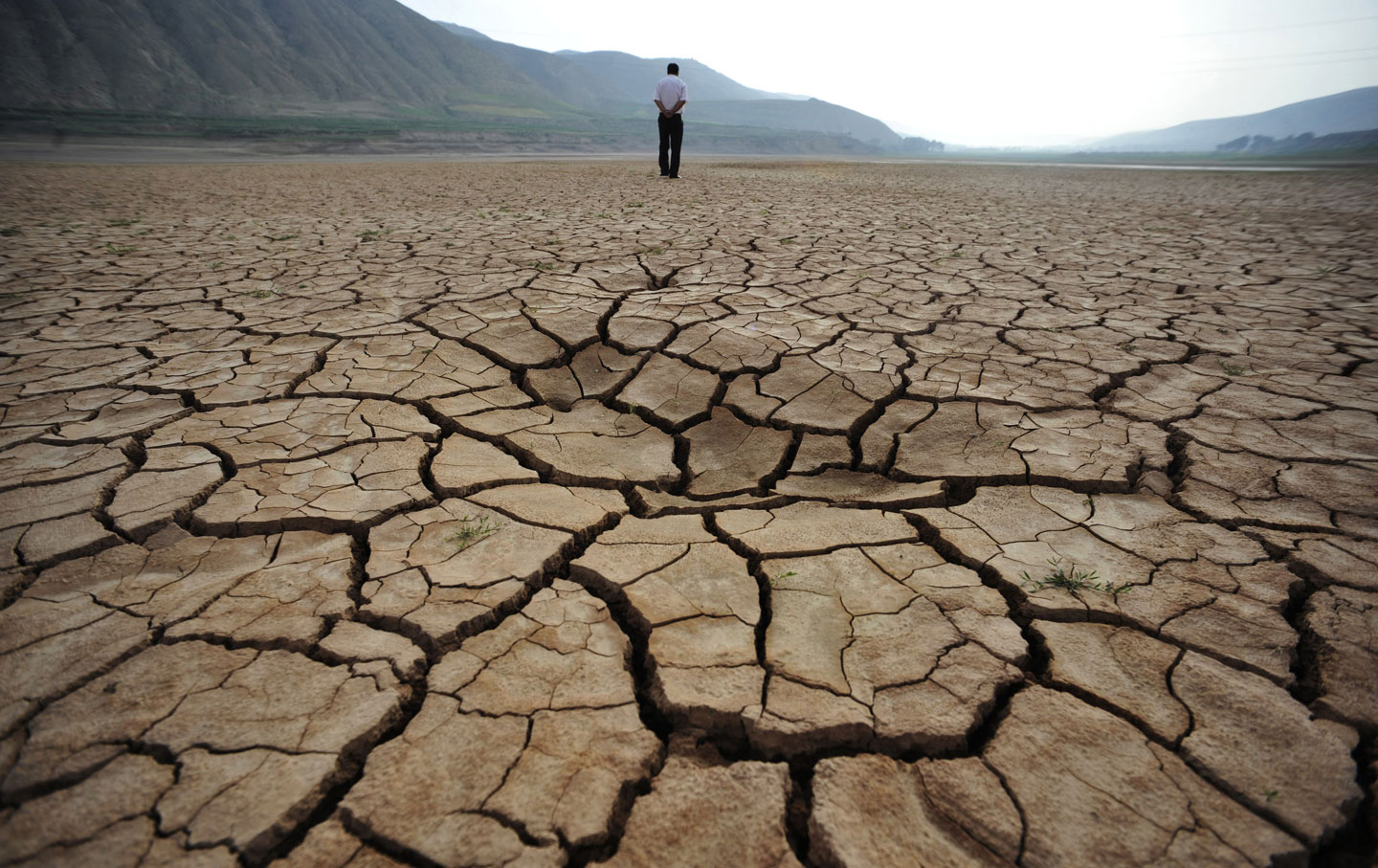
Dear Grandson: I’m Sorry for the World You’ll Inherit From Us Dear Grandson: I’m Sorry for the World You’ll Inherit From Us
From climate change to endless war, we owe the next generation an apology for the mess we’re leaving them.
Apr 23, 2015 / Tom Engelhardt

Can Australians Give Up Coal? Can Australians Give Up Coal?
The land down under is in the midst of a desperate battle that pits green energy advocates against the prime minister and his dirty-energy allies.
Apr 23, 2015 / Bob Massie
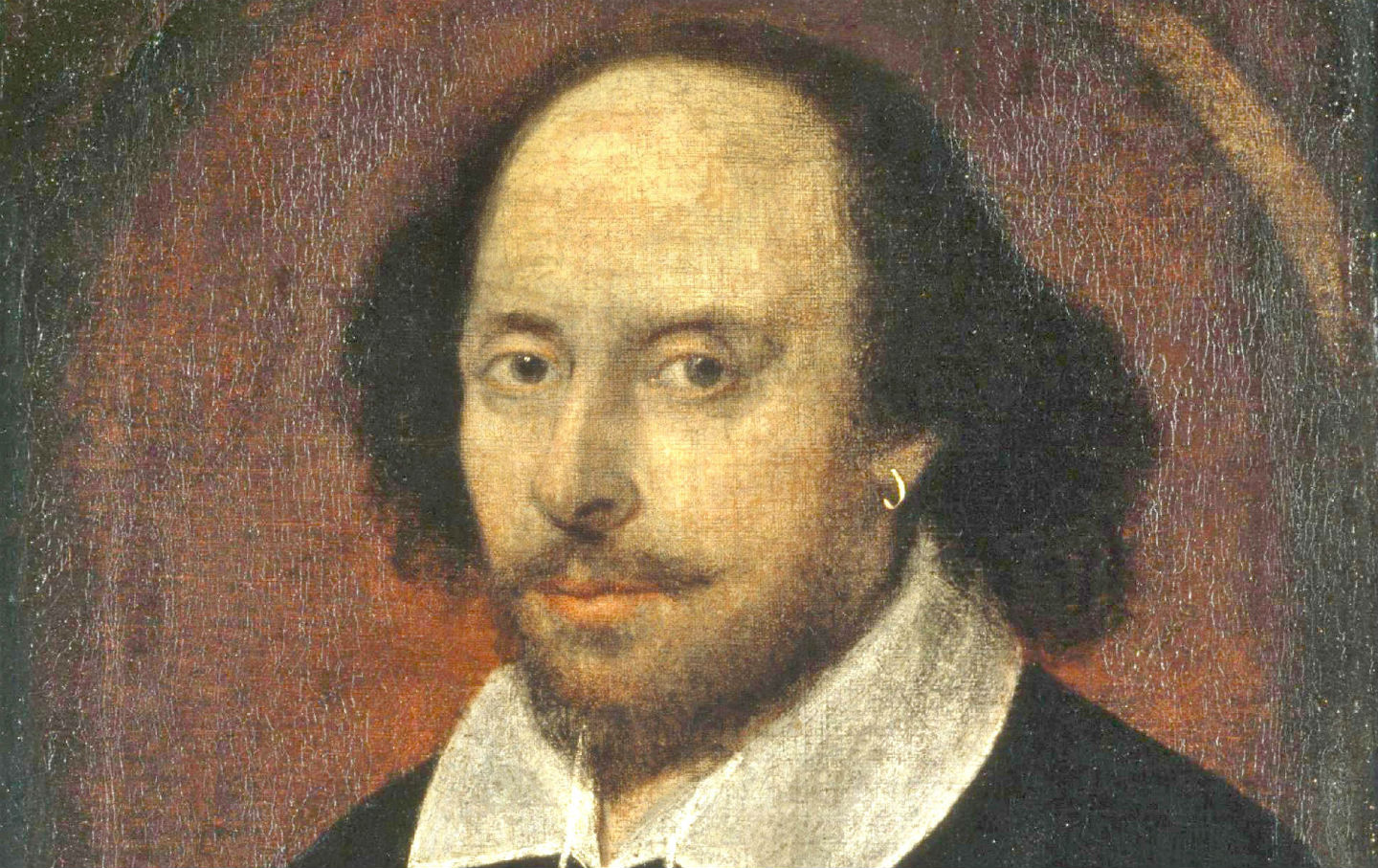
April 23, 1564: William Shakespeare Is Born April 23, 1564: William Shakespeare Is Born
"Art is artifice," a Nation critic once wrote in an essay on Shakespeare. "But the artifices owes its meaning to the fact that it has, here and there, its pertinence...
Apr 23, 2015 / Richard Kreitner and The Almanac