


May 9, 1800: John Brown Is Born May 9, 1800: John Brown Is Born
“While other men were comfortable he, murderer, madman, and saint, did, either with the inspiration of something greater than himself or without it, lay down his life.”...
May 9, 2015 / Richard Kreitner and The Almanac
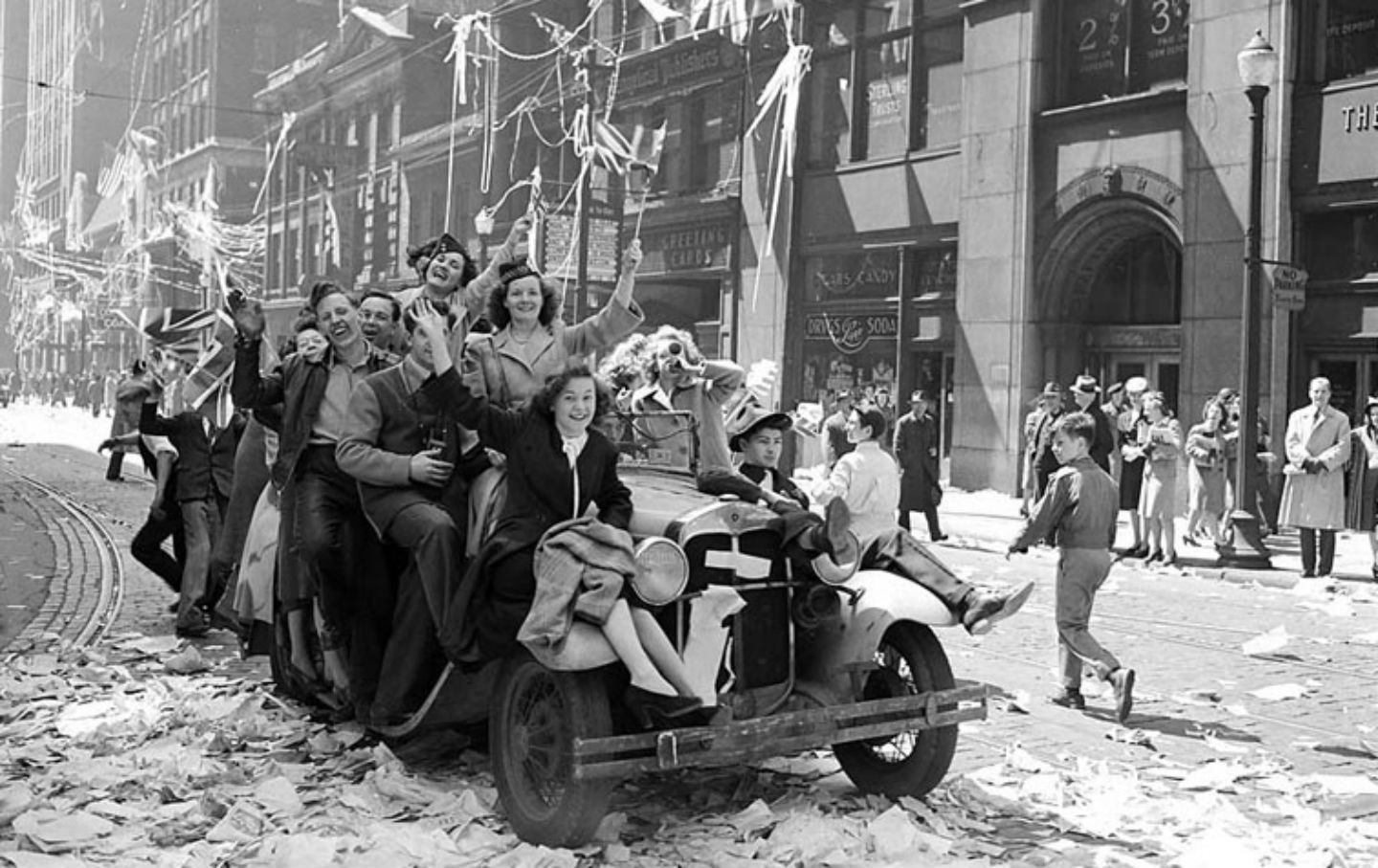
‘The Black Night Is Over’: On the 70th Anniversary of VE Day, Remembering How War Begets War ‘The Black Night Is Over’: On the 70th Anniversary of VE Day, Remembering How War Begets War
It is painful to imagine how much could have been avoided and achieved had The Nation’s warnings been heeded.
May 8, 2015 / Richard Kreitner and Back Issues
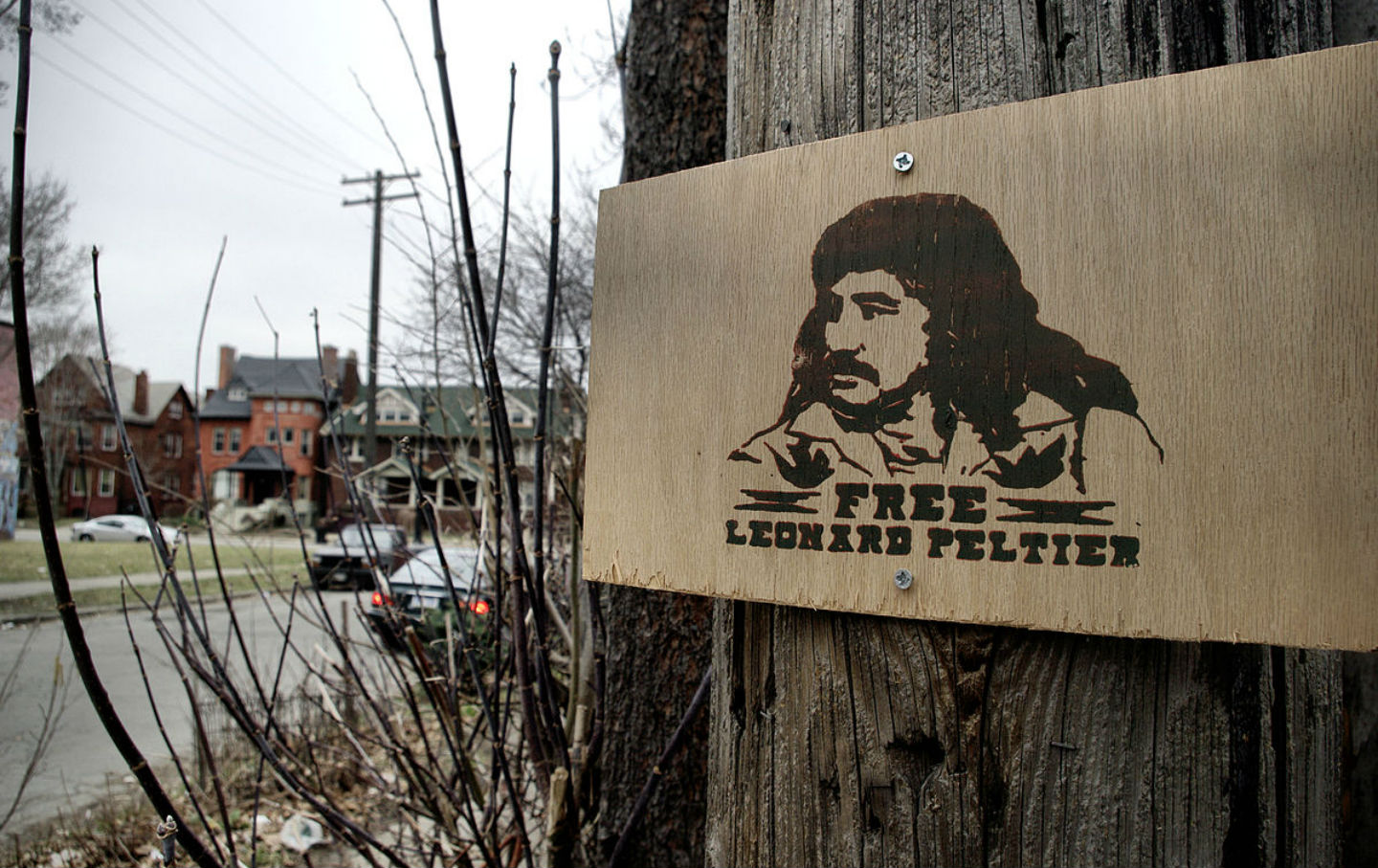
May 8, 1973: The American Indian Movement Cedes Control of the Pine Ridge Reservation, Ending the Siege of Wounded Knee May 8, 1973: The American Indian Movement Cedes Control of the Pine Ridge Reservation, Ending the Siege of Wounded Knee
“Given the impact and immediacy of global communications, it is now entirely possible for a small group of people to intimidate the strongest of governments.”
May 8, 2015 / Richard Kreitner and The Almanac

May 7, 1915: The Lusitania Sinks, Killing Over 1,000 Civilians May 7, 1915: The Lusitania Sinks, Killing Over 1,000 Civilians
"The torpedo that sank the Lusitania also sank Germany in the opinion of mankind."
May 7, 2015 / Richard Kreitner and The Almanac
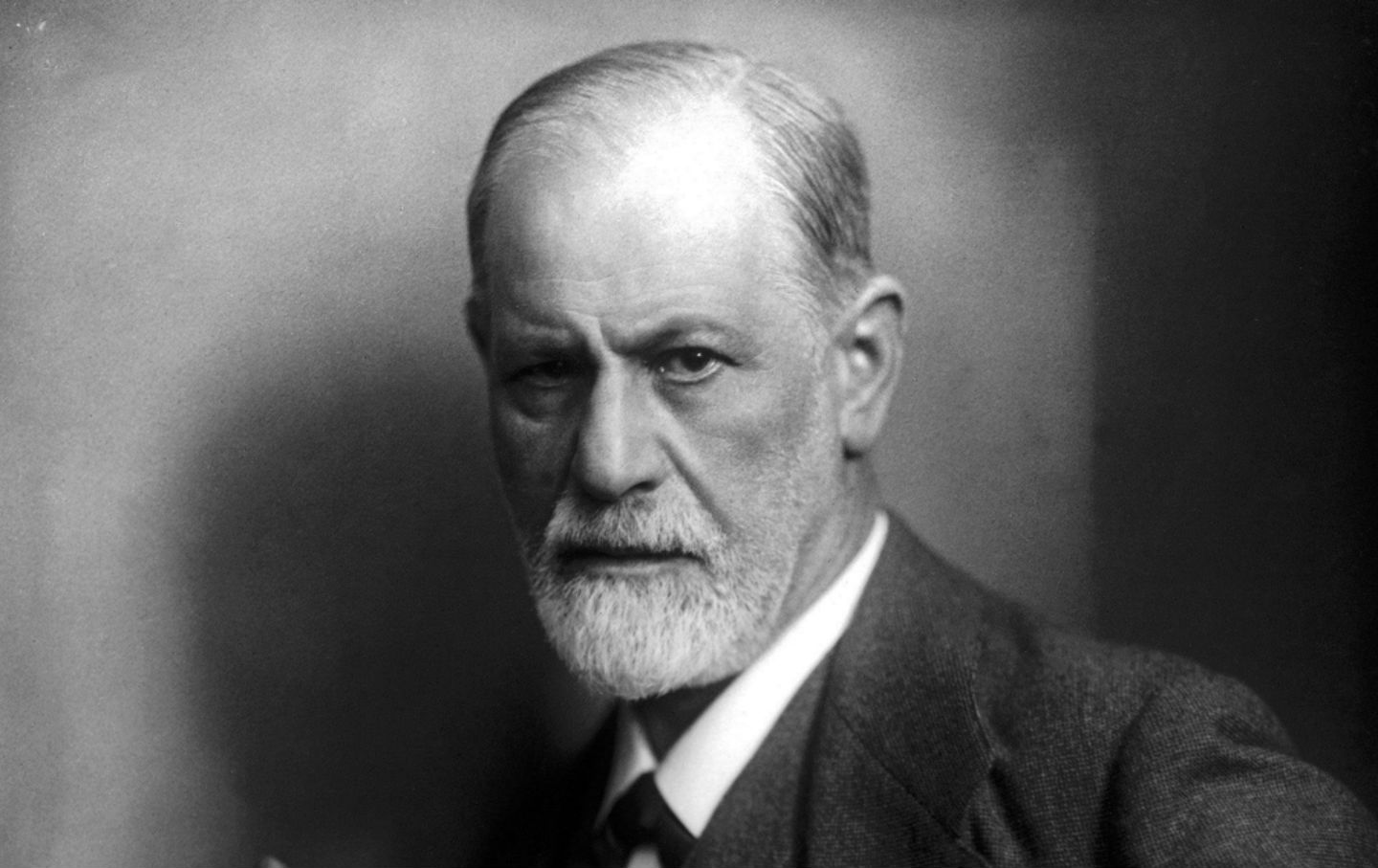
May 6, 1856: Sigmund Freud Is Born May 6, 1856: Sigmund Freud Is Born
“One cannot close this book without a sense of depression,” The Nation’s reviewer said of Freud’s The Interpretation of Dreams.
May 6, 2015 / Richard Kreitner and The Almanac
The Bold Experimentation of Gwendolyn Brooks The Bold Experimentation of Gwendolyn Brooks
“Where the subject is the Negro people, or the Negro person, Miss Brooks has gone considerably beyond…quaint and for-tourists-only self-consciousness.”
May 5, 2015 / Richard Kreitner
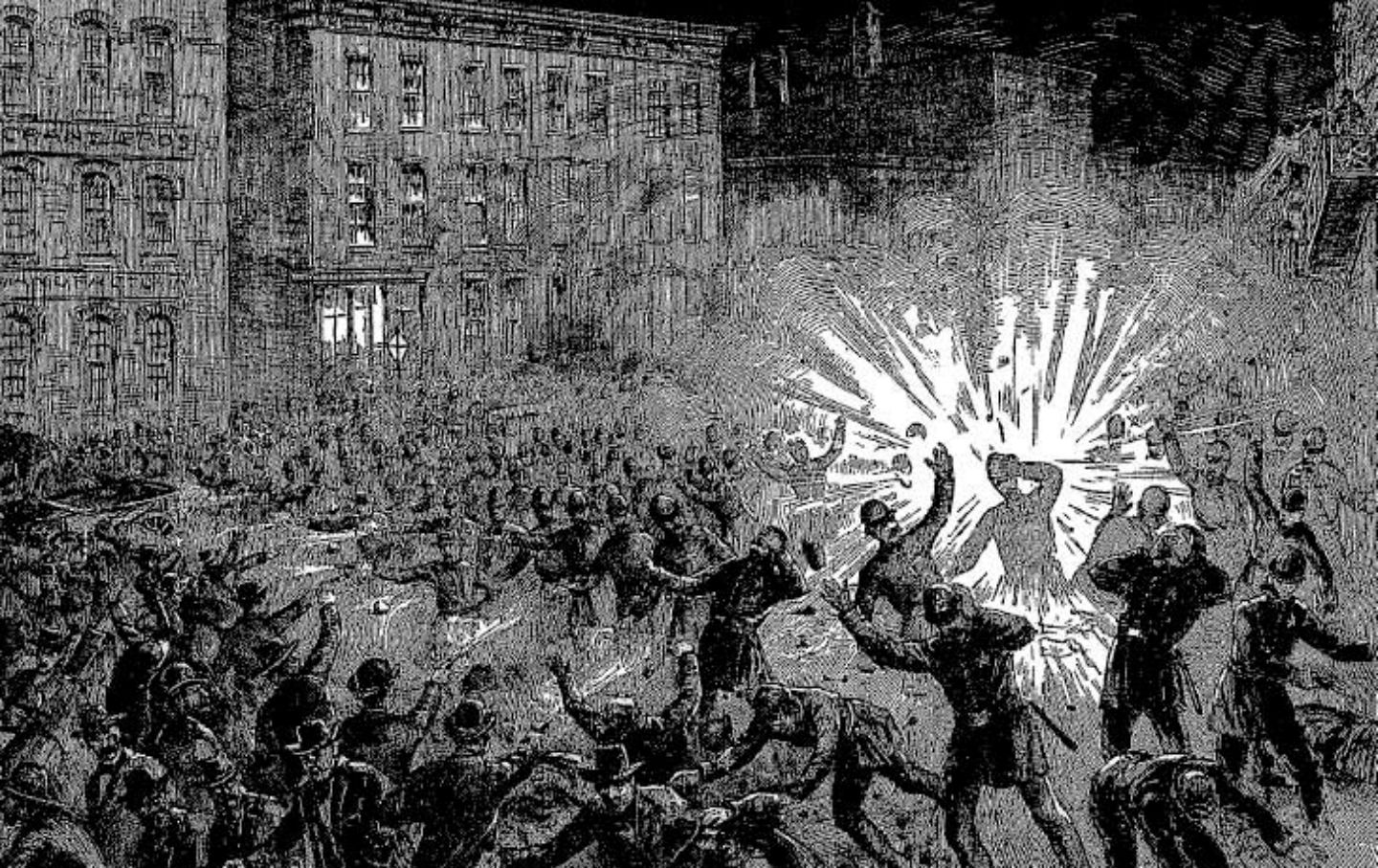
May 4, 1886: A Riot Erupts in Haymarket Square in Chicago May 4, 1886: A Riot Erupts in Haymarket Square in Chicago
For its first fifty years The Nation was not quite the friend to workers and organized labor that it is today. Rather it was perhaps the leading American proponent of the laissez-faire school of Manchester liberalism which prescribed minimal regulation and free trade and warned against organized labor. This editorial note, appearing after the dust had begun to settle in Haymarket Square, where a bomb allegedly thrown at the police by anarchists killed eight people, does not specifically mention the riot or Chicago, but its pertinence to what the editors elsewhere in the issue call “the events of the past fortnight” is obvious. Needless to say, The Nation would likely strike a different tone today. When we get outside the law, and begin to allow ever so little intimidation or coercion to be practised by either individuals or organizations for purposes of their own, we begin a descent at the bottom of which is anarchy—that is, arson, pillage, and murder, revolvers, rifles, and bombs…. It is mere folly to suppose that we can in this country have a little lawlessness, or have lawlessness for special occasions and no others. It is something from which communities must abstain together if they do not intend to drink deep of it. May 4, 1886 To mark The Nation’s 150th anniversary, every morning this year The Almanac will highlight something that happened that day in history and how The Nation covered it. Get The Almanac every day (or every week) by signing up to the e-mail newsletter.
May 4, 2015 / Richard Kreitner and The Almanac
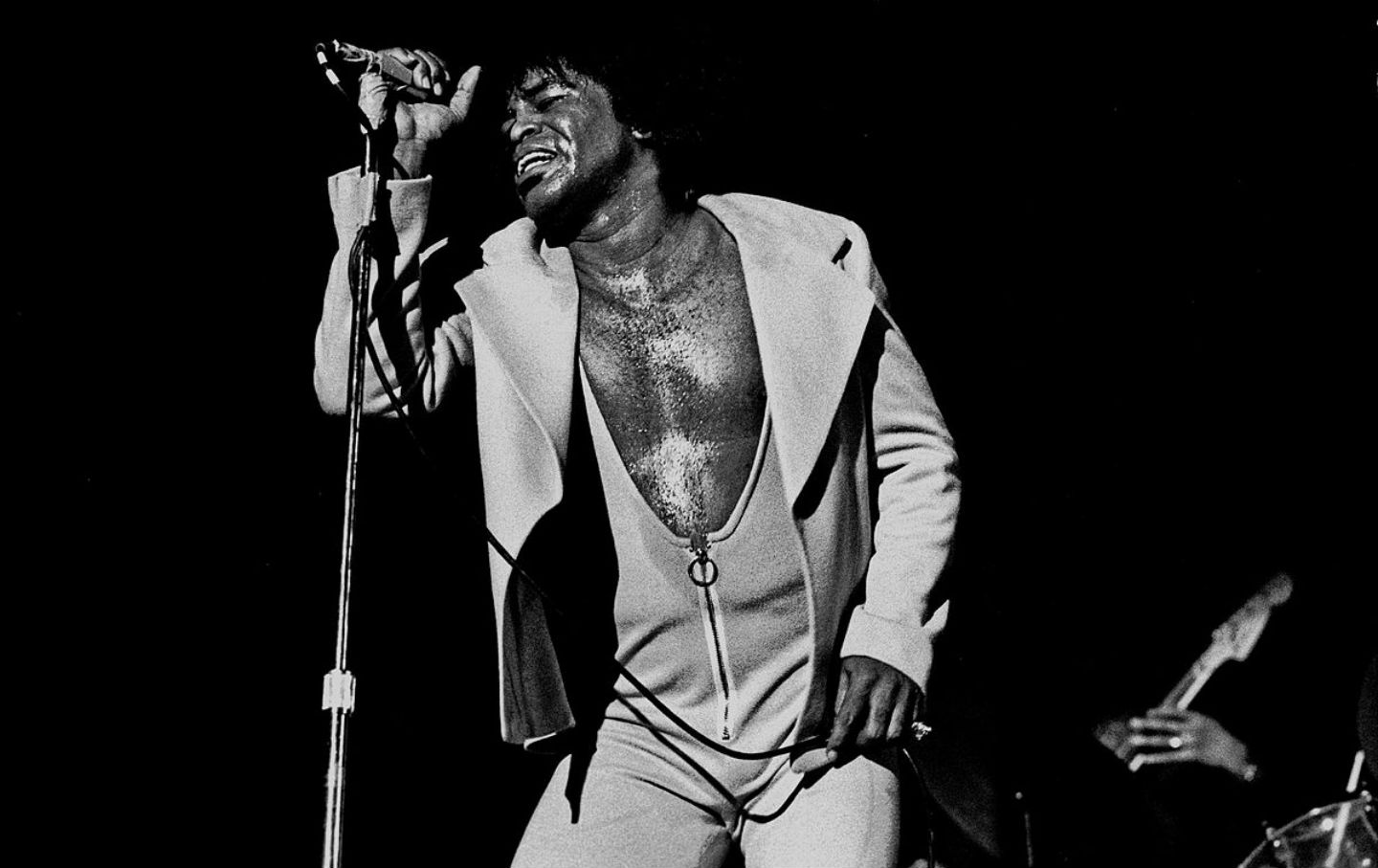
May 3, 1933: James Brown, Godfather of Soul, Is Born May 3, 1933: James Brown, Godfather of Soul, Is Born
“Swell packages aside, the ultimate thing about James Brown is the contradiction-healing groove,” a Nation critic once observed. “It’s like a brief return t...
May 3, 2015 / Richard Kreitner and The Almanac
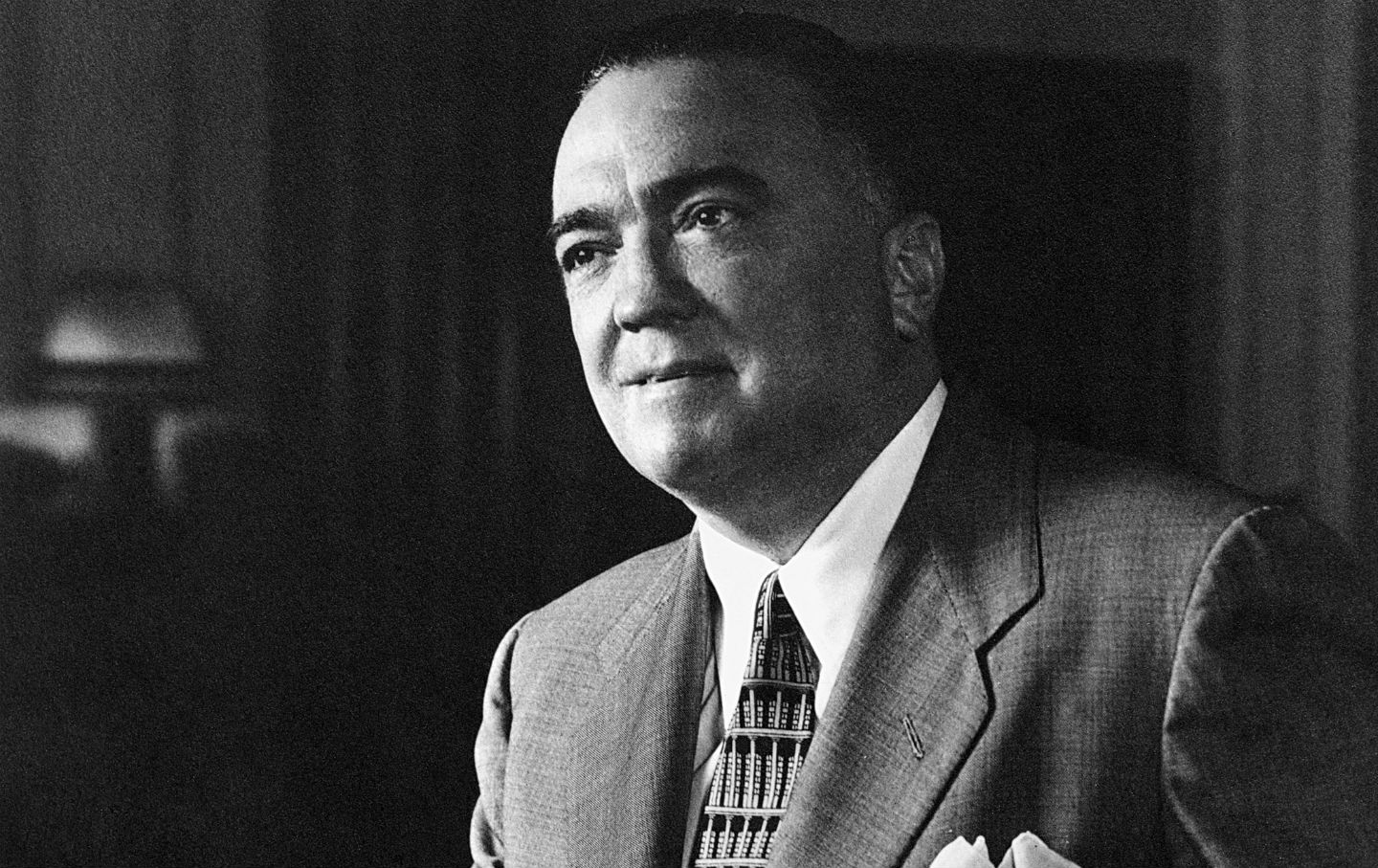
May 2, 1972: J. Edgar Hoover Dies May 2, 1972: J. Edgar Hoover Dies
"Hoover was not only the nation’s police chief; he filled a far more important post—he was its minister of internal security, an office of tremendous, if unacknowledged, power."
May 2, 2015 / Richard Kreitner and The Almanac

May 1, 1941: ‘Citizen Kane’ Is Released May 1, 1941: ‘Citizen Kane’ Is Released
“Hollywood will for a long time be in debt to Mr. Welles,” The Nation’s review predicted.
May 1, 2015 / Richard Kreitner and The Almanac