Congress Should Push Back Against the New US-Saudi Arms Agreement
We should not let a few business deals, however lucrative, tie America to a regime that is more likely to entangle America in a new Middle East conflict.
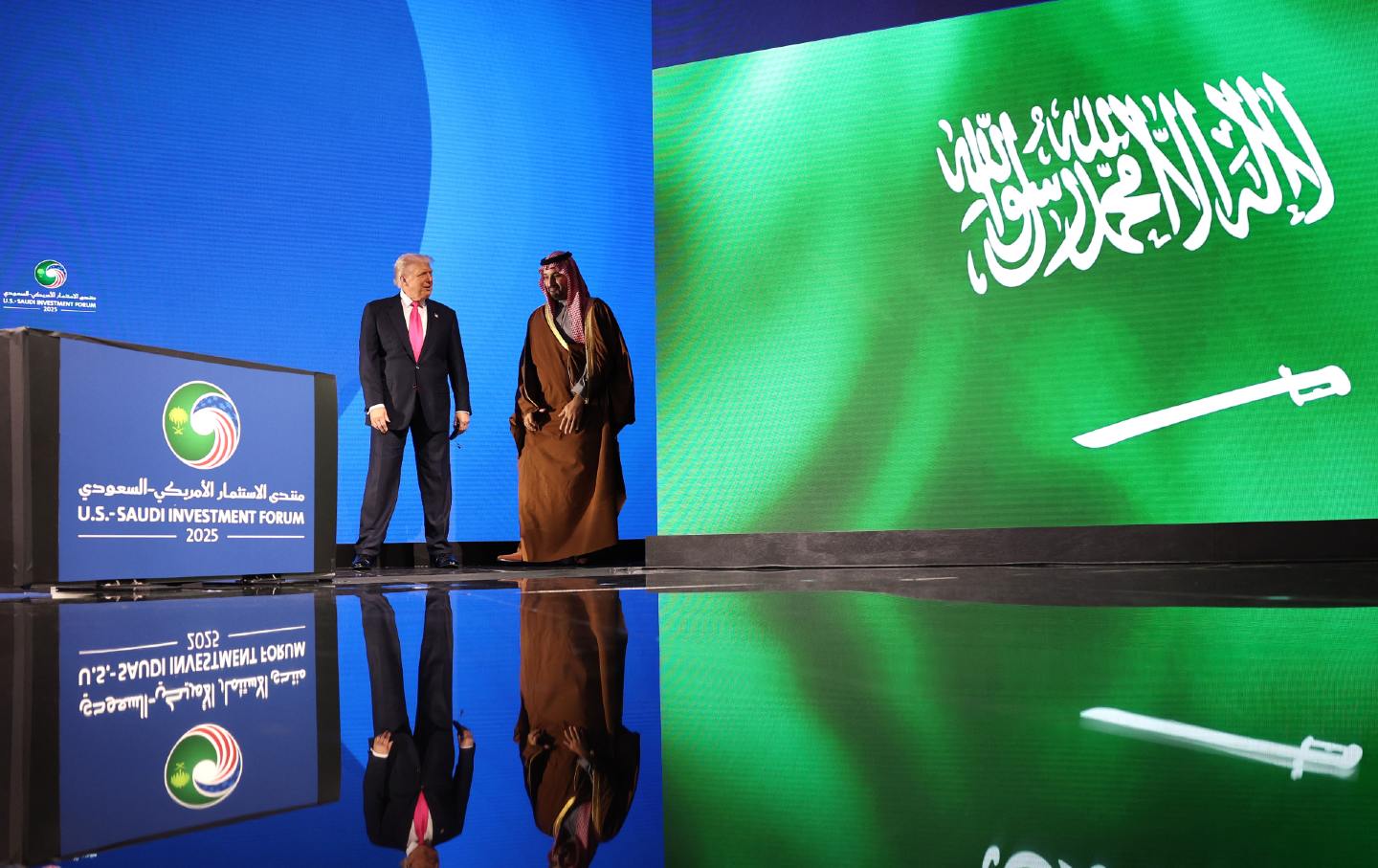
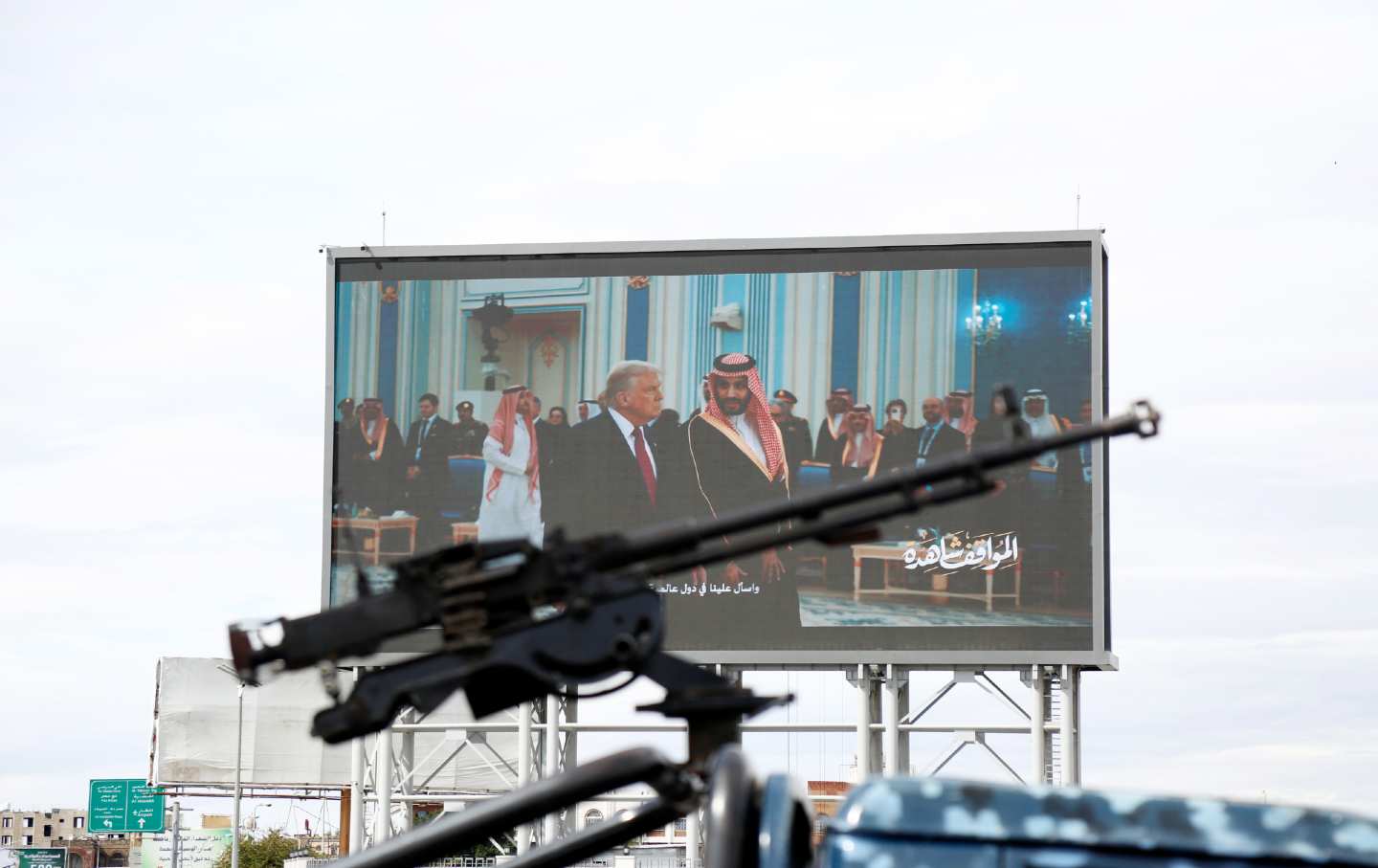
The “strategic defense agreement” with Saudi Arabia announced by President Trump during the Washington visit of de facto Saudi leader Mohammed Bin Salman yesterday is both dangerous and misguided.
The full details of the defense arrangement, which comes alongside a commitment to sell F-35s and other advanced technology, were not disclosed. But the tone of the document and the related agreements made it clear that the Trump administration has taken a giant step forward toward a formal commitment to defend the Saudi regime in a crisis, militarily if necessary.
Senator Jeanne Shaheen (D-NH), the ranking Democrat on the Senate Foreign Relations Committee, immediately raised concerns about the strategic agreement: “President Trump’s reported offer of a US security commitment to Saudi Arabia without the Senate’s advice and consent is very troubling. Committing US troops to defend another country is one of the most important decisions we can make as a nation…. Bypassing Congress on commitments of this scale sets a dangerous precedent.”
It is particularly ill-advised for the United States to make the kind of commitment described by Senator Shaheen to a government run by Mohammed bin Salman.
From his role in directing the murder of US-resident Saudi journalist Jamal Khashoggi to his brutal war in Yemen, which left nearly 400,000 people dead, he has shown himself to be a repressive, erratic leader who cannot and should not be relied on as a security partner.
The strategic risks entailed in strengthening military ties and strategic commitments with Saudi Arabia are exacerbated by the symbolism of embracing a rogue leader who has never been held accountable for his extensive record of human rights abuses and violations of international law, from his role in directing the assassination of Jamal Khashoggi to his indiscriminate bombing and blockade on humanitarian supplies to Yemen to his current surge in executions of Saudi citizens. As a coalition of human rights groups led by Human Rights Watch has noted, “Since bin Salman’s last visit to the United States in March 2018, Saudi authorities have presided over one of the worst periods for human rights and freedom of expression in the country’s modern history.” The regime has executed at least 300 people so far this year, and, as the human rights groups cited above have pointed out, “rampant due process violations and systemic abuses against defendants in Saudi Arabia’s courts and criminal justice system make it highly unlikely that any of those executed in recent years received a fair trial.”
As usual, President Trump’s main focus in promoting the new deal with Saudi Arabia is financial. Sales of aircraft and advanced technology to Saudi Arabia will be paired with Saudi investments in US infrastructure. Given the regime’s tight economic ties to the Trump family, most clearly exemplified by its commitment of $2 billion to Trump son-in-law Jared Kushner’s investment fund—don’t be surprised if some of those Saudi investments redound to the benefit of the president’s inner circle.
But the president has promised economic miracles tied to Saudi business deals before, only to see them fall far short of what was advertised. In his first term in office Trump touted a wildly exaggerated set of arms deals with Riyadh, claiming at one point that they were supporting 500,000 jobs in the United States. A close analysis put the figure at less than one-tenth of that total. And not all of the money from the new arms deals will be spent in the United States. Part of the proposed US-Saudi strategic arrangement will make it easier for US arms companies to establish facilities in Saudi Arabia, diluting whatever impact deals like the F-35 offer might have on jobs in the United States.
Last but not least, words and images matter. When President Trump attempted to shield Mohammed bin Salman from responsibility for his role in the murder of Jamal Khashoggi (“things happen”) and berated a reporter for even having the nerve to bring it up, he further tarnished the reputation of America, pushing it further from the ideal of a promoter of democracy and human rights toward an image as an unapologetic enabler of repression and dictatorship. That is not where our nation should be at this point in history, when autocracy is on the march and standing up for basic principles is more important than ever.
Congress should do everything it can to slow the administration’s embrace of the Saudi regime, from seeking to block sales of advanced arms and technology to demanding a full explanation of what commitments have been made under the new strategic agreement with Riyadh. We should not let a few business deals, however lucrative, tie America to a dangerous, reckless regime that is more likely to entangle America in a new Middle East conflict than it is to promote peace or stability in the region.