
Trump Is a Clear and Present Danger to the Nation’s Security
There are no greater threats right now than the climate crisis and global pandemics.
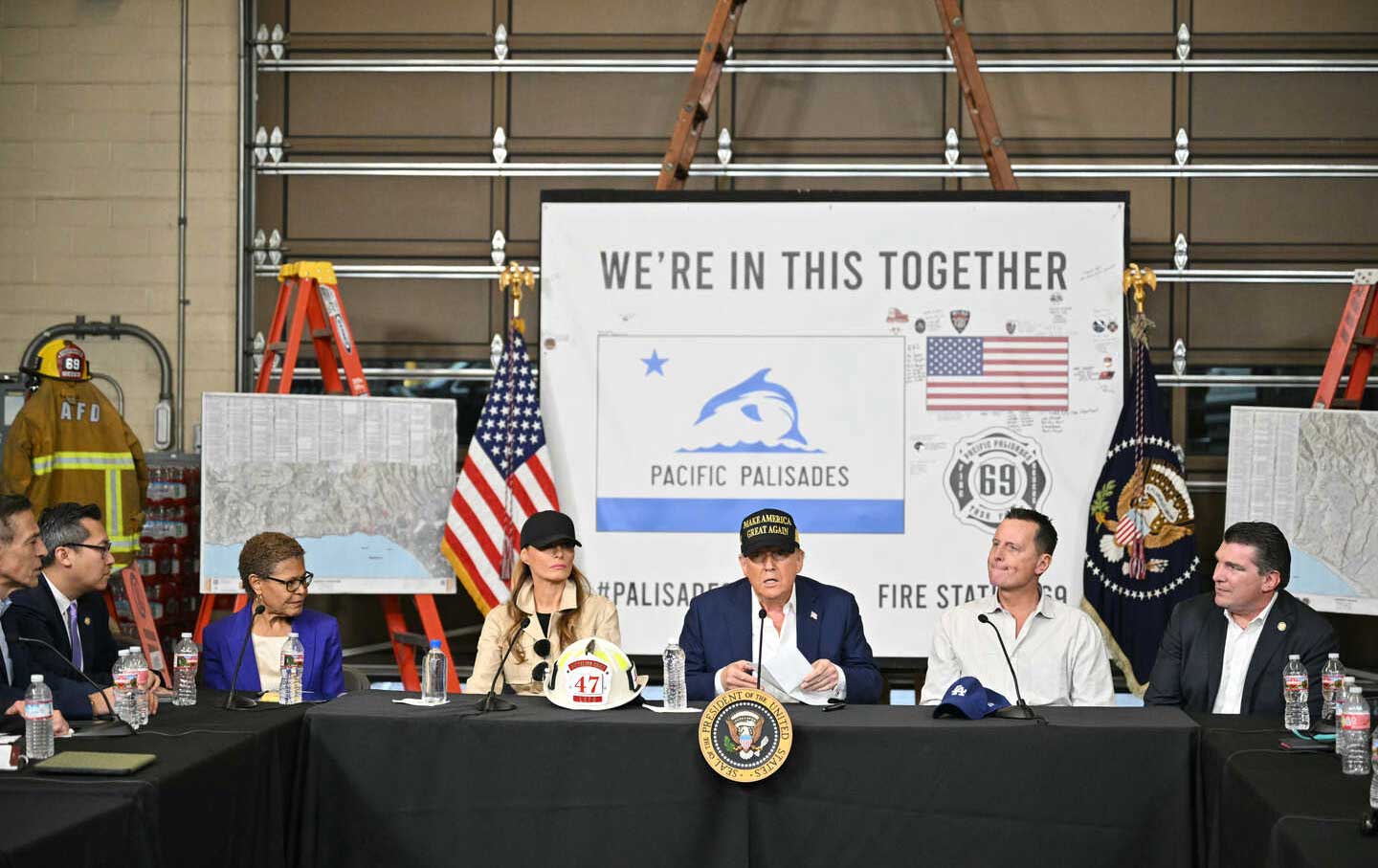
In his first days in office, Donald Trump has shown he is a clear and present danger to the security of the nation and the American people. As expected, like a mad emperor, he has served up red meat to his followers, struck out at his opponents, pursued his fickle fixations, while enforcing a craven public obeisance from the Republican Senate. Too easily lost in the whirl of insults, follies and menace, however, is the direct threat he now poses to American security.
Among Trump’s earliest acts in office was to withdraw from the Paris climate accords, terminate US financial commitments to the UN Framework Convention on Climate Change, and order the suspension of federal climate-related work and spending. At the same time, he gave notice that the United States would withdraw from the World Health Organization and ordered a pause in all public communications from the CDC and other health-related government organizations.
There are no greater security threats to this country right now than catastrophic climate change and global pandemics. As demonstrated by the inferno in Los Angeles and the fury of hurricane Helene across Appalachia, catastrophic climate change is already taking lives, wreaking havoc, destroying communities, and causing hundreds of billions in damage. Trump may prefer to forget the Covid pandemic, which contributed directly to his electoral defeat in 2020, but it took over a 1,200,000 American lives (the worst losses of any country in the world) and counting, while shutting down commerce across much of the industrial world. Now, the bird flu is spreading across the world; here, it already threatens to shutter Georgia’s chicken industry. Crippling the WHO—the US now contributes nearly 20 percent of its budget—is, in the words of Lawrence Gostin, professor of global health at Georgetown University, “simply sowing the seeds of the next pandemic.”
China, Russia and Iran consume the attention and the resources of our bloated national security state. But none of these countries are taking the lives, leveling the communities, and disrupting the economy as extreme weather and pandemics have and will. Were Trump actually serious about putting America First, the threats posed by climate and pandemics would be at the top of his agenda.
Addressing climate change requires cooperation with China, not confrontation, and new initiatives to enlist the globe in unprecedented collective effort.
Trump, of course, scorns climate change, and touts his promise—and his brazen deal with Big Oil interests—to “drill, baby, drill.” But if he were to fulfill his promise of a “revolution of common sense,” he would transform our security priorities, beginning with engaging China to join in enlisting the globe in an unprecedented global effort to limit climate change.
Even if Trump assumes that preventing further climate change is impossible or too expensive, he should be calling for major investments to gird our communities for the rising climate furies that are already inevitable—with research and action geared to addressing the increasingly extreme disasters we are suffering, dealing with sea-level rise, managing land and forests, planning for drought or floods, developing new crop varieties, protecting energy and public infrastructure, building more resilient housing. This requires a mobilization at all levels of government.
Yet instead of calling for a major national program of adaptation, Trump has terminated the Biden executive orders that at least tasked the government to begin assessing what was needed. After spreading lies about FEMA’s response to Hurricane Helene in the election campaign, he also has floated the notion of disemboweling FEMA and letting the states deal on their own with the coming natural catastrophes.
Similarly, pandemics are an inevitable byproduct of an interconnected world. Trump’s tariffs may curtail the growth of imports; his declaration of war on our borders may limit immigration; but neither can stem the growing threat of global pandemics. What is required is a massive overhaul of the global, regional, and national efforts to monitor, track, report on and respond to such threats as they arise. This requires reform of and investment in the World Health Organization and other global bodies, increased diplomatic cooperation, and a modernization and increase in resources devoted to responding to such threats as they arise. Denial is deadly. Trump’s antipathy to public health—presumably based on his calamitous failure in dealing with Covid—will cost American lives and economic vitality.
Many of Trump’s policies are cruel and costly. Millions of families and communities will suffer if he carries out his deportation threats. Millions will be at risk from the loss of medical care if Medicaid cuts now under consideration are passed. His tax cuts and slashing of environmental, consumer, and civil rights protections will add to our obscene and debilitating inequality.The fleecing of Americans and looting of the government promise to reach Gilded Age extremes.
But the clear and present threats to our national security should not be lost amid the flurry of the mad king’s outrages. Nor it is sufficient simply to sustain the policies of the Biden administration, which launched the biggest initiative on alternative energy but devoted far more attention and resources to great-power jockeying than to the global threats that already are taking a severe toll on Americans. It is a testament to our bipartisan folly that Biden could not bring himself to declare the climate crisis a national emergency, while Trump on his first day in office would declare a national emergency on energy, even with the United States already at peak oil.
Trump’s operatives plotted his shock-and-awe first 100 days in the knowledge that his outrages would spark a furious reaction. His abdication of the first duty of a president—to protect our security—provides the moment to build a far more aggressive citizens movement to demand a real security policy that actually puts America first by addressing the threats that are already besieging us.
More from The Nation
Progressives Are Backing Puerto Rican Independence. It’s About Time. Progressives Are Backing Puerto Rican Independence. It’s About Time.
More and more leftists are concluding that statehood for the island is not enough.
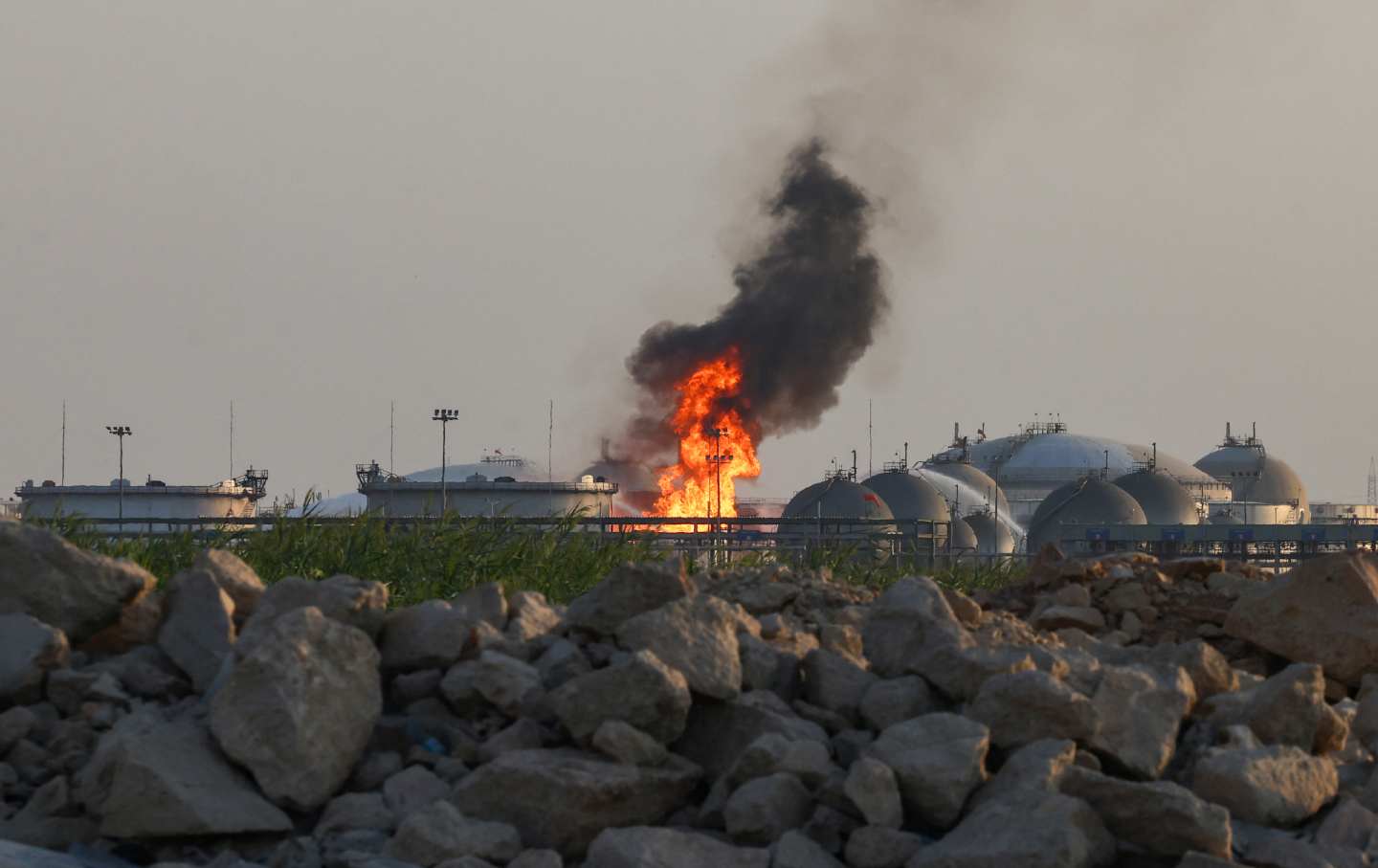
The Saudi Phase of the Iran War Signals More Chaos to Come The Saudi Phase of the Iran War Signals More Chaos to Come
The conflict that Donald Trump has repeatedly proclaimed an unequivocal American victory keeps spiraling out of control.
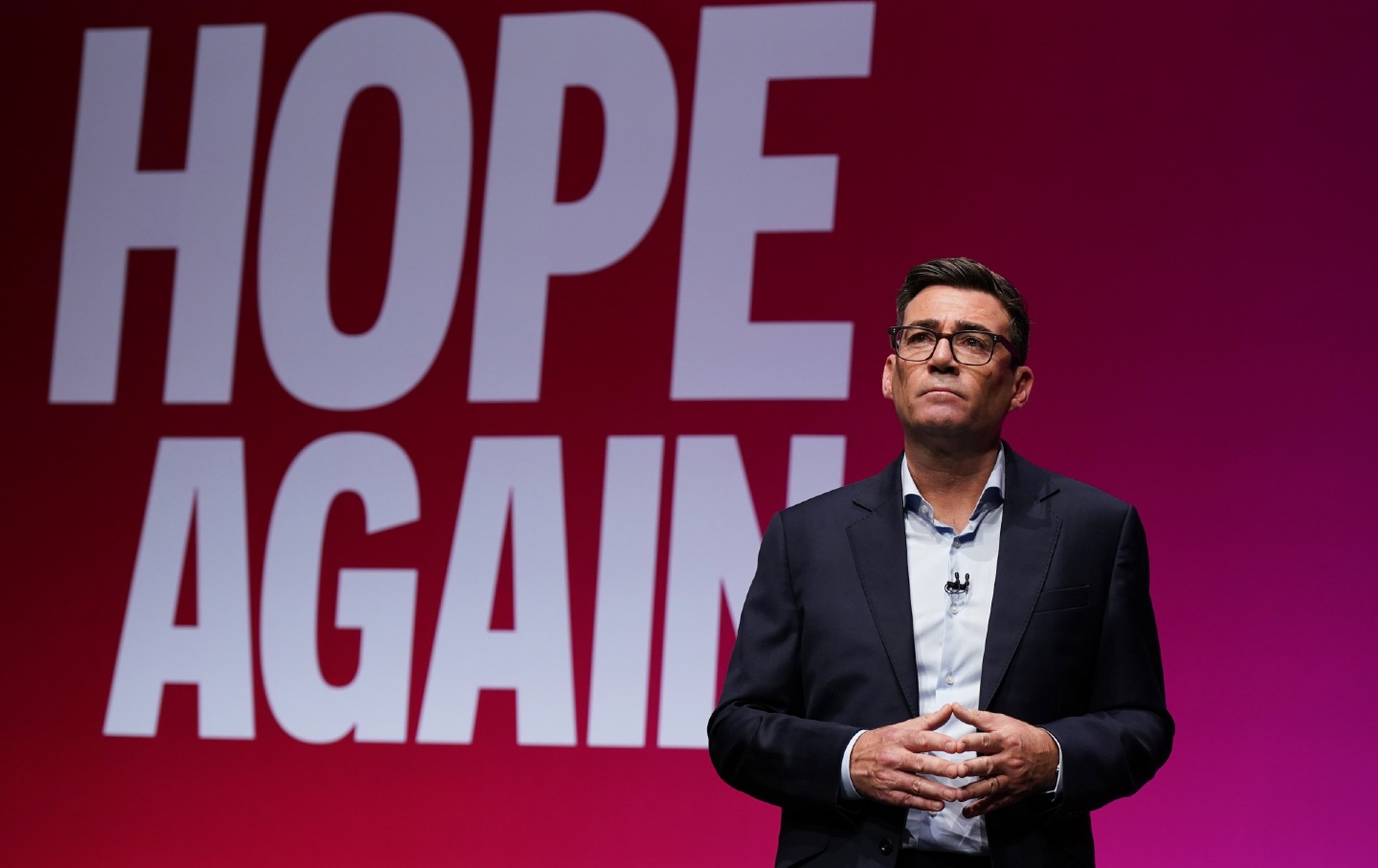
Andy Burnham’s Speech to the Labour Party Conference Could Be the Start of a Positive Social-Democratic Politics Andy Burnham’s Speech to the Labour Party Conference Could Be the Start of a Positive Social-Democratic Politics
But the autumn budget to be released at the end of October will offer needed details.
Why Navi Pillay’s Receiving the Nobel Peace Prize Is So Important Why Navi Pillay’s Receiving the Nobel Peace Prize Is So Important
She believes that human rights and international law are universal principles that must be enforced regardless of violator’s ideology, ethnicity, or geostrategic alignment.
Writing About War as Bombs Fall Writing About War as Bombs Fall
While the Israeli government launched a well-orchestrated offensive of disinformation and hyperbole that would make the illegal permissible in the war on Gaza.

