What’s Really Happening in Springfield, Ohio
After Trump and Vance spread unfounded claims about Haitian migrants in the small town, this photographer went to see who and what are really there.
This story is part of States of Our Union, a series presented in collaboration between The Nation, Magnum Photos, and the Economic Hardship Reporting Project.
Since the 1980s, Springfield, Ohio, has experienced economic and demographic decline, marked by the closure of major factories and the loss of industrial jobs. Once a thriving manufacturing hub, the city now faces high unemployment and growing poverty. From 1970 to 2023, the population has dropped from over 80,000 to almost 60,000, approximately 15,000 of whom are Haitian.
Springfield is a midsize town of about 50,000 people, nearly 20,000 of whom are Haitian. Coming from Kentucky with no contacts, my investigation began at the Springfield Ohio Haitian Community Support Center. I was warmly greeted by Viles Dorsainville, the director, and Rose Thamar Joseph, the operations manager. Speaking French helped a lot, and it was clearly appreciated. They explained: “Since the nonsense spread by Donald Trump, many of our people live in fear. They wonder what will happen if he gets elected again.”
In Haiti, gangs have ravaged the country’s capital, Port-au-Prince, and surrounding areas, killing, raping, and kidnapping thousands, leaving hundreds of thousands homeless and unemployed, deepening poverty throughout the country. Haitians began arriving in Springfield around 2018, drawn to the city by job opportunities and affordable housing. This has exacerbated local tensions, particularly after Donald Trump and JD Vance spread rumors about their cultural practices, further fueling distrust and weakening Springfield’s social cohesion.
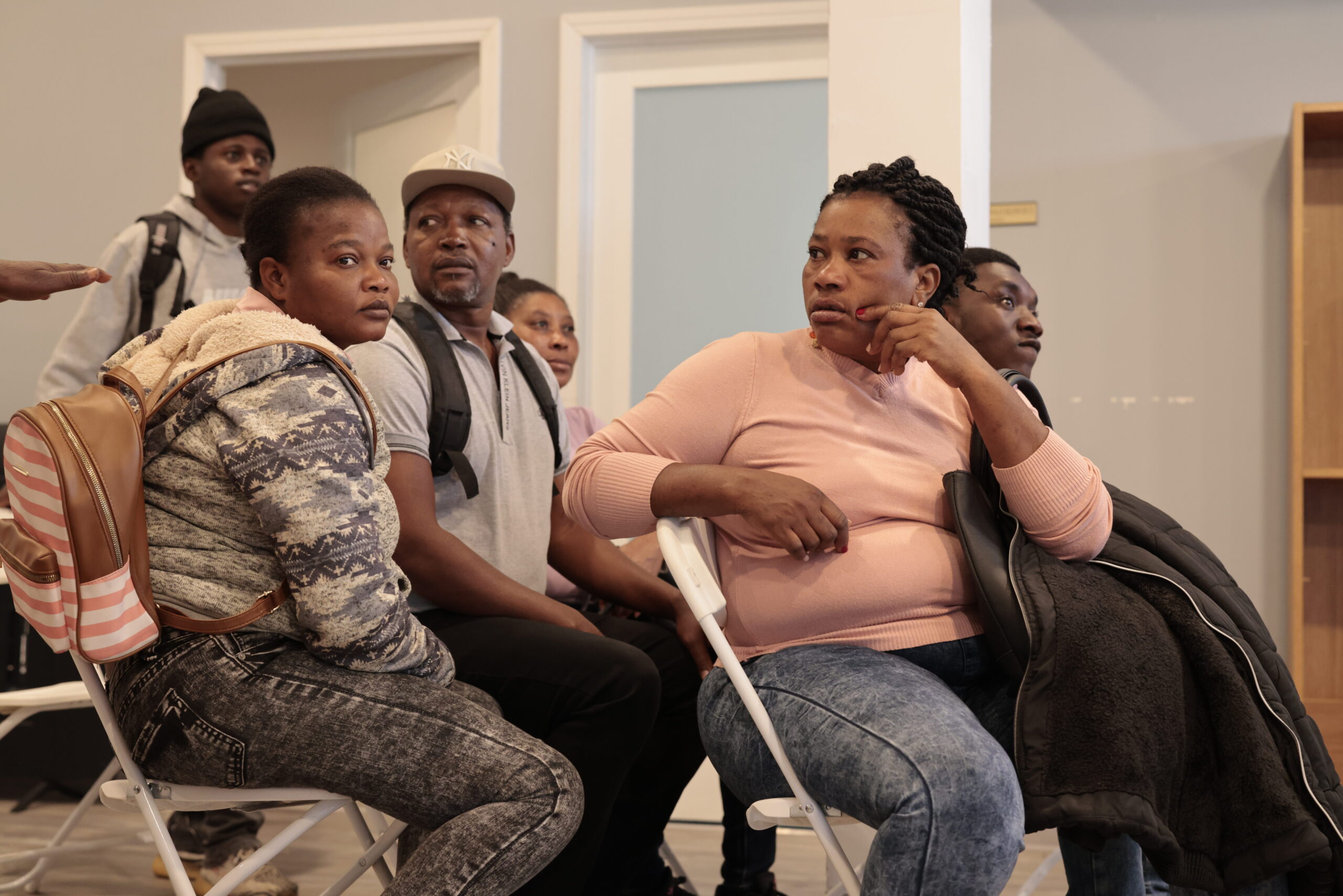
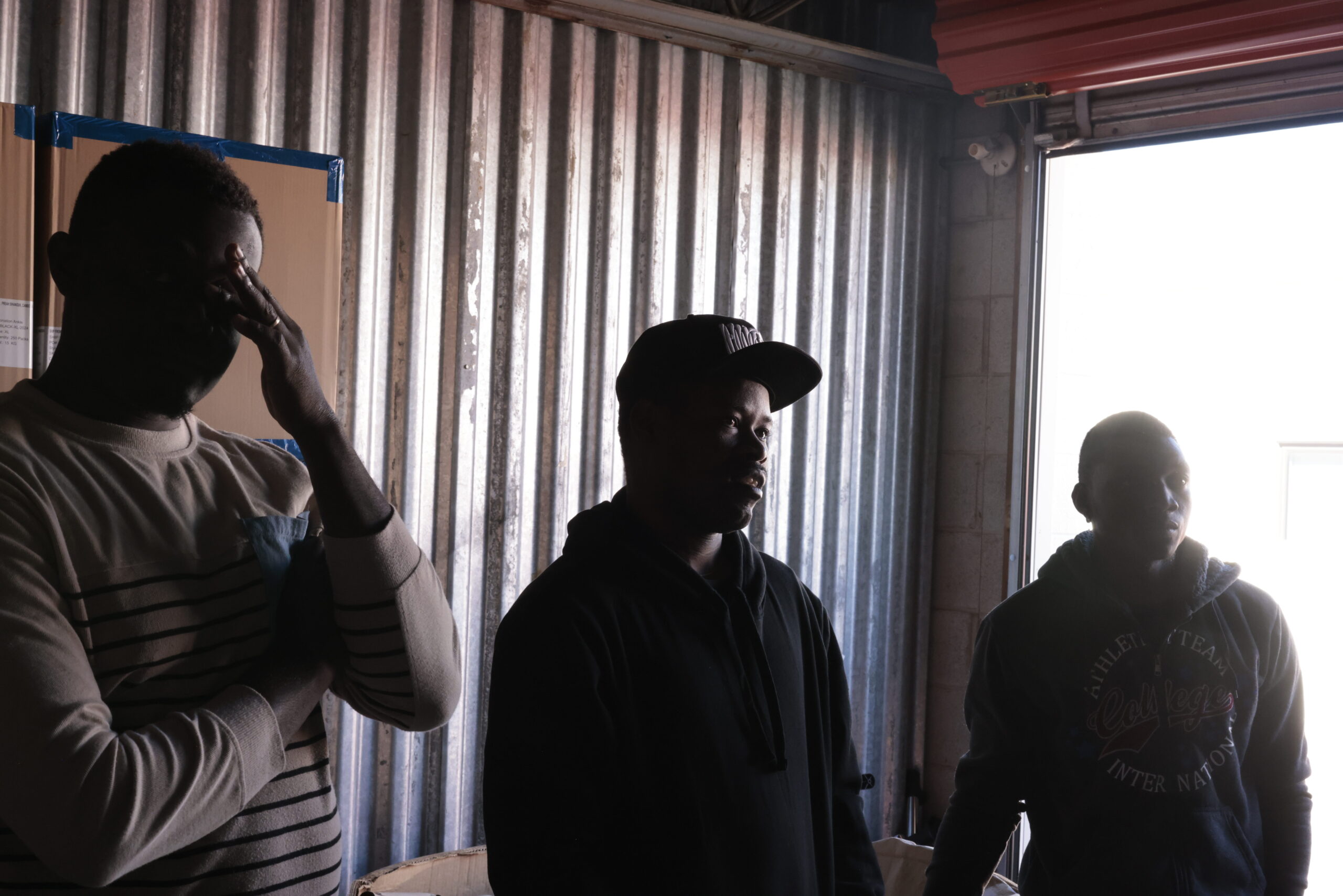
The center provides legal support, translation services, and English classes, among other resources for Haitians. Walder, 22, had come by one morning and naturally struck up a conversation with me. “I’ve been here for about five months. I was in Mexico. There’s work there, but the pay is too low. Here, aside from work, there’s not much else to do.” Indeed, even on weekends, Springfield’s streets are deserted, far from the image some paint of hordes of idle Haitians roaming the streets. “Everyone’s doing overtime, even on weekends.”
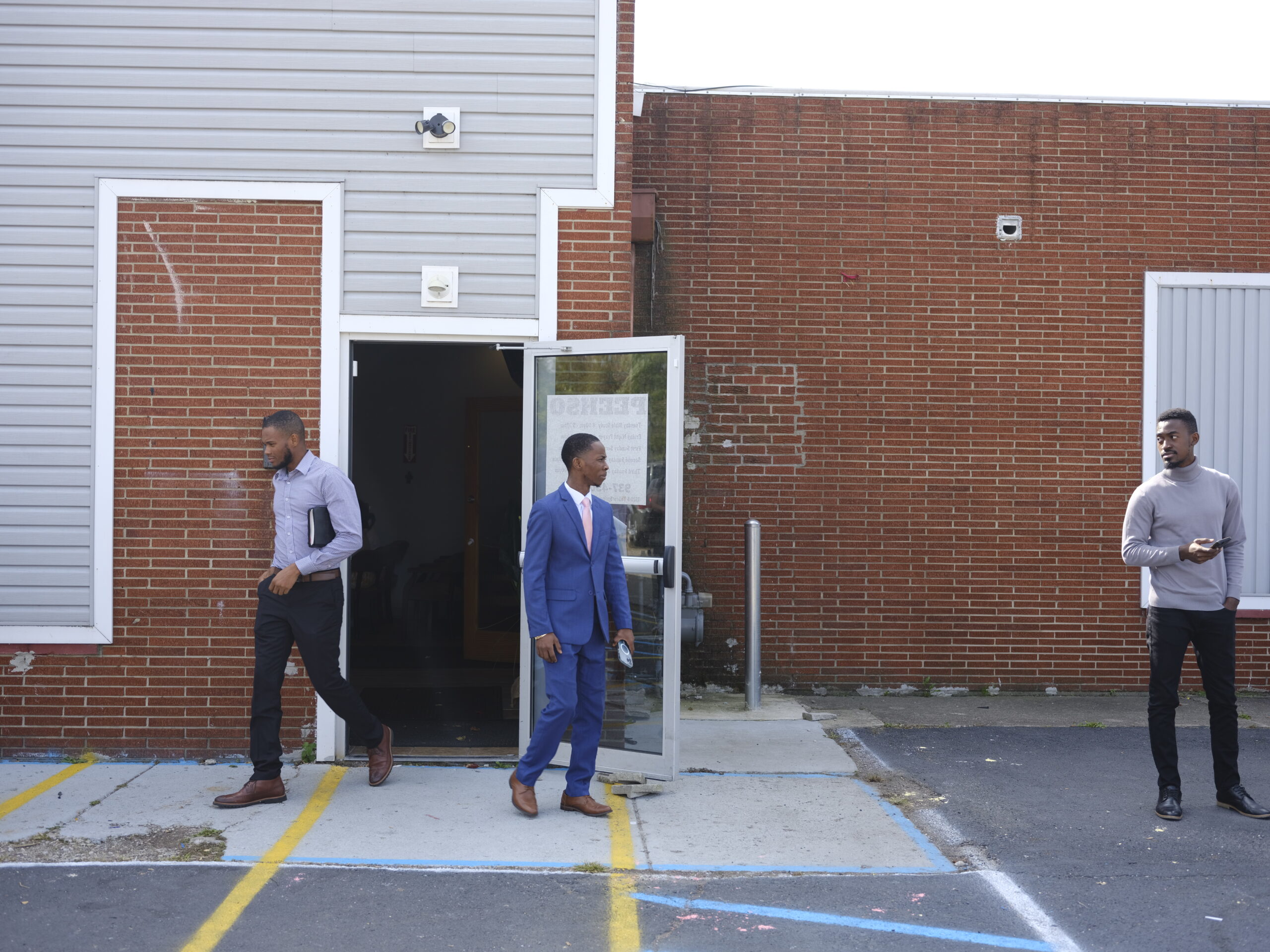
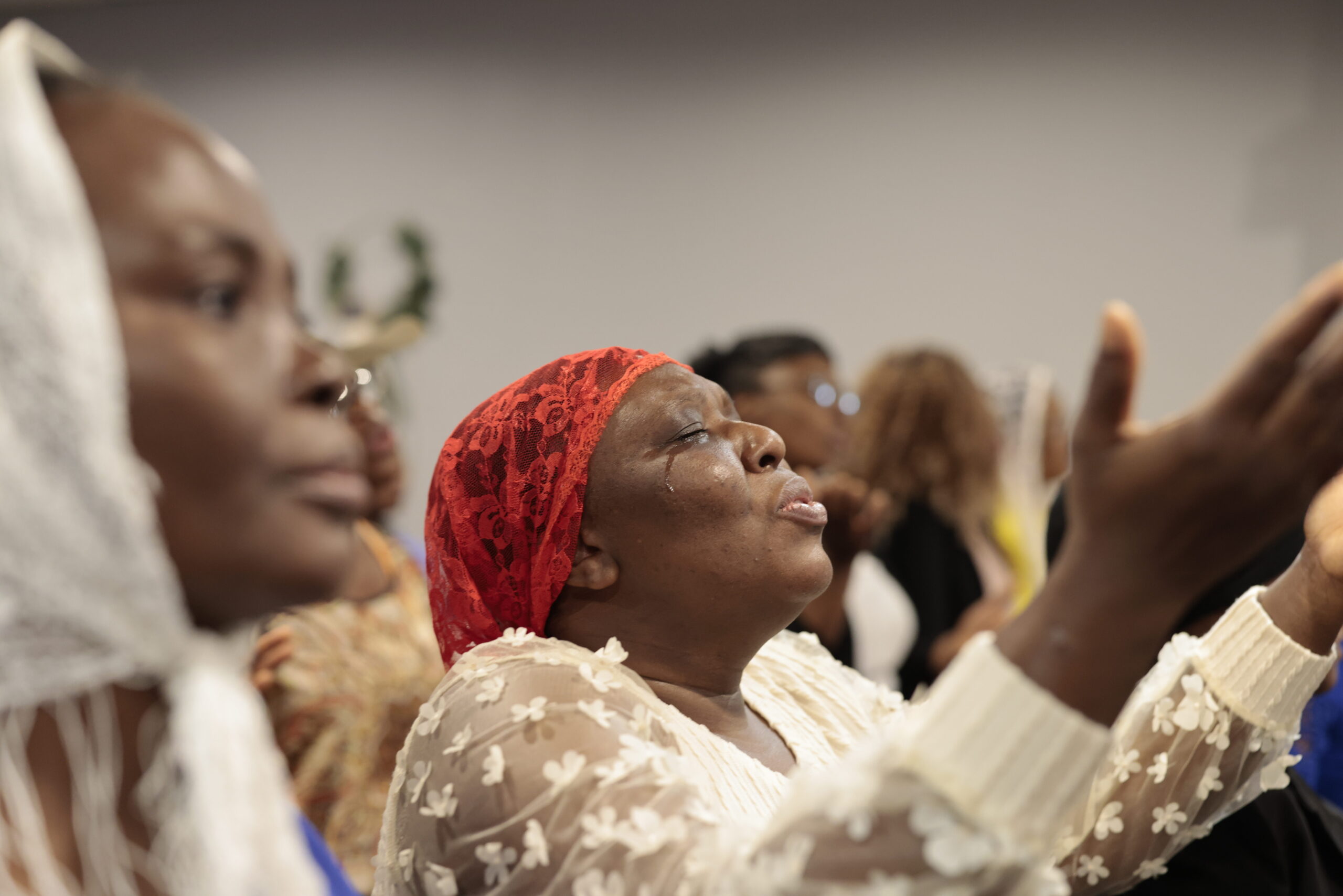
Jonas, 35, works at Amazon in Columbus: “There’s not much work in Springfield itself. The big companies hiring are in Columbus or Dayton.” He also told me that, after Trump’s statements in September, he’d been insulted several times, but shrugs it off. “Even if Trump wins, he can’t send us back to Haiti. Politicians lie to seduce a certain electorate. We know all about political tricks from Haiti.” Jonas shares a house for $1,300 a month with other Haitians to split the costs. It’s in Limestone South, a neighborhood with a large Haitian population. People there eye strangers—especially a photographer—warily from behind their curtains.
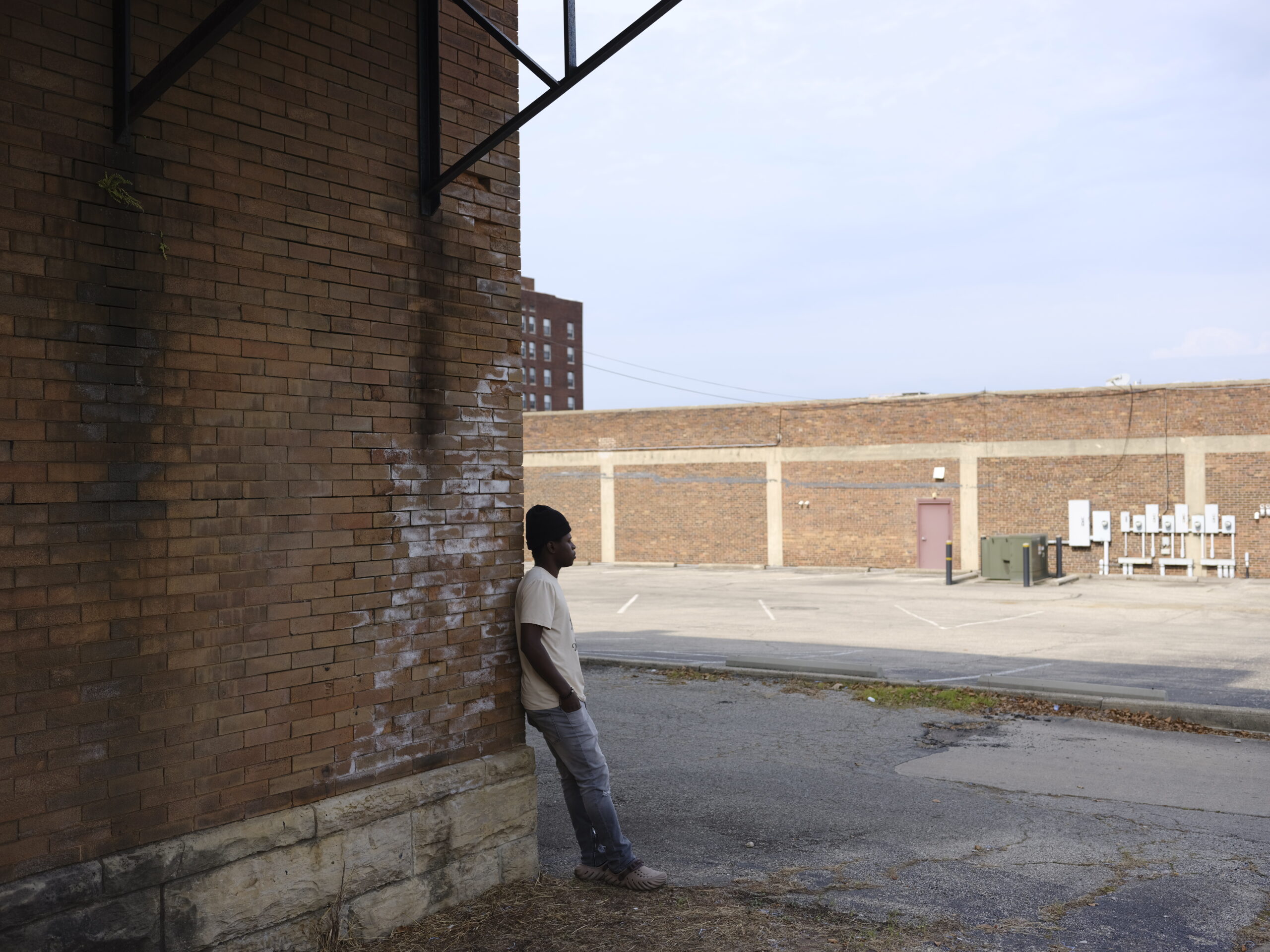
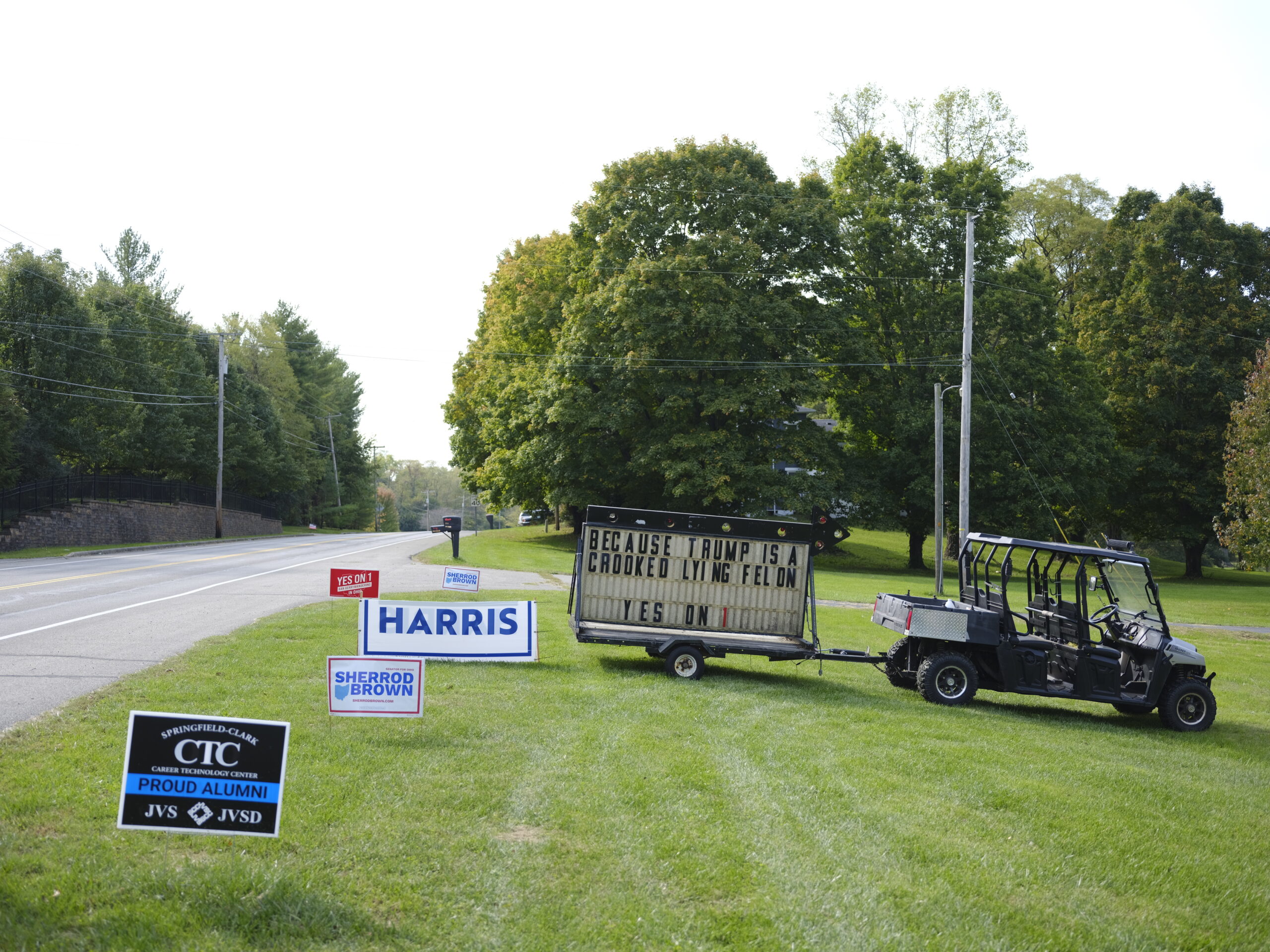
Three middle-aged men pull up next to me in a gray 4×4 with the window down: “Why the fuck are you taking pictures? You look weird, man. Got any ID?”
After a cordial chat, the men apologized profusely and left as quickly as they’d appeared. Jonas, who witnessed the scene, remarked, “I don’t understand why Americans are so rude and ill-mannered.”
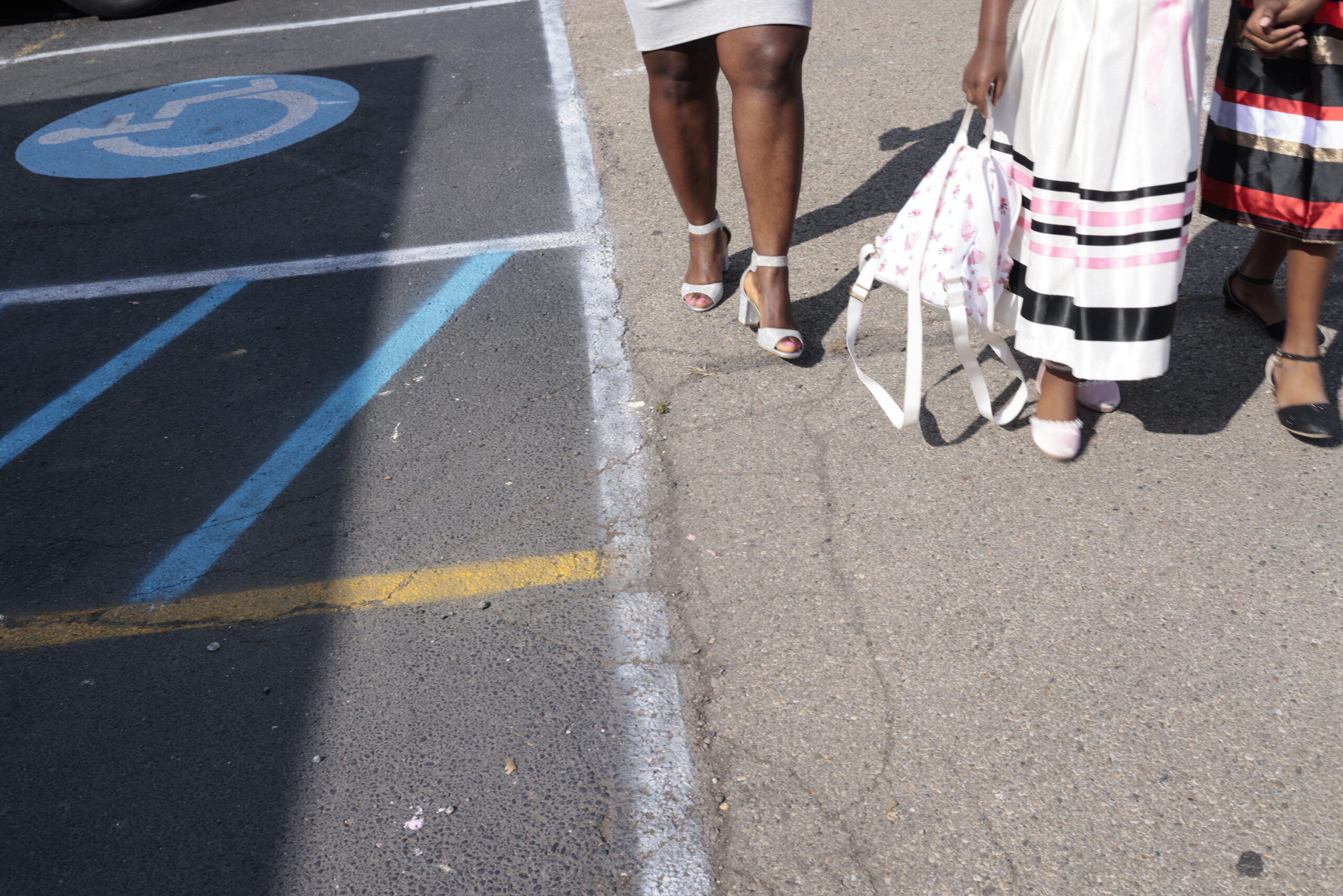
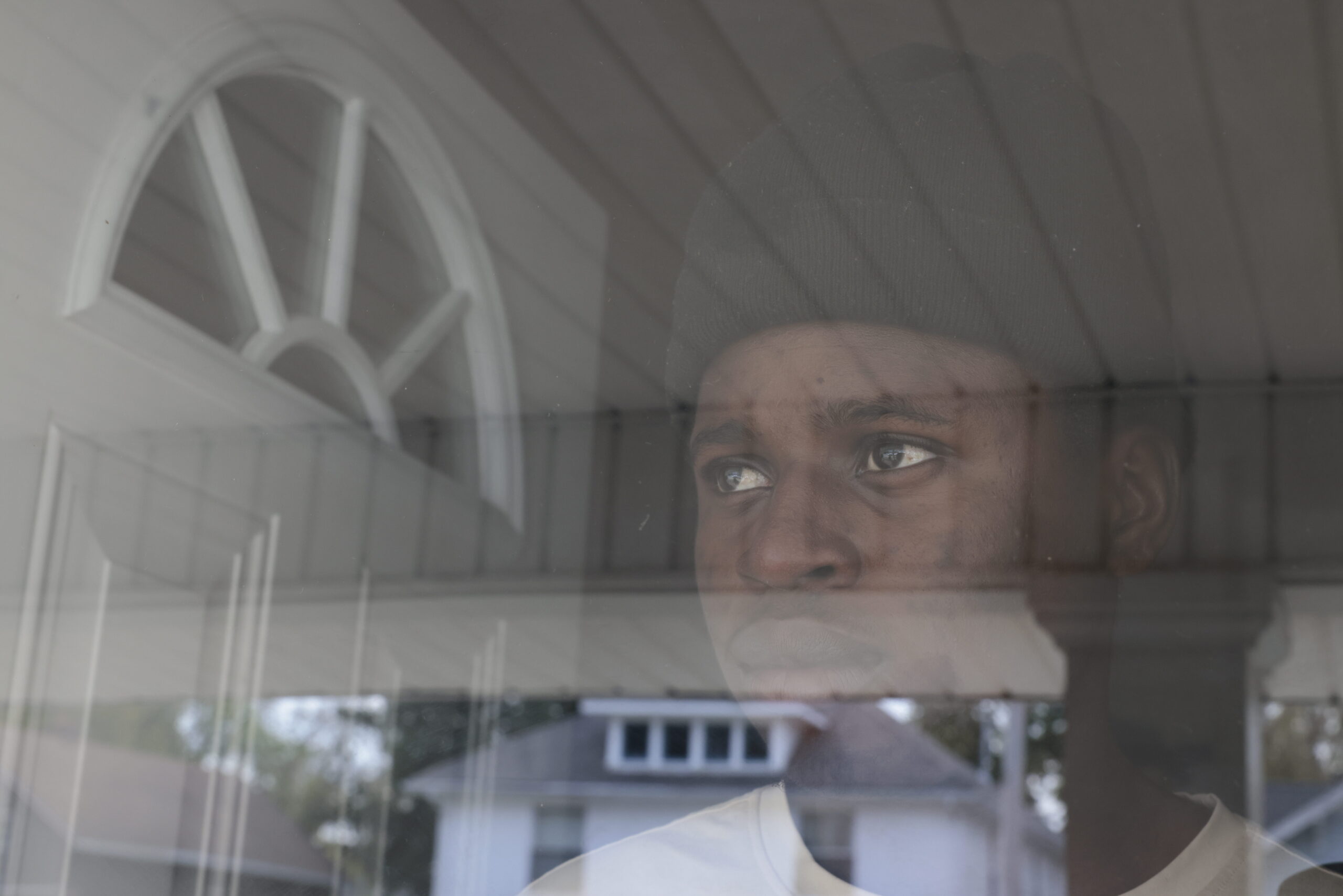
As we were leaving the Creole restaurant, La Rose Gouté, a bald man who claimed to be a journalist from Detroit approached Walder and me, without saying hello. He immediately started interrogating Walder in Creole, bombarding him with questions. “He thinks he can trap me, but he’s wrong. He wants me to say that Springfield is better than Haiti, but no. I’m here because I had no choice. I had to flee Haiti. My mother was kidnapped by gangs, and we had to pay. My father’s in Chile. Frankly, I’m fed up here. The companies aren’t hiring much, and you have to speak English. I’m going to try my luck in North Carolina.”