
Women Are Leading the Resistance Against Executions in Iran
Their prominence in the ongoing struggle for human rights has been met with fierce crackdowns by the state.
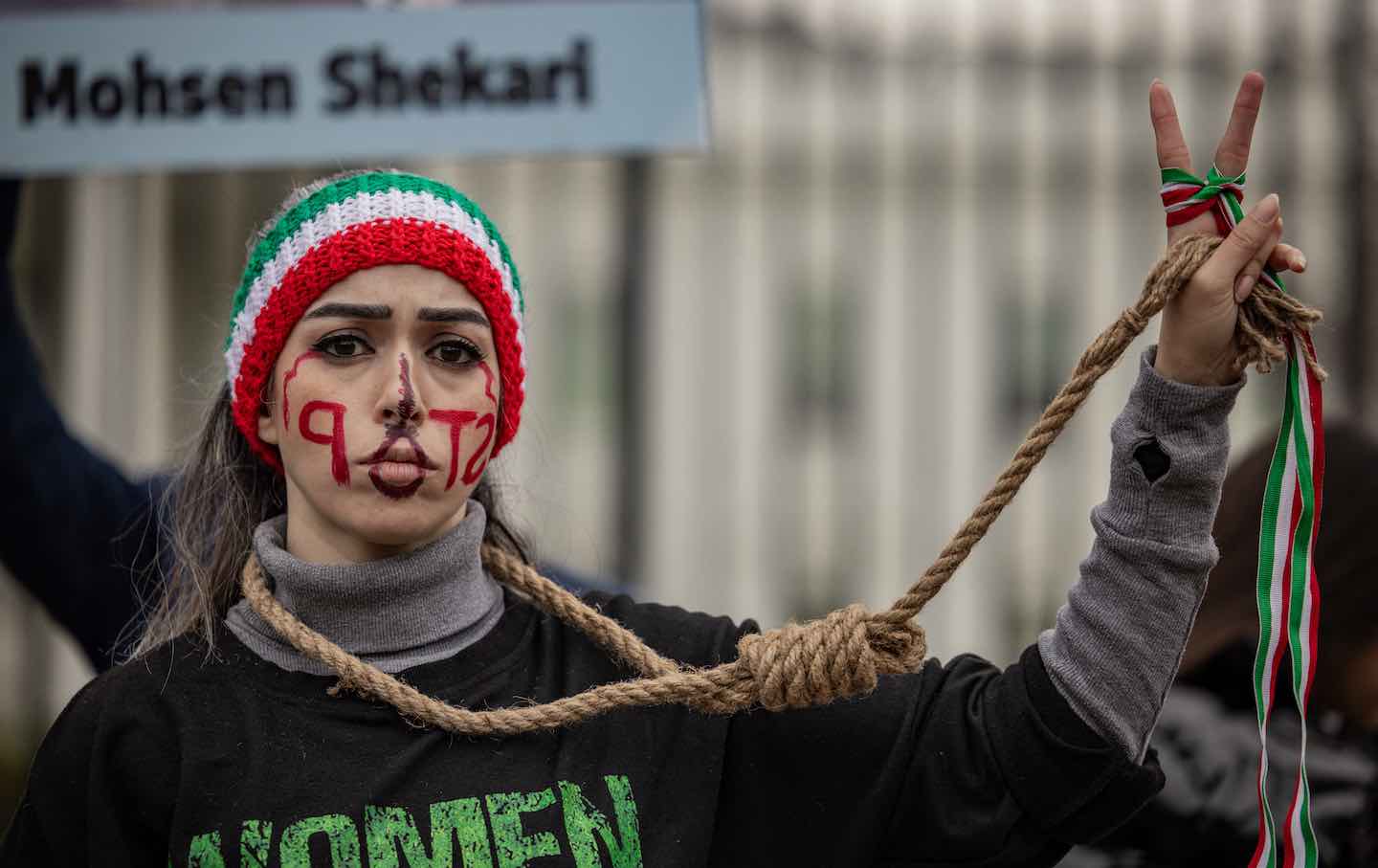
Amid Iran’s heightened, unconscionable mass scale of executions and a growing abolitionist campaign of resistance led from within the country’s prisons, Iran’s Supreme Court overturned the death sentence for Sharifieh Mohammadi, a feminist labor activist. Mohammadi was alleged to have ties to labor organizations that were accused of baghy, or seeking armed rebellion against the state. Despite the fact that the suspected organizations had denied her membership, undermining the charge of baghy, this summer she was sentenced to death. On October 13, her defense lawyer confirmed that her death sentence had been overturned and that she is up for a retrial.
Thousands of people, including many human rights activists and drug offenders, have been executed in Iran since 1979. As of October 18, Iran has killed 570 people on death row in 2024, and the number continues to rise. On October 6, Iran executed Akhtar Ghorbanlu, a child bride. Mohammadreza Azizi, who was 17 at the time of his alleged offense, is scheduled for execution in October. The United Nations Office of the High Commissioner for Human Rights has demanded a moratorium on the death penalty in Iran.
Iran’s executions not only constitute outrageous human rights violations but also function as a form of collective punishment, systematically targeting generations of Iranians who have transgressed authoritarianism by fighting for social change. The repression is so lethal that it is now common knowledge among diverse marginalized communities within Iran, as well as abolitionists around the world, that Iran weaponizes the death penalty to suppress speech. This growing awareness presents an opening for the international community to demand that Iran abolish the death penalty, and that countries throughout the world cease all forms of dehumanization, whether manifested in the United States’ own grim record of executions or the US foreign policy of aiding the genocide of Palestinians.
Within Iran, these frightful conditions are galvanizing activists who consider themselves part of the global feminist movement to end repression. Fifteen years ago, the One Million Signatures campaign pressured Iranian legislators to repeal laws that violated the human rights of women. More recently, the Woman, Life, Freedom movement sparked the largest mass protests in the country in recent years following the police killing of Jina Mahsa Amini, whose death while in custody for “improper clothing” underscored the continued systemic violations of women’s human rights in Iran.
The prominence of Iranian women and girls in the ongoing struggle for human rights has been met with fierce crackdowns by the state, which routinely threatens and targets women’s human rights defenders with arrest, torture, sham trials, incarceration, and death sentences.
This should not come as a surprise. Iran is notorious for its gender segregation and its persecution of ethnic and sexual minorities and political dissidents. The egregiousness of its two-tiered legal system is made clear by its explicit gender-based discrimination—and the method by which this government criminalizes dissent as rebellion or “corruption on earth,” crimes that are punishable by death. In this context, the struggle for girls’ and women’s human rights in Iran, led by Iranian women, is inseparable from the global movement to abolish the death penalty.
The current “No to Executions” campaign, led by political prisoners, exemplifies this connection perfectly. Last month, Reza Rasaei, a Kurdish activist, became the 10th person judicially executed in connection with the Women, Life, Freedom movement; the official pretense for his killing was a murder charge based on false confessions obtained by torture.
In response, women in Evin Prison—one of Iran’s most notorious prisons, where 70 political prisoners are currently held—gathered in the prison courtyard to demand an end to weaponizing capital charges against other human rights activists who have been subjected to torture, including Nasim Gholami Simiari, Pakshan Azizi, and Vrisheh Moradi.
Like Rasaei, these incarcerated women have been wrongly subjected to the risk of the death penalty. Simiari, for example, was accused of the capital offense of rebellion for participating in the Women, Life, Freedom protests. Azizi, a journalist, social worker, and activist, has been subjected to such severe torture that she can no longer walk. Moradi, who has been held in solitary confinement, publicly humiliated, and denied counsel, announced in an open letter that she would not attend her second court hearing in October to protest the death sentences, and she has since begun a hunger strike.
Recently, prison guards violently attacked these women and their fellow political prisoners for speaking out against executions, and subsequently denied them access to medical care and visitation rights.
The charges levied against these human rights defenders are a farce, obscuring the obvious truth—which is that Iran wields its judicial power to kill those who dare to raise their voices against their oppression.
Despite the extreme violence and deprivation that characterize their confinement, these advocates continue to protest against systemic human rights violations. Vida Rabbani, human rights defender and a member of the Tehran Journalists Association, notes the strange dichotomy that Iranian women face: “In exceptional conditions that constantly transform into norms and rules, in the confrontation of bodies, when facing an authoritative officer, we are reduced to mere life, to nothing. Our rights are easily suspended, we become targets of violence, and again, this rightless body is crammed back into the shell of a citizen because court appearances are reserved for citizens.”
As a report on the situation in Evin states, “The pressures exerted by the government and the issuance of harsh sentences by the Islamic Republic and the judiciary are merely retaliation against the Woman, Life, Freedom movement and its ideals, aimed at intimidating women activists and preventing the continuation of their just struggle.” Criminalization and state-sanctioned killing of those who speak out against oppression is not unique to Iran. And there is enormous value in international solidarity that embraces, without double standards, the interconnectedness of our struggles for freedom and human rights, whether through intersectional feminist alliances, an anti-genocide framework, or an abolitionist lens. Indeed, dozens of human rights groups have come together to call for a moratorium on Iran’s death penalty and an independent investigation into state violence against women political prisoners.
Evin Prison is one of 17 in Iran that are participating in the “No Death Penalty Tuesdays” campaign, which began as a hunger strike among political prisoners in Ghezel Hesar Prison and has grown into a global campaign. Meanwhile, Zanaan, the collective of 22 independent Iranian women’s rights organizations, has issued a joint message of abolitionist solidarity. And alongside dozens of human rights organizations, we at the Cornell Center on the Death Penalty Worldwide have signed this urgent statement.
For anyone reading this, you might be wondering, “What can I do?” As Dr. Rezvan Moghaddam, a women’s human rights activist who has been in and out of Iran’s prisons, recently told me, “I think the most important thing is raising awareness [of the executions] and also being the voice of the women who are subjected to patriarchy, Iran’s violence against women, and death sentences.”
Popular
“swipe left below to view more authors”Swipe →Join us to bring greater attention to the struggle of these political prisoners against Iran’s deadly repression.
More from The Nation
Garbage In, Carnage Out Garbage In, Carnage Out
The harrowing lessons of the Pentagon’s recently dissolved partnership with Anthropic.
The Iran War Could Be Catastrophic for the US-Israel Alliance. Good. The Iran War Could Be Catastrophic for the US-Israel Alliance. Good.
As Israel’s role in pushing the war with Iran comes into ever sharper focus, it’s up to us to turn outrage into change.
An Unlawful War An Unlawful War
The precedent being set by the US in launching this war of aggression against Iran will long live in infamy.
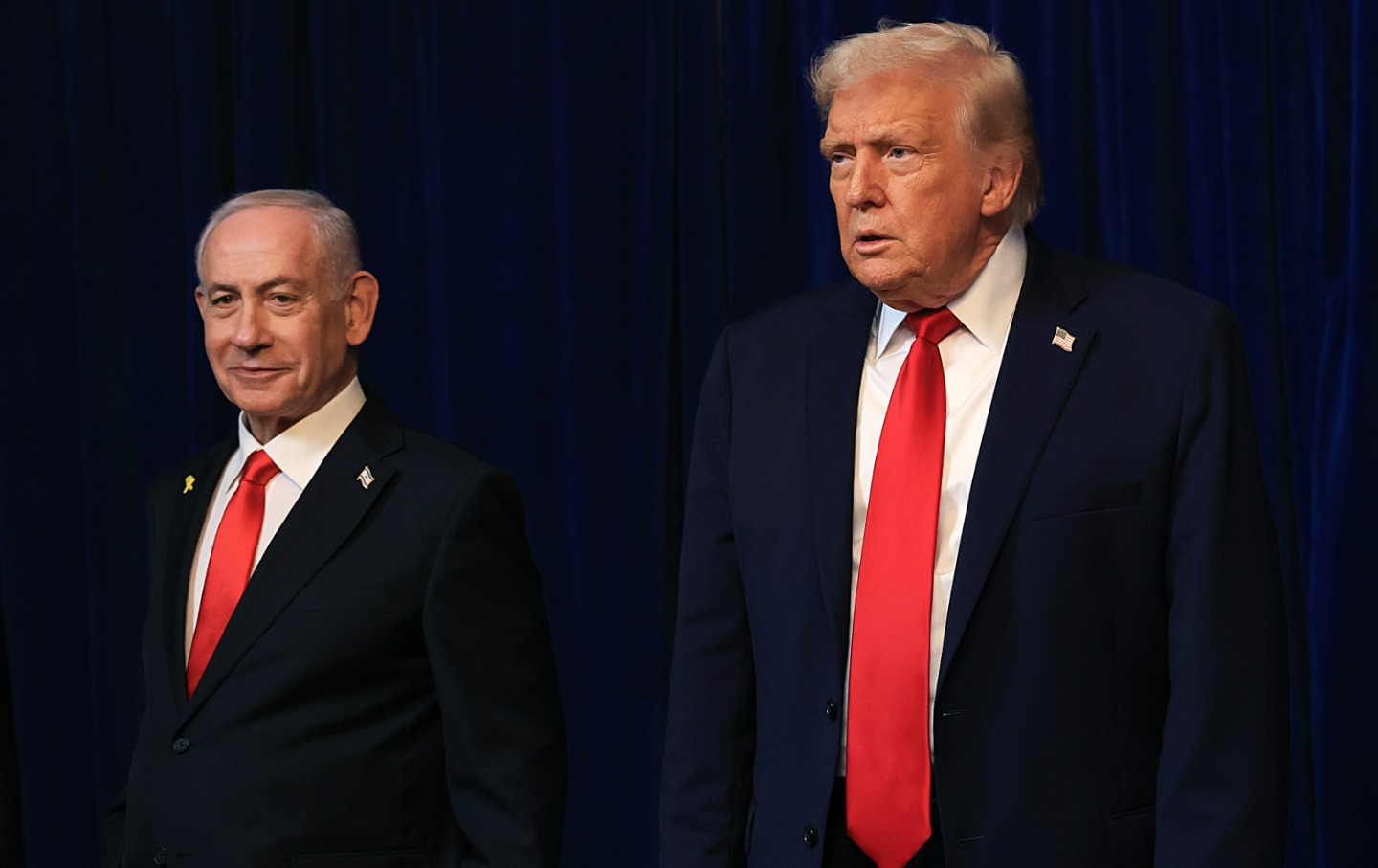
Trump and Netanyahu Want to Turn Iran Into a Failed State Trump and Netanyahu Want to Turn Iran Into a Failed State
This war looks designed to cause maximum chaos and instability. The world will pay a high price.
The War on Terror Paved the Way for Trump’s Rise—Now He’s Making It His Own The War on Terror Paved the Way for Trump’s Rise—Now He’s Making It His Own
Only the total abolition of the DHS can restore freedom.
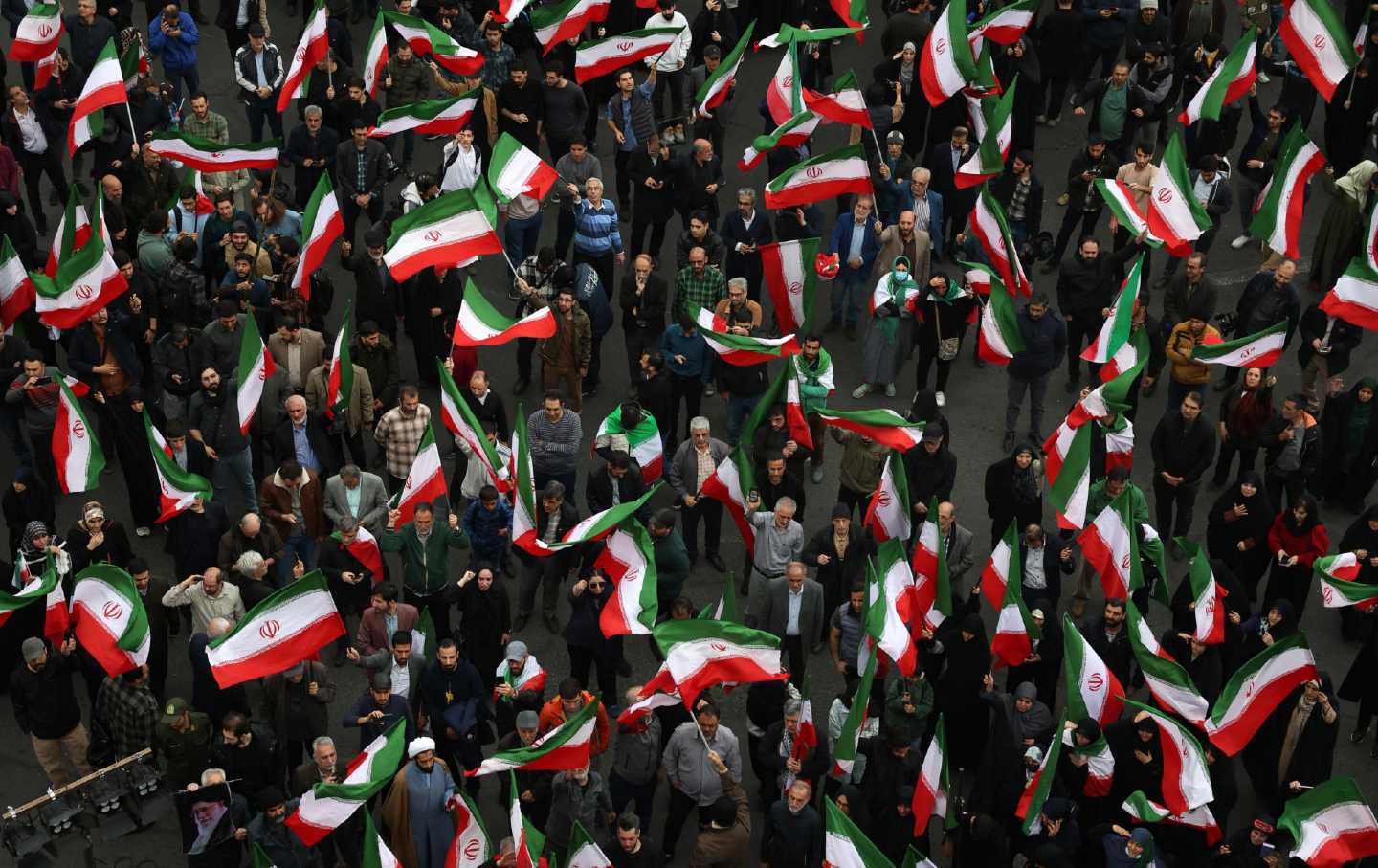
The Iranian Voices America Isn’t Hearing The Iranian Voices America Isn’t Hearing
We need to listen to those who oppose both the Islamic Republic’s authoritarianism and foreign military escalation.

