
How Former Ambassador Jack Matlock Corrects the Record on American Foreign Policy
Matlock, now 95 years old, offers a classic example of why our leaders would benefit greatly from more wisdom and less intelligence.
In the decades since the end of the Cold War, this country has suffered through a series of foreign policy debacles. First and foremost, there was the invasion of Iraq, surely the worst folly since Vietnam. And then there were the trillions of dollars, lives and decades wasted in the war in Afghanistan and an unending and self-perpetuating Global War on Terror, which has generated more terrorists than it eliminated. The utter failure to deal with catastrophic climate change. Now the horror in Gaza and the devastation of Ukraine at the second anniversary of what has turned into a brutal war of attrition. The list could go on.
The tragedy of American foreign policy is that the leaders and national security managers who led us into these debacles or helped sell them to the public remain in charge of American foreign policy and are guardians of the conventional wisdom. Instead of listening to those who got it right, we seem condemned to follow those who got it wrong over and over again.
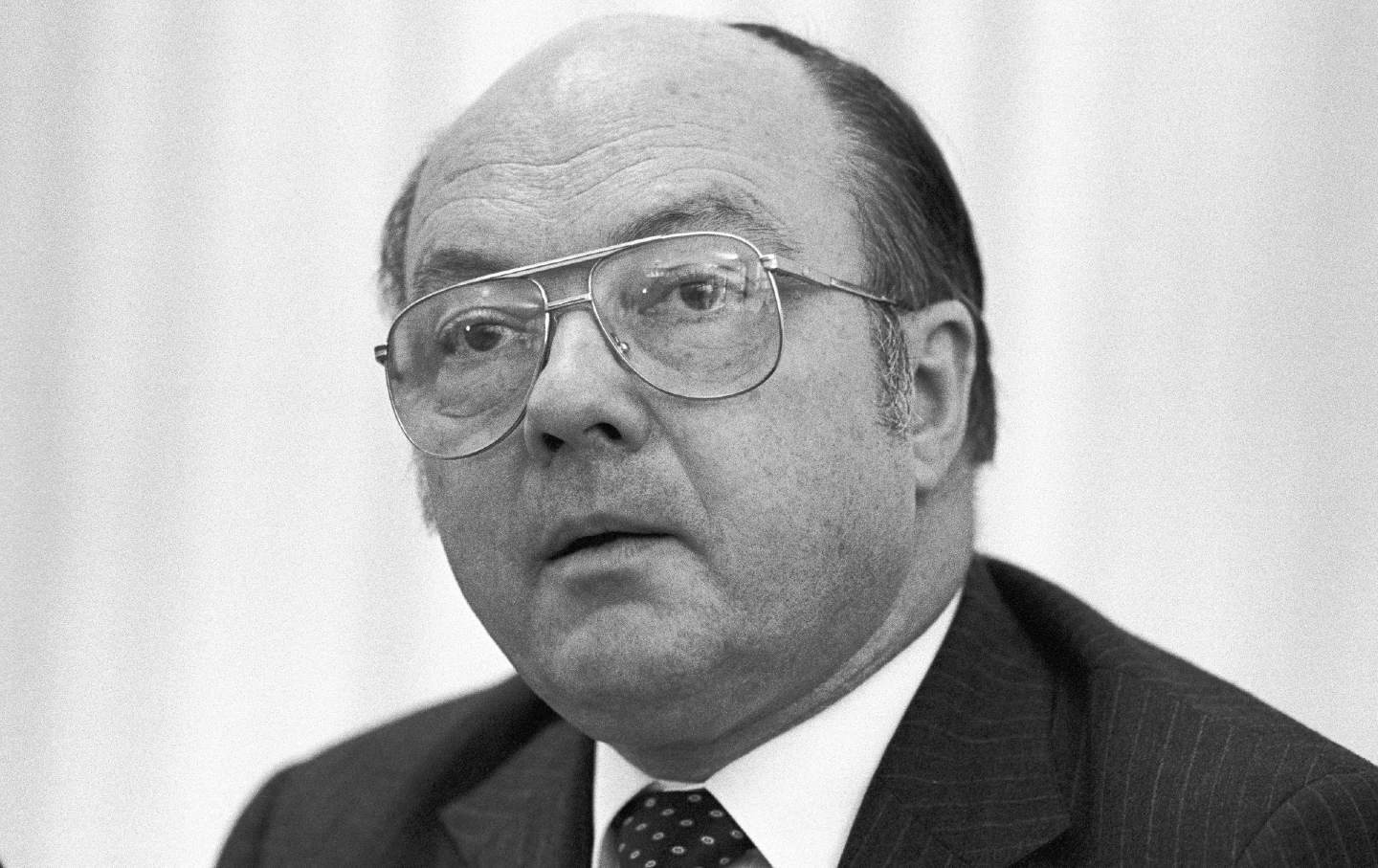
That is why the voice of 95-year-old Jack Matlock is so important—and deserves far more attention. Ambassador Matlock, a career foreign service officer, served as ambassador to the USSR under Reagan and George H.W. Bush, working with them to negotiate the end of the Cold War. Today, he cuts through the propaganda and the hype and offers a compelling map of the roads not taken.
The end of the Cold War, Matlock notes, came from diplomatic negotiations—not from the defeat and collapse of the Soviet Union. Indeed, the subsequent breakup of the Soviet Union was seen by the Bush administration as a setback for US policy. Reagan and Bush negotiated the end of the Soviet empire, and the unification of Germany. They reassured Soviet leader Gorbachev that if he agreed not to intervene in Eastern Europe, the United States (read NATO) would not take advantage.
While the US worked to gain independence for the Baltic Republics, the Bush administration thought Georgia and Ukraine would fare better in a voluntary association with the Soviet Union. President Bush proclaimed a goal of a “Europe whole and free.” Gorbachev spoke of “our common European home,” and welcomed representatives of Eastern European governments that had thrown out their communist rulers.
Matlock traveled to Kiev with Bush when the president appealed to the Ukrainians to join into a voluntary federation with the Soviet Union and warned them against “suicidal nationalism.” Then the Soviet Union disintegrated.
When the US subsequently moved, aggressively under Clinton, to extend NATO at a time when Russia was weak and near anarchy, Matlock warned against it. And as Matlock notes, so too did almost all the senior people involved in negotiating the end of the Cold War, plus heavyweights from (the dove) George Kennan to (the hard-liner) Paul Nitze.
Testifying before the Senate Foreign Relations Committee in 1997, Matlock warned that taking in new members to NATO “may well go down in history as the most profound strategic blunder.… [I]t could well encourage a chain of events that could produce the most serious security threat to this nation since the Soviet Union collapsed.”
Instead, the US added 15 counties (including Finland this year) to NATO, spanning from the Baltics in the North to Romania in the South. Then George W. Bush unilaterally terminated the Anti-Ballistic Missile Treaty and began building bases and deploying ABM missiles—which could easily be converted to offensive weapons—to Russia’s borders.
Putin objected but was ignored. He made it repeatedly clear that adding Georgia and Ukraine to NATO would be unacceptable. Again, he was ignored. The US proceeded to arm and train the Ukrainian military; NATO announced that Ukraine would become part of NATO eventually; and, as we’ve just learned, the CIA integrated itself into Ukrainian intelligence and military preparations. The Minsk Agreements that called for a federated Ukraine not part of NATO—signed off on by the EU, the US, Ukraine and Russia—were never pursued, used, as Angela Merkel admitted, as a cover to give Ukraine’s military time to build up.
The Russian invasion and courageous Ukrainian resistance triggered a strengthening of NATO and massive military aid, with the Biden administration claiming that democracies everywhere will be imperiled if Russia wins. Now the war has settled into a grinding war of attrition, with Ukraine savaged, millions of its people displaced, its economy ruined. The US administration, RAND corporation analysts tell us, “is more tolerant of Ukrainian horizontal escalation against high-value Russian targets in Crimea and Russia proper.” Or, in the words of Biden’s Undersecretary of State Victoria Nuland (previously Dick Cheney’s point person on Iraq), there will be “nasty surprises” for the Russians.
No wonder former Ambassador Matlock fears that we are closer to a nuclear exchange now than we were in the Cuban missile crisis.
Looking back at the years of folly since the end of the Cold War, Matlock recalled a 1989 Christmas Eve meeting with the deputy foreign minister of the Soviet Union. He told Matlock that “we have given the Brezhnev Doctrine to you with our compliments. Consider it a Christmas gift.”
The Brezhnev Doctrine, Matlock explains, was grounded on the belief that socialism was the inevitable stage of human development. In the wake of the Soviet invasion to put down revolts in Hungary in 1956 and Czechoslovakia in 1968, the Soviet Union essentially asserted the right and the duty to defend socialist countries from threats whether internal or external.
At the end of the Cold War, Matlock was present when President Bush and Gorbachev declared the Cold War over. Gorbachev pledged that the Soviet Union would not intervene in Eastern Europe to prevent change. When a revolt erupted against the communist government in Romania in early December, Gorbachev kept his word.
Popular
“swipe left below to view more authors”Swipe →Ironically, that same December, the US invaded Panama to remove its President Manuel Noriega. That occasioned the Russian quip to Matlock on Christmas Eve.
What neither foresaw was that the United States would go on to declare itself the indispensable nation. Francis Fukuyama, a State Department official, was hailed for declaring “Western liberal democracy”—the American version of democratic capitalism—the “final form of human government” at the “end of history.” Successive administrations—from Clinton to Biden—asserted not only the right and the duty to defend democracy from threats internal or external but also the right to use its prowess to bring the blessings of democracy to those deprived of it. The US has embraced its version of the Brezhnev Doctrine that we once condemned, and we are paying a terrible price for it.
At 95, Jack Matlock offers a much-needed corrective to the constricted consensus that passes for our foreign policy debate. He was present at the great turning point—and is aware of the roads not taken. He offers a classic example of why our leaders would benefit greatly from more wisdom and less intelligence.
Support independent journalism that does not fall in line
Even before February 28, the reasons for Donald Trump’s imploding approval rating were abundantly clear: untrammeled corruption and personal enrichment to the tune of billions of dollars during an affordability crisis, a foreign policy guided only by his own derelict sense of morality, and the deployment of a murderous campaign of occupation, detention, and deportation on American streets.
Now an undeclared, unauthorized, unpopular, and unconstitutional war of aggression against Iran has spread like wildfire through the region and into Europe. A new “forever war”—with an ever-increasing likelihood of American troops on the ground—may very well be upon us.
As we’ve seen over and over, this administration uses lies, misdirection, and attempts to flood the zone to justify its abuses of power at home and abroad. Just as Trump, Marco Rubio, and Pete Hegseth offer erratic and contradictory rationales for the attacks on Iran, the administration is also spreading the lie that the upcoming midterm elections are under threat from noncitizens on voter rolls. When these lies go unchecked, they become the basis for further authoritarian encroachment and war.
In these dark times, independent journalism is uniquely able to uncover the falsehoods that threaten our republic—and civilians around the world—and shine a bright light on the truth.
The Nation’s experienced team of writers, editors, and fact-checkers understands the scale of what we’re up against and the urgency with which we have to act. That’s why we’re publishing critical reporting and analysis of the war on Iran, ICE violence at home, new forms of voter suppression emerging in the courts, and much more.
But this journalism is possible only with your support.
This March, The Nation needs to raise $50,000 to ensure that we have the resources for reporting and analysis that sets the record straight and empowers people of conscience to organize. Will you donate today?
More from The Nation

Israel Is Also Committing Genocide In the West Bank Israel Is Also Committing Genocide In the West Bank
It’s not just Gaza—Israel wants to exterminate all Palestinians, everywhere. We are one people being destroyed as one people.
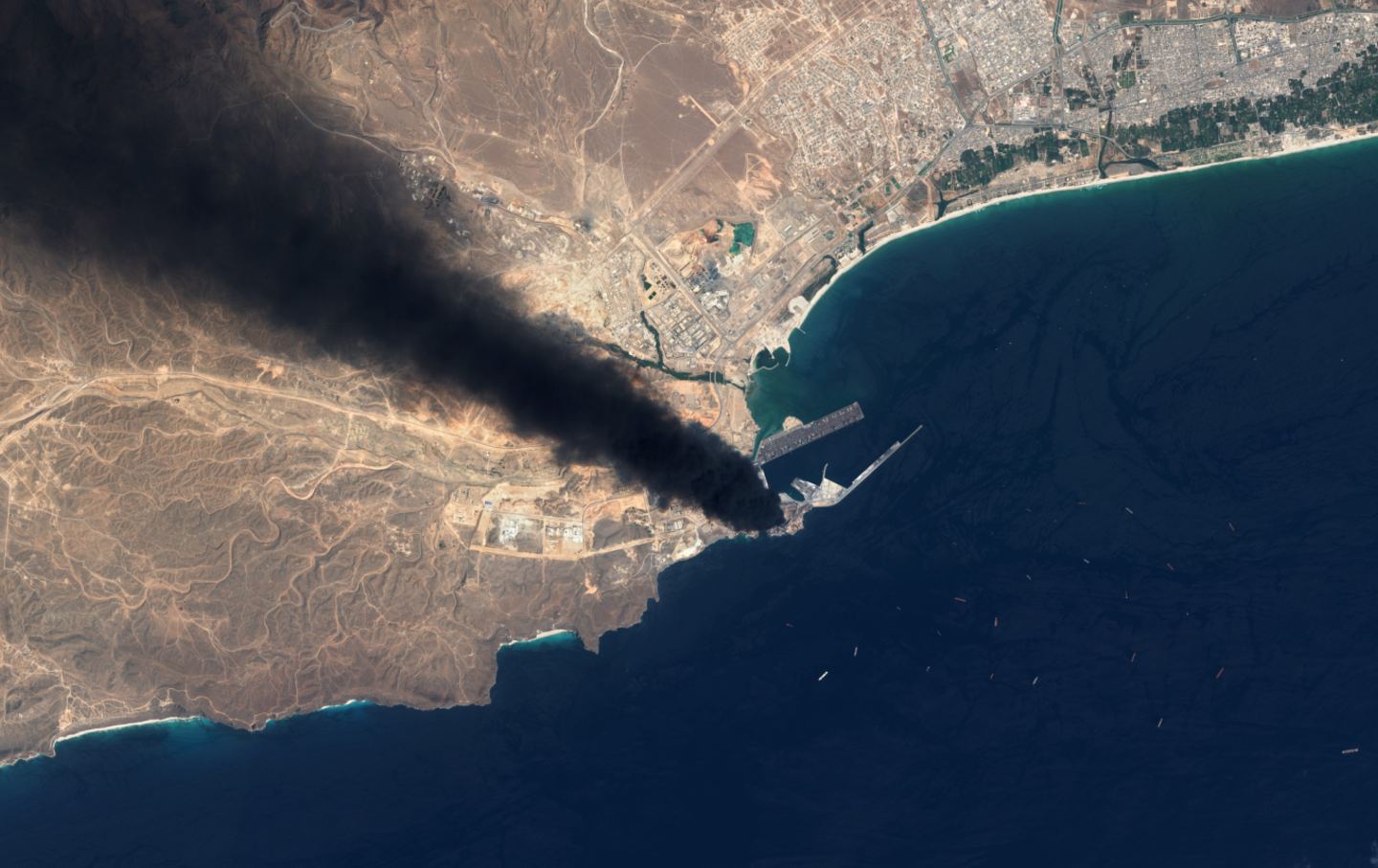
How the War Has Led to the Largest Disruption of Energy Supplies in Decades How the War Has Led to the Largest Disruption of Energy Supplies in Decades
Unless a resolution is found, the impact is likely to grow.
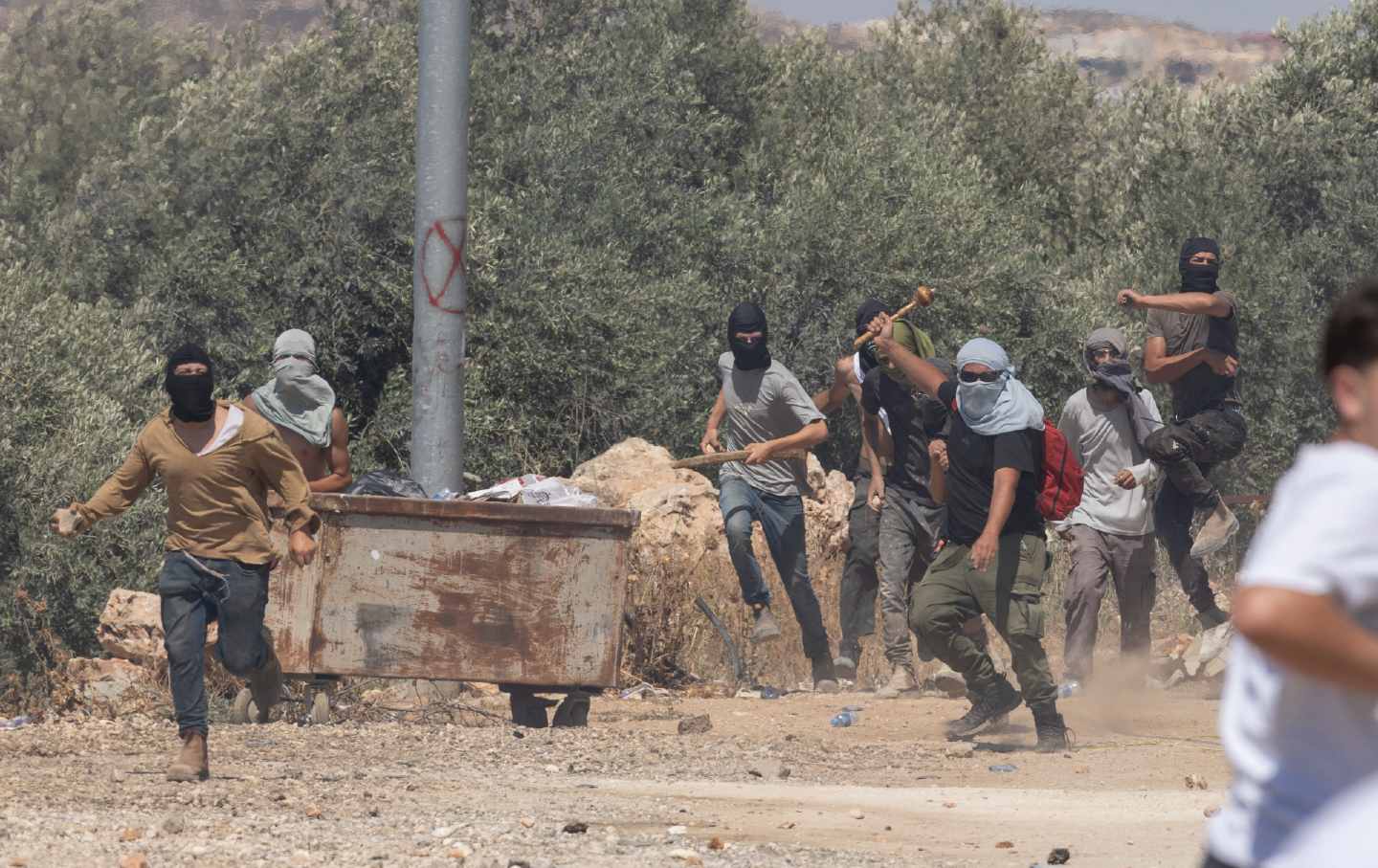
“Erasing the Lines”: How Settlers Are Seizing New Regions of the West Bank “Erasing the Lines”: How Settlers Are Seizing New Regions of the West Bank
After decades consolidating their control over Area C, Israeli settlers are expanding into Areas B and A—nominally under Palestinian Authority jurisdiction—and displacing communit...
Feature / Oren Ziv with Ariel Caine
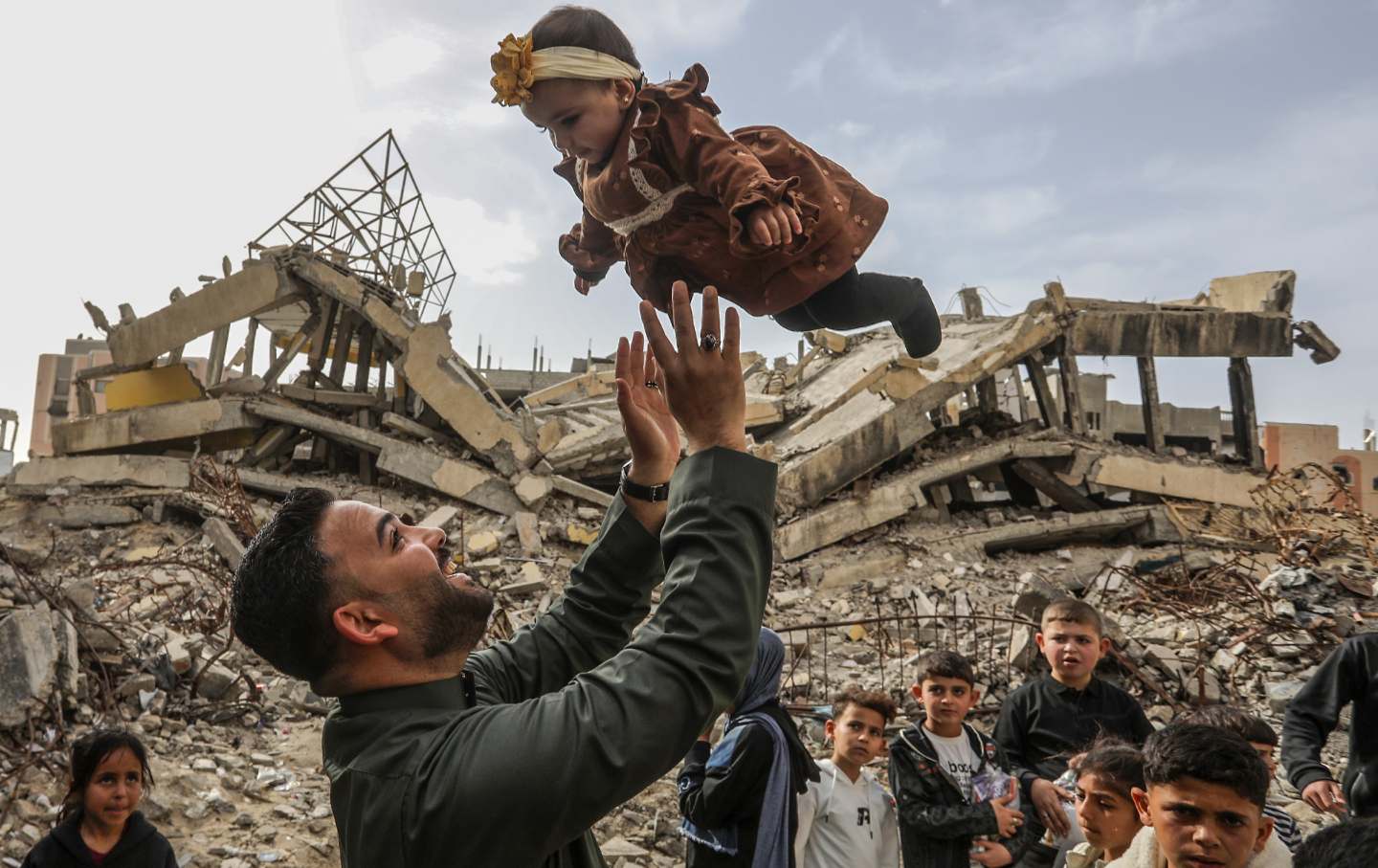
In Gaza, Eid Is an Act of Resistance In Gaza, Eid Is an Act of Resistance
This year, Eid was a declaration: We are here. We pray. We dress in our best. We love, even when the world tries to convince us that we have nothing to love or to live for.

Paris, a Capital in “Resistance”? Paris, a Capital in “Resistance”?
Barring a few big-ticket victories in this month’s local elections, the French left is more divided than ever—one year from a pivotal fight for the presidency
Dispatch From Cuba Dispatch From Cuba
The Nuestra América Convoy delivers humanitarian aid as US sanctions deepen a humanitarian crisis.

