
Cubans Watch the Escalating US-Venezuelan Crisis
For most people on the island, the threat is just one more worry amid a grueling economic crisis.
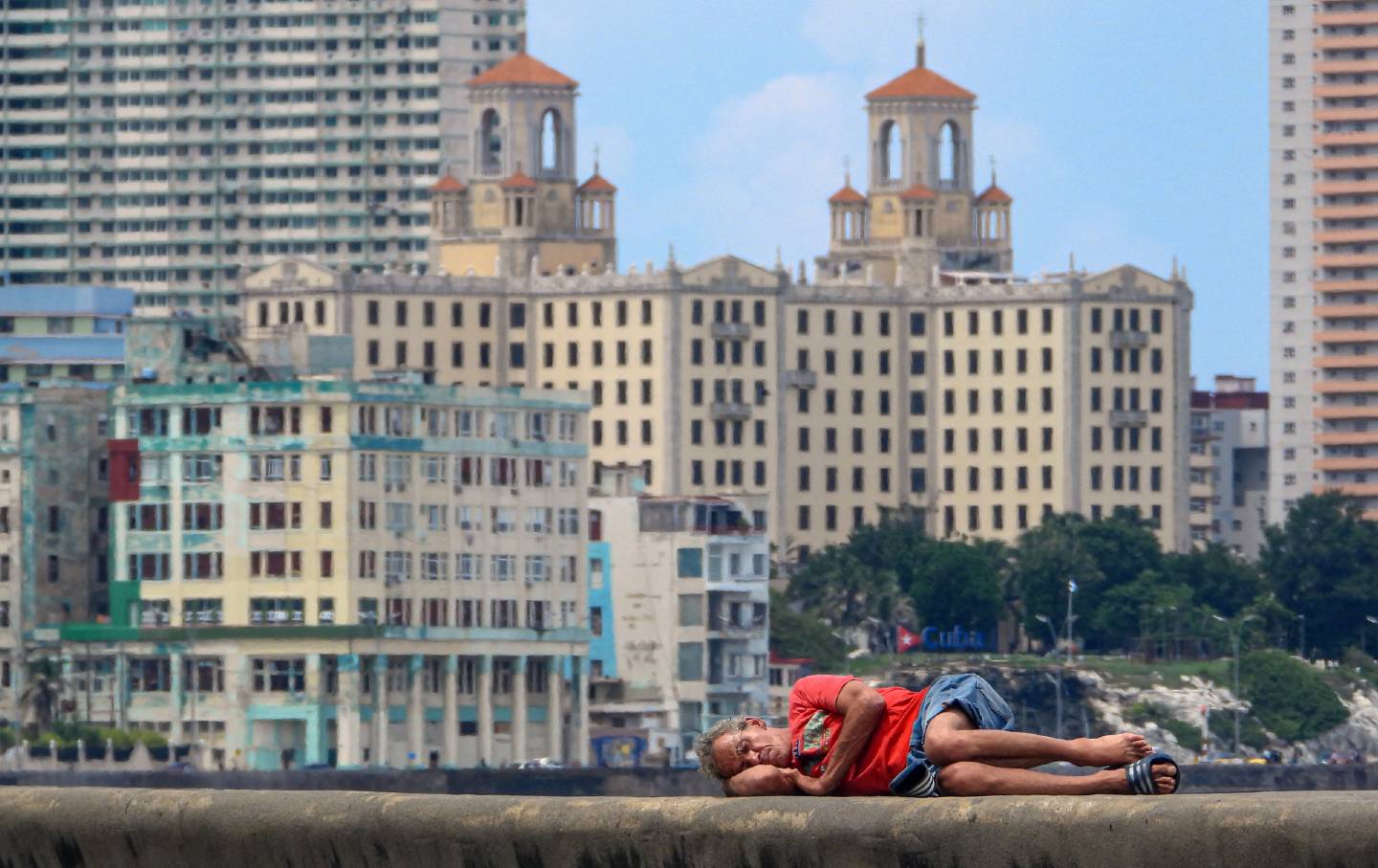
Cuba, November 26—The Cuban government and people are warily watching the United States most recent effort to overthrow the Venezuelan government of Nicholas Maduro as they struggle to recover from Hurricane Melisa and contain mushrooming cases of dengue, chikungunya and oropouche. For most Cubans the threat is just one more worry amid a grueling economic crisis that has left residents spending their energy navigating collapsing infrastructure, runaway inflation and shortages of basic goods.
“If Trump and Marco Rubio succeed that would be terrible for us,” Havana handyman Bernardo said, requesting his last name not be used.
“I am critical of my government but that does not mean I want Rubio as governor here,” he added, laughing.
“That would be a real bummer.”
The Cuban government has repeatedly lambasted the Trump administration for claiming the largest US military buildup in the area since the Cuban missile crisis, and its unprecedented attacks on motorboats and crews off Venezuela’s coast, are intended to stop drug trafficking. According to a series of statements issued since August by the Cuban Foreign Ministry, the real motive is to return the oil-rich country to client state status as part of the administration’s declared goal of imposing the empire’s interests (the 19th-century Monroe Doctrine) on the region.
“This is a renewed implementation of the dominance scheme based on the Monroe Doctrine, key to their interventionism in the American continent, an August statement said.
An August “Declaration of the Revolutionary Government of Cuba” said that putting a $50 million bounty on Maduro as a “narco-terrorist” was part of a “psychological warfare campaign” to legitimize its actions using “the gross pretext” that Venezuela represented a threat to the national security of the United States and its citizens.
“The true purpose of these actions is to seize the oil and resources of Venezuela.”
In a separate statement the Foreign Ministry charged that US “claims associating the legitimate government of the Bolivarian Republic of Venezuela and its President Nicolas Maduro with criminal organizations involved in illegal drug trafficking” were absurd.
“Leaders in Washington are irresponsibly disregarding the assessment of their own Drug Enforcement Agency (DEA) that, in its report this year, does not mention the Venezuelan Government among the authors or enablers of drug trafficking operations threatening the United States territory,” the statement pointed out.
Should the Trump administration attack Venezuela, Cuba certainly has the most to lose in the region; it is reportedly next in line if Trump and his hard-line national security adviser, Secretary of State Marco Rubio, succeed in their mission of regime change in Venezuela. The three South Florida Republican House members, who are leaders of the Cuban American establishment, are calling for military action against Venezuela and threatening Cuba is next. Senator Lindsey Graham recently tweeted that Cuba, along with Venezuela and Colombia, is part of “a drug caliphate in our backyard.”
Fulton Armstrong, a former CIA senior analyst for the region and currently an adjunct professor at American University, said that if the Maduro government were to fall, and one backed by Washington prevail, the likely new leader, María Corina, would not be good news for Cuba.
“Her playbook has been written by the regime-change crowd in Washington and Miami. Her Cuba policy is as hardline as they come,” he said.
“She and her staff have urged our government to ‘help’ remove Maduro as a way of overthrowing the Cuban government as well,” he said.
Havana is doing what it can to mobilize international opposition, especially in the region, over what it says is a violation of the UN Charter and international law. Publicly it has repeatedly called on governments to oppose military intervention, organized a meeting of the left regional block ALBA, and raised the issue at various international events.
“Cuba calls for an international mobilization to prevent an aggression and preserve Latin America and the Caribbean as a Zone of Peace,” the Revolutionary Declaration said.
At the same time, the government has remained silent on the danger posed at home. There are no indications it is beefing up military preparedness or providing more than minor intelligence support for Venezuela. The Foreign Ministry in a series of statements has pointed out that over a decade ago 32 area heads of state met in Havana and declared Latin America and the Caribbean a zone of peace.
Armstrong cautioned that Washington was often blind to other countries’ nationalism and anger over being on the receiving end of sanctions and regime change.
Havana is less dependent on Caracas
Havana is less dependent than a decade ago on Caracas in large part because both countries have suffered under former national security adviser John Bolton’s “Maximum Pressure” policy against the “Troika of Tyranny,” which includes Nicaragua. The policy of harsher sanctions and stepped-up efforts to build an internal opposition was implemented in 2019 during Trump’s first term with the goal that, as the punishment took its toll on the civilian populations, they would rebel and create an excuse for US intervention.
Secretary of State Rubio, who helped craft the policy when he was a senator, upon taking office said the policy had failed because it did not bring full US power to bear on the three countries as it would now under Trump.
Cuban trade with Venezuela was just under a billion dollars last year—presumably almost all oil imports and compared with $4.2 billion in 2015. Back then Caracas was shipping more than 100,000 barrels of oil per day Havana’s way. This year it has shipped less than a third of that volume. Assuming exports of medical and other technical assistance, which neither country reports, were of similar value as called for in an agreement between them, that would also amount to around a billion dollars last year, or just 10 percent of Cuba’s export earnings.
A decade ago, there were dozens of joint ventures between the two countries while last year there were none reported in Cuba. There is no indication any remained operational in Venezuela.
Import dependent Cuba’s current crisis is due largely to a lack of foreign currency, the target of the harsh US sanctions imposed during Trump’s previous term—largely maintained by the Biden administration—aimed at further denying Cuba cash to import vital goods such as fuel, food, medicine, and production and agricultural inputs. The United States’ sanctions have also targeted international finances and investment, tourism, remittances, and other revenue streams.
Popular
“swipe left below to view more authors”Swipe →Cuban Economy Minister Joaquin Alonso reported in July the economy had fallen more than 11 percent since 2019. He said agriculture, livestock farming, and mining had fallen 53.4 percent over the same period, and manufacturing 23 percent.
Rubio has launched a largely unsuccessful campaign targeting Cuba’s export of medical services, claiming the 24,000 doctors, nurses and technical personnel around the world are victims of human trafficking—a claim rejected by Havana and the nations that receive Cuban doctors. The secretary of state has also resurrected USAID and other programs supporting government opponents, banned most Cubans from traveling to the United States and ratcheted up enforcement of prohibitions on most Americans visiting Cuba. Trump issued a memorandum on June 30 ordering all branches of government to tighten existing sanctions.
Experts agree that a US-backed Venezuelan government would represent a serious political setback for Havana and turbocharge Washington’s efforts to undermine regional independence, integration and social progress. It would quickly end oil shipments to Cuba and expel thousands of Cuban doctors and other personnel deepening the current crisis and suffering on the island. But few believe that without a Venezuela type operation against Havana Washington would be able topple the government.
“The Cubans are not stupid. We’ve written their obituary dozens of times,” former CIA analyst Armstrong said.
“They’re not good at creating the growth and economic stability necessary for the future, but they are good at keeping what little they have, including some of the tenets of the revolution, in the face of massive adversity.”
More from The Nation
Has France’s Government Overplayed Its Hand? Has France’s Government Overplayed Its Hand?
The speed and scale of the police response mark a dangerous new normal.
This Is Not an Anniversary This Is Not an Anniversary
Does remembering the date of October 7 make it easier to name?
Are Europe and Russia Slow-Walking to World War III? Are Europe and Russia Slow-Walking to World War III?
Dangerous rhetoric has been escalating on both sides for some time now.
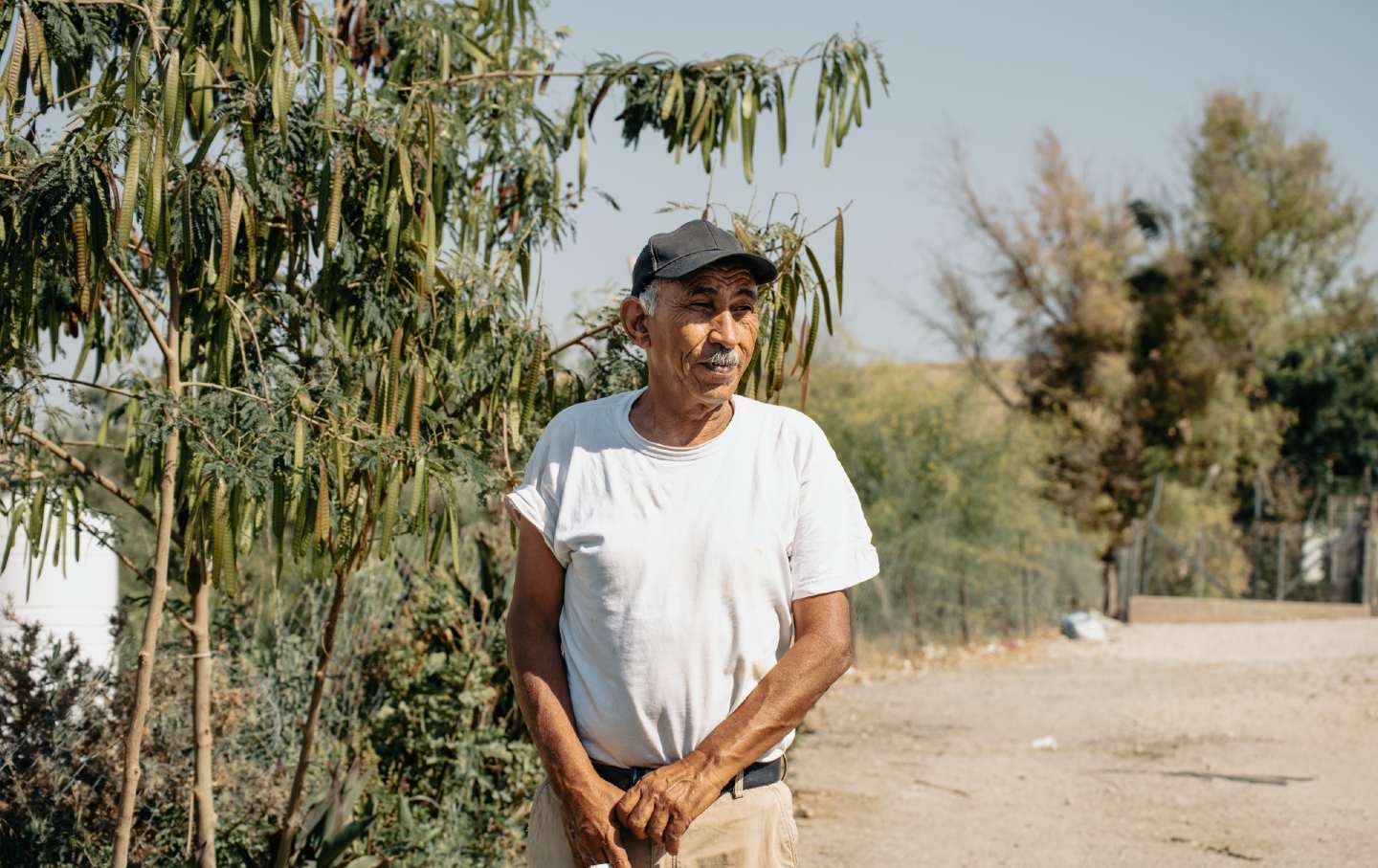
This Village Has Been Fighting Israel’s Demolition Orders for Years. It May Be on Its Last Stand. This Village Has Been Fighting Israel’s Demolition Orders for Years. It May Be on Its Last Stand.
A new order for Khan al-Ahmar’s destruction failed to attract the international attention that had protected it in the past, and residents fear they can no longer stop the bulldoz...
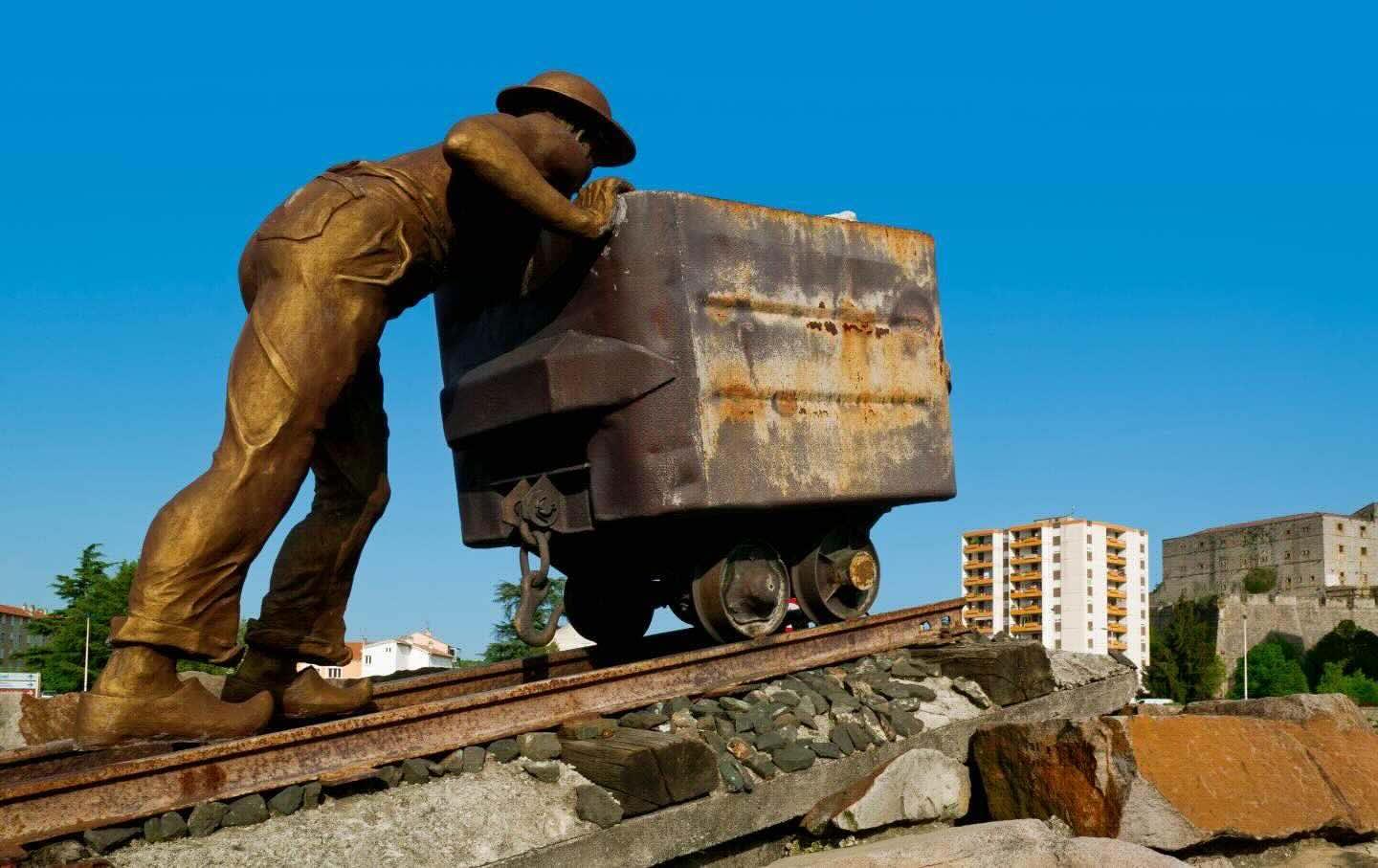
The Year I Taught in a Former Coal Mining Town The Year I Taught in a Former Coal Mining Town
Teaching in the South of France, I learned that equality was just a story teachers told about themselves.
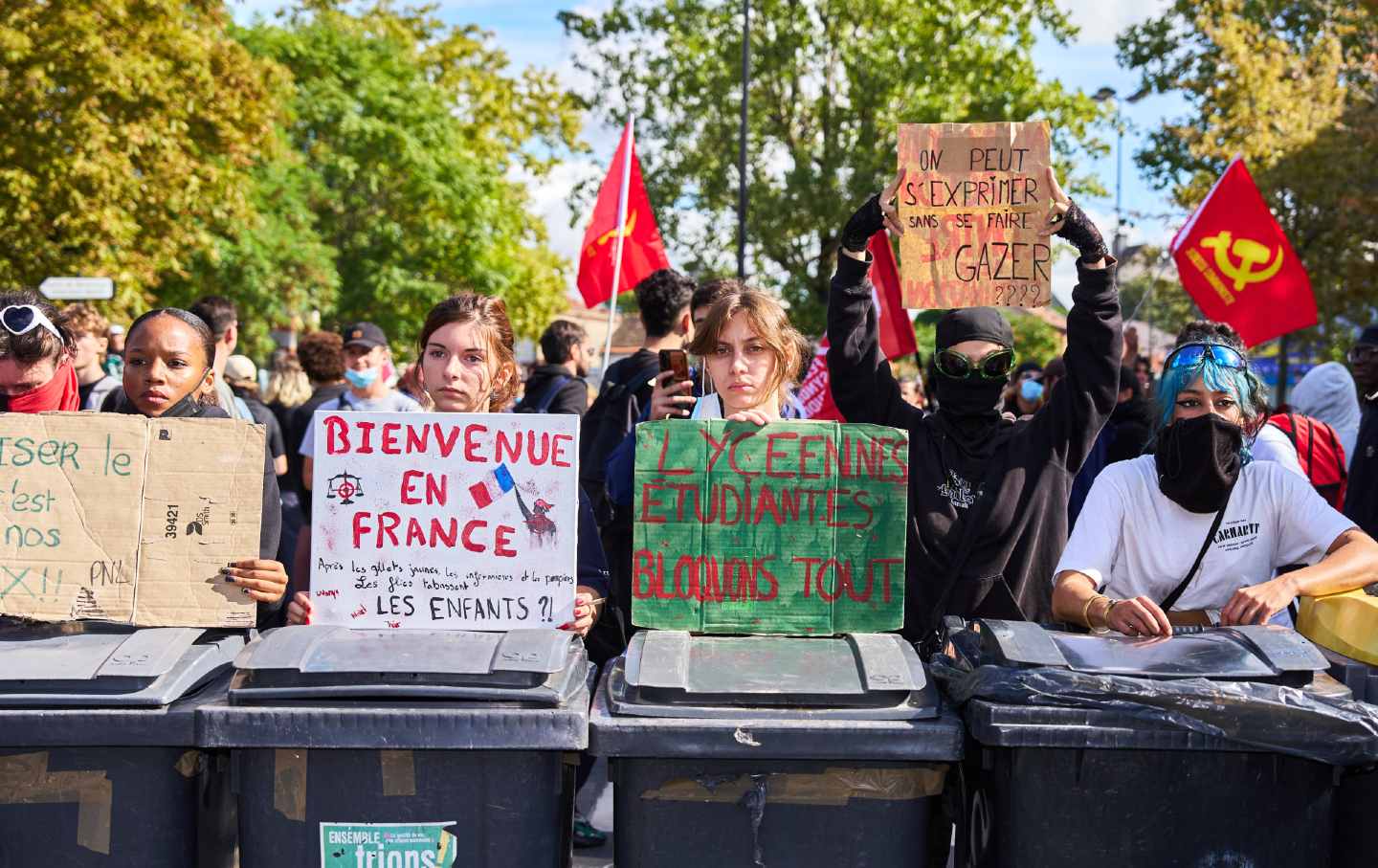
Why French Students Are Revolting Why French Students Are Revolting
France’s education system is stretched to its limits, as student anger kicks off a hot fall protest season.

