Finding Freedom When Your Body Becomes State Property
When you’re incarcerated, your name is replaced by a number, your self-worth stolen by a strip search. But serving time does not grant the state permission to deny your humanity.
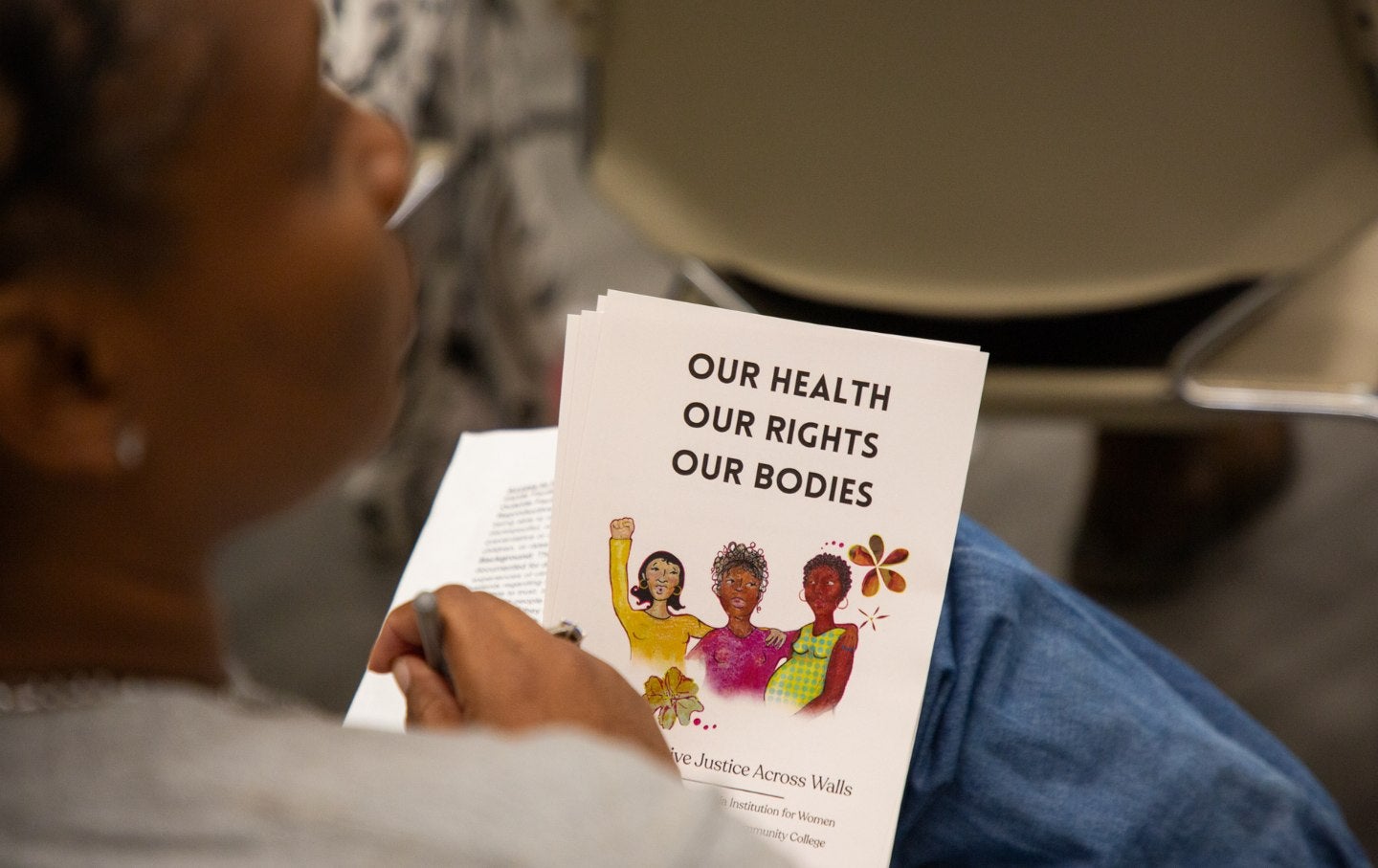
What would happen if your body was no longer yours? And no, I am not talking about some sort of out-of-body experience, but losing your autonomy to an unworldly place: prison. Shackles weigh down your feet and your wrists are tightly cuffed to gut-wrenching waist chains. The discomfort screams your body is no longer yours. As women in prison, our bodies become property of the state. Our name is replaced by a number. Our self-worth is stolen by a strip search. In today’s terms, our health, our rights, and our bodies are canceled.
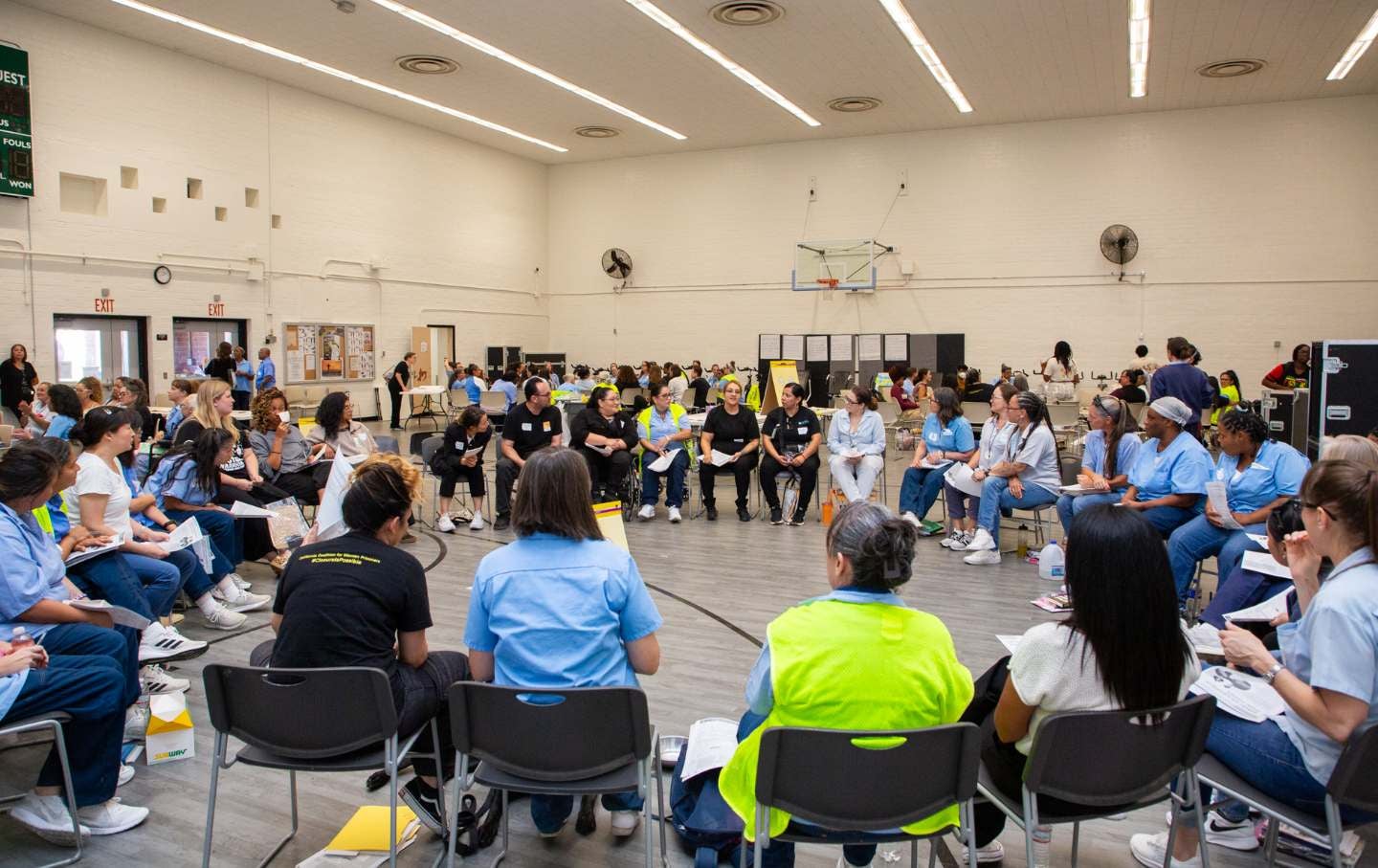
On October 1, 2026, the California Coalition for Women Prisoners (CCWP) Reproductive Justice Working group offered an antidote to the reproductive injustices incarcerated people face at the California Institution for Women (CIW). CCWP has maintained a relationship with women’s prisons for over 30 years. Beginning in response to witnessing people who died from medical neglect, CCWP still assists folks who currently live inside prison without proper medical care. At the convening, inside and outside advocates came together to gain a deeper understanding of abolitionist work. Keynote speaker Kwaneta Harris, who is currently incarcerated in a Texas women’s prison, made one thing very clear, “Nobody is free until the state has no cages and no chains left to put anybody in. Not on our bodies, not around our.… Not on our children or our future.”
System-imposed trauma concealed for years, or even decades, was openly discussed amongst attendees, including women’s health professionals, OB-GYNs, lawyers, journalists, and advocates. CCWP advocate, and event host, Leesa Nomura, called out the levels of bodily harm caused by incarceration. While discussing a solution, she explained, “1t can’t just be policy work. It has to hold prisons accountable for not caring for needs, like postpartum depression.” Addressing postpartum needs was one of the many healthcare concerns advocates shined a light on.
Women’s reproductive rights are muted and, for some, removed during incarceration. For decades, marginalized women have been subjected to crimes eliminating their ability to have children. Not to mention, longterm punishment in itself prevents women’s ability to have children—and no, freezing eggs isn’t an option. While the past torture of giving birth chained to a hospital bed is infuriating enough, it gets worse. Imagine this, you walk into your OB-GYN appointment to have your fibroids removed and walk out without your ovaries.
While women in prison are responsible for committing serious crime, serving time does not grant medical professionals the right to endanger women’s health or reproductive rights. Nor should it subject families and children to undergo the pain of their hurt and absence.
Reproductive justice leaders used the convening to discuss the hurdles they must overcome in order to shift the shame culture that isolates and resists change. Because the Prison Industrial Complex has developed and implemented oppressive practices tor so long, great difficulty arises when trying to put less brutal policies into action.
The inhumane living conditions inside prison cells, such as extreme temperatures and metal bunks, force women into facing various health issues, including body aches, sleep deprivation, and early menopause. The therapeutic privacy of mental health becomes public. Ongoing stressors inside the toxic environment expose women to violence and sexual assault, and surveillance is often justified as safety.
So if reform isn’t the solution, then what is? Reproductive justice leaders say, “abolition.” In true abolitionist fashion, women walked out looking to identify root causes and create community to challenge systematic oppression.