(Larry Towell / Magnum Photos)
Society / Photo Essay / November 8, 2024

Holding On to Indigenous Heritage in Georgia

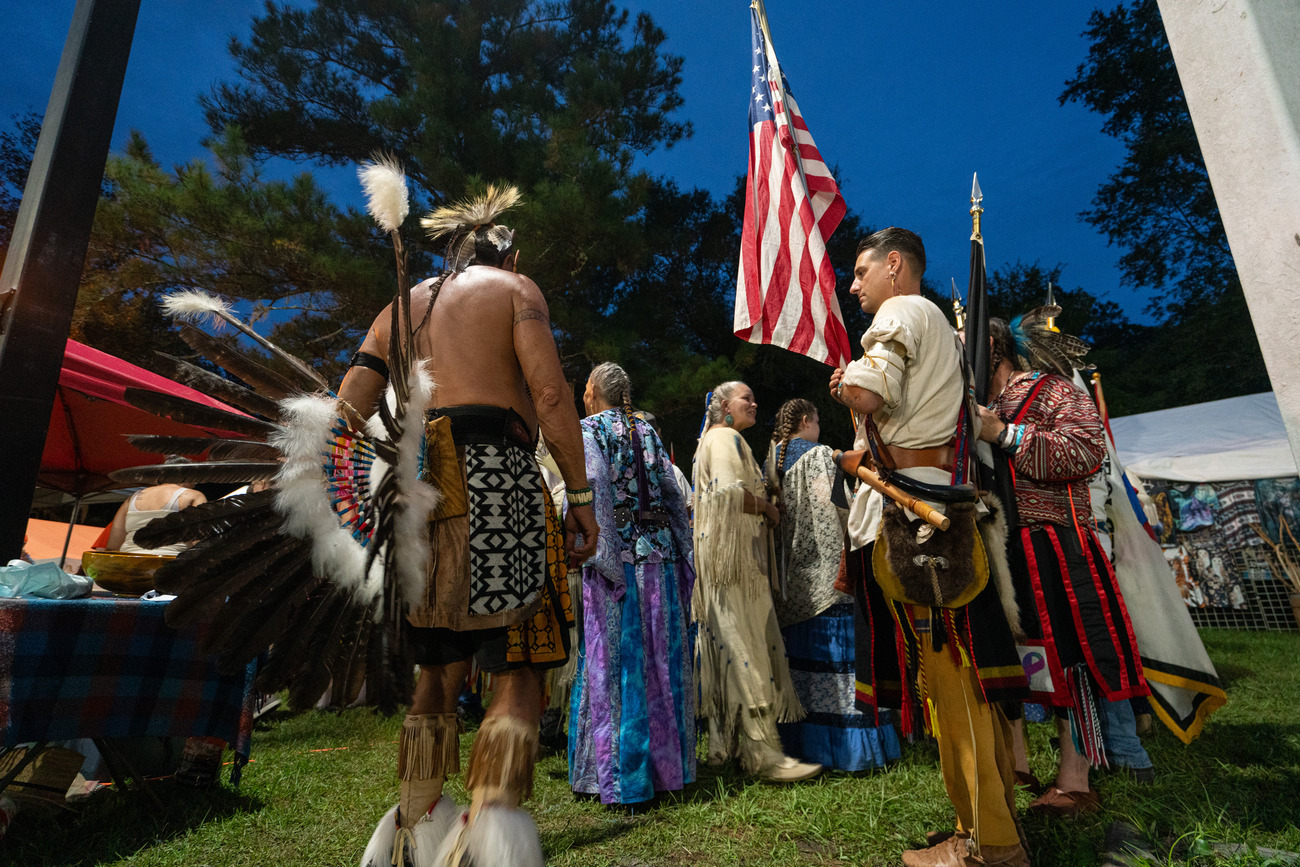
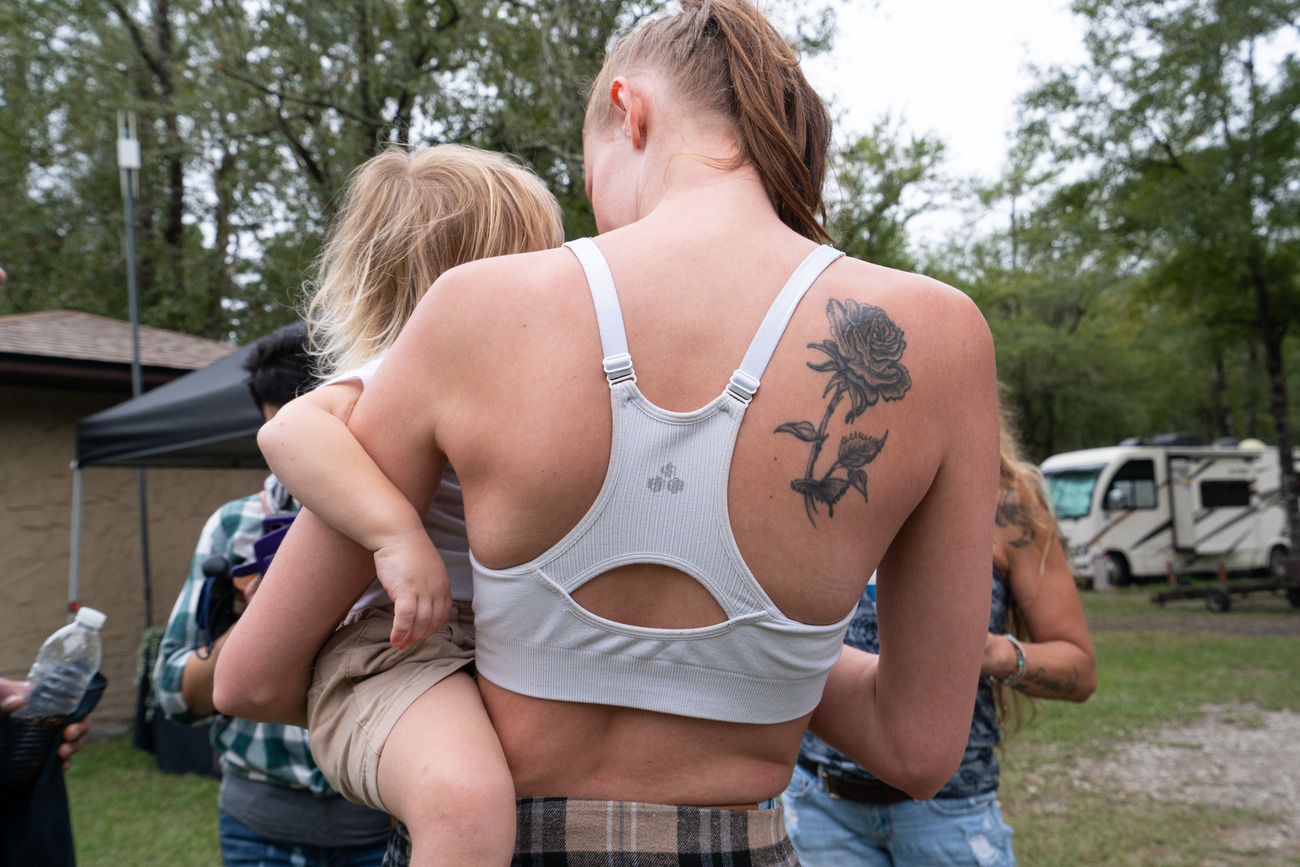
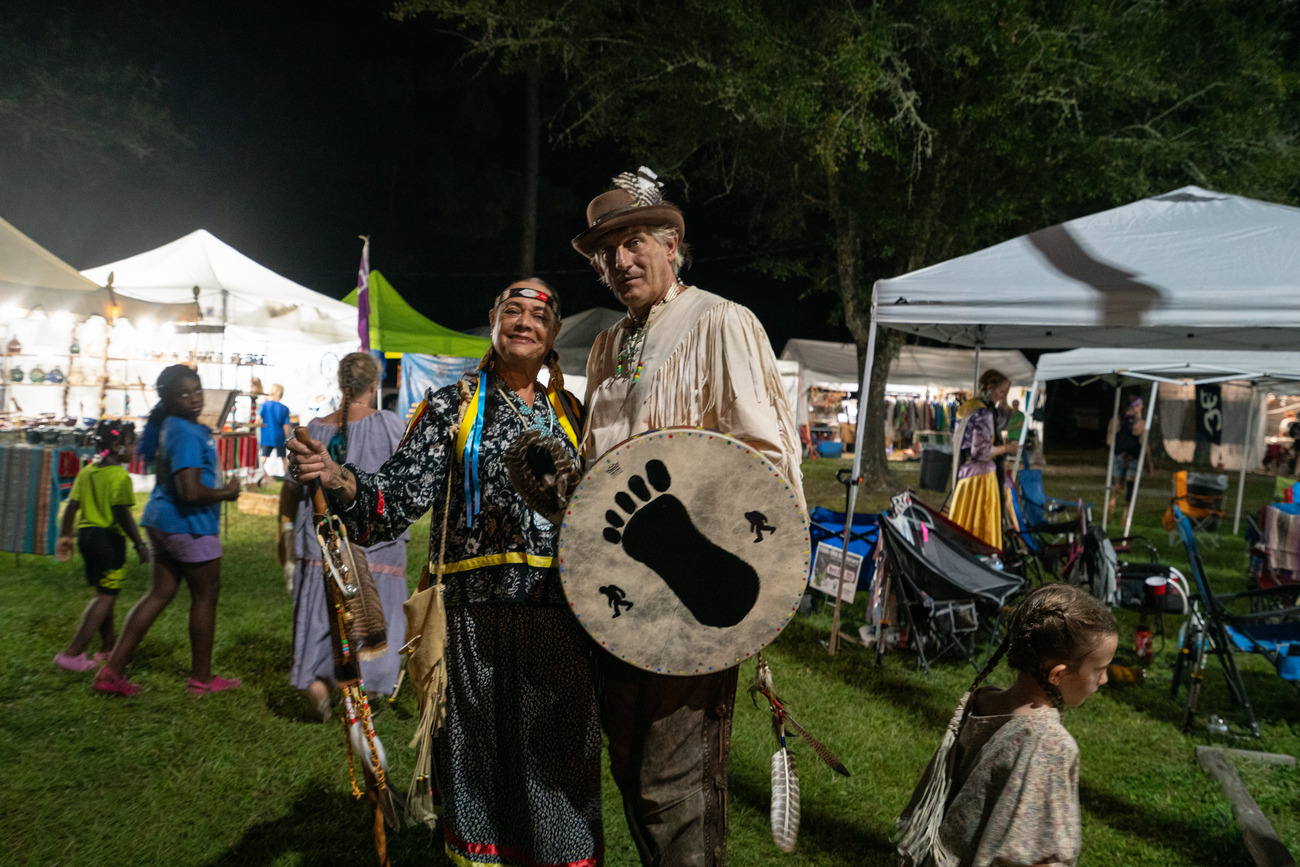
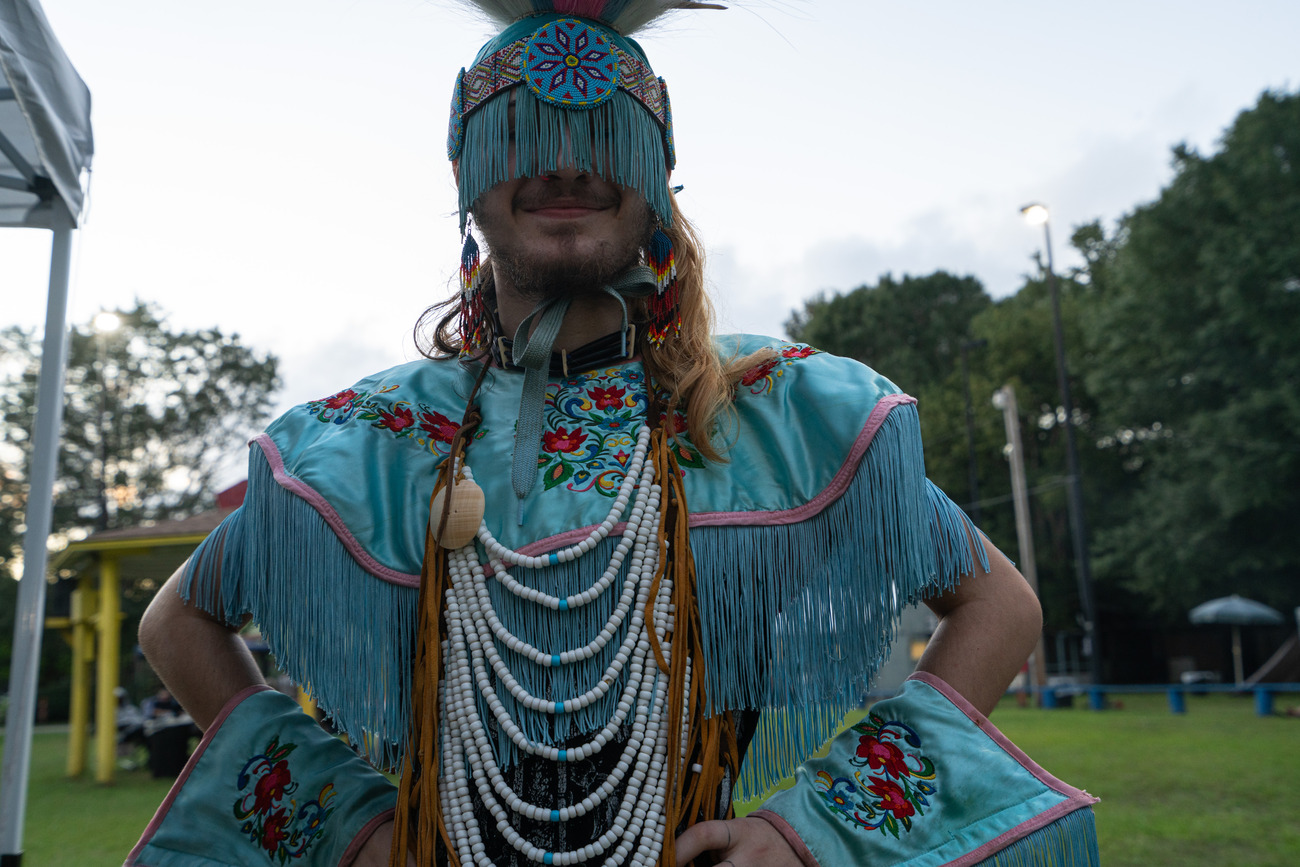
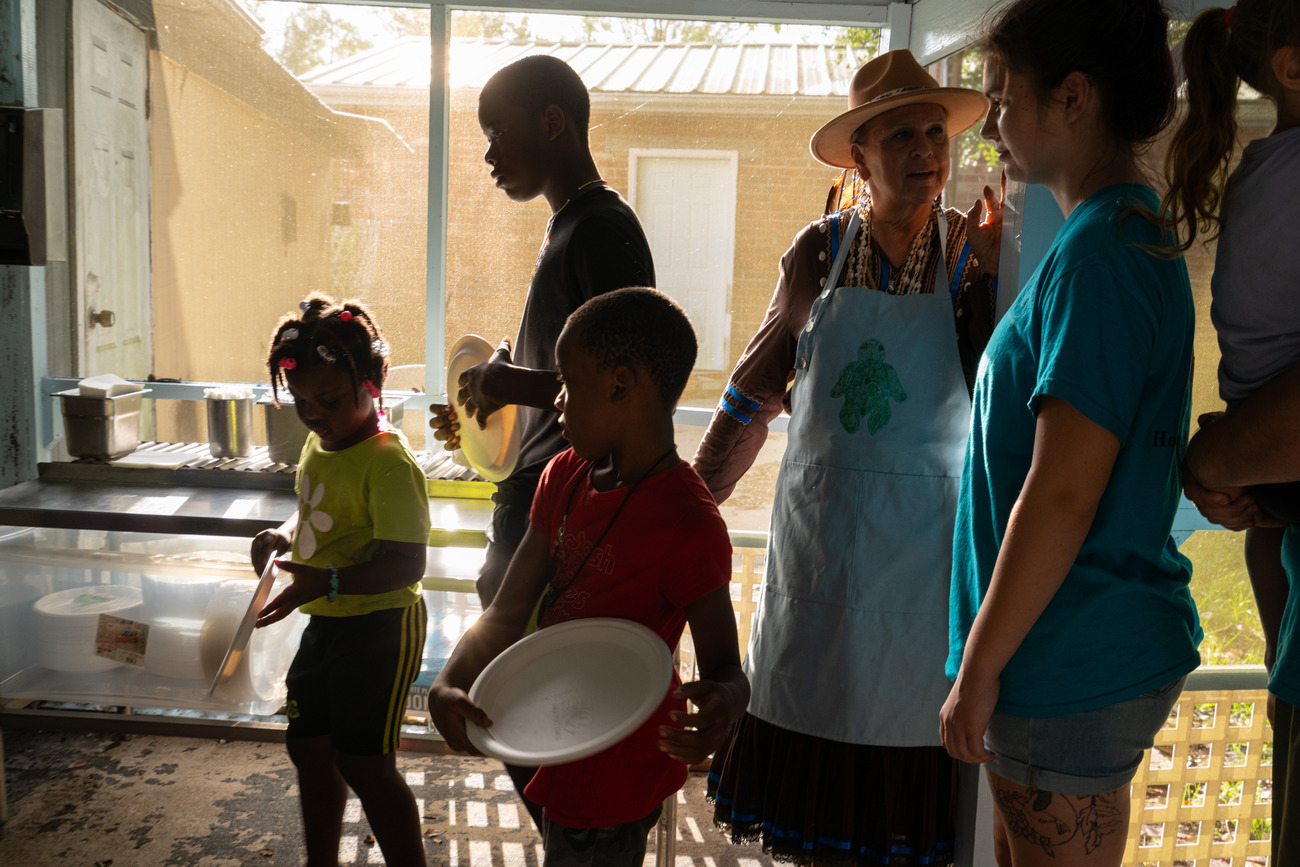
Although Georgia is often left out of the Native American narrative, a small but mighty community in the state is keeping a strong grip on its culture and history.

Story by Sheena Roetman-Wynn and Photographs by Larry Towell

In many Indigenous cultures, time is cyclical, not linear like in Western traditions. And so to begin the story of Georgia’s Indigenous people, we will start at the end. Which is to say, we’ll start from today and work backward.

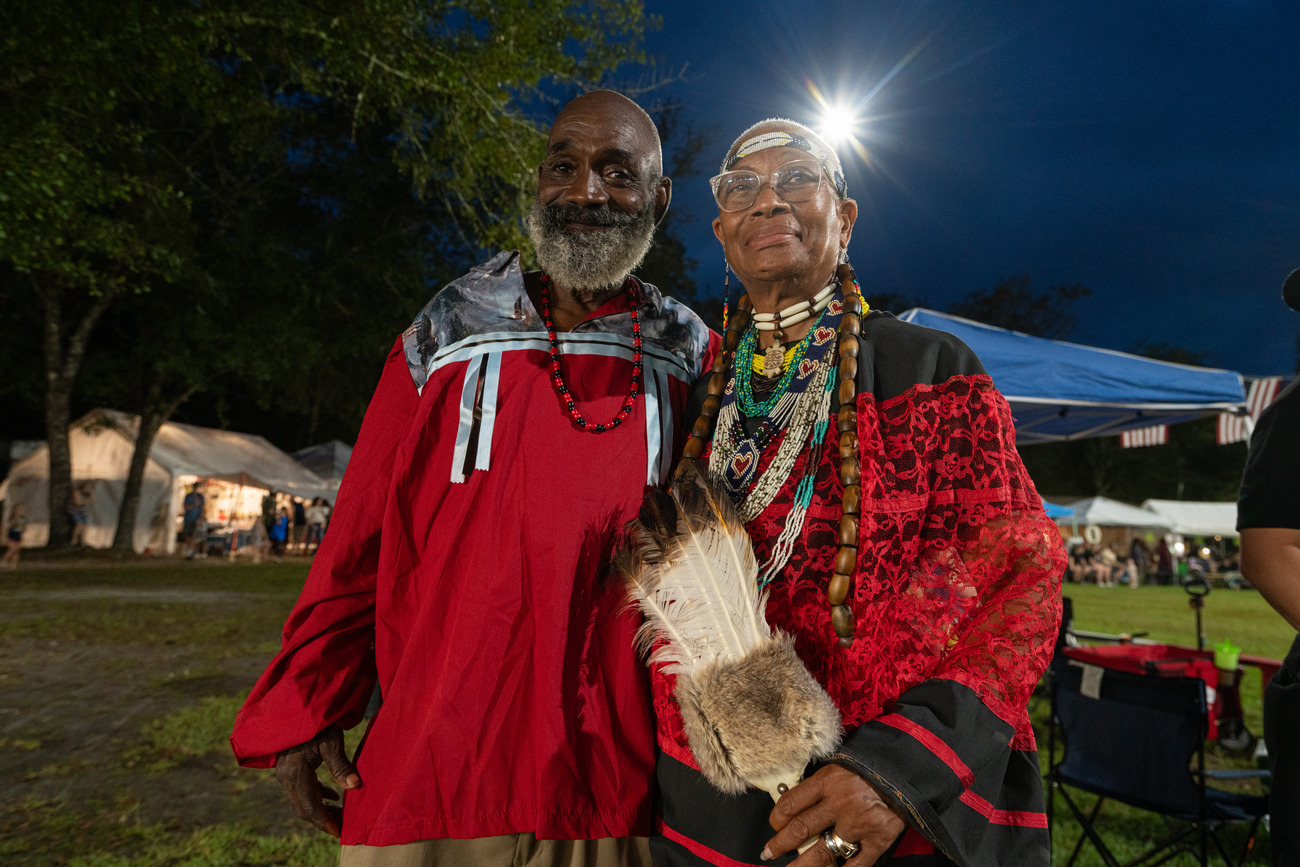
While there are currently no federally recognized tribes in Georgia, 2020 Census data tells us more than 214,000 self-identified Indigenous people reside here. Although the past few years have brought long-overdue visibility to Indigenous peoples around the world, Georgia very much remains an oft-forgotten part of our story.
(Larry Towell / Magnum Photos)

The momentum of recent global racial justice movements combined with the local efforts to stop “Cop City” in Atlanta has led to more attention being paid to Indigenous issues in the region by teachers, nonprofits, city and state representatives, and others. This, in turn, opened up avenues for further conversation and growth, particularly surrounding the continued use of a racially based mascot by Atlanta’s Major League Baseball team, the Braves.

Georgia’s Native American population is as diverse as you might expect, and as Atlanta’s metro area continues to grow and attract people from all over, tribal diversity in the area grows and expands as well.

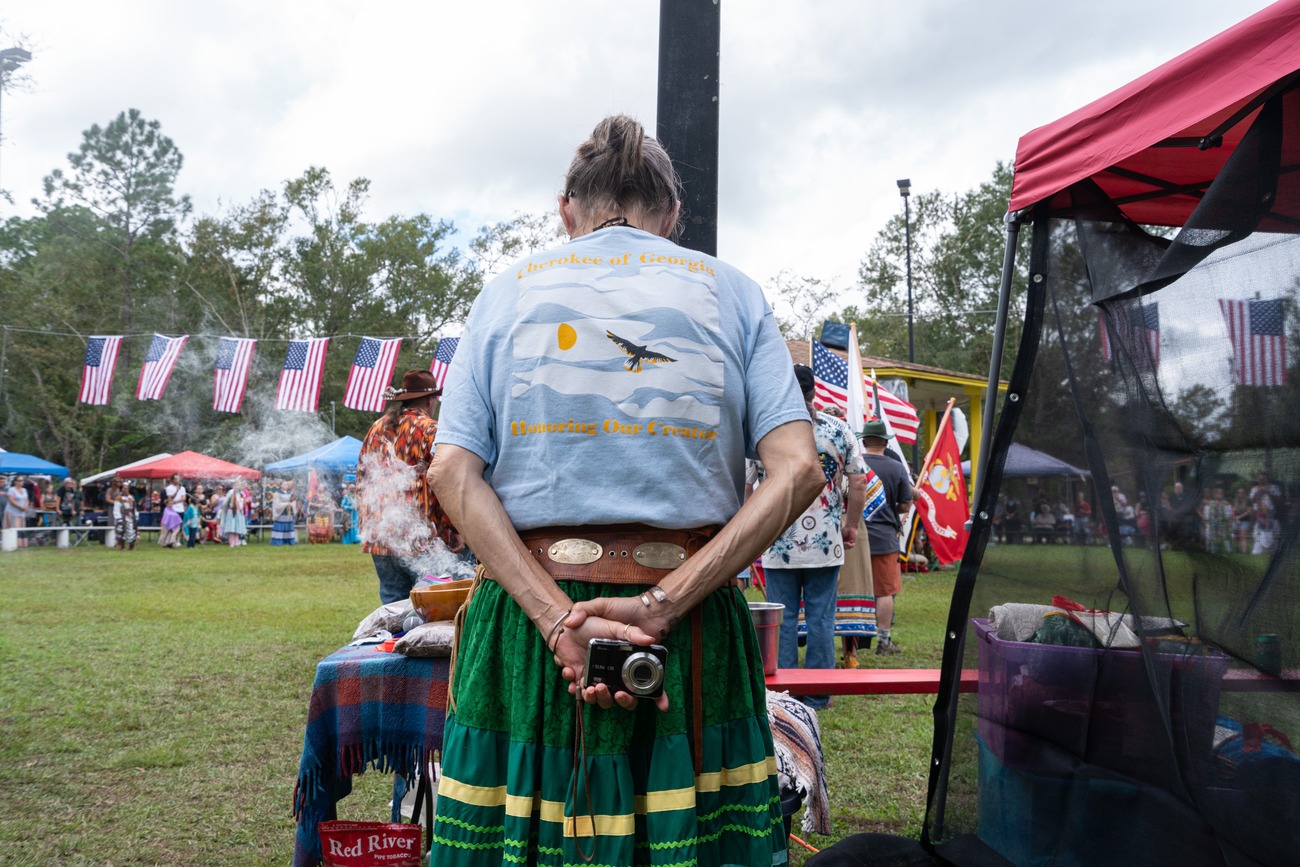
The state does recognize three tribes: the Cherokee of Georgia Tribal Council, the Georgia Tribe of Eastern Cherokee, and the Lower Muscogee Creek Tribe. While many Native Americans are enrolled citizens of their tribes (regardless of federal recognition status), others are not, due to individual tribal restrictions on membership. Most tribal citizens can vote in their tribal elections even if they don’t live on their reservation.
(Larry Towell / Magnum Photos)

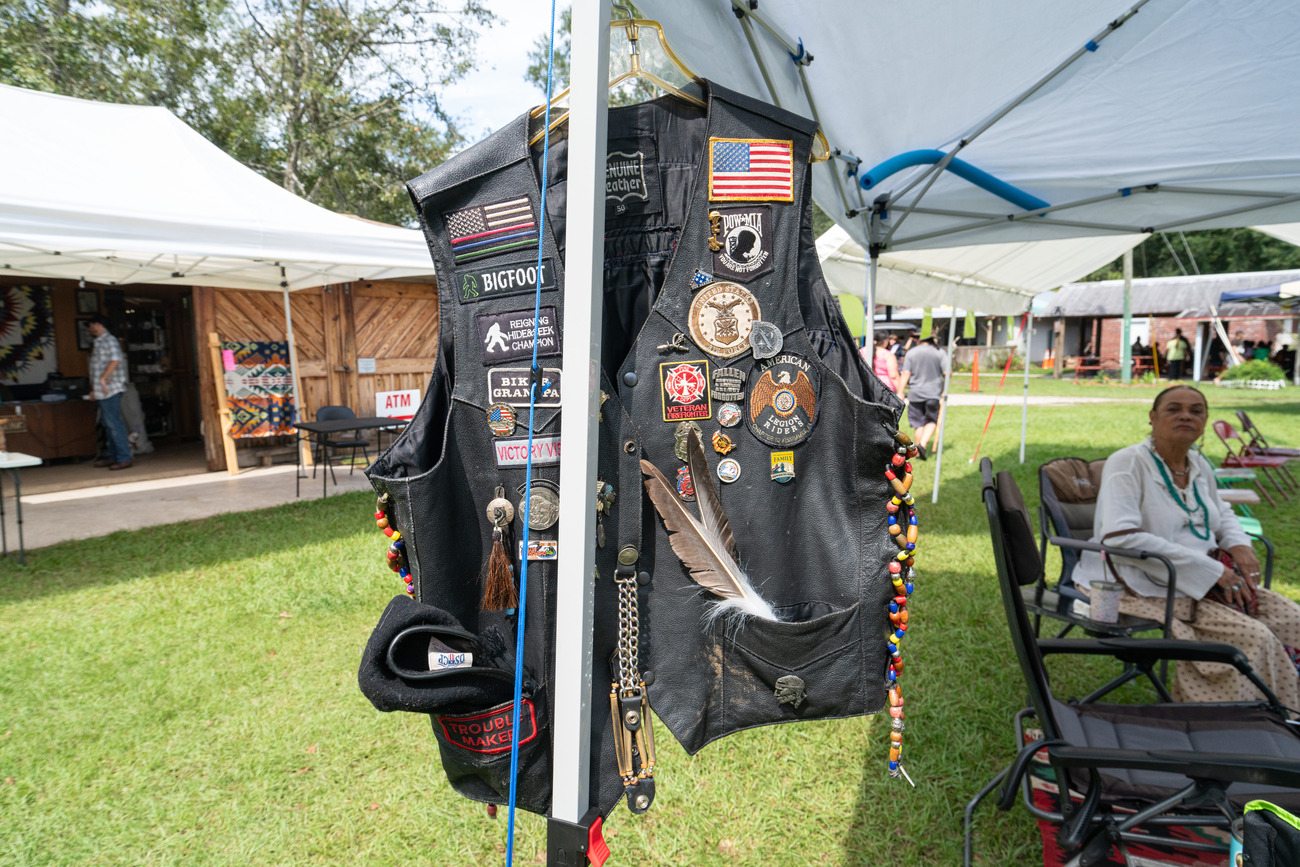
Native Americans didn’t become United States citizens until 1924, when President Calvin Coolidge signed the Indian Citizenship Act. His inspiration is often attributed to the high number of Native Americans who enlisted in the armed forces during World War I, and it would still be some time before Natives gained full civil rights via the Indian Civil Rights Act of 1968.

Almost 100 years earlier, in 1834, four years after President Andrew Jackson successfully passed the Indian Removal Act, the forced removal of Creek citizens began in Georgia, with the removal of the Cherokee beginning in 1838. In the end, more than 60,000 people would be forced from their homes in the Southeastern United States.
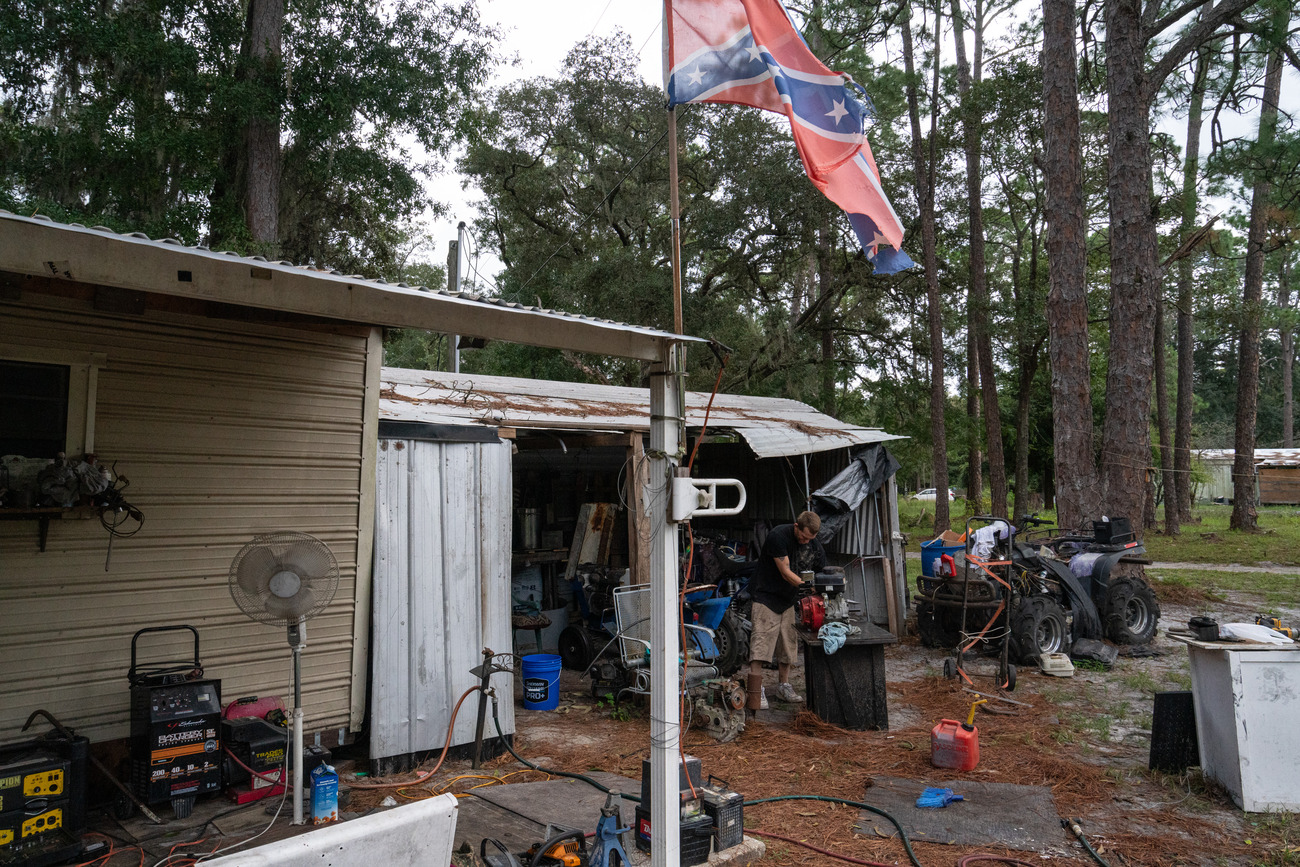
(Larry Towell / Magnum Photos)

Just before President Jackson’s congressional success, in 1828, the General Council of the Cherokee Nation established a printing press in New Echota, Georgia. The Cherokee Phoenix, published in both Cherokee and English, was the first Native American newspaper in the country.

The land that now makes up the state of Georgia is itself a reflection of the rich history and cultural legacy of the area’s Original Peoples. From mound complexes such as Ocmulgee and Etowah to other sites scattered across the state, these locations provide insight into the lives, beliefs, and traditions of the Indigenous peoples who have lived here for thousands of years.
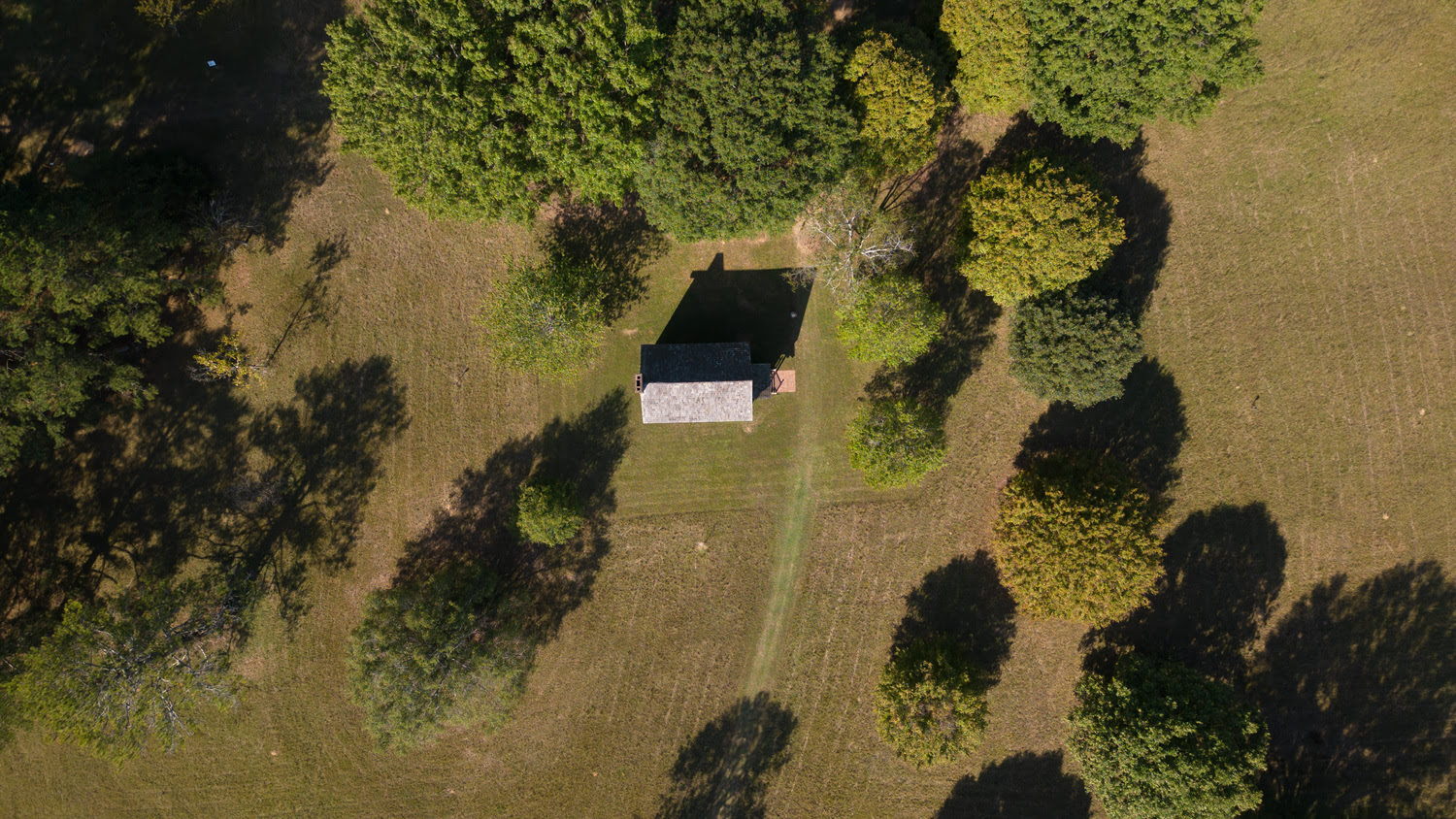
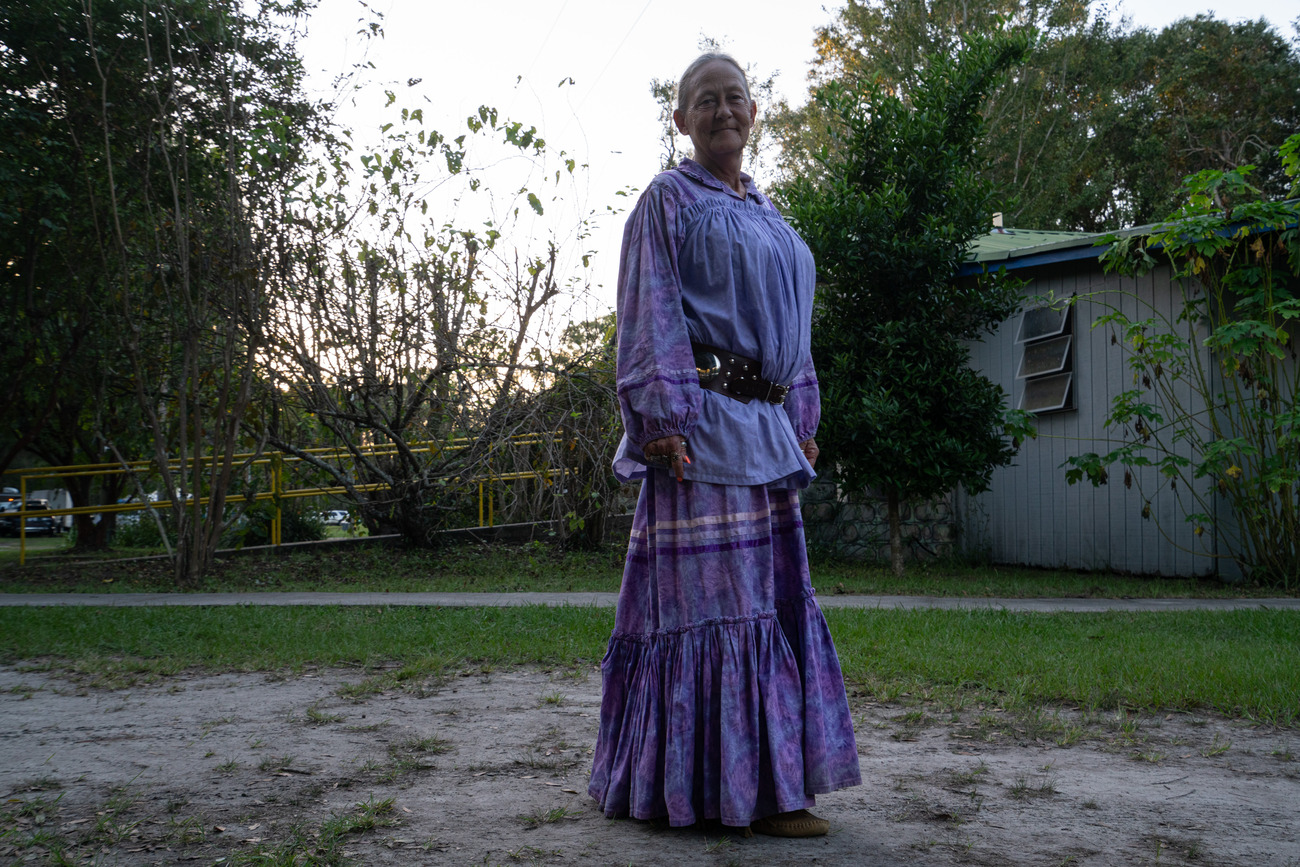
New Echota, “the Town That Disappeared.” Originally established in 1825 as the seat of government for the Cherokee nation it was also the site of the first Indian-language newspaper and the first Native American courthouse and one of the earliest experiments in national self-government by an Indian tribe. The treaty of New Echota was signed here in 1835, relinquishing Cherokee claims to land east of the Mississippi and beginning the forced removal of the Cherokee. The village became a ghost town and its land was given away to white settlers in a lottery. Calhoun, Georgia. October 2024.(Larry Towell / Magnum Photos)
(Larry Towell / Magnum Photos)
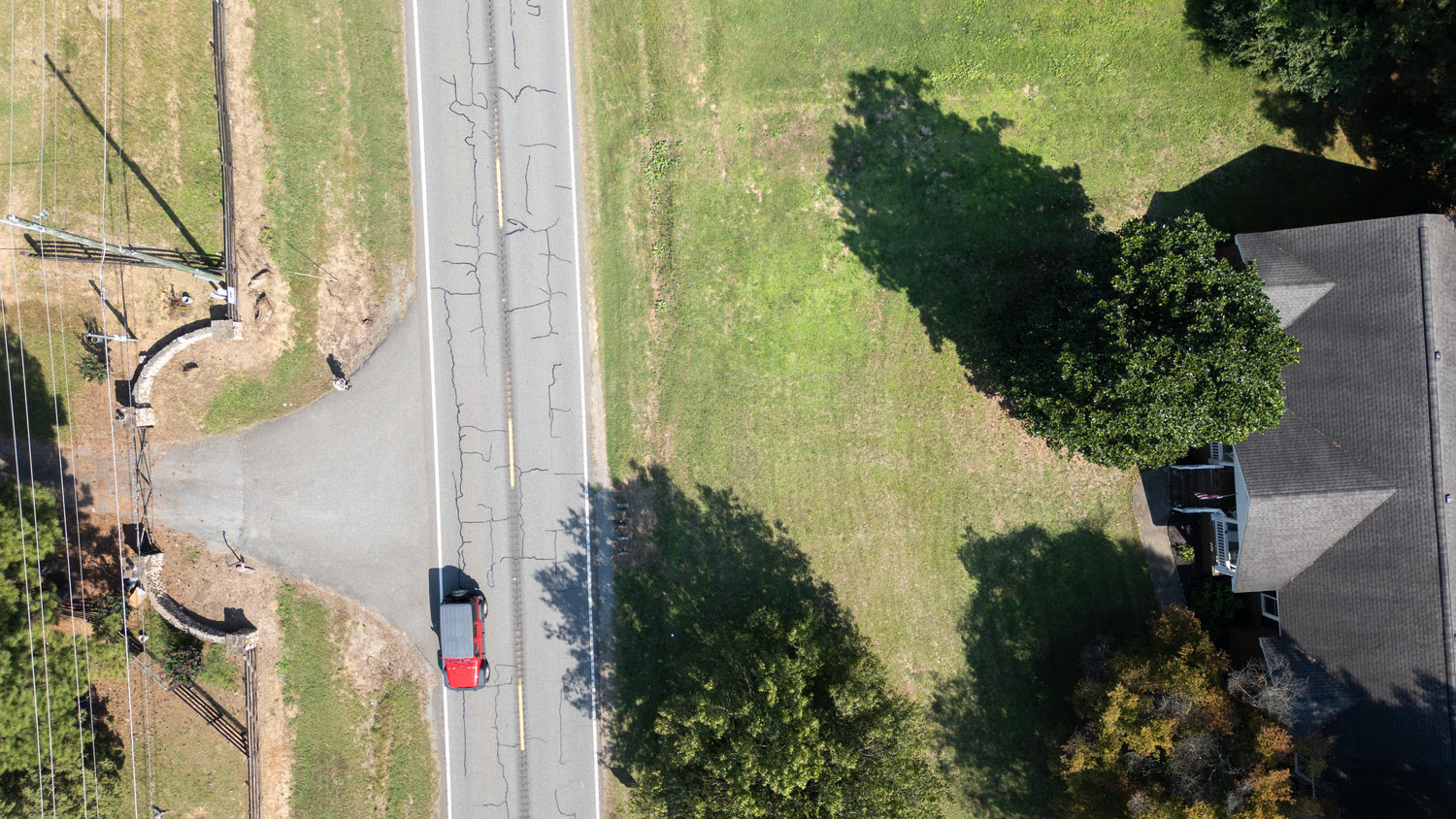
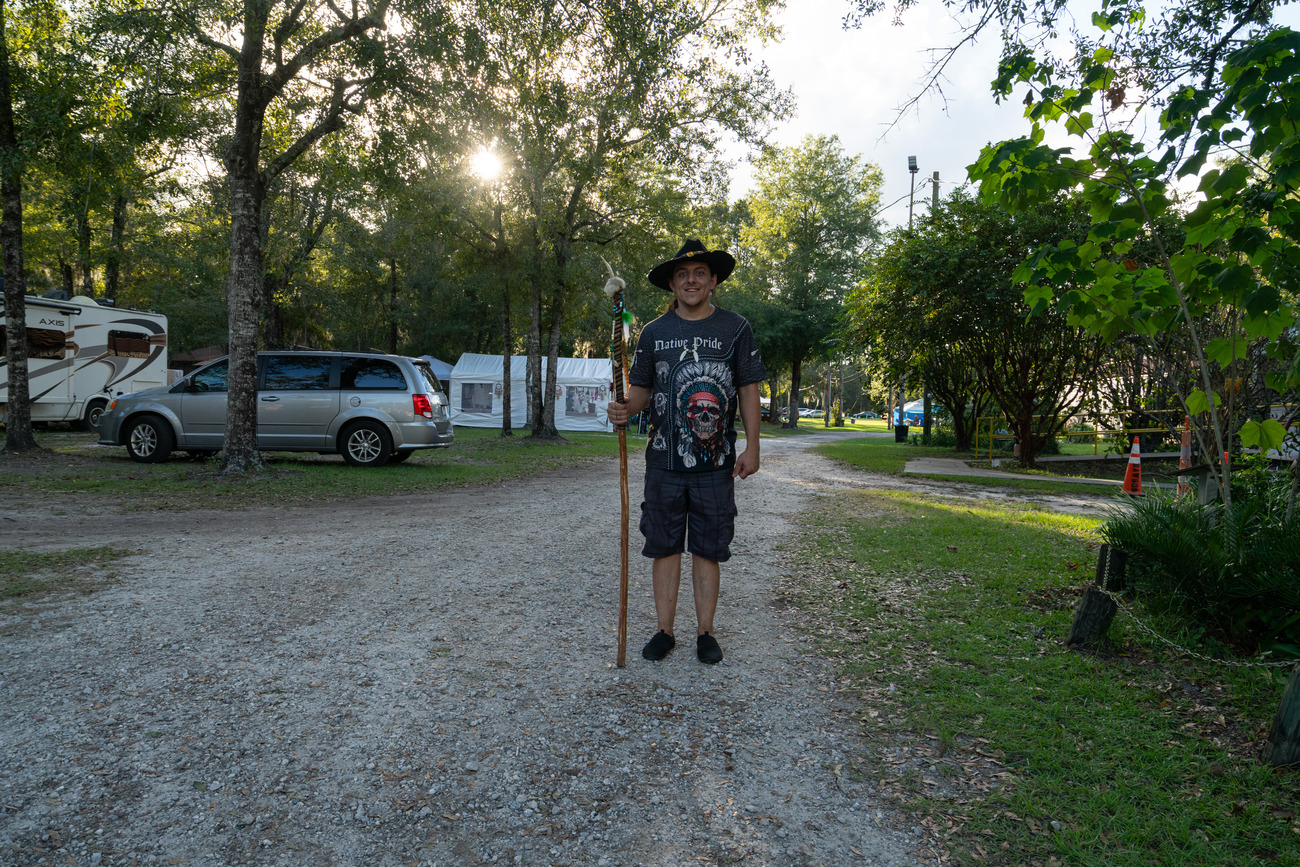
Cherokee Trail of Tears location on current Highway 411 indicating a section of the road once part of the trail. The Cherokee Nation, along with some slaves and Creek travelled by horseback, wagon, and on foot. Approximately 4,000 perished of hunger, cold and disease. Rome, Georgia. October 2024.(Larry Towell / Magnum Photos)
(Larry Towell / Magnum Photos)
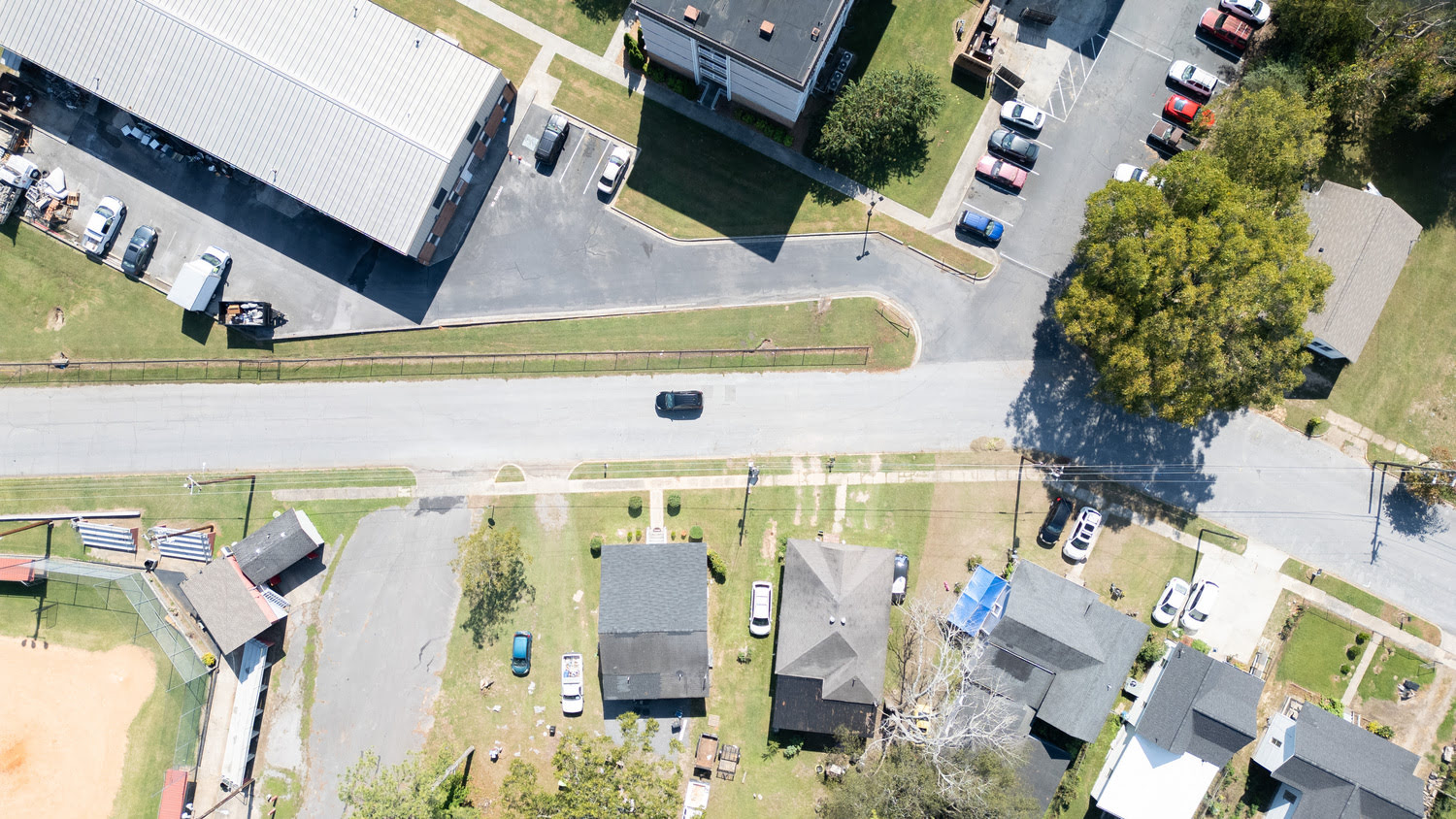
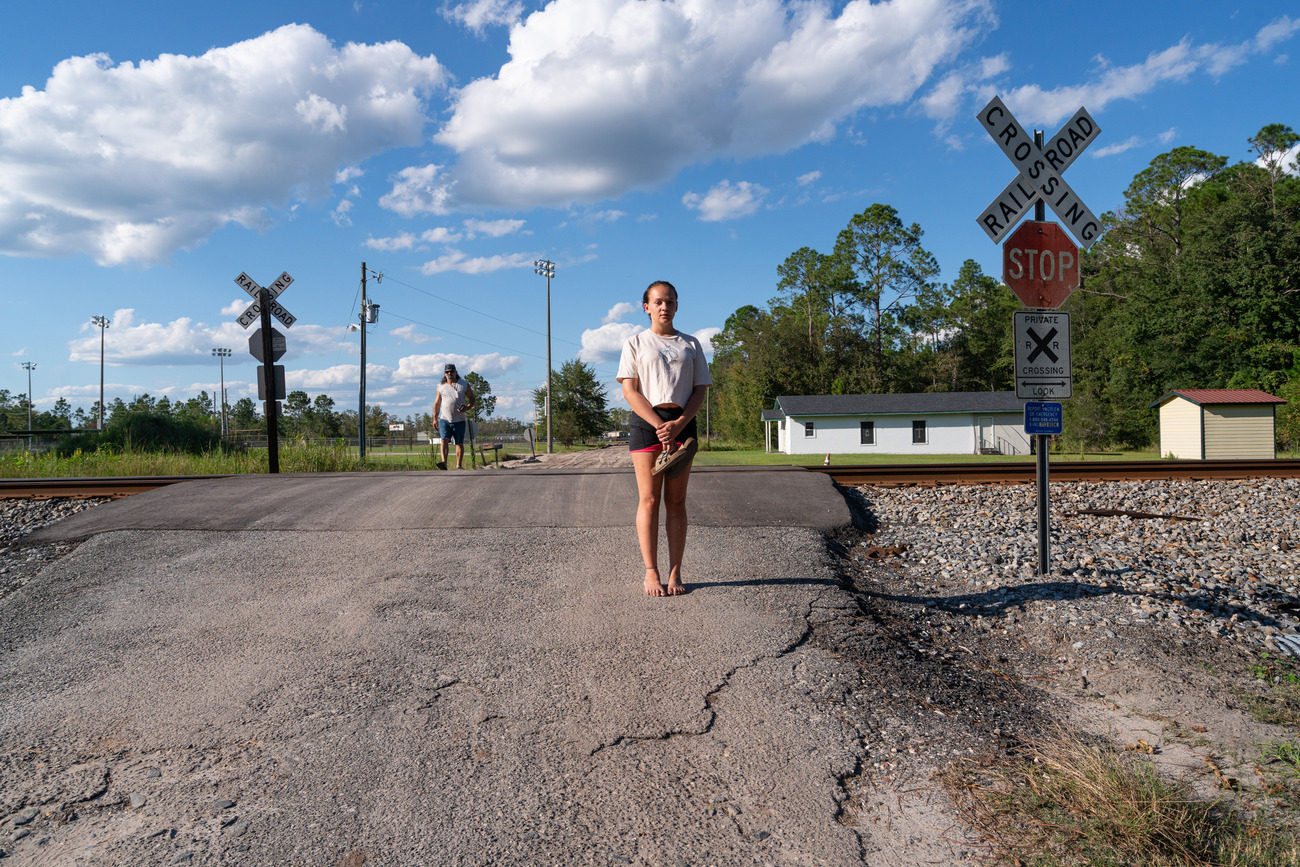
The current location of what was once Cedar Town Camp. It was the first military post and detention center built to imprison the Cherokee before they were moved to other locations for removal on the Trail of Tears. Seven thousand federal and state troops had been ordered into the Cherokee Nation for forced eviction. On May 26, 1838, the roundup began. They were taken at gunpoint from their homes and fields, disallowed from taking any possessions and imprisoned in stockades until their removal to the west. Their houses were burned behind them. Cedar Town, Georgia. October 2024.(Larry Towell / Magnum Photos)
(Larry Towell / Magnum Photos)
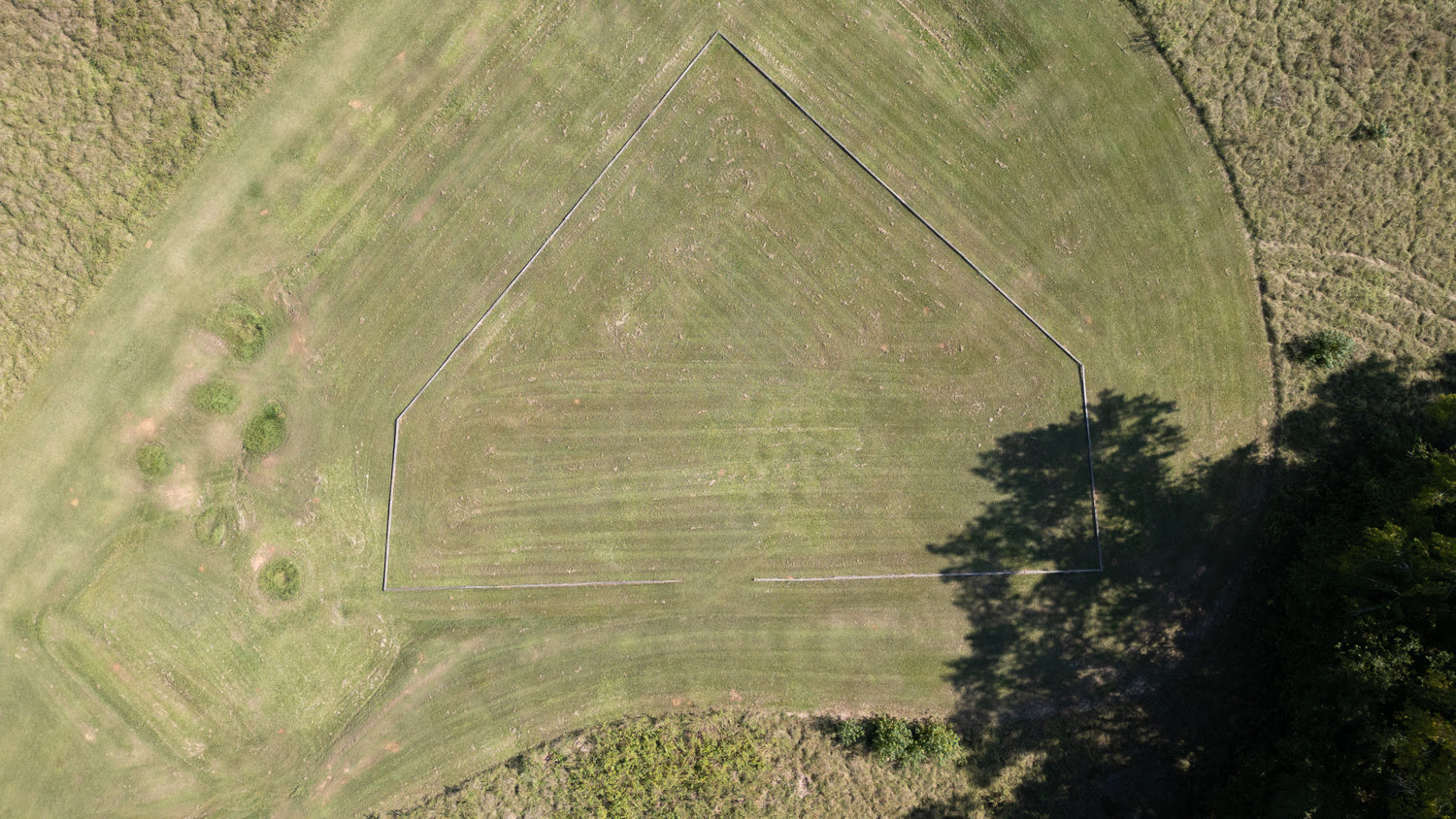
Ocmulgee site. Delineation of original plaza area, which later became a trading post. The site had been visited by Spanish conquistador Hernando de Soto in the 16th century, who unintentionally left behind European disease killing of 80–90 percent of the population. The Ocmulgee site preserves the 17,000-year record of human habitation in the American southwest. Last inhabited by the Muscogee Creek who refused to give up their land, known as the Ocmulgee Oil Fields, were sent to ‘Indian Territory” (present-day Oklahoma) on the the Trail Of Tears. Macon, Georgia. October 2024.(Larry Towell / Magnum Photos)
(Larry Towell / Magnum Photos)

Time is running out to have your gift matched 

In this time of unrelenting, often unprecedented cruelty and lawlessness, I’m grateful for Nation readers like you. 

So many of you have taken to the streets, organized in your neighborhood and with your union, and showed up at the ballot box to vote for progressive candidates. You’re proving that it is possible—to paraphrase the legendary Patti Smith—to redeem the work of the fools running our government.

And as we head into 2026, I promise that The Nation will fight like never before for justice, humanity, and dignity in these United States. 

At a time when most news organizations are either cutting budgets or cozying up to Trump by bringing in right-wing propagandists, The Nation’s writers, editors, copy editors, fact-checkers, and illustrators confront head-on the administration’s deadly abuses of power, blatant corruption, and deconstruction of both government and civil society. 

We couldn’t do this crucial work without you.

Through the end of the year, a generous donor is matching all donations to The Nation’s independent journalism up to $75,000. But the end of the year is now only days away. 

Time is running out to have your gift doubled. Don’t wait—donate now to ensure that our newsroom has the full $150,000 to start the new year. 

Another world really is possible. Together, we can and will win it!

Love and Solidarity,

John Nichols 

Executive Editor, The Nation

Sheena Roetman-Wynn

Sheena Roetman-Wynn is a freelance writer and editor, and the education manager at the Indigenous Journalists Association.

Larry Towell

Larry Towell is known for his coverage of historical events, human rights and conflict, complemented by personal projects that have resulted in 16 books and several music projects and films.

More from The Nation

A still from the 60 Minutes segment held by Bari Weiss, the editor in chief of CBS News.

Read the CBS Report Bari Weiss Doesn’t Want You to See Read the CBS Report Bari Weiss Doesn’t Want You to See

A transcript of the 60 Minutes segment on CECOT, the notorious prison in El Salvador.

The Nation

Pope Leo XIV stands in front of a Christmas nativity scene at Paul-VI hall in the Vatican on December 15, 2025.

The Christmas Narrative Is About Charity and Love, Not Greed and Self-Dealing The Christmas Narrative Is About Charity and Love, Not Greed and Self-Dealing

John Fugelsang and Pope Leo XIV remind us that Christian nationalism and capitalism get in the way of the message of the season.

John Nichols

Jules Feiffer, Elizabeth Pochoda, Bill Moyers

In Memoriam: Beautiful Writers, Influential Editors, Committed Activists In Memoriam: Beautiful Writers, Influential Editors, Committed Activists

A tribute to Nation family we lost this year—from Jules Feiffer to Joshua Clover, Elizabeth Pochoda, Bill Moyers, and Peter and Cora Weiss

Obituary / Richard Kreitner

President Donald Trump in the White House in January 2025.

Trump’s Anti-DEI Crusade Is Going to Hit White Men, Too Trump’s Anti-DEI Crusade Is Going to Hit White Men, Too

Under the Trump administration’s anti-DEI directives, colleges would be forced to abandon gender balancing, disadvantaging men.

Kali Holloway

Why We Need Kin: A Conversation With Sophie Lucido Johnson

Why We Need Kin: A Conversation With Sophie Lucido Johnson Why We Need Kin: A Conversation With Sophie Lucido Johnson

The author and cartoonist explains why we should dismantle the nuclear family and build something bigger.

Q&A / Regina Mahone

CBS News editor in chief Bari Weiss hosts a town hall with Erika Kirk on December 10.

Bari Weiss’s Counter-Journalistic Crusade Targets “60 Minutes” Bari Weiss’s Counter-Journalistic Crusade Targets “60 Minutes”

The new editor in chief at CBS News has shown she’s not merely stupendously unqualified—she’s ideologically opposed to the practice of good journalism.

Elizabeth Spiers