

Bill Moyers in 2002.
(Pat Carroll / NY Daily News Archive via Getty Images)In the last months of his remarkable life, Bill Moyers spoke more frequently about the future than the past. He followed the first months of the second Trump presidency with mounting concern, warned about threats to the First Amendment, and remained as enthusiastic as ever about the fight for bold journalism and robust democracy. His step was cautious as we navigated the streets near his place on Manhattan’s Upper West Side. Yet, even on our last walk just weeks before his death on Thursday at age 91, there was nothing tentative about Bill’s vision for America. We spent several hours talking about organizing a national conference to assess the damage that was being done to the American discourse, not just by Donald Trump’s crude authoritarianism but also by corporate media conglomerates that had always been more interested in profits than the freedom of the press.
Every now and then, however, Bill would pause to reflect. On an afternoon in April, as we left an Italian coffee shop a few blocks from Central Park, he paused our conversation about whether America was experiencing the worst of times. Bill recalled flying from Dallas to Washington on November 22, 1963, aboard the plane that transported the body of John Fitzgerald Kennedy, the assassinated president he had served as deputy director of the Peace Corps, along with Lyndon Johnson, the newly inaugurated president he would go on to serve as press secretary. The American experiment that he had come to cherish as a boy growing up in Marshall, Texas, had experienced plenty of rough days, he explained. As Bill spoke, I was reminded that few Americans had seen so much of the country’s history, and shaped so much of its public discourse, as Bill Moyers.
The “press secretary” title that he held during much of Johnson’s White House tenure never really captured the scope of Bill’s influence. He was an essential figure in a transformative presidency. Still in his early 30s, he served as a counselor, chronicler, and strategist for the 36th president, witnessing the highs and lows of an administration that delivered the Civil Rights Act, the Voting Rights Act, and the War on Poverty, and a plan for establishing the public broadcasting system now known as PBS. And as a member of the Carnegie Commission on Education Television, Bill helped craft the groundbreaking report, “Public Television: A Plan for Action,” which led to the Public Broadcasting Act of 1967 and the creation of PBS, an institution to which he remained devoted for the rest of his life.
Bill left the administration at a point when the bright shining dreams of Johnson’s early presidency were eclipsed by the nightmare that was the Vietnam War. “We had become a war government, not a reform government,” he explained, “and there was no creative role left for me under those circumstances.”
Bill turned his creative impulse toward writing and broadcasting—as the publisher of the newspaper Newsday, a senior commentator for CBS and NBC, and finally as the award-winning host of public broadcasting programs such as Bill Moyers Journal and NOW With Bill Moyers. Along the way, Bill won more than 30 Emmy Awards, wrote best-selling books, and produced documentaries and investigations that upended the lies of our times—including the groundbreaking and still-relevant 2007 report Buying the War: How the Media Failed Us, which detailed the collapse of basic journalistic skepticism on the part of the major media outlets that never seriously challenged, and at times actively encouraged, the Bush-Cheney administration’s rush to war in Iraq.
It was on the eve of that war that Bill invited Bob McChesney and myself to join him for the first of several extended conversations about media and politics on his PBS programs. Those conversations planted the seeds for the formation of a national media reform network, Free Press, and for several national conferences on media reform that Bill addressed as a keynote speaker. His objections to pro-war propaganda and corporate power, and his unflinching determination to champion independent journalism that questioned presidents and CEOs and challenged economic and racial injustice, cost him dearly. Yet Bill loved the fight—and he loved using his broadcast platform to introduce Americans to big ideas (from the left and the right) and to political outsiders, including libertarian Republicans such as Ron Paul and progressives such as Bernie Sanders and Elizabeth Warren.
Sanders and Warren would eventually become prominent members of the US Senate and candidates for the presidency. Paul, a member of the US House from Texas, would seek the presidency as a Libertarian and then as a Republican. But I always thought that it was Bill who should run for the nation’s top job.
After the 2004 election, when Democrats were struggling to find their voice and vision, my friend Molly Ivins suggested that her fellow Texan be drafted as a future presidential prospect, making the case that “Moyers is the only public figure who can take the entire discussion and shove it toward moral clarity just by being there.” Molly imagined a limited campaign that would allow Bill to teach Democrats how to stand for something—and give progressive voters an option to “vote for somebody who’s good and brave and who should win.” But she shied away from arguing that he could actually secure the Democratic nomination or the presidency.
In a friendly debate with Molly, I made the case for a more serious bid. “Why ask Democratic primary voters to send a message when they can send the best man into the November competition and, if the stars align correctly, perhaps even to the White House?” I asked in a Nation column. Yes, I acknowledged, it would be an uphill run. But, I wrote, “Moyers would enter the 2008 race with far more Washington political experience than Dwight Eisenhower had in 1952, far more national name recognition than Jimmy Carter had in 1976 and far more to offer the country than most of our recent chief executives.”
To my mind, it was not that big a stretch to suggest that someone with the government and private-sector experience, the national recognition and the broad respect that Bill Moyers had attained across so many decades of public life could make a serious run for the presidency.
Bill kept his ego in check and laughed off our presidential speculation. He knew his way around the White House as well, or better, than anyone in American media, and he was much more interested in checking and balancing our commanders in chief than in trying to become one himself. And, I suppose, he might have been savvier in his assessment of the political realities of a moment when campaign finance laws were being obliterated and horse-race politics was replacing the battle of ideas that he cherished.
Still, I can’t help but think that Bill Moyers was the best president we never had.
Support independent journalism that does not fall in line
Even before February 28, the reasons for Donald Trump’s imploding approval rating were abundantly clear: untrammeled corruption and personal enrichment to the tune of billions of dollars during an affordability crisis, a foreign policy guided only by his own derelict sense of morality, and the deployment of a murderous campaign of occupation, detention, and deportation on American streets.
Now an undeclared, unauthorized, unpopular, and unconstitutional war of aggression against Iran has spread like wildfire through the region and into Europe. A new “forever war”—with an ever-increasing likelihood of American troops on the ground—may very well be upon us.
As we’ve seen over and over, this administration uses lies, misdirection, and attempts to flood the zone to justify its abuses of power at home and abroad. Just as Trump, Marco Rubio, and Pete Hegseth offer erratic and contradictory rationales for the attacks on Iran, the administration is also spreading the lie that the upcoming midterm elections are under threat from noncitizens on voter rolls. When these lies go unchecked, they become the basis for further authoritarian encroachment and war.
In these dark times, independent journalism is uniquely able to uncover the falsehoods that threaten our republic—and civilians around the world—and shine a bright light on the truth.
The Nation’s experienced team of writers, editors, and fact-checkers understands the scale of what we’re up against and the urgency with which we have to act. That’s why we’re publishing critical reporting and analysis of the war on Iran, ICE violence at home, new forms of voter suppression emerging in the courts, and much more.
But this journalism is possible only with your support.
This March, The Nation needs to raise $50,000 to ensure that we have the resources for reporting and analysis that sets the record straight and empowers people of conscience to organize. Will you donate today?
More from The Nation
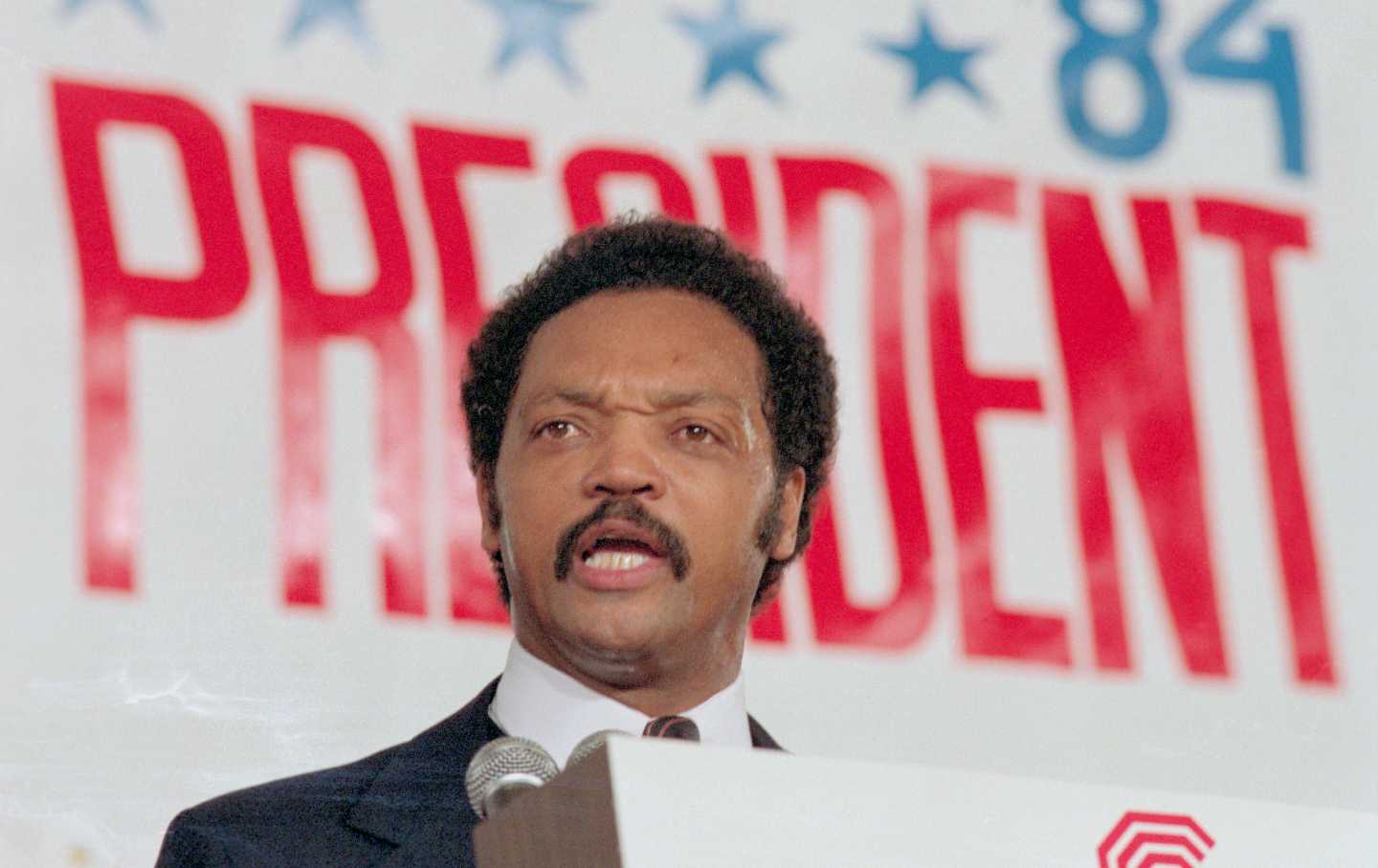
In Memoriam: the Rev. Jesse Jackson (1941–2026) In Memoriam: the Rev. Jesse Jackson (1941–2026)
The civil-rights activist and founder of the Rainbow PUSH Coalition changed what’s possible in politics.
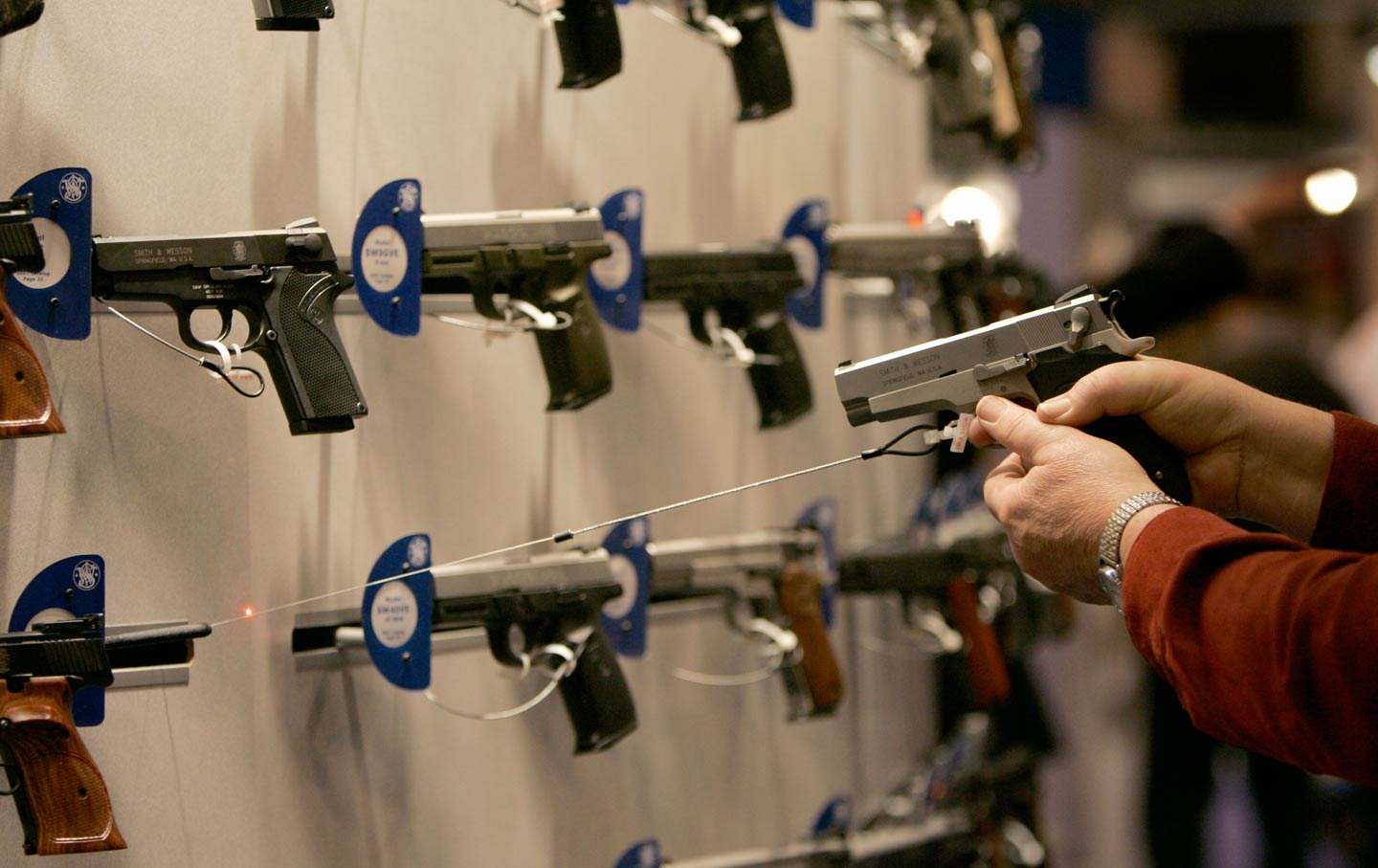
The Real Reason Americans Love Guns The Real Reason Americans Love Guns
With a weak social safety net, a gun offers a false sense of personal power and security.

The Endless Hypocrisy of Bari Weiss The Endless Hypocrisy of Bari Weiss
She claims to be a free speech champion. But as her actions at CBS News keep showing, she seems to think free speech should run only in a rightward direction.
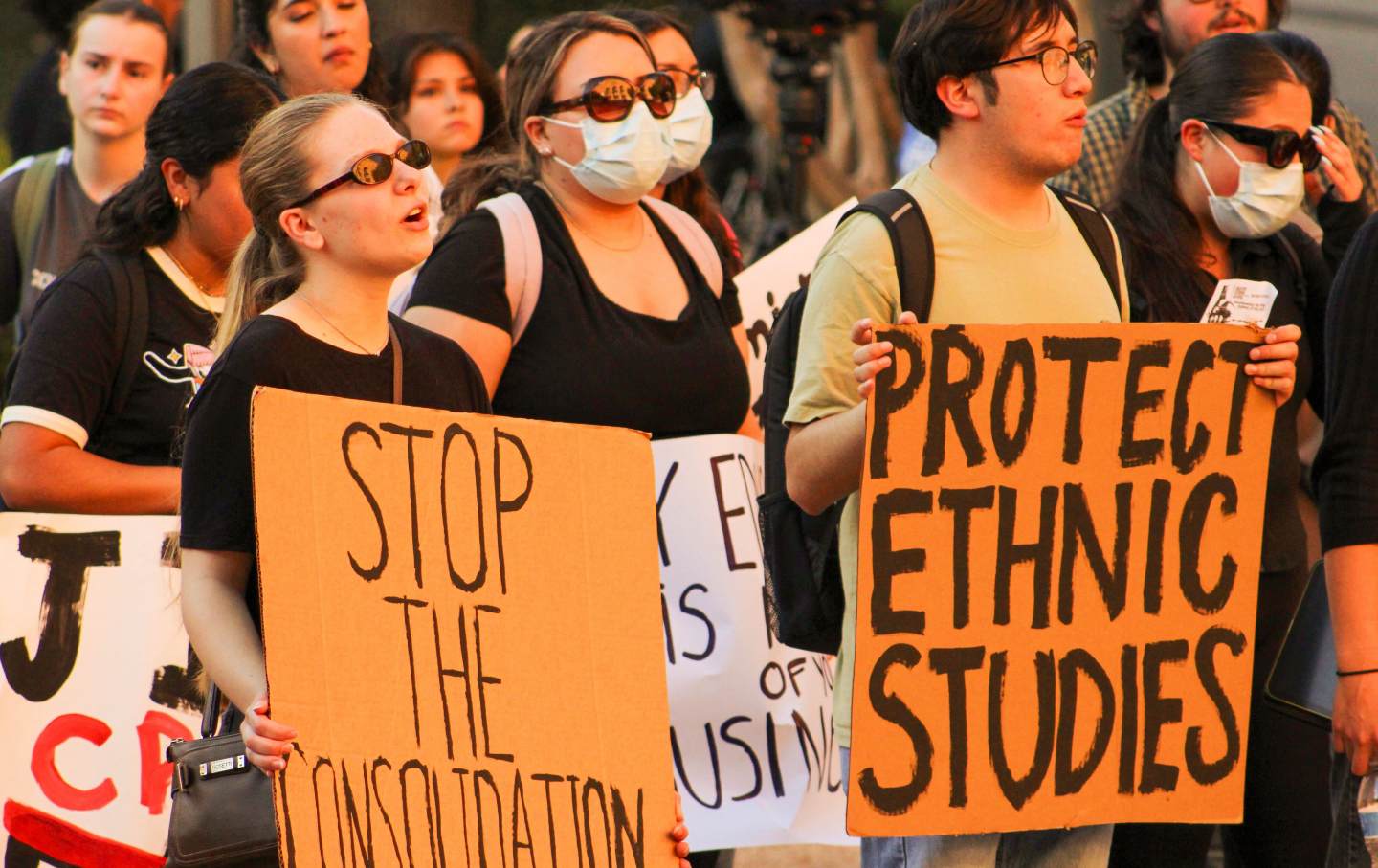
What Will Be Left After the University of Texas Destroys Itself? What Will Be Left After the University of Texas Destroys Itself?
UT-Austin has collapsed its race, ethnic, and gender studies into a single program while a new policy asks faculty to avoid “controversial” topics. But the attacks won’t end there...
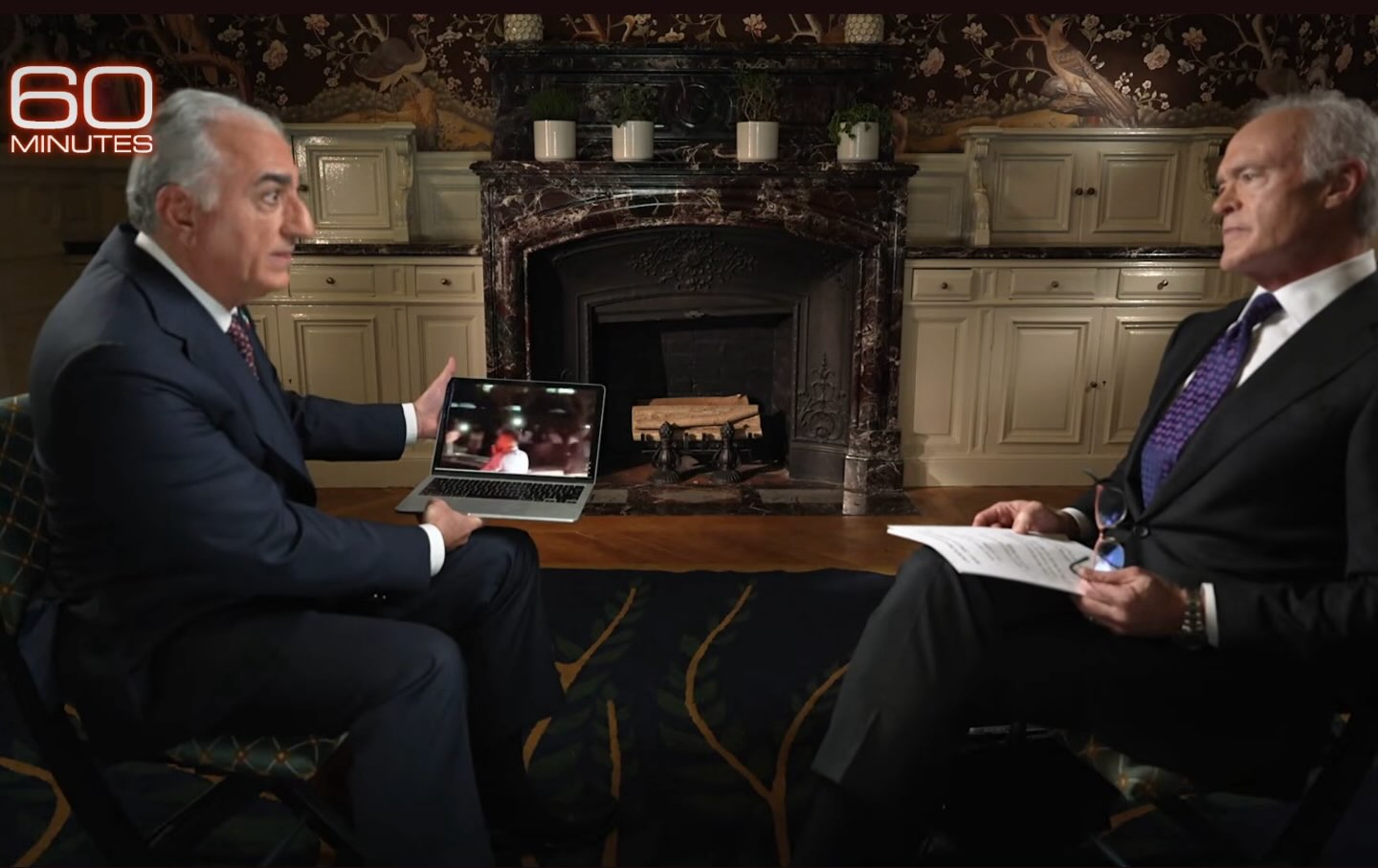
The Corporate Media Is Head Over Heels for the Iran War The Corporate Media Is Head Over Heels for the Iran War
Donald Trump’s attack may be surreal, unjustified, and illegal. But that’s not stopping the press from turning the propaganda dial way up.
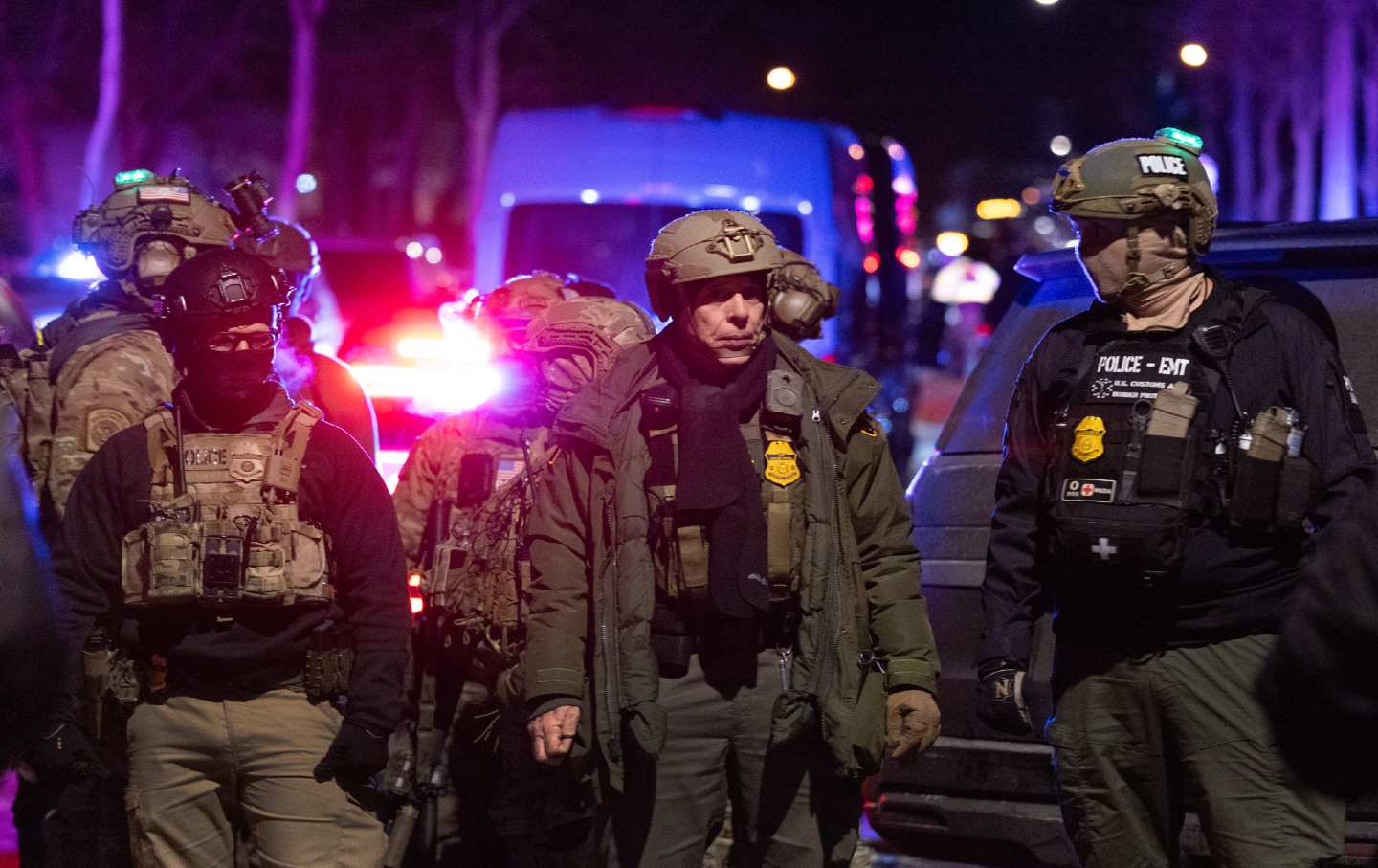
The Disturbing History of ICE’s “Death Cards” The Disturbing History of ICE’s “Death Cards”
The Vietnam-era practice is yet another example of ICE agents thrilling to the brutality they have been encouraged to cultivate.

