
We Forgot What It Took to Gain Freedom
The assault on voting rights should remind us.
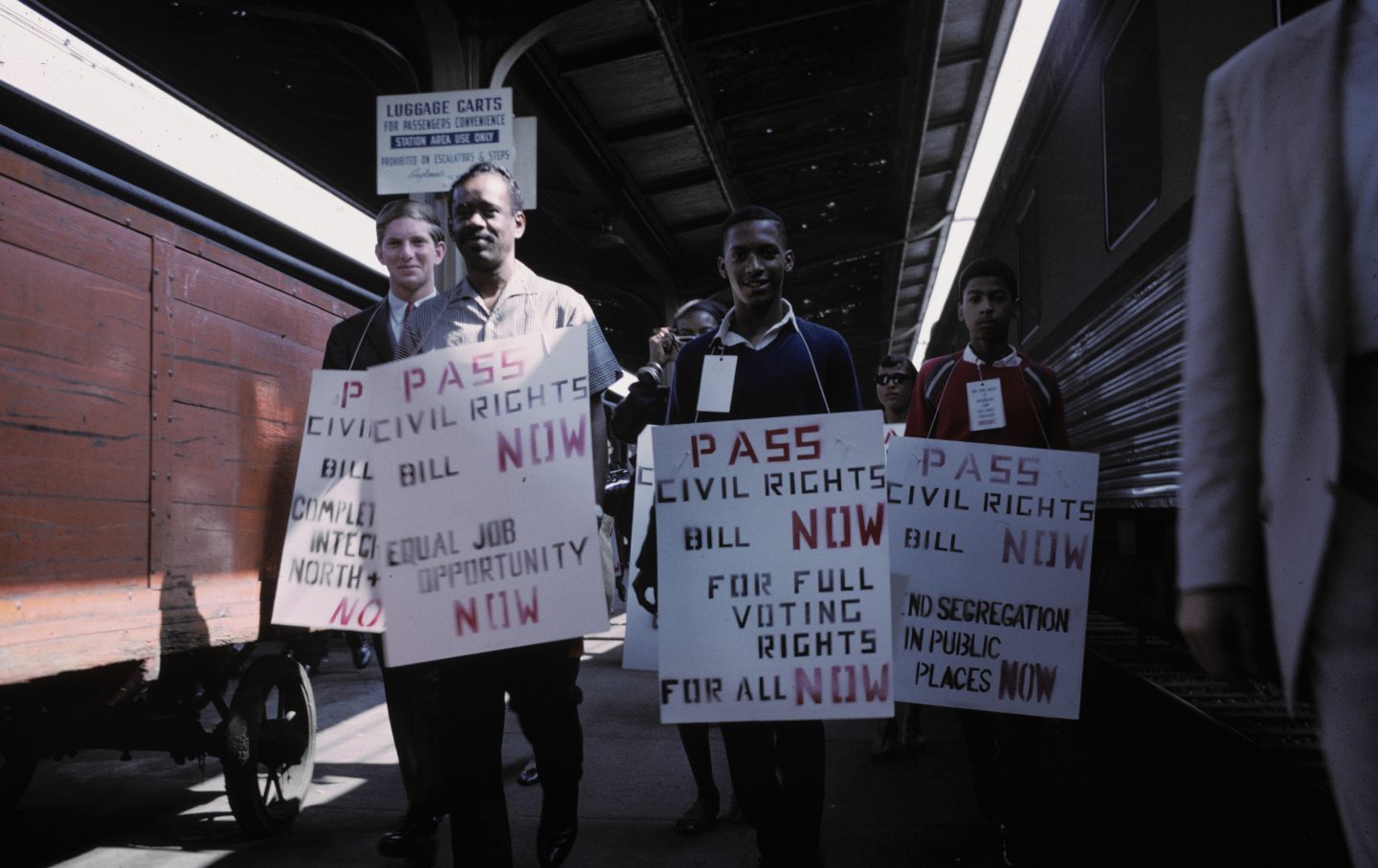
As an organizer, I do not see this moment as an abstract idea or confined to the pages of a history textbook. As an Afro-Latina mother, I know the actions of today shape the nation our children will inherit. We are at a moment in which true patriots and believers in our representative democracy must step up and take action.
The Supreme Court’s recent decision striking down Louisiana’s Black-majority congressional district did not happen in isolation. This story is as old as our nation: those in power rig the rules to protect themselves from accountability. And when entire communities are politically silenced, the avarice fueling environmental injustice, mass unemployment, high infant mortality, and crushing costs goes unchecked.
The ruling has only upped the ante.
Within hours, Tennessee Republicans carved up a majority-Black district in Memphis in a deliberate effort to weaken Black political power. In Alabama and Louisiana, lawmakers continue advancing racial gerrymandering efforts designed to dilute fair representation. Across the country, voter suppression laws are making it harder for working people, seniors, students, and communities of color to fully participate in our democracy.
And when politicians like Donald Trump and the Republicans who bow to him see working people rejecting their failed agenda, they do what powerful interests have done throughout our history: rig the rules instead of answering to the people they’ve hurt.
But none of this is new.
These attacks never stop with one community. When any community is denied full representation, the consequences ripple far beyond that community. This is not simply another political fight; it is an act of war on democracy itself.
And in many ways, that struggle has defined the American story from the very beginning.
At the founding of our nation, “We the People” proclaimed that all men are created equal, and yet we did not mean all men. As our nation approaches its 250th year, America is still grappling with the gap between its promises and its reality.
Still, ordinary people have repeatedly forced this country to move closer to its ideals through solidarity, organizing, and collective action. Time and time again, Americans have expanded the promise of democracy by demanding this country live up to its principles. The most powerful of these moments—our second founding, in fact—was achieved with the passage of the 13th, 14th, and 15th amendments, amendments that expanded freedom and the idea that we could all live free.
Yet, like a tug of war, every expansion of democracy in this country has been met with backlash from those desperate to hold onto power.
We saw it after Reconstruction gave way to Jim Crow. We saw it after the civil rights movement was met with voter suppression, racial polarization, and mass disenfranchisement. And we are seeing it again now.
Since the gutting of key provisions of the Voting Rights Act in Shelby County v. Holder in 2013, states across the country have passed voter suppression laws, closed polling locations, and redrawn district maps to protect those already in power.
That suppression has taken different forms throughout our history. Sometimes it is systemic: targeted disenfranchisement, limiting who has power and whose interests are served. Other times it is violent. From Black Wall Street in Tulsa to the streets of Minneapolis, violence has long been used to instill fear and suppress demands for justice.
These efforts have too often been aided by an ideologically aligned Supreme Court willing to erode the spirit of democracy to protect those already in power.
And when Black voters are silenced, the damage does not stop with Black communities. Our entire democracy suffers. Inequality deepens, representative government weakens, and the people most affected by bad policymaking lose the power to fight back.
Because the consequences of these attacks reach far beyond elections.
Representation shapes who gets heard when families are struggling to afford healthcare, housing, childcare, or groceries. When communities lose political power, they lose control over the decisions shaping their daily lives. Then, like now, the politically silenced become vulnerable to bad policymaking, unable to protect themselves at the ballot box or in the halls of Congress.
That is why voting rights and economic justice are deeply connected.
Popular
“swipe left below to view more authors”Swipe →Too much power in our politics is concentrated in the hands of wealthy interests while everyday people are increasingly shut out. That is exactly why some politicians work so hard to weaken democratic participation rather than expand it. They fear what happens when ordinary people organize and demand a government that answers to them.
As an organizer before anything else, I have seen firsthand what happens when people come together to demand change.
I did not run for office simply to occupy a seat. I ran because I believe ordinary people deserve power over the decisions shaping their lives. That belief was shaped long before I stepped foot in Congress, by the communities I organized alongside and the families struggling under rising costs while being told their voices did not matter.
History teaches us that progress has never come from the top down. Every major expansion of democracy in this country has been fought for by ordinary people demanding America live up to its ideals.
The biggest threat to an authoritarian is an informed electorate.
That responsibility now belongs to us.
We cannot meet this moment with silence or cynicism. Across this country, politicians are actively working to hollow out our democracy in plain sight because they fear what happens when ordinary people organize and demand power over the decisions shaping their lives.
We must fight for our democracy the same way generations before us did: by organizing, building people power, protecting voting rights, and refusing to surrender the promise of a multiracial democracy where every voice is heard.
I, for one, refuse to stand by and watch as our nation’s democracy deteriorates. The question is whether we will fight for it before it is too late.
Become a Sustaining Donor This September
Between the reemergence of right-wing red-baiting and Donald Trump’s use of the chilling National Security Presidential Memorandum–7 to criminalize left political organizing, we’re seeing McCarthyism reborn before our eyes.
This assault on democracy cannot be ignored or wished away. Resisting it requires bravery in the face of threats and repression, a steadfast commitment to the truth, and the unwavering belief that we can—and will—overcome this darkness.
We must have an independent media that sets the record straight, unearths corruption and abuses of power, and advances a politics of justice and dignity for all if we’re to win this fight.
That’s why I’m writing to you today. This September, The Nation needs to add 100 monthly donors to sustain our progressive journalism. Your contribution makes the next investigative report, the next truth-speaking column, and the next pathbreaking essay all possible.
I hope you’ll support our work with a recurring donation today. If you donate $10 or more a month, we’ll send you a brand new “Hands Off the Free Press!” sticker to recognise your commitment to our cause. Please, donate today.
Onward,
Katrina vanden Heuvel
Editor and Publisher, The Nation
More from The Nation

Clavicular’s Charges Are One Thing. Rape Culture Is Another. Clavicular’s Charges Are One Thing. Rape Culture Is Another.
Braden Peters consistently acts as though the autonomy of women is a maladaptive trait, and dogmatically dismisses any claim to female equality as an outlying aberration.
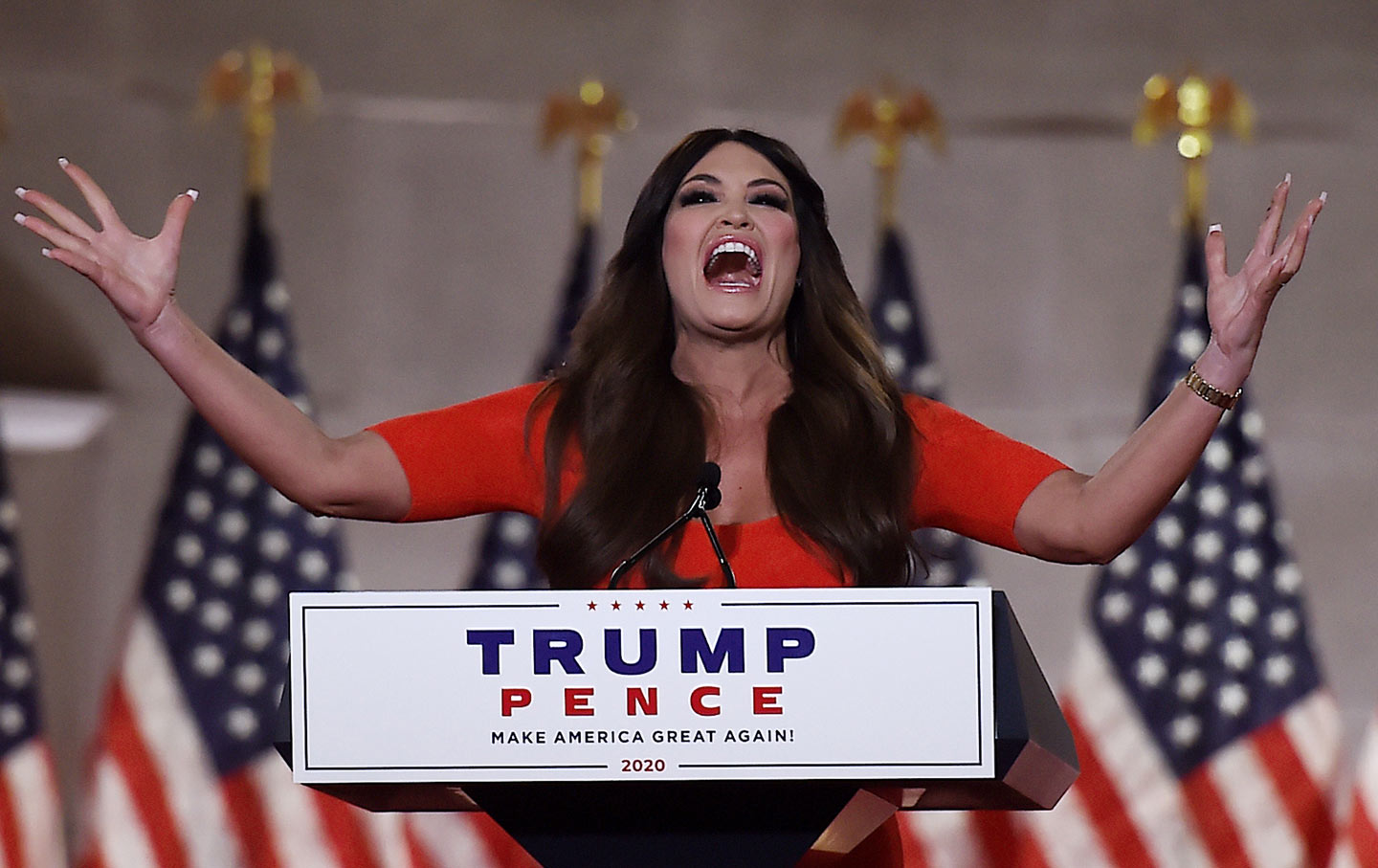
Kimberly Guilfoyle Is a Master of Mafia Diplomacy Kimberly Guilfoyle Is a Master of Mafia Diplomacy
The US Ambassador to Greece is making suspicious deals for her buddies.
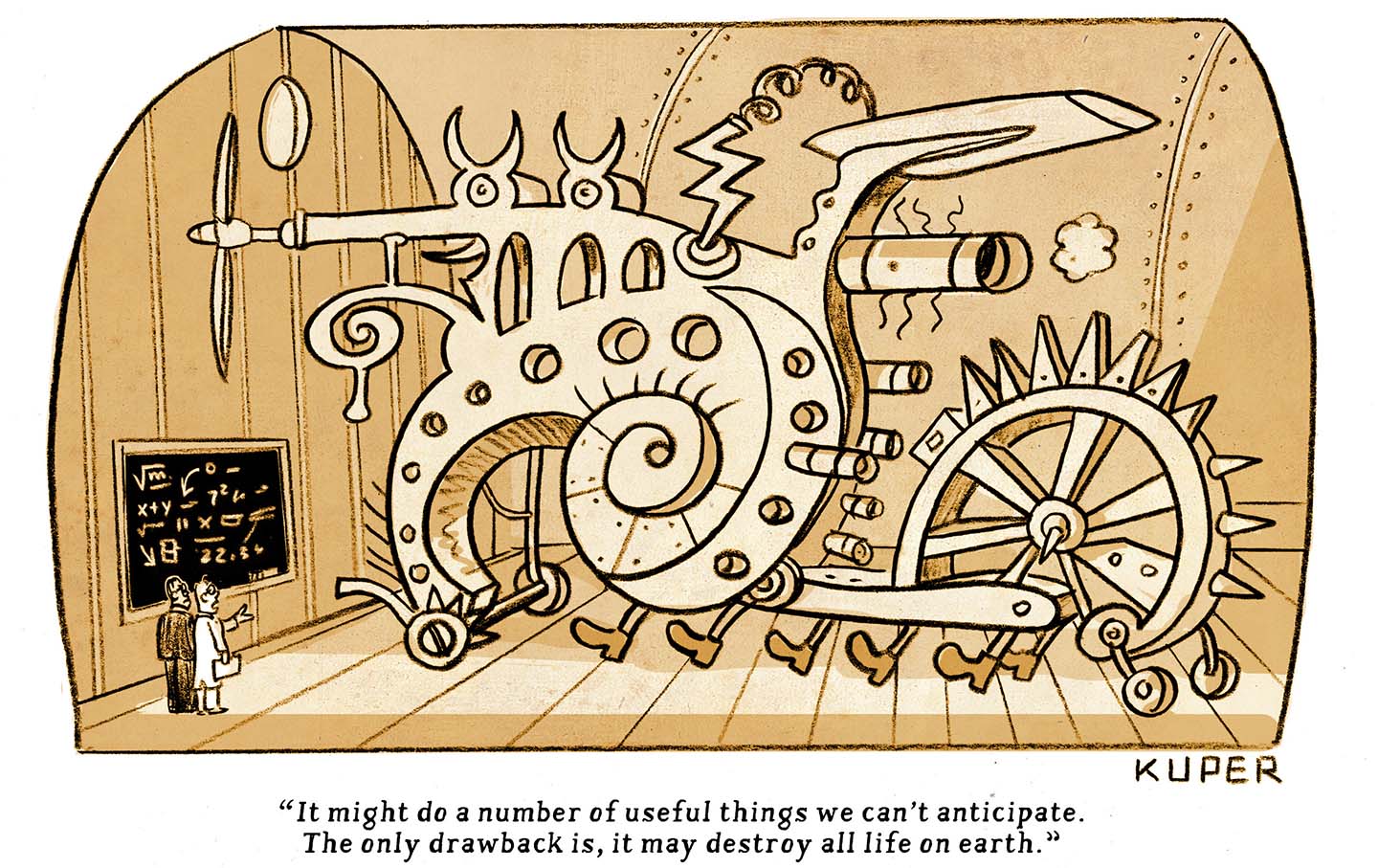
Missing Guardrails for AI Missing Guardrails for AI
Trump ignores the threat of extinction.
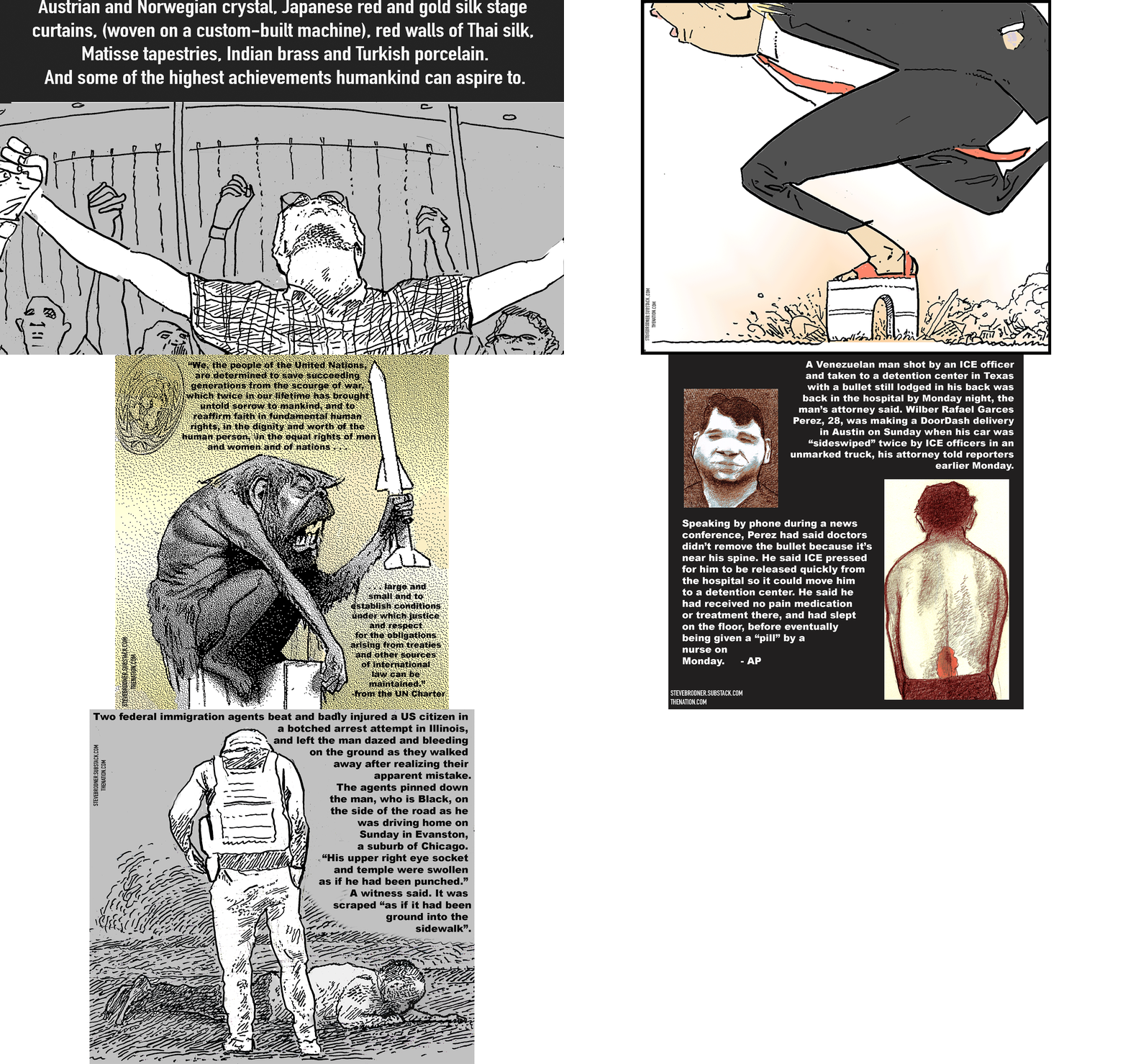
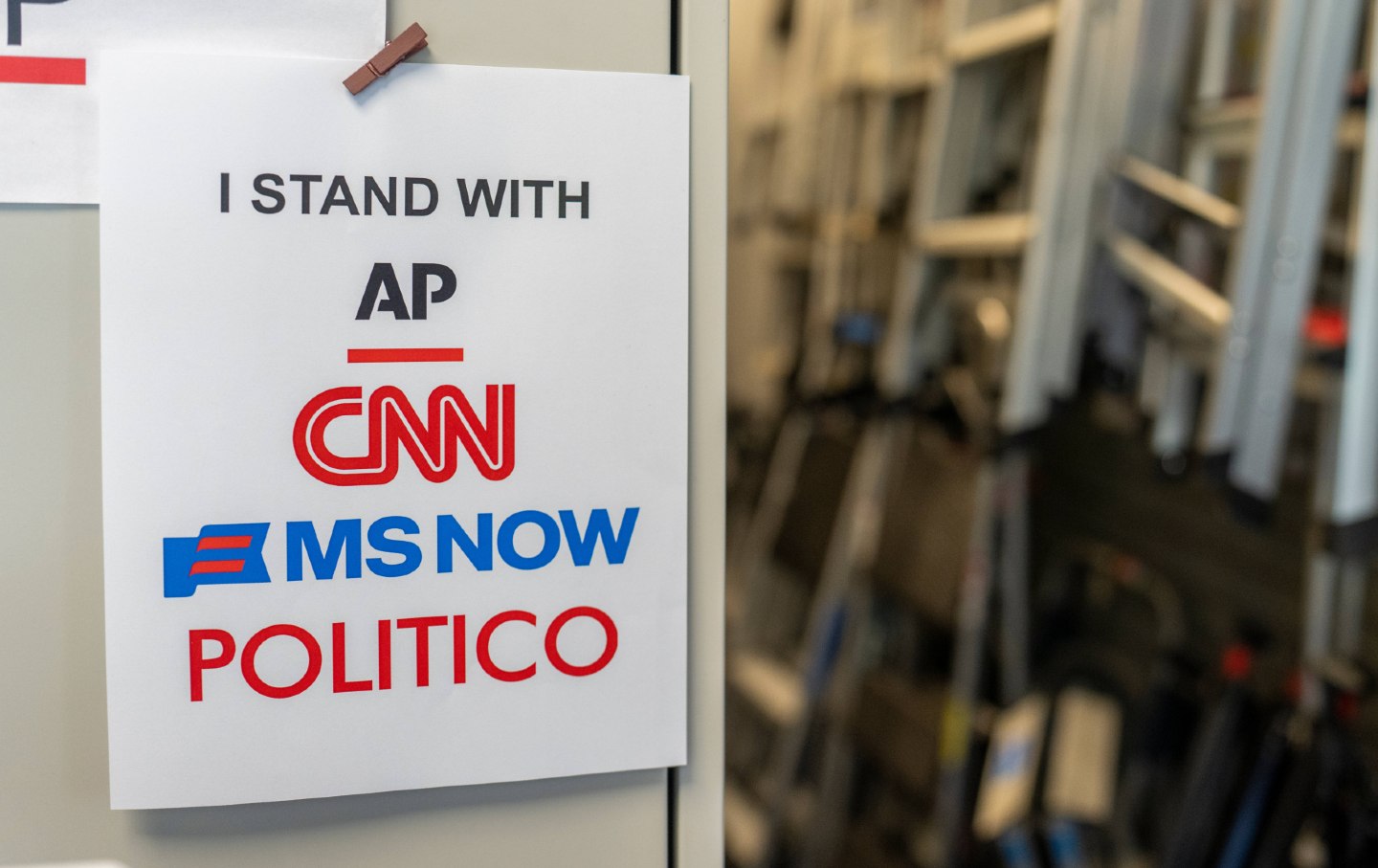
The First Amendment Lives for Another News Cycle—Maybe The First Amendment Lives for Another News Cycle—Maybe
In this week’s Elie v. U.S., our justice correspondent parses Trump’s attacks on CNN, MS NOW, and Politico. Plus: it’s time to impeach the judges!
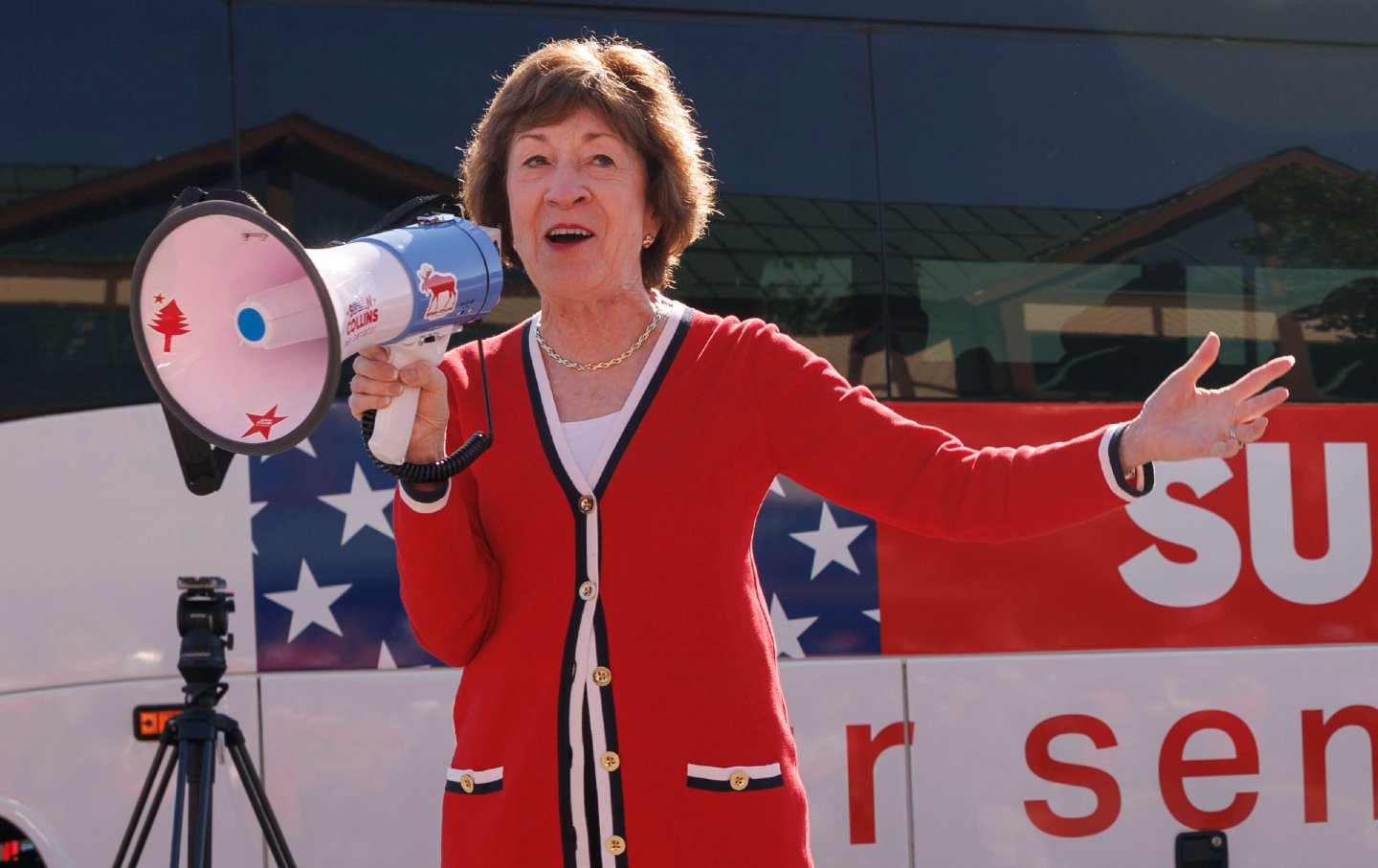
Susan Collins Is Corrupt. She Still Might Be Reelected. Susan Collins Is Corrupt. She Still Might Be Reelected.
Despite being embroiled in scandal, the Maine senator is benefiting from Democratic Party divisions.

