The Dangerous Summer of Food Recalls
Will they lead to a food safety reckoning?
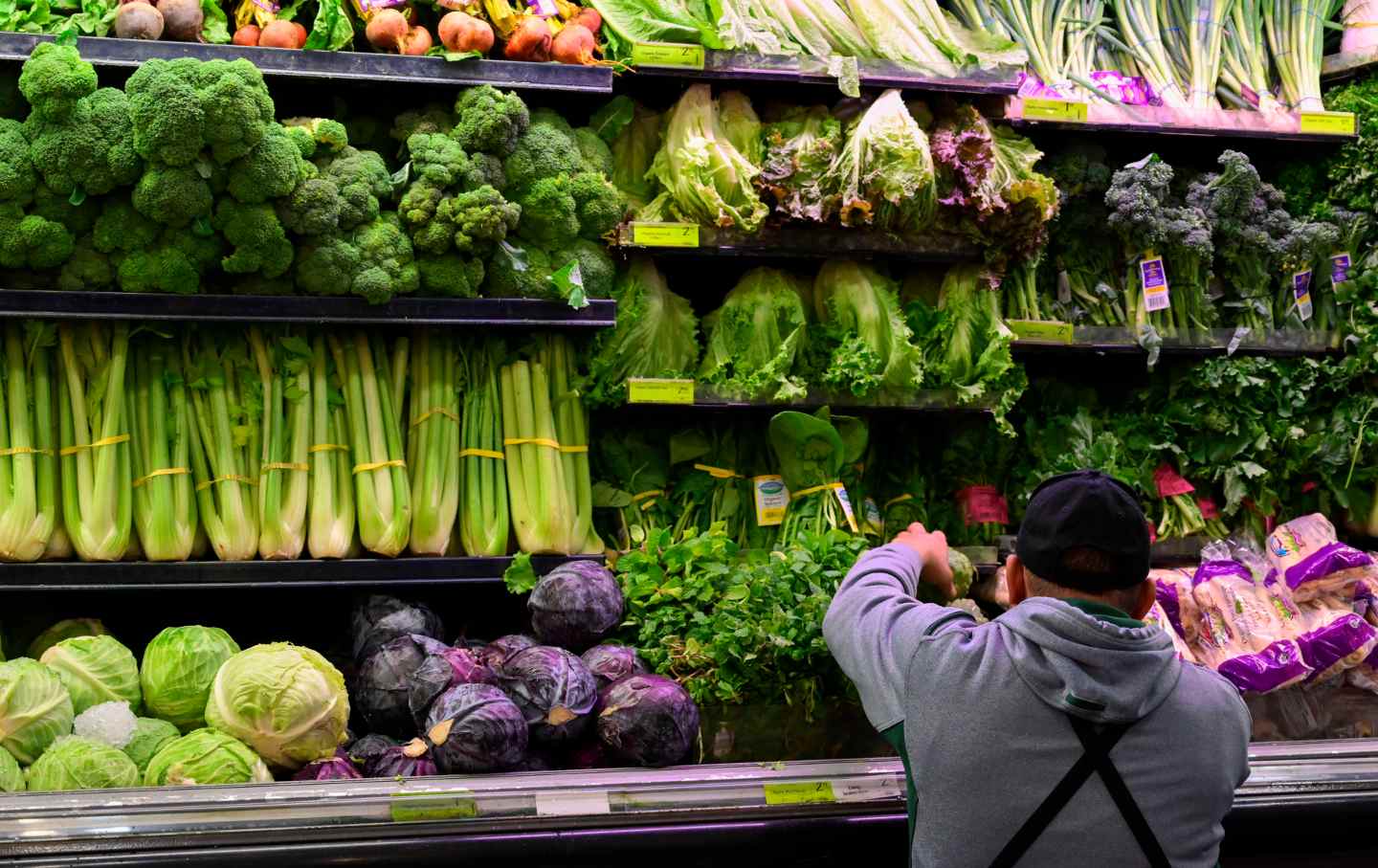
Popsicles potentially contaminated with glass. Granola marketed toward breastfeeding mothers, recalled due to salmonella risk. And of course, shredded iceberg lettuce that causes explosive diarrhea. The summer of recalls has touched every culinary category—even dog food and baby formula.
It’s difficult to lay the outbreaks at the feet of any one agency or presidency. But what surely isn’t helping: the Trump administration’s slash-and-burn approach to the regulatory bodies meant to safeguard Americans.
Last year, amid DOGE’s cost-cutting fervor, the administration cut about 20 percent of FDA staff, and 25 percent of the CDC’s. Food safety checks were suspended for months, including lab testing for Cyclospora, the parasite that one year later is fueling what is now the third-largest outbreak of foodborne illness in American history, with close to 10,000 confirmed cases.
But though few administrations have been quite as indifferent to the nation’s health and welfare as the current one, the problems with America’s food supply span decades—thanks in part to vigorous lobbying by the deep-pocketed food industry.
Between 1998 and 2020, the ultraprocessed-food industry spent over a billion dollars on lobbying—more than the gambling, tobacco, and alcohol industries. The agribusiness lobby, meanwhile, dropped over $500 million between 2019 and 2023 alone.
Over the years, the industry’s efforts have prevailed across presidential administrations. When first lady Michelle Obama embarked on a campaign against childhood obesity in the early 2010s, Big Food unleashed a torrent of lobbying dollars. The White House backed away from efforts to get healthier food marketed to kids.
During those years, Congress did manage to pass the Food Safety and Modernization Act (FSMA), which includes a traceability rule requiring more detailed record keeping for some of the most common culprits in foodborne outbreaks—like eggs, greens, and soft cheeses. It’s a measure that might have helped stall the cyclosporiasis outbreak.
However, thanks to industry lobbying, implementation of the rule has been delayed, and delayed, and delayed. The rule is now scheduled to go into effect in 2028, 17 years after the original law passed. Assuming the industry doesn’t win another extension.
In the meantime, per the Government Accountability Office—which you have to imagine has its work cut out for it these days—the FDA has come nowhere close to meeting its FSMA-mandated targets for foreign safety inspections since 2018. The FSMA calls for 19,200 such inspections each year; in 2025, they conducted 995, or about 5 percent of that target.
So the challenges facing food safety regulations are nothing new. Yet the severity of this year’s recalls seems pronounced. Per the US PIRG Education Fund, while the total number of recalls is not unusually high, there has been “a huge increase in the number of illnesses caused by contaminated food.”
In other words, the outbreaks we have seen are higher-profile, more severe, and more likely to trigger anxieties about food safety. But that also means they are provoking more awareness, backlash—and potentially, action.
No doubt Robert F. Kennedy Jr.’s tenure as head of HHS has been undermined by his conspiratorial anti-vaccine positions and advocacy for raw milk consumption. Yet in naming Kennedy to his cabinet, Trump elevated a longtime foe of Big Food—and crystallized such opposition as a mainstream conservative position.
Sure enough, even as Trump’s approval rating sinks as low as 30 percent, 41 percent of Americans still identify with the “MAHA movement.” And supermajorities of US adults agree that we need more regulation of chemical additives and pesticides. Even Trump himself, remarkably, has at least paid lip service to the movement by publicly condemning the “industrial food complex.”
Journalist and Fast Food Nation author Eric Schlosser put it best: “If a politician who drinks 12 Diet Cokes a day, serves McDonald’s food at the White House, stages campaign events at McDonald’s restaurants—and routinely orders a meal of two Big Macs, two Filet-O-Fish sandwiches and a chocolate shake just for himself—now feels the need to criticize industrial food, a seismic shift has occurred in US popular opinion.”
In turn, Democrats have seized this newfound common ground. Bernie Sanders just got a bill advanced to the Senate floor that would ban junk food commercials for kids and require warning labels on certain processed foods; two years ago, with Democrats in charge, the same bill couldn’t make it out of committee. Meanwhile, the latest five-year farm bill passed in April with bipartisan support—but only after removing language that would have protected pesticide companies from certain lawsuits.
Popular
“swipe left below to view more authors”Swipe →And in last year’s legislative sessions, per Harvard Law School’s Center for Health Law and Policy Innovation, 35 states across every degree of the political spectrum introduced legislation restricting food additives.
These wins are possible only because grassroots public sentiment has been undeniable—between ascendant MAHA advocates and long-concerned progressives alike. And grassroots food safety advocacy has a long history of leading to change.
In 1969, in suburban Chicago, a young mother was fed up. She noticed a package of pepper steak at the grocery store that had gone rancid—and the butcher refused to tell her how old it was. Days later, she saw another housewife having the same argument with the same butcher.
Together, they started National Consumers United, an advocacy group that campaigned for grocery stores to visibly date their products. And despite being accused of being “either communists or spies” by a local grocery chain head, that practice was soon implemented over mounting consumer pressure—and has since remained standard for over half a century.
That mother was Jan Schakowsky, who went on to be elected—and reelected 13 times—as the US representative for Illinois’s Ninth Congressional District. She is retiring this year. But her story serves as a reminder of the power consumers have to band together in the face of injustice and demand better.
For decades, Big Food has counted on Americans having too much on their plate to bite back against their bloated influence. But increasingly, we seem to have the appetite.
More from The Nation
Harlan Crow’s Portrait of SCOTUS Under Trump Harlan Crow’s Portrait of SCOTUS Under Trump
Clarence Thomas, the picture of corruption.
How Elizabeth Warren’s Stop Wall Street Looting Act Would Rein In the Private-Equity Vampire How Elizabeth Warren’s Stop Wall Street Looting Act Would Rein In the Private-Equity Vampire
Let’s build an economy where patients, renters, and even youth hockey teams are given priority over investor profits.
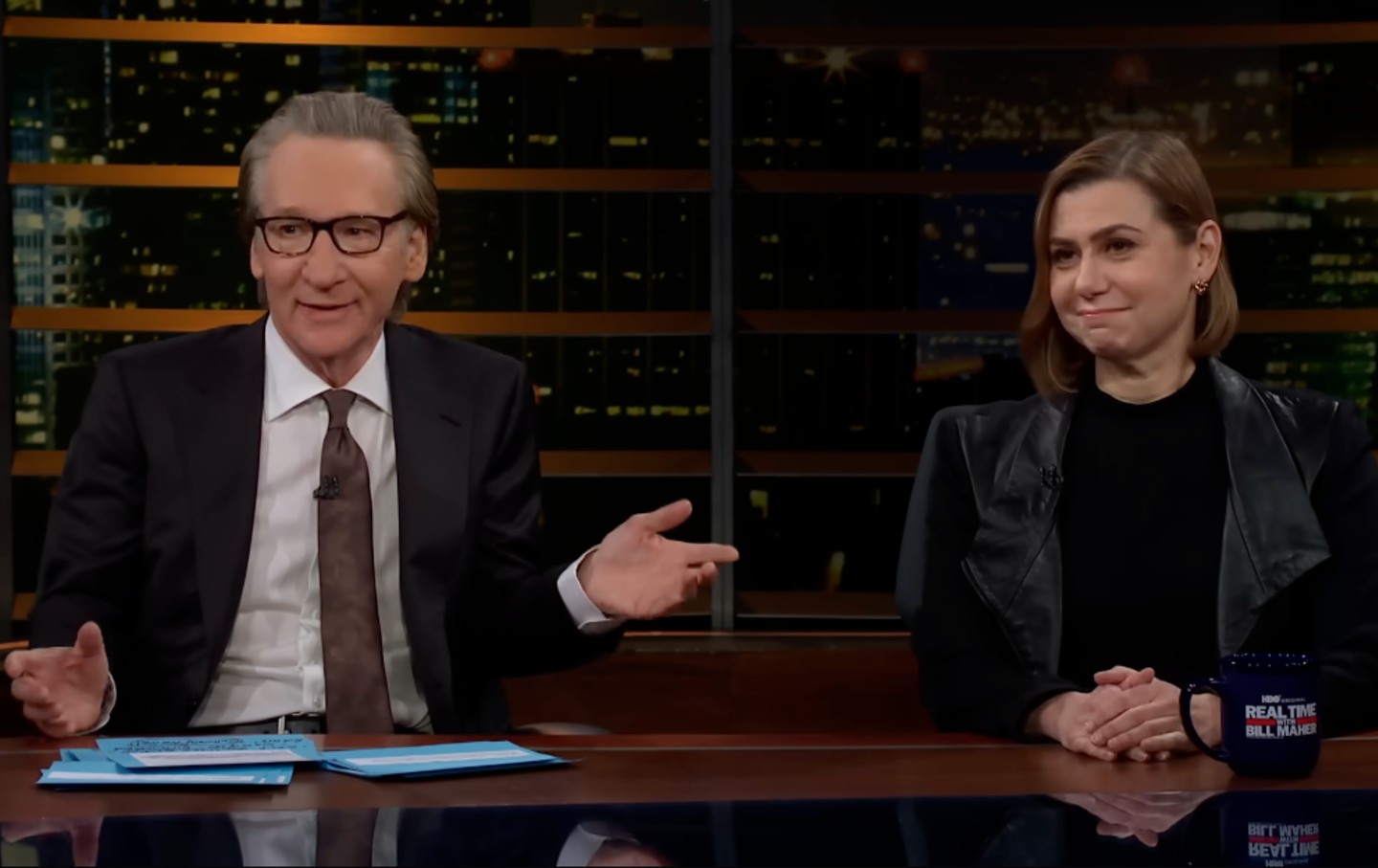
Democrats Have a Bill Maher Problem Democrats Have a Bill Maher Problem
Establishment Democrats obsessing over Hasan Piker’s every move seem to have no issue talking to Maher, despite his decades of open bigotry.

Houthi Attacks on Saudi Arabian Oil Houthi Attacks on Saudi Arabian Oil
Houthi attacks on Saudi oil infrastructure heighten regional tensions and push up oil prices.

Florida Isn’t Red. Democrats Just Stopped Showing Up. Florida Isn’t Red. Democrats Just Stopped Showing Up.
With more than 900,000 Puerto Rican voters, Florida can be won in 2026 and put in play for 2028. Give Angie Nixon the chance she deserves.