
The Student Loan Crisis Is a National Emergency. We Should Treat It Like One.
A year after the payment pause, a report from the SDCC reveals the failures of the student loan system. Cancellation is not just a financial necessity—it’s a moral imperative.
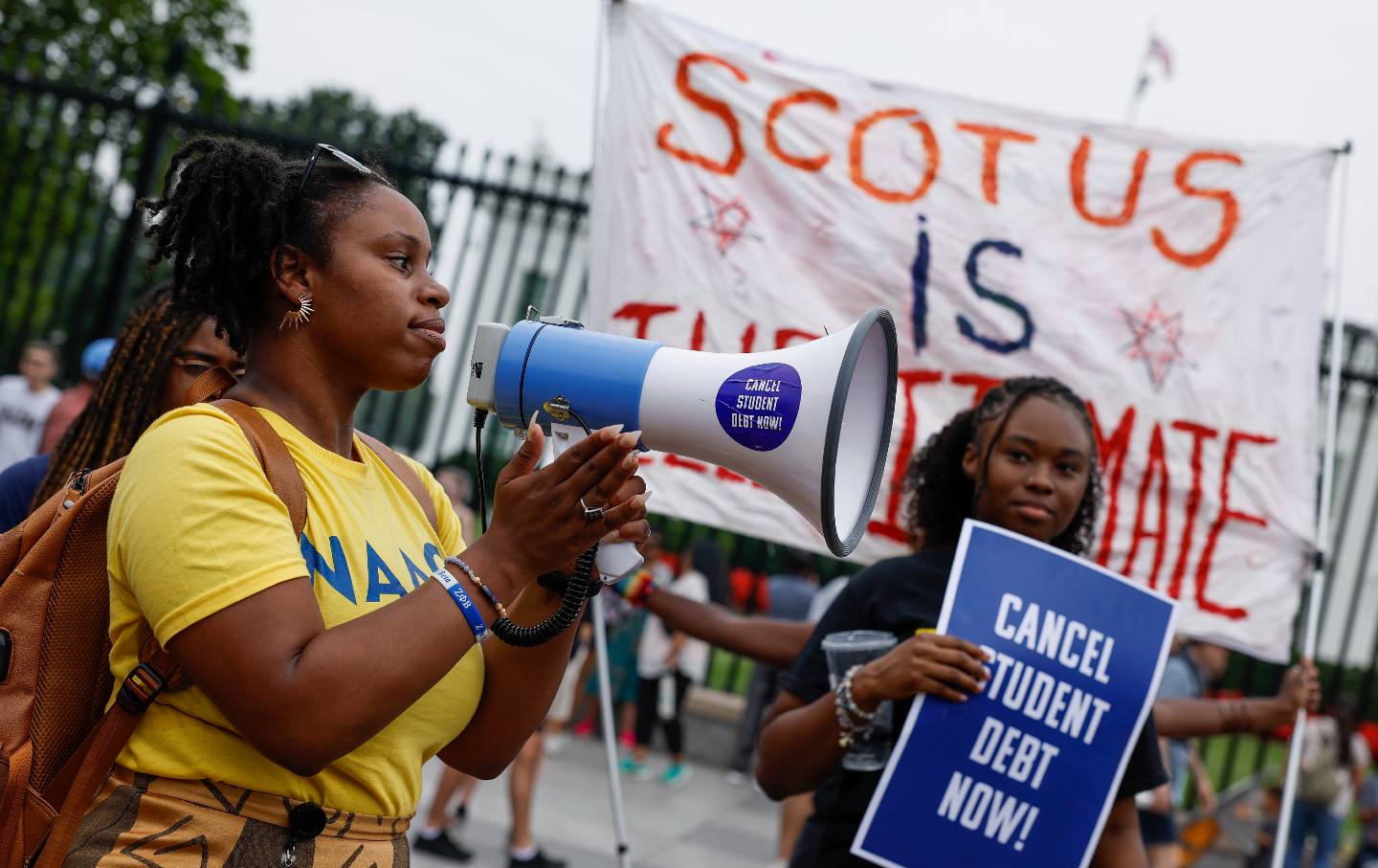
Student debt relief activists in a chant in front of the White House.
(Anna Moneymaker / Getty)
In October 2023, the restart of student loan payments ended a three-year pause, plunging millions into financial instability, confusion, and stress.
Despite the Biden-Harris Administration’s attempts to ease the burden, over 70 percent of borrowers find it difficult to afford their monthly payments, and nearly 42 percent say that they have cut back on essentials such as food, rent, and healthcare in order to afford their loan payments, according to the Student Debt Crisis Center’s (SDCC) new report, A System in Disarray.
The report lays bare the failures of our student loan system and underscores the need for immediate action. Drawing on data from over 11,000 student loan borrowers, the findings highlight a blatant disconnect between recent policy efforts and borrower experiences.
What we are witnessing is no longer simply a lack of fundamental policy but an assault on the financial well-being of millions. The student loan crisis is a national emergency, and the time to act is now.
Most borrowers have done everything they can to responsibly manage their student loans, but high monthly payments combined with broader economic pressures like inflation, cost of living, and stagnant wages make it nearly impossible to repay them.
But the economic effects of student debt extend well beyond the loans themselves, impacting nearly every aspect of their lives. During the federal student loan payment pause, borrowers were able to afford groceries, buy medicine, pay down other debts, and have extra money to put into savings at the end of the month.
More than 75 percent of borrowers still express a lack of trust in their loan servicers. This distrust, along with inadequate communication, has created an environment where financial hardship and the risk of default wait just around the corner. Many, in an effort to manage their debt more effectively, have gone through the complex process of consolidating their loans to qualify for income-driven repayment plans. About 46 percent reported consolidating their loans with the hope that IDR plans would make monthly payments more affordable.
However, many now face consequences beyond their control. While the SAVE (Saving on a Valuable Education) plan was a step in the right direction, its implementation is still uncertain after Republican legal challenges in Kansas and Missouri, leaving millions in limbo. Additionally, complex eligibility requirements and insufficient outreach efforts leave other IDR plans, like PAYE (Pay As You Earn) and ICR (Income-Contingent Repayment), inaccessible for most. These programs must be simplified and remedied, but more importantly, we have to stop using these complicated repayment methods as a substitute for canceling student debt outright.
At SDCC, we are worried about the alarming risk of widespread defaults as borrowers struggle to restart payments. A shocking 81 percent of respondents who are in default are currently not making payments, and more than half of those borrowers say they can’t afford them. Without urgent action, defaults will skyrocket, dragging millions into financial ruin. The Fresh Start initiative, for example, was intended to help those in default regain good standing, but nearly 3 in 5 borrowers with defaulted loans haven’t even heard of it—revealing a systemic failure to inform Americans about their relief options.
The time for excuses is over. Immediate systemic reform is needed to address the shortcomings of the current student loan system. As the crisis unfolds, it is vital to center the voices of those most affected by the student loan system. The experiences of borrowers should inform policy decisions, ensuring that reforms address the real challenges they face. The stories shared with SDCC reflect the struggles of millions of Americans caught in the web of student debt. By listening to these voices and advocating for systemic change, we can push for reforms that not only provide immediate relief but also create a more equitable system for future generations.
Reinstating the payment pause is not just a financial necessity; it’s a moral imperative. But what we really need is widespread student debt cancellation to lift up borrowers and provide them with a real chance to pursue financial security.
We must start taking bold action instead of making incremental changes or empty promises. Improving communication, increasing transparency, and ensuring that borrowers receive appropriate guidance must be prioritized. Restoring trust between borrowers and loan servicers is essential, with servicers held accountable for providing accurate and timely information. Additionally, greater oversight is needed to prevent misleading practices and protect borrowers.
Let’s stop pretending that a broken system can be reformed piece by piece. The student loan system is not just flawed; it is actively causing harm to millions of people who are striving for the American Dream.
The threat of widespread defaults is real, and without meaningful intervention, economic disparities could worsen. Student loan debt is not just a financial issue—it’s a civil rights issue, an economic justice issue, and an intergenerational issue. We know that Black and brown people are disproportionately affected, struggling with higher debt levels and less wealth to pay it off. We know that young people, especially Generation Z, are facing even more financial stress from unprecedented FAFSA issues combined with the expectation that they will step into a broken student loan repayment system.
Popular
“swipe left below to view more authors”Swipe →Canceling student debt isn’t just about money—it’s about fairness, equity, and justice.
More from The Nation
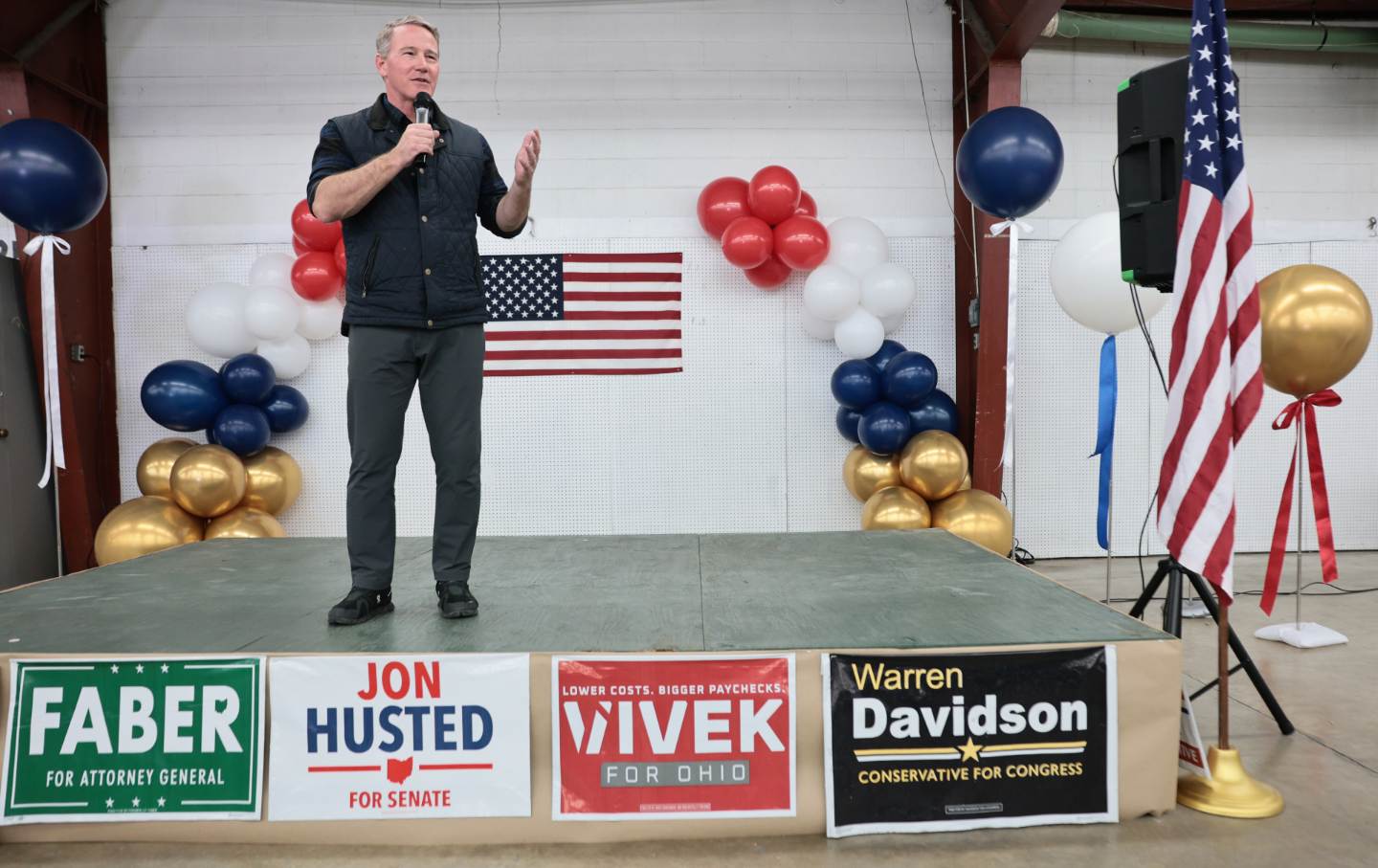
Will the GOP’s Big Money Save Jon Husted in Ohio? Will the GOP’s Big Money Save Jon Husted in Ohio?
Former senator Sherrod Brown is leading in most polls, but a tidal wave of spending may prop up the struggling incumbent.
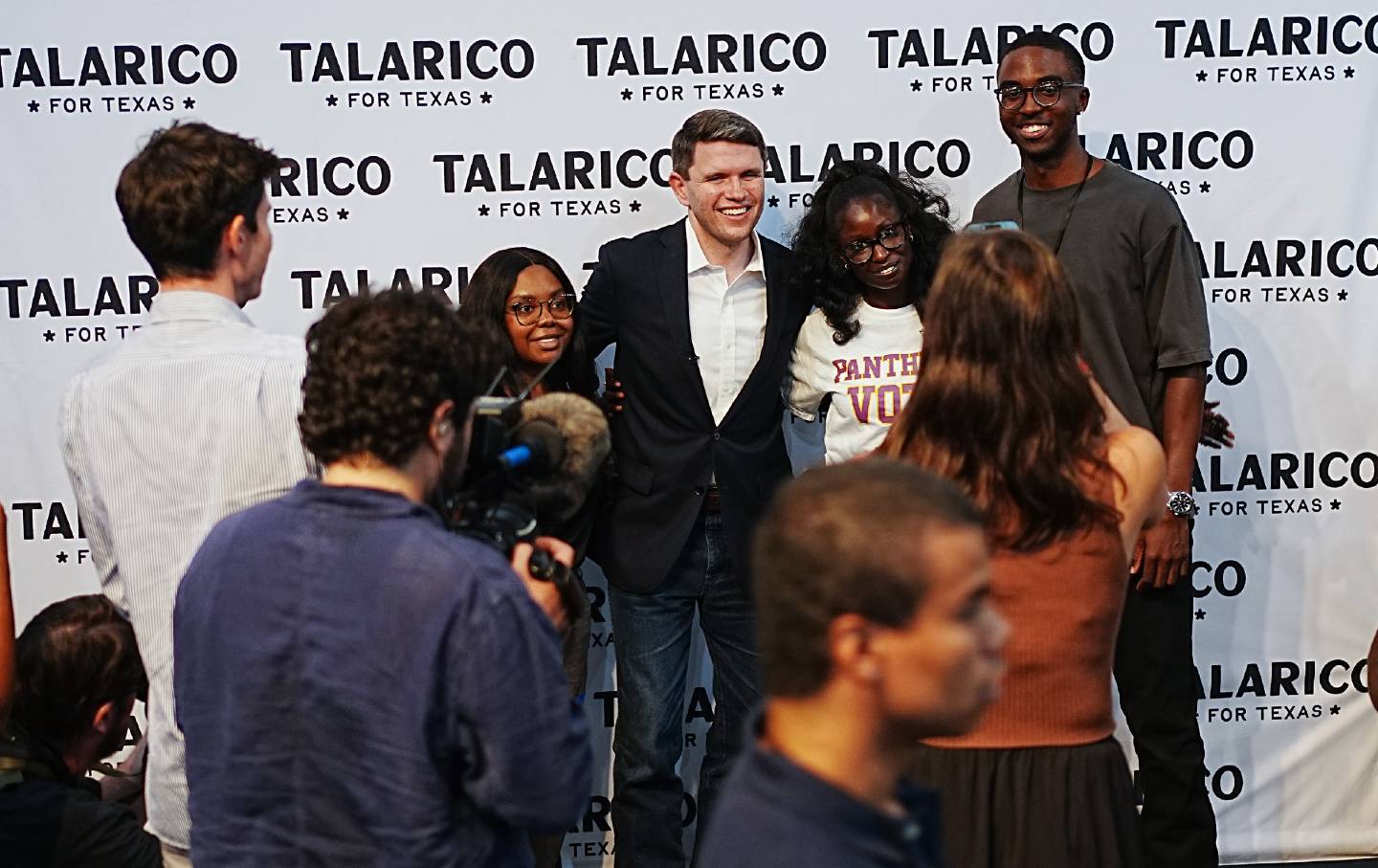
James Talarico Is Preaching a Gospel of Pluralism James Talarico Is Preaching a Gospel of Pluralism
He’s not the only progressive doing it.

Even Republicans Are Waking Up to Trump’s Corruption Even Republicans Are Waking Up to Trump’s Corruption
And, somewhat shockingly, so are Democratic elites.


Mamdani Can No Longer Avoid the Issue of the NYPD Mamdani Can No Longer Avoid the Issue of the NYPD
The mayor has been able to put difficult questions about policing on the back burner—until now.

Why Democratic Leaders Keep Waging War on the Young Why Democratic Leaders Keep Waging War on the Young
The party's silver-haired establishment is caught up in an existential culture war.

