The Fallout From the Greenpeace Verdict
An energy giant’s SLAPP lawsuit threatens the right to protest.
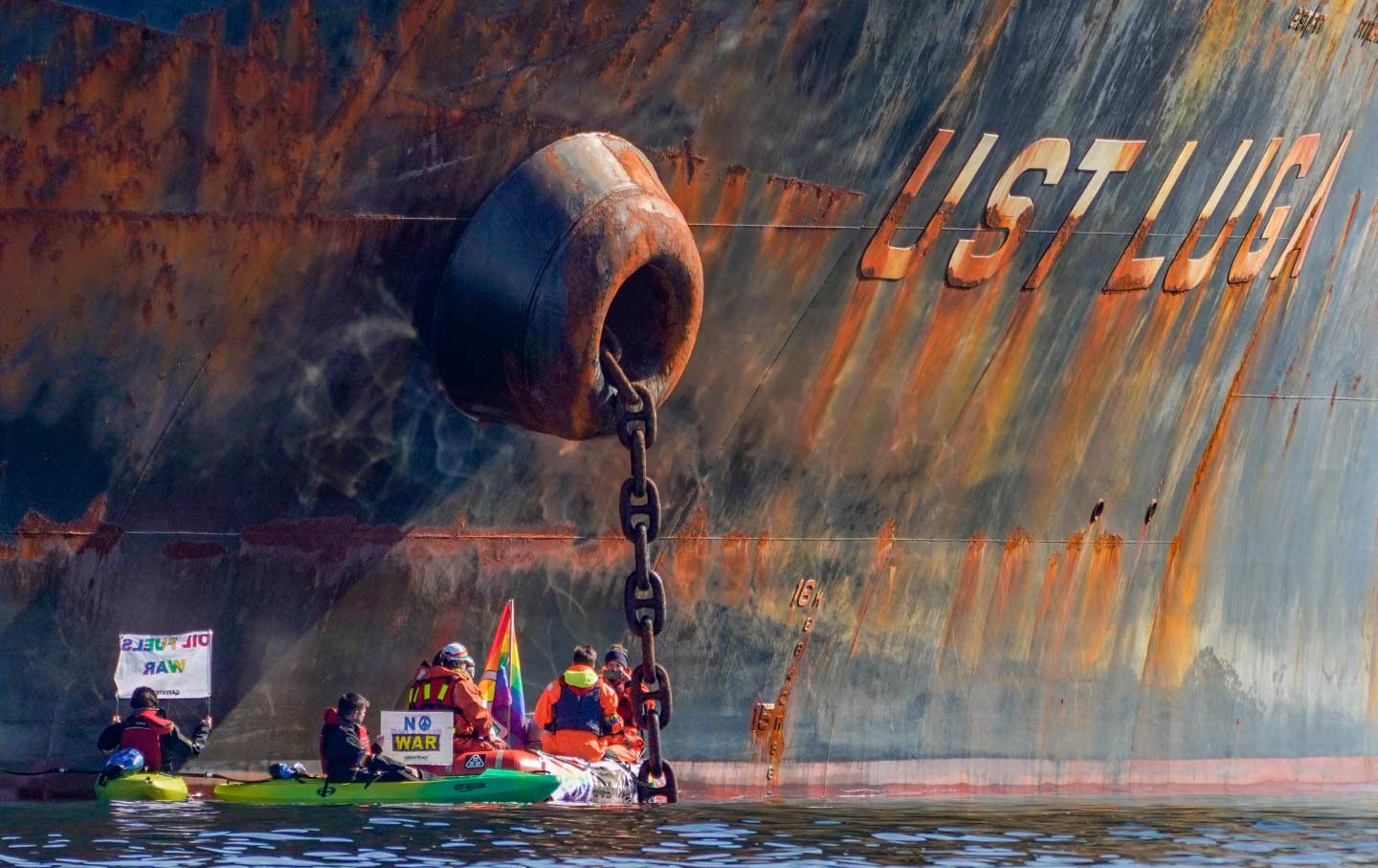
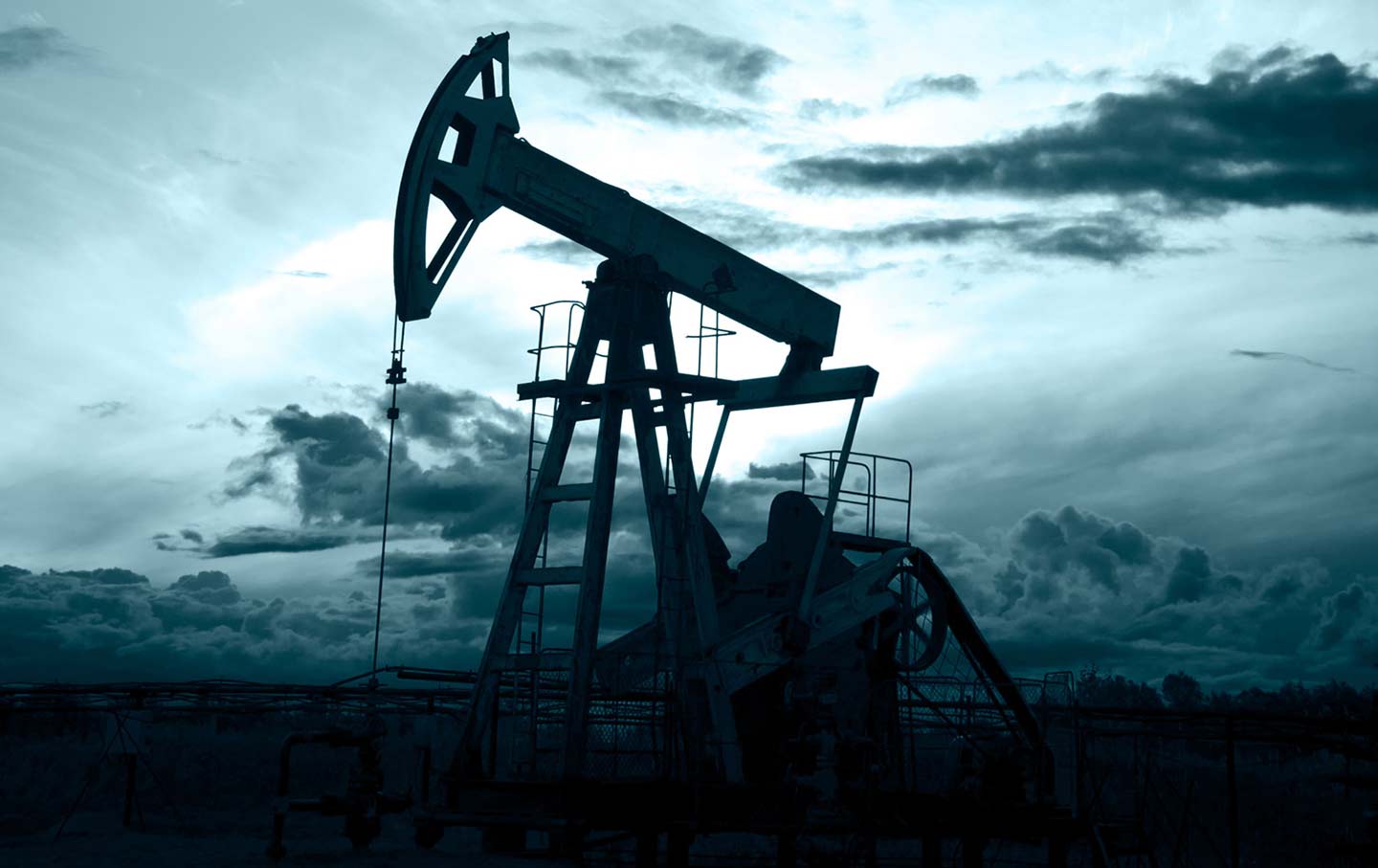
On March 19, a jury in the fossil fuel–producing state of North Dakota ordered the environmental group Greenpeace to pay a staggering $660 million for allegedly defaming Energy Transfer, the company behind the controversial Dakota Access Pipeline—a decision that threatens to bankrupt one of the most prominent activist groups in the world. “In my six decades of legal practice, I have never witnessed a trial as unfair as the one that just ended in the courts of North Dakota,” said attorney Martin Garbus, an acclaimed free-speech defender whose previous clients include Nelson Mandela, Daniel Ellsberg, and Vaclav Havel. Garbus was one of nine lawyers who monitored the trial in person after Judge James Gion refused a request from multiple news organizations to livestream the proceedings as a matter of public interest.
The ruling’s chilling effect will go well beyond Greenpeace, making the case a top-drawer concern for all civil society—and for the media. The free-speech angle remains ripe for continuing coverage, as do the case’s implications for other activist groups in the United States and around the world. The ruling came amid a broader assault on freedom of expression driven by President Donald Trump, who has sued and threatened news organizations, universities, law firms, and other civic institutions whose speech or actions he dislikes.
Garbus and the rest of the monitoring team called the trial a “deeply flawed” process studded with “multiple due process violations” that give Greenpeace a good chance of winning on appeal. “This was an illegitimate, corporate-funded SLAPP [Strategic Lawsuit Against Public Participation] harassment case…that tried to criminalize Greenpeace and by extension the entire climate movement by attacking constitutionally-protected advocacy,” the monitors added.
In September 2024, Energy Transfer denied that it aimed to stifle free speech, arguing that the case “is about [Greenpeace] not following the law.” At trial, the company claimed that Greenpeace led “a vast, malicious publicity campaign”that delayed construction of the pipeline and cost the company nearly $350 million. The company’s acrimony toward Greenpeace apparently came from the top. Its CEO, Kelcy Warren, a billionaire and Trump mega-donor, has said environmental activists should be “removed from the gene pool.”
Greenpeace testified that it played only a minor, supporting role in the protests against the pipeline, which it pointed out was led by the Standing Rock Sioux Tribe. Tribal chairwoman Janet Alkire confirmed that contention, saying her people “were heartened when many non-Indigenous allies came to join us in opposing” the pipeline.
The Standing Rock protests, which began in 2016, attracted intense media coverage and launched a new era of climate activism led by Indigenous peoples and emphasizing social justice. Representative Alexandria Ocasio-Cortez has said that joining the protests inspired her to run for Congress in 2018, where she cosponsored Green New Deal legislation calling for a just transition away from fossil fuels.
Journalists have abundant opportunities to cover the fallout from the Greenpeace verdict. What does this case mean for other activist groups and protest movements at a time when opposition to Trump and his agenda is growing—and when climate-driven extreme weather is intensifying? Could the verdict affect journalists who simply cover protests? What are SLAPP suits, and why do most US states prohibit them?
Greenpeace promises to appeal the verdict to the North Dakota Supreme Court and, if necessary, the Supreme Court. The campaign to silence dissent continues as well, and not only in the United States. “Over the past five years, 81 countries have proposed at least 315 legislative initiatives that impact civil society,” reports the International Center for Not-For-Profit Law. “Of these initiatives, 85 percent have been restrictive.” Meanwhile, the pipeline the Standing Rock Sioux disparage as “the black snake” continues to transport roughly 5 percent of the US’s daily oil production, worsening what scientists recently termed “a dire situation never before encountered in the annals of human existence.”
Become a Sustaining Donor This September
Between the reemergence of right-wing red-baiting and Donald Trump’s use of the chilling National Security Presidential Memorandum–7 to criminalize left political organizing, we’re seeing McCarthyism reborn before our eyes.
This assault on democracy cannot be ignored or wished away. Resisting it requires bravery in the face of threats and repression, a steadfast commitment to the truth, and the unwavering belief that we can—and will—overcome this darkness.
We must have an independent media that sets the record straight, unearths corruption and abuses of power, and advances a politics of justice and dignity for all if we’re to win this fight.
That’s why I’m writing to you today. This September, The Nation needs to add 100 monthly donors to sustain our progressive journalism. Your contribution makes the next investigative report, the next truth-speaking column, and the next pathbreaking essay all possible.
I hope you’ll support our work with a recurring donation today. If you donate $10 or more a month, we’ll send you a brand new “Hands Off the Free Press!” sticker to recognise your commitment to our cause. Please, donate today.
Onward,
Katrina vanden Heuvel
Editor and Publisher, The Nation