Who Will Win Big at the Oscars?
A Nation reader from American Fiction to The Zone of Interest
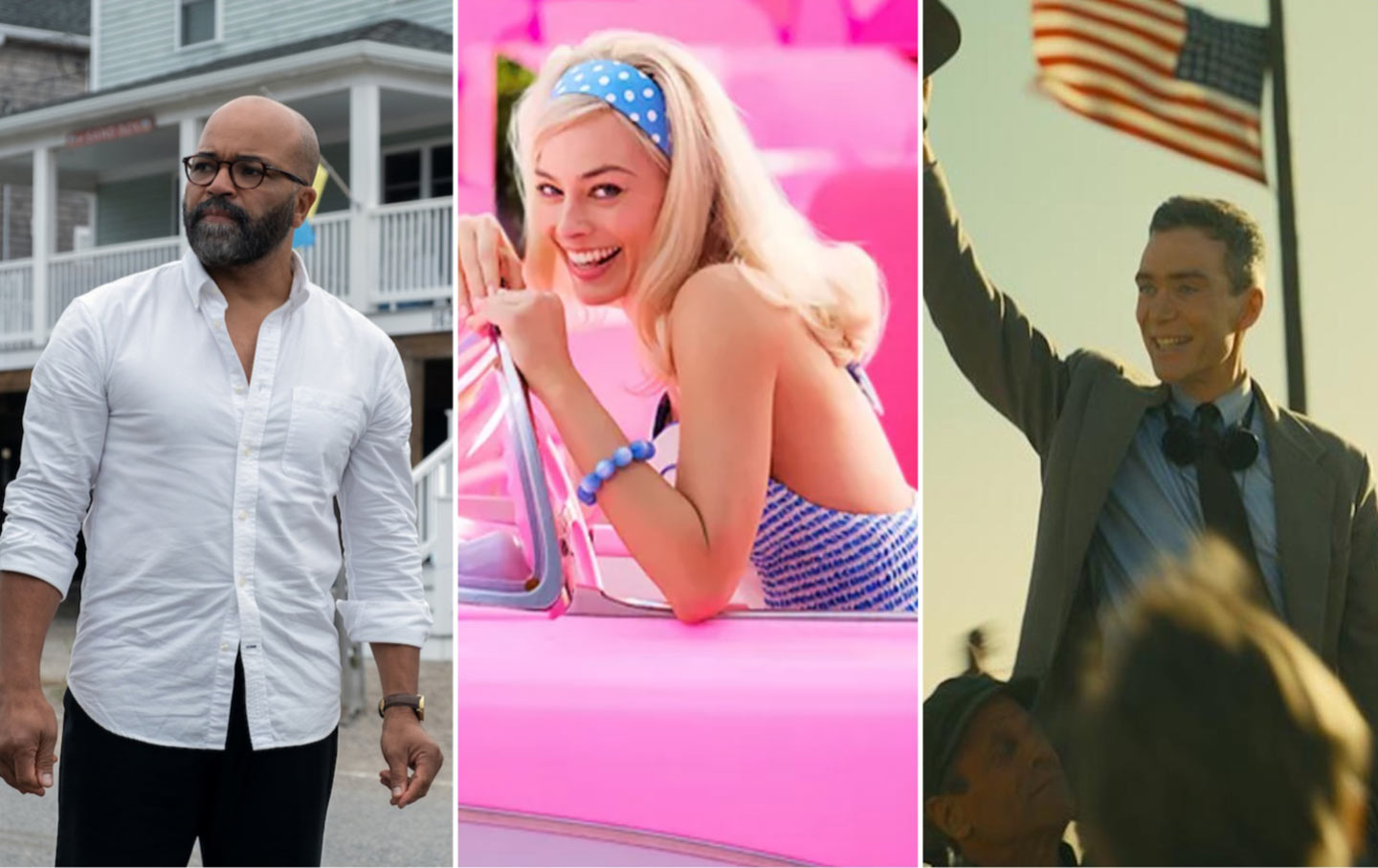
The Oscars are upon us. It happens—every year, in fact. At The Nation we are often good at diagnosing the contradictions of capitalism, offering trenchant essays on new books, albums, and art exhibitions, and sometimes predicting the rise and fall of political regimes. When it comes to the Oscars, do we really know who will win take home a statue? No. But our critics—J. Hoberman, Tarpley Hitt, Beatrice Loayza, Jorge Cotte, Adolph Reed Jr., Mike Duncan, Erin Schwartz, Katha Pollitt, and Stephen Kearse—have written some very smart essays and reviews about the films up for nomination and that will help you make some educated guesses.
Oppenheimer
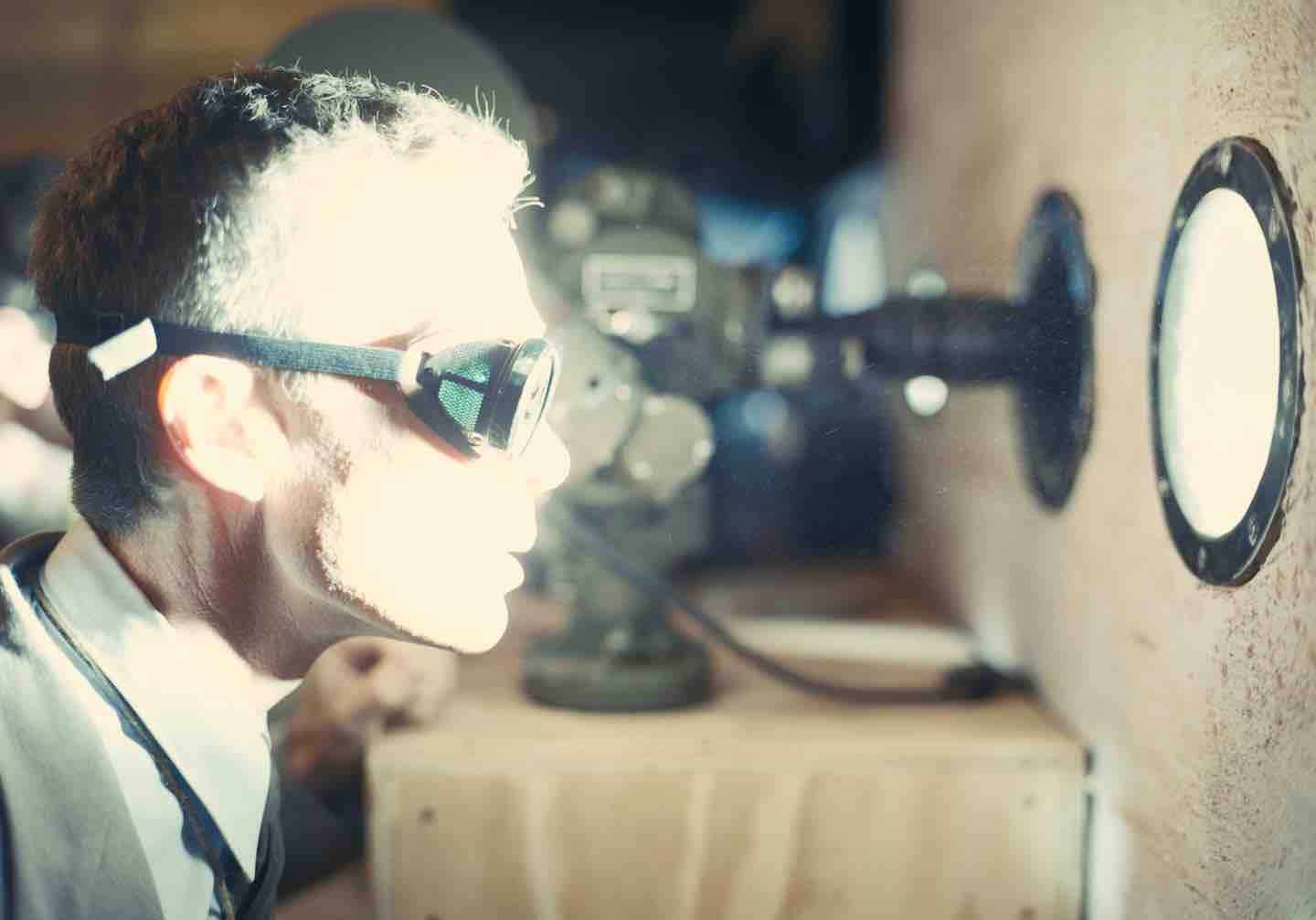
Jorge Cotte: “Nolan neither indicts nor vindicates Oppenheimer. Instead, he stays in an intimate proximity to him, documenting his captivating, then horrible, achievements and his eventual downfall.”
American Fiction
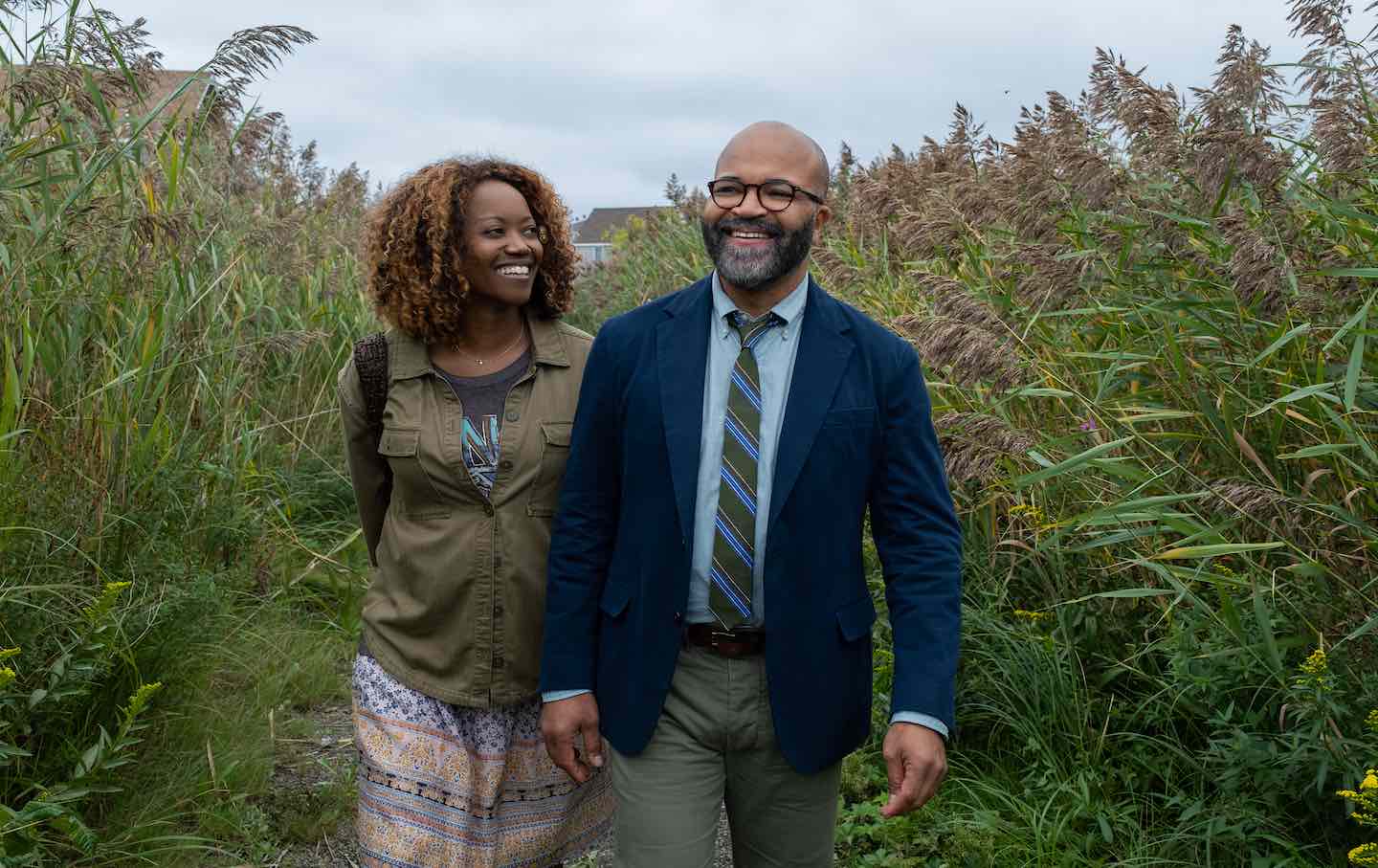
Stephen Kearse: “Written and directed by Cord Jefferson, American Fiction loosely adapts Percival Everett’s 2001 novel Erasure. But where Everett was concerned with literary culture and the plight of the Black author, Jefferson widens the story to address cultural production as a whole.”
Killers of the Flower Moon
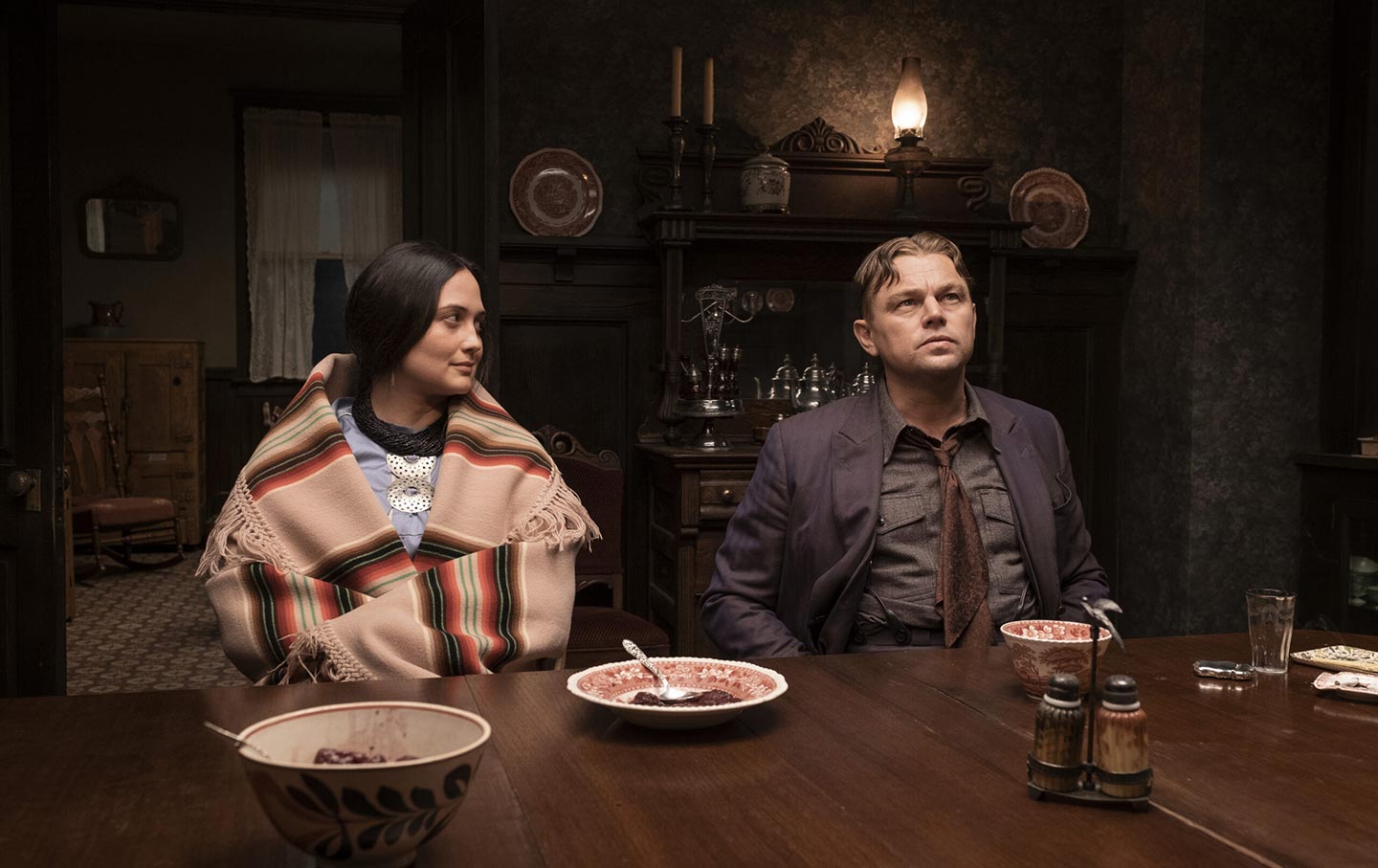
Jorge Cotte: “Scorsese has made a career of colorful epics. His 27th feature, a sweeping story painted on a grand Western canvas, is no different. Yet unlike the flat landscape of a traditional western, the horizon in this film is not the unbounded space of American freedom: This is a horizon hedged in by the upward sprays of oil and the stark verticality of oil rigs.”
Barbie
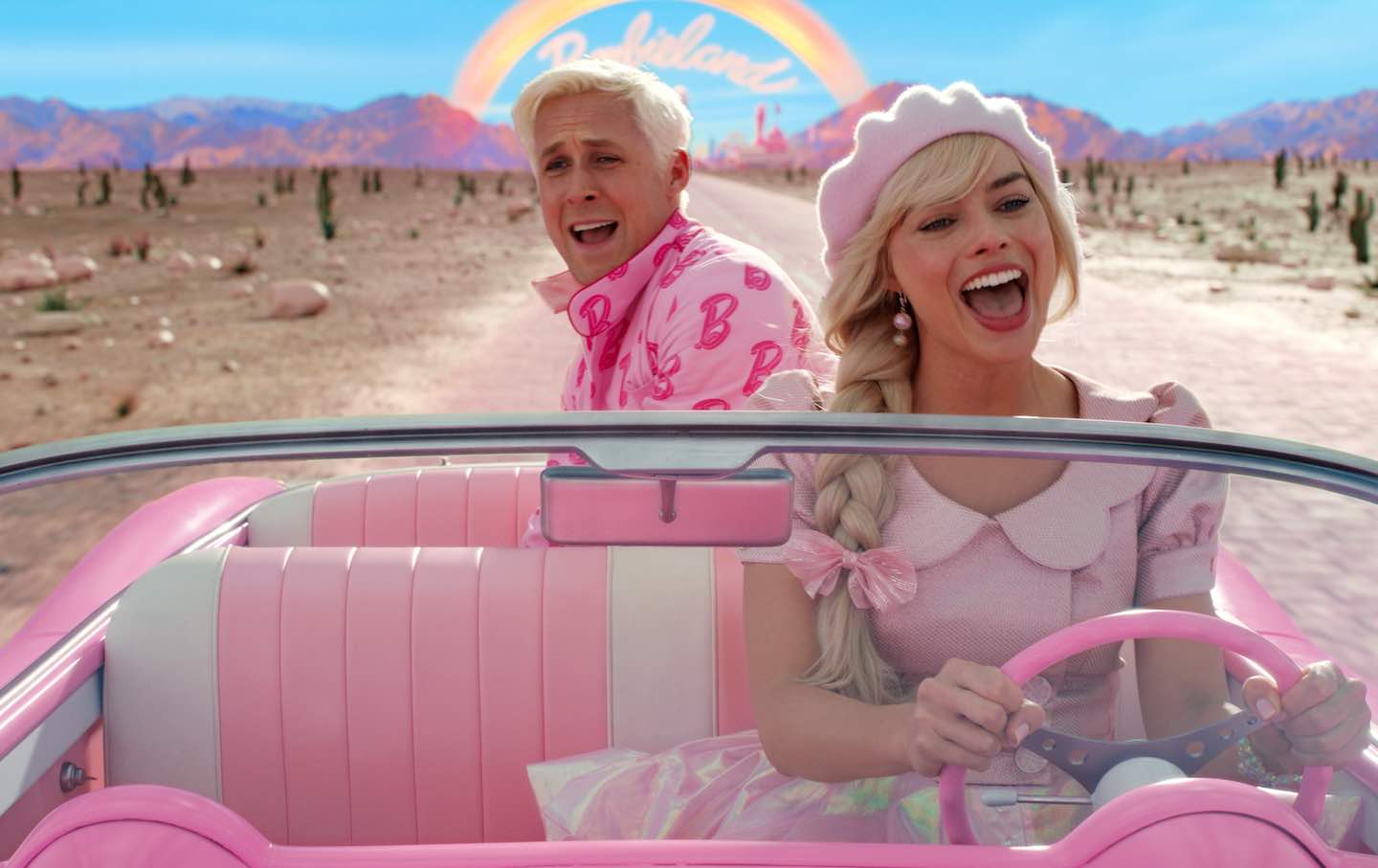
Tarpley Hitt: “In making Barbie, Greta Gerwig…needed to tell a story about an icon that purposefully did not have one. Gerwig’s approach: to literalize Barbie’s malleability in almost every absurd way.”
Erin Schwartz: “Barbie sets up philosophical questions that are more daunting than a film based on a children’s toy might need to drive its plot forward—it gives itself the particularly hard task, for example, of summarizing contemporary feminism without skewing corny or jargon-y, something it does with mixed success.”
Katha Pollitt: “The message of Barbie is that girls can be anything, but you still have to be gorgeous while you’re doing it. Even Weird Barbie, whose hair has been chopped off and whose face is covered with crayon scribbles, is adorable.”
Napoleon
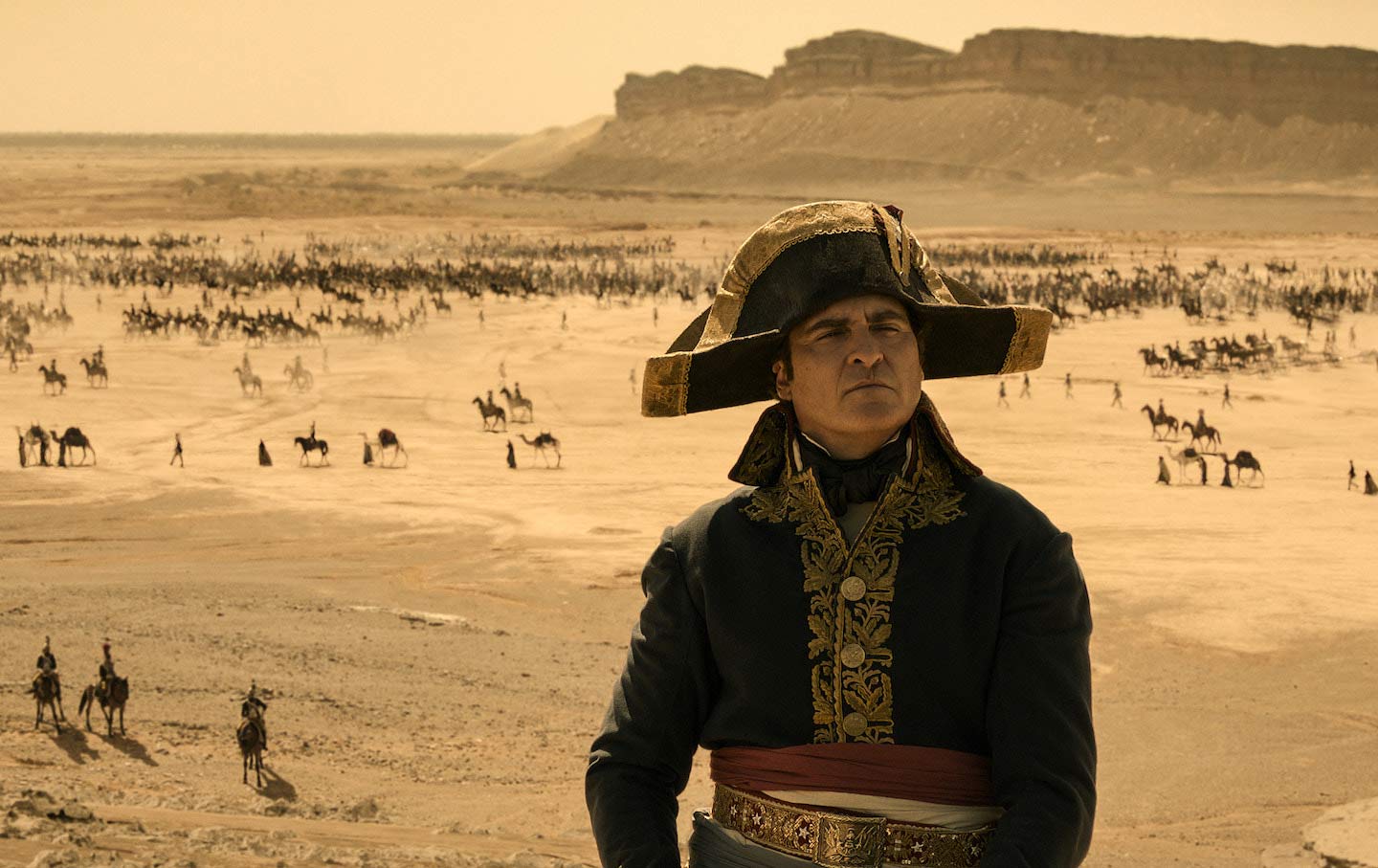
Mike Duncan: “To tell the story of the Age of Revolution, one must engage with its contradictions in one way or another. But Scott is not really interested in history.”
Popular
“swipe left below to view more authors”Swipe →May December
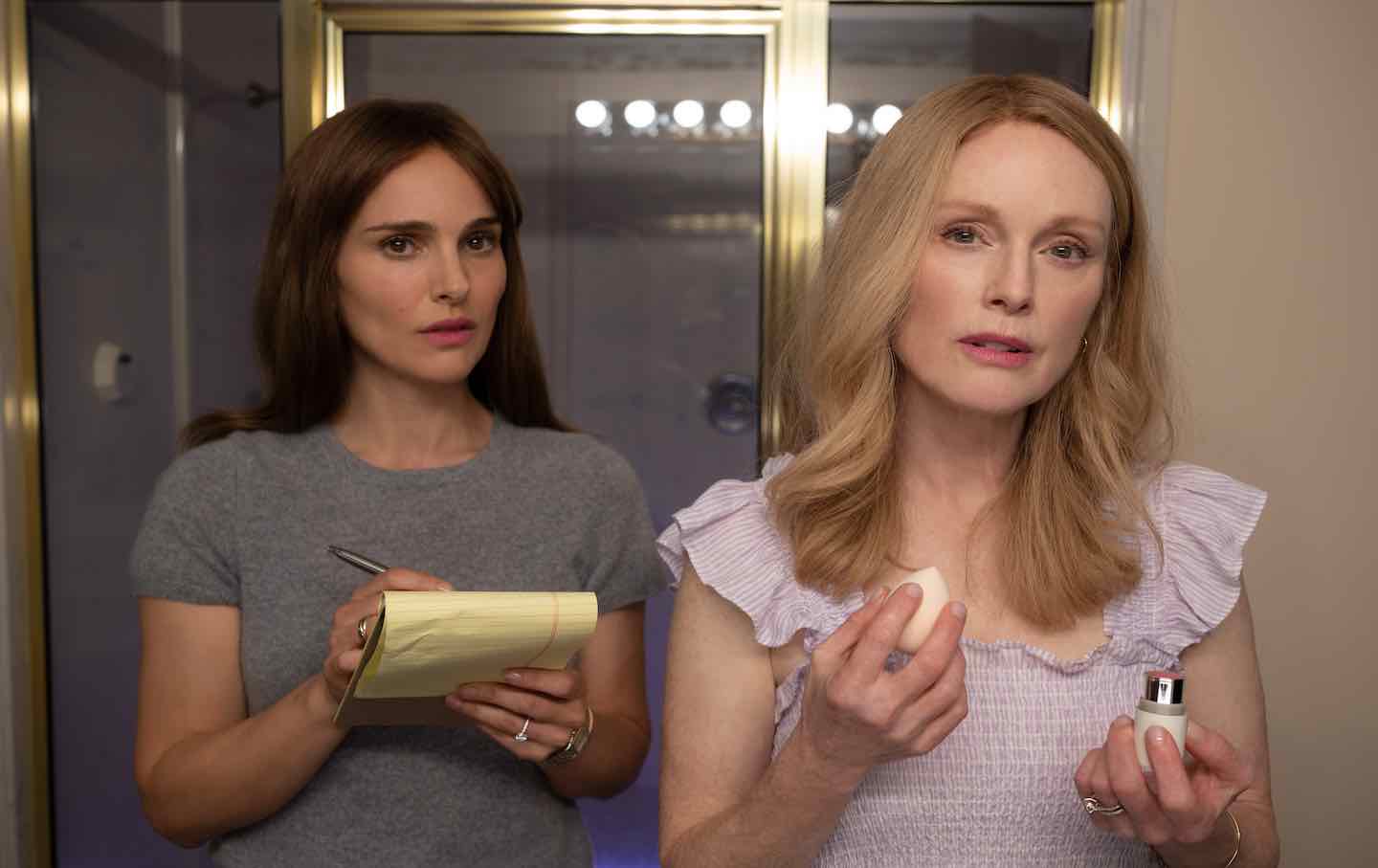
Beatrice Loayza: “Working from a screenplay by Samy Burch that resonates to an uncanny degree with Haynes’s enduring thematic obsessions, the director spins another tale of repression and desire, performance and spectatorship—this time anchored in the humdrum aftermath of a true-crime spectacle.”
The Zone of Interest
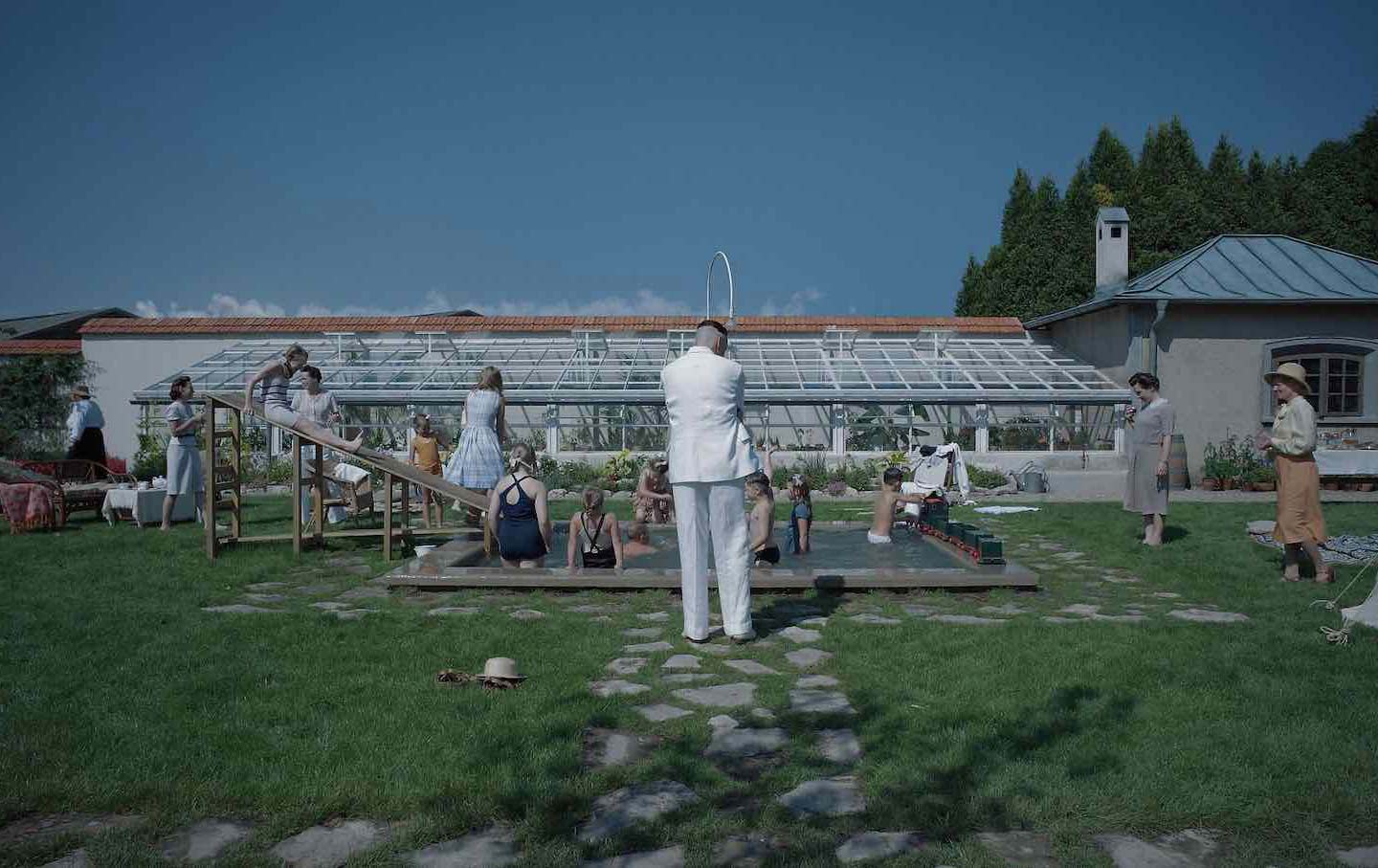
J. Hoberman: “The critic Thomas Puhr compared Glazer’s earlier films to a lake ‘whose surface remains calm and untouched so that we can better see our reflections in it,’ and that may be most true with The Zone of Interest: It is a movie that prompts contemplation even as it inspires disgust.”
Rustin

Adolph Reed Jr.: “Standard-issue Hollywood biopics perpetually fail to capture how movements are reproduced as mass projects, from the bottom up and top down, in a constantly improvised trajectory plotted in response to and in anticipation of layers of internal and external pressures.”
Support independent journalism that does not fall in line
Even before February 28, the reasons for Donald Trump’s imploding approval rating were abundantly clear: untrammeled corruption and personal enrichment to the tune of billions of dollars during an affordability crisis, a foreign policy guided only by his own derelict sense of morality, and the deployment of a murderous campaign of occupation, detention, and deportation on American streets.
Now an undeclared, unauthorized, unpopular, and unconstitutional war of aggression against Iran has spread like wildfire through the region and into Europe. A new “forever war”—with an ever-increasing likelihood of American troops on the ground—may very well be upon us.
As we’ve seen over and over, this administration uses lies, misdirection, and attempts to flood the zone to justify its abuses of power at home and abroad. Just as Trump, Marco Rubio, and Pete Hegseth offer erratic and contradictory rationales for the attacks on Iran, the administration is also spreading the lie that the upcoming midterm elections are under threat from noncitizens on voter rolls. When these lies go unchecked, they become the basis for further authoritarian encroachment and war.
In these dark times, independent journalism is uniquely able to uncover the falsehoods that threaten our republic—and civilians around the world—and shine a bright light on the truth.
The Nation’s experienced team of writers, editors, and fact-checkers understands the scale of what we’re up against and the urgency with which we have to act. That’s why we’re publishing critical reporting and analysis of the war on Iran, ICE violence at home, new forms of voter suppression emerging in the courts, and much more.
But this journalism is possible only with your support.
This March, The Nation needs to raise $50,000 to ensure that we have the resources for reporting and analysis that sets the record straight and empowers people of conscience to organize. Will you donate today?