Raucous Protest Is Coming to the Joyless World Cup
As Trump and FIFA turn soccer’s biggest stage into a showcase for authoritarianism, activists are fighting back.
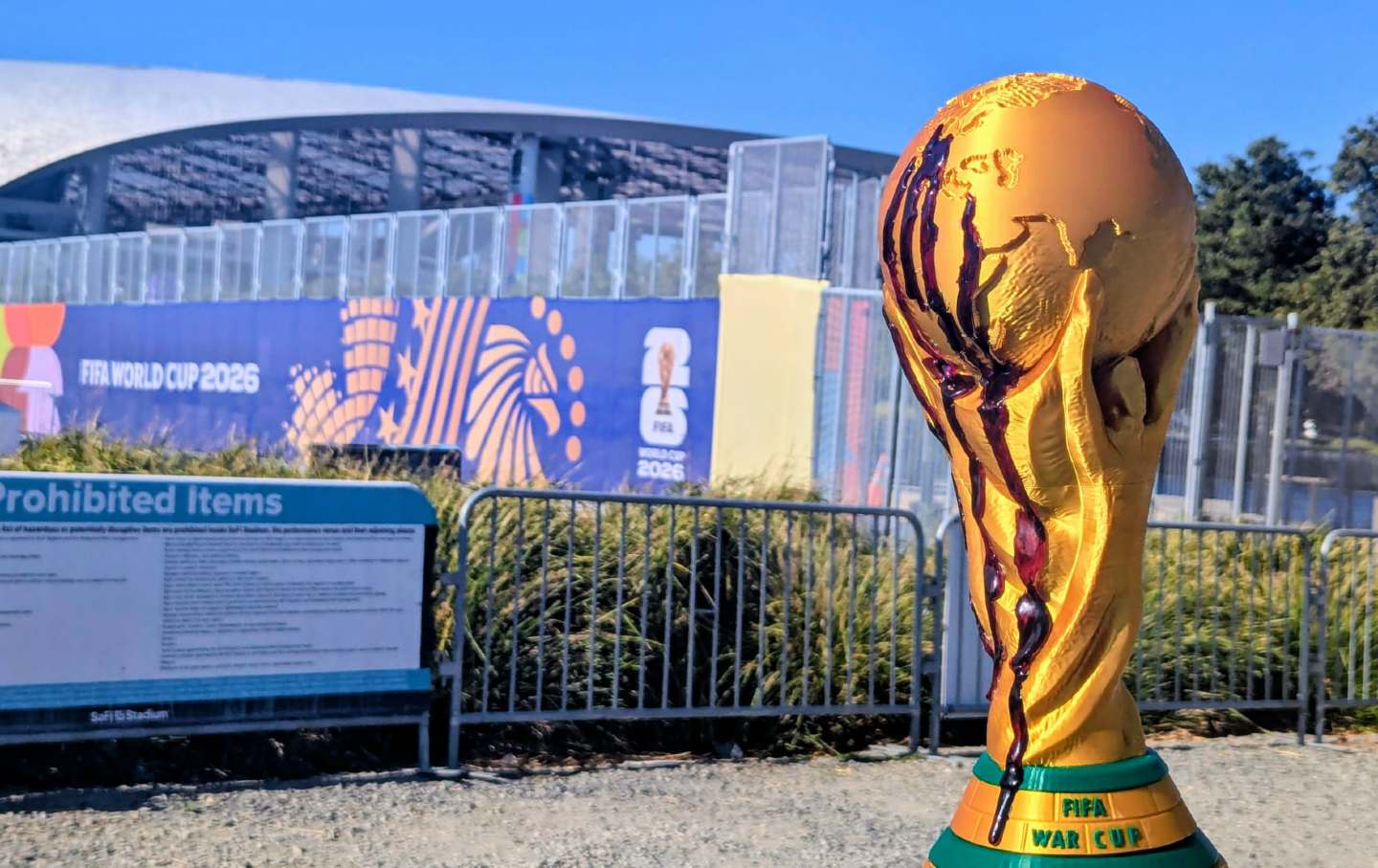
The “FIFA War Cup.”
(Eric Sheehan)The World Cup kicks off this week: 48 teams, 104 matches, and three countries. Like nothing else humanity has conjured, the tournament unites the attention of the world. But thanks to President Donald Trump and his servile lapdog FIFA president Gianni Infantino, a pall has descended over the tournament. This is, as we have called it previously, “the joyless World Cup.” A recent San Francisco Chronicle headline captures the zeitgeist: “The World Cup was supposed to be a Bay Area bonanza. Why does it feel like a flop?” But it’s not just the Bay Area that’s feeling the disappointment. Despite the event’s featuring the world’s best soccer players, tourism is soft, hotel rooms are empty, and stadiums in the early games have swaths of empty seats.The 2026 World Cup feels not like the grandest of sporting celebrations but like an expo of greed, exclusion, and Trumpist state terror, with the threat of ICE around every corner. We are seeing the collision of the world’s most international sporting event with a white nationalist regime.
Trump’s use of the World Cup to tighten his authoritarian grasp is hardly a conspiracy theory or a secret. In April, he threatened Los Angeles, saying, “We’re gonna have to do something when it comes World Cup time, and we’re gonna have to force ourselves upon them, which we have the right to do, because we don’t want to have any crime, we don’t want to have any problems.” He also basically put a target on the backs of the Iranian team when he said in March that he did not believe they should take their rightful place in the tournament “for their own life and safety.”
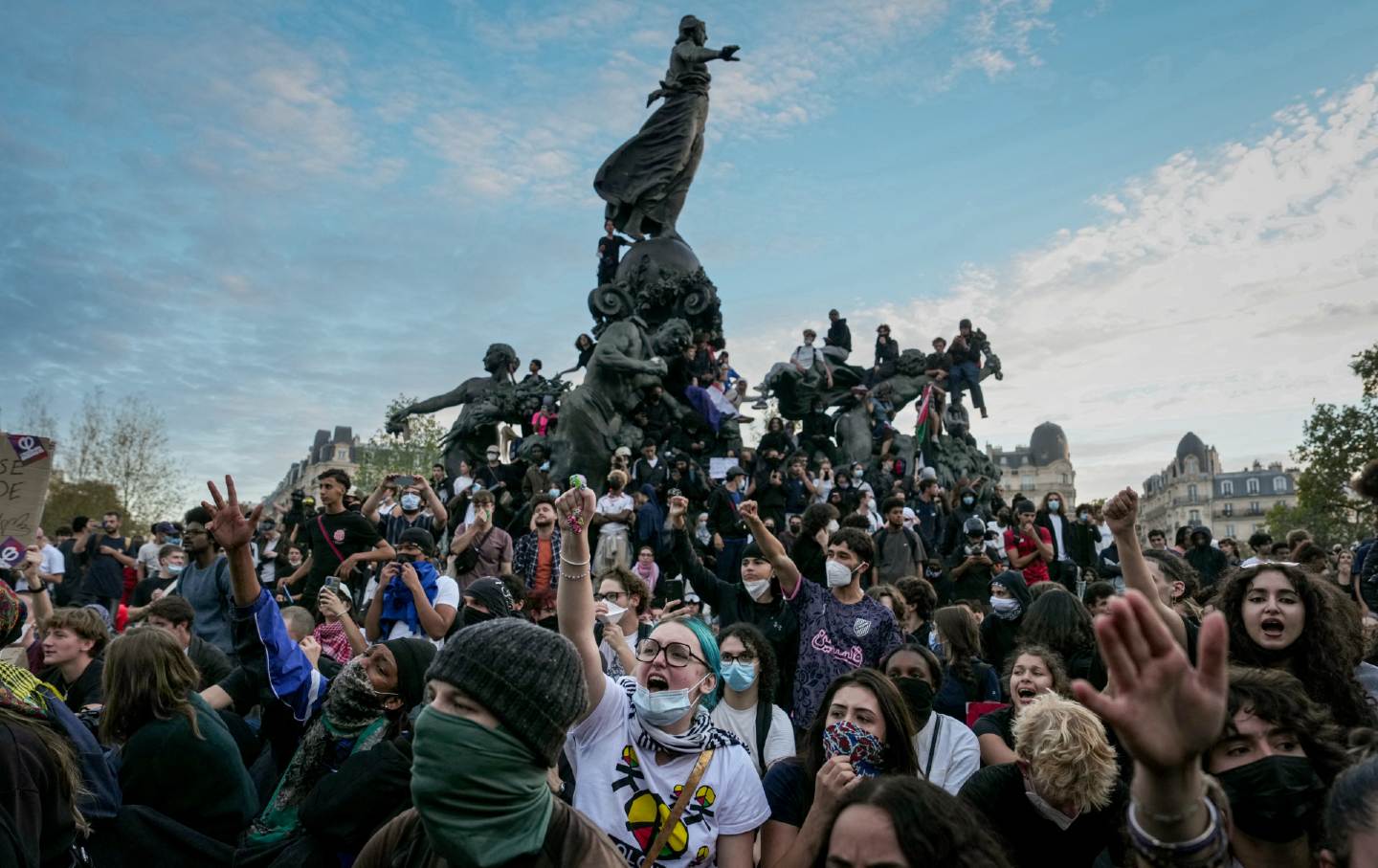
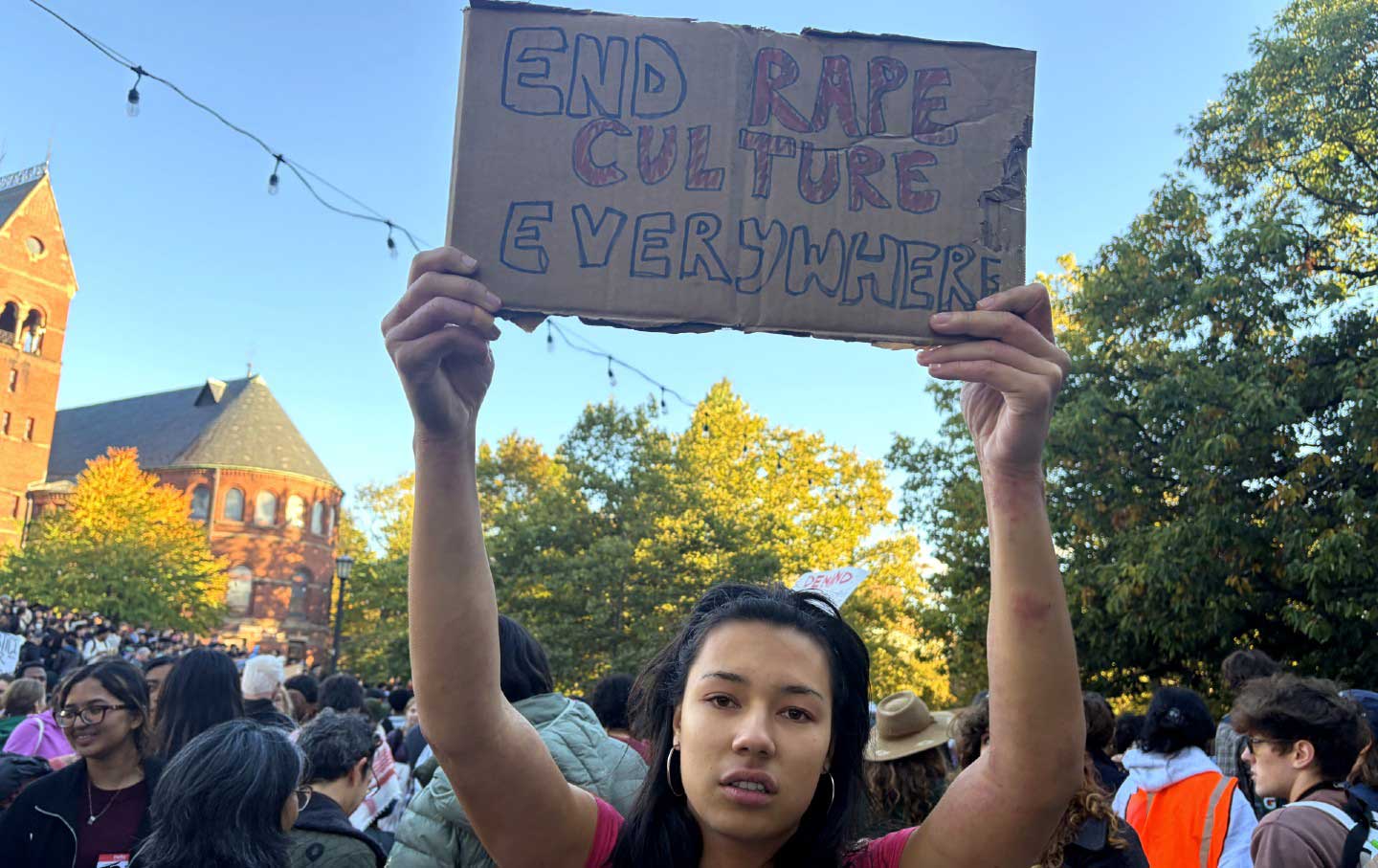
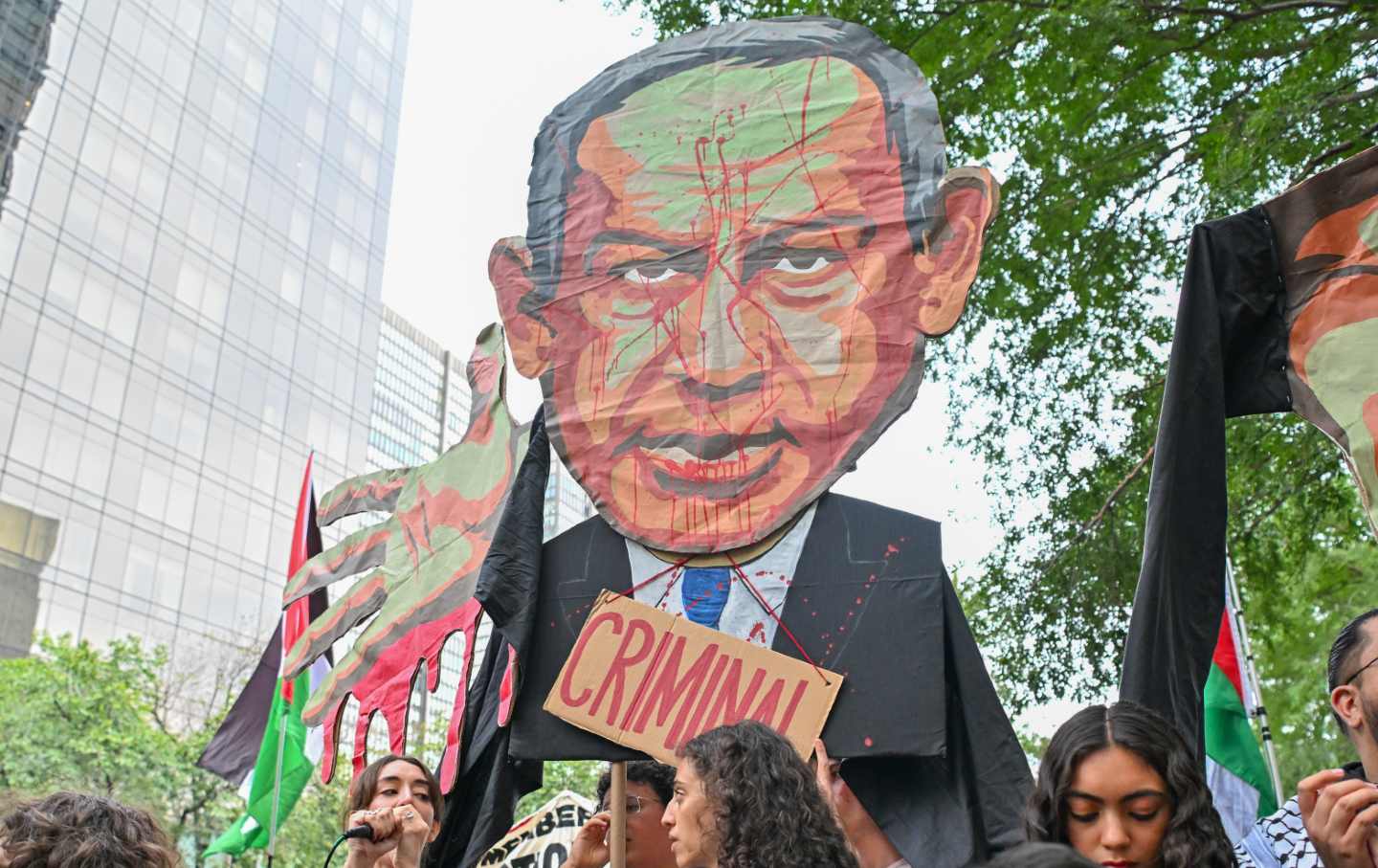
And yet, in host city after host city, Trump and Infantino’s efforts to turn the people’s game into a trampoline for authoritarianism is being met with resistance. Activists and advocacy groups are preparing for a deluge of sportswashing and potential repression. “The whole world is watching” is a go-to chant at activist mobilizations, and with the World Cup, it rings especially true. Some 5 billion people around the world will tune in for the 2026 tournament, creating an opportunity for activists to show visiting fans and journalists that the United States cannot be reduced to MAGA-style cruelty and that people are willing to stand up and fight against Trump, ICE, and the FIFA greed machine.
In Los Angeles, grassroots activists are revving up. Eric Sheehan, an organizer with NOlympicsLA, told The Nation, “Disruptions and educational interventions are the name of the game for us.” He said that NOlympicsLA and its coalition partners will carry out actions “intended to show FIFA that Angelenos won’t be as hospitable as our leaders and that FIFA doesn’t deserve to be the arbiters of the beautiful game.” He added, “FIFA is normalizing the international lawlessness and violence our nation is deploying around the world, whether that’s genocide in Occupied Palestine, the brutal bombing of 168 young girls in Minab, Iran, the kidnapping of world leaders, or threats to invade Cuba. We must not allow FIFA to wash the reputation of US imperialism and colonialism.”
Sheehan has created a replica FIFA World Cup trophy—the “FIFA War Cup”—that he spattered in fake blood and has been toting around to protests. This is a play on the bizarre FIFA Peace Price that Infantino bestowed to Trump. NOlympicsLA, which emerged in 2017 to challenge Los Angeles’s bid for the Summer Olympics, has also created a list of anti–World Cup events in host cities across North America.
NOlympicsLA is working with the Anti-Fascist Football Coalition, which argues that “the US is dangerous” for both visiting and domestic soccer fans and that “FIFA is normalizing genocide.” Longtime activist and writer Ajamu Baraka, who is organizing with the Anti-Fascist Football Coalition and a founder of the Black Alliance for Peace, recently told the Edge of Sports podcast that because the World Cup “is a global gathering…we should not allow the games to take place in a political environment in which the systematic violation, degradation, dehumanization of human beings are taking place simultaneously.” He said, “We are not going to allow FIFA and the US to normalize this kind of behavior by pretending like everything is just fine and dandy.” It’s just not right, he pointed out, that “you can engage in international gangsterism and still be allowed to host a gathering like the World Cup.”
Activists across the United States agree. In Dallas, El Movimiento DFW is handing out “whistle kits” to residents of the area as well as visitors that can be used in case ICE arrives in or around the stadium. They are also distributing instructions on how to arrange a free consultation with local immigration attorneys. After all, rumors abound that ICE may set up checkpoints around World Cup stadiums, and Department of Homeland Security Secretary Markwayne Mullin has done nothing to quell concerns, refusing to take arrests at World Cup matches off the table. To combat this grim possibility, the national “No ICE in the Cup” campaign—organized in host cities like Atlanta, Boston, Dallas, Kansas City, and Miami—is “building networks of care, protection, and joyful resistance…to ensure that everyone, and especially immigrant communities, can participate in this global celebration safely and freely.”
Given the United States’ slide into authoritarianism, global advocacy groups are increasingly analyzing the United States through a human rights lens. In April, more than 120 civil-society groups issued a World Cup travel advisory for travelers to the United States. They encouraged people to brush up on know-your-rights materials before entry, warning of “arbitrary denial of entry and risk of arrest, detention and/or deportation,” racial profiling, “invasive social media screening and searches of electronic devices,” and “cruel, inhuman, or degrading treatment—and even death—while in ICE detention or custody.”
Ironically, the 2026 World Cup was the first in history to embed human rights criteria in the bidding process. Andrea Florence, the executive director of the Sport and Rights Alliance, told The Nation, “Workers, fans, athletes, journalists, and communities make the World Cup possible. FIFA needs to show that they stand with the people that love the game, not those that love power.” The Brazilian lawyer added, “Visa bans, the lack of protection for LGBTQI fans, and the rise of authoritarian practices in the United States have shattered all hopes of a rights-respecting event.”
The Human Rights Soccer Alliance, a US-based advocacy group, issued a report that spotlights “the escalating impact of US immigration enforcement on soccer communities across the country.” The World Cup is supposed to bring people together, but the reports says, “the reality on the ground is one of fear, exclusion, and systemic harm affecting the communities that sustain the game.”
Popular
“swipe left below to view more authors”Swipe →Evan Whitfield, the group’s chair and a former professional footballer who represented the United States at the 2000 Sydney Olympics, told The Nation, “The HRSA anticipated the dissonance between FIFA’s promise of the most inclusive World Cup ever and the administration’s immigration enforcement. But we didn’t know the difference between the promise and reality would be so great. We felt it important that the damage being done to soccer fans, players, and families isn’t overlooked during the World Cup spectacle.”
The Human Rights Soccer Alliance also created a guide for grassroots soccer clubs to protect young players from harassment and unlawful immigration enforcement. Whitfield explained, “With the report, HRSA aims to build enough public pressure that US Soccer and Major League Soccer can no longer ignore their obligation to protect the immigrant players, coaches, fans, and their families who are the foundation of American soccer.”
The Committee to Protect Journalists announced a travel advisory for visiting journalists. They were on to something: Numerous African and Iranian journalists have been denied the visas they need to cover the World Cup, according to the International Sports Press Association.
Before a single match was played, all of these groups’ concerns proved warranted. The United States denied entry to Omar Artan, one of the world’s top referees, after he landed in the country, essentially because he is Somali. The United States also sent away 15 Iranian officials and the official Iraqi team photographer. The Senegalese and Uzbek delegations were detained, searched, and screened. The head of the Palestinian Football Association, Jibril Rajoub, says that the United States has denied him a visa. This was predictable, and not only because of the United States and Israel’s joint war on the people of Iran and Lebanon. Under Infantino, FIFA has whitewashed, excused, and even aided (through the promise to build stadiums in on top of what used to be people’s homes) Israel’s genocide in Gaza. It is wild that Infantino, who is on Trump’s “Board of Peace” for the Middle East, makes his predecessor, the congenitally corrupt Sepp Blatter, look like the paragon of ethics.
There is a line of thought that political concerns over, say, hyper-militarization, obscene ticket prices, and the harassment of teams at our airport/detention centers will wash away once the games begin. That may have been true in past World Cups held in repressive nations. But this one is different. With Trump in the White House, more incidents are inevitable, and they will remind soccer fans that this World Cup must not only be consumed; it must be contested, too.