
Zohran Mamdani and the Politics of Joy
And it’s backed up by actions and initiatives that seem designed to genuinely foster a joyful city.
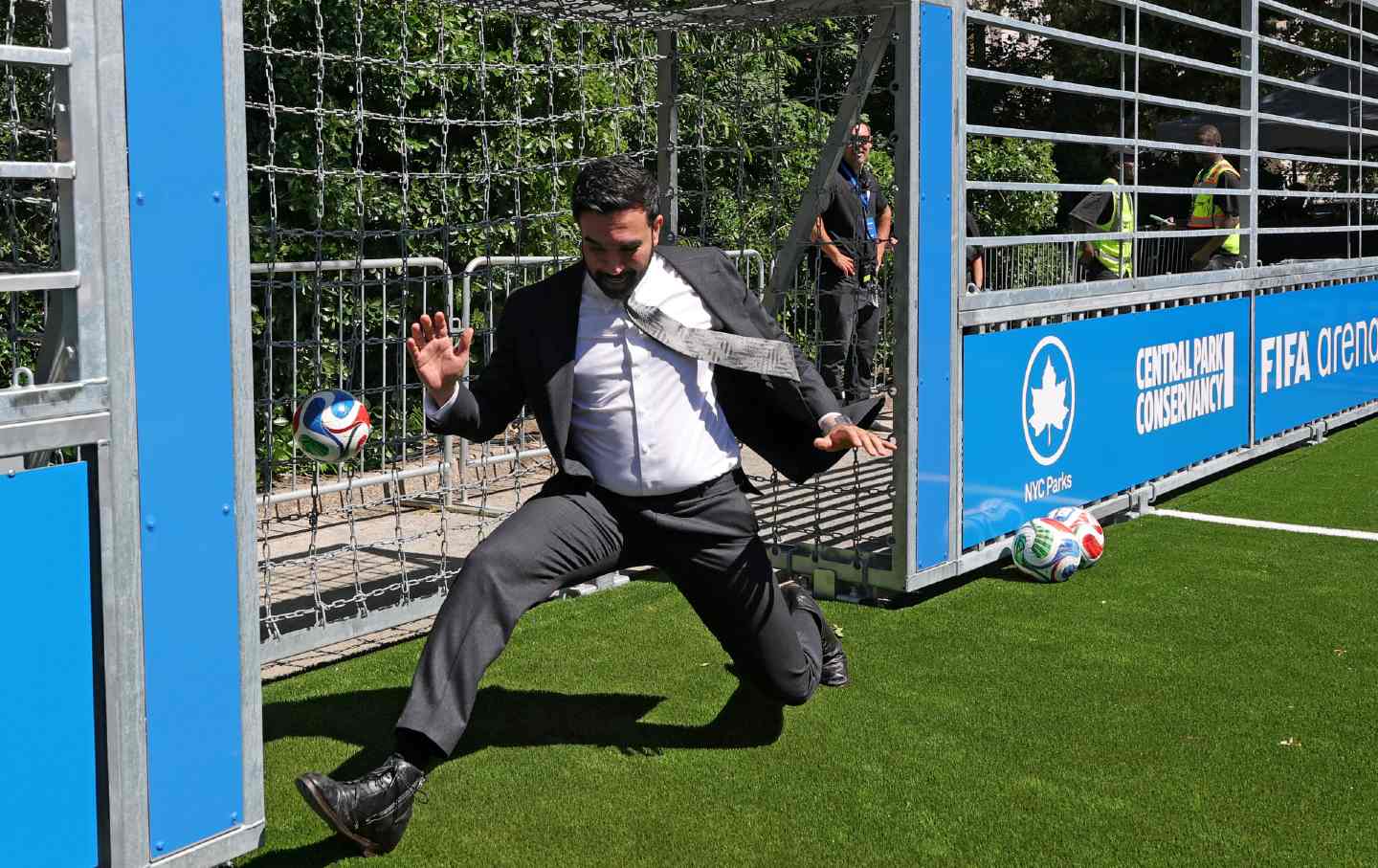
During his mayoral run, Zohran Mamdani’s opponents warned that he was inexperienced, idealistic, and sure to be ineffective. But, just over six months into his term as New York City’s chief executive, Mamdani and his team have made demonstrable progress on his banner campaign promises—freezing the rent, universal childcare, public grocery stores, fast and (eventually) free buses.
They are proving—most recently by appointing trust-busting former FTC commissioner Lina Khan to the city’s Economic Development Corporation—that they are serious about making New York fair and affordable.
But perhaps the most visible shift that Mamdani has so far brought to the office has to do with lighter, yet no less serious, concerns. This mayoral administration is improving life for everyday New Yorkers through a politics of joy.
As Mamdani said on his ninth day in office, his agenda is not simply about curbing the city’s most urgent crises, but also includes helping “working people to afford lives of joy.” That includes an intentional, visible effort to make many smaller-scale improvements to quality of life in the city. And it also includes efforts by the mayor himself to show up in the places where New Yorkers let loose and celebrate side-by-side with them.
This is not something that New Yorkers have always been able to take for granted. In flexing their tough-on-crime bona fides, local politicians have long focused on deterring unwanted behaviors while providing far less support for the infrastructure and programs that help make a city an enjoyable place to live.
Rudy Giuliani’s administration made little affirmative effort to cultivate joy. In a New York Times piece titled “No-Fun City,” Rudy Giuliani was described as spending much of his second term “shadowboxing against errant cabbies and jaywalkers” before being thrust into the national spotlight by 9/11.
Meanwhile, Eric Adams—who, as mayor, admittedly provided a joyful municipal presence at many nightclubs and high-end eateries—consistently painted a stark picture of New York as a fearsome, dangerous town. In a 2022 interview, he said that “in my professional career, I have never witnessed crime at this level.” Major crimes had, at that point, declined over 80 percent since 1990. But that didn’t stop Mamdani’s Republican foe for the mayorship, Curtis Sliwa, from describing the subway system as being akin to A Clockwork Orange.
After so many local leaders who perpetuated a politics of fear, Mamdani’s demeanor is a breath of fresh air. And it’s backed up by actions and initiatives that seem designed to genuinely foster a joyful city.
Just last week, the Mamdani administration revealed more than 50 reforms designed to make life easier for small businesses. They include streamlining the process for setting up outdoor dining, and reducing fees for street fair sellers and mobile food vendors—sure to help the mayor fulfill his campaign pledge of curbing “halalflation.”
As much as these reforms benefit New York’s business community, Mamdani has also emphasized the pure, happy impact they will have on their customers. In touting the elimination of a frozen dessert permit, he called it “a win for every ice cream lover across New York City.”
The Mamdani administration has also been fighting everyday annoyances that make life in the city more frustrating. In his first 100 days, the city repaired over 100,000 potholes. The mayor’s office even tried to make minor infrastructure repairs more participatory and upbeat by opening a March Madness–style “Municipal Madness” bracket of quality-of-life fixes up to a public vote.
The mayor has also been fortunate to preside over what may be the greatest sports summer in New York history. While he may not be able to personally take credit for the citywide vibes generated as a result, he has found ways to augment the moment. The administration gave away hundreds of free tickets to City Hall’s ceremony honoring the Knicks’ victory and secured 1,000 affordable World Cup tickets for NYC residents. During the tournament’s run, the city also kept soccer pitches open and illuminated all night long, making it easier for everyday New Yorkers—including those who work late—to access community fields.
Popular
“swipe left below to view more authors”Swipe →Least publicized, but no less impactful, the administration has also highlighted the city’s many free and affordable leisure opportunities that may otherwise go under-utilized. City Hall launched an interactive “Summer in NYC” website designed to help youth find nearby activities, from free movie screenings to craft classes at local libraries—all of which have underlying public safety benefits. As Renita Francois, the new deputy mayor of community safety said, “Safety is not just the absence of violence, but the presence of opportunity, dignity, and community.”
That is exactly the philosophy of governance that Mamdani is demonstrating with each and every pro-joy action he takes. “I like that he stands for making sure nobody seems to feel marginalized, like we’re all in this together, we all win together,” one small business owner and former Adams supporter told The Guardian. “If that’s what socialism is, I’m all for it!”
For the first time in a long while, New York has a mayor who shows, in his words and his actions, that feel-good politics can be far from frivolous. In a country founded in part based on the pursuit of happiness, other leaders might consider doing the same.
In his remarks at the Knicks ticker-tape parade, Mamdani shared a reflection about the occasion that could also describe the kinds of summer days his administration is working hard to cultivate. “So often, when this city comes together, it is because we are forced to by a moment of tragedy or adversity. What a gift it is to be brought together by pure, unfiltered joy.”
More from The Nation
Obama Delivers a Scorching Rebuke to Trump—and Centrist Dems Obama Delivers a Scorching Rebuke to Trump—and Centrist Dems
Unlike other establishment figures, the former president isn’t scared to associate with the party’s left flank.
Elon Musk’s Mortal Threat to Democracy Elon Musk’s Mortal Threat to Democracy
The world’s richest man—saying he’s “wised up” to the fiction of self-government—is leveraging his wealth to sway elections, threaten Congress, and alter the global balance of pow...
Michigan Students Are All In for Abdul El-Sayed Michigan Students Are All In for Abdul El-Sayed
The progressive Senate candidate has won over students with his politics—and, in at least one case, his protein intake.
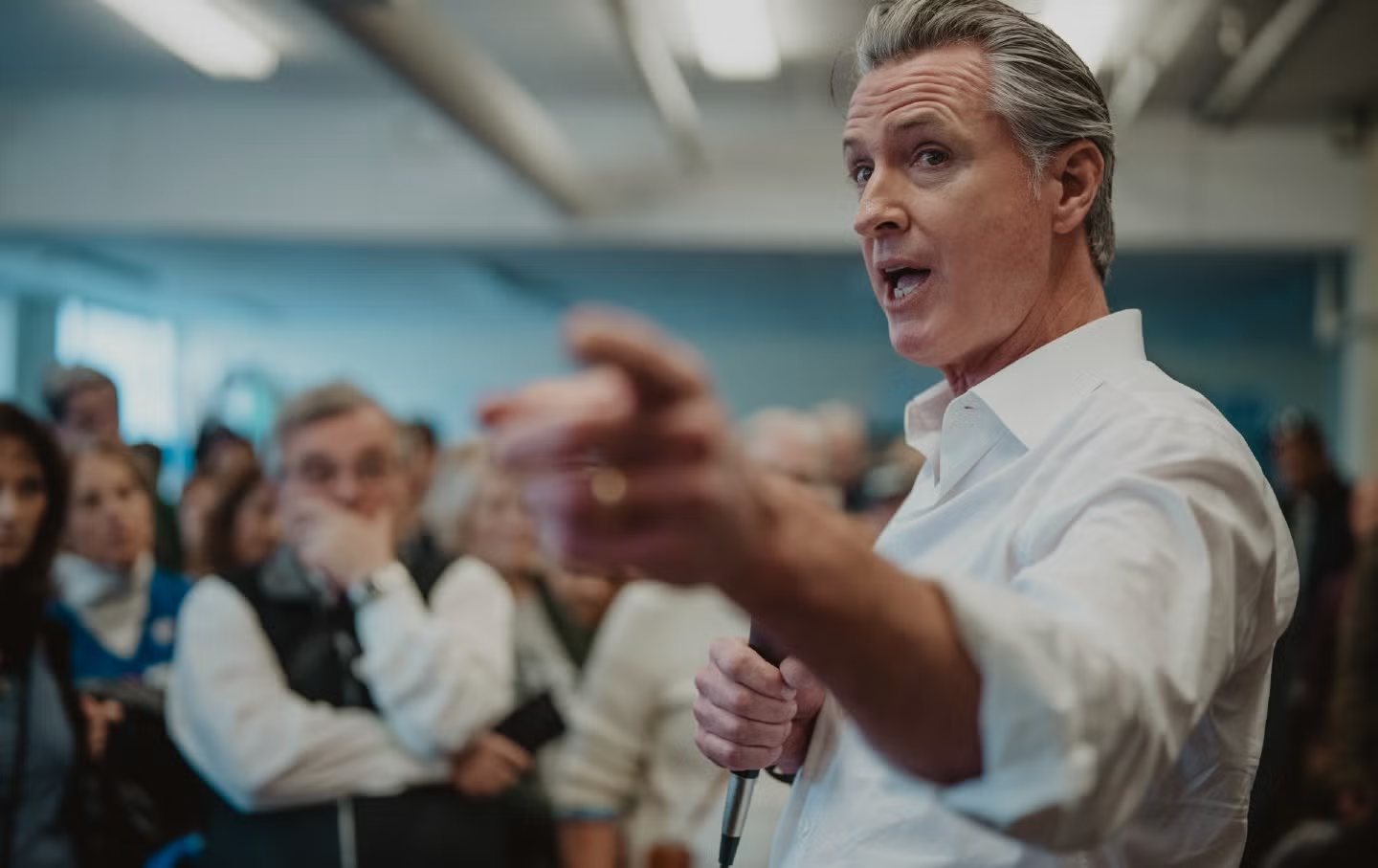
What Are Democrats Prepared to Do if Trump Rigs the Election? What Are Democrats Prepared to Do if Trump Rigs the Election?
In this week’s Elie v. U.S, our justice correspondent challenges Democrats' lack of a plan if Trump steals the midterms. Plus: the most racist, and honest, AI add ever.
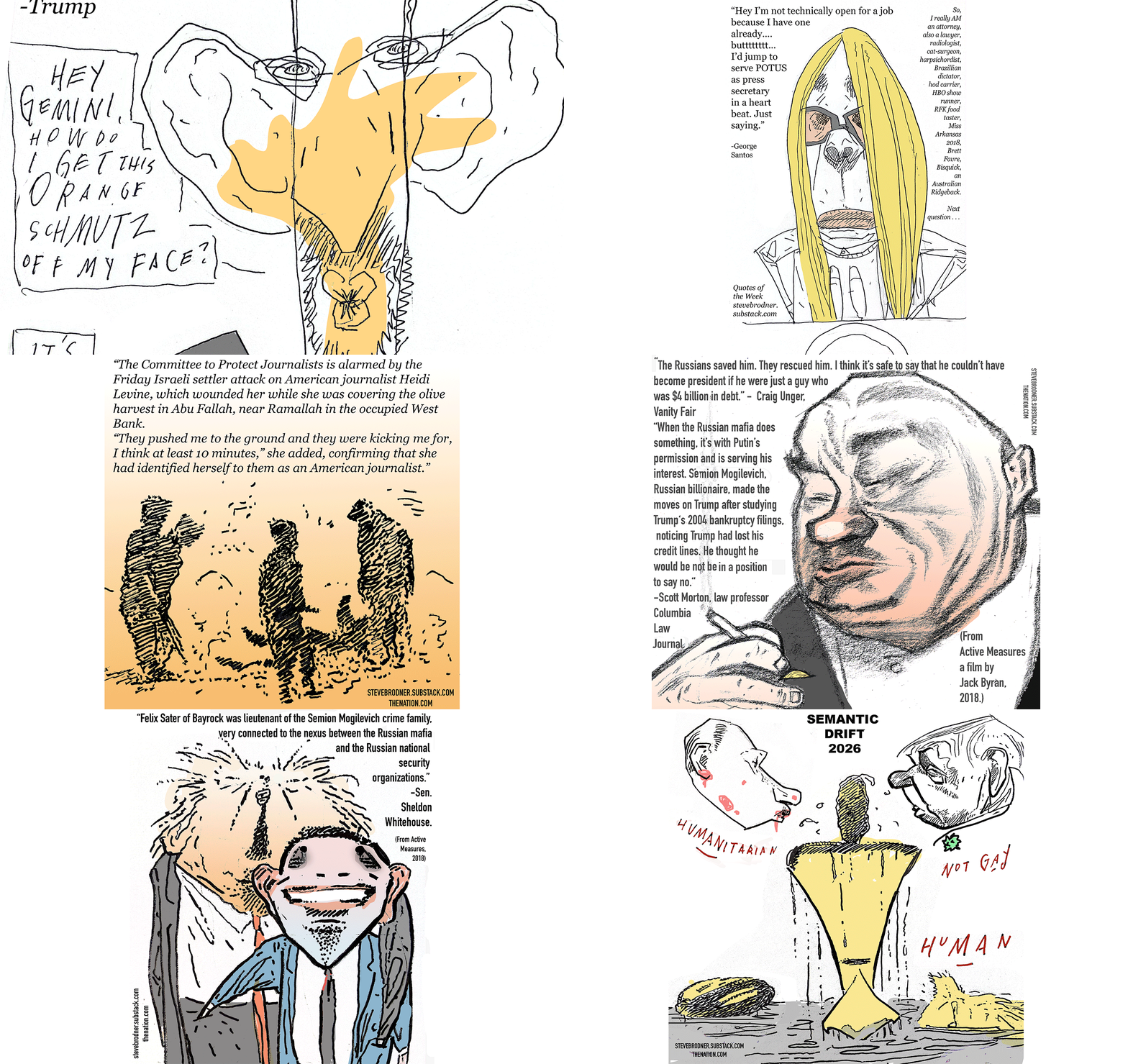
Ramaswamy’s Guide to a Better Vocabulary Ramaswamy’s Guide to a Better Vocabulary
Quotes of the Week.
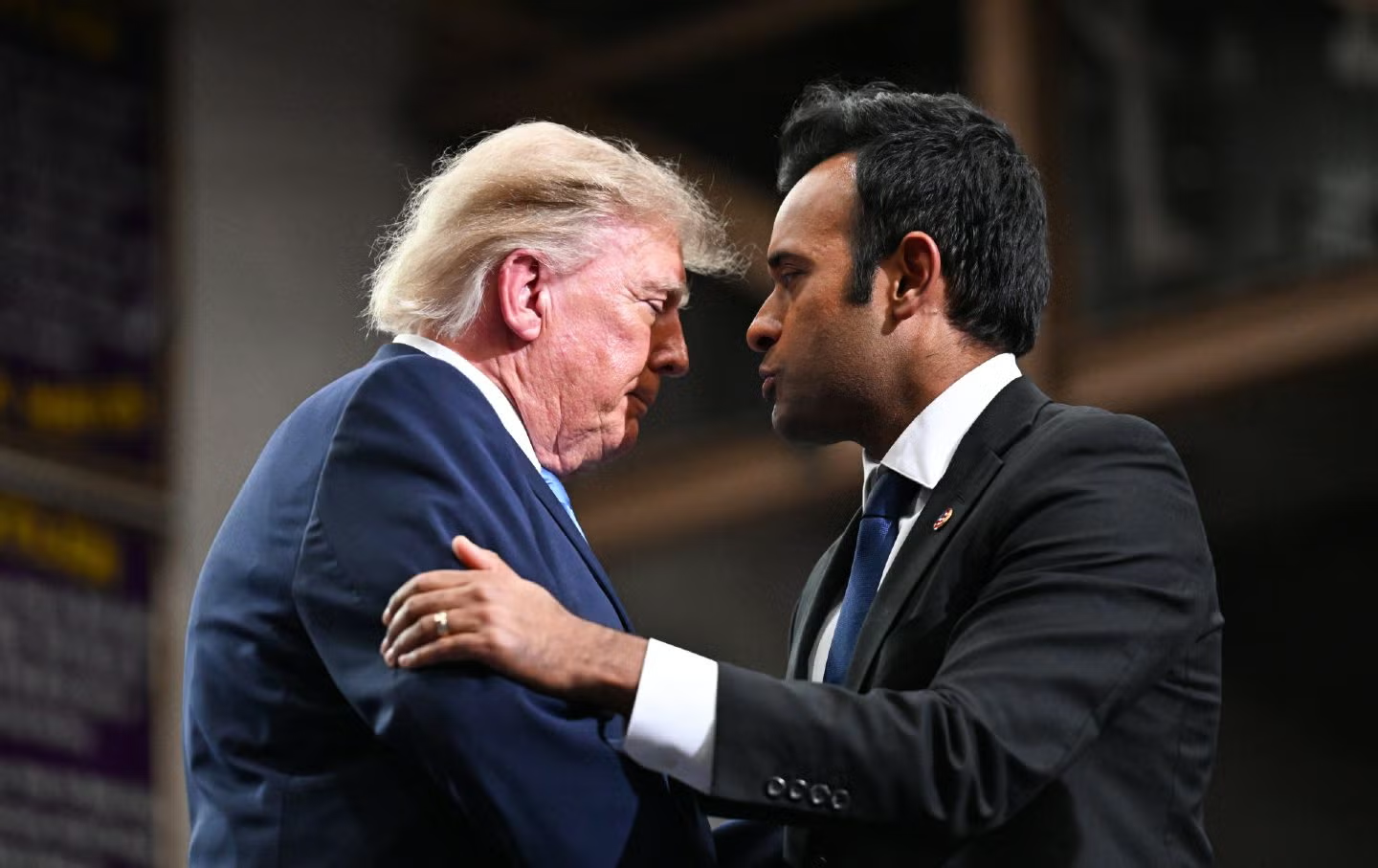
Why Trump Is Embracing Vivek Ramaswamy’s Vile Ad Why Trump Is Embracing Vivek Ramaswamy’s Vile Ad
The president is leaning into the politics of toxic parenting.

