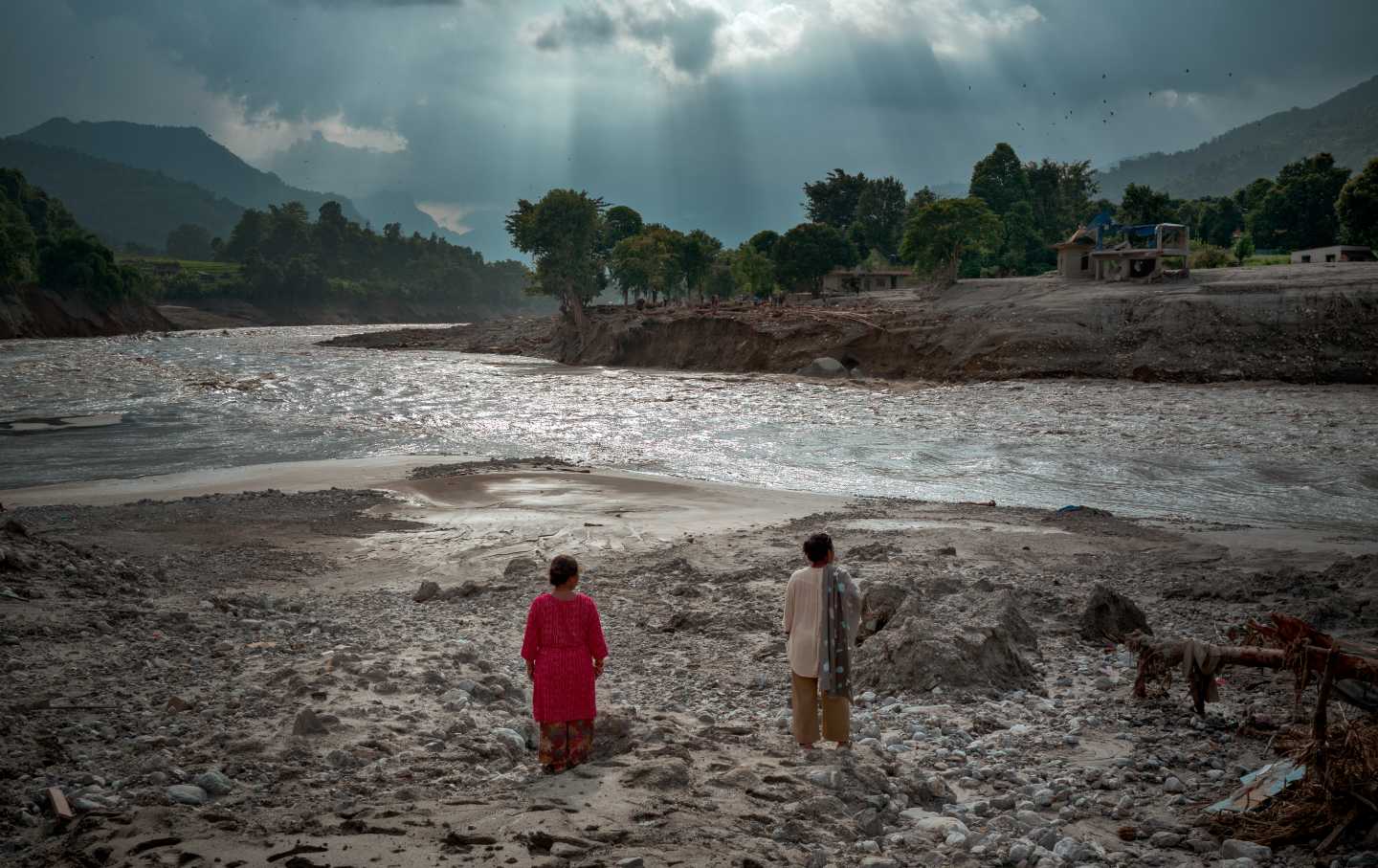
Climate Hushers Need to Get Real
Political realism doesn’t outweigh scientific realism.
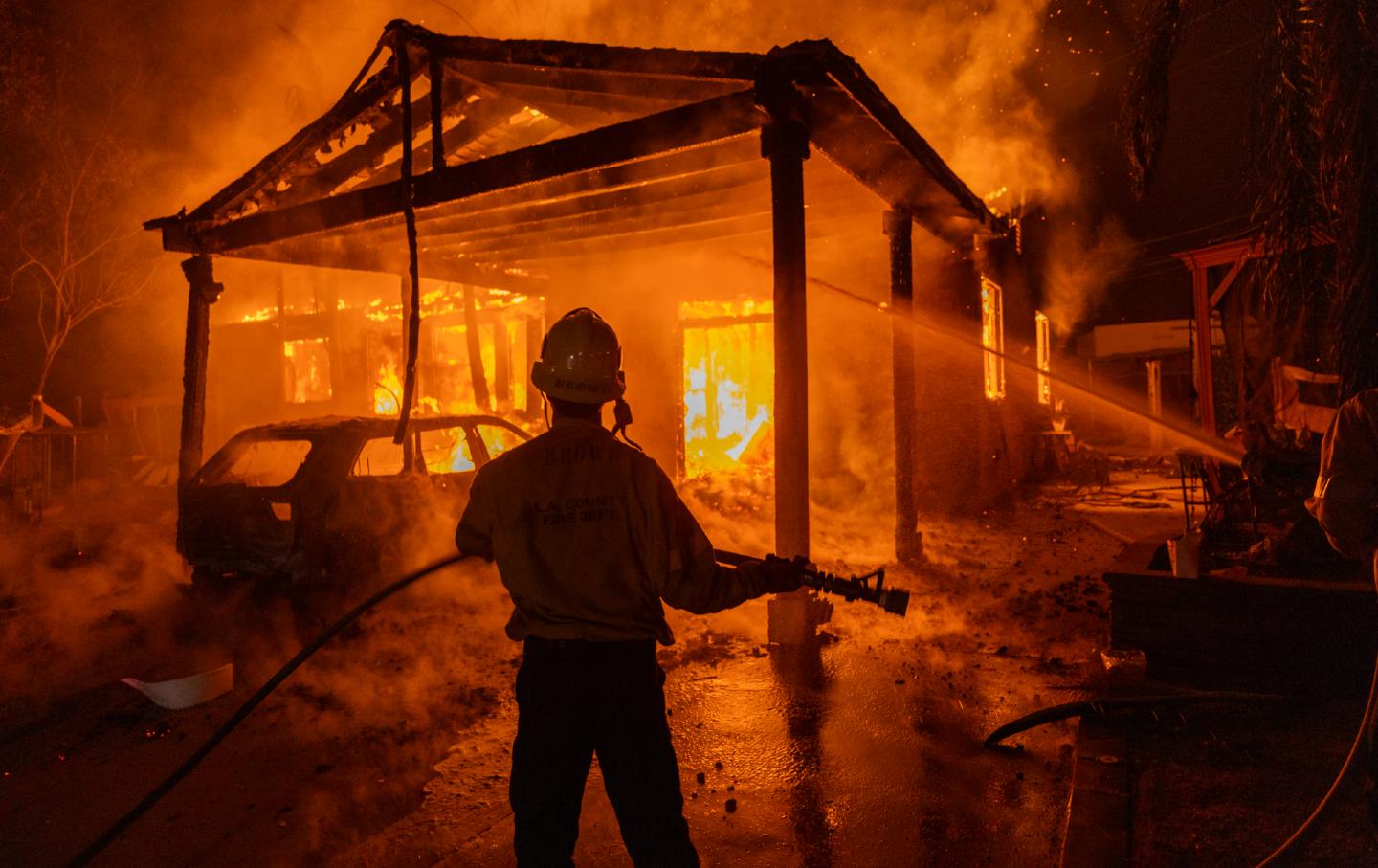
“Let’s be realistic.” That’s the advice coming from a growing number of voices in climate circles in the United States. In October, billionaire Bill Gates argued that a global temperature rise of 2 degrees Celsius is unavoidable and not a “super bad outcome”—a view unlikely to be shared by the millions of people whose homes would be destroyed by the resulting killer storms and rising seas. In November, The Washington Post analyzed social media posts and public appearances to document how Democrats across the country were “going quiet on climate” to focus on affordability—as if one can’t talk about both. In December, one New York Times opinion article applauded abandoning goals that supposedly were “never attainable” anyway, such as cutting global emissions to zero. A second asserted that Democrats must “support America’s oil and gas industry” if they’re to win the presidency in 2028.
Proponents of this strategic shift fashion themselves as paragons of realism at a time when President Donald Trump is attacking any form of environmental progress. But “climate hushing,” as the practice is known, rests on a fundamental flaw: It focuses on only one form of climate realism—the political—while ignoring a more important one, the scientific.
Hushers may or may not be right about what’s realistic to expect from current leaders and political configurations. But gaming out the politics of climate change must be weighed against what thousands of alarmed scientists have been saying for years: Civilization is hurtling toward irreversible catastrophe, and the only realistic escape route is via phasing out fossil fuels as soon as possible. “Things aren’t just getting worse. They’re getting worse faster,” Zeke Hausfather, a co-author of the UN’s latest climate science report, told the Associated Press last June.
Political realities, of course, matter, but they can be changed by human action; the laws of physics and chemistry cannot. This means citizens and leaders around the world somehow must find ways to bring their respective political realities into alignment with scientific realities: to create the conditions to elect candidates, pass laws, and implement the many available solutions that, scientists also say, could prevent unfathomable loss and suffering.
An overwhelming majority of the world’s people—80 to 89 percent of them—want their governments to take stronger climate action, as Covering Climate Now partners have reported through The 89 Percent Project. Even in the United States, a petrostate in all but name, the number is 74 percent. When a candidate wins an election by 60 percent or more of the vote, we in the media call it a landslide. A tally of 74 percent or higher amounts to super-landslide support for climate action.
People don’t necessarily vote that way, but US Senator Sheldon Whitehouse says it’s wrong to blame the electorate. Democrats keep “getting caught in this stupid doom loop in which our pollsters say: ‘Well, climate’s not one of the top issues that voters care about, so then we don’t talk about it,’” the Rhode Island Democrat said. “So it never becomes one of the top issues that voters care about.”
One of the most powerful things anyone can do about climate change is talk about it, says Katharine Hayhoe, lead scientist at The Nature Conservancy. And that goes double, she adds, for media professionals who reach large numbers of people. To think that any problem can be solved by not talking about it requires magical thinking, which is anything but realistic.