On Cora Weiss (1934–2025) and Peace
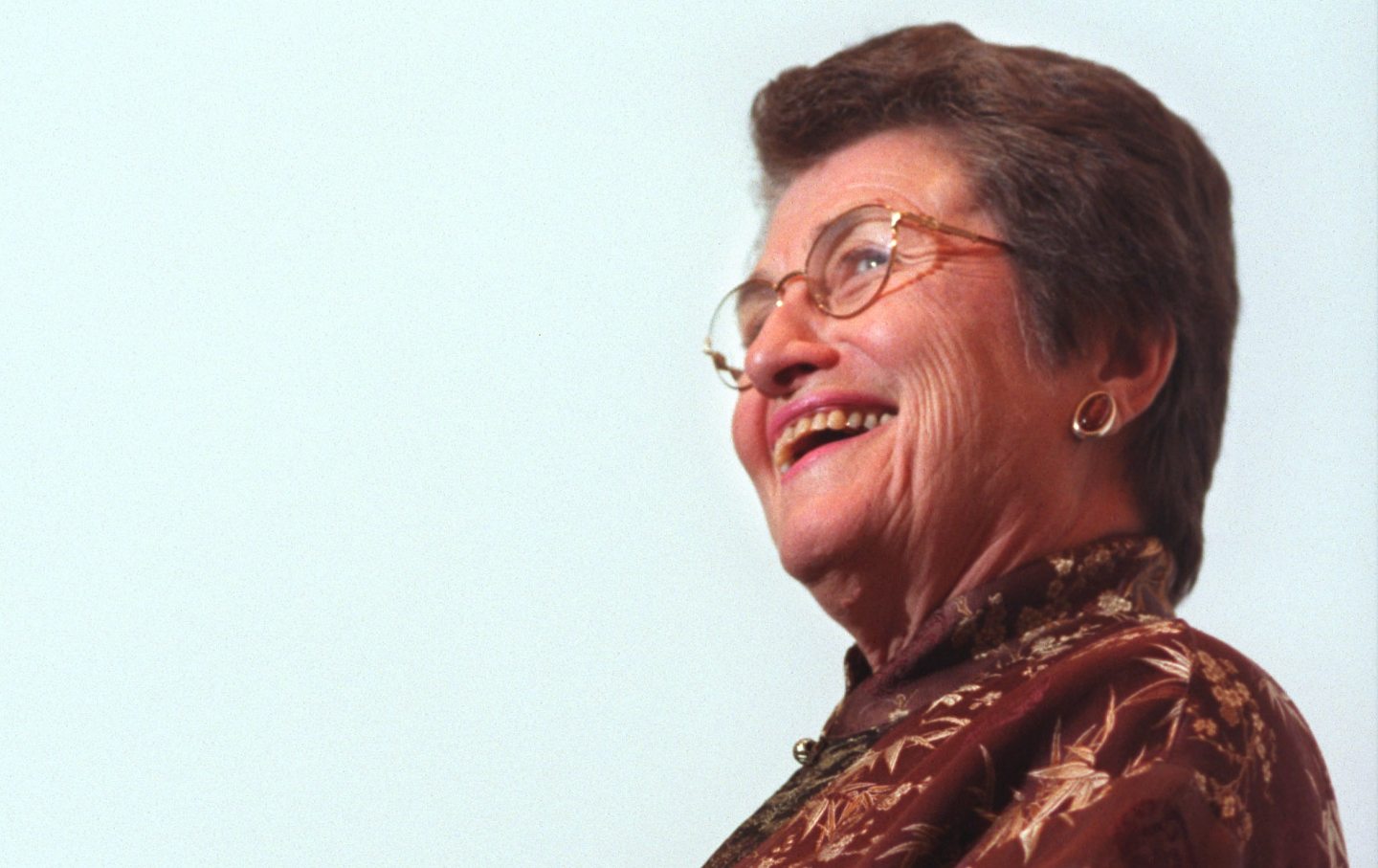
Cora Weiss died in December at age 91. She never stopped campaigning to save the world from nuclear destruction.
Between 1958 and 1970, researchers in St. Louis collected 320,000 baby teeth. Unusual though that image might be on its own, the discovery that came out of it was far more disturbing: Fallout from nuclear weapons tests had made its way into the bodies of the very youngest Americans.
Indeed, the resultant Baby Tooth Survey found that children had absorbed elevated levels of strontium-90—a carcinogenic radioactive isotope. The study attracted widespread attention, including from President John F. Kennedy. The month before his assassination, he signed the Limited Test Ban Treaty of 1963—the Cold War’s inaugural arms-control agreement.
As Kennedy, a young father, said at the time: “The loss of even one human life or the malformation of even one baby—who may be born long after we are gone—should be of concern to us all. Our children and grandchildren are not merely statistics toward which we can be indifferent.” That presidential recognition and action came at the urging of not just scientists but grassroots activists such as Cora Weiss, a New York City mother who sent her own children’s teeth to be tested and made peace her priority.
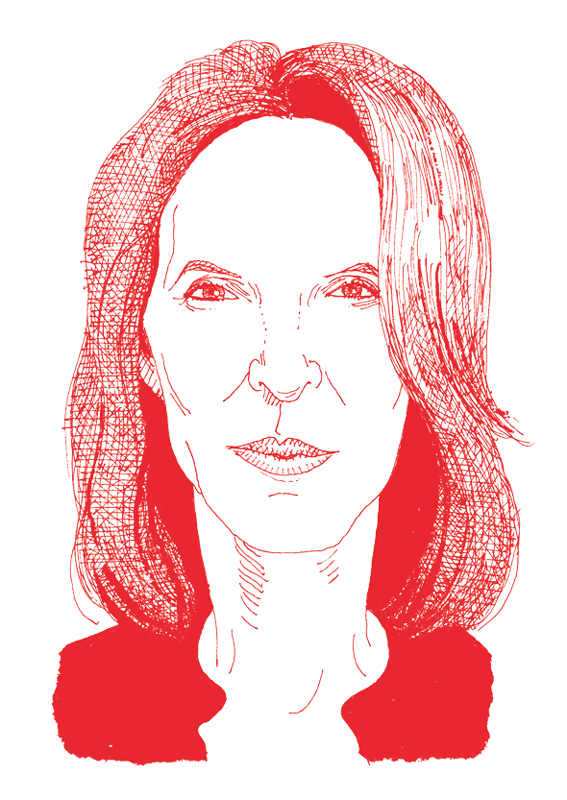
Cora, my friend and frequent collaborator, died in December at age 91. She was a champion of the United Nations and its mission to advance peace and women’s rights—and along with her husband, Peter, a brilliant international lawyer, she never stopped organizing to save the world from nuclear destruction. Unfortunately, in the last months of her life, that organizing became more necessary than ever.
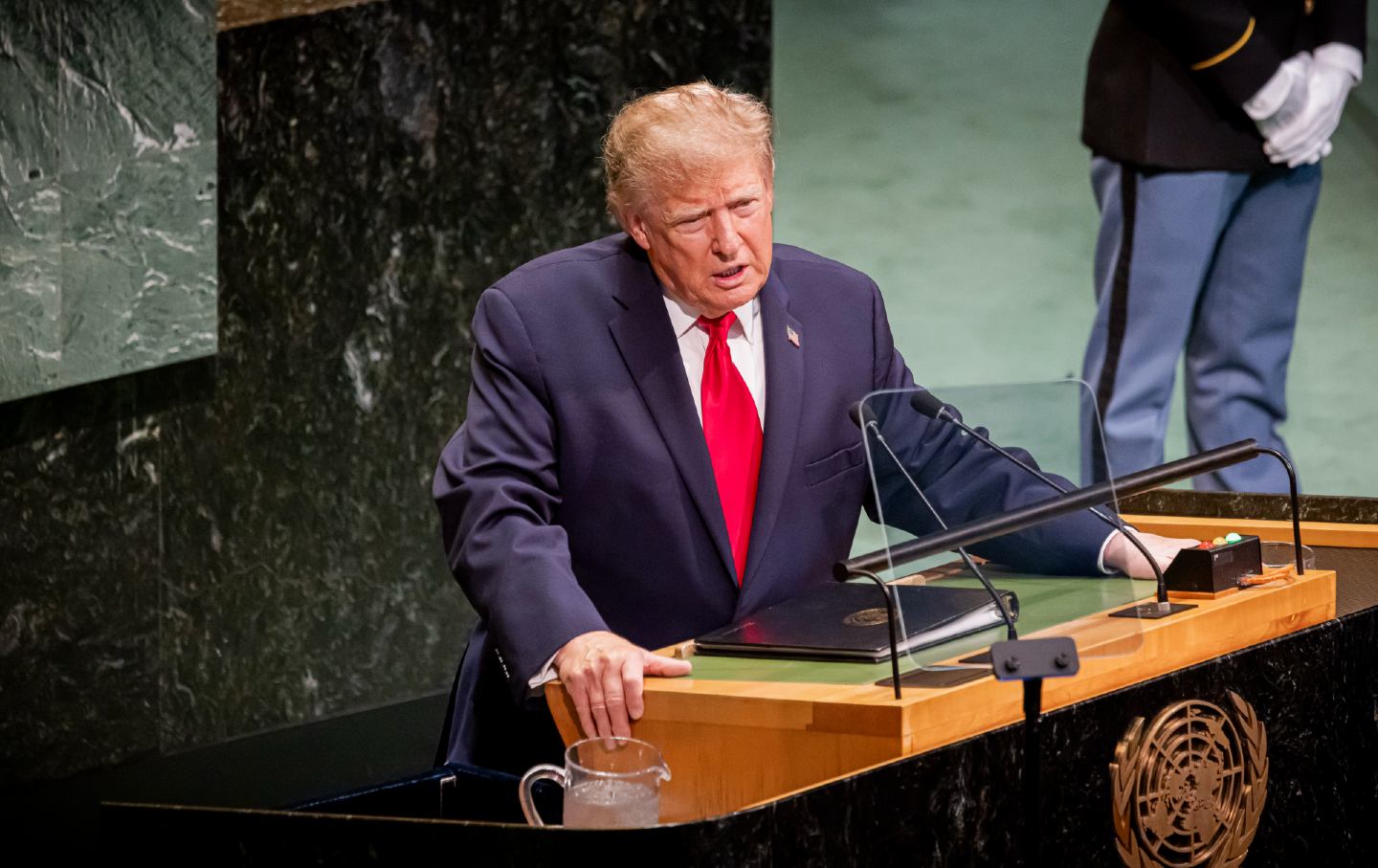
In the fall of 2025, Kennedy’s acknowledgment of the dangers of nuclear weapons gained a grim new relevance when President Donald Trump announced that the United States might resume nuclear testing. Exactly what form these tests will take is unclear, but if Trump initiates a new era of explosive nuclear testing, it will constitute a catastrophic break from decades of hard-won restraint.
This move risks restarting a nuclear arms race, and Russia is already vowing to “take reciprocal measures” should the United States resume tests. Trump’s saber-rattling ignores the repercussions of nuclear testing that led the world to this moratorium in the first place.
This painful legacy is perhaps most acutely felt in the Marshall Islands, where the United States tested 67 nuclear weapons in the years following World War II. In 1954, the United States detonated its most powerful hydrogen bomb, Castle Bravo, on the archipelagic nation’s Bikini Atoll. The blast was more than 1,000 times stronger than those inflicted upon Hiroshima and Nagasaki. Only after testing, the residents were evacuated and told they could soon return. But they were not allowed home for 15 years—and even then, they were soon re-evacuated from the radioactive island, which remains virtually uninhabited to this day.
In the years since the detonations, Marshall Islanders who were exposed to nuclear fallout have experienced increased rates of cancer, leukemia, and infants born with congenital defects. On one atoll, 20 out of 29 children under 10 developed thyroid cancer. These catastrophic effects have reverberated across generations: More cancers are on the horizon for a community that has already lost so much.
Popular
“swipe left below to view more authors”Swipe →To Trump, this death, disease, and destruction is perhaps a small price to pay for Making America Fearsome Again—and he, after all, will not be paying it.
Senator Ed Markey, a longtime congressional leader in the fight for nuclear disarmament, writes for The Nation in this issue: “Instead of deterring foreign nations, renewed testing would be like throwing gasoline on the arms-race fire.”
He’s right, but can movements be mobilized to avert Trump’s march toward madness? Cora Weiss taught us the answer to that question.
It’s vital to recall the history of activists like Cora, who found the tools—and the teeth—to prevent nuclear war. In 1961, she joined a local chapter of Women Strike for Peace, a movement to end nuclear testing. Activism that started with sending her children’s baby teeth to St. Louis evolved into world-shaping leadership as the United Nations’ representative at the International Peace Bureau, and as its president between 2000 and 2006. Cora, who co-chaired the New Mobilization Committee to End the War in Vietnam, was a pillar of much of the anti-war organizing—including trips to return POWs, and efforts to humanize the Vietnamese people in the eyes of Americans and to convey the war’s impact on women and children.
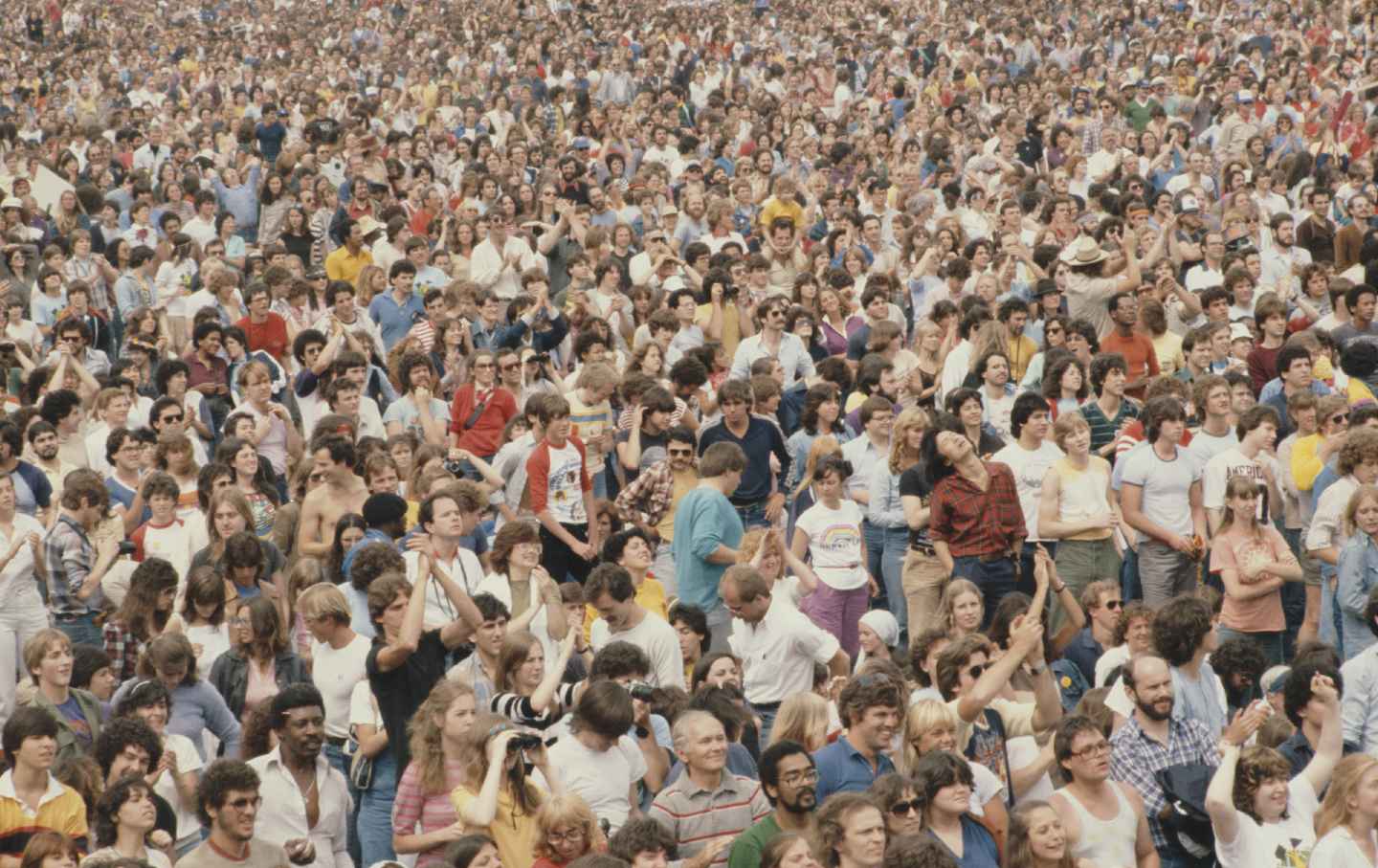
She would go on to organize one of the largest antinuclear marches in history—1 million people who gathered in New York City’s Central Park on June 12, 1982. She also drafted the unanimously approved UN resolution affirming the importance of women’s roles in the peace and antinuclear movements.
“I wasn’t making a revolution,” Cora told the Columbia Center for Oral History in 2014. “I was just working hard and long.”
It’s time to work every bit as hard and long as Cora did to create a world of peace safe from nuclear accidents, conflicts, or all-out war. It is the least we can do for the generations of people still facing the radioactive fallout of US recklessness.