How QR Codes and Demonstrations Can Expand the Circle of Opposition
Codes can also be used to register voters.

Powerful as our anti-Trump demonstrations are becoming, we can do more to engage new participants. The No Kings Day marches and rallies showed strength and spirit, boosted participants’ courage, gave us voice through our numbers and the breadth of our presence. Trump’s Iran strikes should fuel resistance still further. But whatever aspects of the regime’s actions we’re highlighting, we also need to see demonstrations as organizing opportunities, to connect new people to the growing movement challenging Trump’s regime.
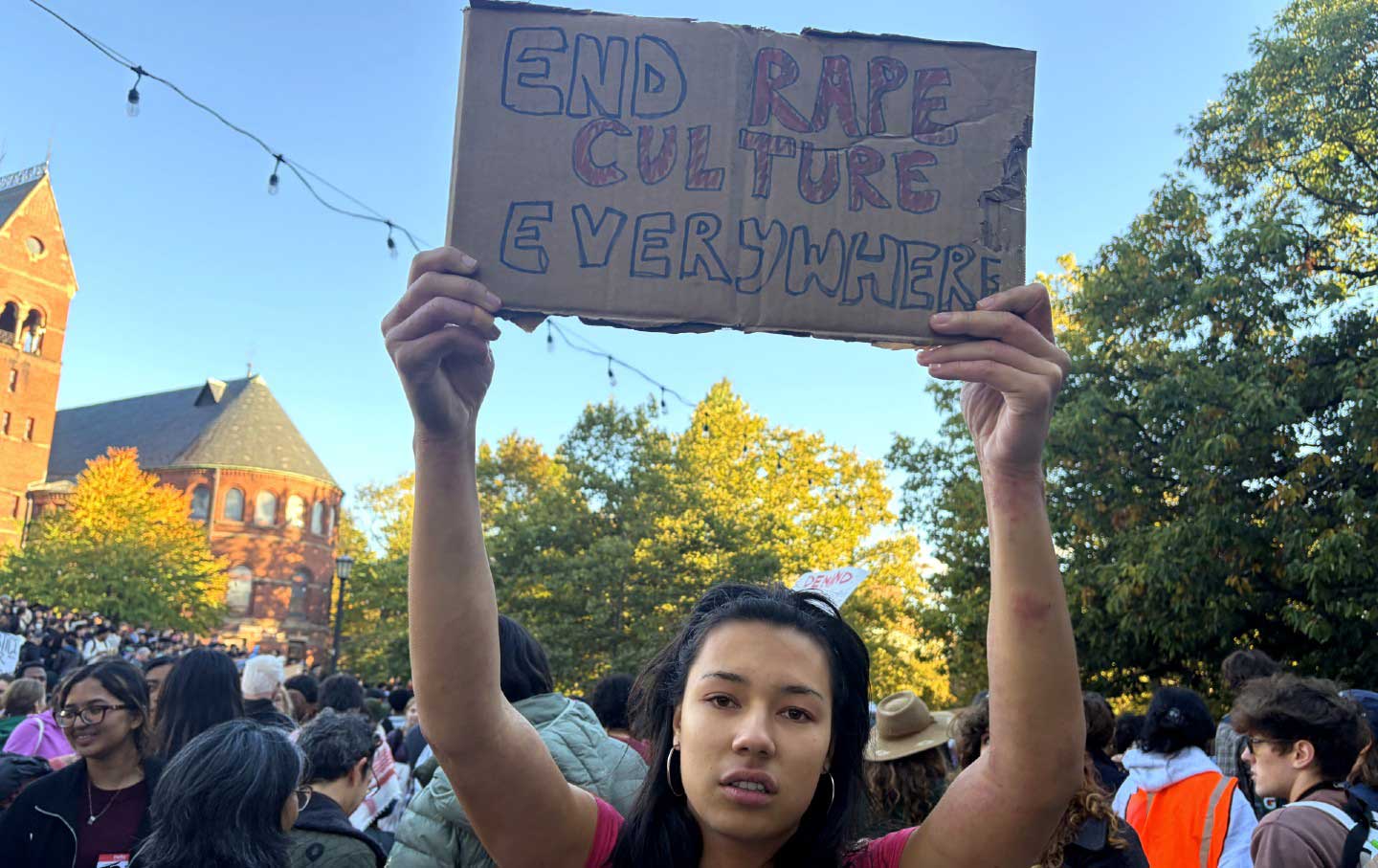
What if future demonstrations, large and small, included QR codes on signs, so new participants can connect to the growing movement? And if major organizations created joint sites for anti-Trump T-shirts, bumper stickers, and buttons with QR codes that similarly connected people?
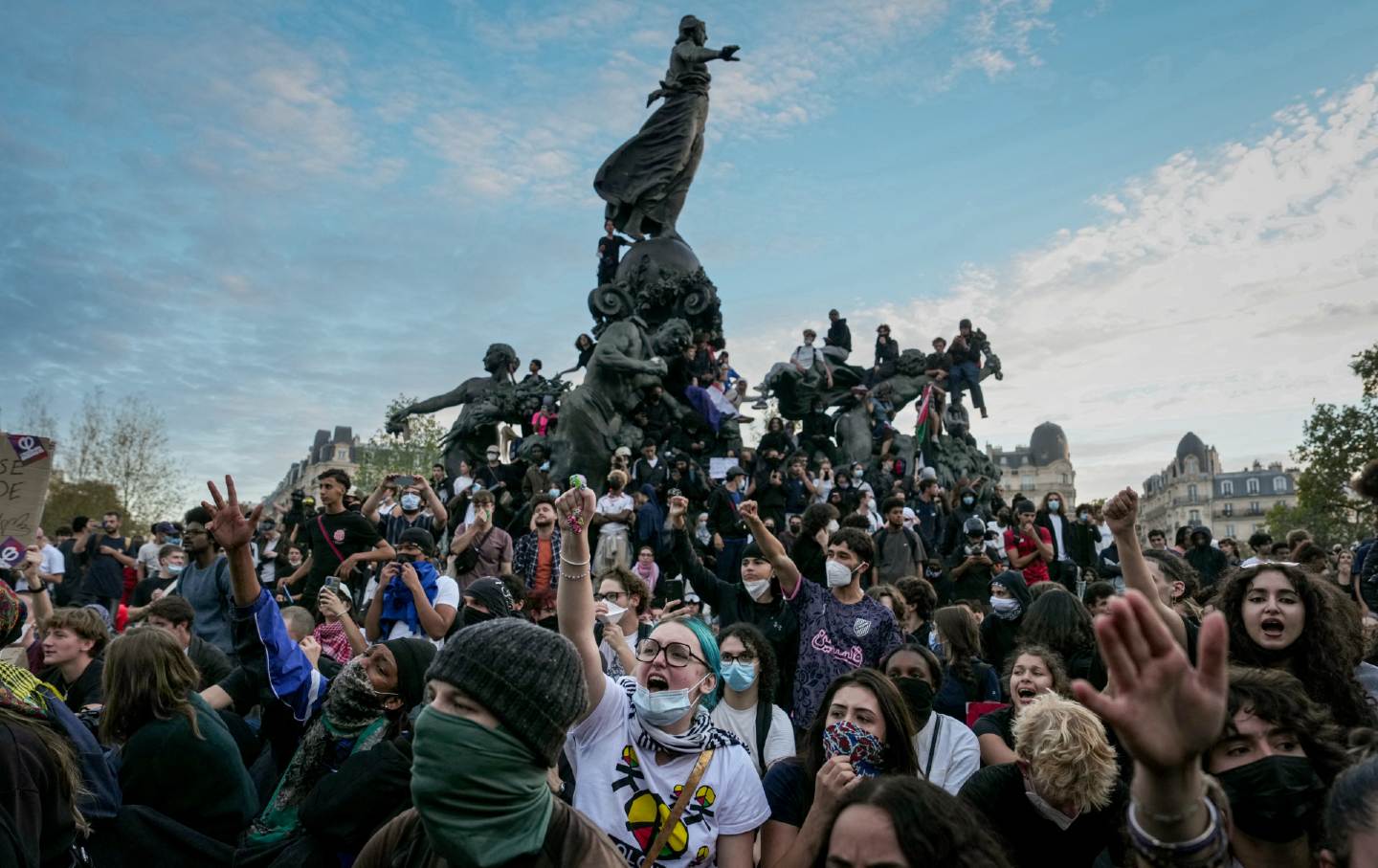
Many people who attended the demonstrations were already connected to various organizing groups. But most weren’t. They came in through advance media coverage, which may not happen as much next time, because there won’t be a concurrent Trump parade. They came because they saw signs on the streets. Friends told them last minute. We’ll never know the precise mix, but it’s critical to engage people who join movements at their moments of greatest participation. We do that best by connecting them with organizations that can offer continued resources to speak out and act, and to help new participants engage others.
With enough volunteers, sponsoring groups can do this by directly approaching attendees to sign people up to get alerts from organizational web and social sites, to register them to vote, or to enlist them in follow-up canvasses and phone banks. But that’s hard when you have massive crowds. So for the next major national event, but also for large local actions, organizers could put QR codes on banners and signs that would link to a site where people could sign up with key sponsoring groups. Volunteers could circulate the signs through the crowd, with messages like “Stay Involved. Sign Up Here,” followed by the QR code. QR codes can also be used to help people register to vote.
The same approach could work with movement gear. It’s great that people are beginning to wear No Kings and anti-Trump T-shirts and buttons. They send a critical message that Trump may have power, but we do too, and that the more of us who act together, the more power we have. MAGA hats helped make Trump supporters a movement. Our own shared symbols can strengthen us as well.
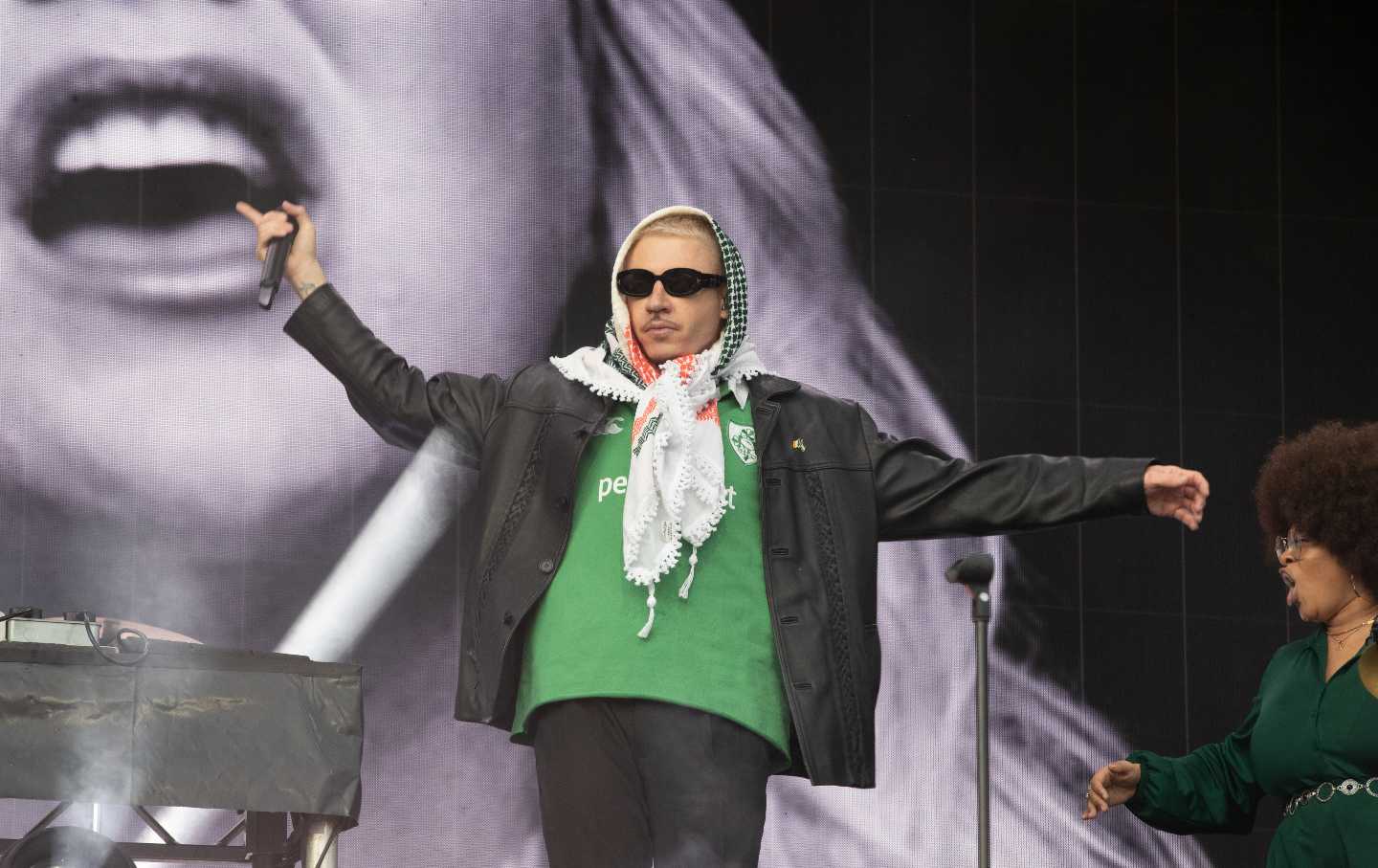
Buit while this gear is easy enough to find online, it doesn’t offer people ways to participate. Adding QR codes directing people to online engagement hubs could do this. The same QR codes could even be used by supportive musicians, displaying them on stage to help engage their concertgoers.
Organizing coalitions using QR codes at marches and other events would have to decide which groups to feature: 200 organizations sponsored No Kings. But organizers can give people a choice with links, so it doesn’t have to be just one group. Organizations that grow rapidly also face the challenges of new participants, including those with differing agendas. We saw this in the Vietnam War–era movements, the Arab Spring, and the 2013 Brazilian protests that started out opposing bus fare hikes but inadvertently paved the way for Bolsonaro (as Vincent Bevins chronicled in If We Burn). But if we’re to engage people in the numbers necessary to turn back the Trump regime’s attacks on democracy and so much else, we must get new people engaged and helping to engage others. QR codes can be an important tool to help do this.