
Zohran Mamdani Won the Internet
Amazingly, he then translated that into a real-life victory that will forever change the way elections are fought.
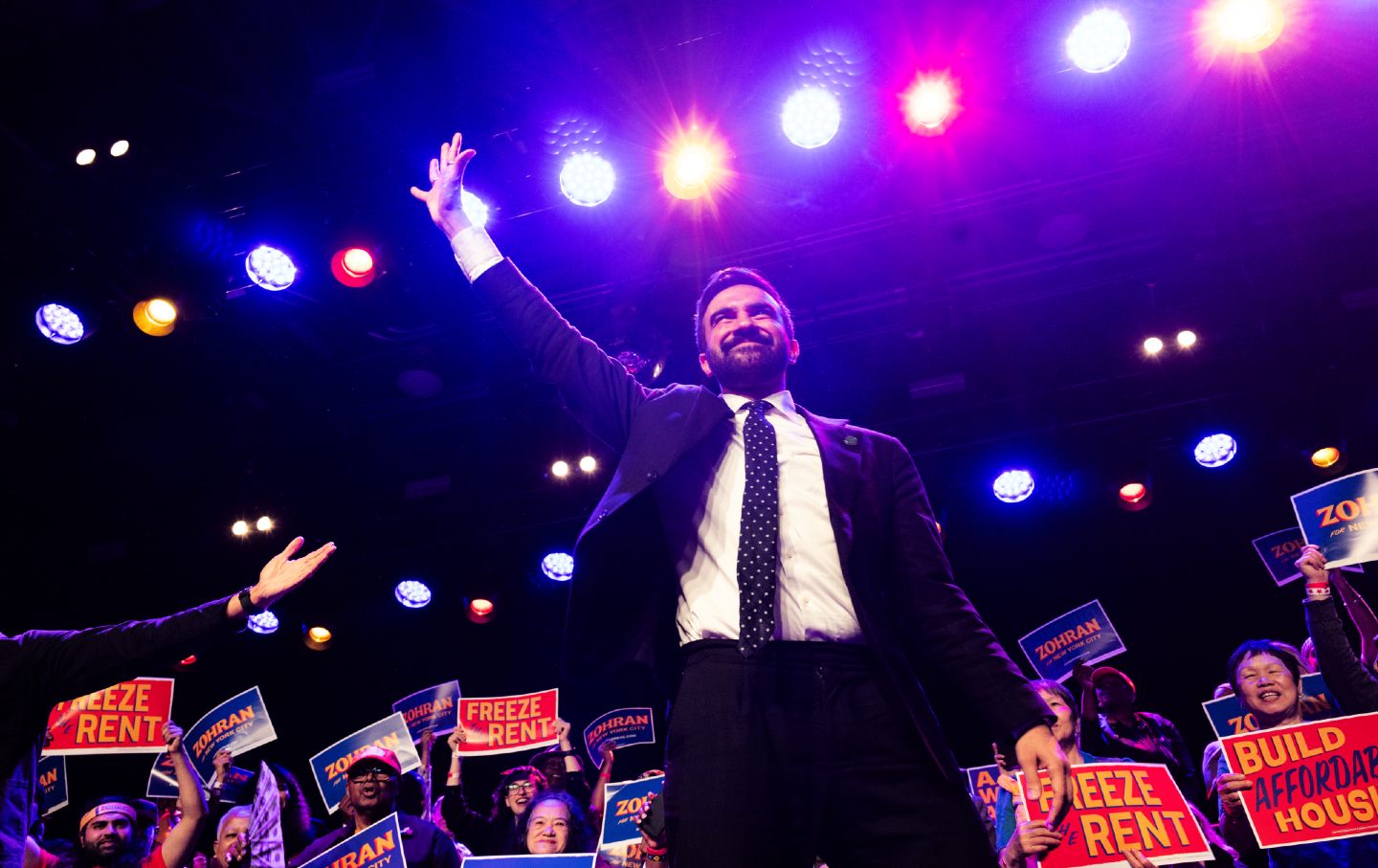
Zohran Mamdani, the 33-year-old Democratic Socialist who won a commanding upset victory in New York City’s Democratic primary last night, had already won long ago in the eyes of the Internet.
Many pundits and pollsters forecast an inevitable triumph for the scandal-scarred Andrew Cuomo—who resigned as New York’s governor in 2021 after facing sexual harassment allegations from multiple women—on the basis of his name recognition and experience. But Cuomo’s campaign, despite his billionaire-funded super Pac blasting ads over and over again on TV, was never able to make any headway organically, unlike the campaign of his main competitor, Mamdani. The New York State assemblyman and former rapper used social media to aptly highlight his telegenic smile, progressive values, and erudite sense of humor, which not only captivated audiences online but motivated them to volunteer in person and vote despite sweltering, record-breaking heat yesterday.
Mamdani, who is on a first-name basis with New Yorkers, revolutionized the race before he even entered it. Prior to his official announcement in October 2024, he did a soft launch criticizing Mayor Eric Adams on Subway Takes, the oft-viral account that has a mass following online—but also enough legitimacy to do official partnerships with the MTA. Commenters in July already supported him, with one saying, “Zohran for mayor!” Mamdani’s campaign transcended expectations in the mayoral election, and his primary victory—a surprise only to those not paying attention online—is ripe with lessons that leftists can emulate to help create grassroots organizing online for other races in a way that can translate to tangible victories.
From his first foray into the campaign, Mamdani has consistently outperformed his competitors with his social media usage in a way that is reminiscent of Alexandria Ocasio-Cortez’s groundbreaking victory against Joe Crowley in 2018—but on a much larger scale. His humor, wit, candor, and linguistic abilities were on full display, alongside his telegenic face and stylish wardrobe. (He is the only male candidate with multiple rings and jewelry, which, while himself solidly millennial, acts as a nod to Gen-Z supporters.)
In January, he campaigned at Coney Island’s Polar Bear Plunge, but added a working-class message as he jumped into the frigid temperatures: “I’m freezing… your rent as the next mayor of New York City,” he said in videos that ran on multiple social media platforms, including Facebook. He did collaborations with celebrities, including Cynthia Nixon, who ran against Cuomo in 2018. On Election Day, he shared a video from Bernie Sanders encouraging people to vote for Mamdani despite the record-high temperatures, as well as multiple videos with model and author Emily Ratajkowski, who was wearing a “Hot Girls for Zohran” T-shirt.
But while Mamdani has consistently done well online and built a strong and supportive community, he wasn’t taken as seriously by pundits and even other candidates until right before the election. In March, The New York Times called him a “TikTok savant,” lavishing praise on him when it seemed safe to assume social media wouldn’t translate to real numbers at the polls. By June, the Times was concerned with the assembly member’s lack of experience—a sign, despite the attacks being thrown at him, that he was actually becoming a front-runner. The editorial board, in a piece titled “Our Advice to Voters in a Vexing Race for New York Mayor,” wrote, “Mr. Mamdani would also bring less relevant experience than perhaps any mayor in New York history.”
In many elections, social media doesn’t always translate into actual electoral victories. But Mamdani’s win is prescient and emblematic of a new era where the Internet not only represents reality but can predict it. For months, Mamdani supporters have demanded a win and it has finally materialized. They turned out to be right—and virtually all traditional pollsters (at least until the very end when some polls finally caught up to the reality of his movement) were wrong and didn’t see Mamdani’s success even though the likes, comments, and celebrity collaborations were there on Instagram for all to see.
This new kind of politics, one that reveals an enormous generational divide, marks a fresh era for campaigns, politicians, and technology. The identity of a politician, with an online and offline self, is no longer justifiably separate; to win large races, it is clear that an Internet persona can be more important than PAC-funded TV ads. Social media videos don’t require billionaire funding. Success online simply requires an engaged audience.
This new stage of social media–led victories is helpful for other, smaller campaigns and leftist candidates challenging establishment candidates. Social media, while not without its flaws, does allow candidates to create grassroots movements that can transcend billionaire-funded campaigns. Bernie Sanders set the stage for this movement, AOC capitalized on it, and Mamdani has created a feasible blueprint for smaller elections across the country.
It’s true that social media isn’t always representative of real life. This statement was made time and time again by many who felt that the video views didn’t translate into the reality of the political landscape. After all, views can come from anywhere. Social media is, however, a valuable tool for grassroots organizers. TV ads are expensive. Mamdani, who utilized public matching funds, stopped fundraising when he maxed out in the New York’s public matching funds system back in March, reaching the spending cap of about $8 million. He made a video, which has over 1.8 million views on Instagram, telling people to stop donating their money and instead donate their time. He used social media to make his asks and curate a dedicated group of volunteers that became engaged through his online movement and then implemented real-life, tried and true campaign tactics.
Mamdani prioritized voter contact. His campaign knocked on more than a million doors. Voter engagement started online to garner excitement but found a victory through traditional methods. Days before the election, Mamdani walked the length of Manhattan, from Inwood Hill to Battery Park, to engage with voters. This was, of course, also captured online. Mamdani used social media to produce ads, but even though they were carefully crafted, they were unique in that they emphasized his individuality and essence, highlighting his brand rather than homogenizing it into typical stale, politician-speak. This candor and personality made them useful as a recruitment organizing tool that allowed volunteers to move from the online space into community organizing that truly prioritized engaging and educating the public.
People-powered campaigns do work. Mamdani’s victory is proof that maintaining strong and even unapologetic views is key to motivating people to engage with politics, from voting to volunteering. Taking bold, uncompromising positions is sometimes seen as political suicide. But, in contrast with the unpopularity of milquetoast Democrats, especially in a bold and liberal city like New York—think one-term centrist Representative Max Rose, who often tried, and failed, to appease all sides—it is clear that principled and firm messaging that is unapologetically progressive actually helps and encourages voter turnout.
Popular
“swipe left below to view more authors”Swipe →After Hillary Clinton lost the primary to Donald Trump, it seemed that Democrats would learn that voters need someone to vote for and not just against. But it has been almost a decade since then and Democrats, on a national level, still seem to underestimate the need for a strong, bold, and progressive candidate. It is progressiveness that encourages young voters, old voters, and new voters to actually show up at the polls. Relying on being the lesser of two evils or the commonsense candidate or any other outdated trope simply doesn’t win elections.
So, what is the new blueprint for Democrats, as illustrated by Mamdani? Candidates must build a grassroots effort. For all elections—but especially elections covering large swaths of territory and voters—social media must be used in a way that stays true to the candidate’s message and motivates people to engage with the campaign online and offline. Citizens United makes it clear that super PACs aren’t going anywhere. But the people can take back the elections, as long as they are able to receive the progressive message.
More from The Nation
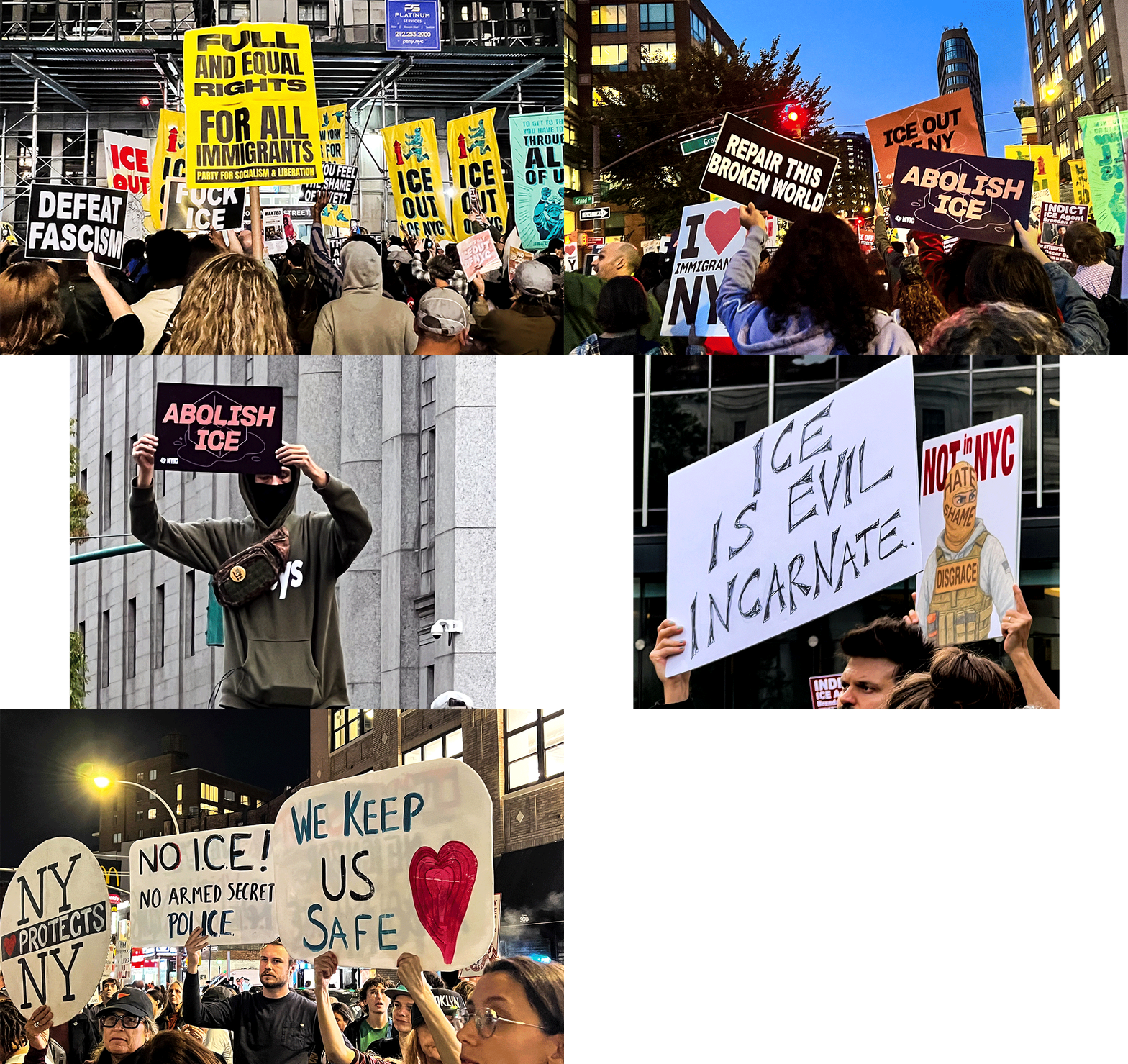
Abolish ICE Abolish ICE
Demonstrators take to the streets in protest against an ICE shooting in New York City. Foley Square, October 2026.
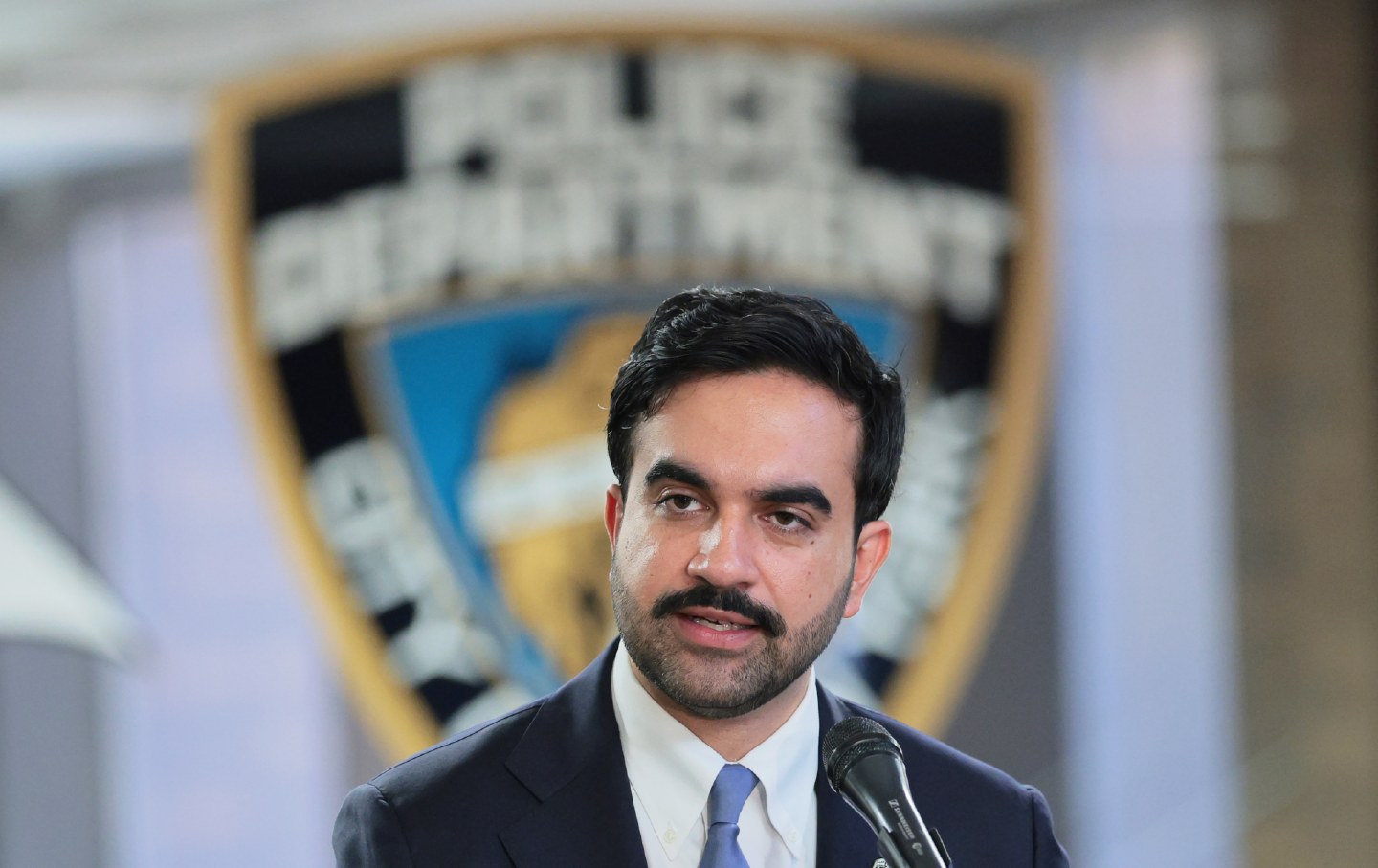
Mamdani Is Facing Heat Over the NYPD. Here’s What He Should Do. Mamdani Is Facing Heat Over the NYPD. Here’s What He Should Do.
The mayor is being given a series of false choices over his public-safety agenda. But there is another way forward.
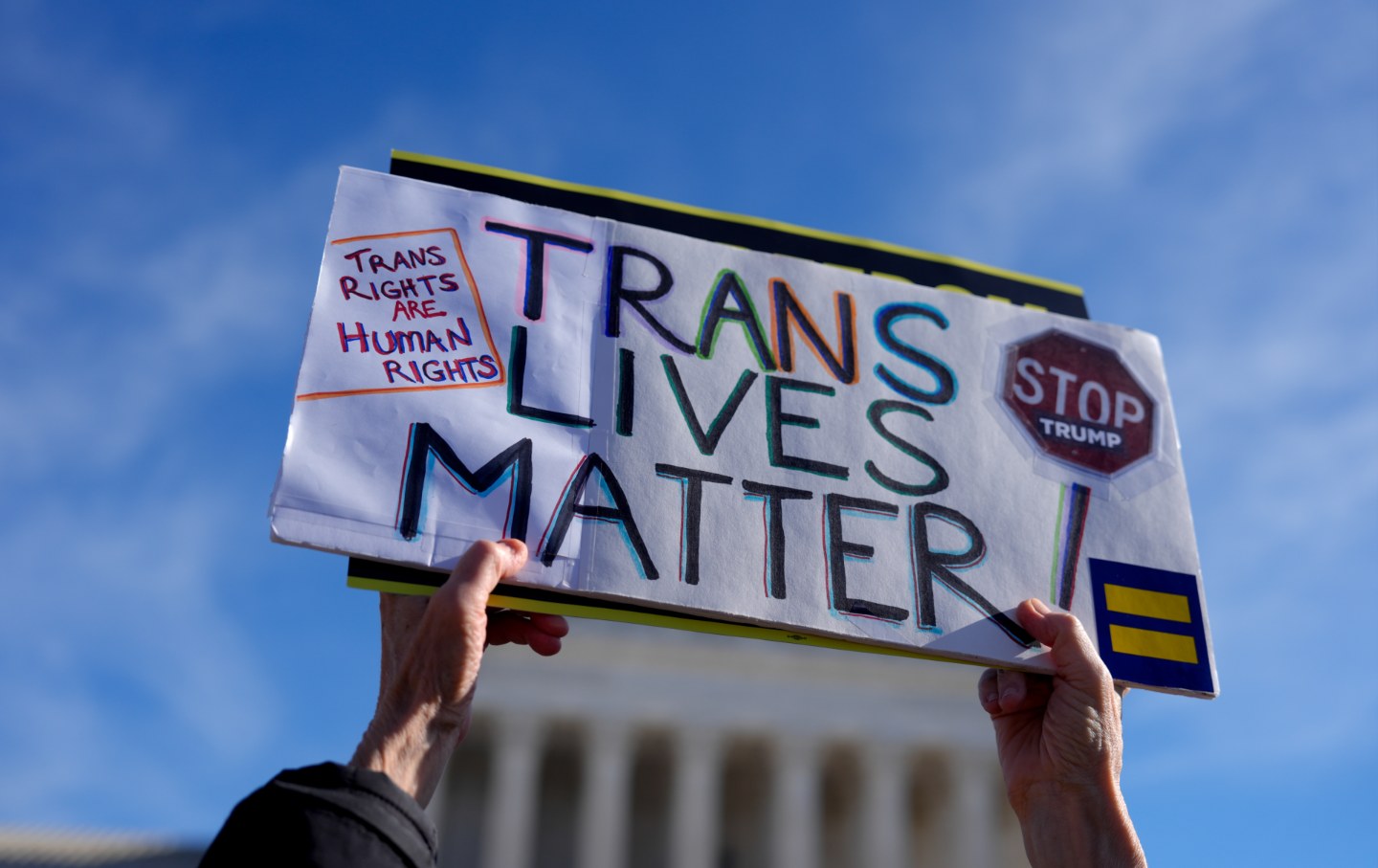
Why Calling Anti-Trans Hate a “Distraction” Is So Troubling Why Calling Anti-Trans Hate a “Distraction” Is So Troubling
It’s a familiar line in the midterms: Anti-trans attacks are a “distraction” from “kitchen-table” issues. That sends a chilling message about whose rights are worth fighting for.
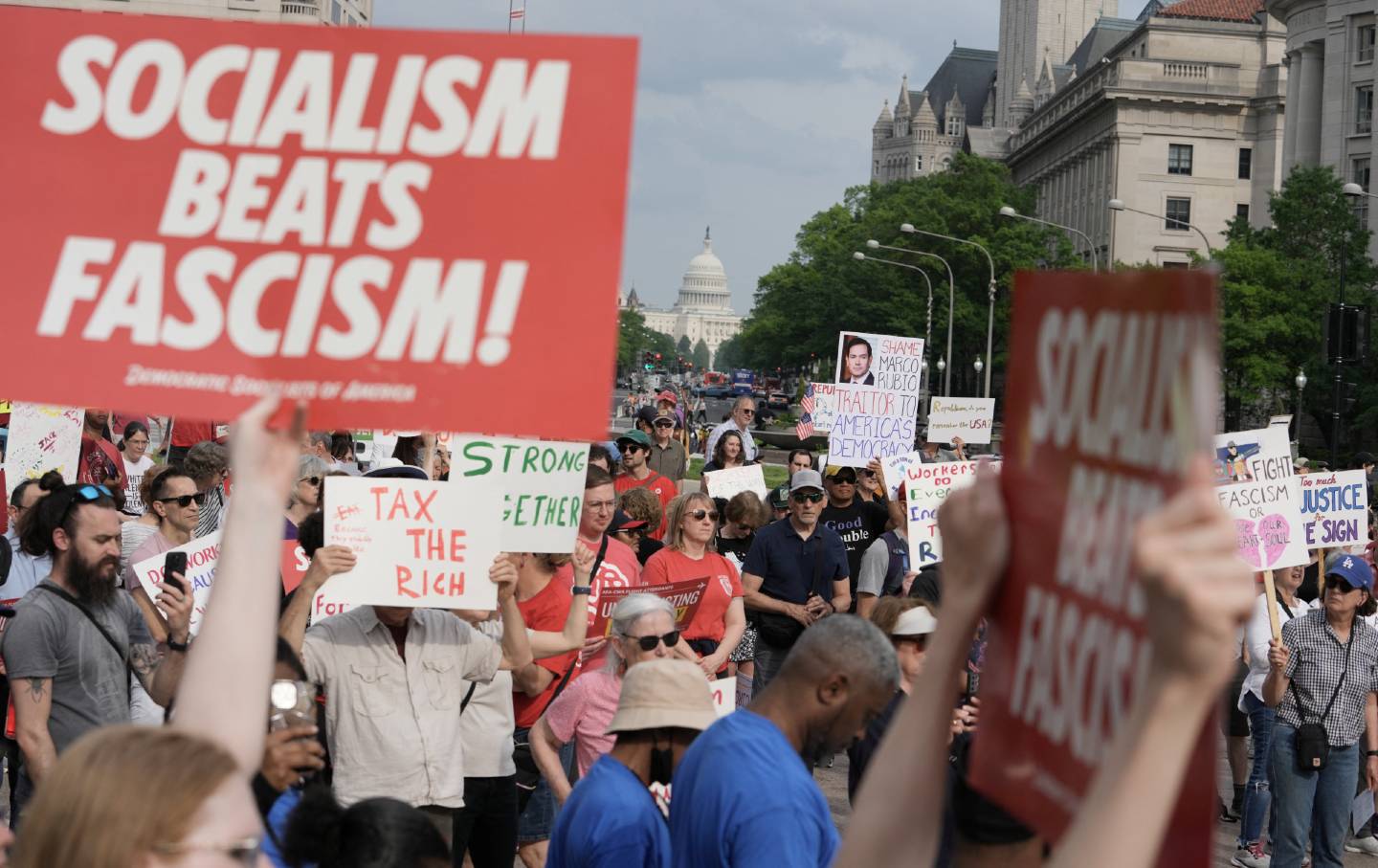
So What Is Socialism, Anyway? So What Is Socialism, Anyway?
In a world dominated by neoliberal market fundamentalism, “socialism” is what will make a more moderate, regulated form of capitalism work for most people.
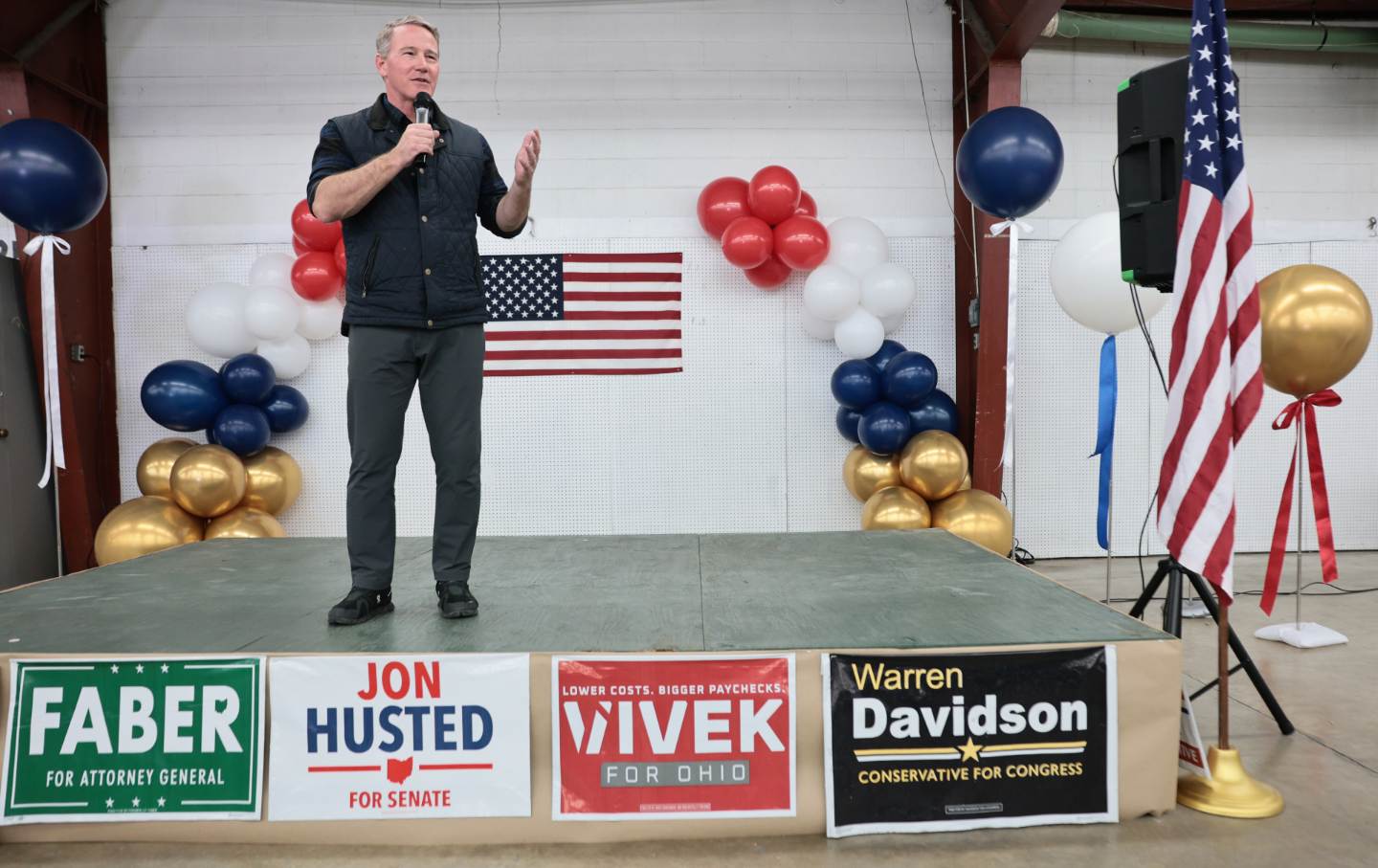
Will the GOP’s Big Money Save Jon Husted in Ohio? Will the GOP’s Big Money Save Jon Husted in Ohio?
Former senator Sherrod Brown is leading in most polls, but a tidal wave of spending may prop up the struggling incumbent.
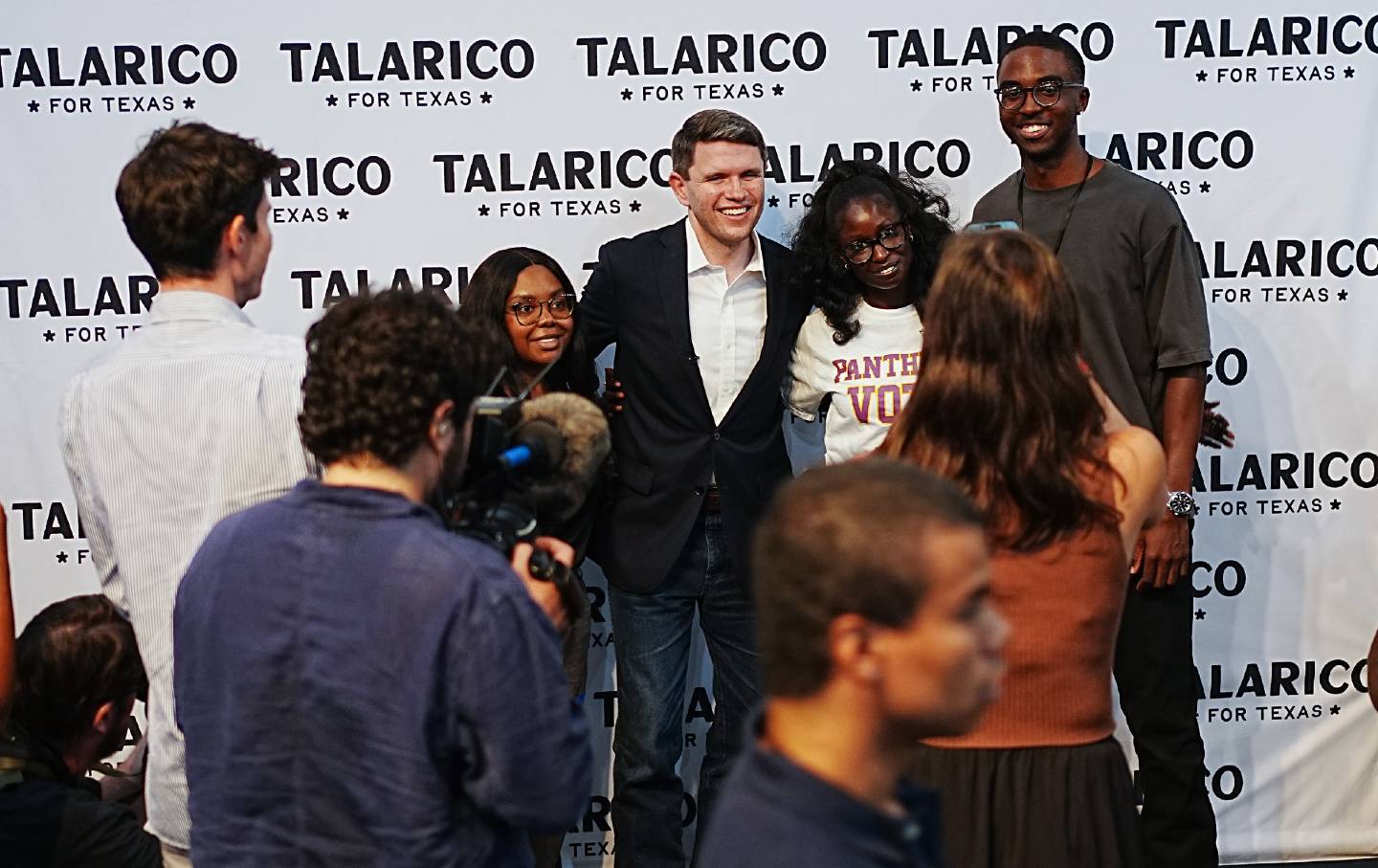
James Talarico Is Preaching a Gospel of Pluralism James Talarico Is Preaching a Gospel of Pluralism
He’s not the only progressive doing it.

