Is Mark Carney a Climate Radical?
Canada’s prime minister–designate backs the science that says most fossil fuel can’t be burned.
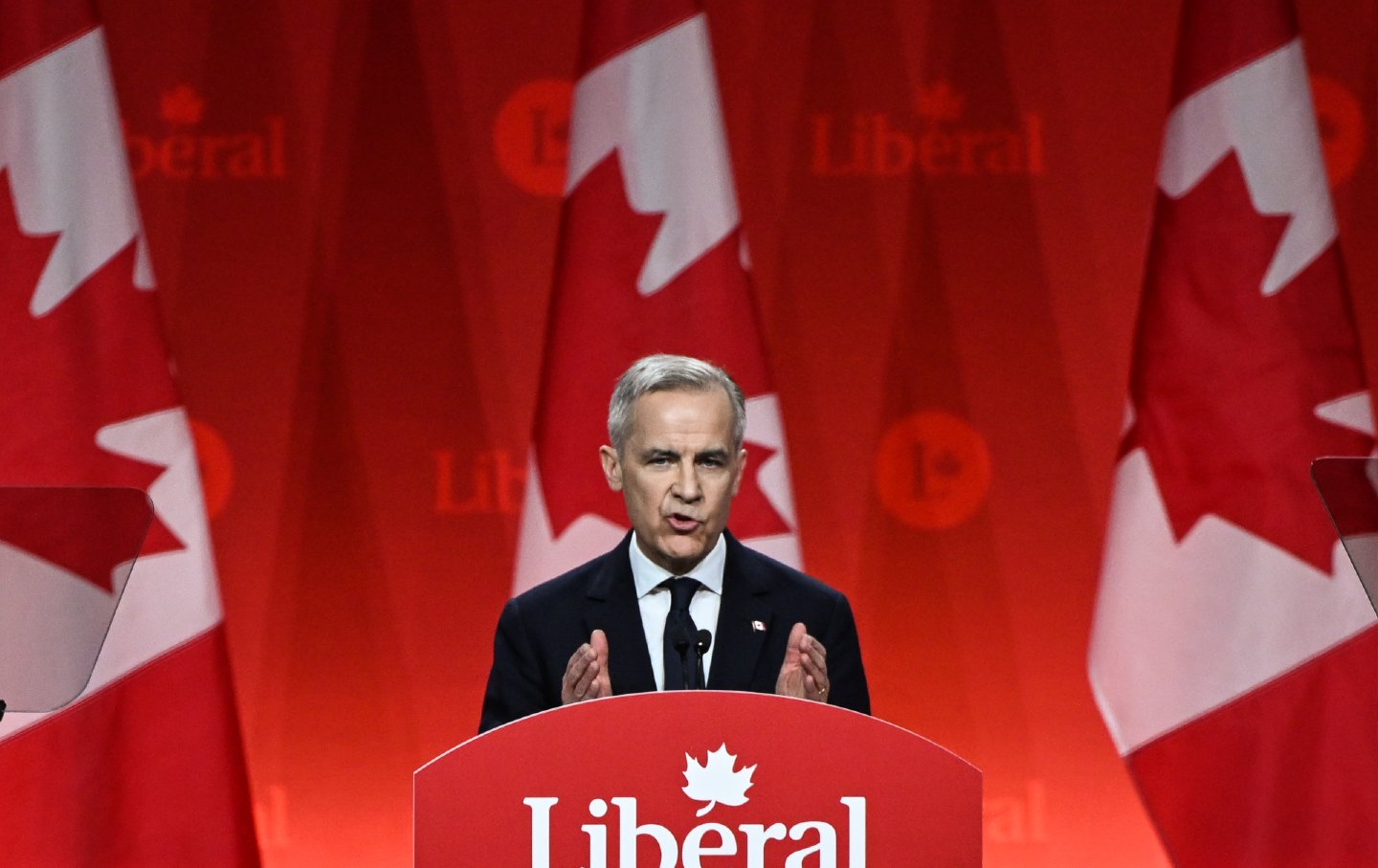
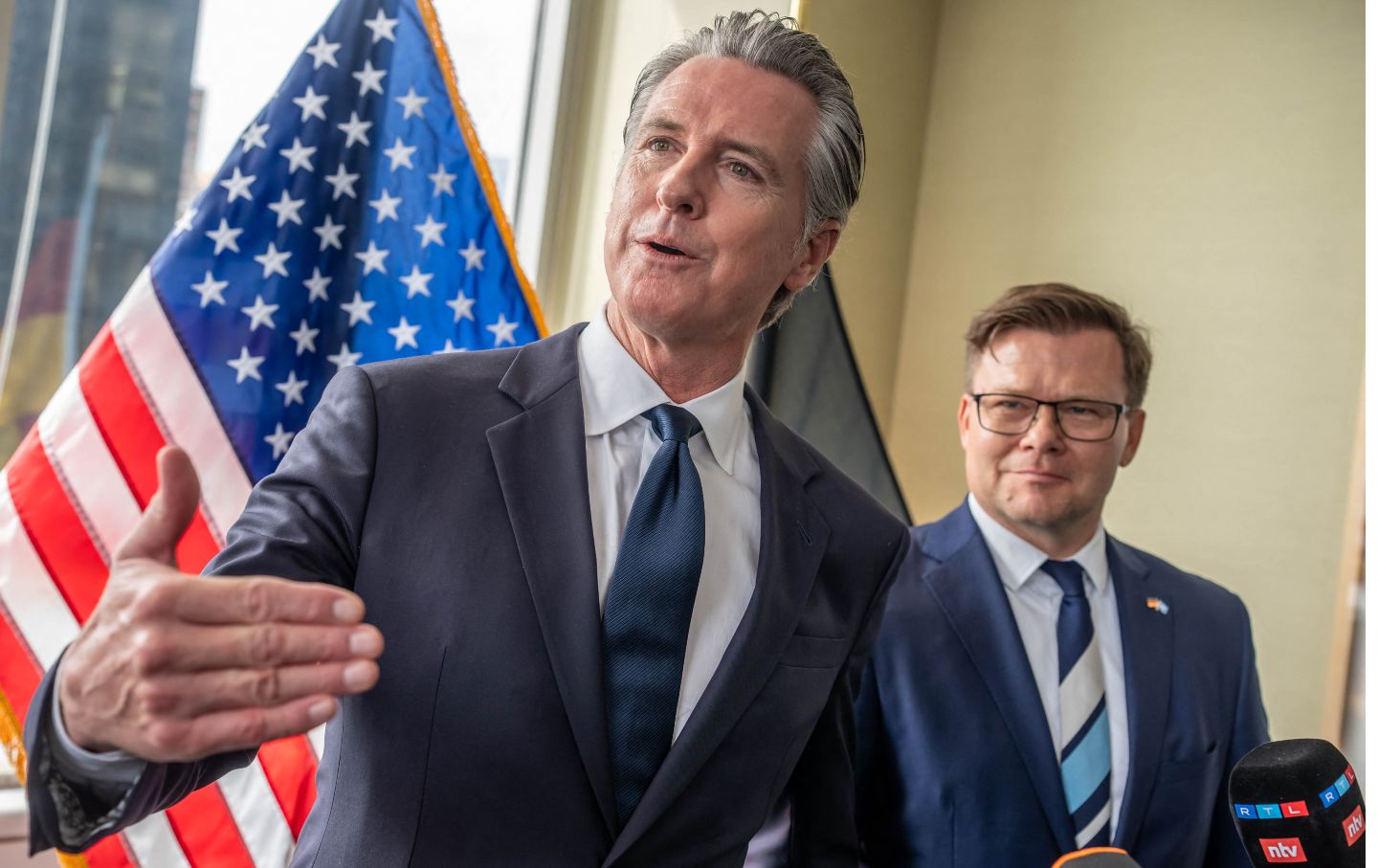
The business beat has long been an ideal perch for reporting the climate story, and it’s doubly so now that Mark Carney is becoming the new prime minister of Canada. Initial reporting on Carney replacing Justin Trudeau as the Liberal Party leader and designated prime minister focused on the implications for Canada’s trade war with the United States, where President Donald Trump on Tuesday repeated his increasingly aggressive threats to annex the US’s neighbor, saying the only way for Canada to avoid Trump’s tariffs “is for the country to ‘become our cherished Fifty-First State,’” the CBC reported.
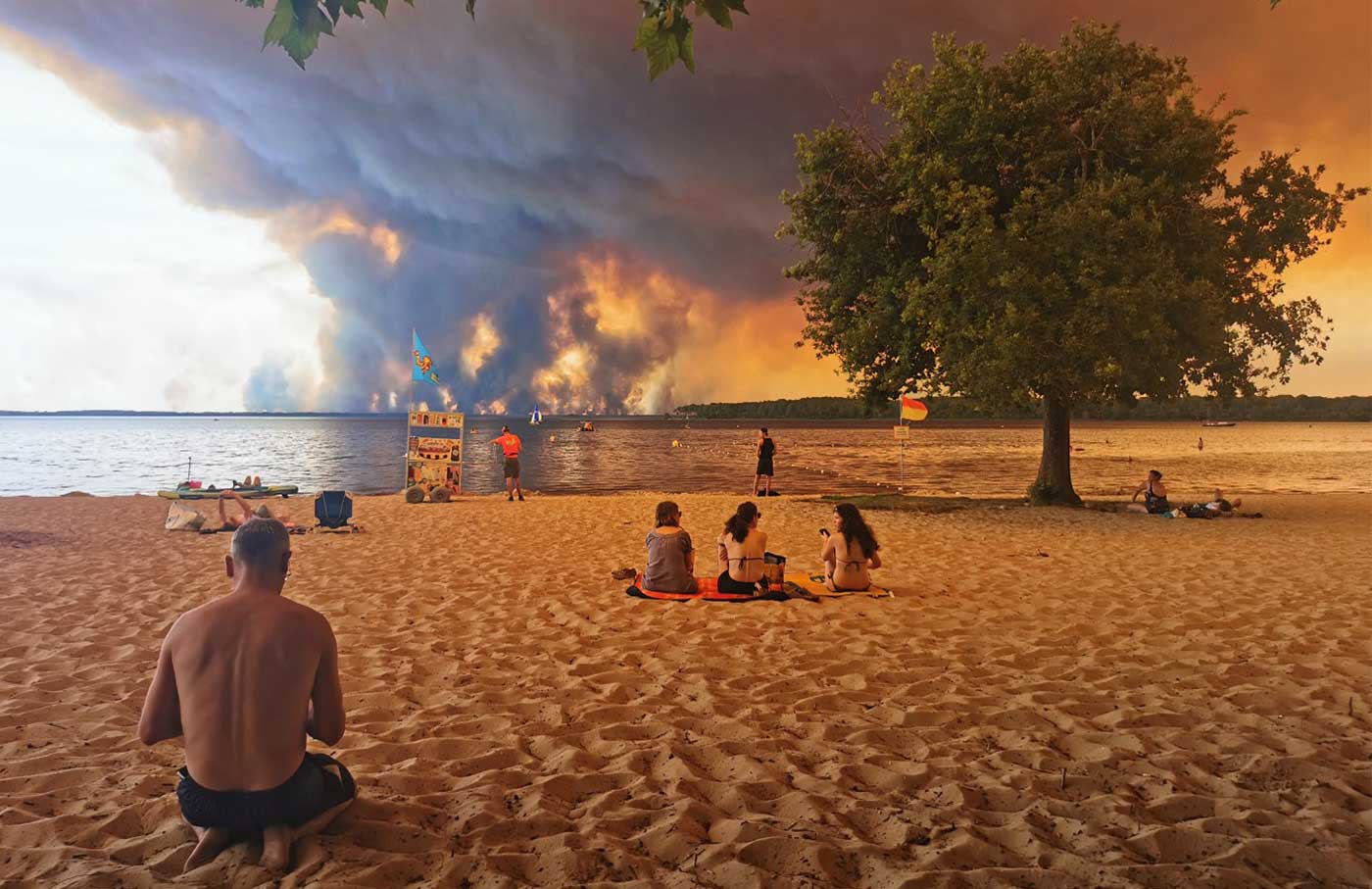
What hasn’t yet gotten much press attention are Carney’s views about climate change and fossil fuels, which are commendably grounded in science but carry radical political and economic implications. Over the past decade, Carney has repeatedly stated that the vast majority of Earth’s remaining reserves of oil, gas, and coal must be left in the ground, unburned—because burning them would risk a catastrophic overheating of the planet. The world’s climate scientists have been saying exactly that with increasing urgency for years. But leaving most fossil fuels in the ground poses enormous practical challenges for Canada, one of the world’s foremost producers and exporters of oil and gas. It also could be another flash point between Canada and the US, which now is led by an administration promoting climate-change denial.
With new elections expected very soon in Canada, this consequential twist in the climate story cries out for fresh reporting. Canada’s opposition parties will call for a vote of no confidence when parliament resumes on March 24; if the vote passes, Canadians would return to the polls, probably by early May. As Carney faces voters, reporters might well ask if he still believes that most fossil fuels must be left unburned. And if so, how does he plan to pursue that vision when fossil fuels are such a big part of Canada’s economy?
In a landmark speech he gave as the head of the Bank of England in 2015, Carney warned that excessive investment in fossil fuels threatened a repeat of the 2008 global financial collapse. The International Energy Agency had recently concluded that only about one-third of the world’s remaining oil, gas, and coal reserves could be burned without pushing temperature rise beyond 2 degrees Celsius, at the time the accepted threshold for avoiding disaster. In financial terms, that would make the remaining two-thirds of reserves all but worthless “stranded” assets. But fossil fuel companies counted those reserves as genuine wealth, as did insurance companies, banks, and pension funds that invested in those companies. That mismatch amounted to a carbon bubble, similar to the housing bubble that triggered the 2008 financial collapse.
To keep that carbon bubble from bursting, Carney went on to order British banks to undergo climate stress tests—theoretical exercises to check if banks could remain solvent if most fossil fuels became stranded assets. The practical effect was to encourage a shift away from fossil fuels. Carney has continued this approach in recent years as the UN Special Envoy for Climate Action and Finance. With the temperature target now tightened to 1.5 degrees C, he endorsed a November 2023 report by the Energy Transitions Committee that concluded that “65% of all oil and gas reserves and 90% of all coal reserves must be left in the ground…. and there is no need for any exploration of new oil and gas fields.”
On the campaign trail, Carney responded to Conservative Party attacks by promising to “end the consumer carbon tax” Trudeau had implemented, “meaning Canadians would no longer pay a tax when they fill up their petrol tanks or heat their homes. Instead, the burden would shift to corporate polluters,” the Times of London reported. How such a policy would affect the larger scientific imperative of leaving fossil fuels in the ground is unclear. But, unlike many world leaders, Carney plainly takes climate science seriously and has thought hard about how it should guide policy. How the former central banker explains his vision to Canada’s voters during the upcoming election campaign and perhaps again as the prime minister is a story not only for environmental reporters but for their colleagues on the business, politics, and international affairs desks as well.
Become a Sustaining Donor This September
Between the reemergence of right-wing red-baiting and Donald Trump’s use of the chilling National Security Presidential Memorandum–7 to criminalize left political organizing, we’re seeing McCarthyism reborn before our eyes.
This assault on democracy cannot be ignored or wished away. Resisting it requires bravery in the face of threats and repression, a steadfast commitment to the truth, and the unwavering belief that we can—and will—overcome this darkness.
We must have an independent media that sets the record straight, unearths corruption and abuses of power, and advances a politics of justice and dignity for all if we’re to win this fight.
That’s why I’m writing to you today. This September, The Nation needs to add 100 monthly donors to sustain our progressive journalism. Your contribution makes the next investigative report, the next truth-speaking column, and the next pathbreaking essay all possible.
I hope you’ll support our work with a recurring donation today. If you donate $10 or more a month, we’ll send you a brand new “Hands Off the Free Press!” sticker to recognise your commitment to our cause. Please, donate today.
Onward,
Katrina vanden Heuvel
Editor and Publisher, The Nation