
Universities Are Under Attack. Silence Is Not an Option.
University presidents are staying quiet as Trump tries to destroy their institutions. It won’t work.
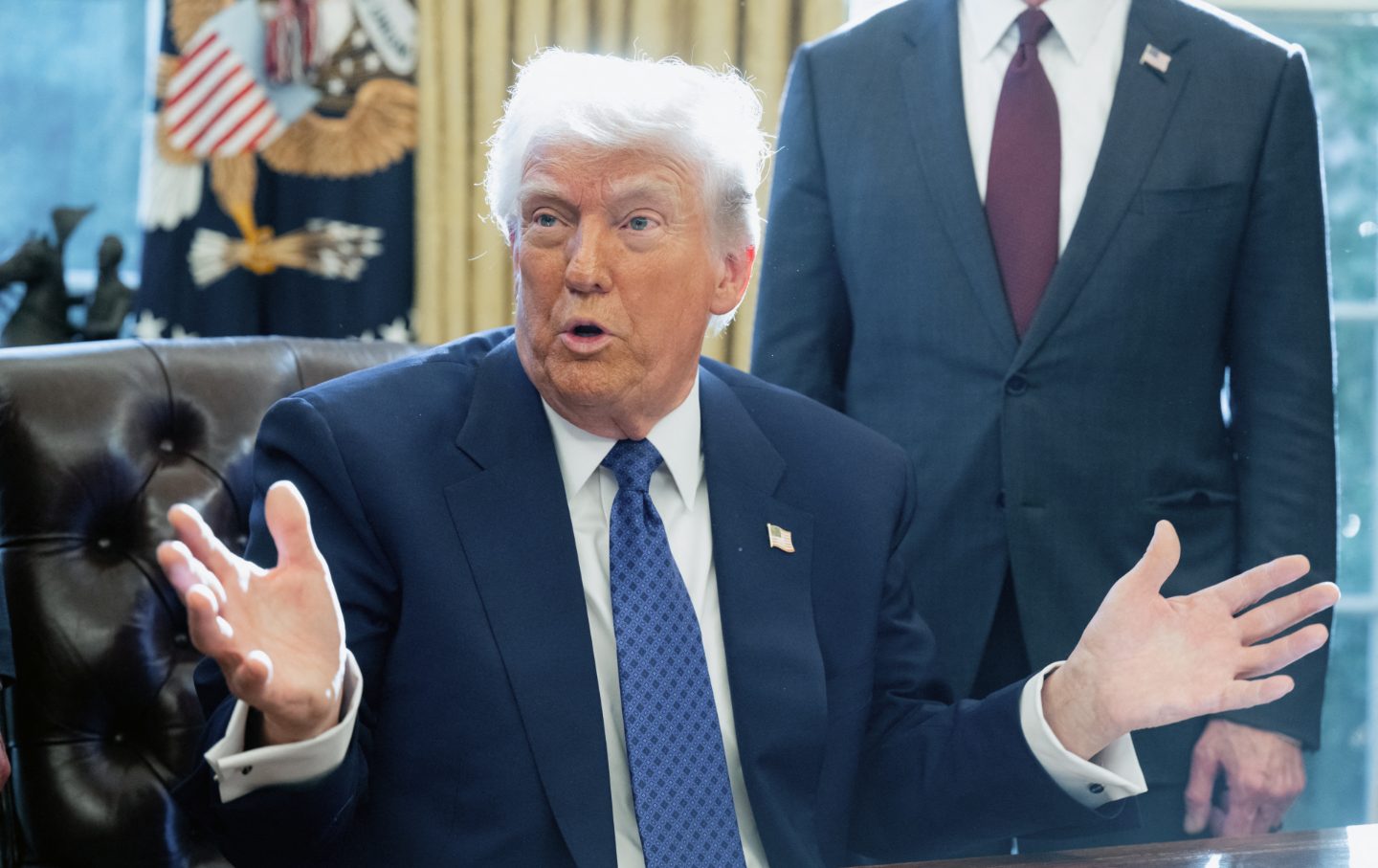
Donald Trump speaks after signing an executive order on halting federal funds for schools and universities that impose coronavirus vaccine mandates in the Oval Office of the White House in Washington, DC, on February 14, 2025.
(Saul Loeb / AFP via Getty Images)The attacks on biomedical research by the Trump administration over the past month—the funding freezes by executive order and then by subterfuge; the pausing of Federal Register notices so study sections and National Institutes of Health advisory councils cannot meet to consider grants; the massive cuts in indirect research costs—have pushed American public health and medical science to the brink. These attacks are happening at other agencies, including the National Science Foundation, endangering science across the board in the United States. And they are throwing the universities where so much vital research is done into crisis.
Some may think this will all pass soon, and things will get back to normal. But they’re kidding themselves. This is the new normal—and it’s already causing harm.
Research in the US depends heavily on federal funds—there is no fallback for most of us—so an interruption in funding means an interruption in support for all the work we do, from equipment and supplies to salaries for our trainees, students and postdoctoral fellows, as well as our own. While “indirect costs” do not support our projects specifically, they pay for the vast infrastructure that supports science at universities, the basic utilities, shared equipment, grants management staff, and other personnel that make our schools run.
That’s all by design. The administration is filled with people on a quest to undermine universities and the work they do. Way back in 2021, JD Vance was calling universities “the enemy.” Russell Vought, the architect of Project 2025 and now director of the Office of Management and Budget, similarly laid out much of this plan in advance, which they are now executing. And next they’ll come for university endowments.
At some point soon, we’ll reach the point of no return. Some institutions are already freezing graduate admissions and suspending hiring, and we’ll start to see a wave of labs closing down, clinical research studies at hospitals stoppin. Once this starts, there is no going back. It will set American science back a generation.
So where are university presidents and trustees during this crisis?
This is an existential moment for higher education. Yet, with a few notable exceptions, most university presidents have remained quiet about what is happening. It’s not hard to understand why: Speaking out risks getting your own institution targeted by this vindictive administration.
Many of us who work for universities need more than some platitudes about how we’re all in this together. What is the strategy to keep the bottom from falling out of university-based research over the next few months? What is the plan to push back? Individual universities could support one another in developing contingency plans and banding together to take on the administration collectively. There is safety in numbers.
Yes, some universities have initiated or joined lawsuits against the policies now being enacted, sending their lobbyists to the Hill, but we need more.
Our students, our postdocs, and our junior faculty are filled with anxiety and fear, and the eerie silence from academic leadership is making things worse. Hiding under the bed won’t solve anything—it just emboldens Trump, Musk and their minions.
I am sure that, in the highest reaches of university administrations, they think this strategy is wise and prudent. But as Mark Greif from Stanford said recently: “There may well be normalcy again. But it lies on the other side—not in accommodation to this malevolent insanity, run by lackeys and toads. The risk of overreaction is trivial compared to the risks of accommodation.”
The silence from leaders of some universities is just as bad as running, as others are doing, to embrace the attacks on DEI, or on trans faculty, students, and staff. The newly cherished “institutional neutrality” at many schools was a trap set over the past two years by conservative voices on and off campuses to ensure that when it came time to speak out, university presidents and trustees would obey in advance.
Working the inside strategy, depending on the courts and Congress, without challenging the administration’s narrative in the public sphere, is a fatal mistake. It lets them set the terms of the debate, which is the last thing we need. If there’s no response to Trump’s propaganda, Americans won’t understand why any of this stuff should matter to them.
It’s not about those of us who work in academia. It’s about what universities have provided for all Americans and people around the world: cures and treatments for diseases, new technologies we rely on in our daily lives. It’s about the economic benefits a college education provides to individuals, the economic investment and jobs that universities bring to cities and towns across the US. Every institution of higher education has to spell this out at the top of its lungs.
Perhaps some on campuses don’t think what is happening now is all that bad, since it hasn’t quite touched them yet. But what is happening to biomedical research is the bellwether. It is where universities are most vulnerable to federal interference. The effects, though, will ripple across institutions as Republicans continue their campaign to bring universities to their knees.
And some researchers—all of whom are being asked to make decisions about the future of their own labs right now, in terms of firing staff, or dropping projects—will not wait for long before heading for the exits. Just a few days ago, I got a recruitment e-mail from a major university in Southeast Asia—they are hiring hundreds of faculty in the health sciences. But universities and biomedical research institutes around the world will not be able to hire everyone; those who leave the US early for better prospects for support of their work abroad are going to be at an advantage before the “brain drain” moves from a trickle to a flood.
Popular
“swipe left below to view more authors”Swipe →Many of us didn’t think all of this would be so drastic, or happen so fast. But here we are. The short-termism of university administrators, the instinct to ride it out, isn’t going to work. The Trump administration is going to run through us like a pack of wolves on a flock of sheep.
And in the long term, those who decide to sit out the fight will not be remembered well by history. They will have surrendered the great tradition of American higher education to a man who would be king. It will be unforgivable.
Become a Sustaining Donor This September
Between the reemergence of right-wing red-baiting and Donald Trump’s use of the chilling National Security Presidential Memorandum–7 to criminalize left political organizing, we’re seeing McCarthyism reborn before our eyes.
This assault on democracy cannot be ignored or wished away. Resisting it requires bravery in the face of threats and repression, a steadfast commitment to the truth, and the unwavering belief that we can—and will—overcome this darkness.
We must have an independent media that sets the record straight, unearths corruption and abuses of power, and advances a politics of justice and dignity for all if we’re to win this fight.
That’s why I’m writing to you today. This September, The Nation needs to add 100 monthly donors to sustain our progressive journalism. Your contribution makes the next investigative report, the next truth-speaking column, and the next pathbreaking essay all possible.
I hope you’ll support our work with a recurring donation today. If you donate $10 or more a month, we’ll send you a brand new “Hands Off the Free Press!” sticker to recognise your commitment to our cause. Please, donate today.
Onward,
Katrina vanden Heuvel
Editor and Publisher, The Nation
More from The Nation
As Morale Sags, More Military Service Members Are Having a Crisis of Conscience As Morale Sags, More Military Service Members Are Having a Crisis of Conscience
According to multiple GI rights organizations, service members are inquiring in unprecedented numbers about seeking conscientious objector status.
What Remains of Riis? What Remains of Riis?
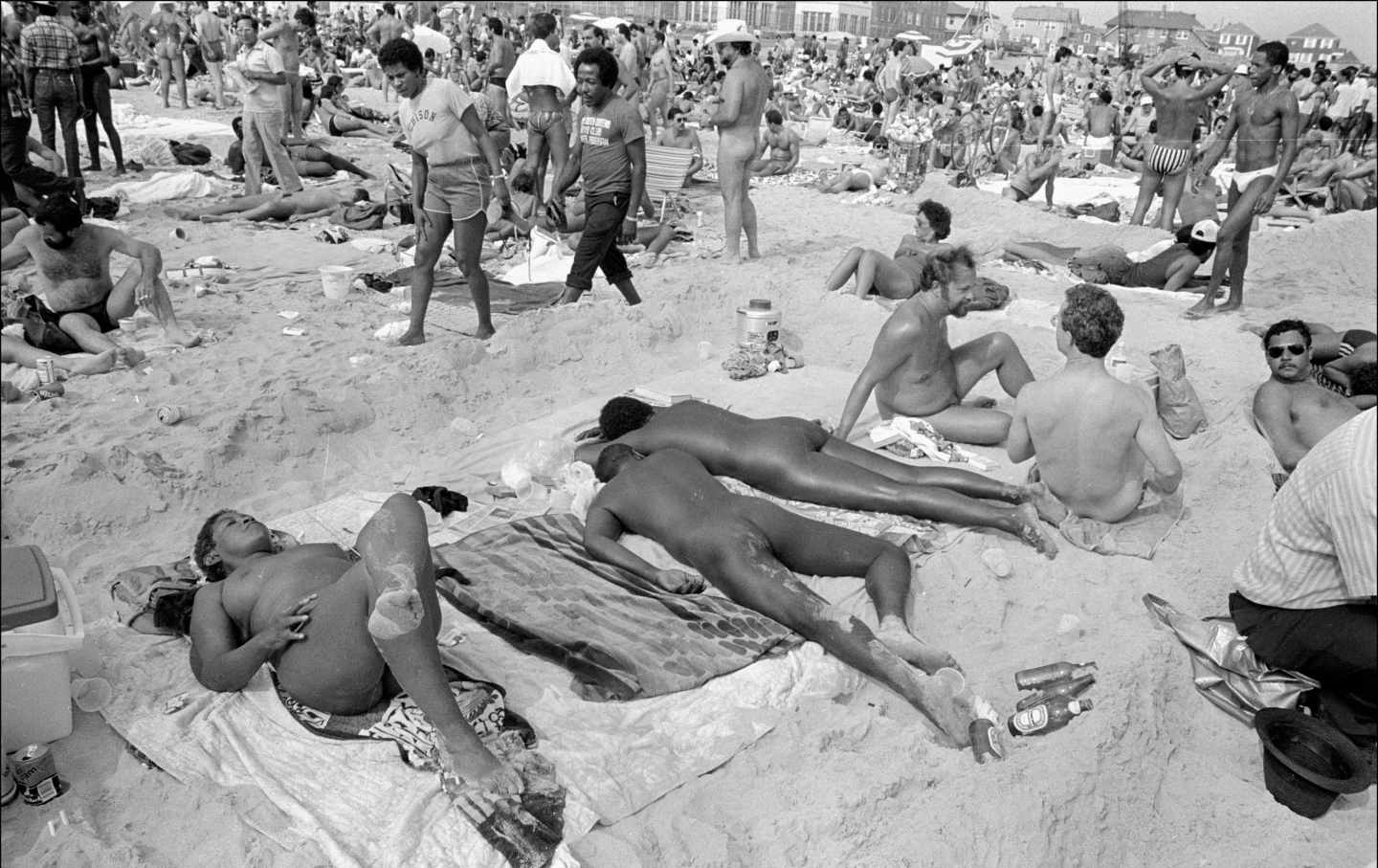
A new members’ club has revived Riis Park’s long-vacant bathhouse, reopening old questions about whom the People’s Beach is really for.

When Texas Sex Ed Falls Short, Gen Z Women Turn to Social Media When Texas Sex Ed Falls Short, Gen Z Women Turn to Social Media
A 2025 study found that 70 percent of adolescents sought reproductive health information through social media platforms.
Justice for Macklemore Justice for Macklemore
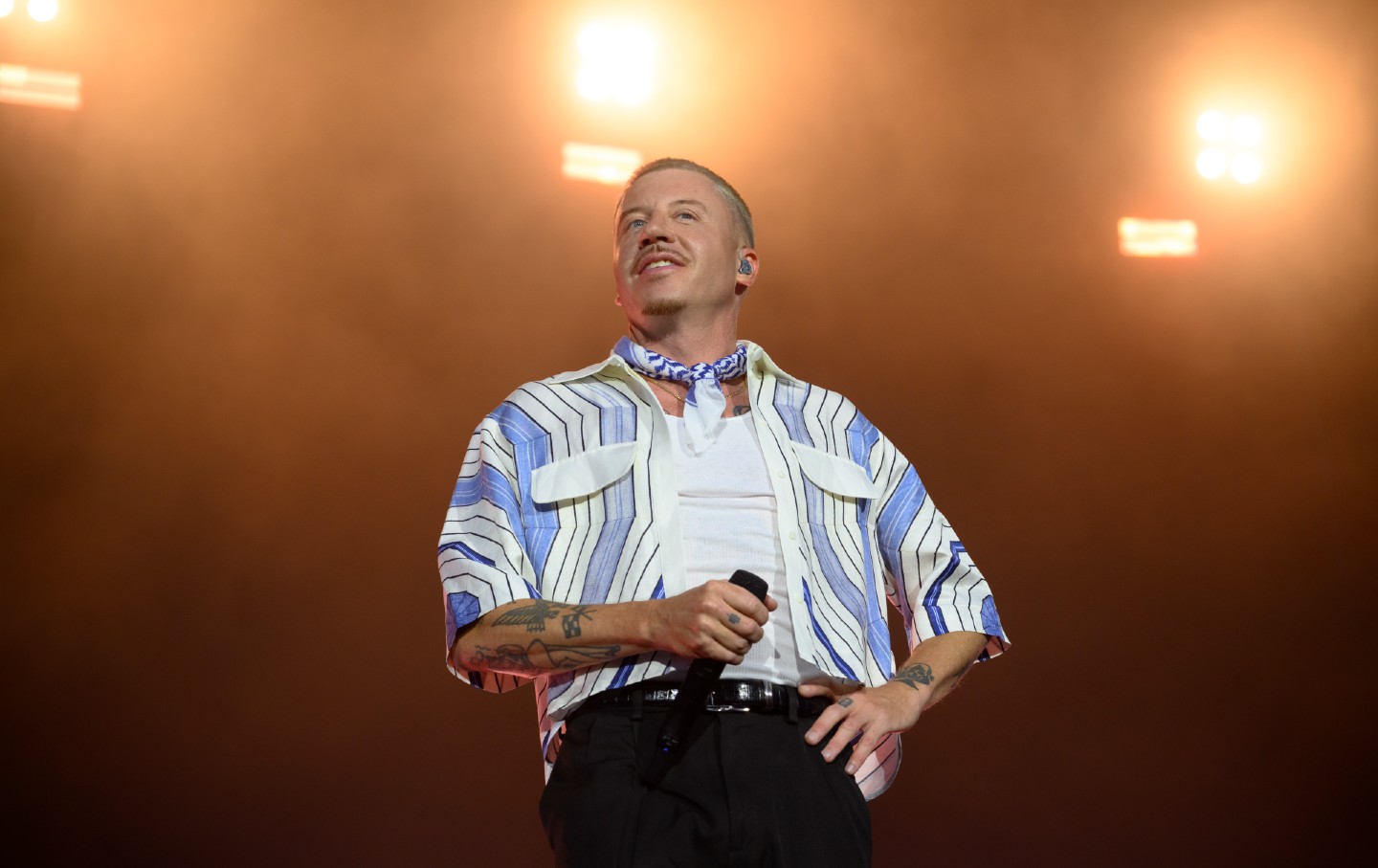
The rapper has been dumped from Ed Sheeran’s tour for saying “free Palestine.” That’s a disgrace.
We Are Living Under Roy Cohnian Logic We Are Living Under Roy Cohnian Logic
The political fixer created a career for himself as a self-promoting, ubiquitous hustler. Like Trump, he got away with it by having the right friends.
Time Has Run Out for AI Risk Deniers Time Has Run Out for AI Risk Deniers
The recent spate of reports about the technology’s destructive power underline two prime directives: Be afraid, and regulate aggressively.

